
Review · MOROCCAN
Marrakesh: Moroccan Dishes Cooking Class with a Local Chef
Moroccan food is not just tagine served under a conical lid. This four-hour cooking class shows you how the meal comes together, beginning with a market visit and ending with a table full of dishes made by the whole group. Hassan leads the cooking, while Ahmed often handles the tea ceremony and cultural background.
I like the market stop because you help choose the vegetables instead of simply arriving at a kitchen with ingredients already measured. I also like the range of food: several tagines plus salads or side dishes means you learn how Moroccan meals are built, not just one recipe. The main consideration is that the food is made collectively, so you will share tasks rather than prepare one dish from start to finish on your own.
Key points to know before booking
- The class begins at Pharmacie Bab Doukkala: Use the exact pharmacy name in Google Maps and allow time to find the meeting point.
- Hassan and Ahmed lead a friendly, practical class: Expect cooking instruction mixed with stories about Moroccan customs, tea, and family kitchens.
- You may prepare up to six dishes: Common choices include chicken with preserved lemon, beef with prunes, vegetable tagine, kefta, shakshouka, and zaalouk.
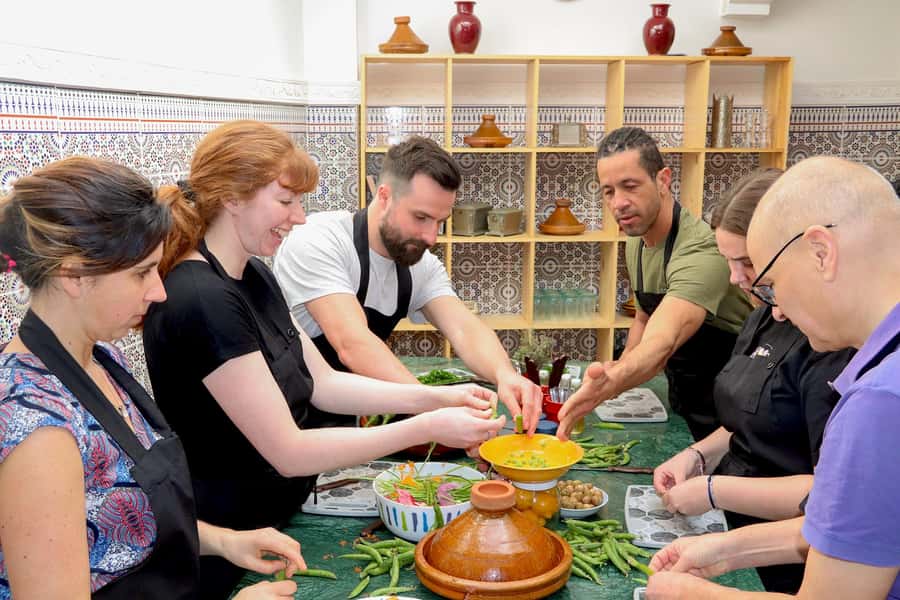
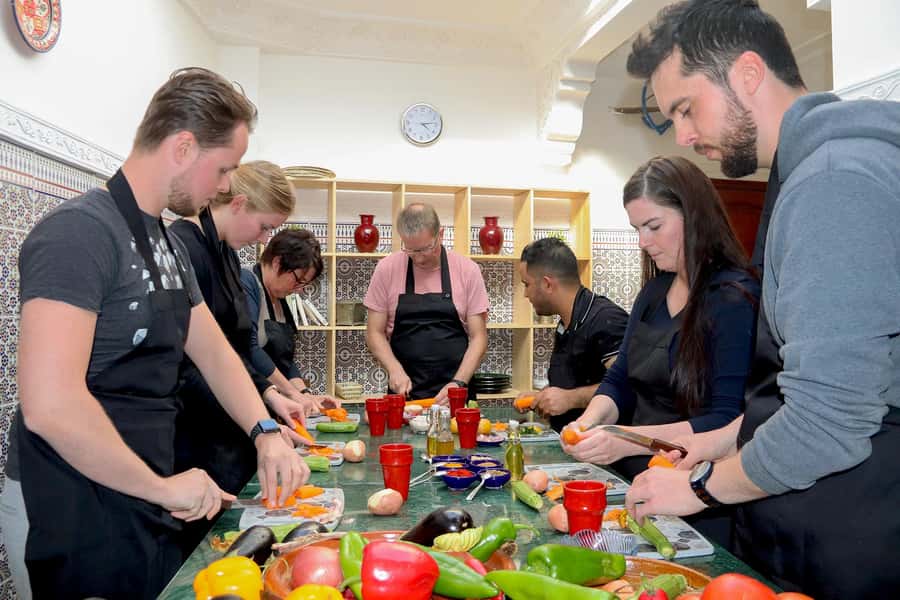
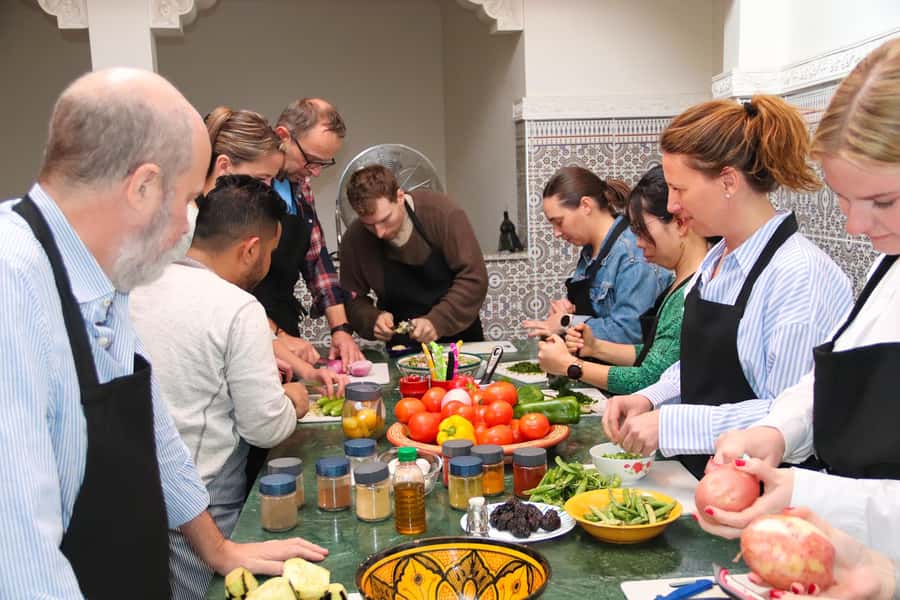
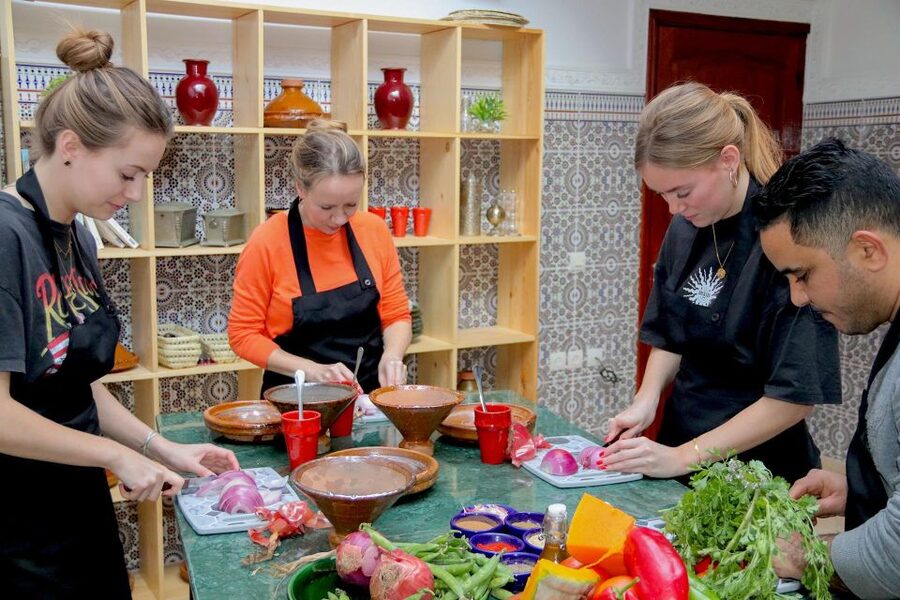
- Everyone cooks as one team: You will peel, chop, season, and help with several recipes rather than work at an individual station.
- The final meal is served buffet-style: You can sample the dishes made during the class, along with bread, water, and tea.
- Recipes arrive afterward: A link to the recipes is sent in the evening, making it easier to repeat the meal at home.
Why this Marrakesh cooking class works so well
At $47 per person, this is a good-value half-day activity if you want more than a restaurant meal. You get a market visit, a tea lesson, three-plus hours of cooking, a full meal, and recipes to take home.
The real value is the range. A restaurant lets you taste one or two Moroccan dishes. Here, you may prepare four tagines and two side dishes in one session. The exact number depends on group size and dietary needs, but the usual spread gives you a useful introduction to Moroccan home cooking.
The class has also earned a 5 out of 5 rating from more than 1,600 bookings, with particular praise for the food, the hosts, the hands-on format, and the cultural explanations. That pattern matters because cooking classes can be hit or miss: some are mostly demonstrations, while others feel like a crowded production line. This one is designed around shared work in a small group of up to nine people, with ten possible only in unusual overbookings or private groups.
More Moroccan Cooking Classes in Marrakech:
- Marrakech: Moroccan Cooking Class with Pickup
★ 4.6 · 1,862 reviews - Marrakech: Traditional Moroccan Cooking Class & Market Visit
★ 4.8 · 1,861 reviews - Moroccan Cooking Class & Marrakech Market Visit with Chef Khmisa
★ 5.0 · 1,504 reviews
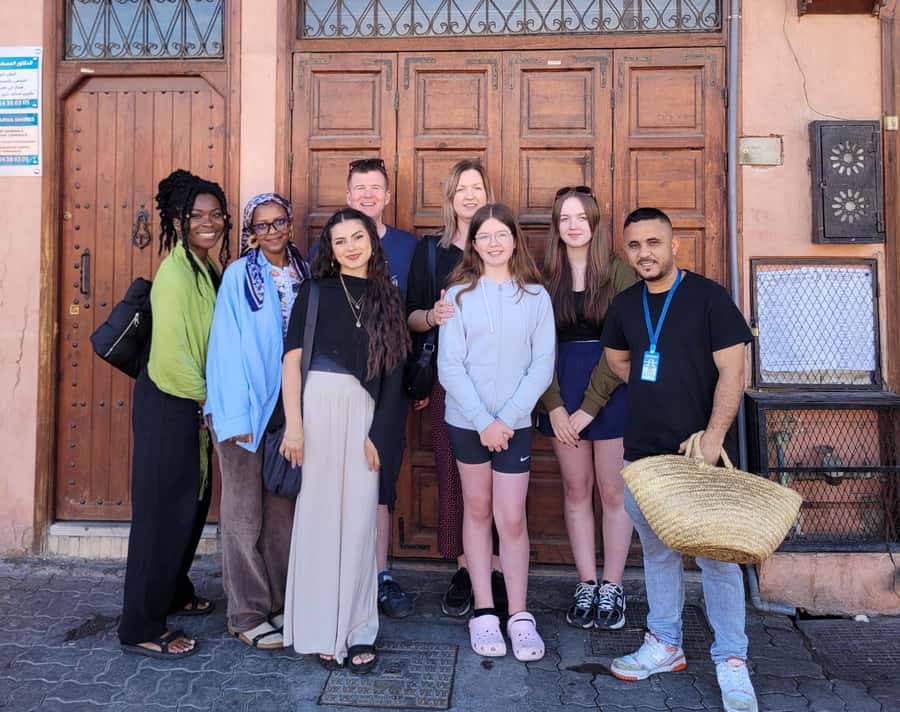
Meeting Hassan and Ahmed near Bab Doukkala
The meeting point is Pharmacie Bab Doukkala. Search for that exact name in Google Maps rather than relying on a general search for Bab Doukkala, since Marrakesh has many similarly named places and busy streets.
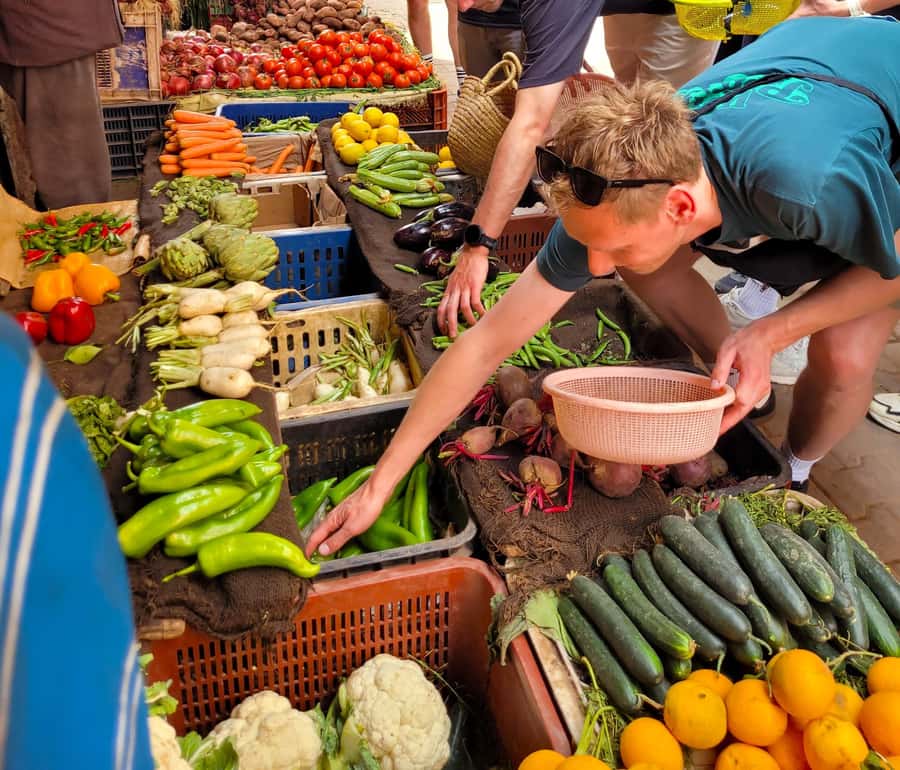
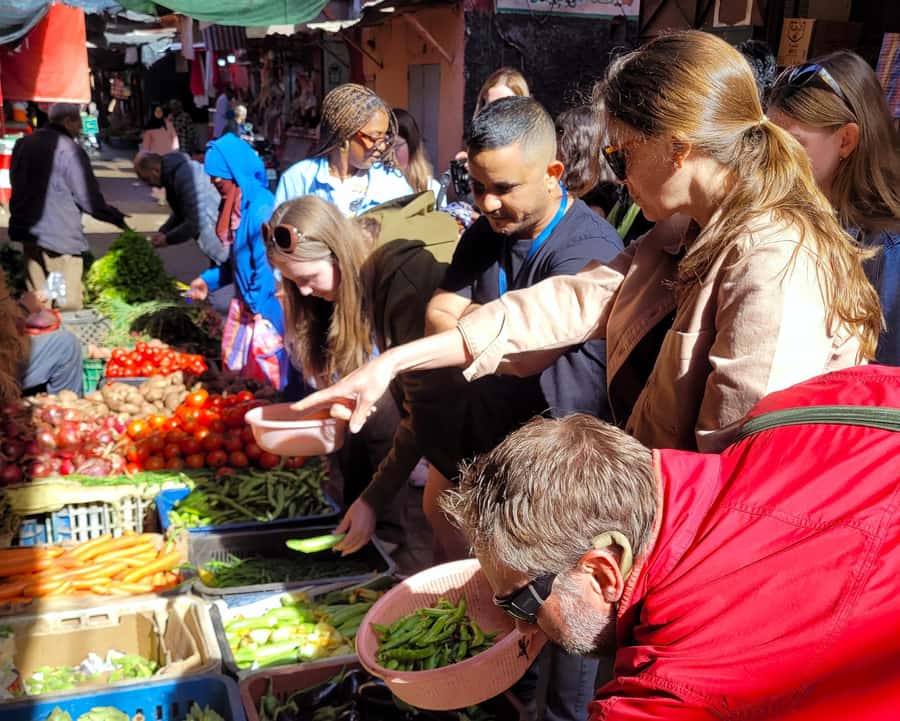
From there, you take a short walk through a nearby food market. This is not a full souk tour, and the market visit lasts about 15 minutes. Still, it gives the cooking a useful starting point. You see the kind of vegetables and herbs that will end up in the pans, and you help select some of the supplies.
I like this small shopping stop because it connects the meal to ordinary Marrakesh life. The ingredients are not presented as mysterious objects. They are food bought for lunch or dinner, chosen with the same practical eye used in a Moroccan household.
Do not expect a long guided market tour. The purpose is to gather ingredients, not to spend an hour discussing every stall. That short length is useful for a four-hour class, but anyone hoping for a major food walk should book a separate market tour.
The 30-minute Moroccan tea ceremony
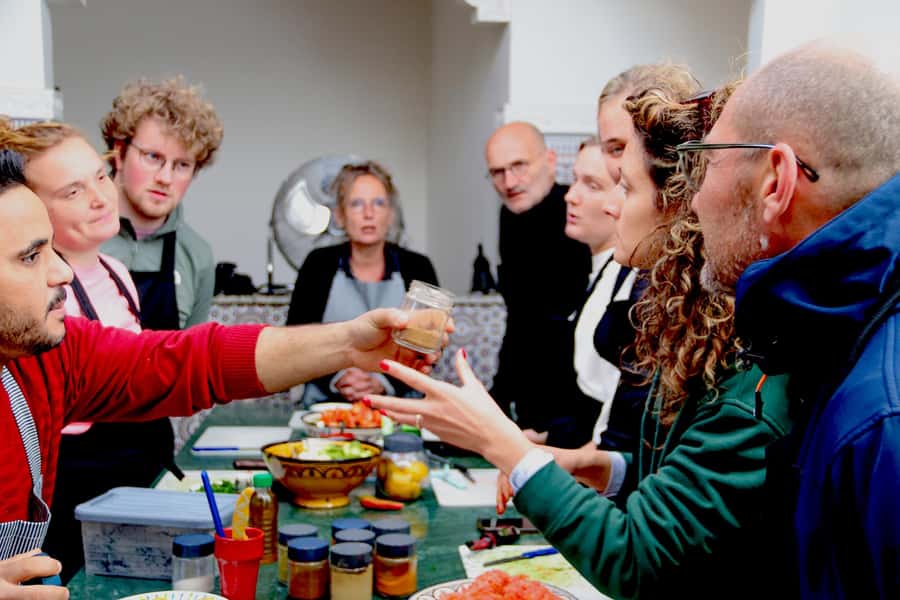
Back at the cooking space, the class begins with mint tea. Ahmed often leads this part, explaining the traditional method and the role tea plays in Moroccan hospitality.
The tea ceremony slows the pace before the chopping begins. You learn how the tea is prepared, then drink it while meeting the rest of the group and hearing about Moroccan customs. Several participants have singled out this part as one of the most memorable features, and I can see why. It is not simply a drink included with the meal. It gives you a social key to the rest of the class.
The class is taught in English or French. If the group includes speakers of both languages, instruction is bilingual. If everyone speaks the same language, the class is held in that language only. If clear, detailed instruction is important to you, check the language mix before booking.
Cooking several tagines as one team
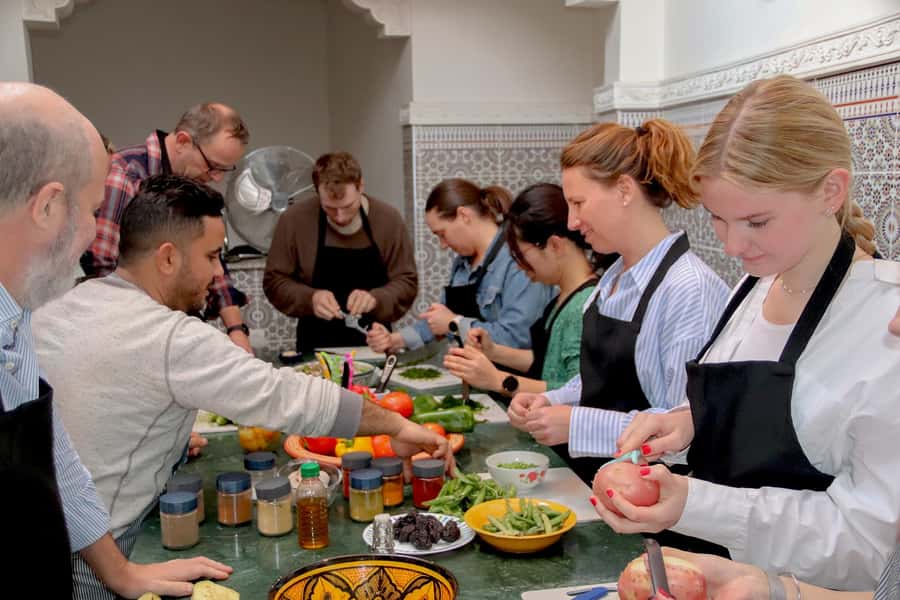
The cooking section lasts about three hours and 15 minutes. Hassan explains how to peel, chop, season, and layer the food, with an emphasis on the methods used in Moroccan homes.
The usual menu can include:
- Beef with prunes tagine
- Chicken with preserved lemon tagine
- Vegetable tagine
- Kefta, or meatballs with tomato sauce and eggs
- Shakshouka with sweet peppers
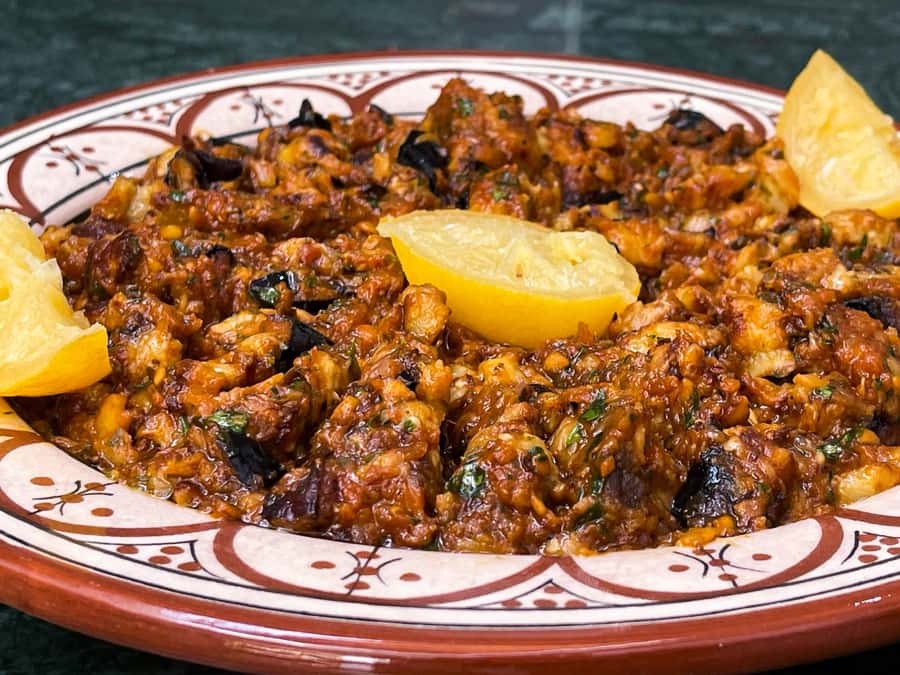
- Zaalouk, a fried or grilled aubergine salad
The group may make four tagines and two side dishes, or a slightly smaller selection. One session could include chicken, lamb, meatballs, and vegetables, while another may focus on a different mix. Group size and dietary restrictions affect the final menu.
This variety is the heart of the activity. You learn how different spices work with meat, vegetables, eggs, fruit, and cooked salads. You also see that Moroccan food is not one single flavor profile. A preserved lemon tagine behaves differently from beef with prunes, while zaalouk adds a smoky vegetable note to the table.
The group works together, and that is both a strength and a limitation. You will likely be given tasks such as preparing vegetables, mixing meatballs, seasoning a tagine, or helping with a salad. You will learn something about every dish, but you may not personally complete every stage of each recipe.
That format suits families and social groups especially well. An 11-year-old participant was able to take an active role in the cooking, and children aged six and older are allowed. Younger children are not accepted, and the class is not suitable for wheelchair users or people with back problems.
More Hands-On Workshops in Marrakech:
- Half-Day Cooking Class with Local Chef Laila in Marrakech
★ 5.0 · 952 reviews - Marrakech: Moroccan Cooking Class with a Local Family
★ 4.9 · 668 reviews - Marrakech: Moroccan Cuisine Cooking Class in Local Home
★ 4.8 · 508 reviews - Marrakech: Moroccan Cooking Workshop at La Maison Arabe
★ 5.0 · 446 reviews
What the cultural explanations add
Hassan and Ahmed do not treat cooking as a list of instructions. While the food cooks, they explain Moroccan traditions, family practices, and the place of different dishes in daily meals and special occasions.
You learn about the different uses of tagines and why certain dishes are prepared in particular ways. These comments help you understand the food once you return to Marrakesh restaurants. After the class, you will have a better idea of how to compare a meat tagine with a vegetable one, and why side dishes such as zaalouk matter on the table.
The teaching style is informal. Hassan is often praised for his patience, humor, and ability to include everyone. That is important in a class where people arrive with very different cooking skills. You do not need to be an experienced cook. The aim is to follow clear steps, work with the group, and ask questions as you go.
The class is bilingual when needed, so some explanations may take longer. That is a fair trade for including both English and French speakers, but it can make the pace feel less direct than a single-language class.
The final buffet and the meal you helped make
At the end, the dishes are arranged as a shared buffet. You taste the food made during the session, with bread, water, and tea included.
This is where the teamwork pays off. Instead of receiving a single plated dish, you can try several preparations side by side. The meal may include the sweet and savory contrast of beef with prunes, the salty citrus note of preserved lemon chicken, spiced kefta, and vegetable dishes with a softer texture.
Many participants describe the meal as one of the best they had in Morocco. I would treat that as a sign of strong execution rather than a guarantee that it will replace every restaurant meal in Marrakesh. The food is fresh, made during the session, and served soon after cooking, which gives it a home-kitchen quality that can be missing from a busy restaurant.
There is usually enough for everyone to share. The meal is also a good time to talk with the other people in the group, who may be from several different countries. If you are traveling alone, this social side is a useful bonus. If you prefer a quiet, private meal, the group setting may feel less comfortable.
Recipes, spices, and taking the lesson home
The recipes are sent by link after the class, usually in the evening. This is more useful than a quick handwritten ingredient list because you can refer back to the dishes later.
The recipes let you repeat the experience at home, though you may need to adjust ingredients based on what is available in your local shops. The class also helps you understand the method, which is often more valuable than a fixed recipe. You learn how to season and layer food, not just how to copy a list of measurements.
At the end, you can buy spices from the workshop. This gives you a practical way to bring home some of the flavors used during the class. Spice purchases are not included in the $47 price, and any extra drinks are also separate.
The cooking area is air-conditioned. One participant found the room cold, so I would bring a light sweater, especially for a morning or winter session. Four hours is a long time to spend standing, and the activity is not recommended for people with back problems.
Dietary needs and what to clarify
The class can accommodate vegan, vegetarian, and gluten-free food. Contact the provider in advance so the menu can be adjusted properly. The dishes are still made collectively, so you may be preparing shared recipes rather than receiving a completely separate private meal.
There is one important warning: this class is not suitable for people with onion or garlic allergies. Those ingredients are common in Moroccan cooking and appear to be part of the normal kitchen process.
If you are booking alone, contact the provider before reserving. A minimum of two participants is required, unless another booking already fills the class on that date. The maximum is normally nine people.
The class operates during Ramadan, which makes it available during that period, but the timing and meal routine may feel different from a regular day. Confirm the start time when you book.
Who should book this class?
I would choose this for anyone who enjoys food, wants a practical cultural activity, or plans to order Moroccan dishes during the rest of a Marrakesh stay. It is also a strong pick for families with children aged six and older, provided everyone is comfortable standing, chopping, and working as a team.
Book it early in your stay if you want the class to shape the way you eat afterward. You will recognize more dishes and may notice the role of preserved lemon, sweet fruit, cooked vegetables, and spice blends on restaurant menus.
Book it near the end if you want a relaxed final meal and a useful set of recipes to carry home. One participant specifically wished the class had happened before ordering more tagines, because the homemade versions set a high bar.
This is less suitable if you want a private chef, a single recipe taught in great detail, or a market tour lasting several hours. It is also not the right choice for serious allergies to onion or garlic, limited mobility, or major back problems.
Should you book the Marrakesh cooking class?
Yes, if you want a hands-on introduction to Moroccan food at a fair price. The market visit, tea ceremony, wide menu, friendly teaching, and shared buffet create a full afternoon rather than a quick demonstration.
The strongest reason to book is the chance to learn several dishes in one sitting and receive the recipes afterward. Hassan and Ahmed add the human side, explaining food customs while keeping the group involved.
Just know what you are buying: this is a communal cooking session, not a private lesson. You may not control the menu or prepare every dish alone. For most people, that shared format is exactly what makes the class enjoyable. If you are happy to chop, stir, ask questions, and eat with the group, this is one of the better food activities to add to a Marrakesh visit.
FAQ
Where does the cooking class meet?
Meet at Pharmacie Bab Doukkala in Marrakesh. Search for the exact pharmacy name in Google Maps to find the correct location.
How long does the activity last?
The full experience lasts four hours, including the market visit, tea ceremony, cooking, and meal.
What languages are spoken?
The instructors speak English and French. The class is bilingual if the group includes both language groups. If everyone speaks the same language, instruction is given in that language.
What food might I prepare?
The usual dishes include beef with prunes tagine, chicken with preserved lemon tagine, vegetable tagine, kefta, shakshouka, and zaalouk. The exact selection can vary with group size and dietary needs.
Is the meal included?
Yes. The meal, bread, water, and tea are included. Additional drinks are not included.
Can children join the class?
Children aged six and older are allowed. Children under six are not accepted.
Can the class accommodate vegetarian or gluten-free diets?
The class can prepare vegan, vegetarian, and gluten-free food. Contact the provider before booking so the menu can be arranged.
Is the class suitable for people with allergies or mobility concerns?
It is not suitable for people with onion or garlic allergies, wheelchair users, or people with back problems. The class includes standing, food preparation, and group cooking.
Just added around Marrakech
- Organic Moroccan Cooking Class At Secret Berber Garden CT★ 5.0 · 147 reviews
- Cooking Classes Farm to Table Marrakech★ 5.0 · 165 reviews
- Moroccan Cooking Class: Farm-to-Table Tagine★ 5.0 · 50 reviews
- Authentic Moroccan Cooking Class in a Farm in Marrakech★ 5.0 · 64 reviews
- Cooking Course with Lunch & Pool Access in Day Pass★ 5.0 · 32 reviews
- Marrakech: Traditional Moroccan Crepes & Bread Cooking Class★ 4.8 · 135 reviews
- Moroccan Cooking Class with Market Visit and Meal★ 5.0 · 196 reviews
- Cooking class with Yassine & Mom★ 5.0 · 204 reviews
Moroccan Cooking Classes, compared.
Marrakech: Moroccan Cooking Class with Pickup
Read our review →
Marrakech: Traditional Moroccan Cooking Class & Market Visit
Read our review →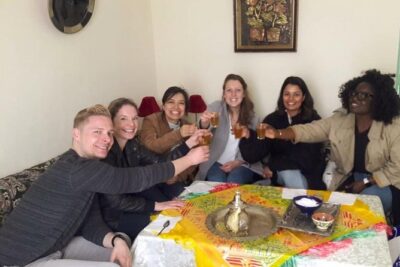
Moroccan Cooking Class & Marrakech Market Visit with Chef Khmisa
Read our review →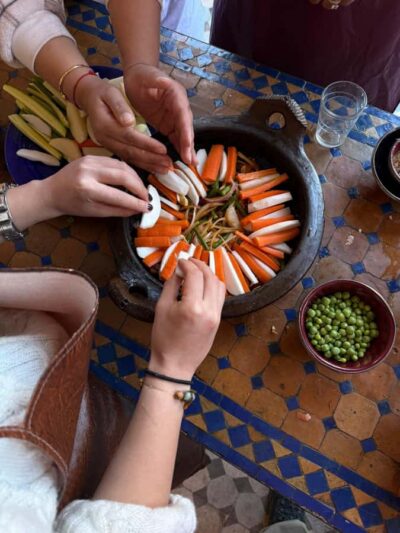
Marrakech: Moroccan Cooking Class with a Local Family
Read our review →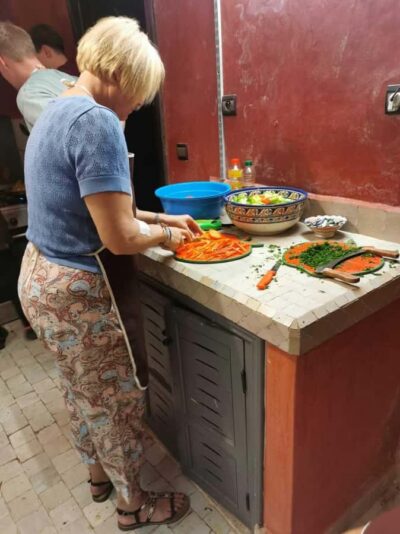
Marrakech: Moroccan Cuisine Cooking Class in Local Home
Read our review →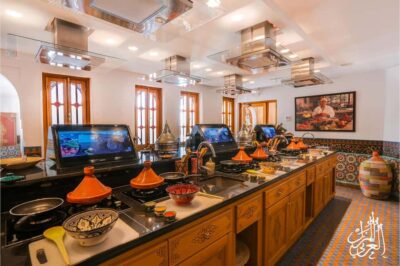
Marrakech: Moroccan Cooking Workshop at La Maison Arabe
Read our review →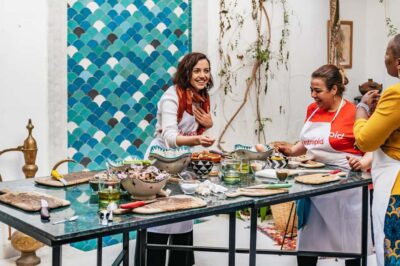
Marrakech: Tajine Cooking Class in a Traditional Riad
Read our review →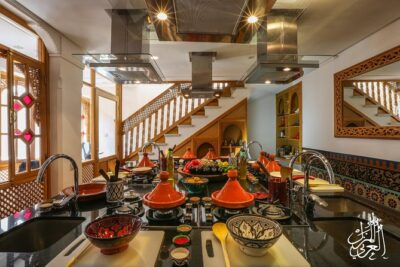
Browse the lists this tour appears in