
Review · MARRAKECH
Marrakech: Moroccan Cooking Class with Amazing Local Chef!
Marrakech’s best cooking lesson is less about watching a chef perform and more about getting your hands busy. You’ll prepare a four-course Moroccan meal in a traditional riad or farmhouse, starting with mint tea and pastries before moving on to salads, tagine, M’smen bread, and dessert. Chef Chafik and his team bring family cooking customs into the kitchen, with stories that make each spice and technique easier to understand.
I like the warm welcome and the useful, hands-on format. You are not simply handed a plate of food. You chop vegetables, arrange the tagine, shape the bread, and sit down with the group to eat what you made. I also like the small-group feeling, which makes it easy to ask questions, even when the class includes people speaking different languages.
The main thing to check is the meeting arrangement. The activity is at Door 312, with ArtEscape Marrakech as the Google Maps pin, and the building may not have a sign outside. Arrive 15 minutes early, and ring the bell if needed. Some bookings have included pickup and drop-off, but confirm this rather than assuming it is automatic.
Key points to know before booking

- A four-course meal you help prepare: Make two Moroccan salads, a tagine, M’smen flatbread, and a sweet finish.
- Mint tea starts the welcome: The tea ceremony and pastries offer a gentle introduction before the cooking begins.
- Chef-led but not intimidating: Chafik, Fatima, Laila, Chaima, and other team members explain each stage clearly and encourage questions.
- A social meal at the end: You eat together, share dishes, and meet people from different countries around one table.
- Useful take-home value: Recipe cards let you try the dishes again after returning home.
- Good practical details: The class runs from 10:30 a.m. to 2:30 p.m., costs $45 per person, and offers free cancellation up to 24 hours before the start.
A four-hour taste of Moroccan home cooking
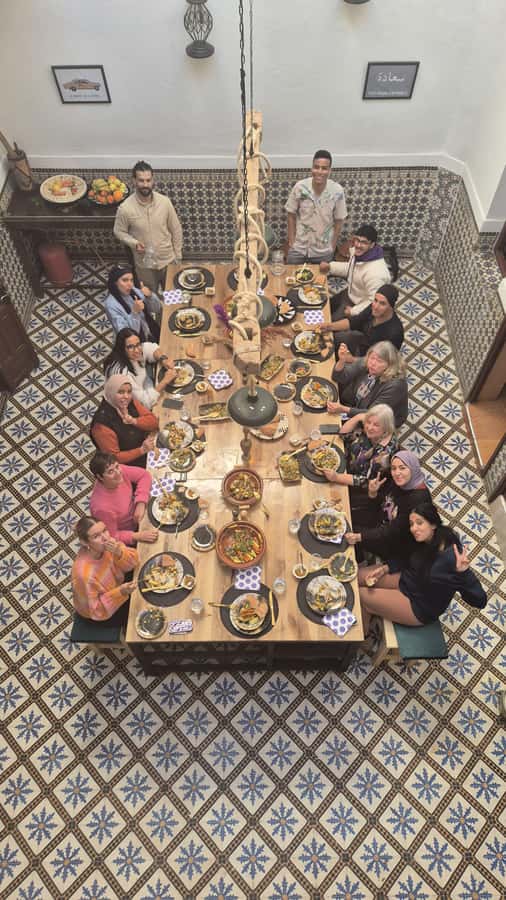
This class works because it treats food as a doorway into daily life. Moroccan cooking depends on patient preparation, careful seasoning, and shared meals. You get to see those habits in action rather than only hearing a guide describe them.
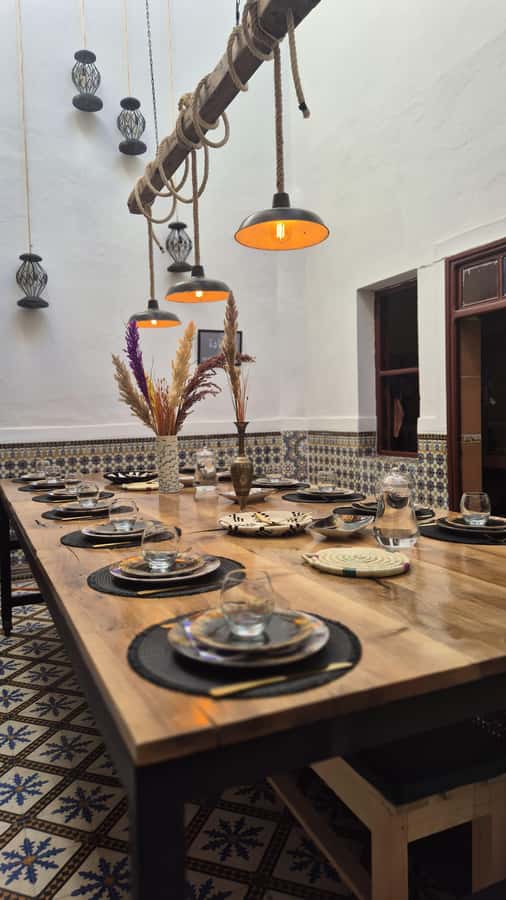
The lesson takes place in a traditional riad in Marrakech or at a farmhouse. The setting matters. A riad gives you the calm, decorated interior many people hope to see in Marrakech, while the farmhouse setting offers a more open, relaxed feel. The exact location is important to confirm when you book, especially if you are arranging transport.
The morning session runs from 10:30 a.m. to 2:30 p.m. Four hours gives the food time to develop properly. A tagine is not a fast dish, and the class does not rush straight from chopping to eating. You prepare ingredients, allow the pots to cook, make bread, and enjoy smaller bites along the way.
More Moroccan Cooking Classes in Marrakesh:
- Marrakech: Moroccan Cooking Class with Pickup
★ 4.6 · 1,862 reviews - Marrakech: Traditional Moroccan Cooking Class & Market Visit
★ 4.8 · 1,861 reviews - Marrakesh: Moroccan Dishes Cooking Class with a Local Chef
★ 5.0 · 1,615 reviews
Mint tea, pastries, and a friendly start
Your first moment is a Moroccan tea ceremony with the chef. Mint tea is not just a drink here. It is part of the welcome, and it sets the tone for the class. Pastries are served too, giving you something small to enjoy while the guide introduces the kitchen and the group.
This opening is especially useful if you are new to Moroccan food. You can ask questions before the cooking begins, learn how the class will run, and get comfortable with the people around you. The guides speak English, French, and Arabic, so the atmosphere is designed to include mixed-language groups.
The team members named in the feedback include Chafik, Fatima, Laila, and Chaima, while one visitor specifically praised Mehdi. The guide you meet may vary, but the teaching style is clearly intended to be friendly and direct. Explanations are given step by step, without assuming that you already know how Moroccan kitchens work.
Preparing two Moroccan salads
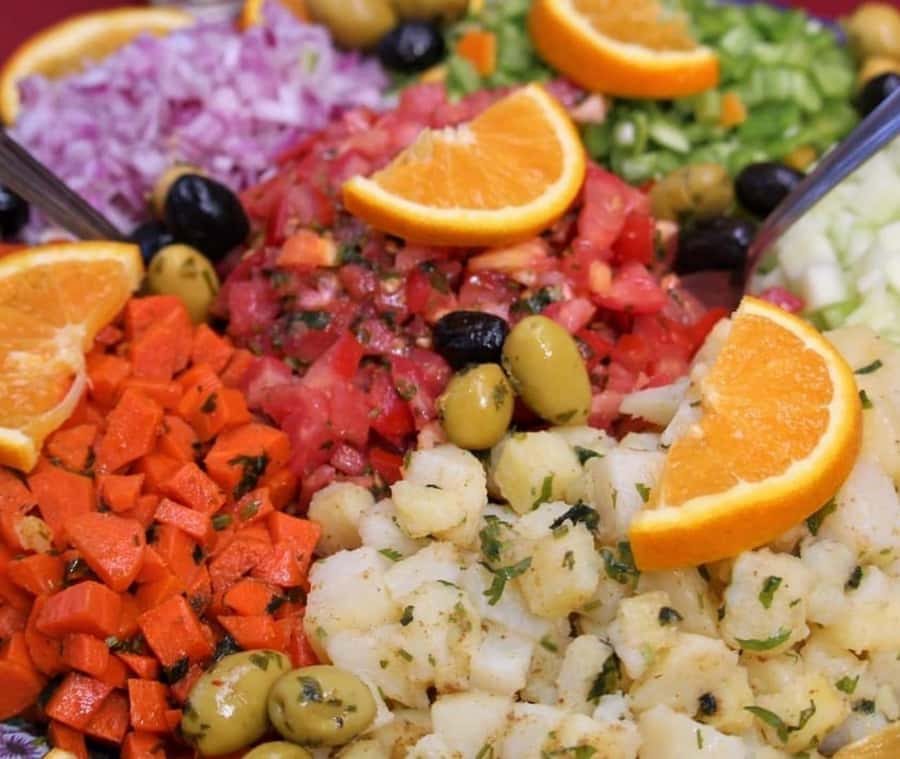
The first cooking work often begins with vegetables and salads. You prepare two Moroccan salads, which gives you a useful lesson in contrast. Moroccan salads are not limited to a bowl of raw leaves. Cooked vegetables, herbs, citrus, and spices can all play a part, and the combinations show how much flavour can come from simple produce.
This is a good stage for learning about seasoning. The chef explains how Moroccan food builds taste through balance rather than heat alone. You get a closer look at the use of herbs, spices, lemon, and fresh vegetables, and you can ask how the recipes change from one household to another.
The task is also manageable for families and first-time cooks. There is enough to do to keep you involved, but the steps are not presented as a test. If you are cooking with teenagers, this section offers easy jobs before the longer tagine preparation begins.
Building a tagine from the bottom up
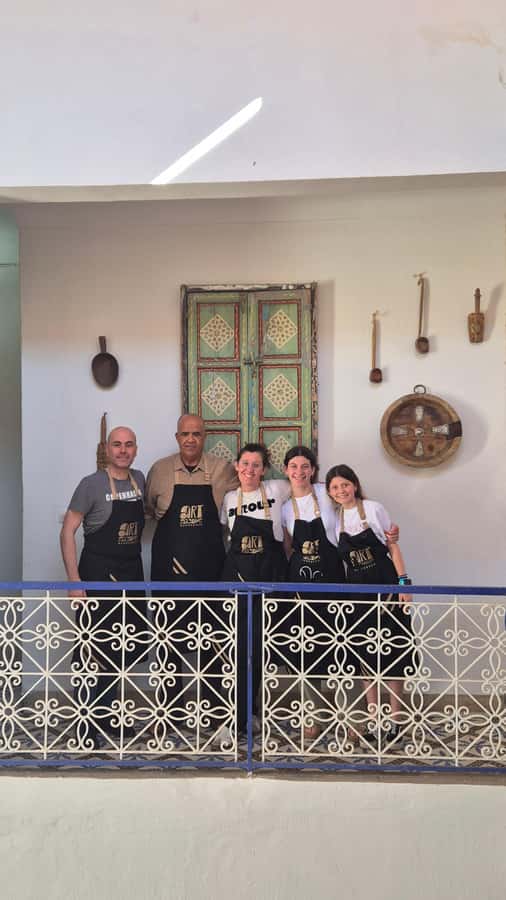
The tagine is the main event. You choose a tagine style, with chicken and vegetable versions among the dishes prepared in the class. The key lesson is not just which spices to add. You learn how ingredients are arranged in the clay pot and why the order matters.
A tagine cooks slowly, allowing the meat or vegetables to soften while the sauce gathers flavour. The distinctive cone-shaped lid helps keep moisture in the pot. You may not become a tagine expert in one morning, but you will leave with a much clearer idea of why this cooking method produces tender food and concentrated sauce.
The hands-on part is what makes this worthwhile. You help prepare the vegetables and meat, arrange the ingredients, and place the tagines on to cook. While they simmer, the lesson moves to bread, so the morning has a natural rhythm instead of four hours spent waiting.
Vegetarian options are available, but tell the provider about allergies, dietary restrictions, or other requests when booking. If you have a serious allergy, clear communication matters because the class uses many fresh ingredients and prepares several dishes in the same setting.
More Hands-On Workshops in Marrakesh:
- Marrakech: Moroccan Cooking Class with a Local Family
★ 4.9 · 668 reviews - Marrakech: Moroccan Cuisine Cooking Class in Local Home
★ 4.8 · 508 reviews - Marrakech: Moroccan Cooking Workshop at La Maison Arabe
★ 5.0 · 446 reviews - Marrakech: Tajine Cooking Class in a Traditional Riad
★ 4.8 · 424 reviews
Learning the fold and flake of M’smen bread
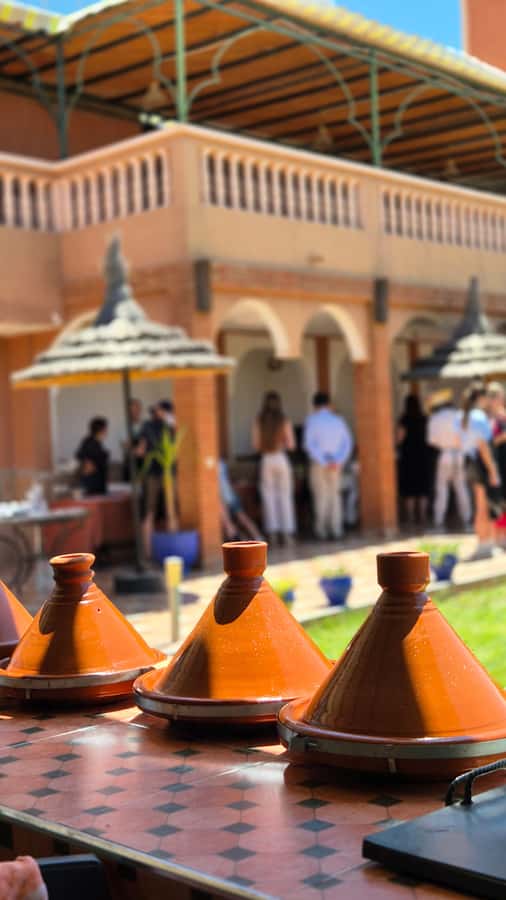
M’smen is a Moroccan flatbread with a crisp, flaky texture. Making it yourself is one of the class’s most useful skills because the result depends on technique more than complicated equipment.
The guides show you how to work the dough and shape the bread. You then make one yourself, rather than simply watching a demonstration. M’smen can be eaten with dips, honey, nut butter, or oil, and it gives you something warm and immediate while the tagines continue cooking.
This part can be messy in a good way. You need comfortable shoes, and clothing that can handle a little flour or oil is sensible. The class provides ingredients and utensils, so you do not need to bring cooking equipment.
A shared table and a few unexpected flavours
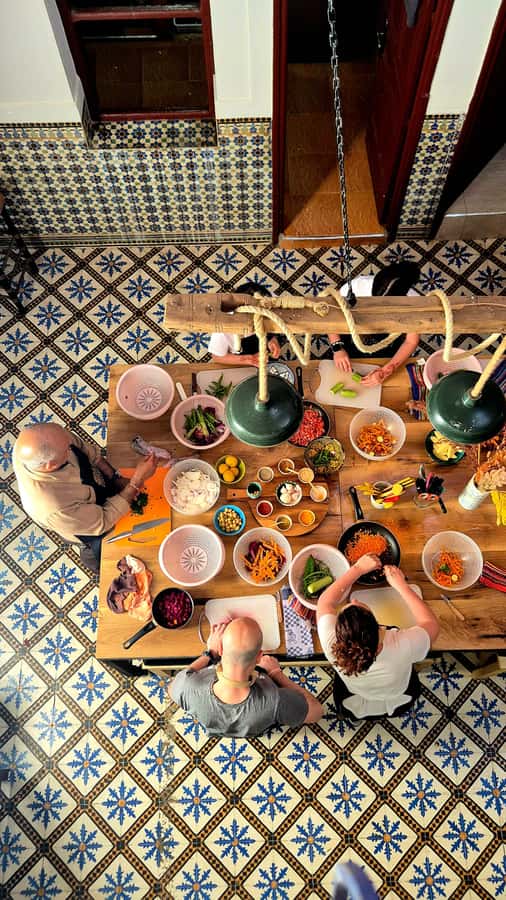
Once the food is ready, you sit down and eat the meal together. The four-course plan includes two Moroccan salads, your chosen tagine, M’smen bread, and dessert. Moroccan mint tea is served with the meal.
The shared table is more than a final reward. It changes the class from a lesson into a social experience. You have worked beside the other participants, so the meal feels cooperative rather than formal. One family with two teenagers found the format especially good for laughing, cooking, and working together.
The dessert can vary. Blended beetroot, orange, lemon, and mint juice has been served as a sweet finish, while other sessions have included Moroccan pastries. One person hoped for a more complex dessert, so you should not book this expecting a pastry-making masterclass. The main focus is the tagine, salads, and bread.
The food itself is the strongest reason to book. The combination of slow-cooked sauce, warm bread, fresh salads, and tea gives you a broad sample of Moroccan cooking in one sitting. You also get the satisfaction of eating food you helped make.
What makes the cultural side worthwhile
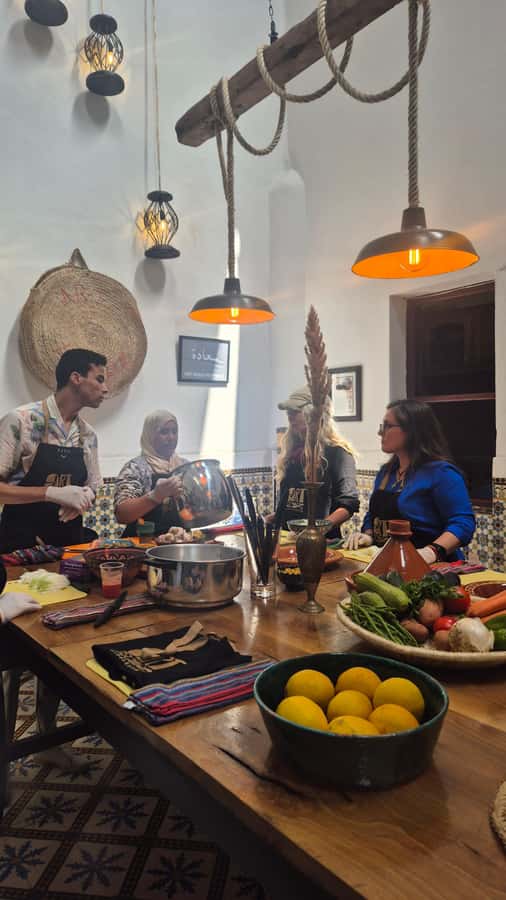
A good cooking class gives you recipes. This one also connects those recipes to family life and local customs. The guides share stories about Moroccan food traditions and the influence of North African and Mediterranean cooking.
That context makes small details more meaningful. You begin to understand why mint tea is offered at the start, why bread is central to the meal, and why tagine cooking rewards patience. The lesson also introduces Berber cooking techniques passed down through generations, giving you a clearer sense of how food traditions survive through homes and families.
I would not treat this as a formal history lecture. The cultural information arrives during chopping, shaping, and eating. That is part of its appeal. You learn in short pieces, at the moment when the information applies to what you are doing.
The value of $45 per person
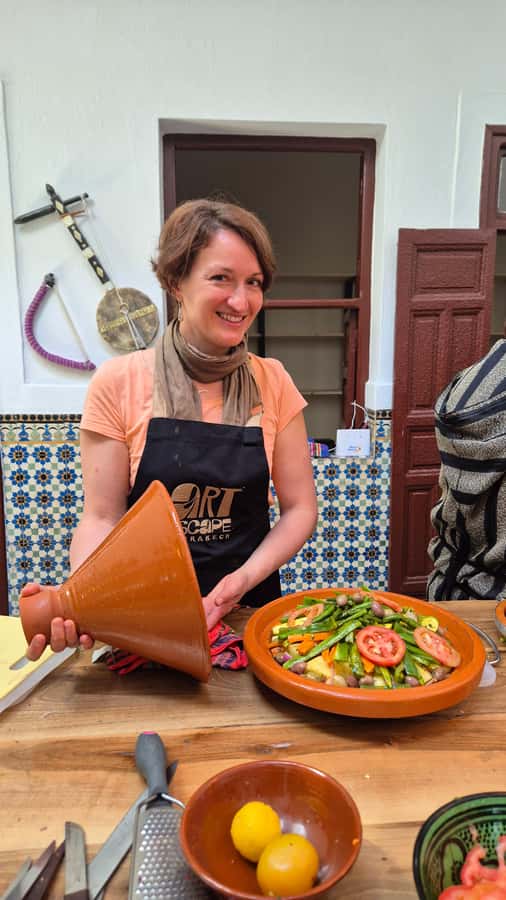
At $45 per person, this is good value if you want a substantial activity rather than a quick demonstration. Four hours includes the welcome tea, ingredients, utensils, instruction, a complete meal, and recipe cards to take home.
The value improves if you are travelling with family or friends. You get time together, a meal, and a skill you can repeat later. The recipe cards mean the experience does not end when you leave Marrakech. You can try the tagine or M’smen again at home, even if your kitchen does not have the same clay pots.
The price also compares well with a standard meal because you are getting both the meal and the lesson. Still, you should be honest about what you want. If you dislike group activities or prefer to eat without participating, a restaurant meal will suit you better. The class asks you to chop, mix, shape, listen, and share space with others.
Getting to Door 312
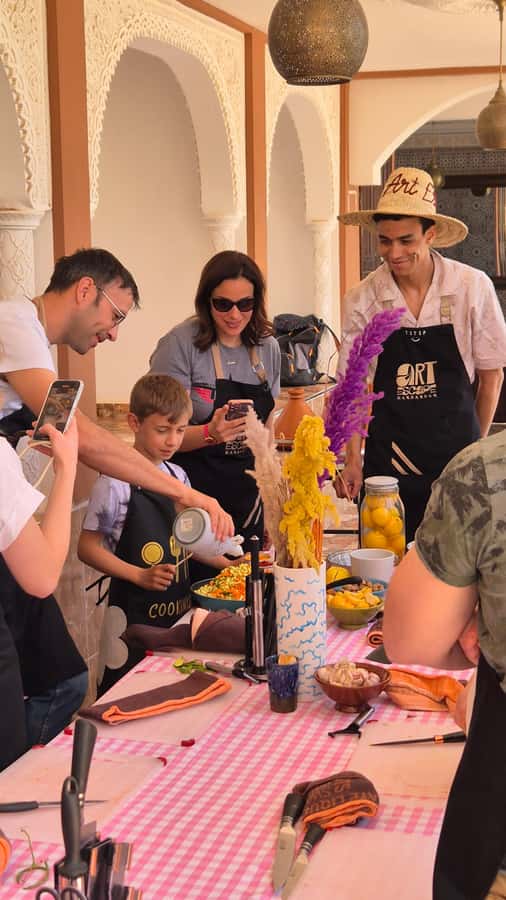
Use Google Maps and search for ArtEscape Marrakech to find the exact pin. The door number is 312. The exterior may not have a visible sign, so do not assume you are lost if the building looks quiet. Ring the bell and arrive about 15 minutes early for the introduction and tea.
Uber or InDrive is recommended as an easier option than a regular taxi. Pickup details should be confirmed after booking, since some arrangements include transport while the listed meeting instructions direct you to the location. Provide accurate contact details so the provider can confirm the time and place.
The activity is wheelchair accessible. If accessibility is important for your group, confirm the current transport arrangement as well as the venue details before the day of the class.
Who should book this Marrakech cooking class?
I would choose this for first-time visitors who want a practical connection with Moroccan culture. It is also a good fit for families, couples, solo visitors who enjoy meeting people, and home cooks who want recipes they can repeat.
The class suits you especially well if you like food but are not an experienced cook. The guides explain the steps clearly, and the atmosphere is relaxed rather than competitive. It can also work for a group with different ages, since some tasks are simple and others offer more detail.
You may want to skip it if you have only a short window in Marrakech and cannot spare four hours, or if your dietary needs require a highly controlled kitchen. Vegetarian dishes are available, but allergies and restrictions must be shared in advance.
Should you book it?
Yes, if you want more than a meal and enjoy taking part. The best features are the personal teaching, the tagine preparation, the M’smen bread, and the chance to eat with the people who cooked beside you.
Book with three things in mind: confirm the pickup details, use the ArtEscape Marrakech map pin, and allow extra time to find Door 312. Bring comfortable shoes and a camera, and tell the provider about dietary needs before arrival. At $45, this is a strong choice for a friendly, useful morning that stays with you in the form of recipes and cooking confidence.
FAQ
How long does the Marrakech cooking class last?
The activity lasts four hours. The morning session runs from 10:30 a.m. to 2:30 p.m.
What dishes will I prepare?
You will prepare two Moroccan salads, a tagine of your choice, Moroccan M’smen bread, and a dessert or sweet finish.
Is the meal included?
Yes. After cooking, you sit down and eat the dishes you prepared, with Moroccan mint tea.
Which languages are spoken?
The activity is conducted in English, French, and Arabic.
Where is the meeting point?
Use Google Maps and search for ArtEscape Marrakech for the exact location. The door number is 312.
Should I arrive early?
Yes. You should arrive 15 minutes before the start time for the introduction and welcome tea.
Is the activity wheelchair accessible?
Yes, the activity is described as wheelchair accessible.
Are vegetarian options available?
Yes, vegetarian options are available. Share allergies, dietary restrictions, or special requests during booking.
Can I cancel for a refund?
You can cancel up to 24 hours before the activity for a full refund. A reserve-now, pay-later option is also available.
Just added around Marrakesh
- Marrakesh: Private Cooking Class & Local Market Shopping★ 4.7 · 15 reviews
- Marrakech: Moroccan Cooking Class for vegetarians and vegan★ 4.9 · 156 reviews
- Marrakech: Moroccan Cooking Class with Local Chef★ 4.6 · 87 reviews
- Marrakech: Cooking Class and Market Visit★ 4.4 · 5 reviews
- Marrakech: Cooking class in Marrakech by Chef Ayoub★ 4.8 · 13 reviews
- Marrakech: Authentic Moroccan Cooking Class in a Farm★ 4.8 · 8 reviews
- Marrakech: Authentic Cooking Claas With a Berber Family★ 4.6 · 5 reviews
- From Marrakech: High Atlas Berber Cooking Class★ 4.7 · 132 reviews
Moroccan Cooking Classes, compared.
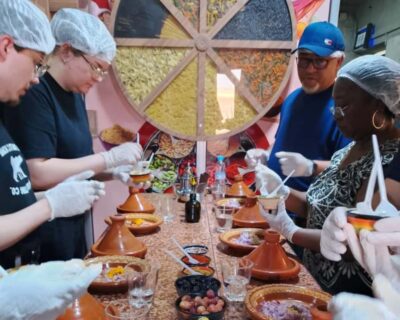
Marrakech: Moroccan Cooking Class with Pickup
Read our review →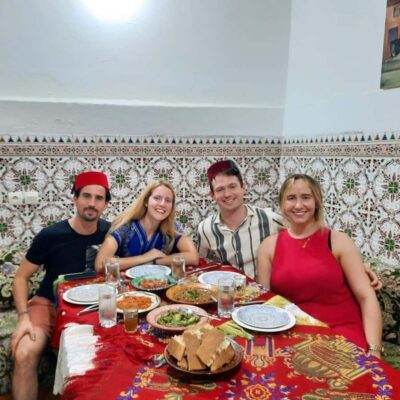
Marrakech: Traditional Moroccan Cooking Class & Market Visit
Read our review →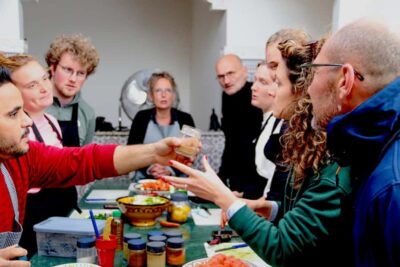
Marrakesh: Moroccan Dishes Cooking Class with a Local Chef
Read our review →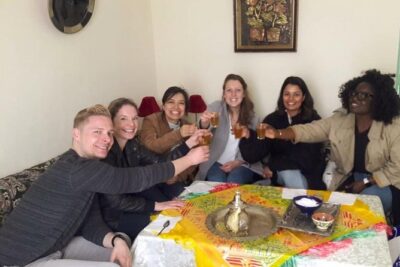
Moroccan Cooking Class & Marrakech Market Visit with Chef Khmisa
Read our review →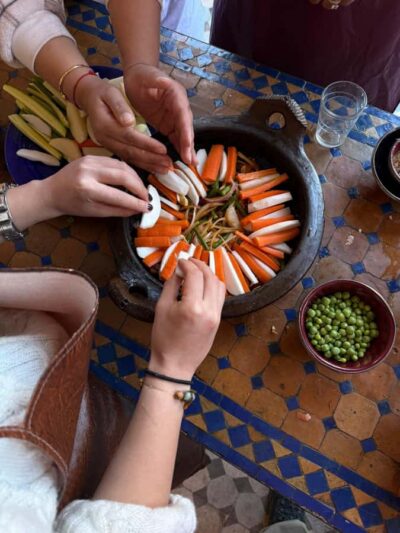
Marrakech: Moroccan Cooking Class with a Local Family
Read our review →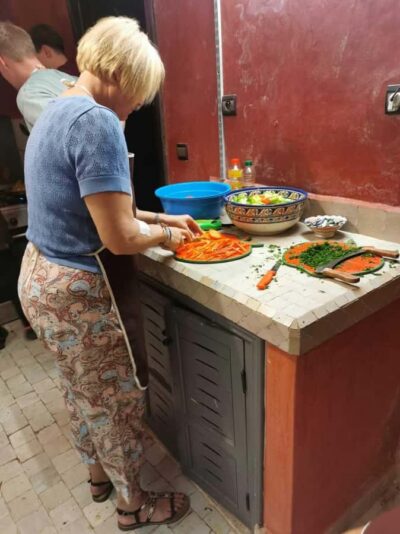
Marrakech: Moroccan Cuisine Cooking Class in Local Home
Read our review →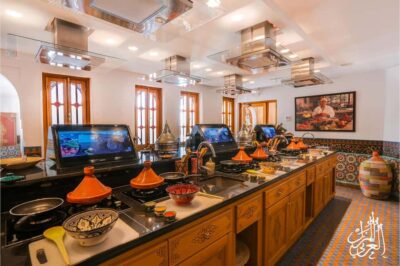
Marrakech: Moroccan Cooking Workshop at La Maison Arabe
Read our review →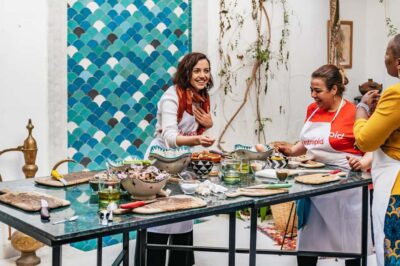
Marrakech: Tajine Cooking Class in a Traditional Riad
Read our review →Browse the lists this tour appears in