
Review · MARRAKECH
Marrakech: Authentic Moroccan Cooking Class in a Farm
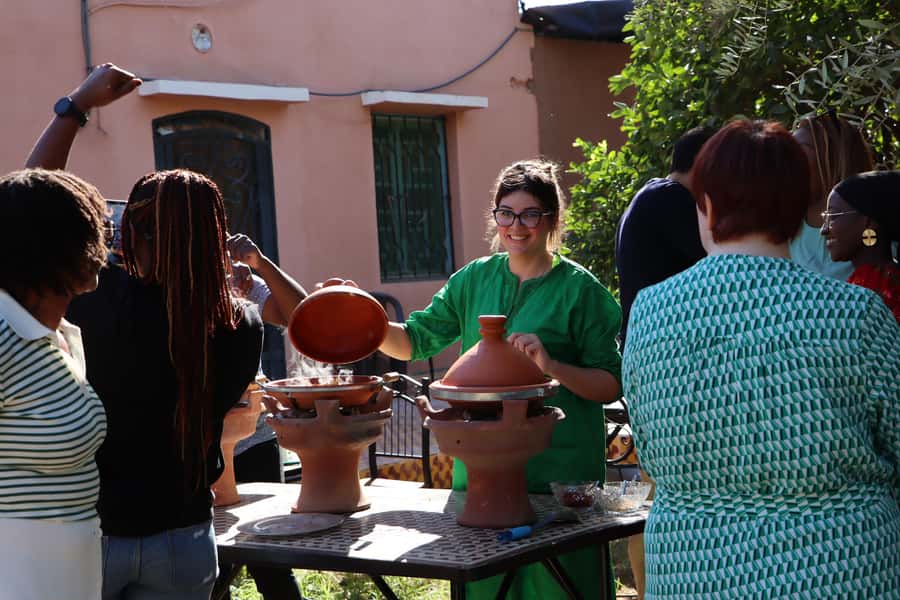
The best part of this Marrakech cooking class is the setting. You leave the city for a private farm, then cook beneath orange, lemon, and olive trees with ingredients grown on the property. This is a hands-on lesson, not a cooking show, so you peel, chop, season, and prepare the meal yourself.
I like the patient personal teaching, especially the calm guidance praised by families who cooked with Khaoula and Khawla. I also like the quiet countryside break, which gives you three slower hours after the noise and crowds of central Marrakech.
The main consideration is the farm itself. It is a simple working property, not a polished visitor attraction. One report raised concerns about the condition of some animals, so animal lovers may prefer to focus on the cooking area and avoid a full walk around the grounds.
Key points at a glance
- Cook your own tajine: You prepare the main dish step by step, with guidance from an English-speaking local host.
- Use farm-grown ingredients: The class features organic produce and spices, with citrus, olives, and fruit trees around the property.
- Make a full Moroccan meal: The session includes tajine, fresh salad, mint tea, local pastries, and lunch.
- Escape Marrakech for about 25 minutes: Hotel pickup takes you from the city center to a more peaceful rural setting.
- Expect a small, personal lesson: Hosts including Khaoula, Khawla, Nisrine, and Zakaria provide direct help rather than simply demonstrating recipes.
- Plan around the setting: The farm is rustic, and the animal area may not suit everyone.
Leaving Marrakech for a farm kitchen
The experience begins with pickup from your hotel. The drive from central Marrakech to the farm takes about 25 minutes, based on one family’s timing, so the transport is useful rather than decorative. You do not need to arrange a taxi, find a rural address, or worry about getting back after lunch.
That short ride also changes the mood. Marrakech can be loud, crowded, and intense, especially after several days in the medina. At the farm, the pace slows down. You trade traffic and narrow streets for trees, open air, and a cooking space designed for sitting, talking, and working with food.
The exact farmhouse layout is not described in detail, and this is not sold as a luxury estate. Think of it as a private rural home with a garden and farm elements. The appeal is the sense of place and the chance to cook in a traditional setting, not a glossy culinary studio.
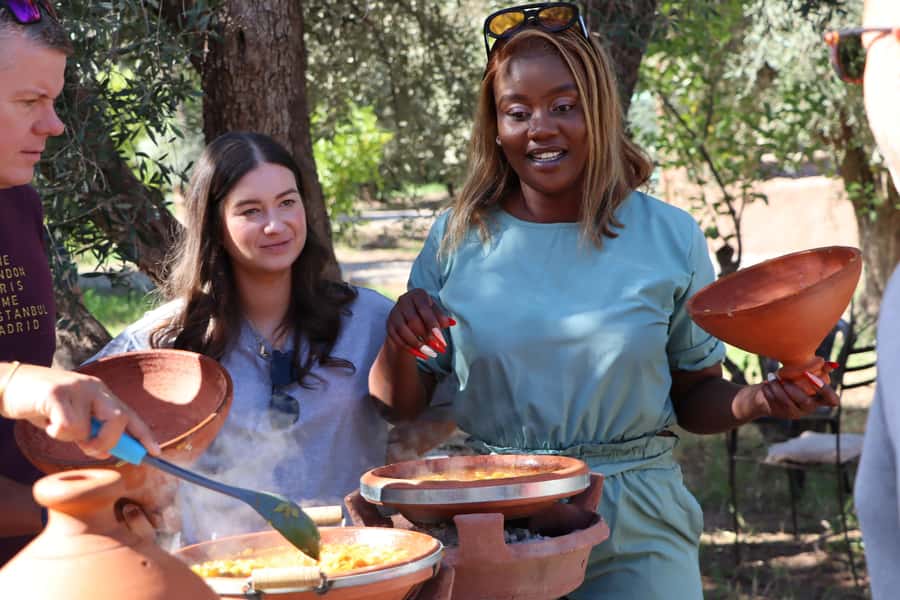
Hosts have included Khaoula, Khawla, Nisrine, and Zakaria. The strongest pattern in the experience is personal attention. Khaoula is described as calm, well prepared, and generous with advice, while Khawla is praised for being friendly and patient with both adults and children.
More Farm Cooking Classes in Morocco
- Moroccan Cooking Class: Farm-to-Table Tagine
★ 5.0 · 50 reviews - Cooking Classes Farm to Table Marrakech
★ 5.0 · 165 reviews - Organic Moroccan Cooking Class At Secret Berber Garden CT
★ 5.0 · 147 reviews
What happens before the cooking begins
Your host gives you an introduction to the session and explains how the cooking will work. This matters because the class is interactive from the start. You are not sitting at a table while someone else prepares lunch in front of you.
You will learn about Moroccan ingredients, spices, and basic methods used in home cooking. The exact recipe can vary. Some participants prepared chicken tajine, while others made vegetable tajine or two different tajines. That flexibility is useful if you want to compare flavors, but you should not assume the menu will be identical every day.
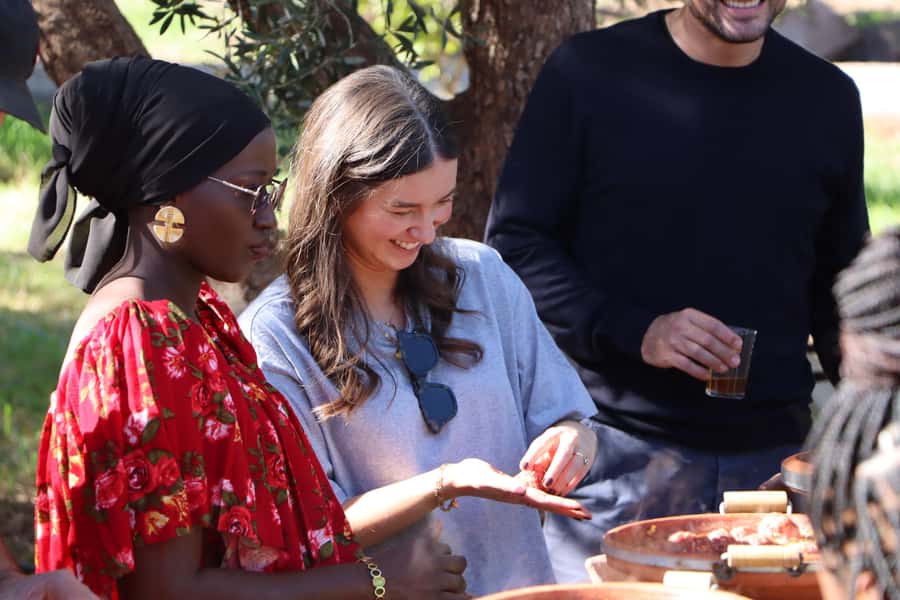
The preparation is practical. You may peel and chop vegetables, cut chicken, arrange ingredients, and season the tajine under your host’s direction. The value here is repetition. You see how the ingredients are handled, then do the work yourself, making the process easier to remember at home.
This format suits beginners. Clear instructions and patient help mean you do not need advanced kitchen skills. You should still expect to take part. If you want to sit back and watch a chef do everything, this is the wrong kind of class.
Preparing a Moroccan tajine step by step
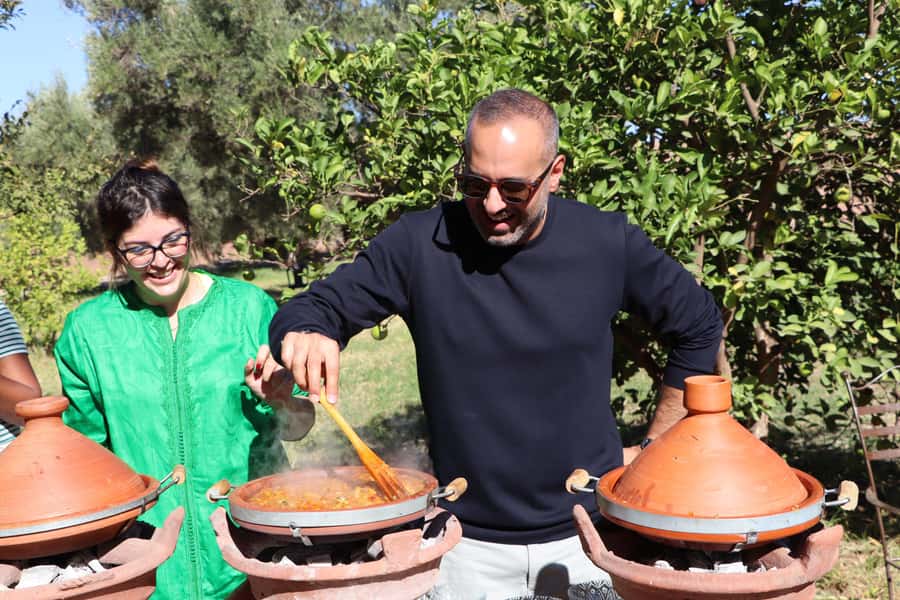
Tajine is both a dish and the traditional cooking vessel used to prepare it. The slow cooking method allows meat, vegetables, spices, and other ingredients to develop flavor over time. You learn the basic approach rather than just receiving a finished recipe.
The class focuses on techniques you can repeat in your own kitchen. That is one of the strongest reasons to choose it over a simple food tasting. You get to see how the ingredients are combined, how spices are used, and how the dish is left to cook slowly before lunch.
Several sessions included both chicken and vegetable tajines. That is especially helpful for couples or families with different diets, though the available dishes may depend on the day. Ask ahead if you have strict dietary needs, since the supplied information does not promise a vegetarian, vegan, gluten-free, or allergy-friendly menu.
The farm setting adds a useful connection between ingredients and food. You may see citrus and olive trees, and the meal is prepared with organic ingredients from the property. That does not turn the lesson into a formal farm tour, but it gives the cooking a more grounded feel.
Making salad and Moroccan mint tea
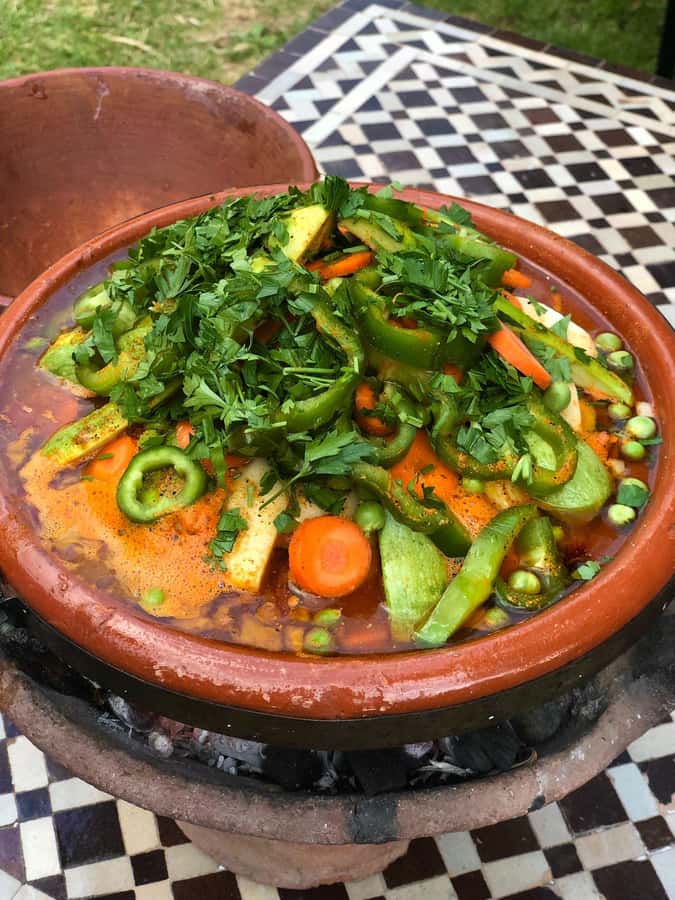
The meal is not just a tajine. You also prepare a fresh Moroccan salad, which gives you a lighter and quicker dish to take home as an idea. Some sessions included two salads, though the standard description promises Moroccan salad rather than a fixed number.
You also learn the full process for Moroccan mint tea. Tea preparation is an important part of Moroccan hospitality, and it gives the class a second skill that is simple to recreate. The lesson includes authentic mint tea and local pastries, so you finish with something sweet alongside the meal.
I like this mix of dishes because it creates a proper lunch without making the class feel like a long professional course. You work on the main dish, prepare something fresh, and learn a familiar Moroccan drink. The three-hour duration gives enough time for each part without taking your entire day.
The final meal is eaten with your host in a relaxed setting. You taste the food you helped prepare, rather than rushing straight back to Marrakech. This shared table is also a good time to ask about Moroccan cooking, local life, or what to do next in the city. One family received useful Marrakech suggestions during conversation with Khaoula.
More Moroccan Cooking Classes in Marrakesh:
- Marrakech: Moroccan Cooking Class with Pickup
★ 4.6 · 1,862 reviews - Marrakech: Traditional Moroccan Cooking Class & Market Visit
★ 4.8 · 1,861 reviews - Marrakesh: Moroccan Dishes Cooking Class with a Local Chef
★ 5.0 · 1,615 reviews - Marrakech: Moroccan Cooking Class with a Local Family
★ 4.9 · 668 reviews
The farm setting, including its limits
The property is attractive in parts. Orange, lemon, and olive trees provide a pleasant backdrop, and the traditional kitchenware and tableware add to the sense that you are cooking in a real home setting rather than a tourist classroom.
Some people also enjoyed seeing the horses and walking around the grounds. One family described the horses as well cared for, and another participant enjoyed a wider tour of the farm and part of the house. The experience can therefore include more than cooking, depending on your host and the flow of the day.
You should keep your expectations sensible. The farm is not a large agricultural attraction with carefully designed visitor paths. It is described as land with fruit trees, sheds, and several animals, including chickens, turkeys, horses, a cow, and a chained dog.
One participant found the animal conditions upsetting and advised animal lovers not to walk around the property. That is a serious point to weigh before booking. The cooking lesson itself was still described as clear and enjoyable, but the farm surroundings may affect your experience if animal welfare is a major concern.
How much personal attention should you expect?
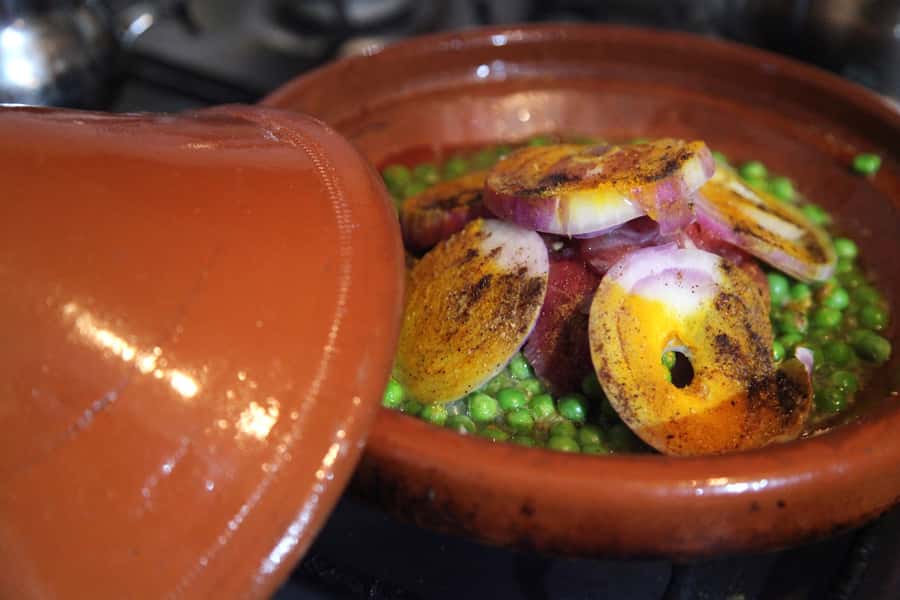
The host is central to the quality of this activity. With a good instructor, chopping and seasoning become a friendly lesson rather than a list of instructions. Khaoula received especially strong praise for explaining each step carefully, staying calm, and helping a family member who was only 12 years old take part.
Khawla was also praised for working patiently with families and for preparing two flavorful tajines and two salads in one session. Nisrine and Zakaria were described as welcoming and helpful, with practical tips shared along the way.
The class is taught in English. That makes the instructions accessible to English-speaking visitors, although the supplied information does not promise other languages or interpretation. If you have questions about ingredients, cooking times, or dietary restrictions, ask your host early in the session.
Because this is a hands-on class, personal attention matters more than the size of the menu. You are paying for help while you work, not simply for a meal. The experience is strongest for people who enjoy asking questions and getting involved.
Is $78 a fair price?
The price is $78 per person. That includes hotel pickup and drop-off, an English-speaking host or chef, the cooking lesson, lunch, Moroccan salad, main course, mint tea, and local pastries.
That is not a bargain-priced meal, but it is more than a restaurant lunch. You are also paying for private transport outside the city, ingredients, instruction, time with a local host, and the use of a rural setting. If you already planned to hire a taxi to visit the countryside, the included transfers improve the value.
The price makes the most sense for couples, families, and small groups who want a shared activity. A family can work together, with children taking part in simple preparation under supervision. One 12-year-old enjoyed the session, which suggests the format can work well for older children who like food and practical tasks.
For solo visitors, the value depends on how much you enjoy cooking lessons. If you want a quick lunch, $78 is high. If you want a three-hour cultural activity with transport and a meal, the price is easier to justify.
The booking terms also reduce some risk. You can reserve now and pay later, and cancellation is free up to 24 hours in advance for a full refund. Starting times depend on availability, so check the schedule before building the rest of your day around it.
Who should book this cooking class?
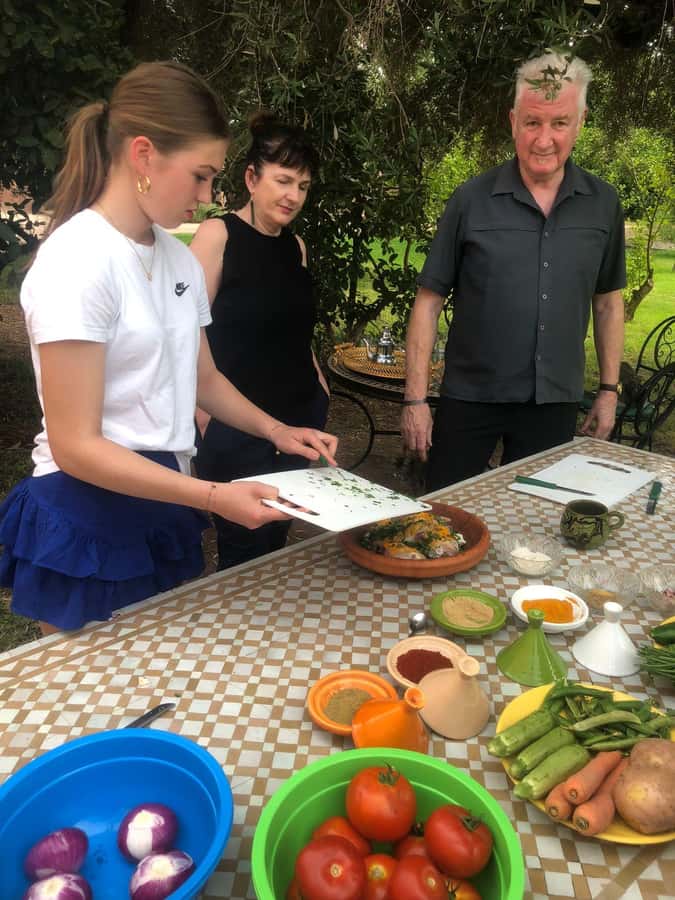
I would recommend it to you if you want a break from city sightseeing and prefer an activity where you make something with your hands. It works particularly well for couples and families, and the relaxed pace gives you time to talk with your host.
It is also a good choice for beginners. You do not need to know Moroccan cooking before arriving. You learn the process through direct practice, and the recipes and methods are simple enough to try again at home.
Food-focused visitors will get the most from the class, especially if you want to understand how tajine, salad, and mint tea fit together as part of a Moroccan meal. The organic farm ingredients and traditional tableware add a sense of connection to the food.
I would be more cautious if you are very concerned about animal welfare, want a polished agricultural attraction, or dislike hands-on cooking. The property is rustic, and the animal area has raised concerns. You can still enjoy the class, but you should know that the farm setting is not uniformly comfortable for everyone.
Practical tips for a smoother visit
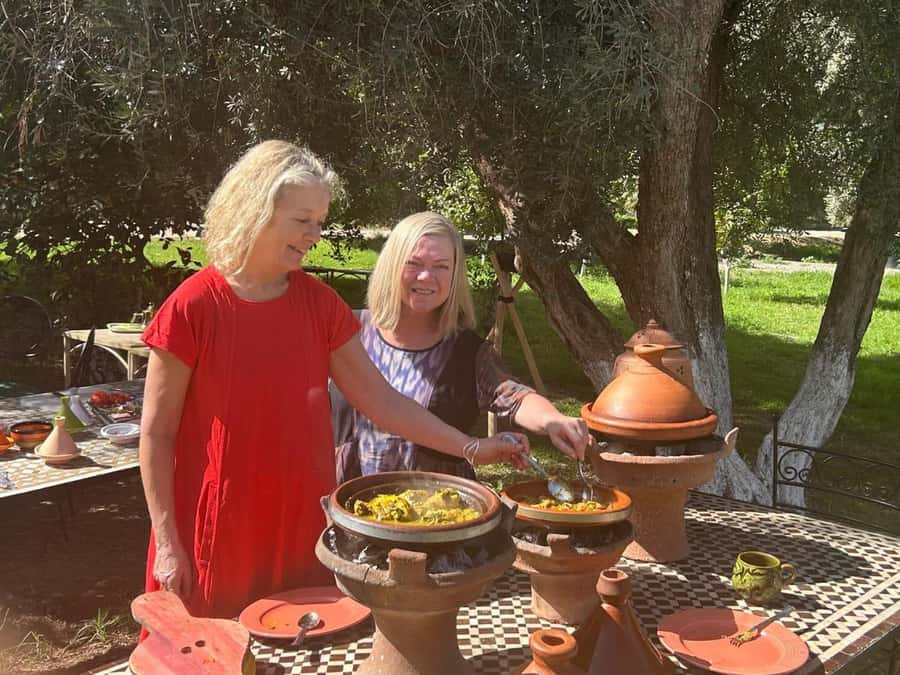
Wear clothes that are comfortable for cooking. You will be peeling, chopping, and handling ingredients, so this is not a sit-down demonstration where you remain spotless.
Tell the host about dietary restrictions before the class begins. Chicken and vegetable tajines have both been prepared, but the standard package does not guarantee a specific menu or accommodate every diet.
Keep the rest of your schedule light. The class lasts three hours, and transport is included, but the meal and conversation are part of the experience. Rushing off immediately afterward would undercut much of what makes the farm setting worthwhile.
If you want to see the property, ask your host what areas are suitable to visit. Since the grounds include animals and sheds, you may prefer to stay near the cooking and dining areas rather than walk everywhere.
Bring your appetite. Lunch includes the tajine and salad you prepare, plus mint tea and local pastries. This is a full activity and meal, not a short recipe demonstration with a small tasting at the end.
Should you book it?
Book this experience if you want a personal, practical introduction to Moroccan food and a peaceful change of scene from Marrakech. The strongest features are the hands-on tajine lesson, patient hosts such as Khaoula and Khawla, included transport, and the chance to eat a meal you prepared yourself.
The farm is simple, and the animal conditions may trouble some people. If that matters to you, keep your time focused on the cooking area and ask about the setting before you confirm.
For most food lovers, couples, and families, $78 is reasonable because it covers transport, instruction, ingredients, lunch, tea, and three hours of personal contact. It is not the cheapest way to eat tajine in Marrakech, but it offers something a restaurant cannot: you learn how to make the meal and take the method home with you.
FAQ
How long does the cooking class last?
The experience lasts three hours, including the cooking lesson, meal, tea, and time at the farm.
What food will I prepare?
You will prepare a traditional Moroccan tajine and a fresh Moroccan salad. Depending on the session, the tajine may be chicken or vegetable, and some classes prepare more than one tajine or salad.
Is lunch included?
Yes. Lunch includes the Moroccan salad and main course you prepare, along with Moroccan mint tea and local pastries.
Is hotel transportation included?
Yes. Pickup and drop-off from your hotel are included. The drive from central Marrakech to the farm takes approximately 25 minutes.
What language is the class taught in?
The class is taught in English by a local English-speaking host or chef.
Can I cancel the booking?
You can cancel up to 24 hours in advance for a full refund. You can also reserve now and pay later, subject to the booking terms.
More Hands-On Workshops in Marrakesh
- Marrakech: Moroccan Cuisine Cooking Class in Local Home
★ 4.8 · 508 reviews - Marrakech: Moroccan Cooking Workshop at La Maison Arabe
★ 5.0 · 446 reviews - Marrakech: Tajine Cooking Class in a Traditional Riad
★ 4.8 · 424 reviews - Marrakech: Moroccan Cooking Class with Market Visit and Meal
★ 4.9 · 347 reviews
More Farm Cooking Classes in Marrakesh
- Half-Day Thai Cooking Class at Organic Farm in Chiang Mai
★ 5.0 · 19,087 reviews - Cooking Class and Lunch at a Tuscan Farmhouse with Local Market Tour from Florence
★ 5.0 · 4,831 reviews - Chiang Mai: Authentic Cooking Class with Market & Farm Visit
★ 4.9 · 4,546 reviews - Ubud: Balinese Cooking Class at an Organic Farm
★ 5.0 · 1,786 reviews
Just added around Marrakesh
- Marrakech: 3-Hour Open-Air Moroccan Cooking Course★ 4.9 · 74 reviews
- Moroccan Food Cooking Class with a Local Chef in Marrakech★ 4.7 · 90 reviews
- Edgy 8 Dish Private, Fusion Cooking Class, Menu Plan, Market★ 4.9 · 31 reviews
- Moroccan cooking class in Marrakech with berber chef★ 5.0 · 16 reviews
- Marrakesh: Private Cooking Class & Local Market Shopping★ 4.7 · 15 reviews
- Marrakech: Moroccan Cooking Class for vegetarians and vegan★ 4.9 · 156 reviews
- Marrakech: Moroccan Cooking Class with Amazing Local Chef!★ 4.9 · 100 reviews
- Marrakech: Moroccan Cooking Class with Local Chef★ 4.6 · 87 reviews
Moroccan Cooking Classes, compared.
Marrakech: Moroccan Cooking Class with Pickup
Read our review →
Marrakech: Traditional Moroccan Cooking Class & Market Visit
Read our review →
Marrakesh: Moroccan Dishes Cooking Class with a Local Chef
Read our review →
Moroccan Cooking Class & Marrakech Market Visit with Chef Khmisa
Read our review →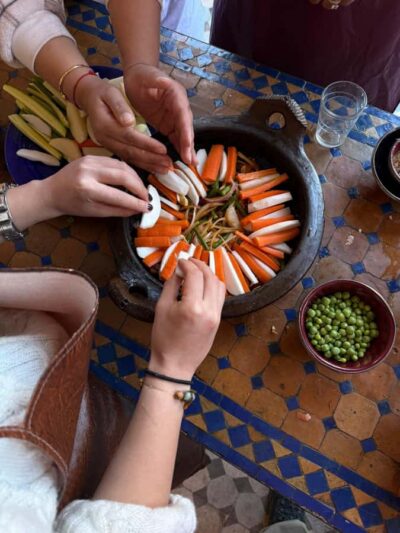
Marrakech: Moroccan Cooking Class with a Local Family
Read our review →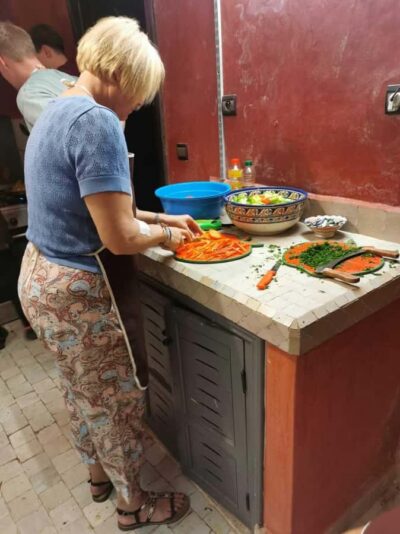
Marrakech: Moroccan Cuisine Cooking Class in Local Home
Read our review →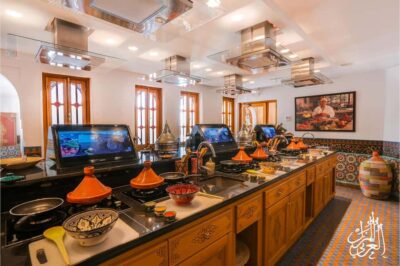
Marrakech: Moroccan Cooking Workshop at La Maison Arabe
Read our review →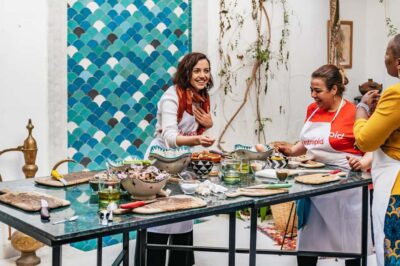
Marrakech: Tajine Cooking Class in a Traditional Riad
Read our review →Browse the lists this tour appears in