
Review · MARRAKECH
Cooking Classes Farm to Table Marrakech
Marrakech’s best cooking lesson may begin with shopping rather than chopping. You meet near Koutoubia, walk through the old medina to a local market, choose fresh ingredients, then leave the city for a peaceful farm kitchen. I like the market-to-meal format and the chance to cook over coals instead of simply watching a chef work. I also like that Chef Abdel and his team make the class social without letting the group grow beyond 12 people.
The main consideration is that the day is not a tightly scripted restaurant workshop. Timing can depend on the market visit, transport, weather, and group, and the farm is outside the medina setting. If you want a quick demonstration with a printed recipe packet, this may feel leisurely. If you want to handle the food yourself and eat a generous Moroccan meal afterward, it offers far more.
Key points to know before booking
- The market visit comes first: You shop for vegetables, meat or poultry, fruit, herbs, and spices before cooking.
- The farm setting changes the pace: Tea, sweets, trees, and outdoor cooking provide a quiet break from central Marrakech.
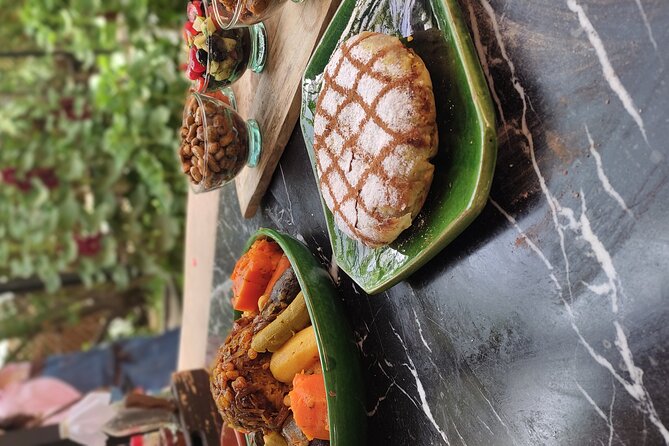
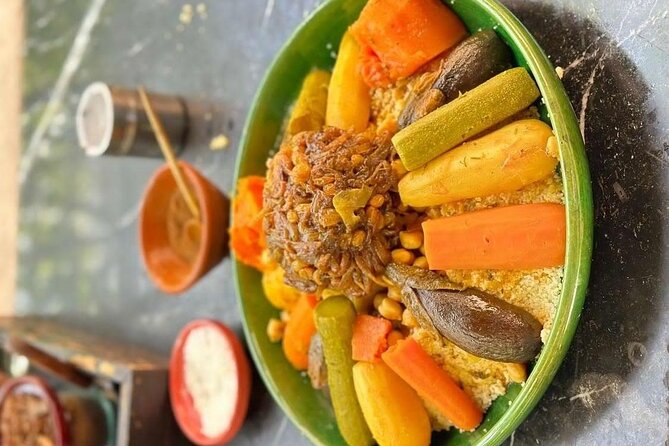
- You cook your own meal: The class is hands-on, with tajine at its center and, in some sessions, couscous, bread, salads, and meatballs.
- Chef Abdel leads the teaching: Abdel, also referred to as Abdelhak, explains ingredients, methods, and Moroccan food traditions in English.
- The group stays intimate: A maximum of 12 people makes it easier to ask questions and work at a cooking station.
- The half-day length leaves room for more: At about five hours, you still have much of the day for Marrakech.
From Koutoubia to a real Marrakech market
The experience begins at Koutoubia in Marrakech’s old city. Pickup is offered, but the stated meeting point is Koutoubia, so I would confirm the exact arrangement when booking, especially if your accommodation is outside the medina.
From there, the group heads through the medina alleys toward a local market. This is more useful than starting with bowls of premeasured ingredients. You see what Moroccan cooks actually buy, learn how spices and produce fit into the meal, and have time to take photographs along the way.
The market portion is also a gentle introduction to Moroccan food culture. You may help select vegetables, fresh herbs, fruit, meat, poultry, and spices. Ingredients can vary by season and by the dishes chosen that day, which is part of the point. Moroccan cooking is built around what is available, then shaped by spice blends, preserved ingredients, slow cooking, and careful balance.
I especially like this part for first-time visitors who have eaten tajine in restaurants but have not seen the ingredients before they reach the table. The shopping gives context to flavors that can otherwise seem mysterious. Ras el hanout, preserved lemons, fresh herbs, and other staples become things you can recognize and use later.
The market can also be the least polished part of the day. It is a working food market, not a staged attraction, and the medina alleys may feel crowded or confusing. Wear comfortable shoes and keep your belongings secure. The guide handles the route, so you are not expected to find the market on your own.
More Farm Cooking Classes in Morocco
- Organic Moroccan Cooking Class At Secret Berber Garden CT
★ 5.0 · 147 reviews - Authentic Moroccan Cooking Class in a Farm in Marrakech
★ 5.0 · 64 reviews - Moroccan Cooking Class: Farm-to-Table Tagine
★ 5.0 · 50 reviews
Tea, sweets, and the farm kitchen
After shopping, the group goes to the farm cooking site. The change of scene is a major part of the experience. Instead of spending all five hours in central Marrakech, you get a calmer setting among trees and vegetation, with an outdoor kitchen prepared for cooking.
Tea and Moroccan sweets are served before the lesson gets fully underway. This small pause matters. It gives the group time to settle in, meet the chef and assistants, and hear about the farm and the plan for the meal.
The setting has a family feel rather than a formal culinary school atmosphere. There is room to work, eat, and talk, and the garden setting gives the class a relaxed rhythm. Several people describe the kitchen as beautiful and peaceful, with cooking over coal adding an old-fashioned touch.
Do not expect the farm itself to be a full tour of agricultural production. The available description promises a walk among trees and vegetation, not a detailed farming lesson or a list of crops grown on site. Think of it as a tranquil cooking venue and a welcome contrast to Marrakech’s noise.
Cooking tajine with your own hands
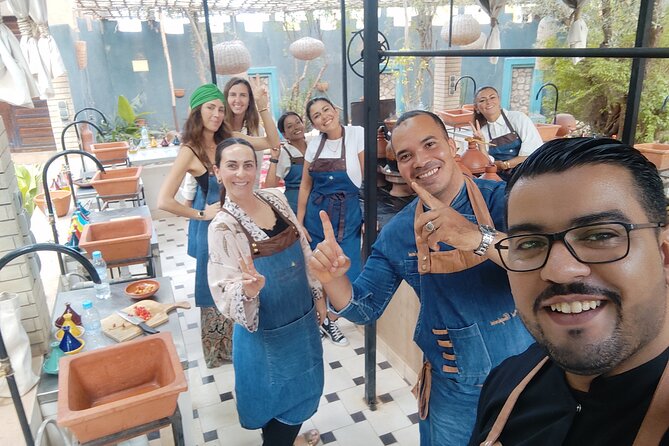
The central lesson is Moroccan tajine. You receive an apron, take a cooking station, and prepare your dish with your own hands. The chef shows you how to handle the ingredients and explains the traditional methods behind the dish.
Tajine is not just a recipe. The conical pot encourages slow cooking, allowing meat, vegetables, spices, and sauces to develop together. The lesson gives you a chance to understand the order of preparation and the role of Moroccan seasoning instead of simply receiving a finished pot.
The exact menu can vary. Some sessions focus on an individual tajine, while others include several choices such as chicken, beef, lamb, vegetarian, sweet, or savory versions. One especially broad class included multiple tajines, couscous, fresh bread, and several Moroccan salads.
That variation is worth keeping in mind when comparing this experience with a fixed-menu cooking school. You may have a choice of dish rather than being assigned one. That can be a real advantage for families, mixed groups, or anyone with a strong preference for meat or vegetarian food. It also means you should not assume every class includes every dish mentioned in the most expansive descriptions.
The class is designed to be active. You are not merely watching Abdel prepare lunch while taking notes. You chop, season, mix, and assemble food, then wait for the slow cooking to do its work. The provided apron is a practical touch, especially if you want to take part without worrying about your clothes.
More than one tajine on some days
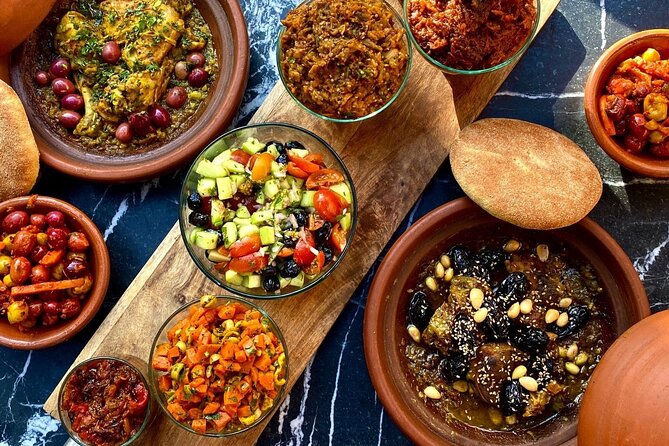
Although tajine is the headline dish, the class can become a much larger Moroccan feast. Salads are a recurring part of the meal, with some sessions producing four, six, or even nine different salad dishes. Couscous, bread, and meatballs may also appear depending on the menu.
This wider spread is valuable because Moroccan food is not only about one pot. Salads can show how vegetables, herbs, spices, and dressings are treated differently from the slow-cooked main course. Couscous brings another technique and texture to the table, while fresh bread gives you a simple skill you can repeat at home.
The cooking also works well for families. One group with six children and teenagers, from ages 8 to 15, found that everyone could take part and that the portions were generous. I would still consider the length of the class when bringing younger children. Five hours is a substantial session, especially when the day includes walking, shopping, transport, and waiting for food to cook.
For serious home cooks, the class offers useful details without claiming to be an advanced professional course. You can ask about spice combinations, preparation, and cooking methods, then request the recipes afterward. One participant received the recipes by email and found them in the junk folder, so check there if the message does not arrive.
More Farm Cooking Classes in Marrakech:
- Marrakech: Authentic Moroccan Cooking Class in a Farm
★ 4.8 · 8 reviews - Half-Day Thai Cooking Class at Organic Farm in Chiang Mai
★ 5.0 · 19,087 reviews - Cooking Class and Lunch at a Tuscan Farmhouse with Local Market Tour from Florence
★ 5.0 · 4,831 reviews - Chiang Mai: Authentic Cooking Class with Market & Farm Visit
★ 4.9 · 4,546 reviews
Chef Abdel and the teaching style
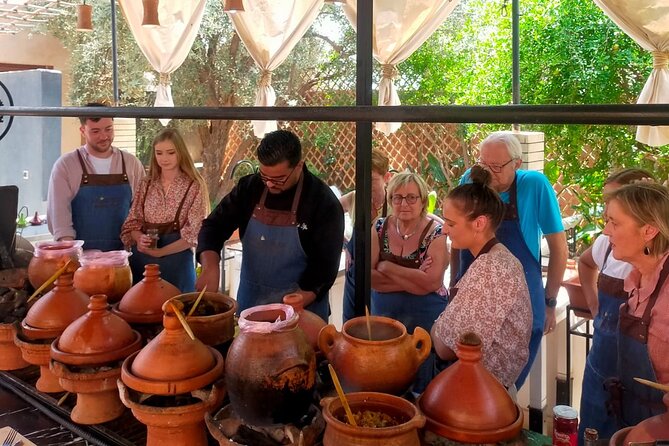
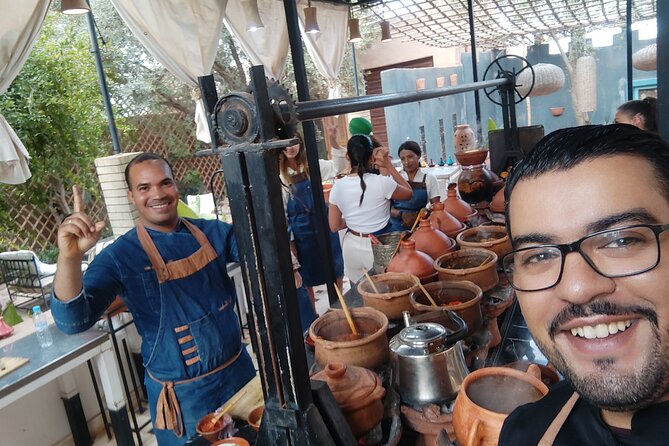
Chef Abdel is the main name connected with the class, and some descriptions also refer to him as Abdelhak. He teaches in English and brings humor and warmth to the session. His team includes an assistant, Fathima, who helps keep the cooking organized and the meal moving.
The teaching style sounds best suited to curious beginners and competent home cooks who enjoy asking questions. You can learn about staple spices, the history of dishes, ingredient choices, and practical preparation rather than following a silent demonstration.
The chef’s organization matters in a group class. Several dishes may be cooking at once, and the market visit creates a moving start to the day. A maximum of 12 people is small enough for personal attention, though it is still a group setting. If you want uninterrupted one-on-one instruction, a private option may be available at a higher price, but the standard experience should not be treated as a private lesson.
The team’s hospitality is part of the appeal. Tea, sweets, the garden, the apron, and the shared meal make the class feel like an invitation into Moroccan food culture rather than a basic recipe demonstration.
What the $75.60 price gives you
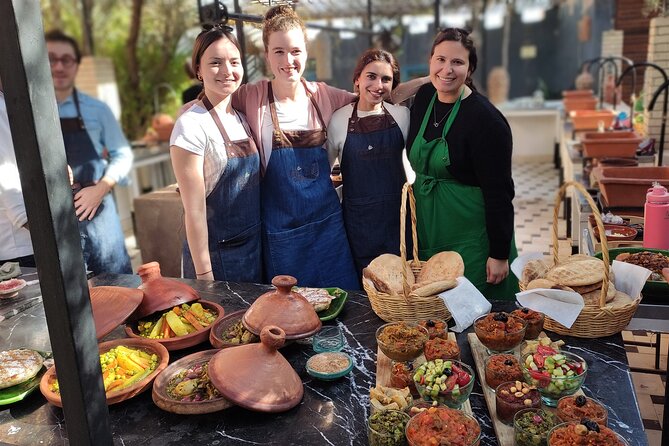
At $75.60 per person, this is not the cheapest way to eat lunch in Marrakech. It is a good value if you count the market visit, transport to the farm setting, instruction, ingredients, tea and sweets, cooking equipment, and the meal you prepare.
You are also buying a half-day activity that combines several experiences. A market walk alone would offer atmosphere but little instruction. A standard restaurant meal would offer food but no practical skill. A cooking class in a city kitchen might teach recipes but lack the farm setting. This one links those pieces together.
Value depends on how much you participate. If you prefer to sit back and have someone else cook, the price will feel high. If you want a meal, a cultural lesson, and recipes you can use at home, the cost is easier to justify.
The group discount option may help families or larger parties. Since the class is often booked about 37 days ahead, popular dates can fill early. I would reserve ahead if you have only one suitable day, particularly during a busy Marrakech visit.
Who will enjoy this class most
I would recommend it to you if you:
- Want a hands-on introduction to Moroccan cooking
- Enjoy local markets as much as formal attractions
- Like eating what you have prepared
- Prefer a small group to a large bus tour
- Want time outside the medina
- Are curious about spices, salads, couscous, and tajine
- Are traveling with older children or teenagers who like practical activities
It is also a good fit for repeat visitors to Marrakech. You may already know the souks and major sights, but the class gives you a different way to understand daily food traditions.
You may want another activity if your schedule is tight, you dislike group cooking, or you need a fully fixed menu. The class takes about five hours, and the market and farm setting mean the day has several stages. This is not a 90-minute lesson squeezed between sightseeing stops.
Practical details that affect your day
The activity ends back at the meeting point. The stated start is Koutoubia, and pickup is offered, so confirm where you will be collected and where the group will gather. The experience is near public transportation, but the medina route and transfer to the farm mean comfortable shoes are sensible.
The class requires good weather because part of it takes place outdoors. If weather cancels the session, you are offered another date or a full refund. The activity also needs a minimum number of participants, so a cancellation for that reason comes with the same choice of another date or a refund.
Free cancellation is available up to 24 hours before the start time. Changes or cancellations within 24 hours are not accepted for a refund. These rules use local Marrakech time.
The class is mobile-ticket friendly, and confirmation arrives at booking. Save the meeting details on your phone, but also note the exact meeting point in writing. Koutoubia is easy to identify, yet medina logistics can be less clear once you leave a main road.
Should you book Cooking Classes Farm to Table Marrakech?
I would book this if you want more than a recipe lesson. The market shopping, farm setting, charcoal cooking, tea, and shared feast create a full half-day that connects Marrakech’s food traditions to the ingredients themselves.
The strongest reasons to choose it are the hands-on format, the small group limit, and Chef Abdel’s engaging instruction. The main cautions are the five-hour commitment, possible menu variation, outdoor setting, and need to confirm pickup details.
For $75.60, it is a sensible splurge for food lovers, families with older children, and anyone who wants to bring a practical memory home. Book early if your schedule is fixed, and choose another activity if you want a fast, polished demonstration with no walking or group participation.
FAQ
Where does the cooking class begin?
The stated meeting point is Koutoubia in Marrakech, Morocco. Pickup is offered, so confirm the exact pickup arrangement when booking.
How long does the experience last?
The activity lasts approximately five hours.
What food will I cook?
Tajine is the central dish. Depending on the session, you may also prepare couscous, Moroccan salads, fresh bread, or meatballs. Menu choices can include chicken, beef, lamb, vegetarian, sweet, or savory tajine options.
Will I visit a market?
Yes. You walk through the medina to a local market and help choose vegetables, proteins, fruit, herbs, and spices for the cooking session.
Is the cooking class hands-on?
Yes. You wear a provided apron and prepare your own tajine with your hands at a cooking station in the outdoor kitchen.
How many people can join the class?
The maximum group size is 12 people.
Is the class suitable for children?
The experience has been enjoyed by a group with six children and teenagers aged 8 to 15. The class lasts about five hours, so consider your child’s comfort with a long, active session.
What is the cancellation policy?
You can cancel up to 24 hours before the start time for a full refund. Cancellations or changes made less than 24 hours before the experience are not accepted. Poor weather or failure to meet the minimum number of participants may lead to another date or a full refund.
More Hands-On Workshops in Marrakech
- Marrakech: Moroccan Cooking Class with Pickup
★ 4.6 · 1,862 reviews - Marrakech: Traditional Moroccan Cooking Class & Market Visit
★ 4.8 · 1,861 reviews - Marrakesh: Moroccan Dishes Cooking Class with a Local Chef
★ 5.0 · 1,615 reviews - Moroccan Cooking Class & Marrakech Market Visit with Chef Khmisa
★ 5.0 · 1,504 reviews
Just added around Marrakech
- Marrakech: 3-Hour Open-Air Moroccan Cooking Course★ 4.9 · 74 reviews
- Moroccan Food Cooking Class with a Local Chef in Marrakech★ 4.7 · 90 reviews
- Edgy 8 Dish Private, Fusion Cooking Class, Menu Plan, Market★ 4.9 · 31 reviews
- Moroccan cooking class in Marrakech with berber chef★ 5.0 · 16 reviews
- Marrakesh: Private Cooking Class & Local Market Shopping★ 4.7 · 15 reviews
- Marrakech: Moroccan Cooking Class for vegetarians and vegan★ 4.9 · 156 reviews
- Marrakech: Moroccan Cooking Class with Amazing Local Chef!★ 4.9 · 100 reviews
- Marrakech: Moroccan Cooking Class with Local Chef★ 4.6 · 87 reviews
Farm & Countryside Cooking Classes, compared.
Half-Day Thai Cooking Class at Organic Farm in Chiang Mai
Read our review →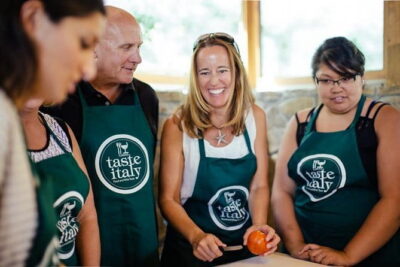
Cooking Class and Lunch at a Tuscan Farmhouse with Local Market Tour from Florence
Read our review →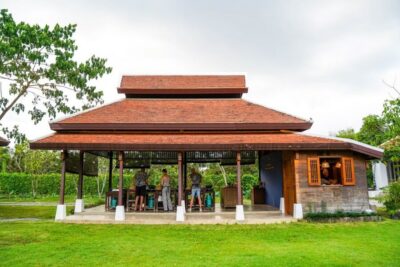
Chiang Mai: Authentic Cooking Class with Market & Farm Visit
Read our review →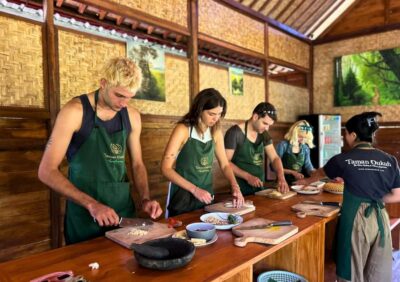
Ubud: Balinese Cooking Class at an Organic Farm
Read our review →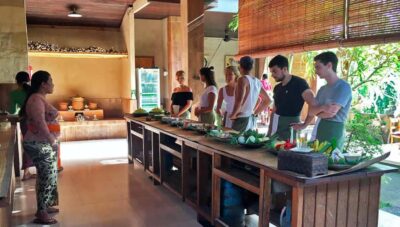
Ubud: Authentic Cooking Class in a Local Village
Read our review →
Chiang Mai: Cooking Class with Organic Farm at Mama Noi
Read our review →
Hands-On Cooking Class & Farmhouse Tour on the Amalfi Coast
Read our review →Browse the lists this tour appears in