
Review · MARRAKECH
Marrakech: Authentic Cooking Claas With a Berber Family
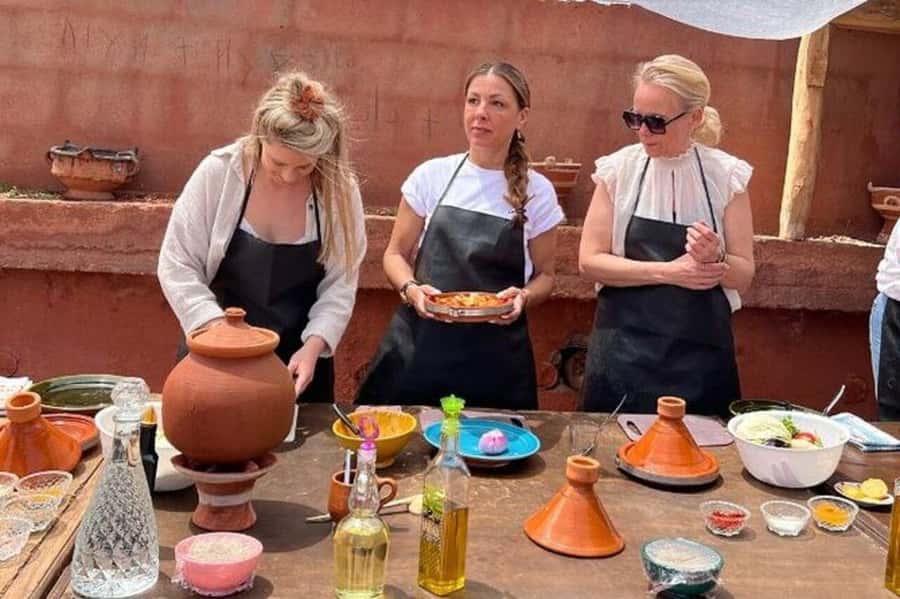
The best part of this day is that you do not simply watch a chef prepare Moroccan food. You help choose the vegetables, learn how spices fit into the cuisine, and cook inside a Berber family home in the Atlas Mountains. Ibrahim and his mother host the cooking, with tea, conversation, and a shared meal built into the day.
I like the market stop on Tuesday or Saturday, since it gives your tajine a clear sense of place rather than making the class feel like a kitchen demonstration. I also like the small group limit of 10, though a group of four seems far better for asking questions and getting help. The main caution is communication: one account describes a guide who left the cooking group for a hike, leaving the family and participants with very little shared language.
Key points to know before booking
- A full Atlas Mountains day: Allow eight hours, with the drive from Marrakech taking about 2.5 hours in each direction according to the described outing.
- Market shopping comes first: On Tuesday or Saturday, you select the vegetables and other ingredients used for the tajine.
- You cook more than one dish: The class includes Moroccan bread, tajine, and Couscous Royal, with a local chef or family member explaining the steps.
- Ibrahim and his mother host the meal: Their traditional home provides the setting for the tea, preparation, and lunch.
- Small groups matter: The advertised limit is 10 people, but a group of four allowed much more direct help and cultural explanation.
- Come prepared for basic conditions: Some food preparation takes place outdoors, and the home may be cold in winter. Comfortable shoes are essential.
From Marrakech to the Atlas Mountains
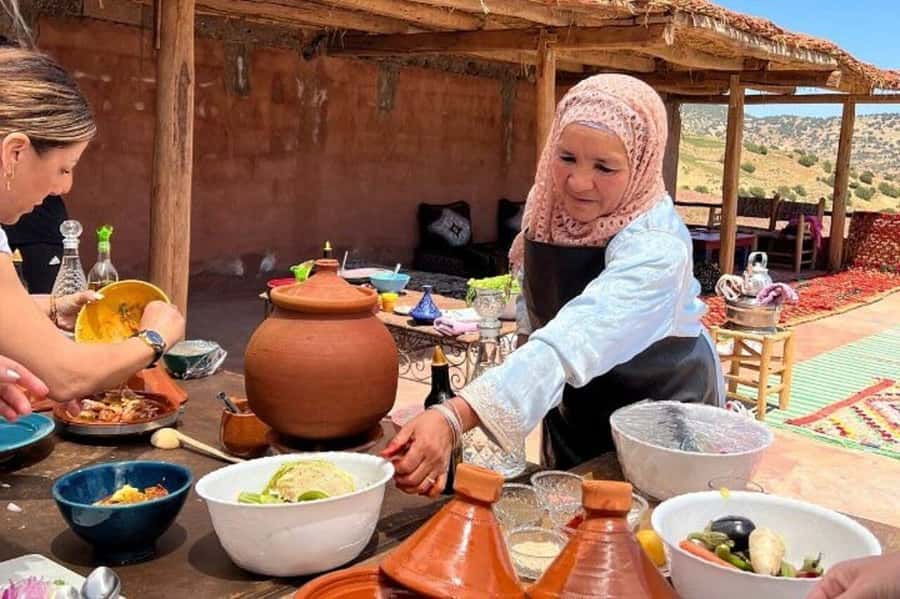
This is an eight-hour outing, not a quick cooking lesson squeezed between city sights. Hotel pickup and drop-off are included, and the group is limited to 10 people. That makes the price of $56 reasonable if you want transport, a market visit, a guided class, and lunch in one package.
The road trip is part of the day, but it also takes time away from cooking. One account describes a drive of about 2.5 hours from Marrakech to the Atlas Mountains. If that timing is typical, you could spend roughly five hours on the road, leaving a few hours for the market, tea, cooking, and lunch. I would book this because you want a rural family setting, not because you want the longest possible time at the stove.
Pickup details are arranged in advance, and the included return ride is useful after a large Moroccan meal. You do not need to solve transport back to Marrakech, which is a real part of the value here.
The trip is offered in English or French. That should work well for many people, but the quality of the explanations depends on who stays with the cooking group and how well communication is handled that day. I would confirm the language arrangement when booking if clear instruction matters to you.
A few more cooking classes around Marrakesh worth a look
- Marrakech: Moroccan Cooking Class with Pickup
★ 4.6 · 1,862 reviews - Marrakech: Traditional Moroccan Cooking Class & Market Visit
★ 4.8 · 1,861 reviews - Marrakesh: Moroccan Dishes Cooking Class with a Local Chef
★ 5.0 · 1,615 reviews
Choosing vegetables at the local market
The market stop takes place on Tuesday or Saturday. You shop for the ingredients needed for the tajine, which gives you a practical introduction to the food before you start cooking it.
This is a small but important detail. Moroccan food is often discussed through its spices, but vegetables, herbs, cooking time, and the shape of the pot matter just as much. Choosing the produce helps you see the meal as something assembled from local ingredients rather than a fixed recipe pulled from a cupboard.
The market is also where the day feels least like a standard cooking school. You are not just handed a premeasured box of ingredients. You take part in deciding what goes into the meal, then carry those ingredients to the family home.
The schedule is not presented as a daily market visit, so keep Tuesday or Saturday in mind when choosing a date. If your booking falls on another day, the class still includes cooking and family hospitality, but the market portion may not be part of the day described.
Tea and a traditional family home
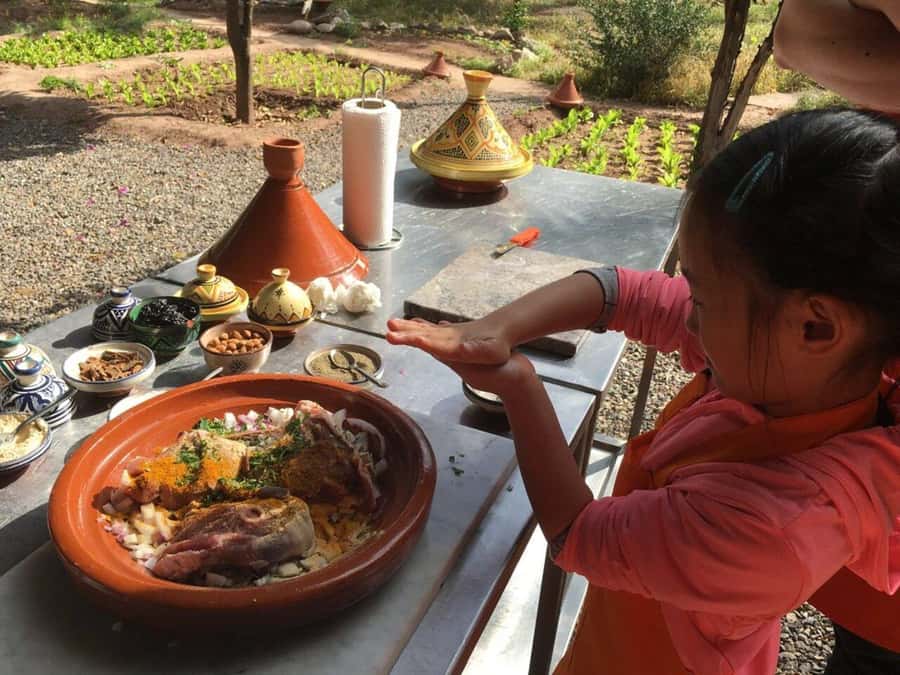
After the drive and shopping, you arrive at a traditional home in the Atlas Mountains. Tea is served before the cooking begins, giving you a pause after the road and a chance to meet the family.
I like this order. You get to settle in before being asked to chop, mix, or follow a recipe. The setting also changes the feel of the meal. You are cooking in a family home rather than a polished demonstration kitchen, so expect a more personal atmosphere and fewer formal comforts.
The family hosting the activity is described as warm and welcoming, with Ibrahim and his mother taking the lead. Ibrahim can explain each step and share information about Moroccan culture when he is present with the class. That personal connection is one of the strongest reasons to choose this activity over a cooking school in Marrakech.
The tradeoff is that the home may not be heated in the way you expect. In late January, the food preparation took place outside and the meal was eaten inside, but both areas were described as very cold. Bring warm layers in winter, even if Marrakech feels mild when you leave your hotel.
Learning the basics of Berber cuisine
The introduction covers Moroccan cuisine, the origins of the ingredients, and the role of spices carried along ancient caravan routes. This gives the food some useful context without turning the class into a history lecture.
The class is designed for beginners, but it can also suit someone who already enjoys cooking. You learn by doing: preparing ingredients, following the family’s method, and watching how the food changes as it cooks. Children can take part too, provided they are comfortable with a long day and simple hands-on kitchen work.
The advertised dishes are Moroccan bread, tajine, and Couscous Royal. The tajine is the main lesson, since it is one of Morocco’s best-known dishes and the market visit is built around its ingredients. Couscous Royal adds a second substantial dish, while bread gives you another task that is separate from chopping vegetables and arranging the pot.
Do not expect a technical cooking course with printed measurements and a professional kitchen setup. The value is in learning a home-style method from local cooks. If you want exact quantities, advanced knife skills, or restaurant-level instruction, this may feel informal. If you want to understand how a Moroccan family prepares lunch, the relaxed approach is a good fit.
Same place, a different menu:
- Marrakech: Moroccan Cooking Class with a Local Family
★ 4.9 · 668 reviews - Marrakech: Moroccan Cuisine Cooking Class in Local Home
★ 4.8 · 508 reviews - Marrakech: Moroccan Cooking Workshop at La Maison Arabe
★ 5.0 · 446 reviews - Marrakech: Tajine Cooking Class in a Traditional Riad
★ 4.8 · 424 reviews
Preparing tajine, couscous, and bread
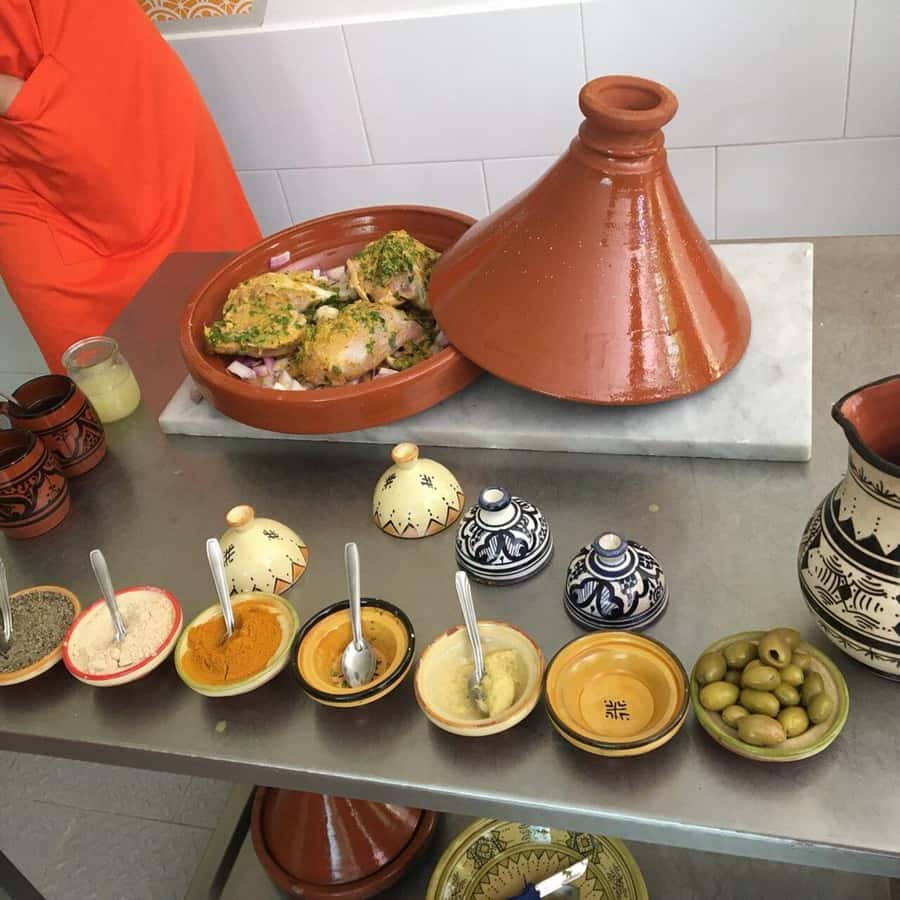
The cooking begins after the introduction and tea. You work with the ingredients bought at the market, then prepare the dishes under the direction of the local cook.
Tajine is especially suited to a group class because the preparation is shared, but the cooking takes patience. You can expect to help with the vegetables and seasoning, then watch the dish develop in its distinctive pot. The point is not speed. Moroccan cooking rewards letting ingredients cook together, so the class naturally slows the day down.
Couscous Royal makes the meal feel generous. The name suggests a substantial couscous dish, and it is prepared as part of the class rather than served separately by someone else. Bread is also made during the lesson, giving you a chance to work with a basic staple instead of only assembling the main courses.
The exact division of tasks can change with group size. In a group of four, Ibrahim was able to stay close, explain each stage, and share more about Moroccan culture. With up to 10 participants, you may spend more time waiting for a turn or working alongside the other members of your group.
That is why I would ask about the expected group size if personal instruction is important to you. The maximum of 10 is still fairly small, but four people is a much more intimate format.
Lunch with the people who taught you
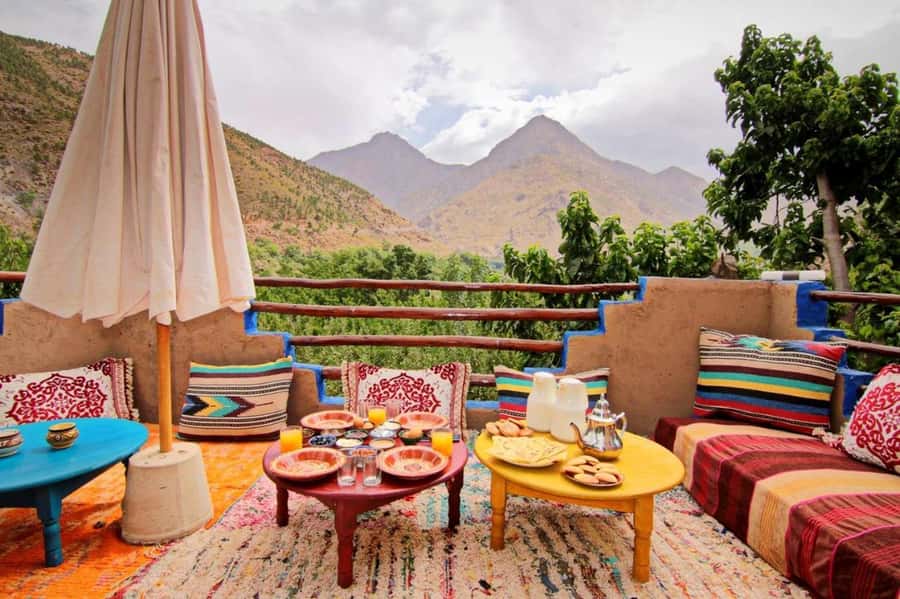
Once the food is ready, you eat what you helped make. Lunch takes place in the house, and tea and coffee are included. Bottled water is also provided.
This shared meal is the natural payoff of the class. You are not simply tasting a restaurant version of Moroccan food. You know which vegetables you selected, which parts you chopped, and how the dishes came together. That makes the meal more memorable, even if your cutting technique is not quite ready for a Marrakech kitchen competition.
The family setting also gives you the chance to ask questions about food and daily life. When Ibrahim is actively guiding the class, he can explain the ingredients and cultural details in English or French. The family’s hospitality is one of the most consistently praised parts of the outing, especially the kindness of Ibrahim and his mother.
There is one practical limitation. Soft drinks are not included, though tea, coffee, and bottled water are. If you want something fizzy with lunch, plan for that expense yourself.
The guide makes a real difference
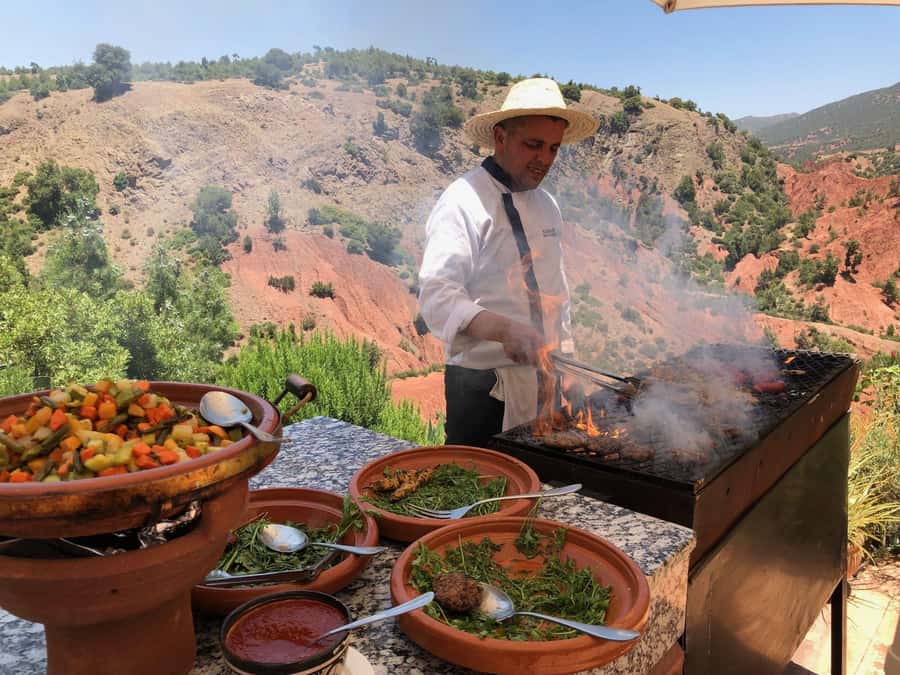
The strongest version of this experience appears to be a small group with Ibrahim present throughout the cooking. In that setting, he can translate, explain the spices, and connect the food to Moroccan culture. You get more than a recipe. You get a conversation.
But the guide arrangement can vary. One winter outing included six participants, with only four taking part in the cooking class while the other two went hiking. The guide accompanied the hikers, and the cooking group was left with an older family member. Since the family and the participants did not share much language, communication became difficult.
That does not mean every departure will run this way. It does mean you should not assume the English or French guide will remain beside you for every minute. If you want detailed explanations, confirm that the guide stays with the cooking group and ask who will lead the class.
This point matters more here than it would at a standard restaurant. The class is built around learning, so translation and instruction are part of what you are paying for. A friendly family can make the day pleasant, but clear communication makes it useful.
Is $56 a fair price?
At $56 per person, the cost covers hotel pickup and drop-off, the long ride to the Atlas Mountains, an English or French speaking host or guide, bottled water, tea or coffee, the market visit on the applicable days, and the cooking session.
That is good value if you want several pieces in one day. Booking transport separately, finding a market experience, arranging a family meal, and locating a cooking class would take more effort and might cost more. The return ride is especially helpful because the destination is outside Marrakech.
The value drops if your main goal is intensive cooking instruction. A long drive and a group of up to 10 mean the actual hands-on time is limited. You are paying for the full cultural outing, not just the hours spent chopping and stirring.
I would compare this with your priorities. Choose it for a family meal, mountain setting, local ingredients, and a relaxed introduction to Moroccan cooking. Choose something closer to Marrakech if you want a short lesson with more time at the worktable.
Who should book this day
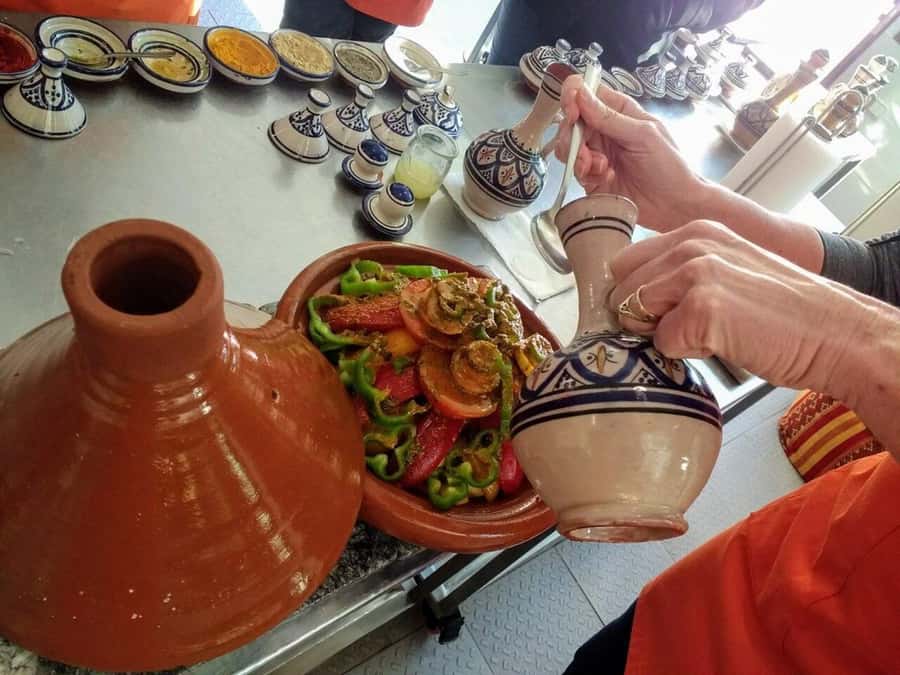
This activity suits adults and children, beginners, and people who already enjoy cooking. It is especially good for you if food is a way to meet local people and you are happy with an informal setting.
It also suits anyone who wants a break from Marrakech’s city streets. The Atlas Mountains provide the setting, while the family home gives the day a more personal focus than a tour built around viewpoints alone.
You should think twice if you have heart problems, since the activity is specifically not suitable for people with heart conditions. It is also not suitable for wheelchair users. Comfortable shoes are required, and warm clothing is wise in colder months because some preparation may take place outside.
I would not choose this for a rushed itinerary. The drive is long, the class runs at a family pace, and the meal is meant to be enjoyed slowly. Give the day room to breathe.
Booking details that matter
Free cancellation is available up to 24 hours before the activity for a full refund. You can also reserve now and pay later, which helps if your Marrakech plans are still shifting.
The advertised group limit is 10 people. Ask about the group size and the guide’s role before booking if you want close instruction or need reliable translation. Tuesday and Saturday are the key days for the market visit.
Bring comfortable shoes, and consider a warm layer for winter. Hotel pickup and drop-off, bottled water, tea, coffee, and an English or French host are included. Soft drinks are not.
Should you book the Berber family cooking class?
Book it if you want to cook in a family home, shop for ingredients, and eat a meal you helped prepare in the Atlas Mountains. The combination of market, tea, bread, tajine, couscous, and family hospitality gives you a full day rather than a basic recipe lesson.
I would be more cautious if you need polished organization or constant guide translation. The best experience depends on a small group and on the guide staying with the cooks. Before paying, confirm those two points.
For most people who value food, culture, and a slower day outside Marrakech, $56 is a fair price. Just wear warm clothes in winter, bring comfortable shoes, and remember that the road to the mountains is a large part of the adventure.
FAQ
How long does the cooking class last?
The full activity lasts eight hours, including transportation between Marrakech and the Atlas Mountains.
How much does the experience cost?
The listed price is $56 per person.
Is hotel pickup and drop-off included?
Yes. Hotel pickup and drop-off are included in the activity.
Which languages are available?
The host or greeter is available in English and French.
What dishes will I prepare?
The class includes Moroccan bread, tajine, and Couscous Royal.
Is the market visit available every day?
The walk to the local market is scheduled for Tuesday or Saturday.
Is the activity suitable for wheelchair users?
No. The activity is listed as unsuitable for wheelchair users. It is also not suitable for people with heart problems.
Just added around Marrakesh
- Marrakech: 3-Hour Open-Air Moroccan Cooking Course★ 4.9 · 74 reviews
- Moroccan Food Cooking Class with a Local Chef in Marrakech★ 4.7 · 90 reviews
- Moroccan cooking class in Marrakech with berber chef★ 5.0 · 16 reviews
- Edgy 8 Dish Private, Fusion Cooking Class, Menu Plan, Market★ 4.9 · 31 reviews
- Marrakesh: Private Cooking Class & Local Market Shopping★ 4.7 · 15 reviews
- Marrakech: Moroccan Cooking Class for vegetarians and vegan★ 4.9 · 156 reviews
- Marrakech: Moroccan Cooking Class with Amazing Local Chef!★ 4.9 · 100 reviews
- Marrakech: Moroccan Cooking Class with Local Chef★ 4.6 · 87 reviews
Cooking Classes, compared.
Half-Day Thai Cooking Class at Organic Farm in Chiang Mai
Read our review →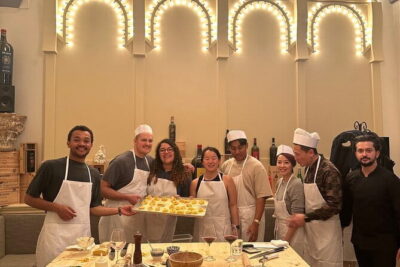
Florence: Pasta Cooking Class with Unlimited Wine
Read our review →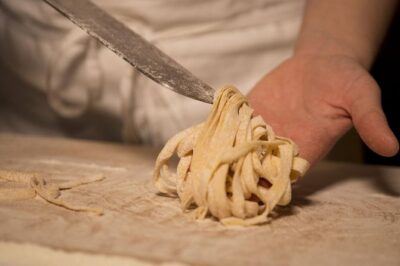
3 in 1 Cooking Class near Navona: Fettuccine, Ravioli & Tiramisu
Read our review →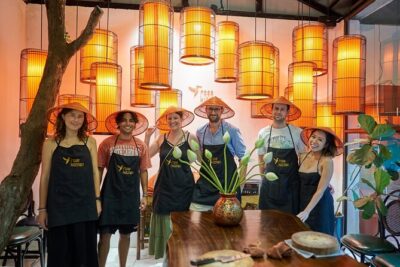
Hanoi Cooking Class: Culture, Local Market & Meaning CSR Impact
Read our review →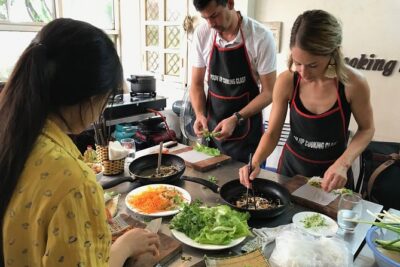
5 Traditional Dishes Hanoi Cooking Class with Market Trip
Read our review →
Cooking Class and Lunch at a Tuscan Farmhouse with Local Market Tour from Florence
Read our review →
Chiang Mai: Cooking Class, Market & Thai Herbs Garden Tour
Read our review →Browse the lists this tour appears in