
Review · MARRAKECH
Marrakech: Moroccan Cooking Class with Local Chef
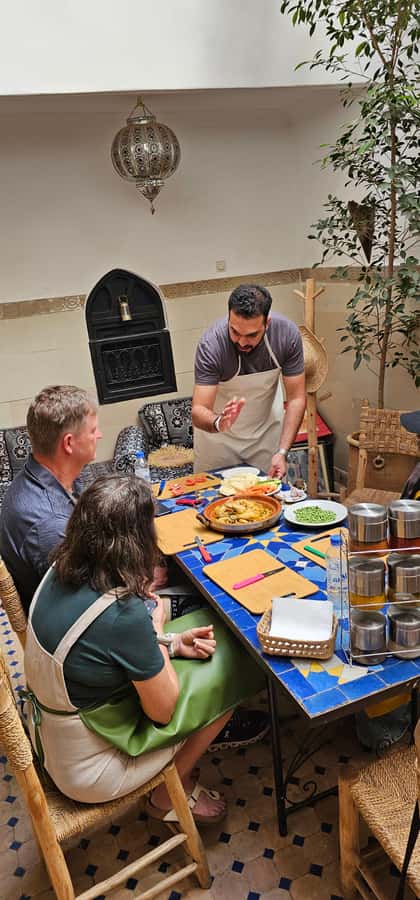
Moroccan cooking makes the souq feel less like a maze and more like a pantry. This five-hour experience starts at Café de France, leads you through a local food market, then brings you to Riad Black Doors for a hands-on meal with Berber chefs. Shopping for the ingredients is the most useful part: you see what goes into the pot before anyone starts chopping.
I like the family-style welcome and the chance to learn the mint tea ritual, not just drink a glass of it. I also like that the class can cover meat and vegetarian preparations, with recipes you can take home. The main drawback is timing: after the prep, a tagine may need 1 to 1.5 hours to cook, and that can leave you waiting unless more dishes are prepared during the pause.
Key points
- Local market first: Walk from Café de France to a food souq away from the main tourist areas and help choose fresh ingredients.
- Named local chefs: Marouane and Abdou host the workshop, while some sessions are led by Khalid, who shares family cooking tips and Amazir background.
- A full Moroccan meal: Prepare starters, a main course, and dessert, with examples including Moroccan salad, zaalouk, and chicken tagine.
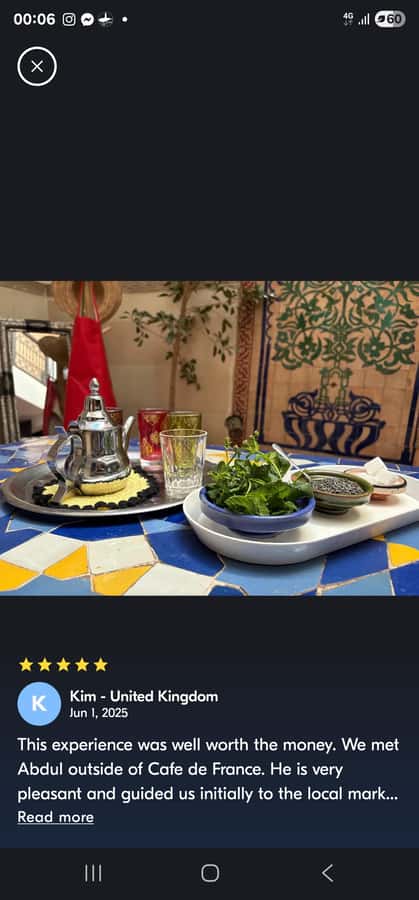
- Tea has its own lesson: Learn the preparation and customs behind Moroccan mint tea before the cooking begins.
- Good value at $35: The price includes the guide, class, tea, and meal, with no separate food bill afterward.
- One timing warning: Tagine cooking can create a long quiet stretch, so ask how the day’s menu will be organized.
From Café de France to the Medina kitchen
Your meeting point is in front of the main entrance of Café de France on Jemaa el-Fna Square. This is a sensible place to meet because it is easy to identify, but the square can be crowded and confusing. Arrive with enough time to find the correct door rather than waiting inside or wandering around the plaza.
From there, you walk about five minutes to the cooking location in the Medina. No hotel pickup is included, so you need to reach Café de France on your own. The short walk matters because it moves you from the city’s famous public square into a more local part of Marrakech, where the class begins with food rather than a formal kitchen lecture.
The hosts are described as Marouane and Abdou, two Berber chefs with experience in Moroccan cuisine and pastry. Some sessions have also been led by Khalid. That means the exact personality and teaching style may vary, but the focus remains the same: practical cooking, Moroccan customs, and conversation around the meal.
More Moroccan Cooking Classes in Marrakesh:
- Marrakech: Moroccan Cooking Class with Pickup
★ 4.6 · 1,862 reviews - Marrakech: Traditional Moroccan Cooking Class & Market Visit
★ 4.8 · 1,861 reviews - Marrakesh: Moroccan Dishes Cooking Class with a Local Chef
★ 5.0 · 1,615 reviews
Buying ingredients in a local souq
The market visit is one of the strongest reasons to book this class. Instead of finding premeasured ingredients waiting in the kitchen, you help shop for the food. Stalls carry fresh produce, spices, and local specialties, giving you a better sense of how Moroccan meals begin.
This part also adds context to the recipes. A spice blend is easier to understand when you see it in the market, smell it, and then use it later in the cooking. You can ask about ingredients as you go, and the chefs can discuss allergies or dietary restrictions before the shopping starts.
The market is described as being away from the most tourist-focused areas, which makes the visit feel more useful than a quick photo stop. You are not simply passing through a souq. You are choosing the items needed for lunch or dinner, then carrying that knowledge into the kitchen.
There are two scheduling limits to note. The market visit is not included on Fridays or during Ramadan. On those dates, the class may begin at the riad instead, so check the exact arrangement before booking if the shopping portion is important to you.
Mint tea before the knives come out
Back at Riad Black Doors, the class begins with traditional Moroccan mint tea. This is not treated as a quick welcome drink. You learn about its preparation and the ritual around serving it, which gives the tea a proper place in Moroccan hospitality.
The supplied details also refer to tea with absinthe in one session, taken on the riad terrace while discussing culture, architecture, and family. The exact tea service may vary, but you can expect tea to be part of the experience rather than an afterthought.
I like this order. You get a calm introduction before the work begins, and you have time to meet the chef and the other people in the group. It also shows that Moroccan cooking is connected to hospitality. The meal is not just a list of instructions. It is a shared social occasion.
Preparing salads, zaalouk, and tagine
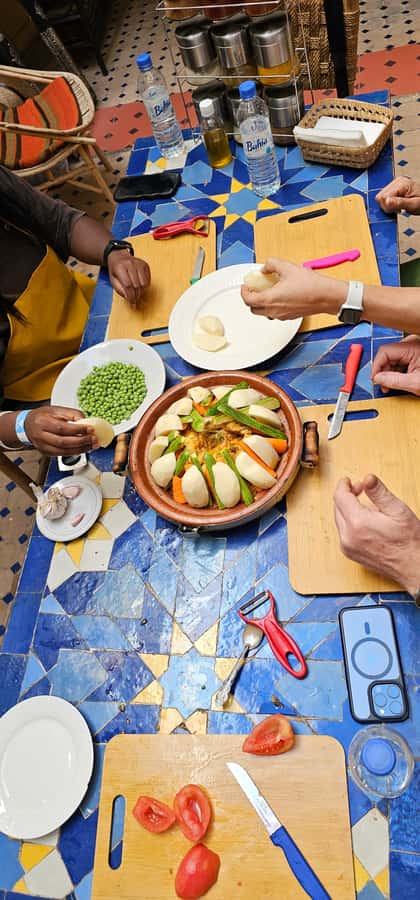
The cooking session lasts about 1.5 hours according to the scheduled itinerary, followed by tea and food tasting. The class is hands-on, with everyone involved in preparing the dishes. You should expect guidance rather than a demonstration where you sit back and watch.
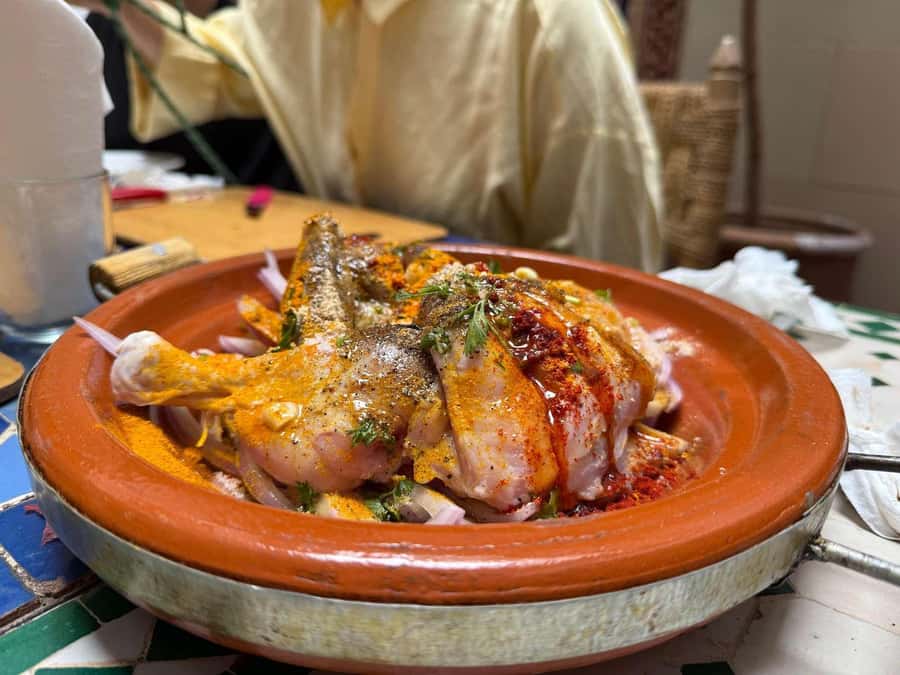
The menu can include starters, a main course, and dessert. Specific dishes prepared in sessions have included Moroccan salad, zaalouk made with eggplant, and chicken tagine. Another group prepared both a chicken version and a vegetarian version, along with side dishes. The exact menu is not fixed in the supplied information, so do not book expecting one guaranteed recipe.
This flexibility is useful if you have dietary needs or simply want to try a meat-free meal. Tell the hosts about allergies and restrictions before shopping. The chefs can then discuss what is possible and help shape the ingredients around the group.
The most valuable lessons are likely to be the small ones: how spices are combined, how vegetables are handled, and how a tagine is built for slow cooking. The chefs are also described as sharing family cooking tips, which is the sort of information that can make a recipe work at home instead of leaving you with a list of ingredients and no feel for the method.
More Hands-On Workshops in Marrakesh:
- Marrakech: Moroccan Cooking Class with a Local Family
★ 4.9 · 668 reviews - Marrakech: Moroccan Cuisine Cooking Class in Local Home
★ 4.8 · 508 reviews - Marrakech: Moroccan Cooking Workshop at La Maison Arabe
★ 5.0 · 446 reviews - Marrakech: Tajine Cooking Class in a Traditional Riad
★ 4.8 · 424 reviews
The tagine waiting period
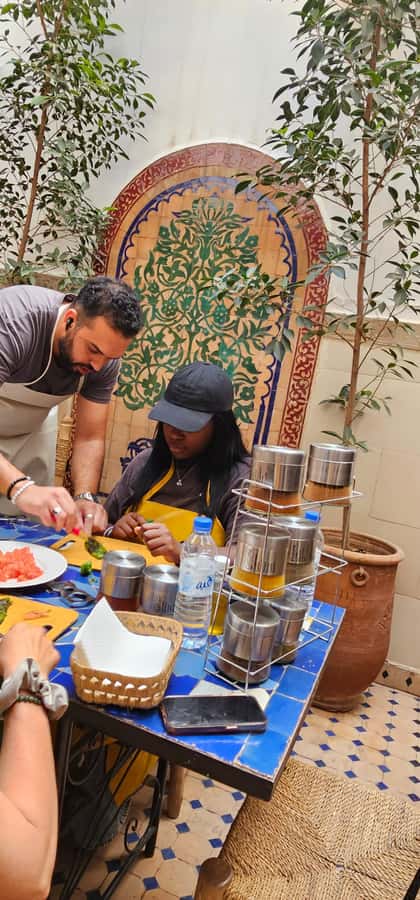
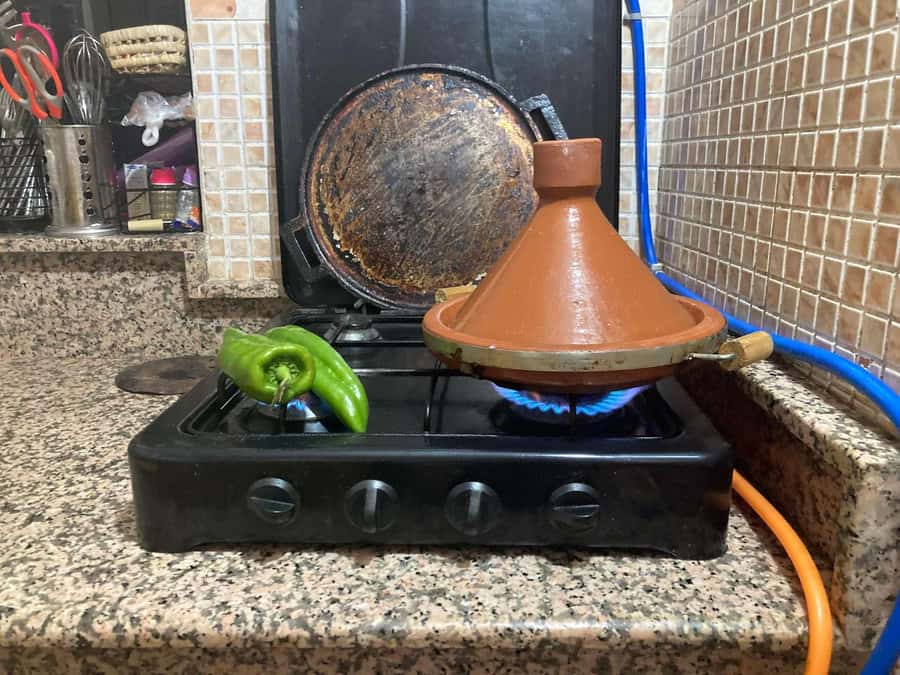
Here is the practical weakness. Tagine is a slow dish, and once the preparation is complete, the food may need 1 to 1.5 hours to finish. In one session, that meant sitting around with nothing else to prepare.
This does not ruin the class, but it affects the rhythm. The listed schedule includes 30 minutes for tea and one hour for food tasting, yet the total experience lasts five hours. A long cooking pause can account for much of the extra time. If you prefer constant activity, ask at the start if the chefs plan a second recipe, dessert, or additional side dish during the wait.
There is also a positive side to slow cooking. You see that Moroccan food is not built around rushing. The delay gives you time to talk with the hosts about Moroccan customs and Berber or Amazir identity. It can also be a pleasant chance to sit on the riad terrace and speak with the group.
Still, expectations matter. This is not a nonstop professional kitchen workshop. It is part cooking lesson and part social afternoon. If you want a tightly packed series of recipes, the pause may test your patience.
Eating what you prepared
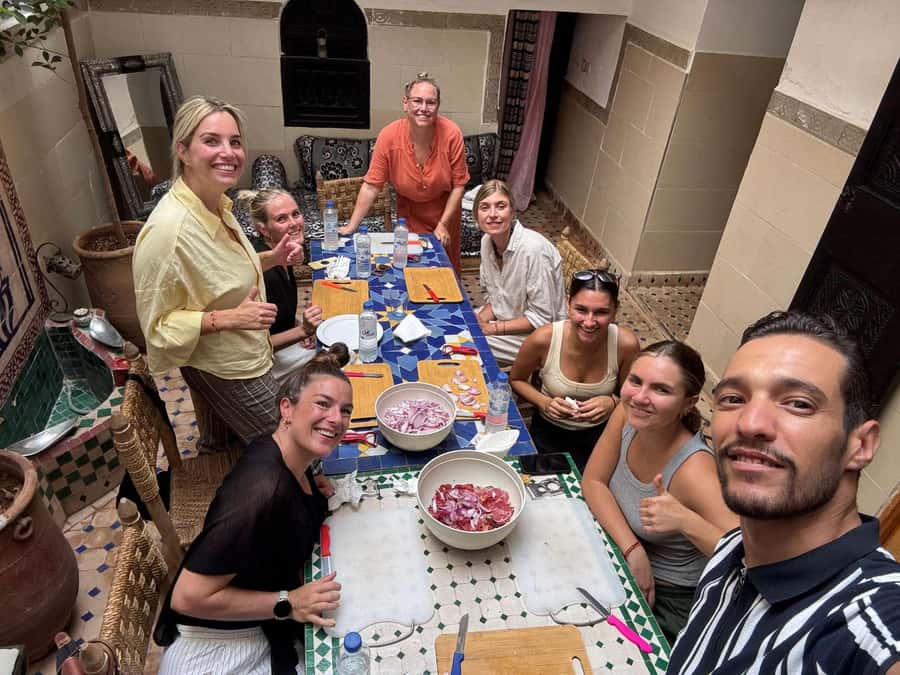
The final reward is the shared meal. You eat the food made during the class, including the salads, tagine, and other dishes on the day’s menu. The meal is included in the $35 price, so you are not paying separately for lunch after doing the work.
The format also encourages conversation. You may sit with the chef and the rest of the group, discussing Moroccan traditions, local life, and family customs. That social element is especially valuable if you want more than a cooking certificate or a few photographs.
The meal is also a useful test of what you learned. You can compare the texture of the zaalouk, the seasoning in the salads, and the tenderness of the tagine with the preparation steps you followed. Ask questions while eating. This is when small corrections and final tips are easiest to remember.
You then return to Café de France. Since the starting and ending point are the same, the activity is easy to fit into a day in the Medina, but you should not plan a tightly timed appointment immediately afterward. Five hours is a substantial block, and cooking times can shift.
Is $35 a good value?
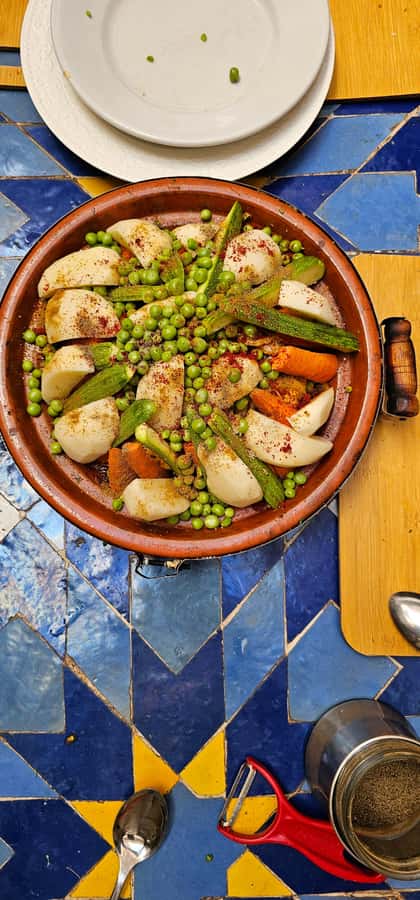
At $35 per person, this is a strong food experience for the money. The fee includes the guide, cooking class, tea, and meal. It also includes the food used for the class, based on the described market shopping and shared meal.
The value is not just in how much you eat. You receive a guided market visit, instruction from local chefs, cultural conversation, and recipes to use at home. A restaurant meal would be simpler, but it would not show you how the ingredients were chosen or prepared.
The price is especially fair for someone who wants a social experience in addition to cooking. The class has a warm, family-friendly tone, and private sessions can be arranged on request. You should confirm the private-session cost separately because no private supplement is provided here.
The value is less clear if you dislike waiting or want a highly polished culinary school format. The course is built around hospitality and shared work, not speed. You are paying for a cultural afternoon with food at its center.
Language, group size, and the teaching style
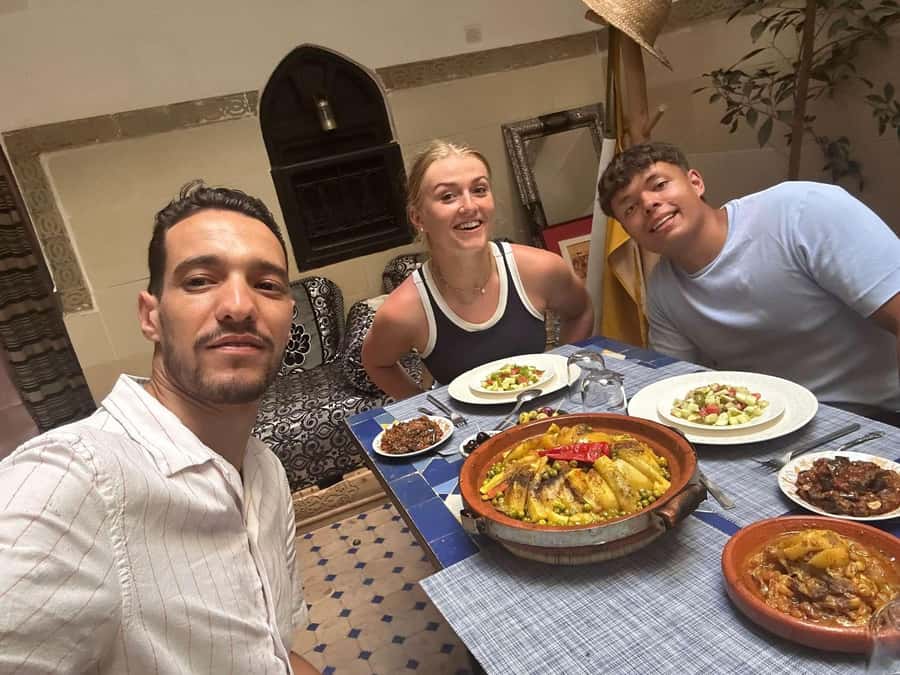
Guiding is available in English, French, and Arabic. That gives you a reasonable chance of following the instructions and asking questions in a comfortable language, though the exact guide depends on the session.
The chefs have worked in hotels and restaurants in Morocco and abroad, and they also specialize in pastry. That background suggests they can explain both home-style methods and professional kitchen technique. The class remains informal, however, so expect direct help at the worktable rather than a formal culinary lecture.
Group sessions are available, and private sessions can be requested. The information does not give a standard group size, so you should ask before booking if space and personal instruction are important to you. A smaller group should make it easier to handle ingredients and ask detailed questions, while a larger group may offer more conversation during the meal.
The strongest teaching style here appears to be personal. The chefs explain traditions as they work, share family tips, and talk about Moroccan culture. Khalid, in particular, has been described as speaking openly about his life as an Indigenous Amazir person and as a resident of Marrakech. That kind of conversation can add meaning to the recipes, provided you take part and ask questions.
Who will enjoy this cooking class?
I would choose this experience if you want to connect food with daily life in Marrakech. It suits first-time visitors who want a guided introduction to the souq, cooks who want practical Moroccan recipes, and families or small groups looking for a relaxed shared activity.
It is also a good choice for vegetarians, as a vegetarian version has been prepared during a session. Still, you should state dietary restrictions before the market visit rather than assuming the menu can be changed at the last minute.
This class may not suit you if you want a short activity, a fixed menu, or nonstop instruction. The five-hour duration is long, and the tagine can take time. Anyone with a strict evening plan should leave a generous buffer.
You also need to be comfortable walking from Jemaa el-Fna Square through the Medina. Pickup is not included, and the meeting point is at Café de France. The class does not offer a transport solution for you, so plan your route in advance.
Booking details worth knowing
The experience costs $35 per person and lasts five hours. Starting times vary, so check availability for your chosen date. You can reserve now and pay later, which helps if your Marrakech plans are still moving around.
Free cancellation is available up to 24 hours in advance for a full refund. The market stop is not included on Fridays or during Ramadan, so confirm what replaces it on those dates.
The overall rating is 4.6 from 87 ratings, which fits the main pattern of the experience: strong marks for friendly hosts, clear instructions, cultural exchange, and the meal, with the main concern being the long pause while the tagine cooks.
Should you book it?
Book this class if you want to shop, cook, talk, and eat with local hosts rather than simply sit down at a restaurant. The market visit, mint tea lesson, family recipes, and shared meal give you several useful pieces of Moroccan food culture for $35.
Before booking, accept the slower pace and ask about the day’s menu, especially if the idea of waiting 1 to 1.5 hours for a tagine bothers you. If the chefs plan another dish during that time, the class should feel fuller. If not, treat the pause as part of a relaxed social afternoon.
For most food-focused visitors, I would make the booking. Just protect your schedule, confirm the meeting point at Café de France, and remember that the market portion is not offered on Fridays or during Ramadan.
FAQ
Where does the Moroccan cooking class meet?
Meet in front of the main entrance of Café de France on Jemaa el-Fna Square in Marrakech.
How long does the experience last?
The full experience lasts five hours. The listed schedule includes a five-minute walk, about 1.5 hours of cooking, 30 minutes of tea, and one hour of food tasting.
Is hotel pickup included?
No. Pickup is not included, so you need to reach Café de France on your own.
Which languages are available?
The live guide can provide the experience in English, French, or Arabic.
Is the market visit included every day?
The local market visit is not included on Fridays or during Ramadan. Check the arrangement for your date before booking.
What does the price include?
The $35 price includes the guide, tea, cooking class, and meal.
Just added around Marrakesh
- Marrakesh: Private Cooking Class & Local Market Shopping★ 4.7 · 15 reviews
- Marrakech: Moroccan Cooking Class for vegetarians and vegan★ 4.9 · 156 reviews
- Marrakech: Moroccan Cooking Class with Amazing Local Chef!★ 4.9 · 100 reviews
- Marrakech: Cooking Class and Market Visit★ 4.4 · 5 reviews
- Marrakech: Cooking class in Marrakech by Chef Ayoub★ 4.8 · 13 reviews
- Marrakech: Authentic Moroccan Cooking Class in a Farm★ 4.8 · 8 reviews
- Marrakech: Authentic Cooking Claas With a Berber Family★ 4.6 · 5 reviews
- From Marrakech: High Atlas Berber Cooking Class★ 4.7 · 132 reviews
Moroccan Cooking Classes, compared.
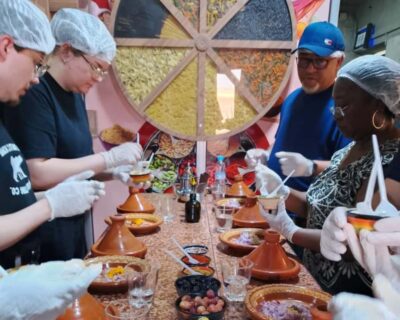
Marrakech: Moroccan Cooking Class with Pickup
Read our review →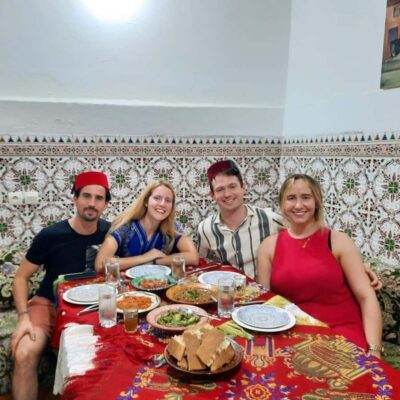
Marrakech: Traditional Moroccan Cooking Class & Market Visit
Read our review →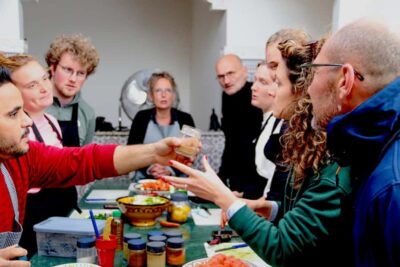
Marrakesh: Moroccan Dishes Cooking Class with a Local Chef
Read our review →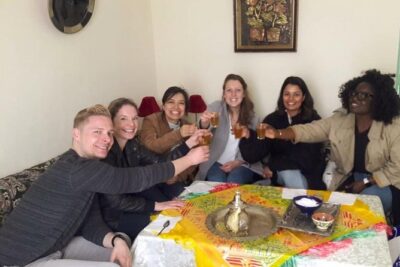
Moroccan Cooking Class & Marrakech Market Visit with Chef Khmisa
Read our review →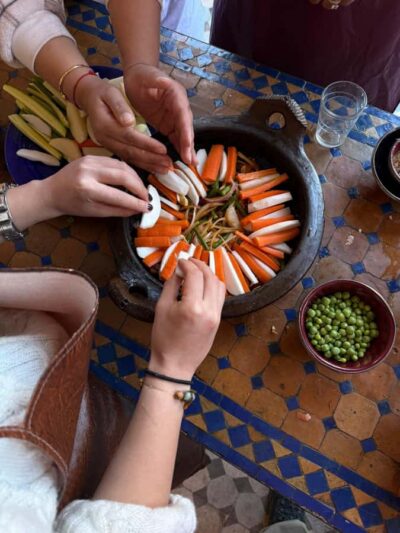
Marrakech: Moroccan Cooking Class with a Local Family
Read our review →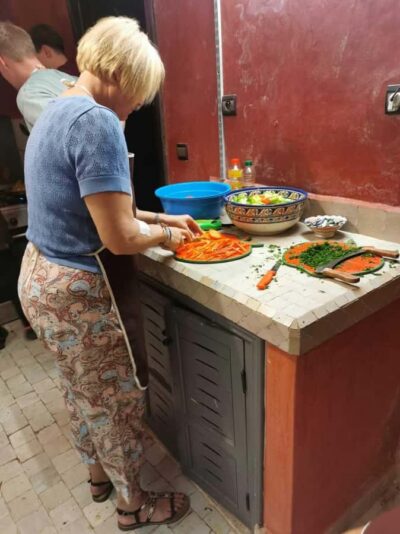
Marrakech: Moroccan Cuisine Cooking Class in Local Home
Read our review →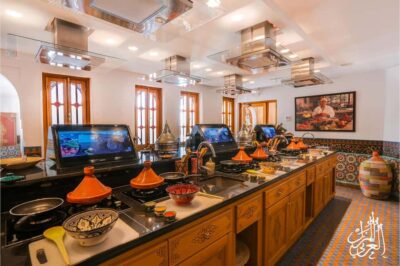
Marrakech: Moroccan Cooking Workshop at La Maison Arabe
Read our review →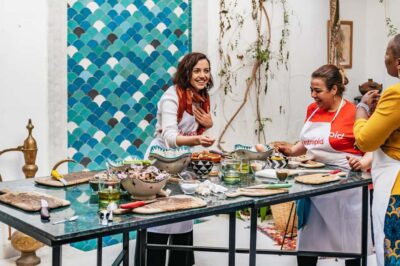
Marrakech: Tajine Cooking Class in a Traditional Riad
Read our review →Browse the lists this tour appears in