
Review · MILAN
Milan: Pasta, Ravioli, and Gelato Class in a Glamorous Home
Milan’s grandest cooking lesson may take place not in a restaurant kitchen, but inside an elegant family home filled with 16th-century paintings and antique furniture. You’ll roll pasta, shape ravioli, prepare a dessert, then sit down to eat what you made. I like the family recipes and the chance to learn in a real Milanese home rather than a plain studio. I also like the social setup, with wine, limoncello, and time around the table.
The main consideration is the group size. The class is advertised as limited to 10 people, but one recent participant described a session of about 15 or 16. That does not ruin the experience, but it can mean less personal kitchen time. Also, portions may feel modest if you arrive very hungry.
Key points at a glance
- A working lesson, not a cooking demonstration: You make fresh tagliatelle, ravioli, and either tiramisù or gelato.
- A remarkable setting: The class takes place in an elegant downtown home with family paintings, antiques, and fine furnishings.
- Several recurring instructors: Bruna, Laura, Federico, Paolo, Katerina, Marco, and others lead different sessions, so the tone can vary.
- A complete meal follows the lesson: Your pasta and ravioli are served with sauces, dessert, wine or a soft drink, water, and limoncello.
- Easy public transport: The home is about 20 meters from the Coni Zugna subway exit and roughly a 20 to 25-minute walk from the Duomo.
- Best for hands-on beginners: Clear instruction, shared tasks, and a relaxed atmosphere make this suitable even if you rarely cook.
Cooking pasta in a Milanese family home
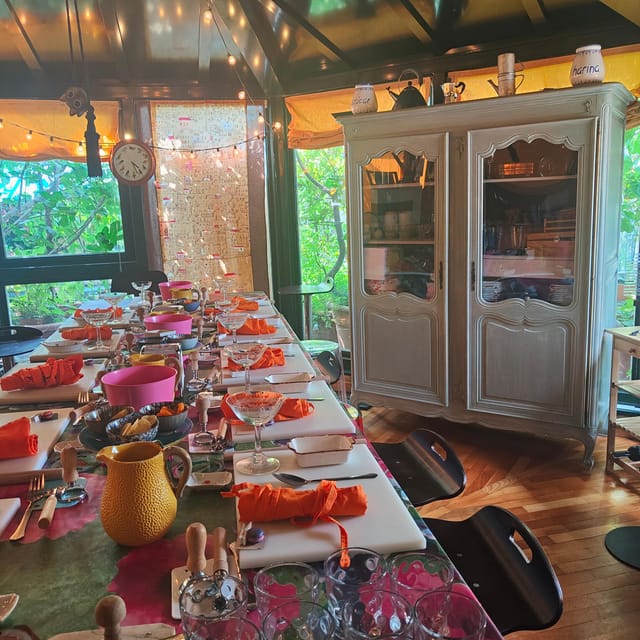
The setting does much of the work before the first egg meets flour. You enter an elegant palace apartment in one of central Milan’s designer and fashion districts, a short walk from the Duomo. Inside are paintings dating to the 16th century, antique furniture, and pieces connected with the family’s Palladian palace.
This is not a stripped-down cooking school with stainless-steel counters and a row of identical workstations. You are cooking in a home with a strong sense of place. That gives the class its special character, though it also means the surroundings are part of the experience. You should treat the furnishings with care and expect a more domestic setup than a professional restaurant kitchen.
The family story is central. Grandma Bruna developed the tradition, and when she needs to rest, her daughter or grandchildren take over. The family has also trained at the Paul Bocuse school in Ecully, a respected three-Michelin-starred culinary school, but the instructors credit their grandmothers as their best teachers of Italian cooking.
That mix is useful. You get some professional technique, but the lesson is framed around food made for family meals. The aim is not to turn you into a chef in three hours. It is to give you practical methods you can repeat at home.
More Dessert Classes in Milan
- Milan: Pasta and Tiramisu Cooking Class with Wine
★ 4.8 · 1,106 reviews - Milan: Pasta and Tiramisu Small Group Cooking Class with Wine
★ 5.0 · 660 reviews - Milan Cooking Class: Authentic Pizza & Gelato Making
★ 5.0 · 582 reviews
What happens during the three-hour lesson
The class lasts about three hours, usually with a steady rhythm of preparation, cooking, eating, and conversation. Exact timing depends on the starting time and the dessert option, but the process generally moves through several stages.
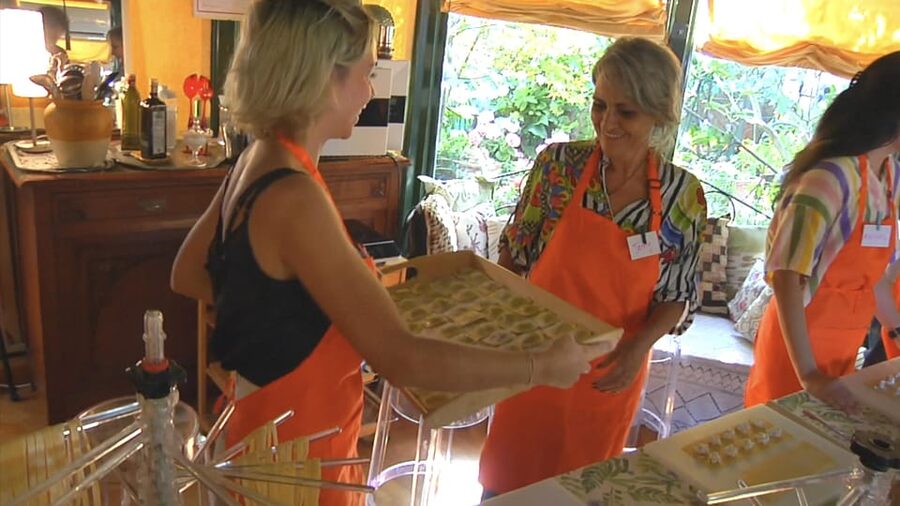
You begin with the pasta dough. The instructor explains the proportions and shows you how to bring the mixture together, knead it, and work it until smooth. This is the part where the class becomes properly hands-on. You are not simply watching Laura, Federico, Paolo, or another instructor make the pasta for you.
Fresh pasta teaches you to pay attention to texture. Too much flour can make it heavy. Too little can leave it sticky. The instructors circulate, answer questions, and help you correct the dough before it becomes difficult to handle. That direct help is especially useful for first-time pasta makers.
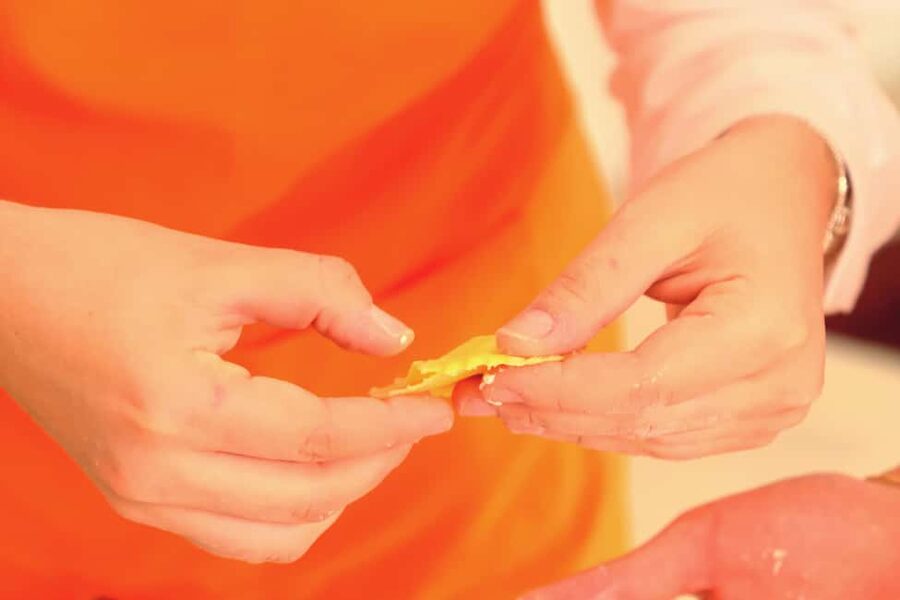
Next comes the rolling and cutting. You prepare tagliatelle, then work on ravioli from scratch. Shaping filled pasta is slower than it looks, but that is part of the fun. You learn how much filling to use, how to press out air, and how to seal the edges so the ravioli survives the cooking water.
The filling is described as a recipe created by a Michelin-starred chef, with versions including ricotta cacio e pepe. The ravioli is served with butter and sage, a simple sauce that lets the pasta and filling do the talking. Tagliatelle is paired with tomato sauce. One class account noted that some participants added garlic to the tomato sauce, so you may see small personal touches rather than one rigid formula.
The class is built for participation, but not every minute is spent with your hands in dough. Some tasks need to happen while pasta rests, sauces cook, or dessert chills. That gives the instructor room to explain ingredients, Italian food traditions, and techniques you can use later.
Choosing between tiramisù and gelato
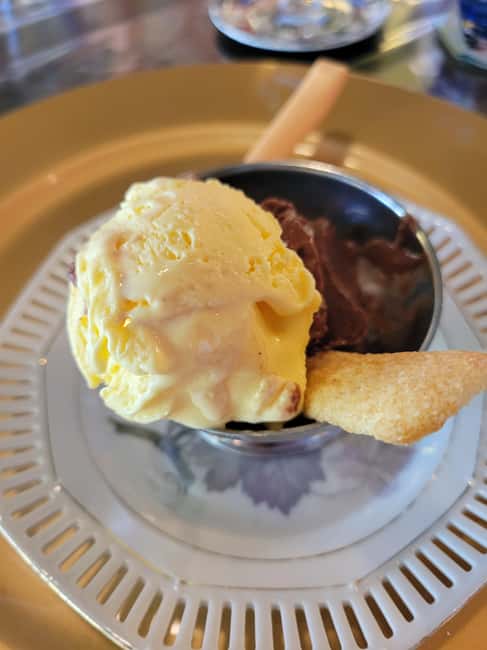
The dessert format can vary, so check the exact option when booking. Many sessions include tiramisù, while others prepare gelato. The supplied details also list tiramisù-flavored gelato and chocolate gelato.
Tiramisù is a sensible choice if you want a classic Italian dessert that is easy to recreate at home. You learn how to make the soft, creamy mixture and assemble the dessert without turning it into a complicated pastry project. A 10-year-old participant enjoyed the class, and the simple structure makes the dessert approachable for families with older children.
Gelato offers a different kind of lesson. Some sessions prepare chocolate ice cream and zabaglione, with one participant noting that the dessert needs two to three hours before it fully finishes. That makes the gelato option interesting, but the class may involve preparation rather than a fully frozen result at every stage.
If dessert is the main reason you are booking, confirm what your particular session includes. The wording changes between tiramisù, gelato, and both. This is one of the few details I would not leave to chance.
Sitting down to eat what you made
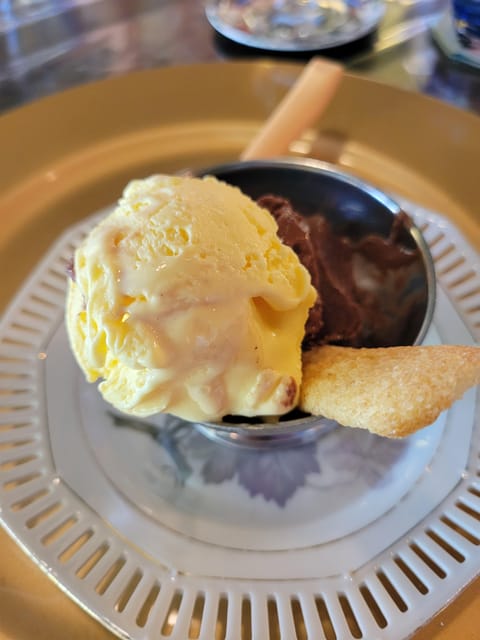
The reward comes at the table. Your handmade tagliatelle is served with tomato sauce, followed by ravioli with butter and sage. Dessert is tiramisù or gelato, depending on the session.
The meal is not a separate restaurant course prepared by someone else. You get to eat the food that came from your own dough, your own shaping, and the shared work of the class. That adds value even if the portions are not enormous. One participant specifically wished for more food because everything tasted so good, so I would not skip lunch before an early afternoon class or arrive at an evening session expecting a feast for the entire night.
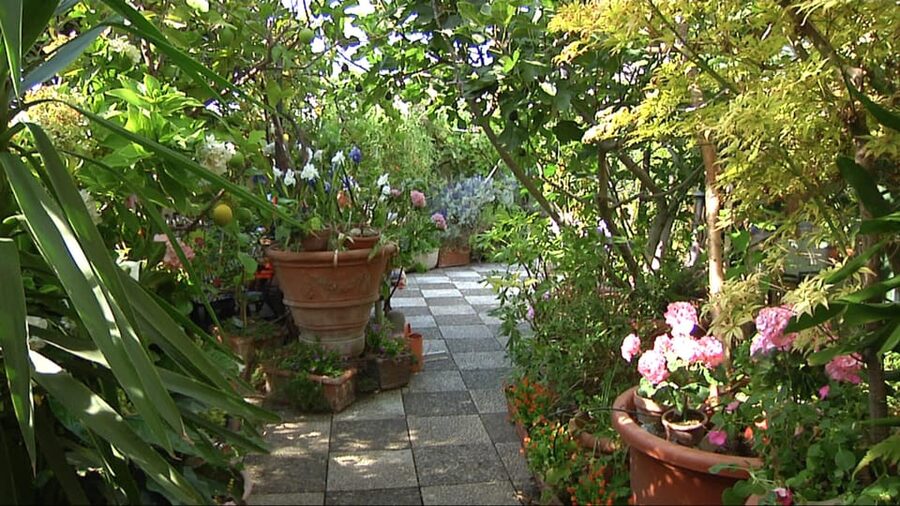
Drinks are part of the price. You receive water and either an organic wine, produced without pesticides, or a soft drink. The stated wine allowance is one-quarter of a bottle per person. Homemade limoncello, made with lemons from the family terrace, comes as a finishing touch.
The drinks help turn the lesson into a social meal. You sit with people from different countries, compare pasta shapes, and talk about Milan. This is particularly good for solo visitors and couples who want an activity with some human contact. It is less suited to someone who wants a quiet, private lesson focused only on technique.
More Pasta Making Classes in Milan
- Milan Culinary Experience: Pasta & Gelato or Tiramisù Class
★ 5.0 · 337 reviews - Milan: Pasta & Tiramisu Cooking Class with Premium Products
★ 5.0 · 255 reviews
The instructors shape the mood
The family uses several instructors, and the personality of your teacher will shape the evening. Bruna is the older family figure at the heart of the tradition. Laura has been described as lively, patient, and skilled at keeping everyone involved. Federico is known for humor and clear explanations, while Paolo has a calm, supportive approach and explains the background of the dishes as he goes.
Other sessions have been led by Marco, Katerina, Katarina, Luca, Lucas, and Pablo. The repeated pattern is clear: the instructors do not simply stand at the front and talk. They move around the group, explain each step, and help when dough, fillings, or timing go wrong.
That matters because pasta making can become frustrating if you are left alone with a sticky lump of dough. The teaching is aimed at beginners and intermediate home cooks. You do not need advanced kitchen skills, and the lesson is structured so that people with different abilities can work together.
The class is held in English as the standard language. The instructors may also speak Italian, Spanish, French, German, Russian, Ukrainian, Hebrew, or Persian, but language availability is not guaranteed for every session. Ask in advance if you need a language other than English. The teacher can assist people who do not understand every English instruction, but a private class is required for other languages according to the booking information.
How much personal attention will you get?
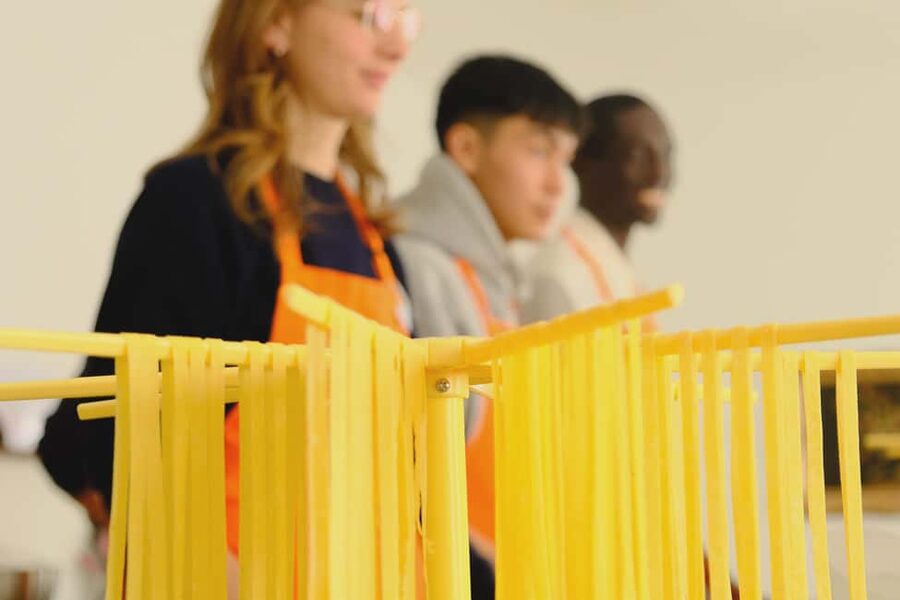
The advertised group limit is 10 people, which would make this a comfortably small class. Smaller sessions can feel almost private, with more time for the instructor to check your dough and ravioli.
There is a wrinkle. A participant described a class of about 15 or 16 people, even though the experience is presented as a small-group activity. The class still worked well in that account, but the difference matters if you are booking mainly for close instruction.
I would ask about the expected group size if personal attention is important to you. A larger group can improve the social side and give the room more energy. A smaller group is better if you want repeated help with pasta technique or are bringing an older family member who may need a slower pace.
The class has worked well for a wide age range, including a 10-year-old and an 80-year-old. Children under 6 are not allowed, and the additional restrictions say it is not suitable for children under 7. To avoid confusion, treat the minimum age as 7 unless the provider confirms otherwise.
Getting there from the Duomo
The easiest route is the Milan subway. Take the blue line to Coni Zugna, then use the escalator exit marked Coni Zugna and Via Foppa. The building is about 20 meters from the subway stop, so this is much easier than navigating a long walk through central Milan.
The home is also around 20 to 25 minutes on foot from Duomo Square. That makes the class a practical choice after sightseeing in the cathedral area, although you should allow extra time to find the correct entrance. After booking, you receive the private address and a contact phone number by email. Keep those details available on the day.
The neighborhood is associated with design and fashion, giving you a different view of Milan from the usual cathedral and shopping streets. An evening class works well if you want the day free for museums and city sights. One participant specifically preferred a 6 p.m. start, since it allowed time to explore Milan first.
Wear comfortable clothes. Aprons and tools are provided. Baby strollers, baby carriages, and non-folding wheelchairs are not allowed, so this is not the right choice if your party depends on those items.
What the $88 price really covers
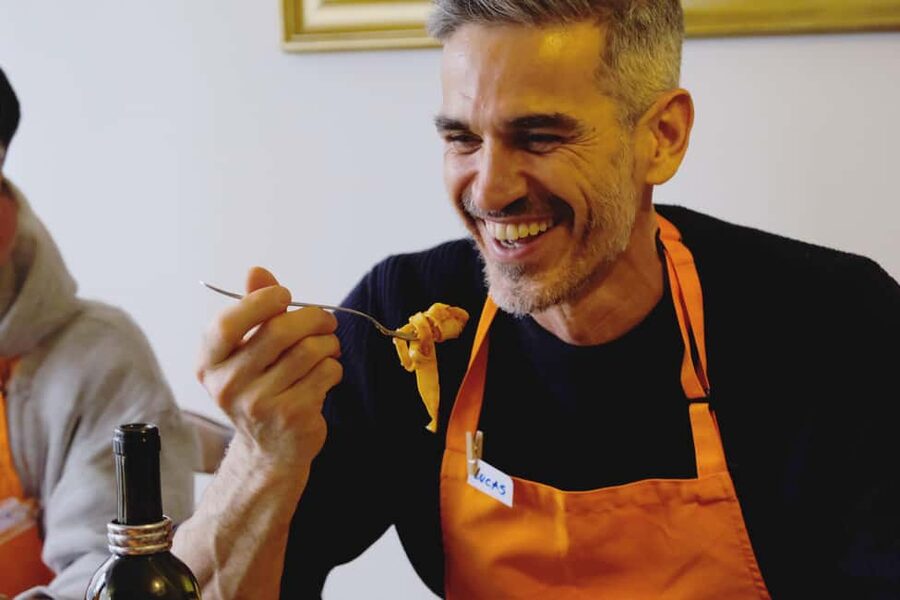
At $88 per person, this is not just a pasta-making demonstration. The price includes tools, an apron, a three-hour lesson, pasta, ravioli, a dessert, the meal, water, wine or a soft drink, homemade limoncello, and a recipe booklet sent by email.
The recipe booklet is an important part of the value. A cooking class can be fun for one afternoon and then disappear from your memory. Written family recipes give you a chance to repeat the tagliatelle, ravioli, tomato sauce, and dessert at home.
You are also paying for the setting and the social meal. A restaurant dinner in Milan may cost a similar amount without giving you a skill to take away or access to an antique-filled family home. On the other hand, the class is not the best value for someone who wants a large, elaborate meal. Portions can be moderate, and the focus is learning rather than fine dining.
The organic wine and terrace-made limoncello add a local touch, but the alcohol allowance is limited. Do not book this expecting an open bar.
Who will enjoy this most?
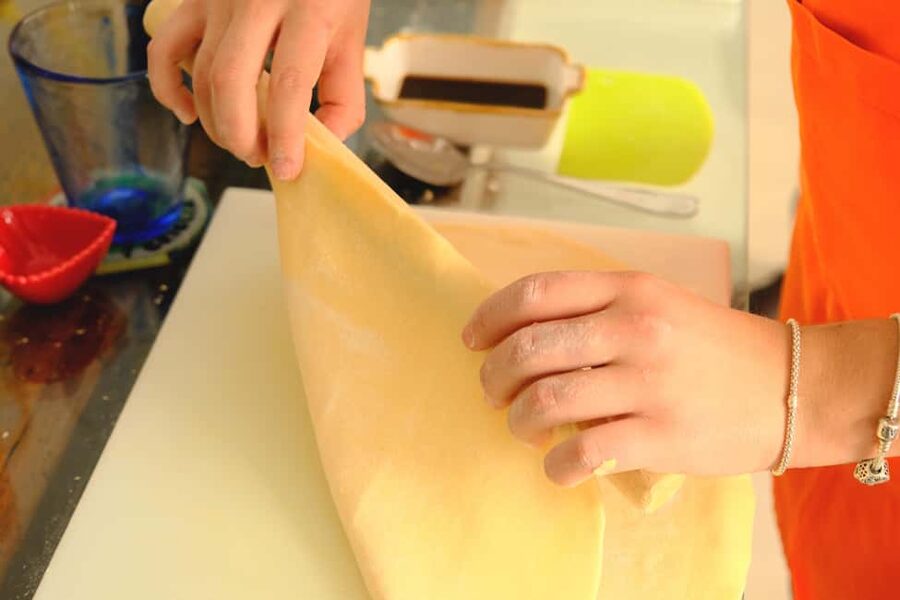
I would recommend the class to couples, families with older children, solo visitors, and friends who want to cook together rather than simply watch a chef. It suits beginners especially well because the instructors explain the basic steps and offer help around the table.
It is also a strong choice if you have already seen Milan’s major sights and want an activity tied to everyday Italian culture. Making pasta gives you something to do with your hands, while the shared meal creates an easy way to meet people.
Older children can take part, but young children cannot. Anyone with mobility concerns should check the building access before booking, since non-folding wheelchairs and strollers are not accepted.
You should look elsewhere if you need a fully private class, a guaranteed language other than English, or a precise promise of a small group. You should also check the dessert option if tiramisù or gelato is a deciding factor.
Should you book this Milan cooking class?
Book it if you want a warm, social lesson with real food, family recipes, and an unusual setting. The strongest reasons are the hands-on pasta work, the patient instructors, and the chance to eat tagliatelle and ravioli in the same home where the family tradition continues.
Before paying, confirm the expected group size, the dessert choice, the start time, and the language of your instructor. If those details suit you, $88 is fair for a three-hour class, meal, drinks, and recipes you can use long after Milan.
FAQ
How long does the cooking class last?
The experience lasts three hours.
Where does the class take place?
It takes place in an elegant family home in central Milan, about 20 to 25 minutes on foot from Duomo Square. The building is about 20 meters from the Coni Zugna subway stop.
What food will I make?
You will make fresh tagliatelle, ravioli, and a dessert. The dessert may be tiramisù or gelato, depending on the session.
Is food and drink included?
Yes. The meal includes the pasta and ravioli you prepare, dessert, water, and either organic wine or a soft drink. Homemade limoncello is also included.
Is the class taught in English?
English is the standard lesson language. Other languages may be available only by request for private groups, and not every instructor speaks every listed language.
What age children can join?
Children under 6 are not allowed, and the activity is also listed as unsuitable for children under 7. Ask the provider if your child is close to the age limit.
What should I bring?
Wear comfortable clothes. Tools and aprons are provided, and the recipes are sent to you by email after the experience.
More Dessert Classes in Italy
- Rome: Pasta Making Class with Wine, Limoncello, and Dessert
★ 4.9 · 3,177 reviews - Rome: 3-in-1 Fettuccine, Ravioli, and Tiramisu Cooking Class
★ 4.9 · 2,704 reviews - Florence: Cooking Class Pasta & Tiramisu Making Unlimited Wine
★ 5.0 · 2,234 reviews - Fettuccine & Tiramisù: Cooking Class with Wine & Limoncello
★ 4.9 · 2,103 reviews
More Pasta Making Classes in Italy
- Florence: Pasta Cooking Class with Unlimited Wine
★ 4.9 · 10,285 reviews - 3 in 1 Cooking Class near Navona: Fettuccine, Ravioli & Tiramisu
★ 5.0 · 7,376 reviews - Florence: Pasta & Tiramisu Cooking Class with Unlimited Wine
★ 4.9 · 6,708 reviews - Florence: Pasta Cooking Class with Unlimited Wine
★ 5.0 · 6,413 reviews
Just added around Italy
- Verona: Pasta and Tiramisu Cooking Class with Fine Wine★ 4.8 · 633 reviews
- Siena: Small group Cooking Class in Chianti Farmhouse★ 5.0 · 162 reviews
- 3-hour Tuscan Cooking Class with Wine & Oil Tasting★ 4.5 · 36 reviews
- Italian Cooking Class and Wine Tasting in Tuscany★ 5.0 · 30 reviews
- Truffle Hunting and Cooking Class★ 4.5 · 26 reviews
- Cooking Class in a Secret Courtyard – Culurgiones (Sardinian Pasta)★ 4.5 · 55 reviews
- Cagliari Cooking Class: Sardinian Ravioli, Wine & Local Flavors★ 5.0 · 20 reviews
- Alghero Home Cooking Pasta Class at a Farmhouse with Wine★ 5.0 · 130 reviews
Pasta Making Classes, compared.
Florence: Pasta Cooking Class with Unlimited Wine
Read our review →
3 in 1 Cooking Class near Navona: Fettuccine, Ravioli & Tiramisu
Read our review →
Rome: Pasta Making Class with Wine, Limoncello, and Dessert
Read our review →
Rome Cooking Class: Make Pasta and 3 Spritz Cocktails
Read our review →
Rome: 3-in-1 Fettuccine, Ravioli, and Tiramisu Cooking Class
Read our review →
Rome: Fettuccine Pasta Cooking Class in Rome’s City Center
Read our review →Browse the lists this tour appears in