
Review · NEW DELHI
New Delhi: Indian Cooking Class in a Local Home
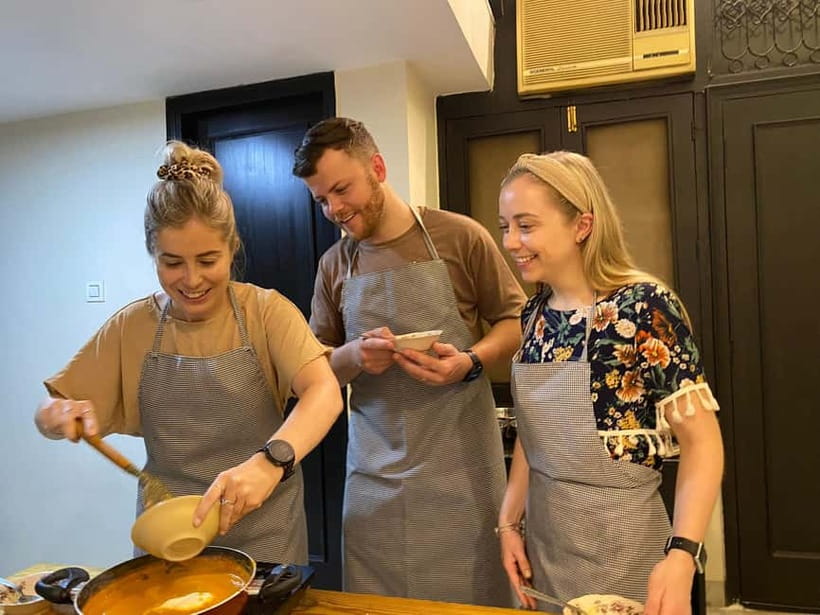
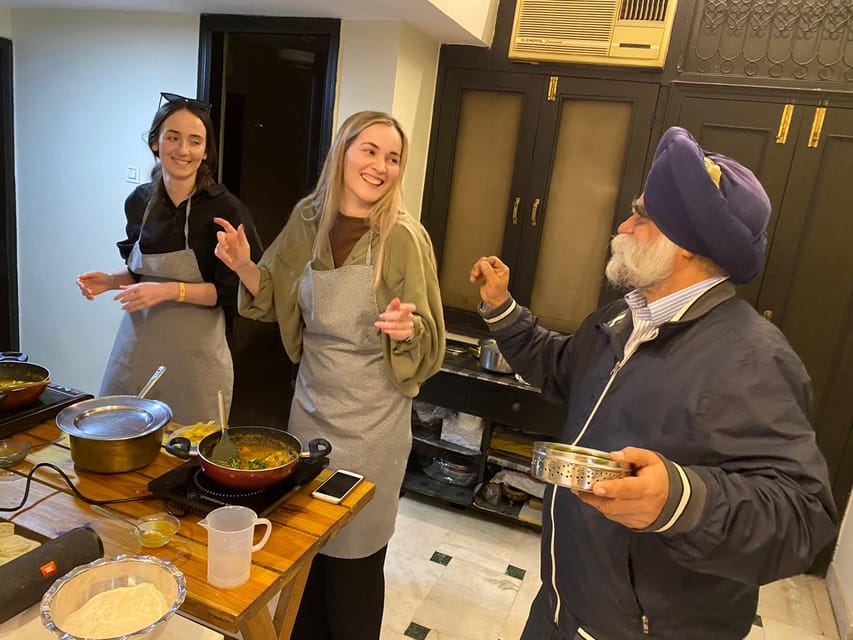
The best part of this Delhi cooking class is the setting: you enter the Singh family home, not a polished cooking school. JD and his father guide you through an Indian meal while explaining why each spice goes in when it does. The food is hands-on, and the family welcome gives the class a personal feel that restaurant demonstrations rarely match.
I like two things in particular. First, the class teaches principles you can use at home, including the small finishing steps that change a curry’s flavor. Second, you get a proper meal: a main dish, rice, breads, and dessert, often with chai along the way. The main consideration is that this is a home visit, so anyone wanting a slick professional kitchen or a tightly fixed menu may prefer a formal culinary school.
Key Points
- Cook a full Indian meal: Prepare a main dish, rice, breads, and dessert, with sessions sometimes including both vegetarian and non-vegetarian curries.
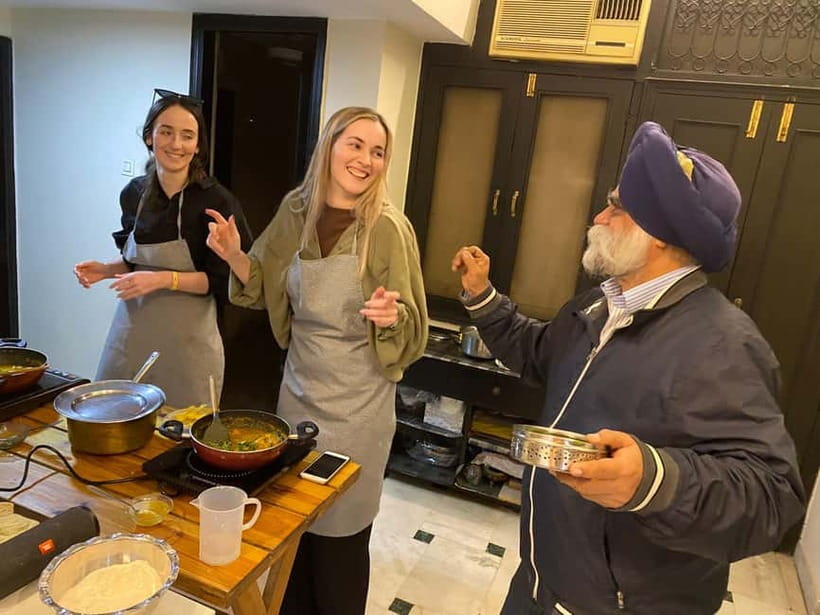
- Learn the logic of spices: JD explains how spices affect aroma and taste, including finishing spices added near the end of cooking.
- Meet the Singh family: The class takes place at Bindra’s House, where JD and his father share family cooking methods and stories.
- Eat what you prepare: The class ends around the table with the food, drinks, and conversation included in the price.
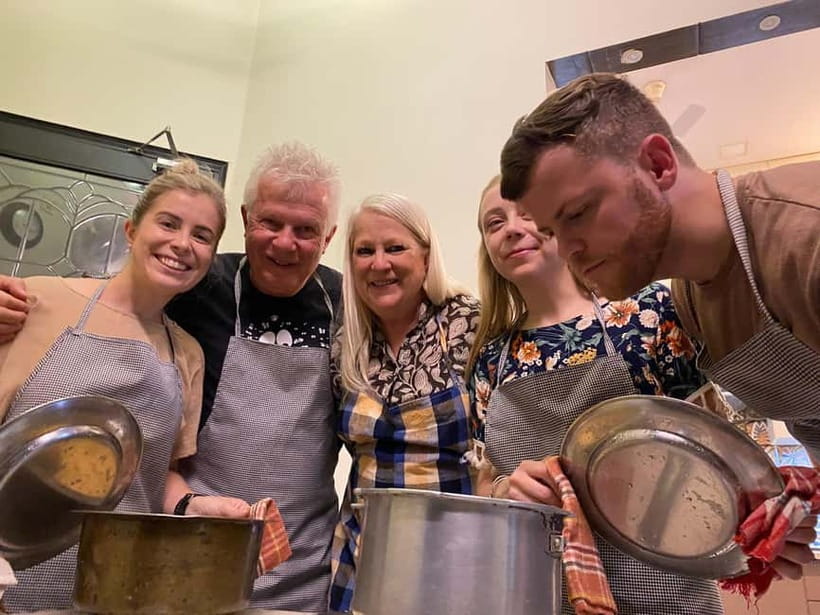
- Small-group format: The group is limited to 10 people, which leaves more room for questions and practical work.
- Useful after Delhi: You receive recipes and techniques designed to be repeated in your own kitchen.
Cooking Indian Food in a Delhi Family Home
This experience begins at R-142 GK-1, Bindra’s House, in New Delhi. You are not being ushered into a large commercial studio with a row of identical workstations. You are arriving at a family home, where JD and his father welcome you into their own cooking world.
That difference matters. Food here is tied to family routine, inherited methods, and the way Indian cooks judge a dish by smell, texture, and taste. JD’s teaching also draws on professional experience, while his father brings decades of restaurant and kitchen experience. You get both sides: home cooking and serious practical know-how.
The space is air-conditioned, and a restroom is available. Those are modest details, but they matter in Delhi, especially if you are arriving from a hot day of sightseeing or want a comfortable evening activity.
The group can include up to 10 people. That is small enough for a personal class, though it is not the same as having a private chef entirely to yourself. If you have a food allergy or a strict dietary need, ask about the menu before booking, since the exact dishes can vary.
More Home Cooking Classes in India
- Indian Cooking Class in an Authentic Local Home – Learn 6 Dishes
★ 5.0 · 195 reviews - Jaipur Market Tour & Vegetarian Rajasthani Home Cooking Class
★ 5.0 · 113 reviews - Interactive Cooking Class with a Local Family in Jaipur
★ 5.0 · 90 reviews
The First Cup of Chai Sets the Tone
The cooking often begins with a welcome rather than a rushed lesson. Previous sessions have included masala chai and homemade almond cookies, giving you time to meet JD, his father, and the other people in the group.
This opening is useful because Indian cooking can feel unfamiliar at first. You may be handling spices you know only from restaurant dishes, or hearing terms that are new to you. A relaxed introduction lets you ask questions before the pans heat up.
JD is the main teacher, and his style is friendly and clear. His father may join the teaching and conversation, adding family experience to the lesson. English is available, along with Hindi and Punjabi, so English-speaking visitors can follow the instructions without needing a translator.
The class is social by design. You are likely to spend as much time talking about food, family life, and Delhi as you do watching a pan. That is a strength if you want cultural contact. It may be less appealing if you want a quiet, highly technical workshop with little conversation.
Spices Are Taught by Taste, Not Just by Measurement
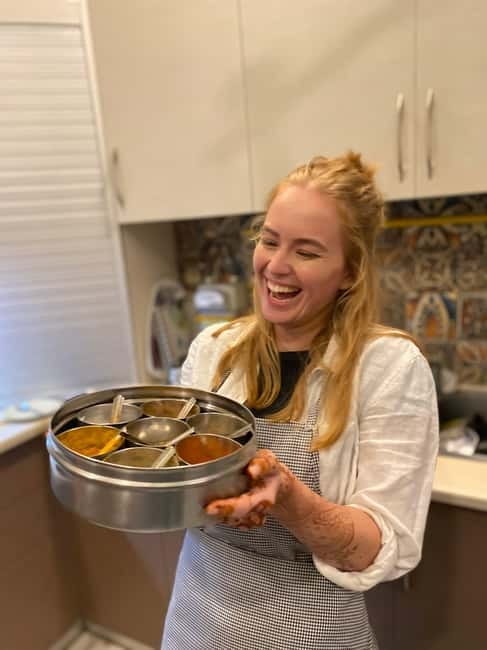
The most useful part of the class is the explanation of spices. You do not simply tip a prepared blend into a pot and wait. JD explains how spices build flavor and why timing matters.
A particularly helpful lesson concerns the final stage of a curry. You can taste the dish before the last spices are added, then taste it again after the finishing step. That comparison shows how a small addition near the end can change the aroma and make the dish taste more complete.
This is the kind of information that stays with you. A recipe tells you how much to use, but a good teacher also explains what you should smell, see, and taste. You learn to notice the stages of cooking instead of treating Indian food as a mysterious formula.
The class also covers the stories and background of the dishes. The focus is not only on chopping and measuring. JD explains the reasons behind the process, which helps you adapt the technique later instead of copying a recipe without understanding it.
Ingredients are provided and prepared for the session. That keeps the 2.5-hour class moving and gives you more time for cooking, teaching, and tasting. The trade-off is that you will not spend much of the class shopping for ingredients or preparing every item from the very beginning.
Building the Meal: Curry, Rice, Bread, and Dessert
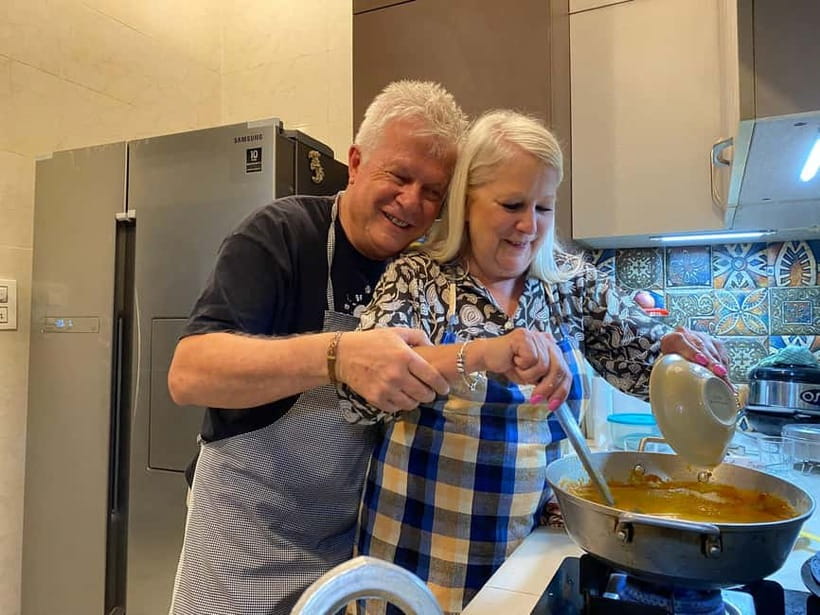
The menu is designed as a complete Indian meal. The stated plan includes one main dish, one rice dish, two types of bread, and dessert. Several sessions have included three bread versions, and some have prepared both a vegetarian and a non-vegetarian curry, so the exact menu may change.
That variety is part of the appeal. You are not learning one isolated recipe. You are seeing how several parts of an Indian meal work together, from a saucy main dish to rice, flatbreads, and something sweet at the end.
Chicken curry has been part of many sessions, including butter chicken in one class. Vegetarian options have also been praised, so this is not only for people who want meat. Still, the exact dishes are not guaranteed in the details provided. Ask ahead if a particular curry or dietary option is essential to your plans.
The rice dish receives special attention. Lemon rice has been prepared in some classes, and other sessions have featured a rice dish that made a strong impression because of its unusual flavor. Rice is often treated as a side dish by beginners, but here it becomes part of the lesson in balance, seasoning, and aroma.
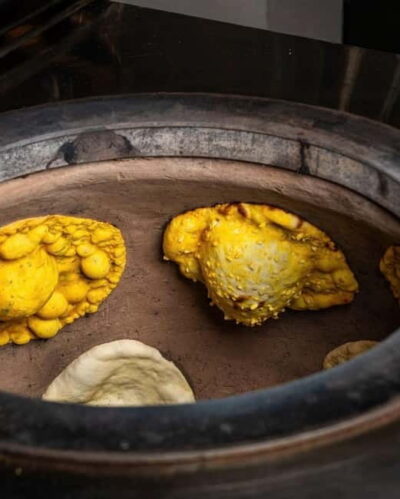
Bread adds the most hands-on work. You may knead dough, shape it, and prepare different versions of a typical Indian bread eaten at home. This is also where the class feels most practical. Even if your first bread is not perfectly shaped, you leave with a better sense of texture and handling.
Dessert might be rice pudding. You may begin cooking the milk early, then return to it while the curry and bread progress. That overlapping method shows how a home cook manages several dishes at once.
More Indian Cooking Classes in India:
- Authentic Indian Cooking Classes at Palolem Beach Road Goa
★ 5.0 · 132 reviews - Mumbai: Indian Cooking Class & Cultural Delights
★ 5.0 · 38 reviews - New Delhi: Traditional Indian Cooking Class & Market Visit
★ 5.0 · 32 reviews - Private South Indian Tamil Cooking Class in Chennai with Srividya
★ 5.0 · 24 reviews
Why the 2.5-Hour Format Works
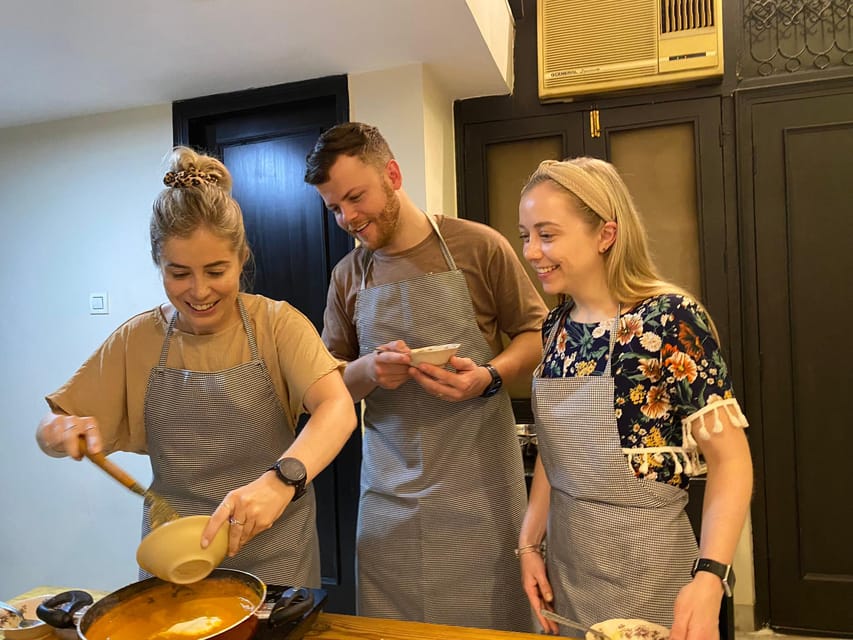
Two and a half hours is long enough to make a full meal without turning the class into an all-day project. The preparation is organized in advance, so you spend your time on the parts that teach the most: seasoning, cooking stages, dough work, tasting, and questions.
The cooking is done in parallel. While one item cooks, you may work on dough or check the dessert. This gives you a realistic sense of how Indian meals come together, rather than preparing one dish from start to finish and then starting the next.
The stated duration is 2.5 hours, although one session was described as lasting closer to three hours. Allow a little flexibility if you have a train, flight, or timed attraction afterward. Cooking and conversation do not always stop at the exact minute, particularly when the meal is ready to eat.
There are starting times to choose from, depending on availability. The class can work well early in a Delhi visit because it gives you a practical introduction to Indian food. It can also be a satisfying final activity, letting you end the trip with a meal you can recreate at home.
Eating the Meal You Made Together
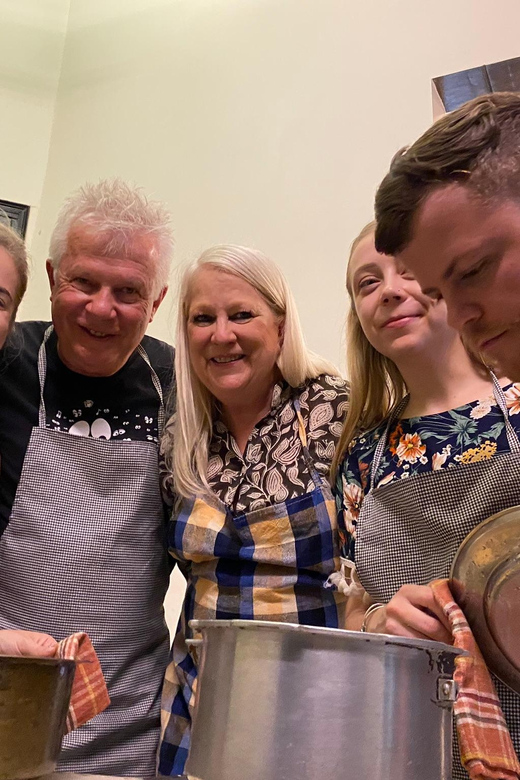
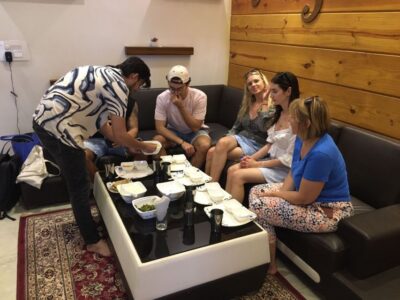
At the end, everyone sits down to eat. The meal is included, along with drinks such as tea and water, so you are not paying extra for the central reward of the class.
This shared meal is more than a tasting. You have watched the curry change, handled the dough, and learned why the rice was seasoned in a particular way. The food tastes different when you understand the work behind it, and you can ask follow-up questions while the dishes are still fresh in your mind.
The family setting also encourages conversation about India beyond sightseeing. You may hear about everyday food habits, family traditions, and the background of the dishes. That makes the class a useful counterpoint to Delhi’s forts, markets, and busy streets. You are still learning about the city, but through a kitchen rather than a monument.
The atmosphere is warm and informal, but it is still worth keeping expectations sensible. This is not a restaurant meal with a large menu or a formal culinary performance. You are eating the dishes prepared during the class, and the social experience is part of the value.
Is $47 a Fair Price?
At $47 per person, the class is not the cheapest way to eat in Delhi. You can find an inexpensive meal for far less. The value comes from combining instruction, ingredients, a full meal, drinks, a family visit, and a small-group format in one booking.
I consider the price reasonable for someone who wants more than a restaurant table. You receive practical recipes and techniques, and you can use the spice lessons long after leaving India. The class also saves you from paying separately for a meal and a cultural activity.
The value is strongest if you take notes, ask questions, and plan to cook the dishes again. If you only want to eat Indian food, a local restaurant or food walk may offer better value. If you want to understand how the food is made and meet a Delhi family, the added cost makes more sense.
The booking terms help with planning. You can cancel up to 24 hours before the class for a full refund, and you can reserve now and pay later. Your own transport, metro fare, taxi, shopping, insurance, and emergency costs are not included, so budget for getting to GK-1 separately.
Who Will Enjoy This Class Most?
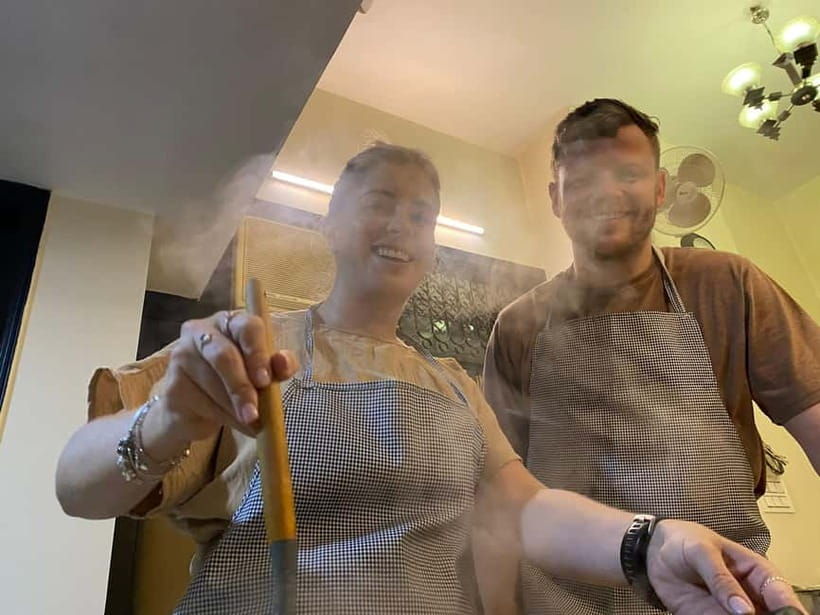
I would choose this for first-time visitors who want a cultural activity with a clear result: you learn, cook, and eat. It also suits repeat visitors who have already seen the major sights and want a closer look at daily life.
Food lovers will get the most from the spice lessons, bread work, and tasting stages. Families and couples may enjoy the relaxed home setting, while solo visitors can meet a small group and take part in easy conversation.
It is also a good choice for anyone who has tried Indian food abroad and wants to understand the difference between a familiar restaurant curry and home-style cooking. The recipes give you something concrete to take home.
You may want another activity if you dislike group participation, have serious dietary restrictions, or want a fixed menu guaranteed in advance. The class is personal and flexible, but that also means the dishes can vary.
Practical Details Before You Book
The meeting point is R-142 GK-1, Bindra’s House. Check the address carefully and allow time for your own metro or taxi journey, since transport is not included.
The class is offered in English, Hindi, and Punjabi. It is limited to 10 people and lasts about 2.5 hours. Tea, water, ingredients, the meal, and the host are included.
Wear clothing that is comfortable for kitchen work. The provided information does not specify an accessibility plan, so contact the host before booking if you have mobility needs or require special arrangements.
Bring a phone or small notebook if you want to remember the spice names and cooking order. Recipes are provided, but personal notes about what you tasted at each stage can make the lessons easier to repeat at home.
Should You Book This Delhi Cooking Class?
Book it if you want a personal Delhi experience built around food, conversation, and skills you can use later. JD and his father offer more than a recipe demonstration: they show how spices work, how a meal is managed, and how food connects with family life.
Skip it if you are looking for a formal cooking school, a guaranteed menu, or the lowest-cost meal in the city. For most people who enjoy food and want a closer look at Indian home cooking, the combination of a full meal, small group, family welcome, and practical instruction makes this a strong use of an afternoon or evening.
FAQ
Where does the Indian cooking class take place?
The class takes place at R-142 GK-1, Bindra’s House, in New Delhi.
How long does the cooking experience last?
The stated duration is 2.5 hours. You should allow some extra flexibility because cooking and conversation may run longer.
What food will I prepare?
The planned meal includes one main dish, one rice dish, two types of bread, and a dessert. Some sessions have included three bread versions or both vegetarian and non-vegetarian curries.
Are ingredients and the meal included?
Yes. Ingredients, the food you cook, the host, and drinks such as tea and water are included.
Who teaches the class?
JD leads the class, and his father also takes part. Their teaching draws on family cooking methods and professional kitchen experience.
What languages are available?
The class is available in English, Hindi, and Punjabi.
How many people can join?
The experience is offered as a small group with a maximum of 10 participants.
Can I cancel or pay later?
You can cancel up to 24 hours before the activity for a full refund. You can also reserve your place and pay later, depending on the booking terms.
More Hands-On Workshops in India
- Pink City Cooking Class
★ 5.0 · 452 reviews - Five Course Cooking Class & Meal
★ 5.0 · 250 reviews - Veg and Non veg : Private Cooking Class in Delhi home (7 meal)
★ 5.0 · 226 reviews - Cooking Class in Jaipur – Family Experience with Meal & Transport
★ 5.0 · 101 reviews
Just added around India
- Agra Cooking Classes (Pick up and Drop available)★ 5.0 · 34 reviews
- Talk & Enjoy with Delhi locals at their home while Cooking★ 5.0 · 19 reviews
- New Delhi: Full-Day Cooking Class learn 8 dishes with Locals★ 5.0 · 7 reviews
- Mumbai Coastal Cooking: From Fishing Net to Flavourful Plate★ 5.0 · 5 reviews
- Kerala Traditional village cooking class (Munnar)★ 4.8 · 15 reviews
- Jodhpur Desert Camel Safari With Cooking Class With Sumer★ 5.0 · 5 reviews
- Jodhpur 9 Dishes Cooking Class Experience pickup and drop★ 5.0 · 56 reviews
- Jodhpur 11 Dishes Cooking Class With REKHA Pick Up & Drop OF★ 5.0 · 24 reviews
Indian Cooking Classes, compared.
Indian Cooking Class in an Authentic Local Home – Learn 6 Dishes
Read our review →
Authentic Indian Cooking Classes at Palolem Beach Road Goa
Read our review →
Mumbai: Indian Cooking Class & Cultural Delights
Read our review →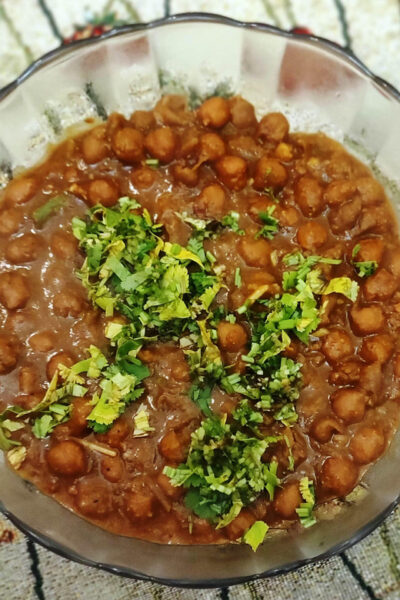
New Delhi: Traditional Indian Cooking Class & Market Visit
Read our review →
Private South Indian Tamil Cooking Class in Chennai with Srividya
Read our review →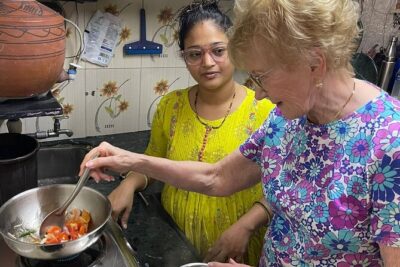
Browse the lists this tour appears in