
Review · HOME
Private Ethiopian Home Cooking Class in Addis Ababa with Transfer
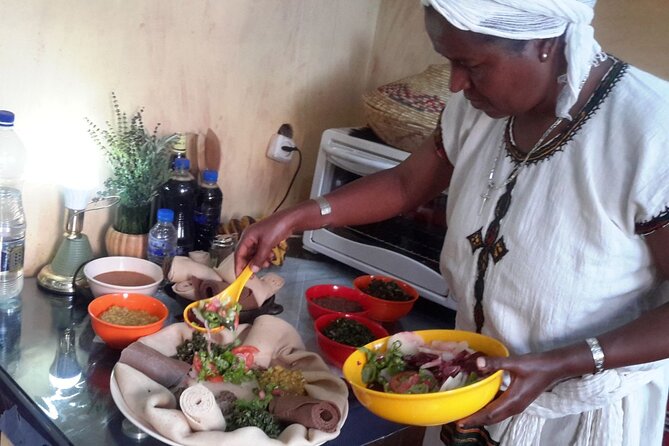
The heart of this experience is not a restaurant demonstration. It is a private lesson in a family home, where Hilena teaches recipes she has cooked since childhood. You can also walk through Sansusi market, see local produce and livestock, and buy a few ingredients before returning to the kitchen.
I like two things right away: the market option connects the food to daily life, and the meal afterward gives you time to eat with your hosts instead of rushing off after the cooking ends. The main consideration is distance. Hilena’s home is in Sansusi, about 20 kilometers from the airport, and her brother translates because her English is limited.
Key points to know before booking
- Hilena teaches from her own family kitchen, using traditional recipes rather than a formal cooking-school setup.
- The optional Sansusi market walk adds local context, with stalls selling grains, produce, clothing, live chickens, and sheep.
- Your meal may include Beyaynetu, Shiro, Genfo, and Anebabero, followed by Ethiopian coffee.
- The activity is private for your group, although other people may be staying at Hilena’s guest house.
- Her brother provides English translation, so communication is supported throughout the class.
- The experience lasts about three hours and costs $124 per person, with pickup offered and group discounts available.
A home kitchen instead of a staged cooking show
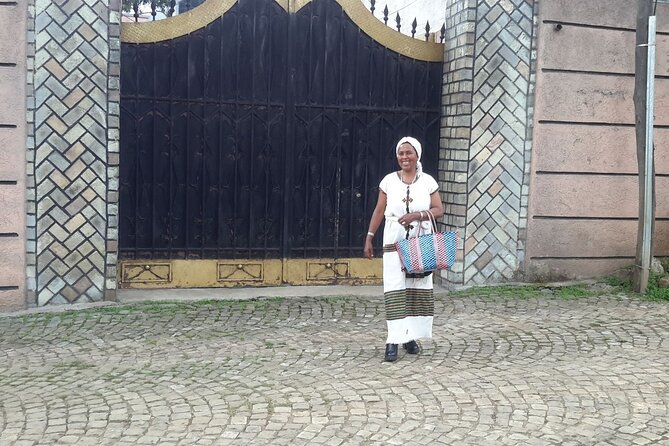
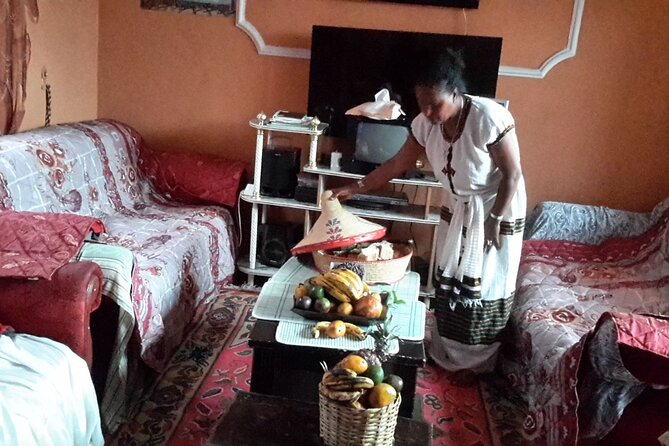
A cooking class in a local home tells you more than a polished restaurant lesson can. You see where the food is prepared, how the host organizes the work, and how a family meal comes together. Here, Hilena welcomes you into her home in Sansusi, on the outskirts of Addis Ababa.
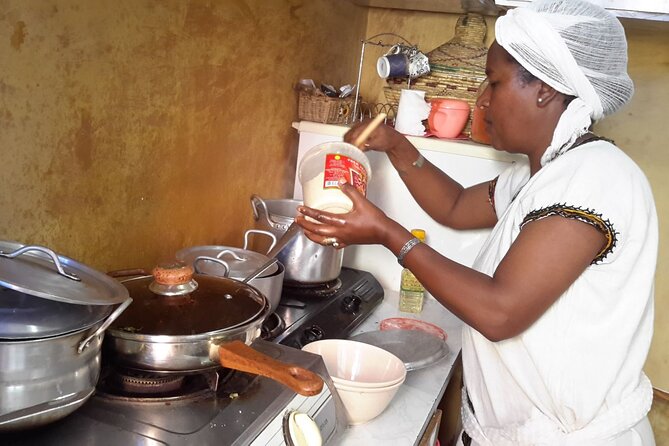
Hilena has cooked since childhood, and that matters. You are learning food that belongs to her family routine, not simply following a recipe selected for tourists. The class centers on two traditional Ethiopian dishes, though the larger meal includes several familiar foods from the country’s kitchen.
The setting also keeps the group small by design. This is a private activity, so only your party takes part in the class. Other people may be staying at the guest house, but your cooking experience remains private. That is useful if you want to ask questions, work at your own pace, or share the class with family and friends.
The atmosphere is likely to feel more personal than polished. You should expect a real home kitchen, family hospitality, and some help with communication rather than a professional culinary studio. For many people, that is the point.
More Home Cooking Classes in the world:
- Khmer Cooking Class at a Local’s Home in Krong Siem Reap
★ 5.0 · 2,731 reviews - Local Home Korean Cooking Class & Market Adventure in Seoul
★ 5.0 · 1,024 reviews - Marrakech: Moroccan Cooking Class with a Local Family
★ 4.9 · 668 reviews
The Sansusi market option puts ingredients in context
If you choose the market option, you begin with a walk through a neighborhood roadside market in Sansusi. This is a practical introduction to the food you will later prepare. Stalls may carry grains, vegetables, fruits, clothing, live chickens, and sheep.
The market is not just a place to collect ingredients. It gives you a look at the scale and variety of everyday shopping in Addis Ababa. Hilena can point out produce that grows locally, and you may buy a few vegetables or herbs for the class. That small act makes the cooking feel tied to the neighborhood rather than separated from it.
I especially like this part for first-time visitors to Ethiopia. Food can seem mysterious when it arrives on a plate, but a market walk lets you see the raw materials first. You begin to recognize the ingredients as things people buy, carry home, and cook for their families.
There is one practical point to keep in mind. The market visit is an option, not the entire experience, and the class still takes place at Hilena’s home. If you prefer to spend all three hours cooking and eating, confirm which version you are booking. Seasonal produce can also affect the menu.
Cooking two traditional Ethiopian dishes
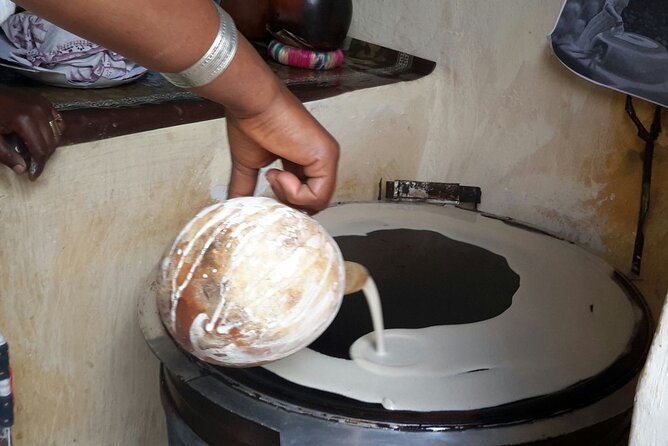
Back at the house, Hilena teaches you how to make two Ethiopian dishes using family recipes. The supplied menu information does not name the two dishes prepared during the lesson, so you should not assume they will always be the same. Menus can change with the season and with dietary needs.
The meal listed for the experience includes Beyaynetu, Shiro, Genfo, and Anebabero. These dishes give you a broad look at Ethiopian food rather than a single recipe.
Beyaynetu is a vegetable platter, a useful way to sample several preparations at once. It is often the kind of dish that turns a meal into a shared table, with different colors, textures, and flavors presented together.
Shiro is a chickpea stew. Its soft texture and savory character make it an important part of a vegetarian Ethiopian meal. If you are new to Ethiopian food, this is a friendly dish to learn because it shows how legumes can become the center of a meal.
Genfo is a porridge, offering a different texture from the stew and vegetables. Anebabero, described as Ethiopian bread, adds another part of the meal and helps you understand how the food is eaten together rather than as separate courses.
Do not expect a quick demonstration followed by a few bites. The class is described as a long course with a great deal of food. You should plan to arrive hungry, but not so hungry that you rush through the lesson. The cooking, meal, conversation, and coffee together fill roughly three hours.
Eating with the family is half the experience
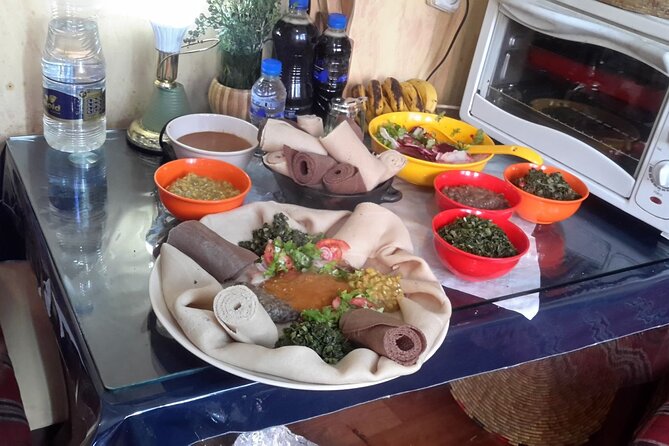
After cooking, you eat the meal in the home with your hosts. This shared table is one of the strongest reasons to choose a home class rather than a basic food tour. You are not simply watching someone prepare Ethiopian dishes. You are eating the food in the same place where it was made.
The family welcome is an important part of the experience. Hilena and her relatives host you in their own space, and the meal provides time for conversation after the practical work is finished. Her brother remains present to help translate, which should make it easier to ask questions and understand the cooking steps.
Communication may not be perfectly fluid. Hilena is not very fluent in English, so the brother’s translation is necessary. That is not a reason to avoid the class, but it does shape the experience. You should expect a family exchange supported by translation, not a nonstop English lecture from a professional guide.
The meal also gives you a chance to compare what you helped prepare with the rest of the table. That is valuable for understanding how individual dishes fit into a full Ethiopian meal. The class is as much about eating together as it is about measuring ingredients or copying steps.
A few more cooking classes around the world worth a look
- Hoi An: Vegetarian Cooking Class w Local Family and transfer
★ 4.9 · 145 reviews - Hoi An: Cooking Class + basket boat (free transfer in Hoian)
★ 4.6 · 22 reviews - Sorrento: Italian Cooking Class with Transfer
★ 4.7 · 18 reviews - Pure Bali Village Experience, Cooking & Jamu Class+VIP Transfer
★ 5.0 · 16 reviews
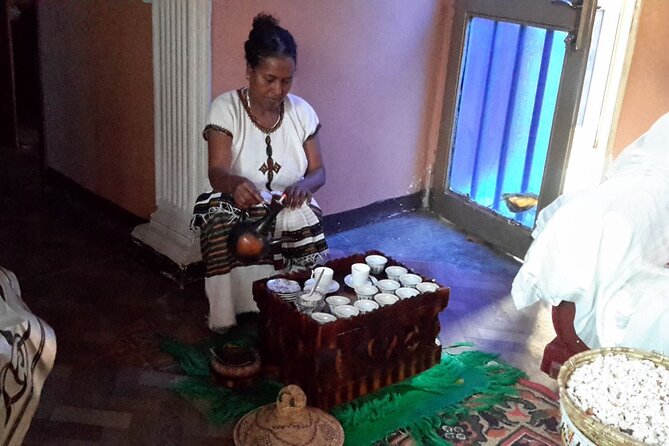
Ethiopian coffee closes the visit
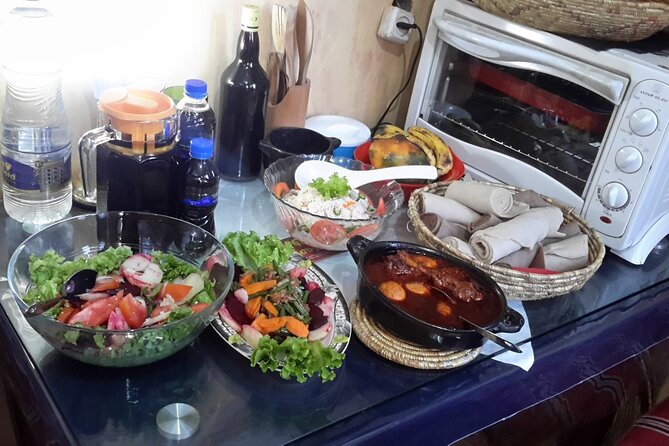
The experience ends with a cup of Ethiopian coffee. Coffee is not an afterthought here. Ethiopia is closely associated with coffee, and serving it at the end gives the visit a calm final stage after the cooking and meal.
You can use this time to ask any final questions through the translator, talk with Hilena’s family, and let the meal settle. The coffee also prevents the experience from feeling like a timed class where everyone leaves as soon as the last dish is served.
Because the overall visit is about three hours, the coffee service helps round out the pace. You get a beginning at the market if you select that option, a middle focused on cooking and eating, and a quiet finish in the home.
Is $124 a fair price?
At $124 per person, this is not a budget meal or a short cooking demonstration. The price makes more sense if you value privacy, pickup availability, a full meal, market time, family interaction, and a class with a local host.
You are paying for more than the ingredients. The experience includes access to a private home kitchen, instruction from Hilena, a substantial meal, coffee, and the chance to see a neighborhood market. A private group also gives you more personal attention than a large class would.
The value depends partly on your group size and interests. Group discounts are available, so the cost may work better for families or friends booking together. If you only want to taste Ethiopian food, a restaurant meal will cost less. If you want to understand how the food is made and meet the people preparing it, the extra cost has a clearer purpose.
Pickup is offered, which may also add value in a city where getting to a home on the outskirts can take planning. Confirm the pickup details when booking, since the home is about 20 kilometers from the airport and is not in central Addis Ababa.
Timing, location, and practical planning
The experience lasts approximately three hours. That is long enough for the optional market walk, cooking, eating, and coffee, but you should allow extra time around it for the transfer to and from Sansusi.
The location matters most if you are staying in central Addis Ababa or planning the class close to a flight. Hilena’s home is about 20 kilometers from the airport. The distance may be convenient if you are staying near the airport, but less convenient if your accommodation is elsewhere in the city.
Pickup is offered, and mobile tickets are available. Confirmation is received at booking. Since the class takes place in a private home, make sure your pickup point and timing are clear before the day of the experience.
Most people can participate. You should tell the provider about allergies, dietary restrictions, or cooking preferences when booking. A vegetarian option is available if requested in advance, and the menu may change with the season.
The cancellation terms are fairly strict close to the start time. You receive a full refund if you cancel at least two full days before the experience. Cancellations or changes within two days are not refunded or accepted, so wait until your plans are firm.
Who will enjoy this Addis Ababa cooking class?
I would choose this for someone who wants contact with local life and does not need a polished, highly scripted class. It suits food-focused visitors, couples, families, and small groups who enjoy sitting down with a host after an activity.
It is also a good fit for vegetarians, provided you request the option in advance. The listed meal already includes several vegetable and chickpea-based dishes, but the exact menu can vary.
Families should note that the visit includes a lot of food and may feel long for anyone who dislikes extended meals or translation pauses. Children who enjoy markets and hands-on cooking may like it, but the supplied information does not give a minimum age, so ask before booking if that matters to your group.
I would be less likely to choose it for someone with a very tight airport connection, someone who wants a central-city activity, or someone looking for advanced culinary training. This is a cultural home visit with cooking, not a professional chef certification class.
The best reasons to book, and the main caution
The most praised qualities are the educational nature of the cooking, the warm family welcome, and the generous amount of food. Those points fit the design of the experience: you learn in Hilena’s home, eat what you prepare, and have time to understand how the family cooks and shares meals.
The main caution is not the food. It is logistics and communication. Sansusi is on the outskirts, Hilena’s English is limited, and translation is part of the class. For me, those are manageable tradeoffs if you want a personal home visit, but they may frustrate you if you expect a fast, highly detailed English lesson.
Should you book the Hilena home cooking experience?
Book it if you want a private, food-centered look at daily life in Addis Ababa, especially with the Sansusi market option. You will get a family kitchen, two traditional dishes, a large shared meal, coffee, and a host who has been cooking since childhood.
Skip it if you only have a short window in the city, need a central location, or want a fully English-led professional class. For everyone else, $124 is a reasonable price for a private cultural experience that connects shopping, cooking, eating, and conversation in one visit.
FAQ
How long does the Ethiopian home cooking class last?
The experience lasts approximately three hours, including the cooking, meal, and Ethiopian coffee. If you choose the market option, the market walk is part of that overall experience.
Where does the cooking class take place?
The class takes place in Hilena’s home in Sansusi, on the outskirts of Addis Ababa. The home is about 20 kilometers from the airport.
Is pickup available?
Yes. Pickup is offered, but you should confirm the arrangements and meeting details when booking.
Is this a private activity?
Yes. Only your group takes part in the cooking activity. Other people may be staying at Hilena’s guest house, but the Traveling Spoon experience itself is private.
Who teaches the cooking class?
Hilena, a native of Addis Ababa who has cooked since childhood, teaches the class. Her brother is present to help translate because Hilena is not very fluent in English.
What food will be served?
The meal includes house-made Beyaynetu, Shiro, Genfo, and Anebabero, followed by Ethiopian coffee. The menu may vary by season.
Can I request vegetarian food?
Yes. A vegetarian option is available. You should request it when booking, along with any allergies, dietary restrictions, or cooking preferences.
What is included in the market option?
You visit a neighborhood roadside market in Sansusi, where you may see grains, vegetables, fruits, live chickens, sheep, and clothing. You may also buy a few vegetables and herbs for the cooking class.
What is the cancellation policy?
You receive a full refund if you cancel at least two full days before the experience start time. Cancellations or changes made within two full days are not accepted and are not refunded.
More Hands-On Workshops in the world
- Half-Day Thai Cooking Class at Organic Farm in Chiang Mai
★ 5.0 · 19,087 reviews - Florence: Pasta Cooking Class with Unlimited Wine
★ 4.9 · 10,285 reviews - 3 in 1 Cooking Class near Navona: Fettuccine, Ravioli & Tiramisu
★ 5.0 · 7,376 reviews - Florence: Pasta & Tiramisu Cooking Class with Unlimited Wine
★ 4.9 · 6,708 reviews
Just added around the world
- Cooking, Farming and Waterfall In Vietnam Countryside★ 3.0 · 6 reviews
- Busan Tailored Korean cooking class (Vegan OK)with market tour★ 5.0 · 66 reviews
- Korean cooking class in Haeundae, Busan★ 5.0 · 92 reviews
- Private Argentine Cooking Class and Tango Lesson in Buenos Aires★ 5.0 · 37 reviews
- Hungarian Home Cooking Class with Chef Marti★ 5.0 · 30 reviews
- Cooking Class with dinner/lunch in Ulcinj Montenegro★ 5.0 · 8 reviews
- BA: Empanadas and Alfajores Cooking Experience in Palermo★ 5.0 · 112 reviews
- Budapest Market Tour & Home Cooking Class with local Chef & Guide★ 5.0 · 23 reviews
Home Cooking Classes, compared.
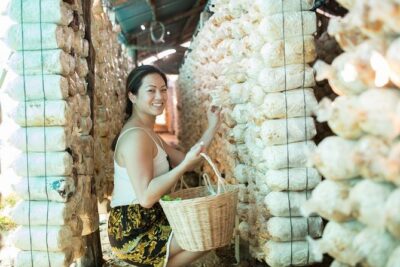
Khmer Cooking Class at a Local’s Home in Krong Siem Reap
Read our review →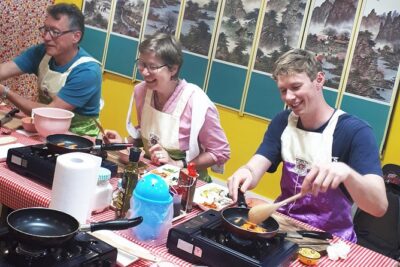
Local Home Korean Cooking Class & Market Adventure in Seoul
Read our review →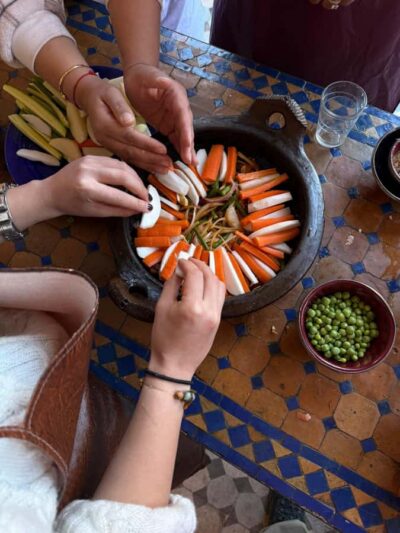
Marrakech: Moroccan Cooking Class with a Local Family
Read our review →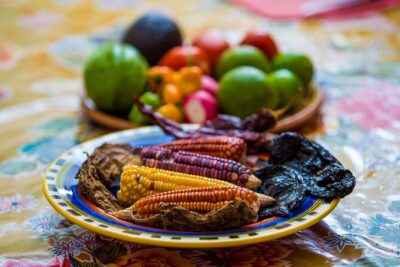
Mexican Cooking from Scratch in a Local Home in Tulum
Read our review →
Pastamama, Home Cooking Classes at Grace’s Home
Read our review →
Marrakech: Moroccan Cuisine Cooking Class in Local Home
Read our review →
Hoi An: Traditional Cooking Class & meal with Local Family
Read our review →
Browse the lists this tour appears in