
Review · JAPANESE & SUSHI
Famous Inari Sushi Making Experience in Toyokawa
Toyokawa’s signature sushi is not nigiri. It is inari sushi, a pouch of seasoned tofu skin filled with rice and your choice of toppings. At Matsuya, you make your own version under the watch of chefs from a restaurant with 188 years of local tradition.
I like two things right away: the hands-on format gives you more than a meal, and the small menu of more than 11 ingredients lets you create something personal. The soup, tofu, tea, coffee, and dessert also make the $30.75 price feel fair.
The main drawback is the short one-hour schedule. You will get a focused introduction rather than a long cooking class, and shaping inari can be trickier than it first appears.
Key points to know before booking
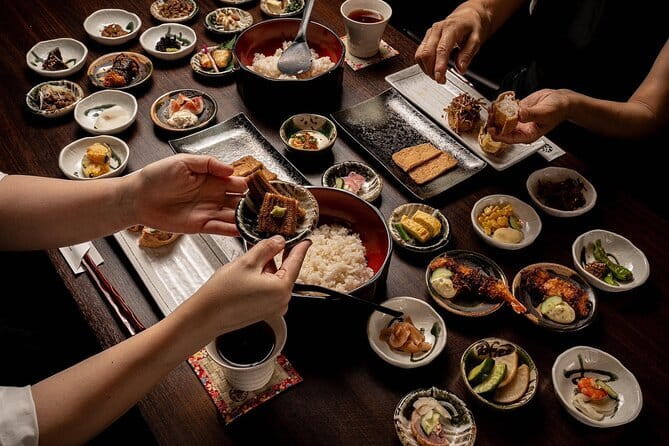
- Make your own Toyokawa inari sushi: Build several pieces with a choice of more than 11 ingredients.
- Learn from Matsuya’s chefs: The restaurant has served Japanese food for 188 years, and the staff explain the process as you work.
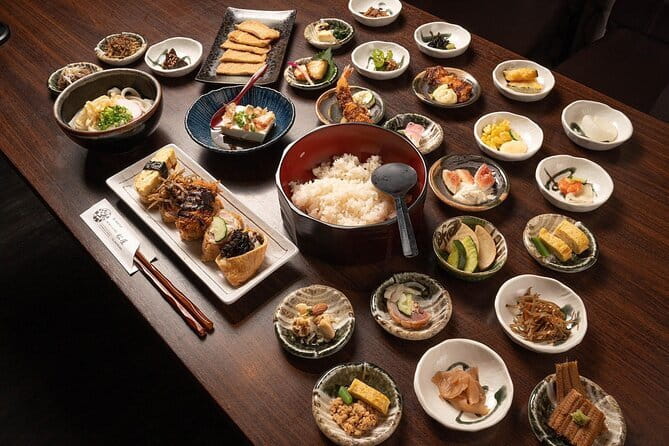
- A full small meal is included: You receive inari sushi, soup, tofu, tea, coffee, and dessert.
- Vegetarian-friendly choices are available: Tell the restaurant about your needs when arranging the experience.
- Small group, short schedule: The activity lasts about 60 minutes and accepts no more than 10 people.
- Easy cancellation terms: You can receive a full refund if you cancel at least 24 hours before the start time.
Why Toyokawa inari sushi is worth your time
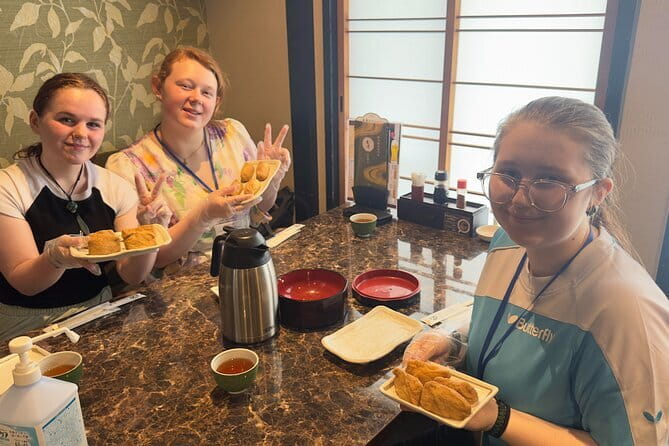
Inari sushi is easy to recognize. A pouch of sweetened fried tofu, called aburaage, wraps seasoned sushi rice. The finished piece is softer and less formal than nigiri, but the shaping takes care.
You must handle the tofu pouch without tearing it, fill it without packing the rice too tightly, and arrange your chosen ingredients so the piece looks appealing. That is why this class offers a useful lesson: sushi is not only about fresh fish and knife work. It is also about texture, balance, neatness, and restraint.
Toyokawa has a strong connection to inari sushi, and Matsuya presents the dish as a local specialty rather than a generic Japanese cooking exercise. You are not simply assembling food from a fixed kit. You are making a personal version of a dish associated with the city.
The choice of ingredients gives you room to experiment. With more than 11 options, you can build different combinations rather than repeating the same filling. The exact ingredient list is not specified, so you should expect variety but not plan around a particular topping.
More Sushi and Japanese Classes in Japan:
- Sushi Making Tokyo Roll and Authentic Japanese Sushi Class
★ 5.0 · 3,971 reviews - Tokyo: Roll and Authentic Sushi Making Class in Asakusa
★ 4.9 · 1,957 reviews - Ramen Cooking Class at Ramen Factory in Kyoto
★ 5.0 · 1,937 reviews
Arriving at Matsuya in Toyokawa
The meeting point is MatsuyaJapan, at 5 Monzencho, Toyokawa, Aichi Prefecture, postal code 442-0037. The restaurant is near public transportation, which makes it a practical stop for a day in Toyokawa.
The activity begins and ends at the same place. That matters if you are fitting it around sightseeing, because you do not need to arrange a separate return transfer or find a second meeting location after lunch.
Allow a little time to locate the restaurant before the start. Your confirmation is sent within 48 hours of booking, subject to availability, so check the confirmed meeting details before setting out.
Matsuya’s long local history adds context to the meal. You are learning in a working Japanese restaurant, not in a large demonstration kitchen built only for visitors. That setting can make the food feel more connected to Toyokawa’s everyday dining culture.
The 60-minute cooking session
The session is designed to move at a steady pace. First, the chefs explain inari sushi and show you how the tofu pouch, rice, and fillings work together. The staff also provide background on the process, which helps you understand why the dish requires more care than its simple appearance suggests.
You then make your own pieces. The restaurant describes this as creative inari sushi, so you can choose from the available ingredients and arrange an original set. I like this approach because it gives you a small amount of freedom without turning the class into an unfocused cooking project.
The challenge comes from the tofu skin. It is flexible but delicate, and the filling must be placed neatly. You might find that your first piece looks less polished than the chef’s example. That is part of the fun, and the staff are there to explain and correct the process.
The experience is not presented as a formal examination. The staff take time to answer questions, and the friendly atmosphere helps if you are not confident with Japanese food preparation. You can ask about the ingredients and the method as you build your sushi.
One account of the class also describes seeing the process of making tofu before learning about inari sushi. The published details do not promise a separate tofu-making demonstration for every booking, so treat that as a possible part of the explanation rather than a guaranteed step.
Choosing ingredients for your own sushi
The ingredient choice is the heart of the activity. More than 11 ingredients are available, allowing you to make pieces with different colors, textures, and flavors.
You might prefer to keep your combinations simple. A few well-matched ingredients can show the sweet tofu pouch and seasoned rice clearly. Or you can use the selection to make a more colorful plate, especially if you enjoy arranging food as much as eating it.
This is also where the class works well for families, friends, and first-time cooks. Everyone can make a slightly different plate while following the same basic method. You do not need advanced knife skills or previous sushi experience based on the information provided, but you should be ready for a little handwork.
Vegetarian-friendly choices are available. That is useful, but you should still make your dietary needs clear when arranging the experience. The available vegetarian ingredients are not listed, and the safest approach is to confirm what you can eat before the session begins.
Same place, a different menu:
- Tokyo: Sushi Making Class in a Happi Coat near a Famous Spot
★ 4.9 · 1,377 reviews - Sushi Making Tokyo! Popular Maki Sushi & Japanese Sushi(+Recipe!)
★ 5.0 · 1,314 reviews - Sushi Making Osaka Roll and Authentic Japanese Sushi Class
★ 5.0 · 1,220 reviews - Tokyo Sushi Making Class in Tsukiji with Professional Chef
★ 5.0 · 1,177 reviews
From sushi lesson to complete Japanese meal
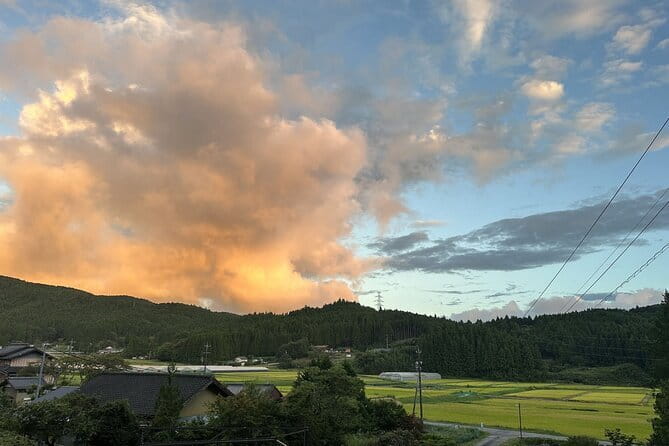
The activity includes more than the food you assemble. Your meal also includes red miso soup or vegetable soup, tofu, one cup of tea, coffee, and dessert.
The soup choice gives you a small but meaningful taste of Japanese regional food habits. Red miso has a stronger, fuller flavor than lighter miso, while vegetable soup offers a different option. Since the exact soup served may depend on the booking or the day, you should expect one of the two rather than both.
Tofu adds another simple Japanese staple to the meal. It pairs naturally with the inari lesson, since both dishes rely on careful preparation of soy-based ingredients. Coffee and dessert round out the hour in a way that makes this feel like a restaurant experience, not only a short food demonstration.
The meal portion is important when judging the price. At $30.75 per person, you are paying for instruction, ingredients, the prepared side dishes, and time with the restaurant staff. For someone who wants only a quick snack, it may cost more than buying inari sushi at a shop. For someone who wants to learn and eat in the same sitting, the package is more useful.
What makes the staff helpful
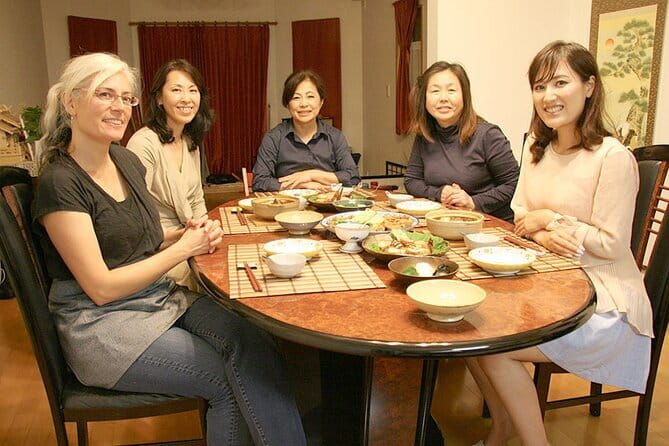
The restaurant’s chefs supervise the preparation, and the staff explain both the steps and the background of inari sushi. Several details point to a relaxed teaching style: the owner and staff spend time answering questions, explain the process clearly, and chat with participants during the meal.
That personal attention is one of the strongest reasons to choose this experience. The group limit is 10 people, so it should feel smaller and more direct than a large cooking demonstration. A group of that size still gives the class some energy, while leaving room for questions.
No individual chef names are provided, so you should not expect to book a session with a named instructor. The experience is led by Matsuya’s restaurant team, with the owner and chefs providing the welcome and instruction.
You will also want to keep an open mind about the finished sushi. The goal is not to produce identical restaurant pieces. Your plate may look handmade, and that is exactly what makes the lesson useful. You leave with a clearer sense of the technique because you have handled the tofu and rice yourself.
Is one hour enough?
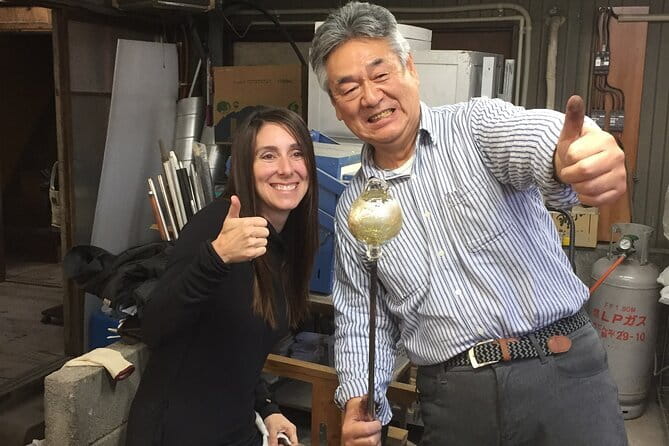
For a first introduction, yes. The 60-minute format keeps the activity easy to fit into a day in Toyokawa and includes enough time to make and eat your sushi.
You should not book it expecting a full professional cooking course. The session does not provide time for a long lecture, several recipes, or extended practice with many kinds of sushi. Its strength is focus: one local dish, a selection of fillings, and a complete meal.
The short length also suits people who want a cultural activity without giving up half a day. You can combine it with other plans in Toyokawa, especially since the class returns to the original meeting point.
If you are a serious home cook looking for detailed instruction on rice seasoning, tofu production, or restaurant-level presentation, you may want a longer class. If you want a clear, friendly introduction to one local specialty, the time is well judged.
Who will enjoy this most
I would recommend the experience to anyone curious about Japanese food beyond the usual sushi counter. It gives you a local specialty, a chance to speak with restaurant staff, and a meal that continues after the practical part ends.
It is particularly suitable for:
- First-time sushi makers: You learn a different form of sushi without needing to master raw fish preparation.
- Food-focused visitors: The session connects a local dish with the restaurant that serves it.
- Couples and friends: You can compare your handmade pieces and make different combinations.
- Vegetarian diners: Vegetarian-friendly choices are available.
- Small families: The one-hour schedule and group limit keep the activity manageable.
You should think twice if you dislike hands-on food preparation or want a completely passive meal. You will be handling the ingredients and shaping the sushi yourself. The challenge is modest, but it is part of the point.
Price, booking, and cancellation
The cost is $30.75 per person. That includes the experience fee, meal cost, and one cup of tea. The meal itself also includes soup, tofu, coffee, and dessert, so the price covers more than the sushi you make.
The experience is booked about nine days ahead on average. That is not a rule, but it suggests that arranging it before your trip is sensible, especially if your Toyokawa schedule is fixed.
Your confirmation arrives within 48 hours, subject to availability. The activity uses a mobile ticket, which means you should keep the booking accessible on your phone.
Free cancellation is available up to 24 hours before the start time for a full refund. Cancellations and changes made less than 24 hours before the start are not accepted for a refund, and the cut-off uses local time in Japan.
Final call: should you book it?
Book this experience if you want a small, local food lesson with enough meal included to make the price feel sensible. Matsuya’s 188-year connection to Japanese cooking, the choice of more than 11 ingredients, and the chance to ask questions directly make it more worthwhile than simply ordering inari sushi from a menu.
It is also a good pick if you have only an hour to spare. You learn the basic technique, eat what you make, and finish with soup, tofu, tea, coffee, and dessert.
Skip it if you want a long cooking course or a broad survey of Japanese sushi. This is a focused introduction to Toyokawa’s inari sushi, not a full culinary school lesson. For most food-minded visitors spending time in the city, that narrow focus is its strength.
FAQ
Where does the inari sushi experience take place?
It takes place at MatsuyaJapan, 5 Monzencho, Toyokawa, Aichi Prefecture, Japan, postal code 442-0037. The activity ends back at the same meeting point.
How long does the activity last?
The experience lasts approximately one hour, including the sushi-making session and meal.
How much does it cost?
The price is $30.75 per person.
What is included in the price?
The price includes the experience fee, meal cost, and one cup of tea. The meal also includes inari sushi, red miso soup or vegetable soup, tofu, coffee, and dessert.
Are vegetarian options available?
Yes. Vegetarian-friendly options are available.
How many people can join the activity?
The maximum group size is 10 people.
Can I cancel for a full refund?
Yes. You can cancel at least 24 hours before the experience start time for a full refund. Cancellations or changes made less than 24 hours before the start time are not accepted for a refund.
Just added around Japan
- Nagoya Super Market Tour & Home Cooking Class with a Local, Akiko★ 5.0 · 10 reviews
- Tokyo: Tsukiji Market Walking Tour & Sushi Cooking Class★ 4.6 · 122 reviews
- Sushi-Making Experience★ 4.7 · 4 reviews
- Tokyo: Tsukiji Market Guided Tour & Sushi-Making Experience★ 4.4 · 11 reviews
- Tokyo: Sushi Cooking Class with Sake Tasting★ 4.8 · 55 reviews
- Tokyo: Sushi and Ramen Cooking Class with Sake Pairing Set★ 5.0 · 81 reviews
- Tokyo: Sushi Making with Pro Chef & Tsukiji Fish Market Tour★ 4.6 · 49 reviews
- Tokyo: Kawaii Bento Cooking Class – Cute Character Lunchbox★ 4.9 · 55 reviews
Japanese & Sushi Cooking Classes, compared.
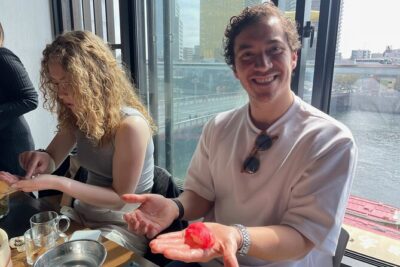
Sushi Making Tokyo Roll and Authentic Japanese Sushi Class
Read our review →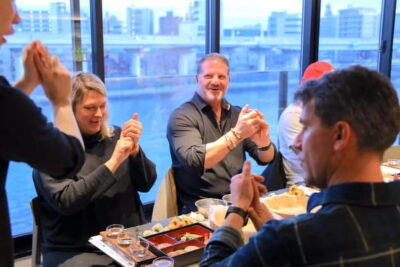
Tokyo: Roll and Authentic Sushi Making Class in Asakusa
Read our review →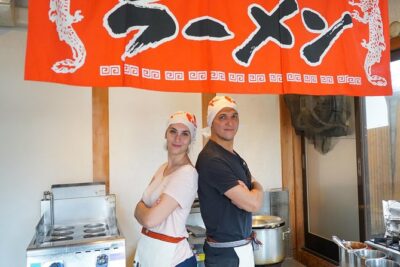
Ramen Cooking Class at Ramen Factory in Kyoto
Read our review →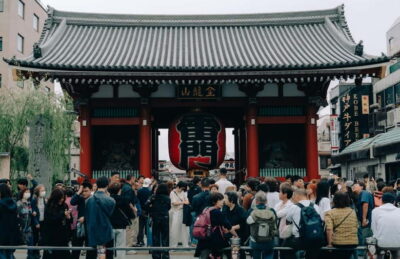
Tokyo: Sushi Making Class in a Happi Coat near a Famous Spot
Read our review →
Sushi Making Tokyo! Popular Maki Sushi & Japanese Sushi(+Recipe!)
Read our review →
Sushi Making Osaka Roll and Authentic Japanese Sushi Class
Read our review →
Tokyo Sushi Making Class in Tsukiji with Professional Chef
Read our review →
Ramen & Gyoza Cooking Class in Tokyo with Local Supermarket Visit
Read our review →Browse the lists this tour appears in