
Review · JAPANESE & SUSHI
Tokyo: Sushi Making with Pro Chef & Tsukiji Fish Market Tour
Sushi is best understood where the fish arrives, not just where it lands on your plate. This four-hour experience begins at Tsukiji Fish Market, where you learn about ingredients, food customs, and the people who supply Tokyo’s restaurants, then moves to a hands-on class with a professional sushi chef.
I like the small group of eight or fewer, which gives you room to ask questions and linger at market stalls. I also like that your lunch is the sushi you make yourself, including the five nigiri and one maki roll described by one recent participant. The main drawback is the narrow food policy: vegan, vegetarian, halal, and gluten-free requests cannot be accommodated.
Key points at a glance
- Begin at Tsukiji Honganji Temple: Meet at the temple’s front main gate, not the back entrance shown by Google Maps.
- Explore Tsukiji with a local guide: Guides such as Tadashi, Yusei, Kate, and Yuko have led walks covering market customs, nearby sights, and food traditions.
- Taste market specialties: Samples may include unusual offerings such as whale meat, depending on availability and your guide’s route.
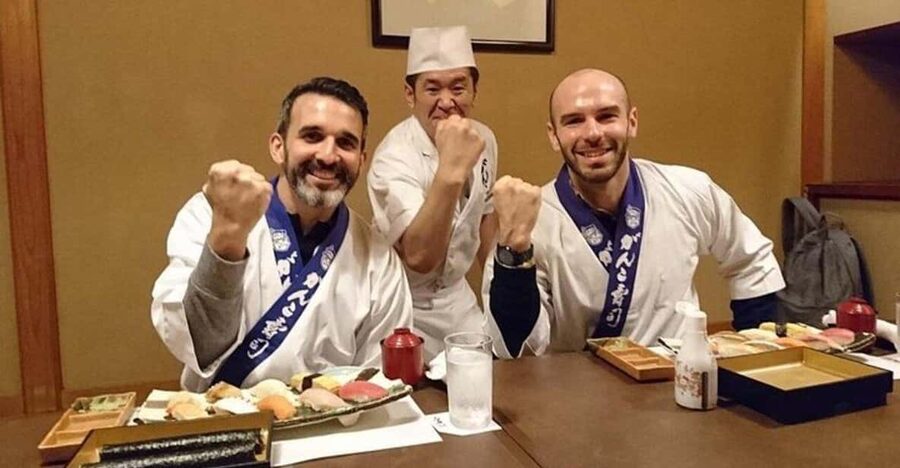
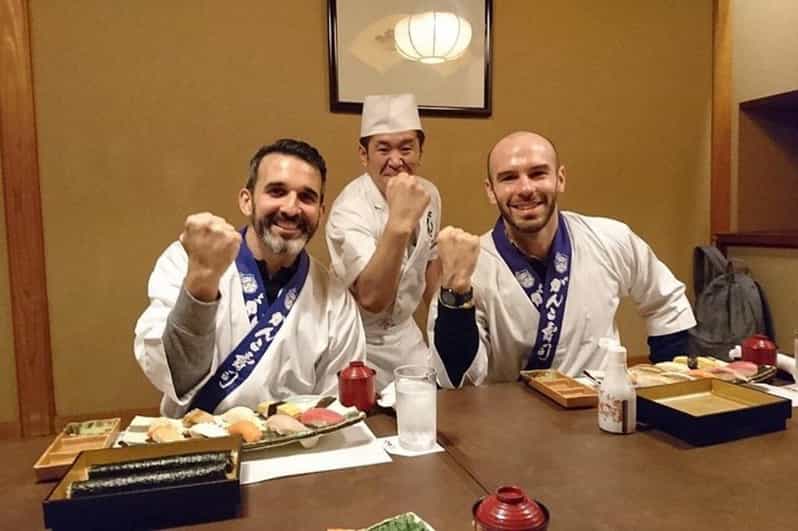
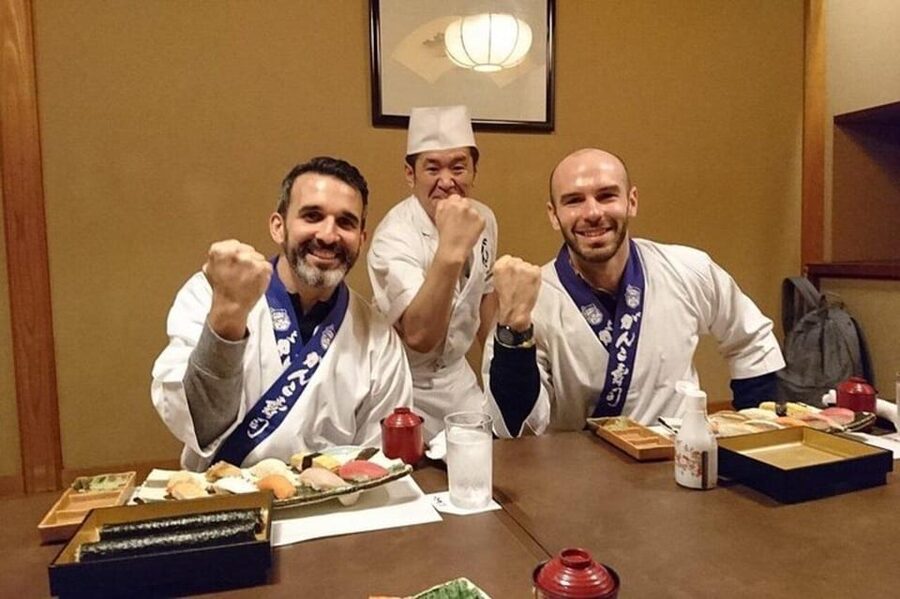
- Make several kinds of sushi: The class teaches traditional techniques for nigiri and maki, with a chef showing you how to handle fish and rice.
- Eat what you prepare: The sushi workshop includes lunch, so your finished pieces are the meal.
- Allow four hours and plenty of walking: Comfortable shoes matter, and the classroom is reached by stairs to the third floor.
Why this Tokyo food experience works
This tour brings together two parts of Japanese food culture that are often separated. You first see ingredients in the market, then use similar ingredients in a classroom. That connection gives the sushi lesson more meaning than a stand-alone cooking class.
At $101 per person, it is not a cheap lunch. You are paying for four hours, an English-speaking guide, market interpretation, tastings, a professional-led workshop, and the meal you prepare. For someone who wants food context rather than a quick sushi-making photo opportunity, the price can be fair.
The experience has a 4.6 rating from 49 reviews, with especially strong praise for the guides, the market route, and the chef-led class. The most useful pattern is that the value depends on your interests. If you enjoy trying unfamiliar foods and learning how ingredients are handled, this is a strong pick. If you need a flexible diet or dislike raw fish, choose another Tokyo activity.
More Market Tour Cooking Classes in Japan
- Tsukiji Fish Market Guided Tour and Sushi Making with Pro Chef
★ 5.0 · 775 reviews - Tokyo: Tsukiji Fish Market Sushi Making Class with Pro Chef
★ 4.9 · 506 reviews - Tokyo Tsukiji Fish Market Tour and Sushi Making Lesson
★ 5.0 · 390 reviews
Meeting at Tsukiji Honganji Temple
Your meeting point is the main gate of Tsukiji Honganji Temple, at the front of the building. This detail matters because Google Maps may direct you to the rear of the temple. Arrive early and look for the main entrance rather than following the map pin without checking it.
The temple adds a useful cultural note before the food begins. One participant described receiving an introduction to Buddhism there before walking into the market. That makes the opening feel less like a simple meeting-point shuffle and more like a quick orientation to the neighborhood.
The tour runs for four hours, with starting times based on availability. You should treat the start time as firm. Late arrivals cannot extend the tour, and same-day late arrivals or cancellations do not receive a refund.
Walking through Tsukiji Fish Market
Tsukiji is no longer Tokyo’s main wholesale tuna auction site, but the market area remains important for food shopping, prepared specialties, and connections to the city’s restaurant trade. This experience focuses on the Uogashi wholesaler market and the surrounding food streets.
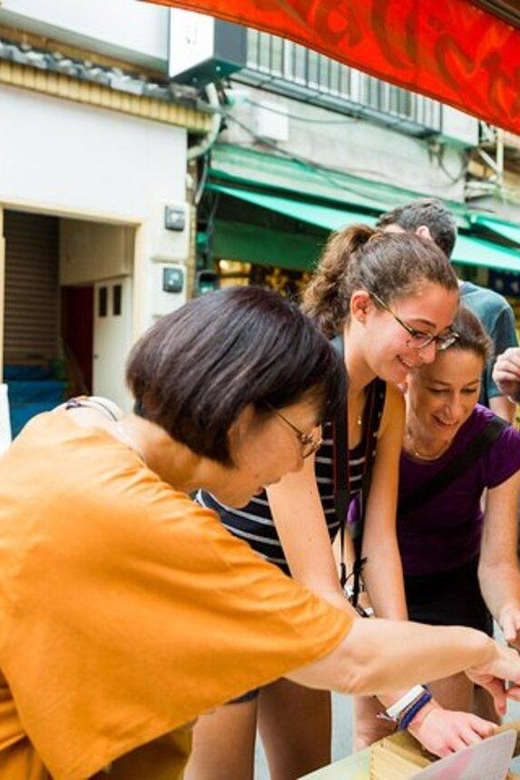
Your guide explains where ingredients come from and points out places that local food lovers use. The walk is not just a route between shops. It is meant to show how seafood, seasonings, snacks, and cooking traditions fit into everyday Japanese food culture.
The strongest part of this section is the personal guidance. A guide such as Tadashi, also called Tad, has been praised for explaining the market’s place in Tokyo society, introducing vendors, and allowing time for photographs, samples, and browsing. Yusei has also been singled out for his knowledge of the area and its past.
You should expect a guided walk rather than a private shopping trip. The pace allows time to look at products and try selected foods, but the exact samples depend on the day, the market stalls, and what is available. One account included whale meat and other unusual foods. That may appeal to adventurous eaters, but you should not book this tour expecting a fixed tasting menu.
The market is closed on Wednesdays, Sundays, and other designated closure days. Check the available date carefully before booking. Weather can also affect comfort. A March walk took place in snow, and the cold made the outdoor portion harder. Comfortable shoes are listed as essential, and you may want weather-appropriate clothing as well.
Tasting the food behind Tokyo’s sushi counters
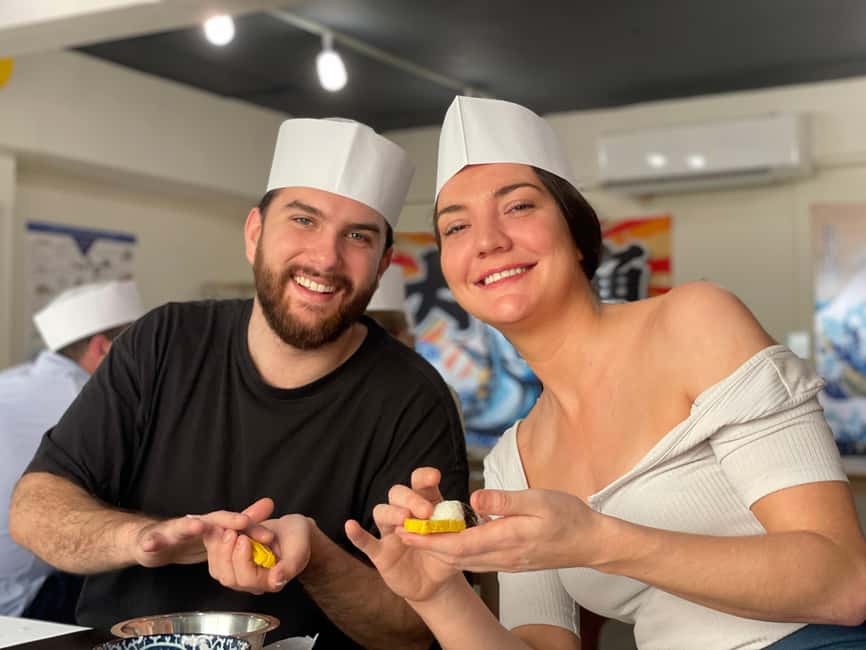
The market walk gives you a chance to sample foods associated with fine-dining kitchens. This is valuable because sushi quality begins long before a chef shapes rice. Fish selection, freshness, cutting, storage, and seasoning all affect the final bite.
Your guide can also help you notice details you might miss on your own. You may learn which products are common household staples, which are aimed at restaurant cooks, and how a market stall differs from a casual snack stop. The tour description calls Tokyo The Kitchen of Tokyo, a fitting idea for a lesson in how the city feeds itself.
Do not expect every sample to suit every palate. Market food can be unfamiliar, and the tour does not promise a set list of tastings. If you have a serious allergy, send the details before 5:00 p.m. Japan time on the day before the tour. The operator will try to help, but changes are not guaranteed.
More Sushi and Japanese Classes in Japan:
- Sushi Making Tokyo Roll and Authentic Japanese Sushi Class
★ 5.0 · 3,971 reviews - Tokyo: Roll and Authentic Sushi Making Class in Asakusa
★ 4.9 · 1,957 reviews - Ramen Cooking Class at Ramen Factory in Kyoto
★ 5.0 · 1,937 reviews - Tokyo: Sushi Making Class in a Happi Coat near a Famous Spot
★ 4.9 · 1,377 reviews
Learning sushi from a professional chef
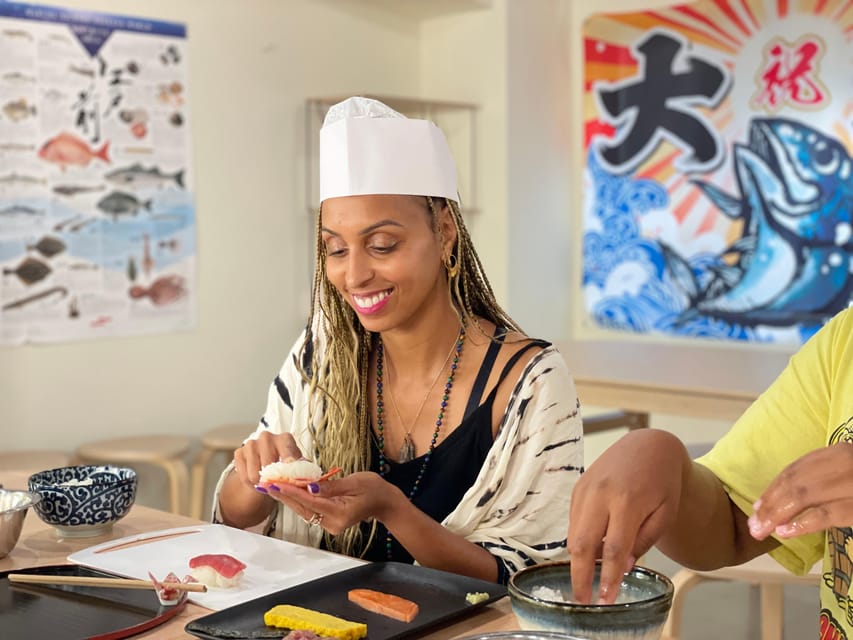
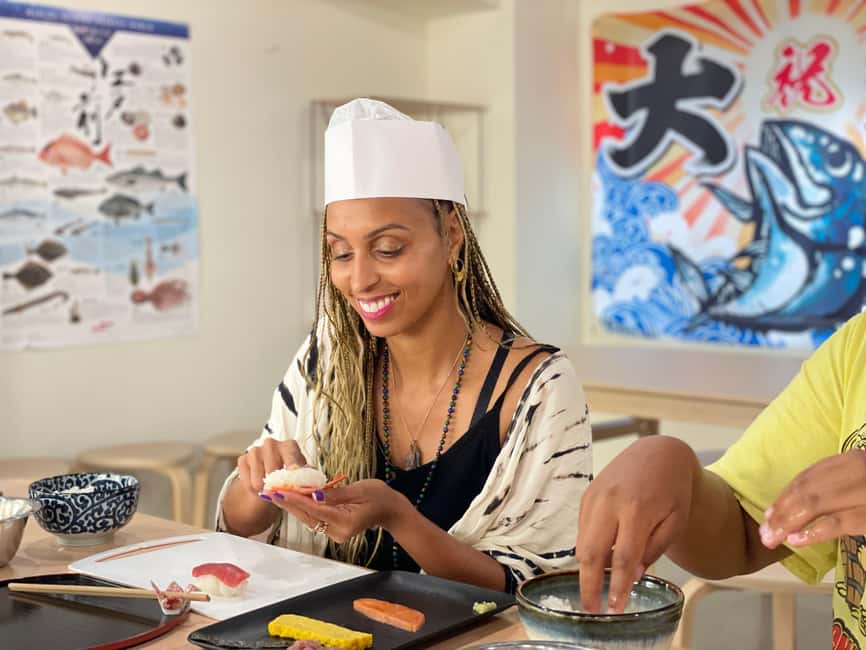
After the market, you move to the sushi classroom for the practical part of the day. The class is taught step by step by a professional sushi chef, with instructors helping you shape the rice, place toppings, and form the pieces.
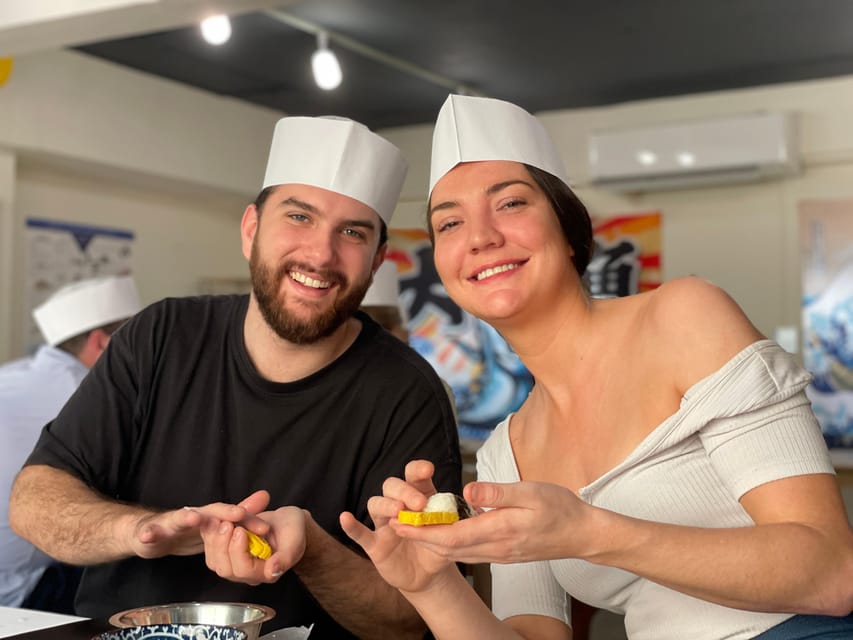
This is where the experience earns much of its appeal. You are not simply watching a demonstration. You practice the techniques yourself, then eat the result as lunch. One participant described making five nigiri and one maki roll, while another enjoyed learning about several sushi varieties that were previously unfamiliar.
The chef also explains how different fish are prepared. You may see fish being carved and learn why cutting direction, rice shape, and topping placement matter. Those small details help explain why restaurant sushi can cost far more than supermarket pieces.
You do not need to arrive with chef-level skills. The class is designed for beginners, and the instructors provide corrections and encouragement. Your sushi may not look perfectly uniform, especially on the first attempt. That is part of the point. You learn by handling the ingredients rather than watching someone else do all the work.
The class also covers how to eat sushi properly. This can include practical guidance about soy sauce, fish placement, and the balance between rice and topping. One participant wished there had been more green tea and soy sauce, so do not expect unlimited drinks or condiments.
What you actually make and eat
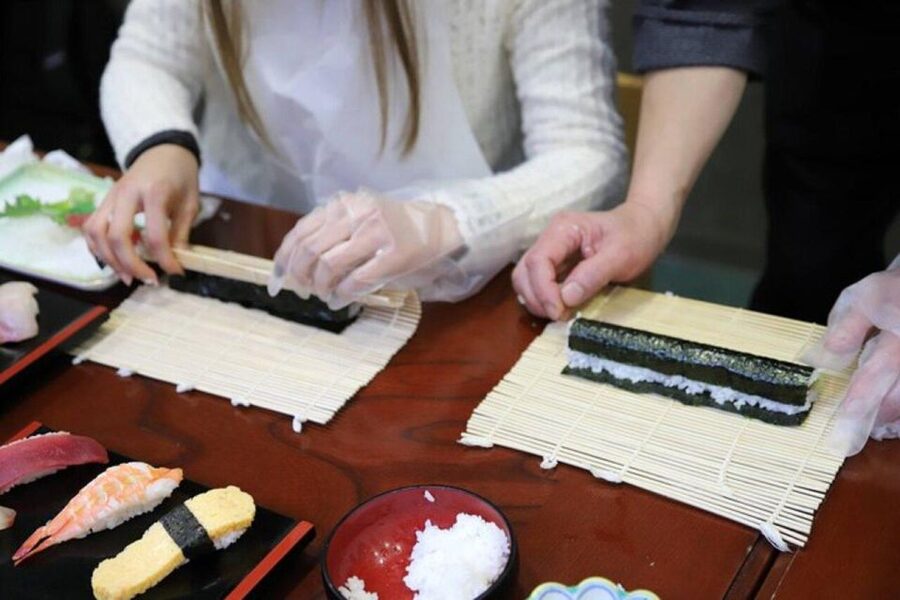
The included lunch is the sushi you prepare during the workshop. Based on the detailed descriptions, you can expect several nigiri pieces and at least one maki roll, though the precise menu can change. Sushi toppings cannot be changed on the day of the activity.
That rule is important for anyone with food restrictions. You must provide allergy information by the stated deadline, but the operator cannot accommodate vegan, vegetarian, halal, or gluten-free diets. The experience is not suitable for vegans or vegetarians, and raw seafood is central to the meal.
The meal has extra value because it follows the market visit. You see ingredients in their commercial setting, hear about their role in Japanese cooking, and then use them under professional guidance. That sequence gives you a better feel for sushi as a craft, not just a popular dish.
Group size, pace, and physical demands
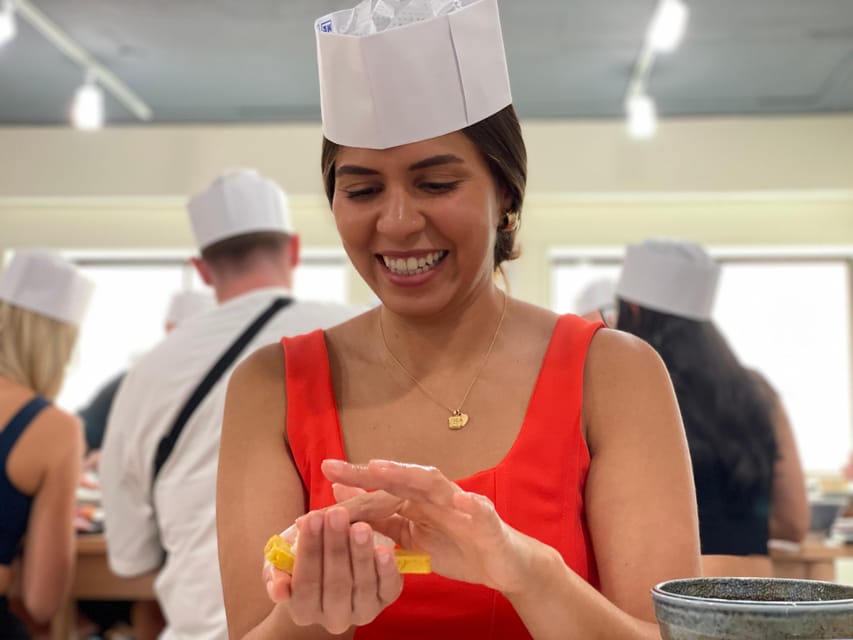
The group is limited to eight participants. That is a useful size for a cooking class because the chef can watch your technique, and the guide can answer questions without splitting attention among a large crowd.
The four-hour schedule includes walking, market stops, and the classroom. You will need comfortable shoes. The classroom is on the third floor, reached by stairs, so this experience is not suitable for wheelchair users or people with mobility impairments.
Children under four are not suitable for the activity. Infants and toddlers can attend free, but if they want to make sushi, they do not receive their own sushi kit. Families with older children may find the hands-on class engaging, though the raw-fish focus and market walking may not suit every child.
The pace seems to leave time for pictures, browsing, and food samples rather than rushing from one point to the next. That can be a plus for people who like to ask questions. It also means you should not schedule another tight appointment immediately afterward.
The guides make a real difference
The market portion depends heavily on the person leading it. Several guide names appear in the experience feedback, including Kate, Yuko, Matsayo, Yusei, and Tadashi. Their roles include explaining the temple and neighborhood, identifying useful market stops, discussing food customs, and helping you interact with vendors.
Tadashi, known as Tad, is especially associated with a market walk that covered much of the area and included extra tasting opportunities. Kate, Yuko, and Matsayo were praised for being kind, professional, and entertaining. Yusei was noted for explaining local history and allowing time to explore.
You should not assume one specific guide will lead your date. The important point is the guide-led format. You receive interpretation and direction instead of wandering through Tsukiji alone and guessing what everything means.
Scheduling, cancellations, and practical booking notes
You can cancel up to 24 hours before the activity for a full refund. A reserve-now, pay-later option is also available, which helps if your Tokyo schedule is still shifting.
The market portion cannot run as normal when the Uogashi wholesaler market is closed. Check the date before paying, especially around Wednesdays, Sundays, and other market closure days.
If you have allergies, contact the operator before 5:00 p.m. JST on the day before your tour. Toppings cannot be changed at the last minute. The safest approach is to treat the food policy as firm and book only if the listed sushi meal works for you.
Who should book this experience?
I would recommend it to first-time visitors who want a clear introduction to Tokyo food culture. It also suits people who enjoy small groups, guided tastings, and practical classes where they can take part instead of simply watching.
It is a good match for couples, adult families, and solo visitors who want an easy way to meet a few other food-focused people. The market walk adds local context, while the sushi class gives you a concrete skill to remember after the trip.
I would hesitate if you are vegetarian, vegan, halal, or gluten-free. I would also choose a different activity if stairs, extended walking, cold, rain, or crowded market streets are difficult for you. The four-hour length is manageable for most active visitors, but it is still a half-day commitment.
Should you book it?
Book this tour if you want more than a sushi lunch. The strongest reason to go is the link between Tsukiji’s ingredients and the chef’s instruction afterward. You see, taste, shape, and eat, all within one compact Tokyo experience.
At $101, the cost makes sense for a small group with a guide, market tastings, a professional sushi workshop, and lunch included. Just confirm the market operating day, arrive at the correct temple gate, notify the operator about allergies in time, and be ready for stairs and walking.
If those conditions suit you, this is a practical and memorable way to understand sushi from market stall to finished plate.
FAQ
Where does the tour meet?
Meet at the main gate of Tsukiji Honganji Temple, at the front of the temple. Google Maps may send you to the back, so use the front main gate instead.
How long does the experience last?
The activity lasts four hours.
What language is the tour conducted in?
The live tour guide speaks English.
How many people are in the group?
The group is limited to eight participants.
Is lunch included?
Yes. Lunch consists of the sushi you make during the workshop.
Who teaches the sushi class?
A professional sushi chef teaches the workshop and provides step-by-step instruction.
What sushi will I make?
The class teaches several sushi styles, including nigiri and maki. One detailed description included five nigiri pieces and one maki roll, but the exact toppings and menu may vary.
Can I request different sushi toppings?
No. Sushi toppings cannot be changed on the day of the event. Send food restrictions or allergy information before 5:00 p.m. JST on the day before your tour.
Can vegetarians, vegans, or people following halal or gluten-free diets join?
No. The experience does not accommodate vegetarian, vegan, halal, or gluten-free requests.
Is the tour suitable for wheelchair users?
No. The experience is not suitable for wheelchair users or people with mobility impairments. You also need to walk upstairs to reach the third-floor classroom.
More Shopping Trips in Japan
- Tokyo Washoku 4-hour Cooking Class: From Market to Table
★ 5.0 · 253 reviews - Tokyo: Tsukiji Market Walking Tour & Sushi Cooking Class
★ 4.6 · 122 reviews - Nishiki Market Food Tour with Cooking Class
★ 4.9 · 42 reviews - Osaka: Cooking Class & Sake Tasting with Local Market Visit
★ 4.8 · 31 reviews
Just added around Japan
- Famous Inari Sushi Making Experience in Toyokawa★ 5.0 · 4 reviews
- Nagoya Super Market Tour & Home Cooking Class with a Local, Akiko★ 5.0 · 10 reviews
- Tokyo: Tsukiji Market Walking Tour & Sushi Cooking Class★ 4.6 · 122 reviews
- Sushi-Making Experience★ 4.7 · 4 reviews
- Tokyo: Tsukiji Market Guided Tour & Sushi-Making Experience★ 4.4 · 11 reviews
- Tokyo: Sushi Cooking Class with Sake Tasting★ 4.8 · 55 reviews
- Tokyo: Sushi and Ramen Cooking Class with Sake Pairing Set★ 5.0 · 81 reviews
- Tokyo: Kawaii Bento Cooking Class – Cute Character Lunchbox★ 4.9 · 55 reviews
Japanese & Sushi Cooking Classes, compared.
Sushi Making Tokyo Roll and Authentic Japanese Sushi Class
Read our review →
Tokyo: Roll and Authentic Sushi Making Class in Asakusa
Read our review →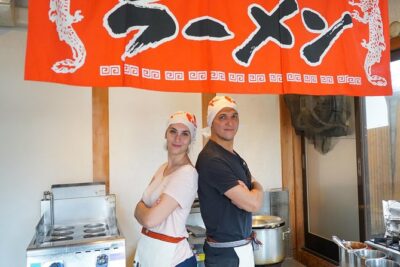
Ramen Cooking Class at Ramen Factory in Kyoto
Read our review →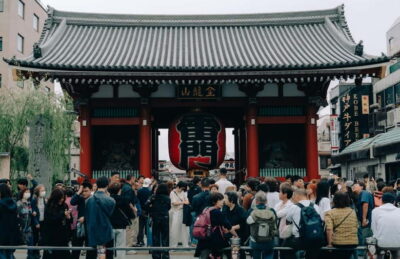
Tokyo: Sushi Making Class in a Happi Coat near a Famous Spot
Read our review →
Sushi Making Tokyo! Popular Maki Sushi & Japanese Sushi(+Recipe!)
Read our review →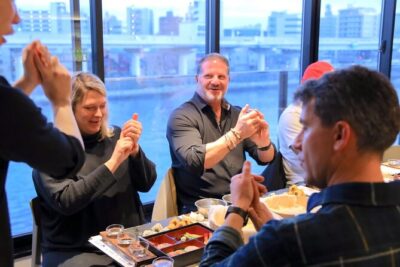
Sushi Making Osaka Roll and Authentic Japanese Sushi Class
Read our review →
Tokyo Sushi Making Class in Tsukiji with Professional Chef
Read our review →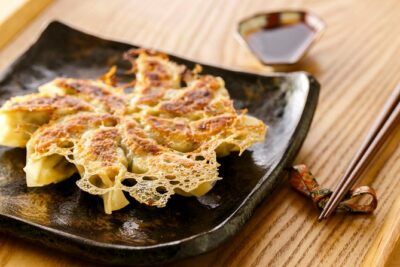
Ramen & Gyoza Cooking Class in Tokyo with Local Supermarket Visit
Read our review →Browse the lists this tour appears in