
Review · JAPAN
Nagoya Super Market Tour & Home Cooking Class with a Local, Akiko
Nagoya food makes its mark with red miso, sweet-savory sauces, crisp fried dishes, and hearty home cooking. This experience lets you see those ingredients on a supermarket shelf, then use them in Akiko’s kitchen. You are not watching a polished restaurant demonstration. You are shopping, cooking, eating, and talking in a local home.
I like two things right away: the supermarket stop gives you a useful look at everyday Japanese food shopping, and the private format allows Akiko to adjust the meal for your group. Past menus have included Nagoya-style wings, fried pork, shrimp tempura stuffed into rice balls, miso pork cutlet sandwiches, and dashi made from scratch.
The main consideration is location and timing. The experience lasts about three and a half hours, and the meeting information refers to both Kachigawa Station and JR Kasugai Station, so confirm the exact pickup point before you go. Also, this is a supermarket tour, not an outdoor market visit.
Key details at a glance
- Cook in Akiko’s home: This is a personal home visit and private cooking class, not a commercial school with a large group.
- See an everyday Japanese supermarket: Akiko explains ingredients and seasonings while you shop in the kind of store local residents use.
- Learn Nagoya specialties: Red miso, fried pork, shrimp tempura rice balls, Nagoya-style chicken, and other dishes may appear on the menu.
- Make dashi from scratch: The soup stock lesson gives you a basic technique you can repeat at home.
- Buy ingredients to take home: Akiko can help you select local products before you leave the store.
- Expect a meal and local alcohol: Your cooking ends with a shared Nagoyan-style lunch or dinner, depending on the scheduled time.
From the station to a neighborhood supermarket
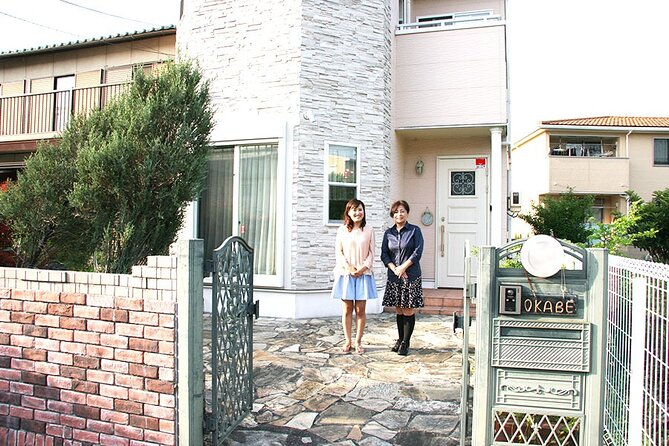
Your meeting point is listed at Kasugai Station, with the description also referring to Kachigawa Station. The information says the home is about 20 minutes from Nagoya by train, and Akiko meets you at the station before walking with you to a nearby supermarket.
This station pickup matters. You do not need to find a private residence on your own, and Akiko handles the first part of the route. Still, check the confirmed meeting instructions carefully, since the station names are not presented consistently. That small bit of planning can save you a frustrating start.
The supermarket is the first useful lesson. You see Japanese food as people buy it for ordinary meals, not only as it appears on a restaurant menu. Akiko can explain ingredients, sauces, seasonings, and products that may be unfamiliar if you cannot read Japanese labels.
I like this part because it puts Nagoya food in context. Red miso is not just a flavor mentioned in a guidebook. You can see the jars and packets, compare products, and ask how local cooks use them. You can also buy ingredients to take back to your hotel, home, or suitcase, with Akiko’s help.
Do not expect a grand food hall or a row of open-air stalls. The description is clear that this is a local supermarket. That may sound less exciting than a famous market, but it is often more practical. You see the ingredients used in ordinary kitchens and learn what you can realistically find again.
More Home Cooking Classes in Japan
- Private Home Cooking in Yanaka – Local Flavors in a Warm Setting
★ 5.0 · 173 reviews - Near Fushimiinari: Kyoto Home Cooking Class & Supermarket tour
★ 5.0 · 100 reviews - Japanese Home Cooking Class & Walk in Todoroki Temple Tokyo
★ 5.0 · 88 reviews
Choosing ingredients with Akiko
The shopping portion is private, so the pace can fit your interests. If you are curious about miso, ask about different types. If you want Japanese pantry staples, ask Akiko which products travel well and how to use them. If you have never bought dashi ingredients, this is a good place to begin asking questions.
The tour is also useful for cooks who want to recreate Japanese dishes outside Japan. A recipe is easier to follow when you know what the original ingredient looks like, what kind of package to seek, and which flavor matters most. Akiko can help you purchase local ingredients before heading to her kitchen.
The exact menu changes with the season. That is worth accepting rather than treating it as a weakness. A home cook will work with ingredients that make sense at the time of year, and your meal may not match every example listed in the description.
You should report allergies, dietary restrictions, and cooking preferences when booking. A vegetarian option is available if requested in advance. Do not wait until you arrive, since the menu and shopping choices need to be planned before the cooking begins.
Cooking Nagoya dishes in a local home
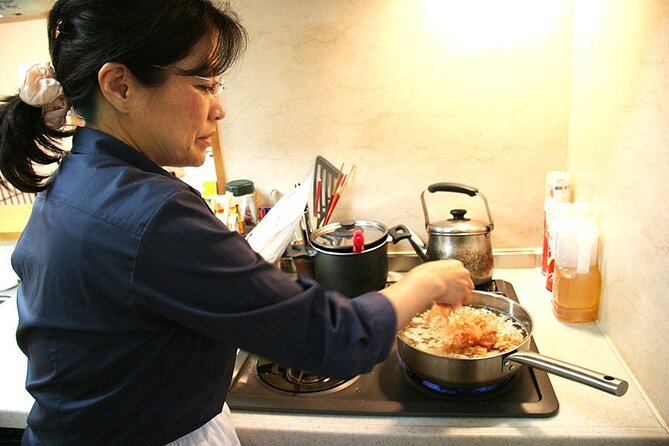
After shopping, you continue to Akiko’s home for the hands-on class. This is the heart of the experience. You help prepare the food instead of simply sitting at a counter while someone else cooks.
The cooking class itself lasts about an hour, followed by time to sit down and eat the meal you helped prepare. That makes the schedule fairly compact. You get a real activity and a shared meal without giving up an entire day of sightseeing.
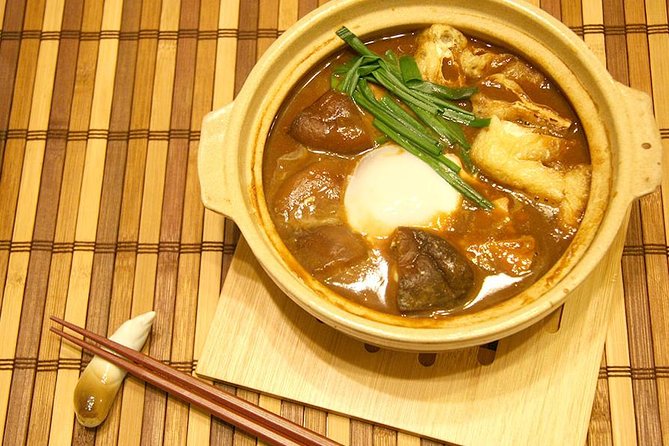
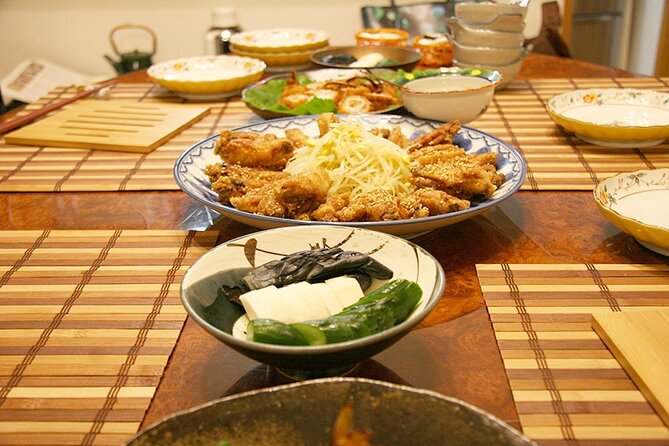
Possible dishes include red miso stew, shrimp tempura in a rice ball, Nagoya-style fried chicken, and a miso pork cutlet sandwich. The supplied examples also include Nagoya-style wings and fried pork. These dishes show the region’s fondness for strong seasoning, crisp textures, and savory-sweet sauces.
Shrimp tempura inside a rice ball is especially useful for understanding how Japanese home cooking adapts familiar ingredients. It is not simply tempura served on a plate. The cooking lesson connects fried food with rice, shaping, and a practical meal format.
Nagoya-style chicken and wings bring another local flavor to the table. You can expect the emphasis to be on the sauce and seasoning as much as on the frying. If your menu includes the miso pork cutlet sandwich, you will see how a familiar Japanese dish can become an easy meal to carry and eat.
The menu is not guaranteed, so book this for the chance to learn Nagoya cooking rather than for one fixed recipe. If one dish matters most to you, ask about it when arranging the experience.
Why the dashi lesson is worth your time
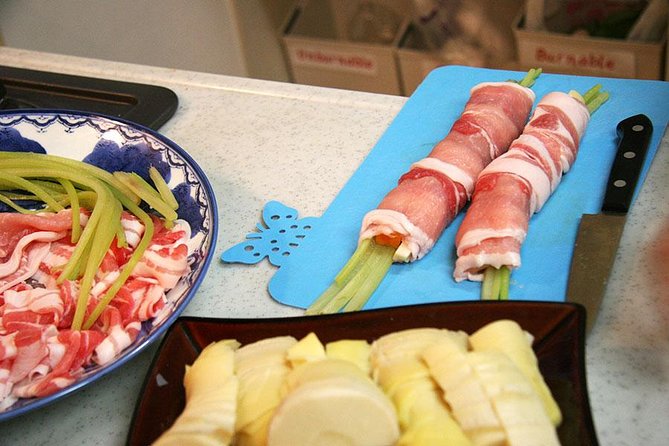
The class includes dashi stock made from scratch for miso soup. That may sound like a small side lesson, but it is one of the most useful skills in the session.
Dashi gives Japanese soups and sauces their savory base. Learning the process at home helps you understand why Japanese food can taste full even when the ingredient list looks short. It also gives you a technique you can repeat after your trip, unlike a one-off tasting that ends when the plate is empty.
This is a good moment to ask how dashi fits with miso. The stock and the miso do different jobs, and seeing them come together makes the soup more than a vague restaurant flavor. You leave with a clearer sense of how Japanese cooks build a meal from a few carefully chosen elements.
Recipe copies are another practical benefit. The cooking experience has included printed or shared recipes for the dishes prepared, so you have a better chance of repeating the meal at home. Ask for the recipes before you leave if they are not handed over during the class.
More Market Tour Cooking Classes in Japan
- Tsukiji Fish Market Guided Tour and Sushi Making with Pro Chef
★ 5.0 · 775 reviews - Tokyo: Tsukiji Fish Market Sushi Making Class with Pro Chef
★ 4.9 · 506 reviews - Tokyo Tsukiji Fish Market Tour and Sushi Making Lesson
★ 5.0 · 390 reviews - Tokyo Washoku 4-hour Cooking Class: From Market to Table
★ 5.0 · 253 reviews
A meal with conversation, not a cooking show
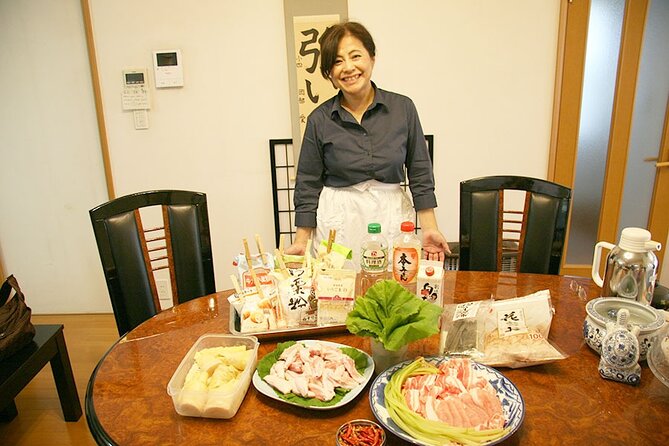
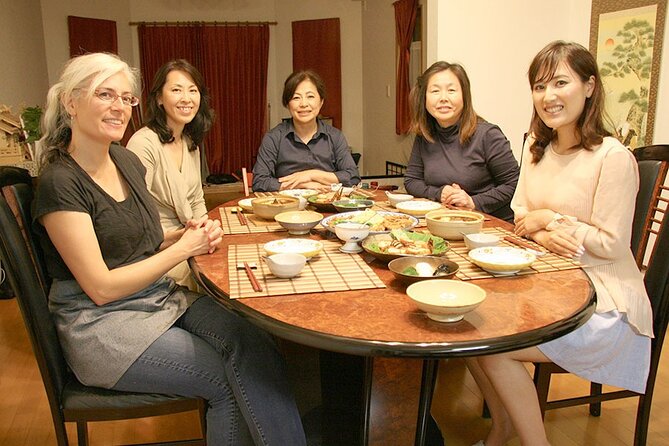
Once the food is ready, you sit with Akiko and share the meal. Local alcohol is included, which adds to the relaxed home setting, though you should mention any preferences or restrictions when booking.
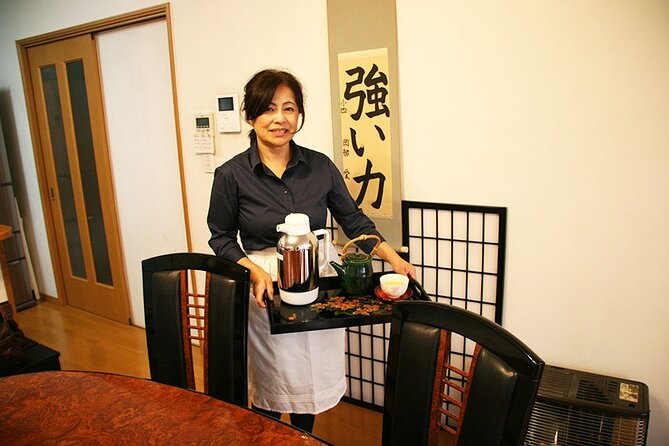
The social side is important here. One of the strongest features is the chance to spend time with a local host rather than move through a scripted restaurant lesson. Akiko has been described as warm, accommodating, and attentive, and the format gives her time to get to know your group.
Her helpers may also be involved, depending on the session. The experience remains private, with only your group participating. Group size can reach six, but solo visitors can also book. That range makes this a workable choice for one person, a couple, or a small family group.
I would choose this over a larger class if you want questions answered as they arise. You can ask about supermarket products, home cooking, Nagoya specialties, or the recipes themselves without competing with a roomful of students.
The tradeoff is that a home experience can feel less polished than a professional cooking studio. You are choosing personal contact and local context over a staged setting. For many people, that is the point, but it is useful to know what you are buying.
What the $119 price includes
The price is $119 per person. That includes the private supermarket tour, Akiko’s private cooking class, the meal, local alcohol, and pickup from the designated JR station.
I consider the price reasonable for a private half-day experience if you value personal attention and food instruction. You are paying for more than lunch. The fee covers a guided shopping visit, ingredient explanations, hands-on cooking, a home meal, and time with a local host.
It is less compelling if you only want to eat Nagoya specialties cheaply. You could spend much less at a restaurant. It is also not the best choice if you want a formal culinary school certificate, advanced knife training, or a long professional lesson.
The value improves for small groups. Up to six people can participate, and group discounts may be available. A family or group of friends can share the private format while keeping the cost more sensible per person. Solo visitors get the most personal attention, but also carry the full individual price.
Hotel pickup and drop-off are not included. You need to reach the station yourself, and the activity returns to the meeting point at the end. Build train time into your day and avoid booking another attraction immediately afterward.
Who will enjoy this experience most
I would recommend this to food lovers who want more than a restaurant meal. It is especially suited to people who enjoy learning through shopping, asking questions, and preparing food with their own hands.
It also works well for visitors who have already seen Nagoya’s main sights and want a slower local activity. The supermarket and home setting show a side of Japanese life that a sightseeing route rarely provides.
Families may appreciate the private setup, particularly if children enjoy making rice balls or helping with simple cooking tasks. The small group limit keeps the session more manageable than a large class.
Solo visitors can book, and the private format may be a comfortable way to meet a local host without joining an unfamiliar group. Couples and friends should like the shared meal and the chance to compare ingredients while shopping.
This is not ideal for anyone expecting an outdoor market, a fixed restaurant menu, or a full-day food crawl. It is also a poor fit if you have serious dietary needs but do not report them in advance. Vegetarian cooking is possible, but it must be requested when booking.
Practical points before you book
The experience is usually booked about 23 days ahead, so reserve early if your Nagoya dates are fixed. Confirmation arrives within 48 hours, subject to availability.
The duration is about three hours and 30 minutes. The cooking portion lasts about an hour, with additional time for the supermarket, transport to the home, preparation, and the shared meal.
Use public transit to reach the meeting point. The home is described as accessible by public transit, and the activity ends back at the station meeting point. Because the information names both Kachigawa and Kasugai, confirm which station applies to your booking.
Free cancellation is available if you cancel at least 24 hours before the start time. Cancellations or changes inside that window are not refunded or accepted, based on the stated policy.
Should you book Akiko’s Nagoya home cooking experience?
Book it if you want personal contact, practical food knowledge, and a meal you help create. The supermarket visit gives the outing a useful beginning, while the home cooking and recipe sharing make it something you can carry into your own kitchen.
Skip it if your main goal is a famous outdoor market, a bargain meal, or a formal cooking-school setting. For everyone else, the combination of local shopping, dashi practice, Nagoya dishes, and a private meal makes this a thoughtful way to spend half a day outside the usual sightseeing circuit. Just confirm the station and dietary details before paying.
FAQ
Where does the experience begin?
The listed meeting point is Kasugai Station in Aichi Prefecture. Other activity details refer to Kachigawa Station, so confirm the exact station in your booking information.
How long does the experience last?
The experience lasts approximately three hours and 30 minutes. The hands-on cooking portion lasts about one hour before you sit down for the meal.
Is the supermarket an outdoor market?
No. The market portion is a visit to a local supermarket where residents generally shop.
What dishes might I cook?
The menu may include red miso stew, shrimp tempura in a rice ball, Nagoya-style fried chicken or wings, fried pork, and a miso pork cutlet sandwich. The menu can change with the season.
Is a vegetarian option available?
Yes. A vegetarian option is available, but you need to request it when booking.
Is the experience private?
Yes. This is a private activity for your group only. Solo visitors can book, and groups of up to six people can participate.
What is included in the price?
The price includes the private supermarket tour with Akiko, the private cooking class and meal, local alcohol, and pickup from the designated JR station. Hotel pickup and drop-off are not included.
More Hands-On Workshops in Japan
- Sushi Making Tokyo Roll and Authentic Japanese Sushi Class
★ 5.0 · 3,971 reviews - Tokyo: Roll and Authentic Sushi Making Class in Asakusa
★ 4.9 · 1,957 reviews - Ramen Cooking Class at Ramen Factory in Kyoto
★ 5.0 · 1,937 reviews - Tokyo: Sushi Making Class in a Happi Coat near a Famous Spot
★ 4.9 · 1,377 reviews
More Shopping Trips in Japan
- Tokyo: Tsukiji Market Walking Tour & Sushi Cooking Class
★ 4.6 · 122 reviews - Tokyo: Sushi Making with Pro Chef & Tsukiji Fish Market Tour
★ 4.6 · 49 reviews - Nishiki Market Food Tour with Cooking Class
★ 4.9 · 42 reviews - Osaka: Cooking Class & Sake Tasting with Local Market Visit
★ 4.8 · 31 reviews
Just added around Japan
- Famous Inari Sushi Making Experience in Toyokawa★ 5.0 · 4 reviews
- Tokyo: Tsukiji Market Walking Tour & Sushi Cooking Class★ 4.6 · 122 reviews
- Tokyo: Sushi Cooking Class with Sake Tasting★ 4.8 · 55 reviews
- Sushi-Making Experience★ 4.7 · 4 reviews
- Tokyo: Tsukiji Market Guided Tour & Sushi-Making Experience★ 4.4 · 11 reviews
- Tokyo: Sushi and Ramen Cooking Class with Sake Pairing Set★ 5.0 · 81 reviews
- Tokyo: Sushi Making with Pro Chef & Tsukiji Fish Market Tour★ 4.6 · 49 reviews
- Tokyo: Learnt to cook Bento, Oyakodon and More!★ 5.0 · 5 reviews
Cooking Classes with a Market Tour, compared.
Hanoi Cooking Class: Culture, Local Market & Meaning CSR Impact
Read our review →
5 Traditional Dishes Hanoi Cooking Class with Market Trip
Read our review →
Cooking Class and Lunch at a Tuscan Farmhouse with Local Market Tour from Florence
Read our review →
Chiang Mai: Cooking Class, Market & Thai Herbs Garden Tour
Read our review →
Chiang Mai: Authentic Cooking Class with Market & Farm Visit
Read our review →
Barcelona: Paella Cooking Experience & Boqueria Market Tour
Read our review →
Cooking Class Hoi An:Local Market, Basket Boat, Fishing & Cooking
Read our review →
Hoi An Cooking Class(Market,BasketBoat Crabfishing&Cooking Class)
Read our review →Browse the lists this tour appears in