
Review · KYOTO
Near Fushimiinari: Kyoto Home Cooking Class & Supermarket tour
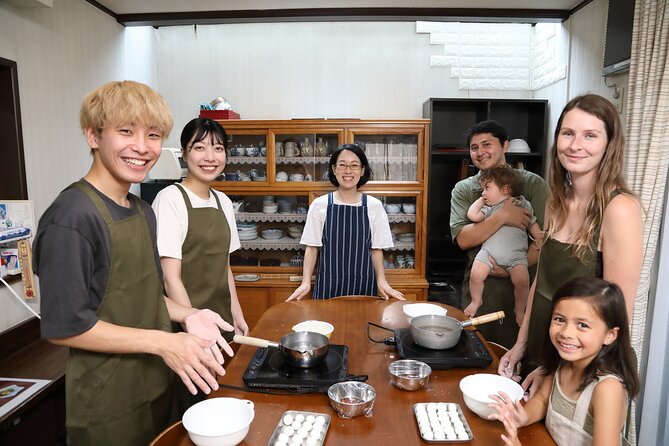
A lesson in dashi, Japan’s essential soup stock, sets the tone for this four-hour experience. You cook about five dishes in a local Kyoto home, eat them in a tatami room beside a garden, and then head to a supermarket to identify the ingredients you just used. I like that the class teaches food you can make again, not just a meal you watch someone prepare. I also like the small maximum of six people, which leaves room for questions and hands-on help.
The main consideration is the price: $118.92 per person is a serious spend for a cooking class. Still, it covers lunch, ingredients, instruction, taxes, recipes, and the supermarket visit. Drinks cost extra, and you need to reach the Fushimi Ward meeting point yourself at 9:30 a.m.
Key Points at a Glance
- Start with dashi: Learn about several kinds of Japanese soup stock and why they appear in so many everyday dishes.
- Cook about five dishes: Prepare food yourself or with a partner after watching clear demonstrations.
- Eat in a traditional home: Sit in a tatami room with a tokonoma display area and a view of a Japanese garden.
- Shop for the same ingredients: Spend about 30 minutes learning how to recognize Japanese groceries in a local supermarket.
- Small English-speaking class: The group is limited to six people, and instructors are licensed guide interpreters.
- Recipes go home with you: The point is not just lunch. You leave with instructions for making the dishes again.
Starting Near Fushimi Inari at 9:30 a.m.
The class begins at 38-4 Fukakusa Watamoricho in Fushimi Ward. The meeting point is near public transportation and close to Fushimi Inari Shrine, so this works well on a morning when you plan to see the shrine before or after the class. The activity begins at 9:30 a.m. and finishes back at the same location after the supermarket visit.
Give yourself enough time to find the address. Kyoto’s smaller residential streets can be less obvious than the city’s main sights, and arriving early is better than beginning a hands-on lesson in a rush. You will need to arrange your own transport, since hotel pickup and drop-off are not included.
The location matters because this is not a cooking studio designed for large groups. You enter a traditional Japanese house, with cooking taking place in the kitchen and the meal served in a more formal room. That change of setting gives the class a stronger sense of place than a standard demonstration kitchen.
More Home Cooking Classes in Japan
- Kyoto Home Cooking Class &Supermarket tour near Fushimiinari
★ 5.0 · 31 reviews - Private Home Cooking in Yanaka – Local Flavors in a Warm Setting
★ 5.0 · 173 reviews - Japanese Home Cooking Class & Walk in Todoroki Temple Tokyo
★ 5.0 · 88 reviews
Learning Why Dashi Matters
The first major lesson is dashi, the savory stock used in much Japanese cooking. You will encounter different kinds of dashi and learn how this basic preparation supports soups and other dishes. This is a useful starting point because Japanese food can look simple on the plate, yet its flavor often depends on small decisions made before the main ingredients are added.
I like this part of the class because it gives you a way to understand Japanese cooking rather than merely copy a recipe. If you know how stock is used, miso soup and other dishes begin to make more sense. It also helps explain why a short ingredient list can still produce a carefully balanced meal.
The exact dishes can vary, but the class has included miso soup, sushi, spinach salad, tempura, and mochi. That is a good mix: you get soup, a cold vegetable dish, a rice-based preparation, fried food, and a sweet finish. You should expect a practical lesson rather than a narrow focus on one regional specialty.
Cooking Five Dishes by Hand
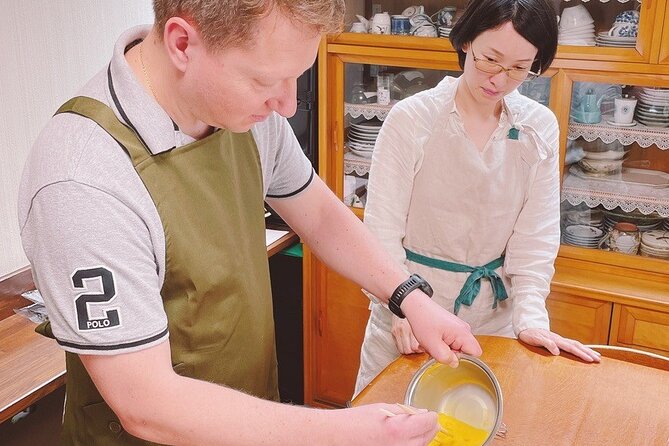
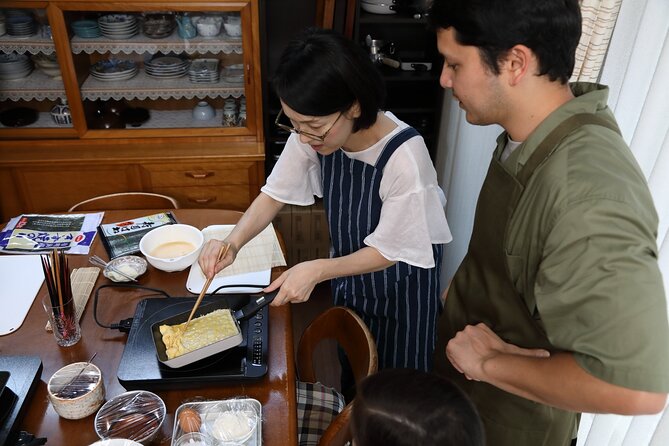
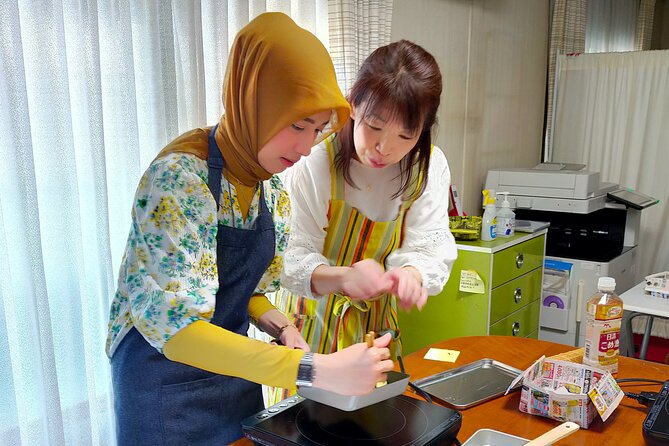
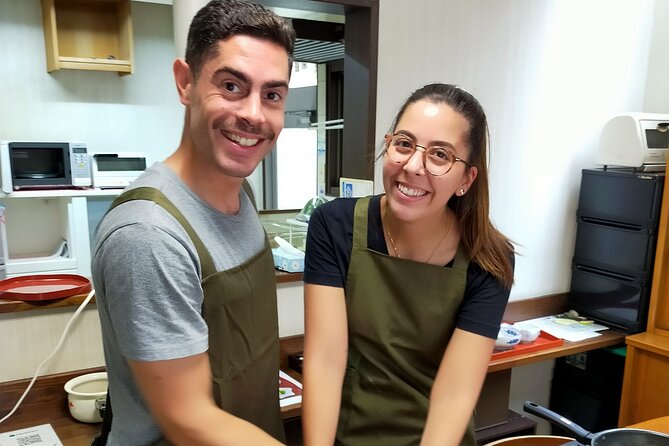
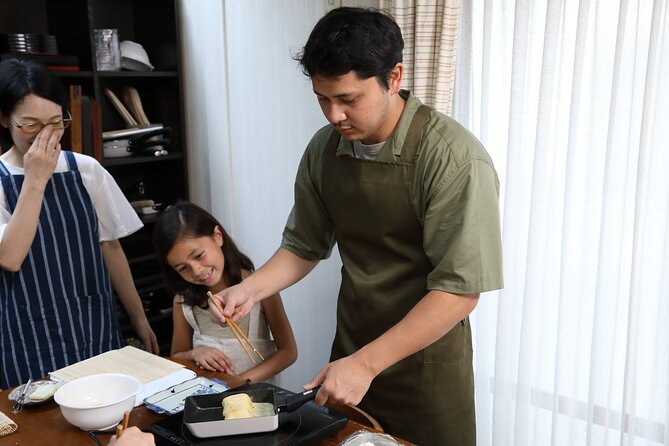
After the instructor demonstrates techniques in front of you, you prepare about five dishes alone or with a partner. This is the part where the small group pays off. With no more than six people, you have a better chance to ask how to handle a particular step, check your preparation, and understand why a method is used.
The experience is hands-on. You are not simply seated at a counter while someone else does the work. The supplied ingredients and seasonings are included, so you can focus on preparation rather than trying to bring unfamiliar items from a shop.
Miho is one of the named instructors connected with the class. She teaches in clear English, answers questions, and gives practical guidance on preparing local dishes. All instructors are licensed guide interpreters, and the class is conducted in English. That makes the lesson suitable for visitors who want cultural context along with cooking instruction.
Some useful skills may include preparing miso soup, handling sushi ingredients, making a simple spinach salad, frying tempura, and forming mochi. The precise menu is not guaranteed in the information provided, so I would treat those dishes as examples rather than a fixed promise. If a particular food matters to you, ask before booking.
Lunch in a Tatami Room
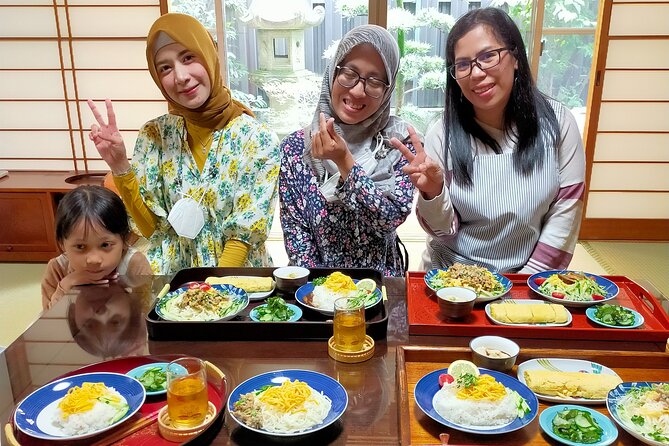
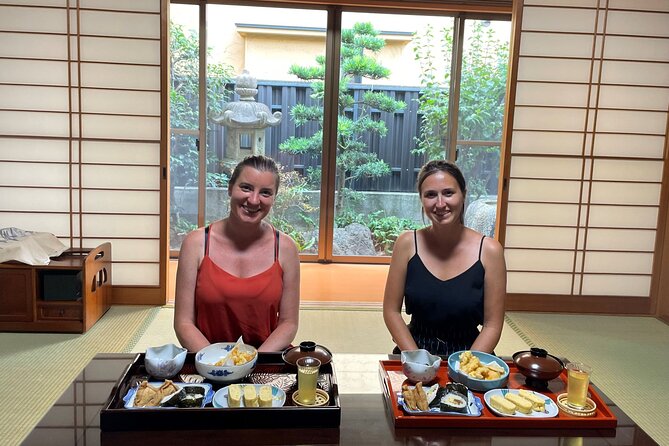
Once the cooking is finished, you sit down together and eat what you prepared. The meal takes place in a traditional Japanese room with tatami flooring, a tokonoma display area, and a view toward a Japanese garden. That setting is one of the experience’s strongest features.
You are not just eating the food in the same work area where it was made. The room gives lunch a calmer rhythm and lets you notice details of a Japanese home that you would not find in a restaurant. The garden view adds to the sense that you are being welcomed into a private domestic space rather than visiting a commercial venue.
The meal is included in the price, along with the cooking ingredients, seasonings, and taxes. Drinks are not included, so budget for those separately. If you prefer a vegetarian meal, the class can accommodate vegetarians, but it is sensible to mention this when booking rather than waiting until the morning of the class.
The wording around the meal sometimes describes it as lunch and sometimes as dinner, but the scheduled start is 9:30 a.m. The practical expectation is a late-morning or midday meal after the cooking session.
More Home Cooking Classes in Kyoto:
- Khmer Cooking Class at a Local’s Home in Krong Siem Reap
★ 5.0 · 2,731 reviews - Local Home Korean Cooking Class & Market Adventure in Seoul
★ 5.0 · 1,024 reviews - Marrakech: Moroccan Cooking Class with a Local Family
★ 4.9 · 668 reviews - Mexican Cooking from Scratch in a Local Home in Tulum
★ 5.0 · 585 reviews
Reading a Japanese Supermarket After Lunch
After eating, you visit a local supermarket for about 30 minutes. This is more useful than it may sound. Japanese grocery stores can be confusing when you do not read the language, and even familiar-looking products may have unfamiliar labels, packaging, or uses.
The guide helps you locate the ingredients used in the class and explains what you are seeing around the store. You can also buy ingredients for your own kitchen, though any purchases are your responsibility. This short stop turns the recipes into something more realistic: you see where the food comes from and what to look for when you try to repeat the dishes at home.
I especially like the connection between the kitchen and the market. A cooking class can leave you with a pleasant meal but no clear idea how to shop for it later. Here, you first learn the dishes, then see the ingredients in their everyday retail setting. The visit is only about 30 minutes, so do not expect a full market tour or a long shopping trip. It is a focused introduction.
What the $118.92 Price Covers
At $118.92 per person, this is not a bargain activity. The value depends on how much you want from the lesson. You are paying for about four hours, a small group, an English-speaking instructor, all cooking ingredients and seasonings, the prepared meal, a traditional home setting, recipes, and the supermarket tour.
Compared with paying for lunch alone, the price is high. Compared with a private or very small-group cultural lesson that includes food and instruction, it becomes easier to justify. The group cap of six is important here. A cheaper class with 15 or 20 people would likely give you less time at the counter and fewer chances to ask questions.
The recipes improve the value because they let the experience continue after your Kyoto visit. You can try the dishes for friends or family instead of treating the class as a one-time meal. The supermarket visit also adds practical value, especially if you plan to cook Japanese food at home.
I would book this for the cultural access and personal instruction, not simply because you want a cheap lunch. If your main goal is to eat as much as possible for the lowest price, other Kyoto meals will serve you better.
Who Will Get the Most From This Class
This suits solo visitors particularly well. The small group gives you a natural setting to meet other people, and the cooking tasks create an easy reason to talk. You do not need to arrive with a companion to make the experience work.
It also suits couples, families, and food-focused visitors who want more than restaurant recommendations. The class has welcomed children and older family members, including a grandparent and granddaughter cooking mochi together. The available information does not specify an age limit, so check directly if you are booking for young children.
You will get the most from it if you enjoy asking questions and taking part. The class is not designed for someone who wants to sit quietly and watch. You will handle food, follow demonstrations, and work with another participant or on your own.
Vegetarians can be accommodated. Other dietary needs are not specified, so contact the provider in advance if you have allergies or strict restrictions. Do not assume every dish can be changed at the last minute.
Practical Details That Affect Your Morning
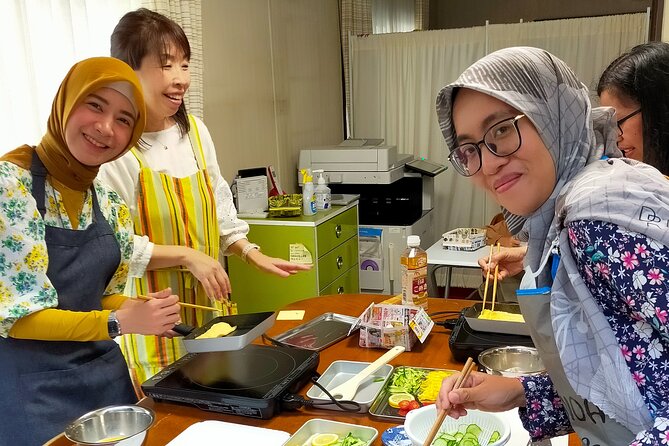
The activity lasts about four hours and ends back at the meeting point. Since the supermarket visit comes after the meal, you should not plan a tight appointment immediately afterward. Kyoto transport delays, finding the house, and the hands-on pace of the lesson can all affect the finish time.
Your mobile ticket is accepted for the activity, and confirmation is provided when you book. The group maximum is six people. That limit is one of the clearest reasons to reserve ahead, especially since the experience is booked an average of 28 days before the date.
Free cancellation is available up to 24 hours before the local start time for a full refund. Changes or cancellations inside that 24-hour window are not accepted for a refund. The experience also requires good weather, and if poor weather causes cancellation, you are offered another date or a full refund.
Wear clothes you can work comfortably in. The supplied information does not set a dress code, but cooking means you should avoid anything precious or difficult to move in. Since drinks are separate, bring a little extra money if you want one with the meal or during the outing.
How It Compares With a Regular Kyoto Food Tour
A food walk usually takes you from one shop or restaurant to another. This class gives you a slower look at the home kitchen, the meal, and the supermarket shelf. You trade variety for participation.
That difference matters. If you want to sample many finished foods across Kyoto, choose a food tour. If you want to understand how a few everyday dishes are made and then repeat them later, this class offers more lasting use.
The setting also changes the mood. A restaurant can show you polished cuisine, while this class focuses on home cooking and ordinary ingredients. The traditional room and garden view add a sense of domestic life that a commercial kitchen rarely provides.
The supermarket stop fills a gap that many cooking classes leave open. You see not only how to prepare food, but also how to find the ingredients in Japan. For a first visit to Kyoto, that practical context can be as useful as the recipes.
Should You Book the Kyoto Home Cooking Class?
Book it if you want a small, hands-on lesson with a personal feel, and if you value learning recipes over simply being served a meal. The traditional house, tatami dining room, garden view, dashi lesson, and supermarket visit make it a well-rounded morning near Fushimi Inari.
The price is the main hurdle. I would not choose it for a quick or inexpensive lunch, and I would confirm the menu if you have a specific dish in mind. But if you want to meet people, ask questions in English, cook several Japanese dishes, and leave with recipes you can use at home, the four-hour format makes good sense.
Reserve this class well ahead if your Kyoto dates are fixed. The six-person limit keeps the lesson personal, but it also means the available spaces can disappear before your trip.
FAQ
Where does the cooking class meet?
The meeting point is 38-4 Fukakusa Watamoricho, Fushimi Ward, Kyoto, 612-0022, Japan. It is near public transportation and close to Fushimi Inari Shrine.
What time does the experience begin?
The class starts at 9:30 a.m.
How long does the experience last?
The activity lasts approximately four hours and ends back at the meeting point.
How many people can join?
The class has a maximum of six participants.
Is the class taught in English?
Yes. The classes are conducted entirely in English, and the instructors are licensed guide interpreters.
What is included in the price?
The price includes lunch, all fees and taxes, cooking ingredients and seasonings, an English-speaking instructor, and a local supermarket tour lasting about 30 minutes.
Can I cancel for a full refund?
Yes, if you cancel at least 24 hours before the experience start time. Cancellations or changes made less than 24 hours in advance are not refunded or accepted. If poor weather causes the activity to be canceled, you are offered another date or a full refund.
More Hands-On Workshops in Kyoto
- Ramen Cooking Class at Ramen Factory in Kyoto
★ 5.0 · 1,937 reviews - Kyoto: Ramen Cooking Class at a Ramen Factory with Souvenir
★ 4.9 · 532 reviews - Kyoto: Ramen, Gyoza, and Onigiri Cooking Class
★ 5.0 · 445 reviews - The Original Small-Group Sushi Making Class in Kyoto
★ 5.0 · 436 reviews
Just added around Kyoto
- Kyoto: Sushi Making Class with Sushi Chef★ 4.8 · 64 reviews
- Nishiki Market Food Tour with Cooking Class★ 4.9 · 42 reviews
- Kyoto: Wagashi (Japanese sweets) Cooking near Fushimiinari★ 5.0 · 40 reviews
- Kyoto: Sushi Making Experience in Kawaramachi★ 4.8 · 13 reviews
- Kyoto: Small-Group Authentic Sushi Making Workshop★ 5.0 · 137 reviews
- Kyoto Udon & Tempura Cooking Class with Professional Chefs★ 3.8 · 3 reviews
- Kyoto: Cooking class, learning how to make authentic sushi★ 4.2 · 9 reviews
- Kyoto Home Cooking Class &Supermarket tour near Fushimiinari★ 5.0 · 31 reviews
Home Cooking Classes, compared.
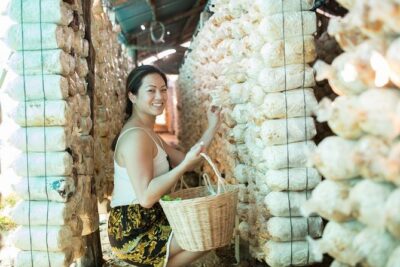
Khmer Cooking Class at a Local’s Home in Krong Siem Reap
Read our review →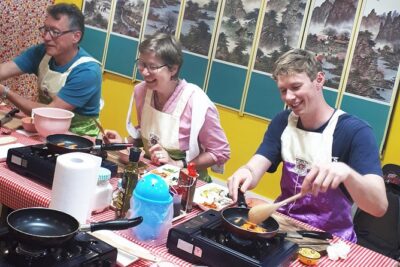
Local Home Korean Cooking Class & Market Adventure in Seoul
Read our review →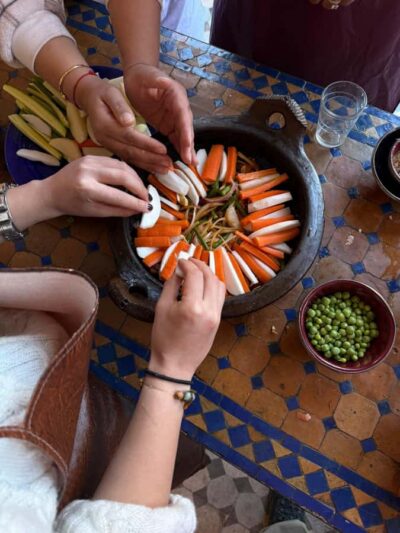
Marrakech: Moroccan Cooking Class with a Local Family
Read our review →
Mexican Cooking from Scratch in a Local Home in Tulum
Read our review →
Pastamama, Home Cooking Classes at Grace’s Home
Read our review →
Marrakech: Moroccan Cuisine Cooking Class in Local Home
Read our review →
Hoi An: Traditional Cooking Class & meal with Local Family
Read our review →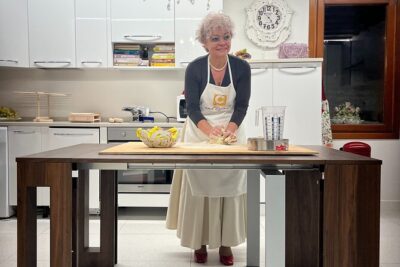
Browse the lists this tour appears in