
Review · TOKYO
Private Home Cooking in Yanaka – Local Flavors in a Warm Setting
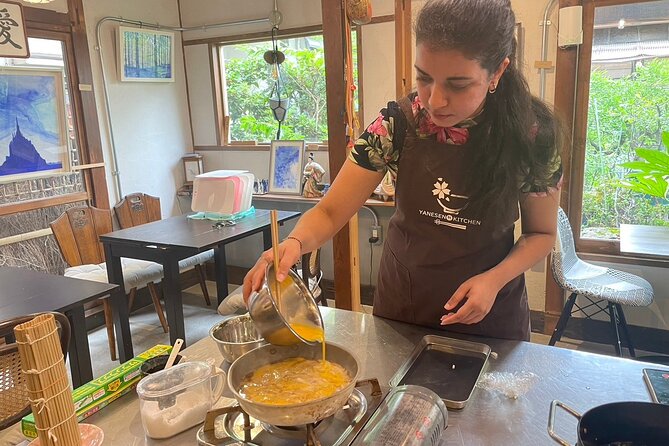
Yanaka is one of the best places in Tokyo to learn what ordinary home cooking really means. In this private two-hour class, Yuki or another YANESEN instructor puts you to work chopping, mixing, kneading, and cooking rather than having you watch a demonstration. You may make miso soup from scratch, roll sushi, prepare gyoza, or knead udon dough with your feet in a sealed bag.
I especially like the one-on-one attention and the chance to choose dishes that suit your group. I also like the location, just 100 meters from Yanaka Ginza, where you can pair the class with a walk through one of old Tokyo’s most appealing neighborhoods. The main drawback is practical: the meeting point can be hard to find, and the cooking space may feel more like a small studio or culture center than a private family home.
Key points at a glance
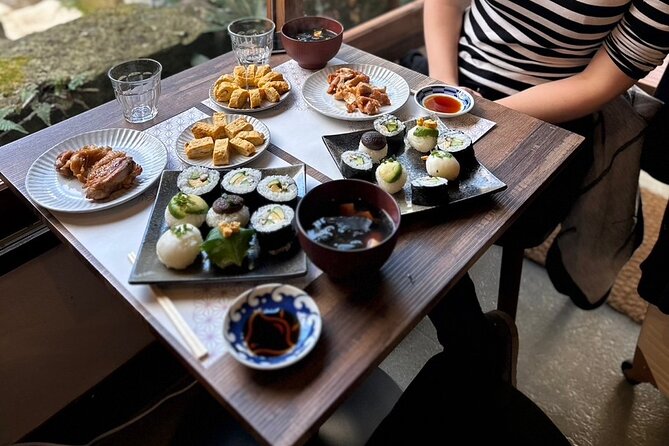
- Cook dishes you can repeat at home: Recipes include miso soup, okonomiyaki, nasu dengaku, sushi, gyoza, tempura, udon, soba, bento, oyakodon, and nikujaga.
- Meet Yuki and the YANESEN team: English instruction is available, and the class includes explanations of ingredients, tools, techniques, and local food customs.
- Choose your menu in advance: Plan A lets you choose one main dish, while Plan B lets you choose two appetizers. Special requests should be sent by the booking deadline.
- Enjoy a small, private class: Only your group participates, making it easy to ask questions and get hands-on help.
- Start near Yanaka Ginza: The nearby shopping street and Yanesen neighborhood make a good before-or-after stroll.
- Allow time to find the entrance: Check-in is at the YANESEN Tourist Information & Culture Center, with some directions pointing to a nearby coffee shop for help.
A cooking class rooted in everyday Yanaka
This is not a formal restaurant kitchen class built around polished demonstrations. The point is to cook the food Japanese families might make at home, using ingredients and methods you can understand and repeat.
The instructor explains not just what to do, but why you are doing it. You may learn how dashi is made with kombu and bonito flakes, how miso differs by region, how to judge oil temperature for tempura, or how Japanese tools change the way ingredients are prepared.
That practical focus is the strongest reason to book. You do not simply leave with a full stomach. You leave knowing how a dish comes together and how you might adapt it outside Japan.
The class is held in the Yanaka area of Tokyo, a part of the city known for its older streets, small shops, and quieter residential feel. The cooking location is close to Yanaka Ginza, so the setting adds something a standard hotel-based class cannot. You can connect the meal to the neighborhood where the instructors live and work.
The description calls it a local home kitchen, while one participant noted that the space felt more like a homey studio or culture center than an actual residence. I would set expectations accordingly. You get a personal, informal cooking lesson, but not necessarily a peek into a private family apartment.
More Home Cooking Classes in Japan
- Japanese Home Cooking Class & Walk in Todoroki Temple Tokyo
★ 5.0 · 88 reviews - Hands-on Japanese Cooking in a Shinjuku Home Kitchen with Satoru
★ 5.0 · 19 reviews - Tokyo Haneda: Bento & Ramen Gyoza Cooking Class in a Local home
★ 5.0 · 9 reviews
Choosing between the menu plans
The booking information gives you two basic menu routes. With Plan A, you choose one item from the main-dish selection. With Plan B, you choose two appetizers. You can also send menu requests before the class, including allergies, vegetarian or vegan needs, and other preferences.
The exact menu is flexible, which is useful because Japanese cooking covers a wide range of skills. If you want a filling meal, dishes such as oyakodon, nikujaga, tonkatsu, or okonomiyaki may suit you. Oyakodon combines chicken and egg over rice, while nikujaga is a comforting simmered dish of meat and potatoes.
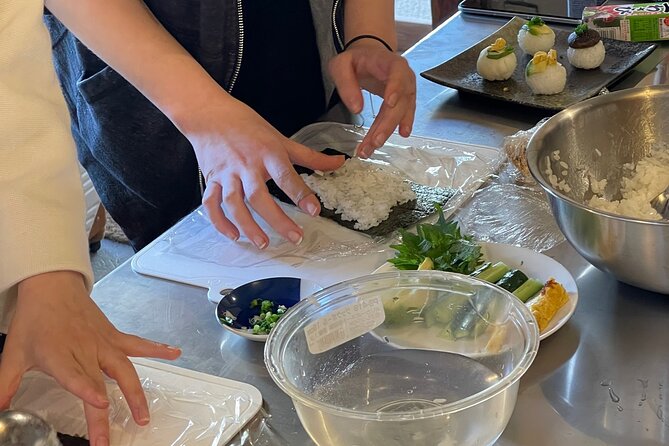
For a hands-on lesson, udon and soba offer memorable work with dough. One class included kneading udon dough with participants’ feet, using a sealed bag. That traditional method is unusual, good fun, and easy to remember. Sushi and gyoza also give you plenty to do with your hands, from shaping and rolling to filling and sealing.
If you prefer vegetable dishes, ask about nasu dengaku, eggplant with a sweet-savory miso glaze. Miso soup can become a full lesson in Japanese ingredients when you make dashi from kombu and bonito flakes, then add wakame and miso.
Send your requests early. The stated deadline is up to two days before the cooking date, and advance notice gives the instructor time to arrange ingredients. Do not assume every dish can be added at the last minute.
What the two hours feel like
You meet at the YANESEN Tourist Information & Culture Center at 3-chome-13-7 Yanaka, near Yanaka Ginza. From there, the instructor guides you to the cooking space. The location has caused some confusion, so I would leave extra time and keep the meeting details handy.
Several participants had trouble finding the entrance but received help from nearby staff. The class may also be associated with a small coffee shop called Ko Hi Ko Jo, where staff can point you in the right direction. If you are unsure, ask locally rather than wandering the side streets.
Once the cooking begins, expect to participate from the start. You may chop vegetables, prepare sauces, make stock, mix fillings, shape dumplings, roll sushi, or work with a Japanese square pan for rolled omelets. The instructors explain techniques as you go and correct your movements when needed.
English instruction is available, and Yuki is described as an excellent English speaker. Other instructors, including Yukiko, Yuli, Uki, and assistants from the YANESEN team, have also led classes. Names and staffing may vary, but the important point is that the lesson is designed for English-speaking visitors.
The class ends with a shared meal. Portions can be generous, so you should not expect a token tasting. The cooking itself is the activity, but eating the finished food gives each technique a clear purpose.
Two hours passes quickly when you are making several dishes. If you want a long, slow culinary workshop, this may feel short. If you want a compact activity that fits into a Tokyo sightseeing day, the length works well.
Ingredients, tools, and the why behind the food
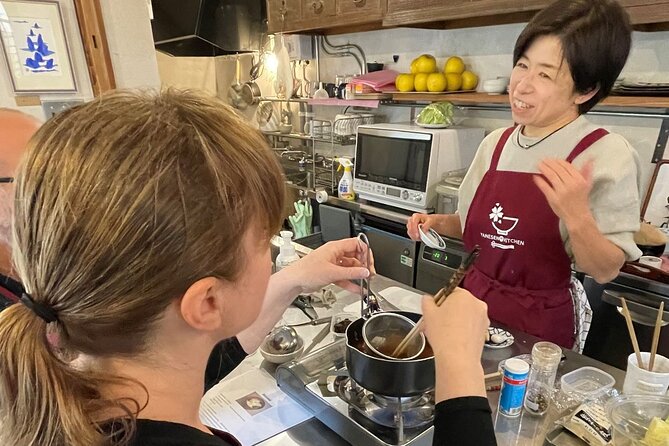
The best teaching here goes beyond recipes. You learn how Japanese food depends on balance, texture, and careful preparation.
A miso soup lesson can show you the difference between instant broth and dashi made from kombu and bonito. A tempura lesson can cover batter and oil temperature. A sushi class may introduce the handling of rice and the technique needed to roll neatly. A bento class can teach arrangement as well as cooking, since the finished box should look appealing as well as taste good.
You may also hear about regional food differences. One lesson included a discussion of miso from Nagoya, which is darker and stronger than varieties found elsewhere in Japan. Details like this help explain why Japanese food does not have one single flavor profile.
The ingredients are also practical. One participant specifically noted that the dishes used ingredients available in local markets back home. That matters if your goal is to continue cooking after your trip. A recipe is more useful when you can find the main components without visiting a specialist store.
The class suits both beginners and experienced home cooks. Beginners get patient guidance and clear steps. Confident cooks may still learn small but useful details about Japanese preparation, seasoning, and kitchen tools.
Same place, a different menu:
- Sushi Making Tokyo Roll and Authentic Japanese Sushi Class
★ 5.0 · 3,971 reviews - Tokyo: Roll and Authentic Sushi Making Class in Asakusa
★ 4.9 · 1,957 reviews - Tokyo: Sushi Making Class in a Happi Coat near a Famous Spot
★ 4.9 · 1,377 reviews - Sushi Making Tokyo! Popular Maki Sushi & Japanese Sushi(+Recipe!)
★ 5.0 · 1,314 reviews
Why the private format matters
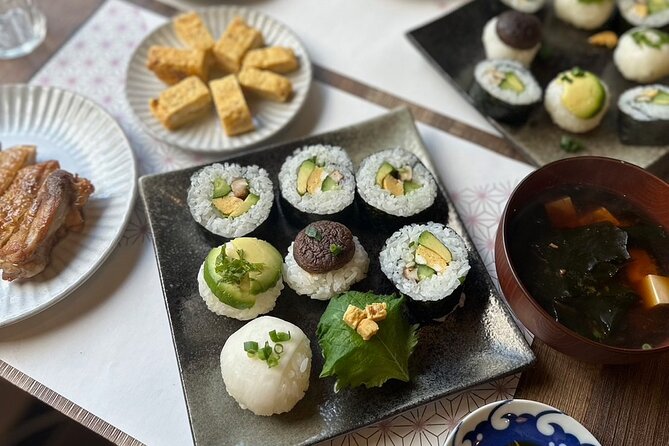
This is a private activity, so only your group participates. That makes a real difference in a cooking lesson. You can ask why a certain miso is used, request a slower explanation, or repeat a technique without worrying about holding up a large class.
Solo visitors may receive one-on-one instruction. Couples and families can work together without being split among stations. The class has also worked well for children because the instructors explain the steps in clear English and involve everyone.
The format is especially helpful if you have dietary needs. Allergies, vegetarian and vegan requests, and other menu changes can be discussed in advance. You should provide precise details when booking, rather than expecting the instructor to identify a concern during the lesson.
There is also a social side. The instructors ask about your own food and lifestyle, not just Japanese customs. That exchange can make the experience feel more personal than a standard guided demonstration.
Still, private does not mean luxurious. The space is small and home-style, and the experience is built around participation. You may be standing, handling ingredients, and working close to others. If you prefer a polished studio with individual workstations and a formal chef-led presentation, choose carefully.
Pairing the class with Yanaka Ginza
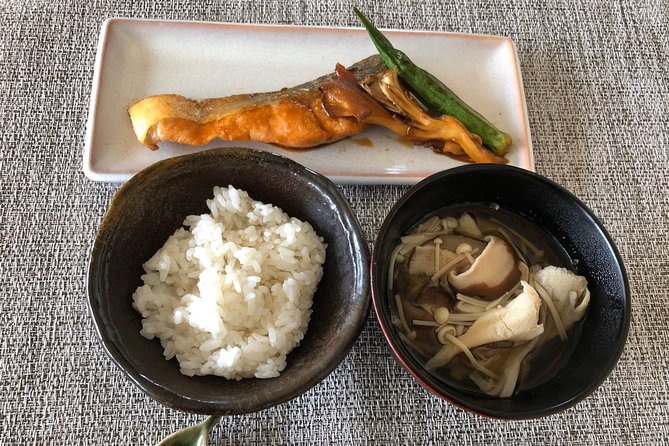
The location is one of the experience’s best features. Yanaka Ginza is only about 100 meters away, making it easy to visit before or after the class.
This part of Yanesen gives you a look at a more local side of Tokyo. You can browse small shops, walk residential streets, and combine food with a neighborhood visit instead of crossing the city for a single activity.
I would not schedule the class at the very end of a tightly timed sightseeing day. Finding the meeting point may take a little effort, and you will want time for Yanaka Ginza itself. A lunch class followed by a walk works well, as does an afternoon stroll followed by dinner.
The activity ends back at the meeting point. From there, the staff can help with directions. One instructor even helped a participant find the train station afterward, which is useful if Yanaka is unfamiliar to you.
Is $122.23 a fair price?
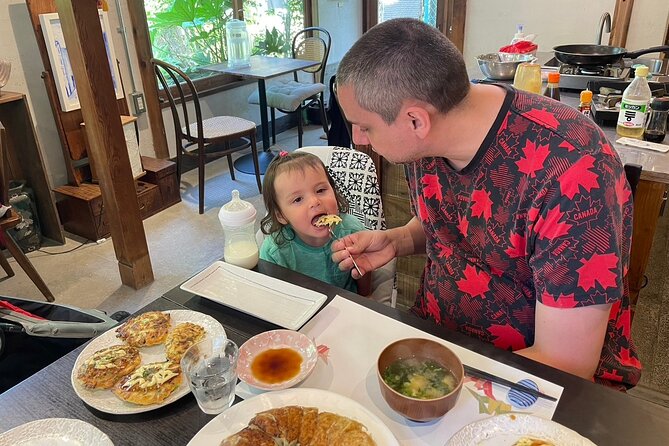
At about $122.23 per person, this is not a cheap meal or a quick market demonstration. You are paying for a private class, ingredients, instruction in English, a full meal, and the flexibility to discuss your menu in advance.
The value is strongest for solo visitors, couples, families, and small groups who want direct instruction. In a larger public class, you may watch more and cook less. Here, your group gets the instructor’s attention, and the recipes can be adjusted to your interests.
Group discounts are available, so the per-person cost may work better for a small party. You should compare the price with other private cooking lessons in Tokyo, but the combination of a local instructor, flexible menu, and Yanaka setting gives this experience a clear purpose.
The value is weaker if you mainly want to eat Japanese food. Tokyo offers less expensive meals everywhere. Book this for the cooking, conversation, and skills, not simply for lunch or dinner.
The small drawbacks to plan around
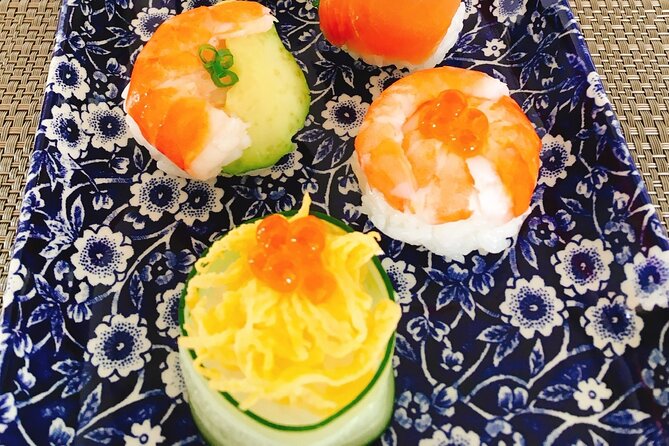
The biggest practical issue is finding the location. The meeting point is clearly named, but the entrance can be confusing because the cooking space is on a side street near a coffee shop. Have the address ready and ask for help as soon as you reach Yanaka Ginza.
The second issue is the two-hour limit. You can make a satisfying meal in that time, but you may not cover every dish you want. Menu choices need to be discussed before arrival, and last-minute changes may not be possible.
The setting may also surprise you. The experience is described as taking place in a local home kitchen, but the space may feel like a compact workshop or culture center. That does not remove the personal feel, but it is worth knowing if you expect to enter a private family home.
Finally, cancellations are free up to 24 hours before the start time. Changes or cancellations inside that window are not refunded. The activity can also be canceled if the minimum number is not met or if poor weather affects the booking, in which case you are offered another date or a refund.
Who should book this Yanaka cooking class?
Book it if you want to learn dishes you can make again, especially miso soup, gyoza, sushi, udon, bento, okonomiyaki, or nasu dengaku. It is a good first-day activity because the friendly setting can help you get comfortable with Japanese food and daily life.
Families should consider it because the work is active and adaptable. Solo visitors may get especially strong value from the private format. Experienced cooks can also benefit from the focus on dashi, regional miso, oil temperature, dough, and Japanese tools.
I would skip it if you dislike hands-on food preparation, have only a few spare minutes, or want a restaurant meal with no instruction. I would also avoid booking without sending allergy and menu details ahead of time.
For most food-focused visitors, this is a worthwhile way to spend two hours in Yanaka. You cook real dishes, talk with local instructors, eat what you make, and finish close to one of Tokyo’s nicest neighborhood shopping streets. Just allow extra time to find the entrance and keep your expectations centered on a small, friendly workshop rather than a polished culinary school.
FAQ
How long does the cooking experience last?
The class lasts approximately two hours.
Where does the activity start and end?
It starts at the YANESEN Tourist Information & Culture Center at 3-chome-13-7 Yanaka, Taito City, Tokyo. The activity ends back at the meeting point.
Can I request vegetarian, vegan, or allergy-friendly dishes?
Yes. Vegetarian, vegan, allergy-related, and other menu requests can be arranged when you make the reservation. You should provide the details in advance.
What menus can I choose?
Plan A lets you choose one main dish. Plan B lets you choose two appetizers. You can also discuss requested menus through the contact form up to two days before the cooking date.
Is the class private?
Yes. Only your group participates in the activity.
Can I cancel for a full refund?
You can cancel at least 24 hours before the start time for a full refund. Cancellations or changes made less than 24 hours before the start time are not accepted for a refund.
More Home Cooking Classes in Tokyo
- Khmer Cooking Class at a Local’s Home in Krong Siem Reap
★ 5.0 · 2,731 reviews - Local Home Korean Cooking Class & Market Adventure in Seoul
★ 5.0 · 1,024 reviews - Marrakech: Moroccan Cooking Class with a Local Family
★ 4.9 · 668 reviews - Mexican Cooking from Scratch in a Local Home in Tulum
★ 5.0 · 585 reviews
Just added around Tokyo
- Tokyo: Tsukiji Market Walking Tour & Sushi Cooking Class★ 4.6 · 122 reviews
- Tokyo: Sushi Cooking Class with Sake Tasting★ 4.8 · 55 reviews
- Sushi-Making Experience★ 4.7 · 4 reviews
- Tokyo: Tsukiji Market Guided Tour & Sushi-Making Experience★ 4.4 · 11 reviews
- Tokyo: Sushi and Ramen Cooking Class with Sake Pairing Set★ 5.0 · 81 reviews
- Tokyo: Kawaii Bento Cooking Class – Cute Character Lunchbox★ 4.9 · 55 reviews
- Tokyo: Learnt to cook Bento, Oyakodon and More!★ 5.0 · 5 reviews
- Tokyo: Real Ramen & Dumpling Cooking with Master Chef★ 5.0 · 10 reviews
Home Cooking Classes, compared.
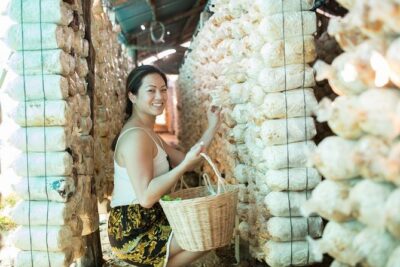
Khmer Cooking Class at a Local’s Home in Krong Siem Reap
Read our review →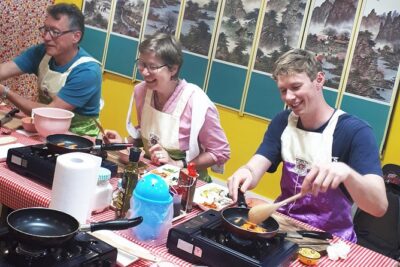
Local Home Korean Cooking Class & Market Adventure in Seoul
Read our review →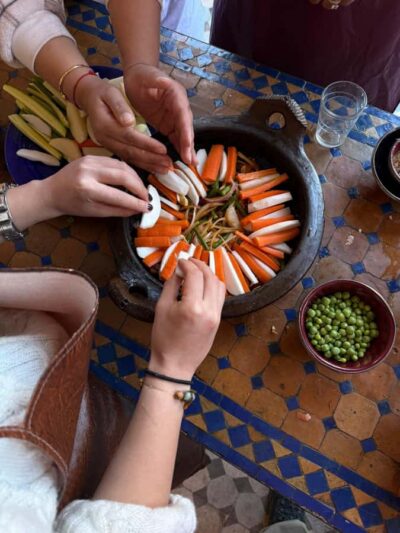
Marrakech: Moroccan Cooking Class with a Local Family
Read our review →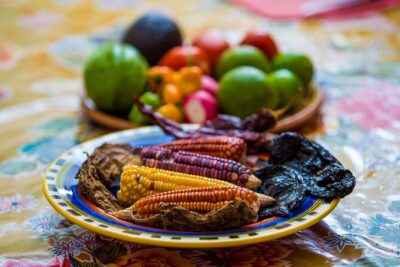
Mexican Cooking from Scratch in a Local Home in Tulum
Read our review →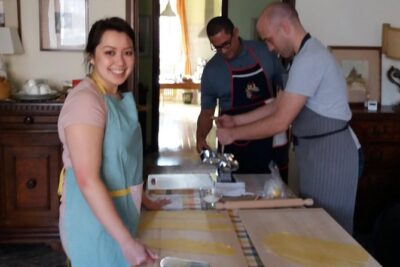
Pastamama, Home Cooking Classes at Grace’s Home
Read our review →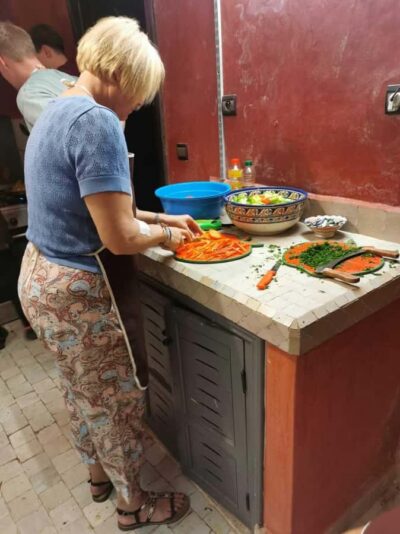
Marrakech: Moroccan Cuisine Cooking Class in Local Home
Read our review →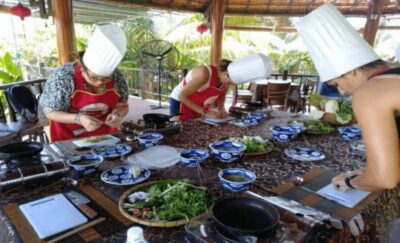
Hoi An: Traditional Cooking Class & meal with Local Family
Read our review →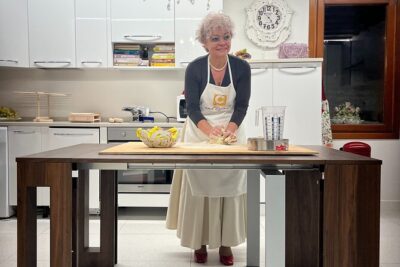
Browse the lists this tour appears in