
Review · KYOTO
Kyoto Home Cooking Class &Supermarket tour near Fushimiinari
Japanese cooking makes much more sense when you learn the quiet foundation beneath it: dashi, the soup stock used in miso soup and many other dishes. This four-hour class near Fushimi Inari takes you into a traditional Japanese home, where you prepare several dishes, eat them beside a garden, and then shop for the same ingredients at a local supermarket.
I like two things in particular. Miho’s clear, patient teaching helps first-time cooks handle dishes such as rolled omelet, tempura, sushi, miso soup, and mochi. I also like the supermarket visit, since it turns unfamiliar labels and ingredients into things you can actually recognize back home. The main consideration is the price, $127 per person, which is fair for a small class with lunch and a four-hour schedule, but high if you want only a quick cooking demonstration.
Key points before you book
- Start with dashi: Learn the basic Japanese stock used in soups and many everyday dishes.
- Cook several dishes yourself: The class includes about five dishes, with menus changing by season.
- Eat in a traditional home: Lunch is served in a Japanese room with views toward a garden.
- Shop with a local guide: The supermarket walk explains Japanese ingredients, seasonings, and labels.
- Small English-language group: The maximum is six people, and instructors are licensed guide interpreters.
- Vegetarian and vegan options: Vegetarian dashi is used, but tell the instructor about your needs in advance.
A Japanese cooking class that feels like lunch at a friend’s home
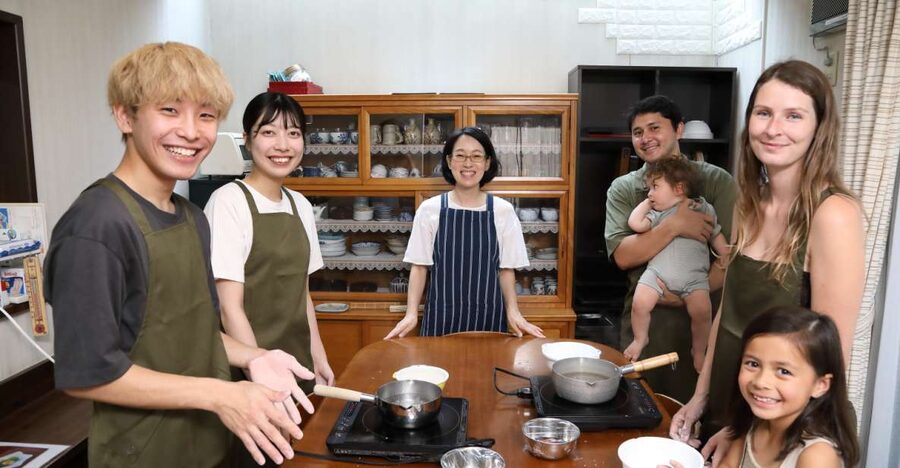
The setting does much of the work here. Instead of sitting in a commercial kitchen or a large tourist studio, you enter a traditional Japanese house near Fushimi Inari and cook in a domestic setting. The appeal is simple: you are not only learning recipes, you are seeing how Japanese food fits into an ordinary home.
The class is led by Miho at iroHa cooking studio, and the teaching is conducted entirely in English. The instructors are licensed guide interpreters, so you can ask about both technique and culture without worrying about a language gap.
The group limit of six matters. Cooking becomes awkward when too many people crowd around one cutting board, but this format keeps the session personal. You may cook alone or work with a partner, depending on the group. Even if you arrive by yourself, the small size gives you a fair chance to speak with the instructor and take part in each step.
The mood is friendly rather than formal. Past classes have included families, couples, and solo participants, and the teaching can be adapted for children aged 12 and under when they are accompanied by a guardian. Children under six cannot join.
More Home Cooking Classes in Japan
- Near Fushimiinari: Kyoto Home Cooking Class & Supermarket tour
★ 5.0 · 100 reviews - Private Home Cooking in Yanaka – Local Flavors in a Warm Setting
★ 5.0 · 173 reviews - Japanese Home Cooking Class & Walk in Todoroki Temple Tokyo
★ 5.0 · 88 reviews
Learning dashi before the dishes begin
The most useful lesson comes at the start: dashi. This Japanese soup stock appears in much more than soup. It helps build the savory base of home cooking, and learning how it works gives you a better sense of why Japanese dishes taste the way they do.
Miho demonstrates the process before you begin. That pattern continues through the class: watch a technique, try it yourself, then get help as needed. This is more useful than simply watching a chef cook a finished dish, because you leave knowing how to repeat the steps.
The class uses vegetarian dashi, which makes the experience suitable for vegetarian and vegan participants. You should still explain your dietary needs before the class so the menu can be handled properly. The advertised menu changes with the season, so you should not book expecting a fixed list of dishes.
Preparing about five Japanese dishes
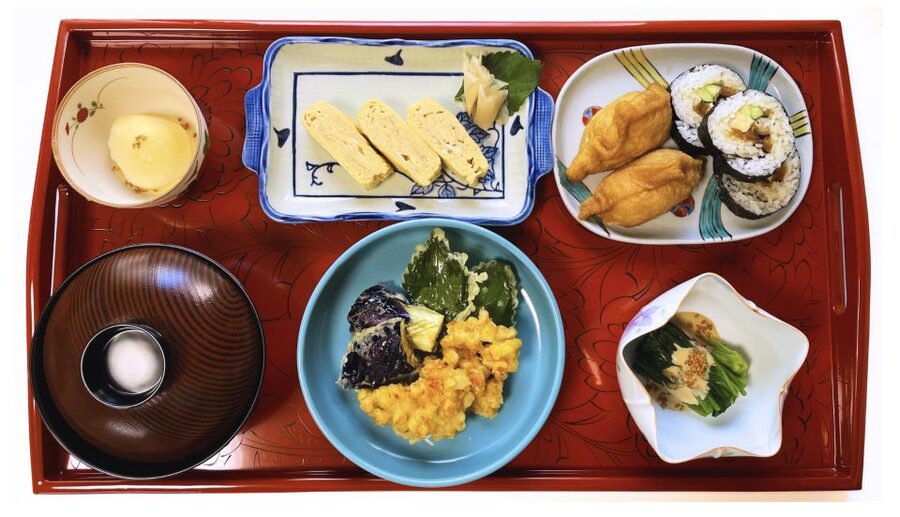
You prepare about five dishes yourself or with a partner. The exact menu depends on the season, and previous sessions have included different combinations of sushi, tempura, miso soup, Japanese rolled omelet, salad, and dessert. One class included seven dishes, while another focused on items such as sushi, tempura, mochi, and soup.
That variety is part of the value. You are not learning one narrow recipe. You are getting a short tour of Japanese home cooking, from soup stock and eggs to frying, rolling, seasoning, and dessert preparation.
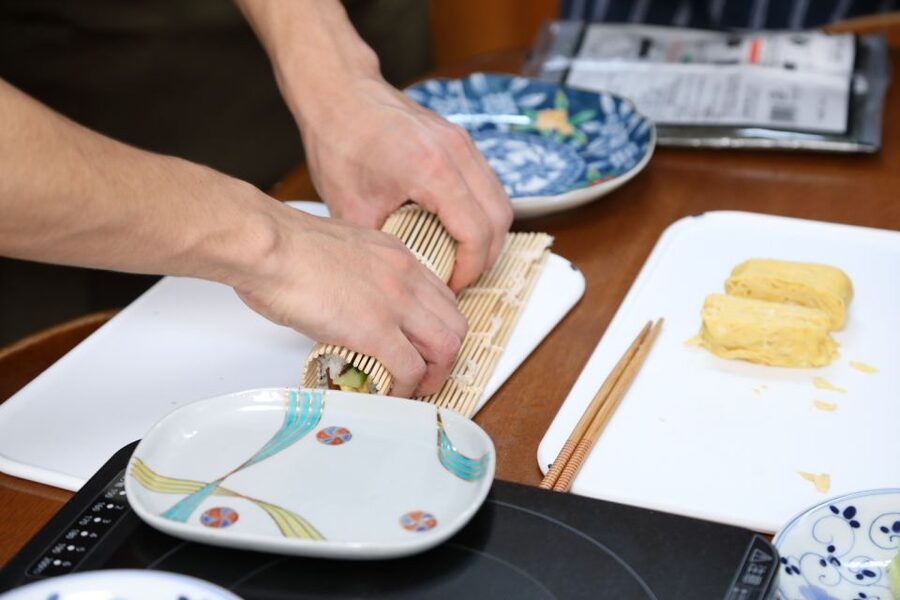
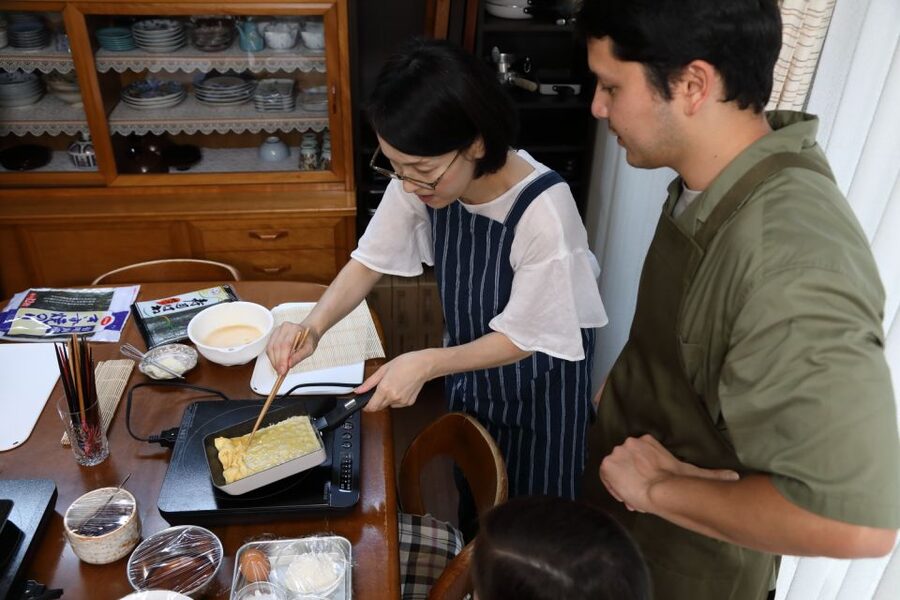
The rolled omelet, known as tamagoyaki, can be a useful challenge. It looks simple, but getting the layers right takes some practice. An instructor demonstration helps you understand the timing and movement before you try it. The class is designed for ordinary cooks, not trained chefs, so mistakes are part of the process rather than a reason to feel out of place.
Tempura adds another useful skill. You learn how to prepare food for frying and how Japanese cooks aim for a light result. Sushi gives the session a familiar highlight, while miso soup and salad show how everyday side dishes fit around a meal.
The recipes are provided afterward, which is important. Without written instructions, a cooking class can become a pleasant memory that is hard to repeat. Here, you have a practical reference for making the dishes for family and friends at home.
Lunch beside the garden
Once the cooking is finished, you sit down together and eat what you prepared. Lunch takes place in a traditional Japanese room with a garden view, giving the meal a calmer rhythm than the average restaurant stop.
This is one of the strongest parts of the experience. The room lets you see the connection between Japanese food and Japanese hospitality. You are not rushing through a tasting counter or eating a pre-plated meal. You have prepared the food, then sit down in a home-like space to enjoy it.
The setting also adds value to the $127 price. The fee includes lunch, all ingredients, and seasonings, so you are paying for instruction, food, a small group, and access to a traditional home setting. It is not a cheap meal, but it is more than a meal. You spend four hours learning skills you can use again.
Still, the price will not suit every budget. If you mainly want to sample Japanese food, a restaurant or market visit will cost less. I would choose this class if you enjoy hands-on activities and want to take something useful home with you.
More Home Cooking Classes in Kyoto:
- Khmer Cooking Class at a Local’s Home in Krong Siem Reap
★ 5.0 · 2,731 reviews - Local Home Korean Cooking Class & Market Adventure in Seoul
★ 5.0 · 1,024 reviews - Marrakech: Moroccan Cooking Class with a Local Family
★ 4.9 · 668 reviews - Mexican Cooking from Scratch in a Local Home in Tulum
★ 5.0 · 585 reviews
The supermarket visit makes the class practical
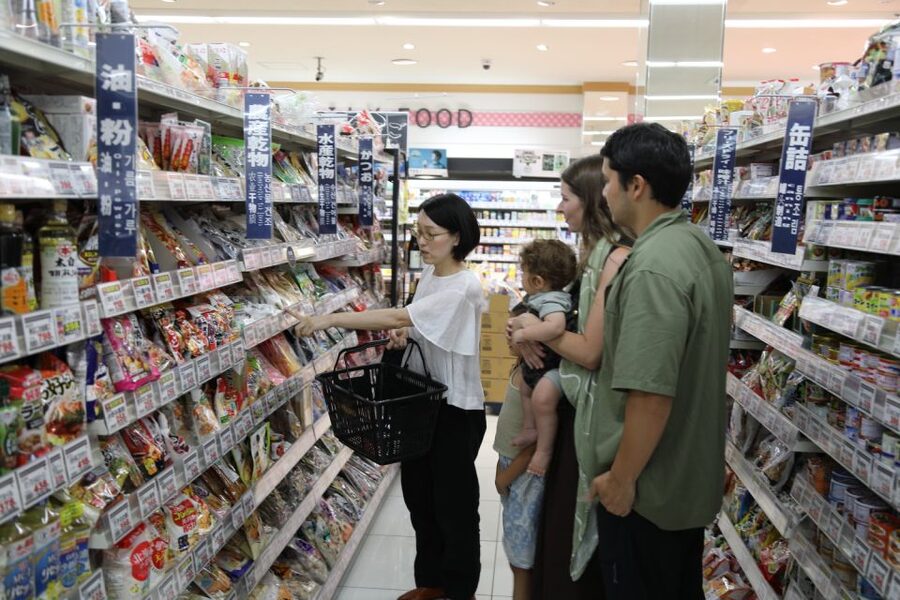
After lunch, you visit a local supermarket with the instructor. This is not filler. It connects the recipes to the way you will shop once you leave Japan.
Miho explains the ingredients used in the class and points out other Japanese products along the aisles. She can translate and explain products beyond the exact items you cooked with, helping you make sense of labels, seasonings, vegetables, spices, and packaged foods.
For many people, this will be the most useful part after the cooking itself. Japanese supermarkets can be hard to read when you do not know the language, and familiar-looking products may have different uses. Seeing the ingredients in their everyday shopping environment gives you a better chance of finding substitutes or matching products at home.
You can also buy ingredients for your own kitchen if you wish. That makes the supermarket stop a practical shopping lesson rather than a simple walk through a store. Do not expect a major food-market tour, though. The focus is on Japanese supermarket products and the ingredients connected to the class.
What makes the guides effective
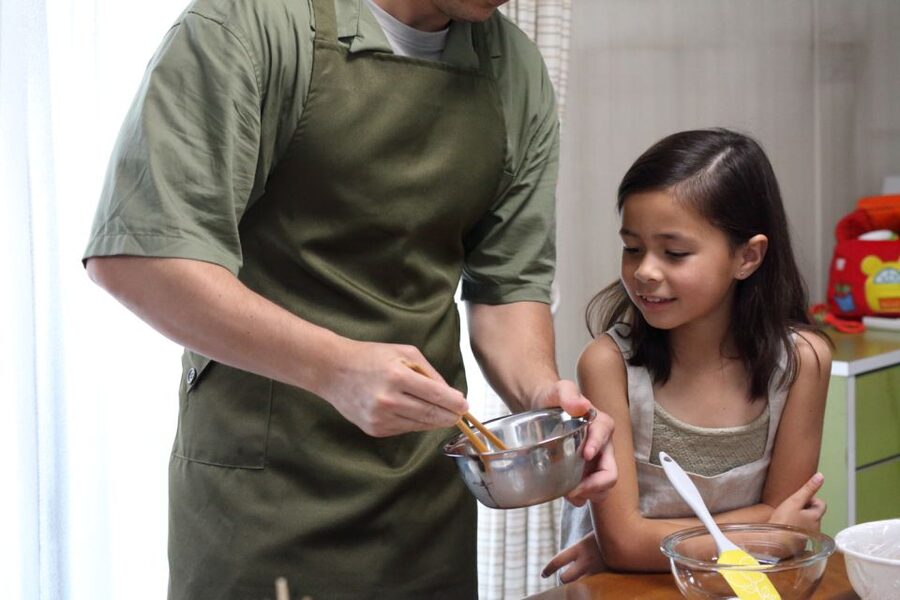
Miho receives especially strong praise for her teaching style. The useful traits here are not showy chef skills. She gives direct instructions, explains the steps carefully, and remains patient while you work.
That approach suits a class with several dishes. You need an instructor who can keep the pace moving without making you feel hurried. The class also has enough structure to cover a full meal within four hours, while still allowing time to ask questions.
The instructors are licensed guide interpreters, and the class is taught in English. The experience is also open to English and non-English speakers, according to the activity details. If you are traveling alone, the small group helps keep the social side easy, but you should still expect to take an active part rather than simply observe.
Timing, comfort, and practical limits
The experience lasts four hours, with starting times available according to the date you select. Plan your day around that full block, especially if you have other timed plans near Fushimi Inari.
You need to bring socks. That is a small but important detail for a traditional Japanese room, where you may remove your shoes. Wear clothing that lets you move comfortably while cooking, although no special equipment is listed as required.
Hotel pickup and drop-off are not included. You need to make your own way to the class location. The activity is not suitable for wheelchair users, and children under six cannot participate. Children aged 12 and younger must attend with a guardian.
The menu can change with the season. That is a good thing if you want food that fits the time of year, but it means the exact dishes are not guaranteed. If you have a dietary restriction, contact the provider ahead of time rather than relying on changes at the last minute.
Who will get the most from this class
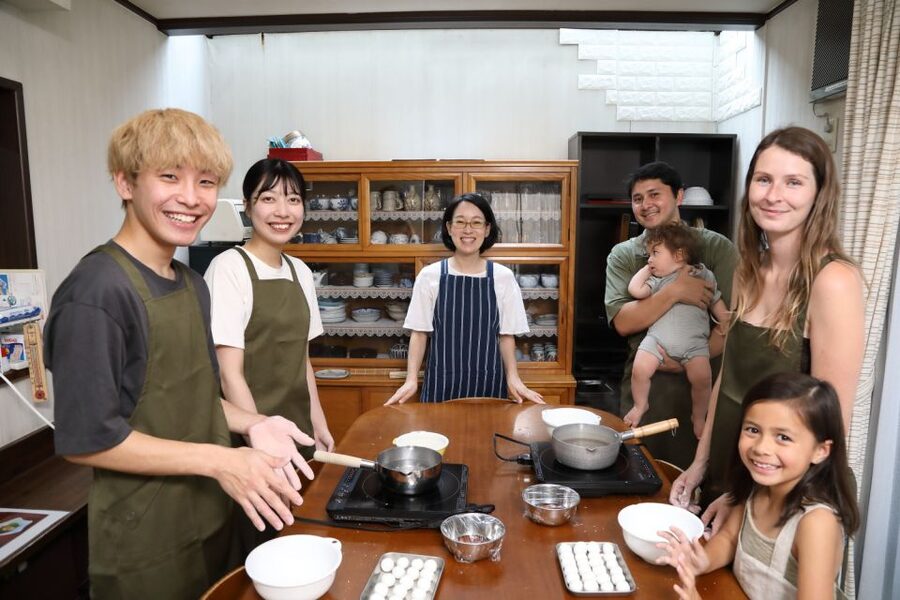
I would recommend this experience to you if you enjoy cooking, local homes, and food you can recreate later. It works especially well for couples, families with older children, solo participants, and anyone who wants more than a standard sightseeing stop near Fushimi Inari.
It is also a strong choice for vegetarians and vegans because vegetarian dashi is used. Advance notice still matters, since the seasonal menu may need adjustments.
You may want to skip it if you dislike group activities, have very little time in Kyoto, or want a strictly professional kitchen lesson. The setting is home-like, and the class includes conversation, lunch, and shopping alongside the cooking.
Is $127 a fair price?
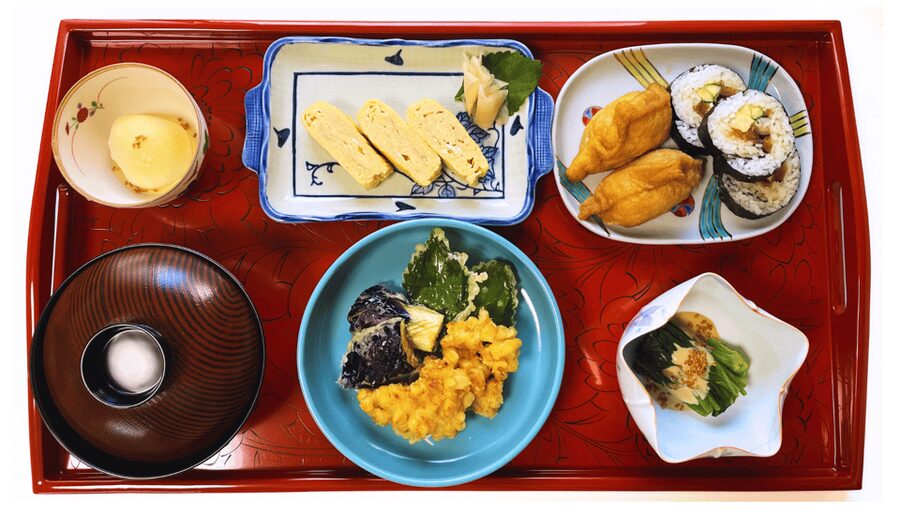
At $127 per person, this sits in the upper range for a cooking class, but the four-hour format gives you several parts in one booking. You get a small English-language lesson, ingredients, seasonings, lunch, recipes, a traditional home setting, garden views, and a guided supermarket visit.
The value is strongest when you plan to use the recipes later. If you return home and make the miso soup, omelet, sushi, tempura, or other seasonal dishes for your family, the class keeps paying you back in practical knowledge.
The value is weaker if you see the activity only as lunch. The food is included, but the main point is learning and context. I would compare it with the cost of other hands-on classes in Kyoto, then ask yourself if the home setting and supermarket help are worth the difference.
Flexible booking also helps. You can cancel up to 24 hours ahead for a full refund, and the reserve-now, pay-later option lets you hold a place without paying immediately.
Should you book the Kyoto home cooking class?
Book it if you want a personal, hands-on introduction to Japanese food rather than a quick demonstration. The mix of dashi, several dishes, a home-cooked lunch, a garden-view room, and supermarket guidance gives you a useful picture of everyday Japanese cooking.
I would make this a priority for food-focused visitors, vegetarians, and anyone who likes bringing practical skills home from a trip. Just remember the $127 cost, the four-hour commitment, the seasonal menu, and the need to bring socks. For the right kind of visitor, the class offers both a memorable Kyoto setting and recipes you can actually use.
FAQ
How long does the Kyoto cooking class last?
The experience lasts four hours, including the cooking class, lunch, and local supermarket visit.
Where does the cooking class take place?
It takes place near Fushimi Inari in a traditional Japanese home with a garden view.
How many people can join the class?
The small group has a maximum of six participants.
Is the class taught in English?
Yes. The class is conducted entirely in English, and the instructors are licensed guide interpreters.
How many dishes will I prepare?
You will prepare about five dishes, although the menu may change by season. Previous menus have included sushi, tempura, miso soup, rolled omelet, salad, mochi, and dessert.
Are vegetarian or vegan participants welcome?
Yes. Vegetarian dashi is used, and vegetarian and vegan participants are welcome. Tell the instructor about your dietary needs in advance.
What should I bring?
Bring socks. Hotel pickup and drop-off are not included.
Can children participate?
Children under six cannot participate. Children aged 12 and under must attend with a guardian.
More Hands-On Workshops in Kyoto
- Ramen Cooking Class at Ramen Factory in Kyoto
★ 5.0 · 1,937 reviews - Kyoto: Ramen Cooking Class at a Ramen Factory with Souvenir
★ 4.9 · 532 reviews - Kyoto: Ramen, Gyoza, and Onigiri Cooking Class
★ 5.0 · 445 reviews - The Original Small-Group Sushi Making Class in Kyoto
★ 5.0 · 436 reviews
Just added around Kyoto
- Kyoto: Sushi Making Class with Sushi Chef★ 4.8 · 64 reviews
- Nishiki Market Food Tour with Cooking Class★ 4.9 · 42 reviews
- Kyoto: Wagashi (Japanese sweets) Cooking near Fushimiinari★ 5.0 · 40 reviews
- Kyoto: Sushi Making Experience in Kawaramachi★ 4.8 · 13 reviews
- Kyoto: Small-Group Authentic Sushi Making Workshop★ 5.0 · 137 reviews
- Kyoto Udon & Tempura Cooking Class with Professional Chefs★ 3.8 · 3 reviews
- Kyoto: Cooking class, learning how to make authentic sushi★ 4.2 · 9 reviews
- Kyoto: Morning Japanese Bento Cooking Class★ 5.0 · 149 reviews
Home Cooking Classes, compared.
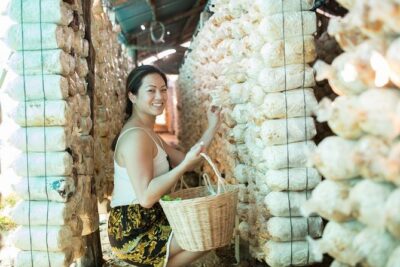
Khmer Cooking Class at a Local’s Home in Krong Siem Reap
Read our review →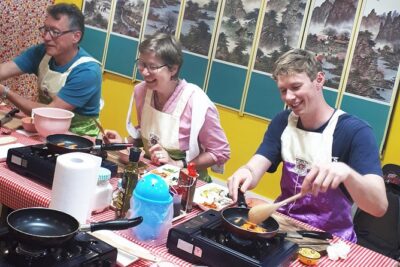
Local Home Korean Cooking Class & Market Adventure in Seoul
Read our review →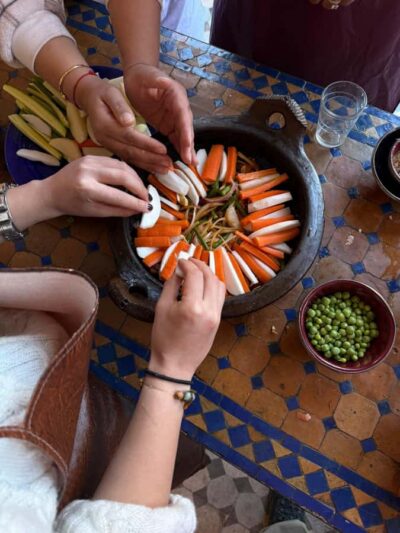
Marrakech: Moroccan Cooking Class with a Local Family
Read our review →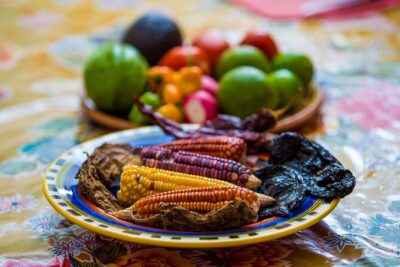
Mexican Cooking from Scratch in a Local Home in Tulum
Read our review →
Pastamama, Home Cooking Classes at Grace’s Home
Read our review →
Marrakech: Moroccan Cuisine Cooking Class in Local Home
Read our review →
Hoi An: Traditional Cooking Class & meal with Local Family
Read our review →
Browse the lists this tour appears in