
Review · JAPANESE & SUSHI
Private Japanese Cooking Class in Hiroshima with Machiko’s Family
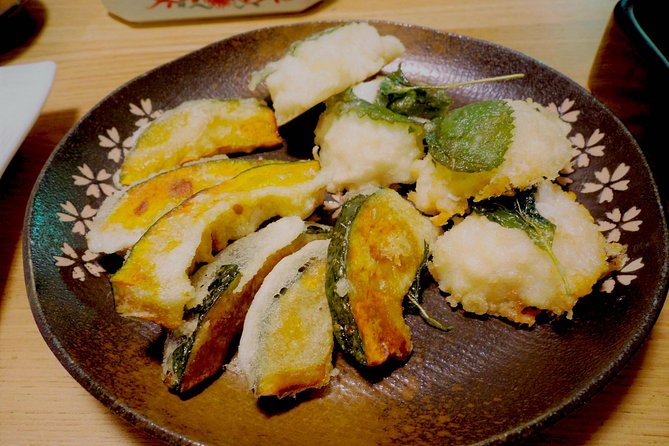
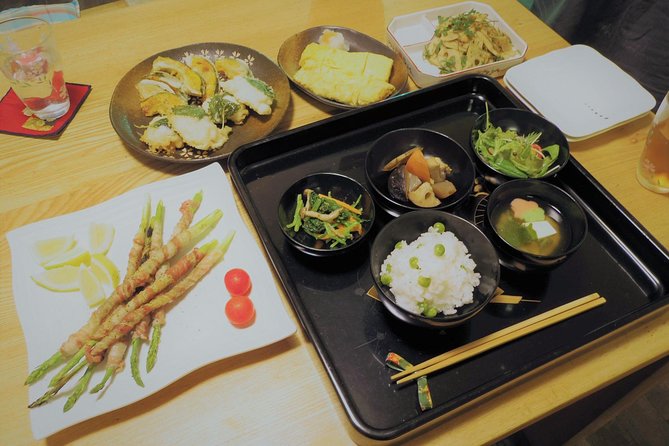
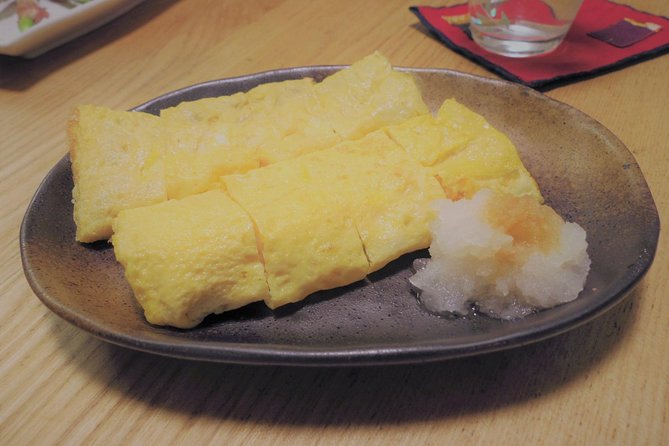
The best part of this Hiroshima experience happens away from the sightseeing circuit: you enter Machiko’s family home, cook together in her kitchen, and share the meal at her dining table. You may make miso soup, sesame-dressed salad, Japanese omelet, karaage, tempura, rice balls, or hand-rolled sushi, depending on the day.
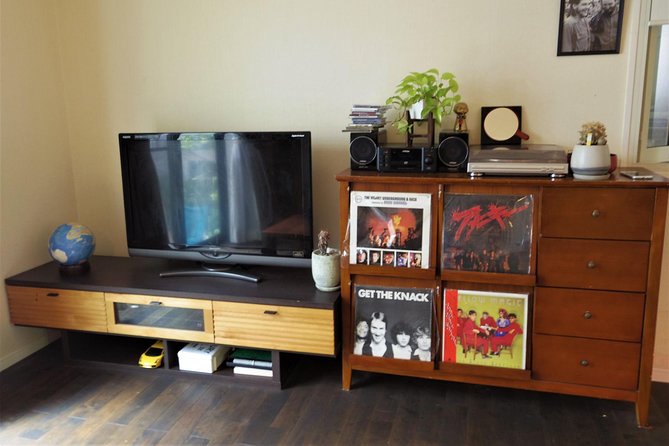
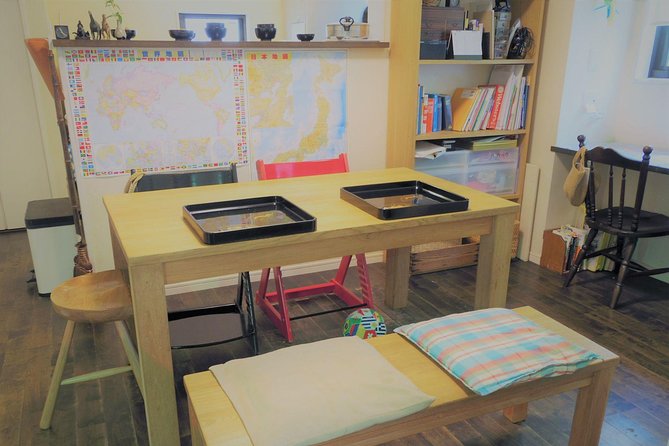
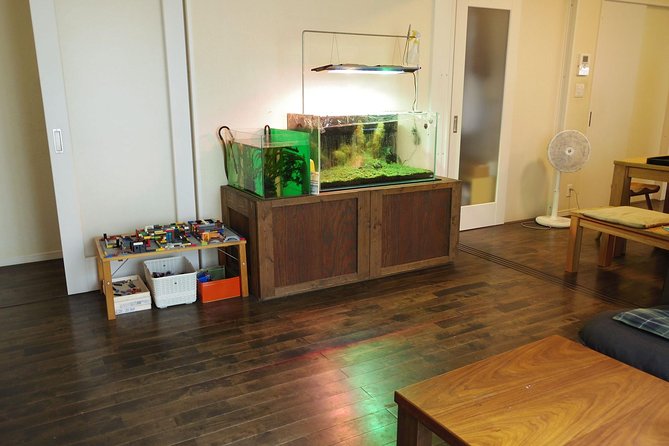
I like the private setting, since your group gets direct help rather than being folded into a large class. I also like the chance to meet Machiko, her husband Daishi, and possibly their children in a real residential neighborhood, complete with family photos, toys, an aquarium, and an old turntable.
The main consideration is the location. Machiko’s home is about a 20-minute streetcar ride from central Hiroshima, and you must make your own way there. At $108 per person, this is not a cheap meal, but it buys a three-hour cultural visit, hands-on instruction, and a home-cooked lunch or dinner rather than a restaurant seat.
Key points about cooking with Machiko
- Private home visit: Only your group takes part, giving you plenty of time for questions and conversation.
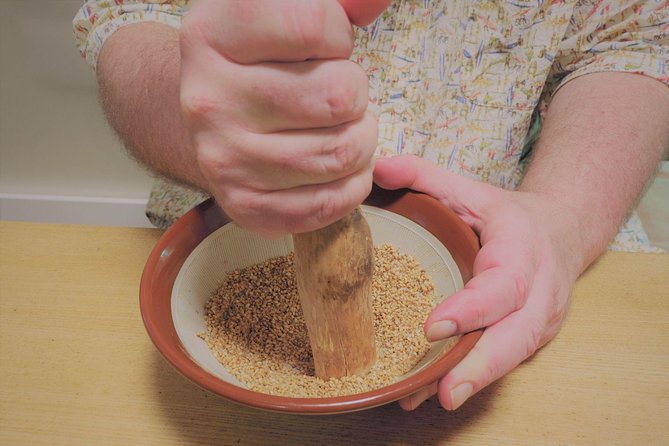
- Traditional kitchen methods: You may crush sesame with a mortar and pestle while making a dressing from scratch.
- Family-style meal: After cooking, you sit at Machiko’s dining table and eat what you prepared.
- Flexible menu: The food may include miso soup, salad, Japanese omelet, karaage, tempura, rice balls, sushi, and green tea sweets.
- Vegetarian and vegan friendly: Tell the provider about your dietary needs when booking.
- Easy city access: The home is roughly 20 minutes from central Hiroshima by streetcar, but hotel pickup is not included.
A real Hiroshima home, not a demonstration kitchen
This experience begins at 10:00 a.m. at 1-chōme-5-20 Ujinamiyuki in Hiroshima’s Minami Ward. The address places you in a leafy residential area, about a 20-minute streetcar ride from the city center.
That setting matters. You are not walking into a polished cooking studio built for tourists. You are visiting Machiko’s home, where the surroundings include an old turntable and albums, an aquarium, family photographs, and children’s toys. Those details give the visit a lived-in feel before you even start cooking.
I like this kind of setting because it changes the pace of a Hiroshima day. After memorial sites, museums, shopping streets, and busy restaurants, you get a quieter look at ordinary family life. The experience is still organized, but the backdrop is personal rather than commercial.
You should plan your route carefully and allow time to find the address. Since hotel pickup and drop-off are not included, the responsibility for getting there is yours. The experience ends back at the same meeting point.
More Sushi and Japanese Classes in Japan:
- Sushi Making Tokyo Roll and Authentic Japanese Sushi Class
★ 5.0 · 3,971 reviews - Tokyo: Roll and Authentic Sushi Making Class in Asakusa
★ 4.9 · 1,957 reviews - Ramen Cooking Class at Ramen Factory in Kyoto
★ 5.0 · 1,937 reviews
The 1.5-hour cooking lesson
The cooking portion lasts about an hour and a half within the total three-hour visit. Machiko teaches you to prepare two or three traditional Japanese dishes from scratch, with the exact menu depending on what she chooses to cook with your group.
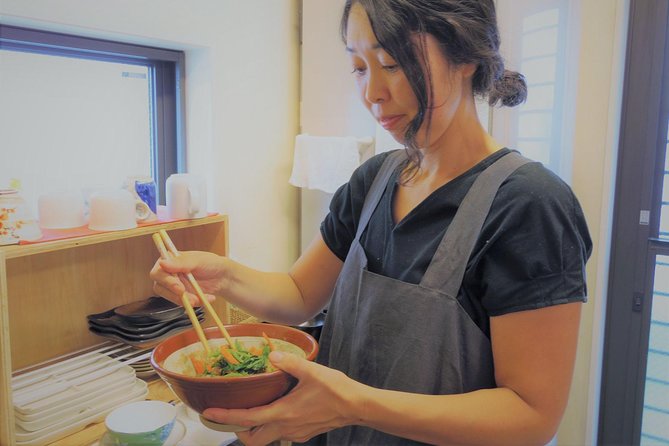
The class is hands-on. You are not simply watching Machiko prepare food while a guide explains the steps. You help make the dishes, follow her instructions, and learn the small methods that often disappear from a restaurant meal.
One good example is the salad dressing. Rather than reaching for a ready-made bottle, you may use a mortar and pestle to crush sesame yourself. That simple action gives you a better feel for the texture and aroma of the ingredient, while also showing how everyday Japanese cooking can rely on basic tools.
Machiko’s teaching style is step by step. That makes the class suitable for people with different levels of cooking skill. You do not need to arrive as an expert, and the focus is on making food together rather than racing through a difficult recipe.
The menu can include miso soup, salad with sesame dressing, Japanese omelet, or karaage and tempura. Karaage and tempura are deep-fried dishes that may use meat or seafood, so ask about the exact menu if you have dietary restrictions.
Other possible dishes include rice balls, hand-rolled sushi, and sweets flavored with green tea. A past class included Hiroshima-style okonomiyaki, a local specialty worth asking about when you book, although it is not guaranteed for every visit.
The menu variety is one of the class’s strengths, but it is also something to understand before you reserve. You are not buying a fixed restaurant menu. You are joining a home-cooking session, so the dishes can change.
From kitchen work to a shared Japanese meal
After cooking, you sit down with Machiko and share the food you helped prepare. This is more than a practical lunch break. It is the part of the visit where cooking turns into conversation.
Machiko’s husband, Daishi, and their children may join you when they are available. Their participation is not guaranteed, but when the family is present, the meal can feel especially personal. You have a chance to talk about travel, food, and daily life with people who live in Hiroshima rather than with a guide moving from one scheduled stop to the next.
The meal is home cooking, not restaurant food. That distinction is useful. You should expect food made for a family table, with the direct and relaxed quality that brings. The appeal is not fancy presentation. It is learning how dishes are prepared and then eating them with the people who taught you.
Green tea-flavored sweets may be part of the meal. You can also expect rice and familiar Japanese flavors, though the exact dishes depend on the session.
The dining portion gives the class its strongest cultural value. Cooking shows you techniques. Eating together gives those techniques a place in everyday life. You see how the food fits into a household, and you can ask questions that might never come up during a formal tour.
Why the private format is worth considering
This is a 100 percent private activity, so only your group takes part. That is useful if you want to ask basic questions, need a slower pace, or prefer not to cook in front of strangers.
A private class also makes the visit work well for families. Children can take part in the food preparation, and the home already has a family atmosphere, with toys and other signs of daily life around you. The class is specifically described as family-friendly.
Couples and small groups may also appreciate the privacy. You get a more natural chance to talk with Machiko and Daishi instead of competing for attention in a large class.
There is a tradeoff. A private experience can feel less structured than a large professional class. The appeal is the personal welcome and home setting, not a production-line lesson with restaurant-level equipment or a fixed lesson plan.
The private format also helps explain the price. At $108 per person, you are paying for more than ingredients. The fee includes the traditional Japanese cooking class, the home-cooked meal, and gratuities. Group discounts may be available, which can make the cost more manageable for a family or larger party.
I would compare this price with what you value most. If you only want to eat Japanese food, a restaurant will cost less. If you want cooking instruction, direct conversation, and access to a local home, the price is easier to justify.
More Hands-On Workshops in Japan:
- Tokyo: Sushi Making Class in a Happi Coat near a Famous Spot
★ 4.9 · 1,377 reviews - Sushi Making Osaka Roll and Authentic Japanese Sushi Class
★ 5.0 · 1,220 reviews - Tokyo Sushi Making Class in Tsukiji with Professional Chef
★ 5.0 · 1,177 reviews - Ramen & Gyoza Cooking Class in Tokyo with Local Supermarket Visit
★ 5.0 · 823 reviews
Vegetarian and vegan guests
Vegetarian and vegan options are available, which makes this class more flexible than many Japanese food experiences. You should communicate your needs clearly when booking so Machiko can plan suitable dishes.
The possible menu includes meat, seafood, eggs, and deep-fried dishes, so do not assume that the standard meal will fit your diet. Japanese cooking uses several ingredients that may not be obvious at first glance. A clear request ahead of time is the sensible approach.
The class can also suit people with broad food interests who want to learn how ingredients are handled at home. You may prepare several dishes rather than focusing only on one famous specialty.
Getting there and planning your morning
The class starts at 10:00 a.m. at the Ujinamiyuki address. Since the home is about 20 minutes by streetcar from central Hiroshima, leave enough time for the ride, finding the stop, and walking to the house.
There is no hotel pickup or drop-off. That is not a major problem for an independent visitor comfortable using public transport, but it does mean you should not schedule a tight morning appointment elsewhere.
The mobile ticket is convenient, and confirmation is sent within 48 hours of booking, subject to availability. Since this is a private home visit, I would book ahead rather than assume a last-minute place will be open.
The activity lasts about three hours and ends at the meeting point. The timing leaves room for the cooking lesson, the meal, and conversation without forcing everything into a rushed hour.
You should wear comfortable clothing suitable for cooking. The supplied details do not specify an apron or kitchen dress code, so ask if you have concerns about clothing or particular kitchen needs.
What makes this different from a Hiroshima food tour
A standard food tour takes you to several places and lets you sample local specialties. This class gives you one address, one kitchen, and one family meal.
That narrower focus is a strength if you want connection and context. You learn not only what a dish tastes like, but also how it is made at home. Making sesame dressing with a mortar and pestle or shaping rice balls gives you a physical memory that a quick tasting cannot provide.
It is also a good way to balance a sightseeing-heavy schedule. Hiroshima has powerful historical sites, and most visitors spend serious time at the Peace Memorial Park and related museums. A quiet cooking visit offers a different side of the city without pretending to replace those major sights.
The drawback is that you will not sample a wide range of restaurants or move through several food districts. If your priority is Hiroshima-style okonomiyaki, oysters, or a long list of local specialties, you may want a separate food outing as well.
Who should book this experience
I would recommend it most strongly to:
- Families who want an activity children can join rather than another museum visit.
- Couples and small groups who value a private setting and direct conversation.
- Vegetarian and vegan visitors who want a meal planned around their needs.
- Home cooks who want techniques they can try after returning home.
- Culture-focused visitors who prefer a residential visit to a formal tourist venue.
- People spending several days in Hiroshima who have time for a slower morning outside the central sights.
It may be less suitable if you dislike cooking, want a guaranteed list of dishes, or prefer to stay within central Hiroshima. It is also not the best match for someone looking for a quick meal, since the visit takes about three hours.
Bring a notebook if you want to record recipes and techniques. You may remember the main steps, but small details about seasoning and preparation are easier to keep when written down.
The experience is highly rated, with a 4.9 rating from 35 ratings and a 100 percent recommendation rate. That fits the main appeal: the warm welcome, clear instruction, good food, and chance to talk with a real Hiroshima family.
Booking, cancellation, and practical details
The cost is $108 per person, with group discounts available. Traditional cooking instruction, the home-cooked meal, and gratuities are included. Hotel transportation is not included.
Free cancellation is available if you cancel at least 24 hours before the 10:00 a.m. start time. Cancellations or changes made less than 24 hours before the start are not accepted for a refund, and the cutoff uses Hiroshima local time.
Service animals are allowed. The activity is private, so only your own group participates.
Should you book Machiko’s cooking class?
Book it if you want a personal Hiroshima memory built around food, conversation, and a family home. Machiko’s clear instruction, traditional tools, possible family participation, and shared meal give you more than a recipe lesson.
I would especially choose it after several days of restaurants and hotels, when sitting at a home table sounds better than another public dining room. The $108 price is fair for a private three-hour visit, but only if you value the human connection as much as the meal.
Skip it if you need a fixed menu, hotel pickup, or a central location. For everyone else, this is a thoughtful way to see Hiroshima through its everyday cooking, one sesame seed and rice ball at a time.
FAQ
Where does the cooking class take place?
The class takes place at Machiko’s home at 1-chōme-5-20 Ujinamiyuki, Minami Ward, Hiroshima, 734-0015, Japan.
What time does the experience start?
The experience starts at 10:00 a.m.
How long does the cooking experience last?
The full activity lasts about three hours. The cooking lesson itself lasts about 1.5 hours, followed by the shared meal and conversation.
What dishes might I learn to make?
Possible dishes include miso soup, salad with sesame dressing, Japanese omelet, karaage, tempura, rice balls, hand-rolled sushi, and green tea-flavored sweets. Hiroshima-style okonomiyaki may also be included, but the menu can vary.
Are vegetarian and vegan options available?
Yes. Vegetarian and vegan options are available. You should provide your dietary requirements when booking.
Is transportation from my hotel included?
No. Hotel pickup and drop-off are not included. You must travel to and from the meeting point yourself.
Can I cancel for a full refund?
Yes, if you cancel at least 24 hours before the experience start time. Cancellations or changes made less than 24 hours before the start are not accepted for a refund.
Just added around Japan
- Home Made Onigiri and Matcha Cooking Class in Hiroshima★ 5.0 · 11 reviews
- Make Piroshki in Hakodate and Visit Hidden Spots While Baking★ 5.0 · 3 reviews
- Ramen Cooking Class at Lake Kawaguchiko (Short Course)★ 5.0 · 42 reviews
- View of Mt. Fuji is good! Sushi making experience class★ 5.0 · 6 reviews
- Fukuoka Japanese Home Cooking: Ginger Pork★ 5.0 · 3 reviews
- Sushi Cooking Class at Sushi Factory -KIWAMI- Mt.Fuji★ 5.0 · 23 reviews
- Fujisan Sushi Making Lesson★ 5.0 · 16 reviews
- Ramen Cooking Class at Ramen Factory in Mt.Fuji★ 5.0 · 101 reviews
Japanese & Sushi Cooking Classes, compared.
Sushi Making Tokyo Roll and Authentic Japanese Sushi Class
Read our review →
Tokyo: Roll and Authentic Sushi Making Class in Asakusa
Read our review →
Ramen Cooking Class at Ramen Factory in Kyoto
Read our review →
Tokyo: Sushi Making Class in a Happi Coat near a Famous Spot
Read our review →
Sushi Making Tokyo! Popular Maki Sushi & Japanese Sushi(+Recipe!)
Read our review →
Sushi Making Osaka Roll and Authentic Japanese Sushi Class
Read our review →
Tokyo Sushi Making Class in Tsukiji with Professional Chef
Read our review →
Ramen & Gyoza Cooking Class in Tokyo with Local Supermarket Visit
Read our review →Browse the lists this tour appears in