
Review · JAPANESE & SUSHI
Sushi Cooking Class at Sushi Factory -KIWAMI- Mt.Fuji
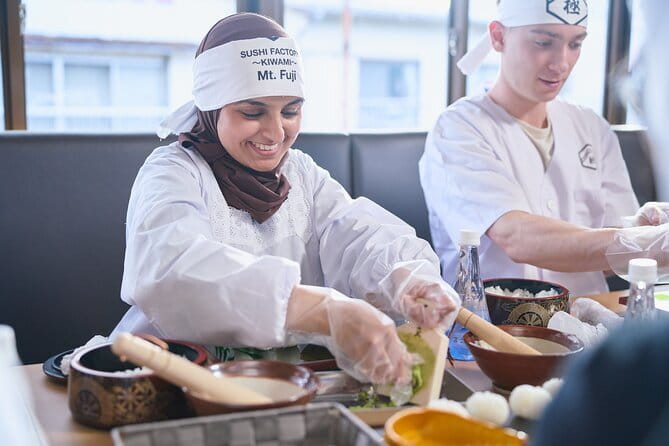
Making sushi is only half the story at Sushi Factory KIWAMI. You also solve food puzzles, shape sushi pearls, build a decorative sushi boat, and grate fresh domestic wasabi while Mt. Fuji country provides the setting. It is a cooking lesson with a playful twist, not a quiet demonstration.
I like the hands-on format, since you make several sushi styles rather than watching someone else do the work. I also like the clear sense of place: fresh wasabi, Japanese food traditions, and views around Fujikawaguchiko give the class more character than a standard urban cooking session.
The main caution is the price, $141.84 per person, for about 90 minutes. The puzzle missions may be a hit with families and playful groups, but if you want a serious lesson in sushi technique, the gimmicks may feel like too much.
Key points to know before booking
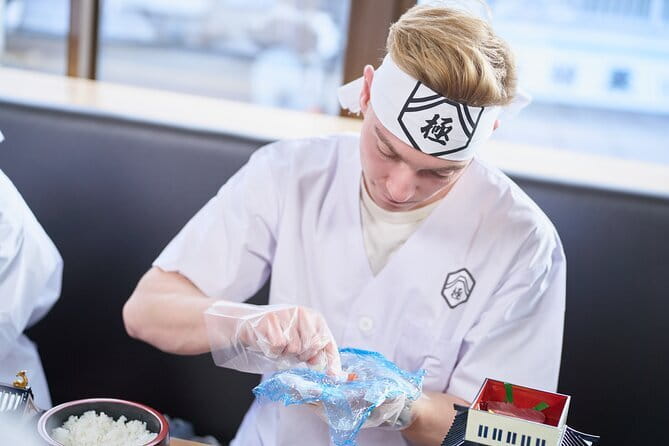
- Four sushi styles in one class: Make Temari, Gunkan maki, Nigiri, and Temaki sushi with guidance from a local instructor.
- Fresh wasabi is part of the lesson: You grate domestic wasabi and use it with your sushi.
- Puzzle missions keep the class moving: Expect challenges involving sushi pearls and a decorative sushi boat.
- Mt. Fuji area setting: The class takes place in Fujikawaguchiko, with views of the local area.
- Short and easy to fit into a trip: The activity lasts about 1 hour 30 minutes and returns to the starting point.
- Small maximum group: No more than 15 people can join, giving the session a more manageable feel.
Sushi making with a puzzle-solving twist
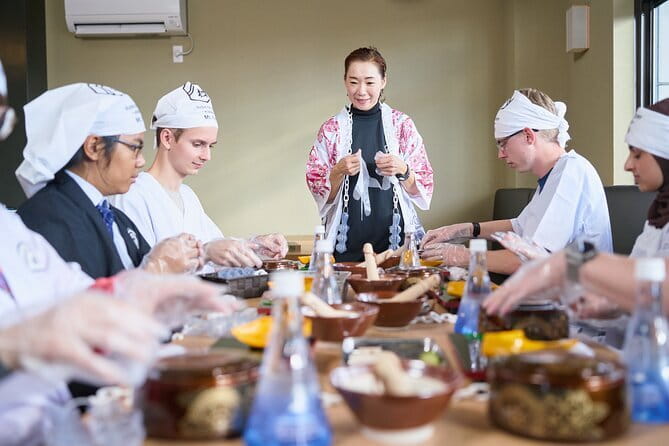
At its heart, this is a practical sushi class. You work with your hands and make several traditional forms instead of learning only one recipe. That variety matters because each style calls for a different shape, texture, and way of handling the rice.
You can expect to make:
- Temari sushi, rounded pieces that are shaped into compact balls
- Gunkan maki, sushi with a seaweed border that holds its topping
- Nigiri sushi, the familiar hand-shaped rice topped with fish or another ingredient
- Temaki sushi, hand-rolled cone-shaped sushi
The class also adds playful missions between the cooking tasks. You may need to craft sushi pearls or assemble a decorative sushi boat. These challenges turn the lesson into a small food adventure, with each task giving you something new to do.
That format should suit you if you like activities with a clear goal and a bit of friendly competition. It is less suited to someone who wants a slow, formal explanation of sushi history, knife work, rice seasoning, or fish preparation. The supplied details focus on making, shaping, solving, and decorating.
More Sushi and Japanese Classes in Japan:
- Sushi Making Tokyo Roll and Authentic Japanese Sushi Class
★ 5.0 · 3,971 reviews - Tokyo: Roll and Authentic Sushi Making Class in Asakusa
★ 4.9 · 1,957 reviews - Ramen Cooking Class at Ramen Factory in Kyoto
★ 5.0 · 1,937 reviews
Grating fresh domestic wasabi
The wasabi portion is one of the more distinctive parts of the experience. Instead of treating wasabi as a small green mound on the side of the plate, you grate fresh domestic wasabi and add it to your sushi.
This gives you a direct connection to an ingredient used in Japanese cooking. It also makes the class more than a simple assembly exercise. You handle an ingredient, prepare it, and decide how it fits with what you make.
The description does not specify the exact amount of wasabi or the type of grater used, so you should not expect a detailed technical lesson on wasabi farming or regional production. Still, the chance to grate fresh domestic wasabi is a useful detail when comparing this class with basic sushi workshops.
If you are sensitive to strong flavors, use a small amount at first. The point is to taste the ingredient with your sushi, not to cover every piece with it.
A closer look at the 90-minute schedule
The activity lasts approximately 1 hour 30 minutes. That is long enough for several sushi forms and the puzzle elements, but short enough to fit beside other Mt. Fuji plans.
The session begins at Ramen Factory Mt. Fuji, 3487-15 Funatsu, Fujikawaguchiko, Minamitsuru District, Yamanashi 401-0301. From there, you work through the sushi-making activities with the local instructor.
You will likely spend the early part getting familiar with the ingredients, tools, and shapes. The exact teaching sequence is not specified, but the listed sushi styles suggest a progression from simple shaping to more decorative work. The instructor guides you through the process, so you do not need to arrive with sushi-making experience.
The puzzle missions add a second layer to the schedule. Rather than making every piece in the same way, you move between practical cooking and creative challenges. Crafting sushi pearls and building a sushi boat should give the class visual variety, especially if you are taking photos along the way.
The activity ends back at the meeting point. That makes planning easier because you do not need to arrange a separate pickup location or guess where the lesson finishes.
What the sushi forms mean for you
Making four different kinds of sushi gives you a better feel for the range of Japanese sushi presentation. Temari sushi focuses on a rounded form. Nigiri asks you to shape rice by hand. Gunkan maki depends on a seaweed border, while Temaki gives you a cone-shaped roll to construct.
You will not simply repeat one task until the class ends. Each form offers a different small challenge, which helps keep a short class interesting. It also means your final meal should have more variety than a lesson focused only on hand rolls.
The class is not described as a professional chef workshop. You should think of it as a cultural cooking activity with food to eat at the end. The instructor’s role is to help you create recognizable sushi forms and enjoy the process, not necessarily to train you in restaurant-level speed or precision.
That distinction matters at this price. If your goal is skill-building that you can repeat at home, ask yourself how much you value the hands-on practice versus the puzzle format and Mt. Fuji setting. If you mainly want a fun Japanese food activity, the broad mix of sushi styles is a strong point.
More Hands-On Workshops in Japan:
- Tokyo: Sushi Making Class in a Happi Coat near a Famous Spot
★ 4.9 · 1,377 reviews - Sushi Making Osaka Roll and Authentic Japanese Sushi Class
★ 5.0 · 1,220 reviews - Tokyo Sushi Making Class in Tsukiji with Professional Chef
★ 5.0 · 1,177 reviews - Ramen & Gyoza Cooking Class in Tokyo with Local Supermarket Visit
★ 5.0 · 823 reviews
Mt. Fuji views add value, but not the whole value
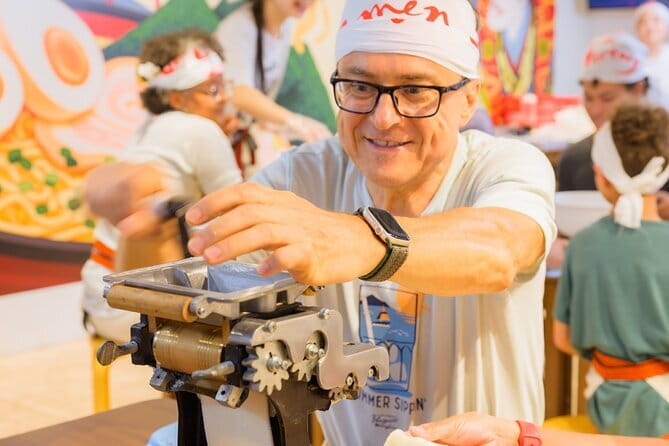
The class takes place in Fujikawaguchiko, a popular base for seeing Mt. Fuji. The experience promises a view of the local area, so the setting is part of its appeal.
A cooking class with a regional backdrop feels different from one in a closed city kitchen. You can pair it with a day around Mt. Fuji and keep your food activity close to other sightseeing in the area. The meeting point is also near public transportation, which helps if you are not using a private car.
The available information does not promise a clear view of Mt. Fuji on every date. Weather and visibility can change, so treat the mountain view as a welcome bonus rather than the sole reason to book. The sushi lesson and puzzle activities remain the core of the experience.
I would plan this class on a day when you are already visiting Fujikawaguchiko. That keeps the $141.84 cost easier to justify because you are combining food, culture, and a sense of place in one stop.
Is $141.84 a fair price?
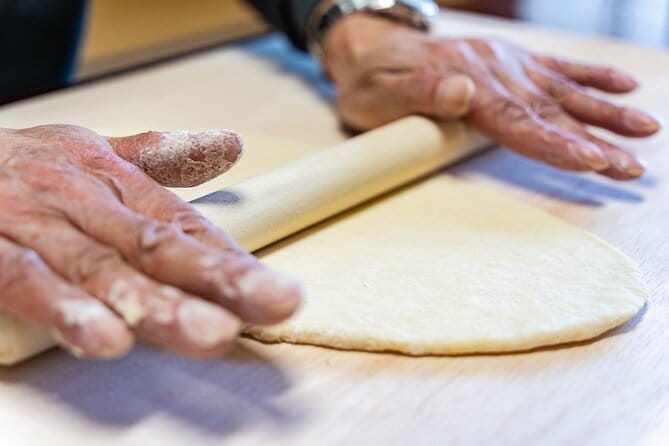
At $141.84 per person, this is not a budget lunch or a basic local cooking lesson. The listed price includes lunch, dinner, all fees, and taxes, although the wording does not explain how lunch and dinner are served within a 90-minute activity. You should treat those inclusions as part of the package, but confirm the meal details if they matter to your planning.
The price reflects more than the sushi ingredients. You are paying for an instructor-led activity, several sushi styles, fresh domestic wasabi, puzzle missions, the setting, and the convenience of a planned experience. All fees and taxes are included, so the displayed price should not require an added activity fee at the end.
Still, the duration is short. At 90 minutes, the activity costs close to $95 per hour before considering the food inclusions. That makes it a better fit for a special occasion, a family outing, or a group that values a polished activity over a cheap meal.
The price will feel harder to defend if you only want to eat sushi or learn one basic roll. It makes more sense if you want the full combination of cooking, games, local flavor, and a Mt. Fuji area setting.
Who will enjoy the playful approach
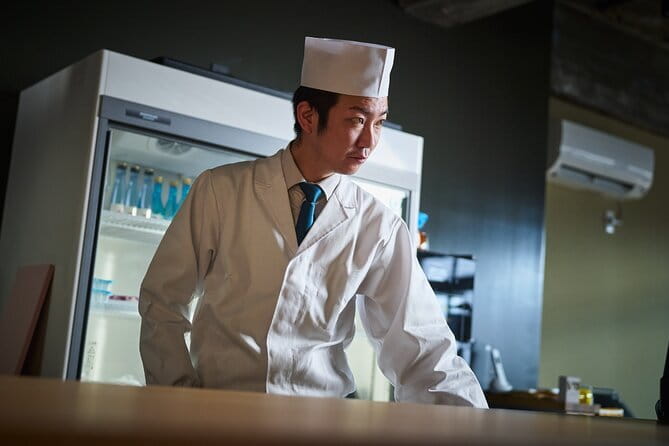
This class should work well for families, couples, and small groups who enjoy doing something together. The puzzle missions give people a shared task, while the sushi shapes create an easy point of comparison without requiring advanced cooking skills.
It could also suit a special celebration. One couple booked it for a wedding anniversary, but the experience did not meet their expectations because the activity felt overpriced and too gimmicky for the cultural experience they wanted. That is a useful warning: the class has entertainment value, but it is not designed as a solemn or highly traditional ceremony.
You should book it if you enjoy:
- Making food with your hands
- Trying several Japanese sushi forms
- Small puzzles and creative challenges
- Taking part in a group activity
- Adding a meal to a Mt. Fuji area day
You may want a different experience if you prefer a quiet class with detailed instruction on Japanese culinary history, sushi-grade fish, knife skills, or the science of sushi rice. Those subjects are not promised here.
Group size, meeting point, and transport
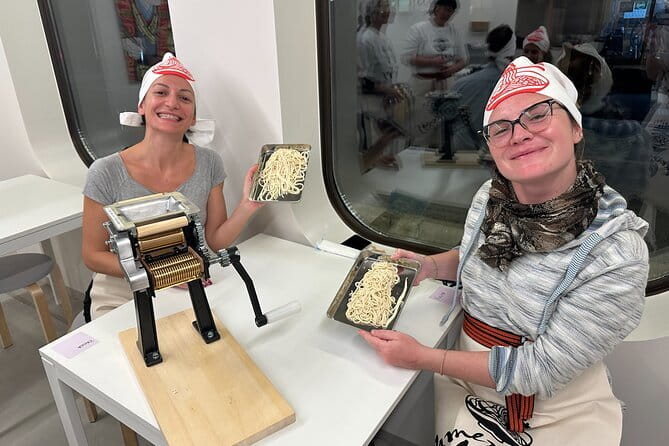
The maximum group size is 15 people. That is not an intimate private lesson, but it is small enough to keep the class from feeling like a large demonstration. The instructor can guide a moderate group through shared tasks, though the exact amount of individual attention may depend on how full the session is.
You must make your own way to the meeting point. Transportation is not included. The activity begins and ends at Ramen Factory Mt. Fuji, and the location is near public transportation.
That return to the same place is useful if you are carrying luggage, planning a meal nearby, or continuing your sightseeing from the same part of Fujikawaguchiko. Build in enough time to arrive at the start point, since the class itself is only about 90 minutes and late arrival could cut into your cooking time.
A mobile ticket is provided, which means you can keep the booking on your phone rather than print a paper voucher. Confirmation is received at the time of booking.
Cancellation and timing advice
Free cancellation is available if you cancel at least 24 hours before the experience begins. Canceling within 24 hours means no refund, and changes made inside that period are not accepted.
The cut-off follows local time in Japan. If you are booking around a changing Mt. Fuji schedule, keep that deadline in mind. Weather may affect your sightseeing plans, but the stated cancellation rule still applies.
Because the class is short, it is sensible to avoid placing it immediately before a long-distance train, bus, or timed attraction. The provided details do not include a transport service, so you are responsible for reaching the meeting point and leaving afterward.
How this compares with a standard sushi class
A standard sushi lesson often centers on ingredients, rolling technique, and eating what you prepare. This experience adds a game-like structure and visual projects. The sushi pearls and boat are not just extra dishes. They change the mood from formal instruction to creative play.
That is the main reason to choose this class over a simpler workshop. You get more variety in the activity itself, and the Mt. Fuji setting gives it a stronger travel feel.
The tradeoff is focus. Every puzzle or decorative task takes time that could otherwise go toward technique. If you want to leave knowing how to prepare a very specific sushi style at home, a more specialized lesson may offer better value.
The high overall rating of 4.9 from 23 ratings and a 96 percent recommendation signal that the format works for most people who choose it. Those numbers should not erase the price concern, but they do suggest that the combination of cooking and entertainment has broad appeal.
Should you book Sushi Factory KIWAMI?
Book this class if you want a short, cheerful food activity near Mt. Fuji and like the idea of solving puzzles while making sushi. The strongest reasons are the four sushi styles, fresh domestic wasabi, creative shaping tasks, and the easy start and finish at one meeting point.
Think twice if your priority is value, advanced technique, or a serious cultural lesson. At $141.84, the class asks you to pay for the setting and entertainment as much as the food instruction.
My practical call: choose it for a family day, a couple’s activity, or a group that wants more than a meal. Skip it if the word gimmicky already makes you uneasy. The puzzles are central to the experience, not a small extra.
FAQ
Where does the sushi class begin?
The class begins at Ramen Factory Mt. Fuji, 3487-15 Funatsu, Fujikawaguchiko, Minamitsuru District, Yamanashi 401-0301, Japan.
Where does the activity end?
The activity ends back at the meeting point.
How long does the experience last?
It lasts approximately 1 hour 30 minutes.
What types of sushi will I make?
You will make Temari sushi, Gunkan maki, Nigiri sushi, and Temaki sushi.
Is wasabi included in the activity?
Yes. You will grate fresh domestic wasabi and use it with your sushi creations.
Is transportation included?
No. Transportation service is not included, so you must arrange your own way to and from the meeting point.
How many people can join?
The activity has a maximum group size of 15 travelers.
Can I cancel for a full refund?
Yes. You can receive a full refund if you cancel at least 24 hours before the experience start time. Cancellations and changes within 24 hours are not accepted for a refund.
Just added around Japan
- Ramen Cooking Class at Lake Kawaguchiko (Short Course)★ 5.0 · 42 reviews
- View of Mt. Fuji is good! Sushi making experience class★ 5.0 · 6 reviews
- Fukuoka Japanese Home Cooking: Ginger Pork★ 5.0 · 3 reviews
- Fujisan Sushi Making Lesson★ 5.0 · 16 reviews
- Ramen Cooking Class at Ramen Factory in Mt.Fuji★ 5.0 · 101 reviews
- Japanese Cooking Class and Cultural Experience Around Tokyo★ 5.0 · 3 reviews
- Cooking Class: Make a Local Delicacy in a Japanese House★ 5.0 · 7 reviews
- Culinary Home Cooking with Grandmothers – Vegan Friendly★ 5.0 · 5 reviews
Japanese & Sushi Cooking Classes, compared.
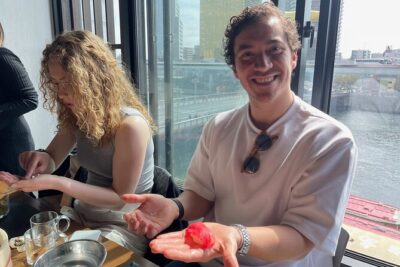
Sushi Making Tokyo Roll and Authentic Japanese Sushi Class
Read our review →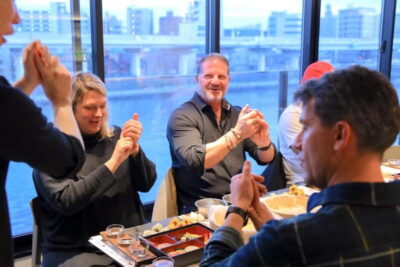
Tokyo: Roll and Authentic Sushi Making Class in Asakusa
Read our review →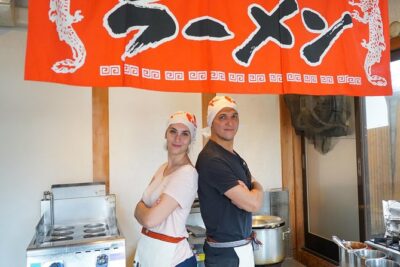
Ramen Cooking Class at Ramen Factory in Kyoto
Read our review →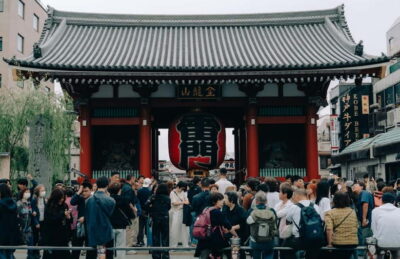
Tokyo: Sushi Making Class in a Happi Coat near a Famous Spot
Read our review →
Sushi Making Tokyo! Popular Maki Sushi & Japanese Sushi(+Recipe!)
Read our review →
Sushi Making Osaka Roll and Authentic Japanese Sushi Class
Read our review →
Tokyo Sushi Making Class in Tsukiji with Professional Chef
Read our review →
Ramen & Gyoza Cooking Class in Tokyo with Local Supermarket Visit
Read our review →Browse the lists this tour appears in