
Review · JAPANESE & SUSHI
3-Hour Shared Halal-Friendly Japanese Cooking Class in Tokyo
Tokyo’s food scene can be tricky to navigate when you need halal standards. This class solves that problem with a hands-on menu that may include sushi, Japanese pizza, and wagyu steak, all prepared in a small group of no more than 10 people. The premium option shifts to a chef-led omakase with several courses and seasonal ingredients.
I like the intimate home setting and the fact that the ingredients and lunch are included. I also like the location in Minato, close to a station, plus the option to request an Arabic translator. The main point to consider is that the classic class is led by an experienced home cook, not necessarily a professional chef, while the premium class costs more and has a more refined format.
Key points at a glance
- Two different class styles: Choose the cosy classic course with a home cook or the more polished premium omakase with an experienced chef.
- Halal-friendly Japanese cooking: The class is designed for diners who want Japanese food while following halal standards.
- A practical 11:30 am start: Your cooking session runs about 3 hours and 30 minutes and ends back at the meeting point.
- Small-group setting: The class accepts a maximum of 10 people, so you should have room to follow the cooking and ask questions.
- Lunch and ingredients are included: You pay $85 per person and do not need to budget separately for the meal or cooking supplies.
- Bring an apron: Aprons are not included. You can bring your own or rent one for an extra charge.
Why this halal Japanese class matters in Tokyo
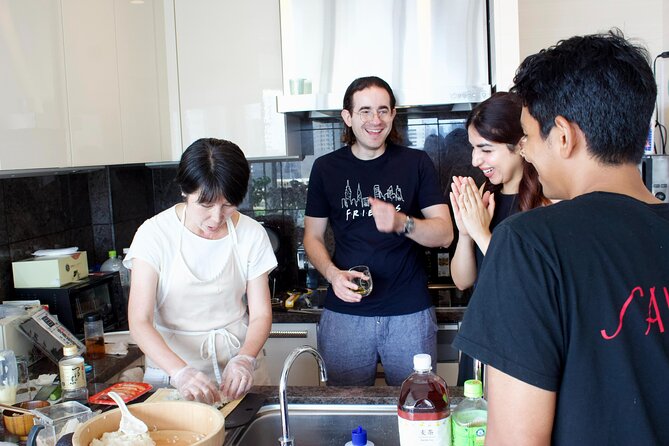
Tokyo offers endless places to eat, but finding Japanese food prepared in a way that matches halal requirements can take planning. This class gives you a clearer route into local cooking traditions. You are not simply ordering a meal and hoping it fits your needs. You are learning how the food is put together in a setting built around halal-friendly cooking.
That makes the class especially useful if you want more than sightseeing. Food gives you a direct way to understand a place, and here you get a hands-on role rather than sitting at a restaurant table. You can ask questions, watch the preparation, and eat the meal you helped create.
The class takes place in Minato City, a convenient part of Tokyo with public transportation nearby. You meet at 11:30 am and return to the same meeting point when the activity ends. The total time is listed as about 3 hours and 30 minutes, so you should keep the rest of your afternoon fairly flexible.
More Sushi and Japanese Classes in Japan:
- Sushi Making Tokyo Roll and Authentic Japanese Sushi Class
★ 5.0 · 3,971 reviews - Tokyo: Roll and Authentic Sushi Making Class in Asakusa
★ 4.9 · 1,957 reviews - Ramen Cooking Class at Ramen Factory in Kyoto
★ 5.0 · 1,937 reviews
Choosing between the classic menu and premium omakase
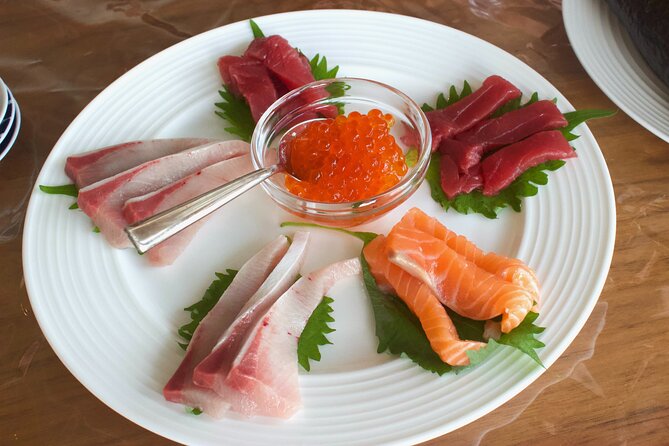
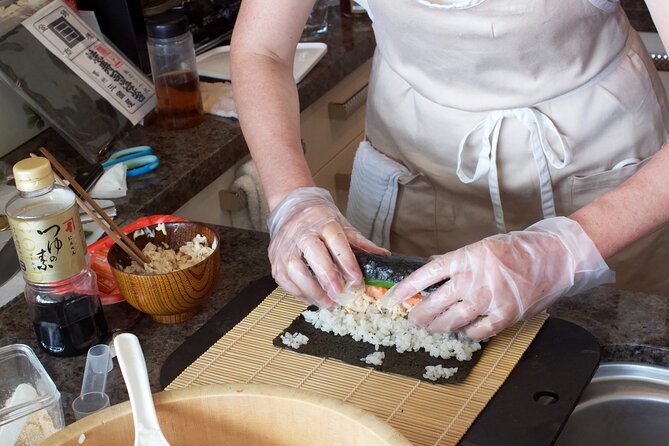
The biggest decision is the class category. The classic course is aimed at people who want a friendly, home-style setting. It is led by an experienced home cook and includes sushi, Japanese pizza, and wagyu steak.
That menu gives you a broad taste of Japanese food. Sushi offers the familiar connection to Japanese cuisine, while Japanese pizza brings a less expected local variation. Wagyu steak adds a special ingredient and gives the meal a more luxurious feel without requiring you to book the premium option.
I would choose the classic class if you value conversation, a relaxed home environment, and a hands-on introduction to several recognizable dishes. It is also the better match if you want the social side of cooking and do not need a formal chef presentation.
The premium class is built around omakase. That means the chef decides the sequence and selection of multiple courses. The menu may include seasonal ingredients and techniques that do not appear in the regular class.
You should choose premium if the meal itself is the main event. This option is less about learning a fixed set of dishes and more about experiencing a chef’s menu. The information provided does not give a precise dish list, so you should expect the selection to vary rather than arrive with a guaranteed menu.
The two formats serve different purposes. Classic is cosy and approachable. Premium is more polished and focused on a multi-course meal. If you are comparing value, the classic class likely gives you more direct menu variety, while premium may appeal to you if chef-led service and seasonal cooking matter most.
What the three-and-a-half-hour visit is like
Your morning begins at the Minato meeting point at 11:30 am. Since the exact address is not provided here, check the confirmation carefully before setting out. The location is near public transportation, which helps, but Tokyo station areas can still take time to navigate.
Once the group gathers, the class moves into the cooking portion. The small maximum of 10 people matters here. A cooking class can become frustrating when you cannot see the work surface or get a turn. A group of this size should offer a more personal pace, although the experience may still feel different depending on how many people book that day.
In the classic course, you work through the listed dishes with the home cook. The class is designed as an intimate activity rather than a large demonstration. The available information does not specify the exact order of dishes or how much preparation each participant handles, so you should not assume that every part of the meal is made entirely from scratch by you.
The menu itself gives the class a good rhythm. Sushi introduces a dish many people associate with Japan. Japanese pizza adds a playful change of pace. Wagyu steak makes the lunch feel special and gives you a chance to handle a premium Japanese ingredient.
The premium course follows a different structure. Omakase usually means the chef controls the menu and presents several courses. Here, the experience may include seasonal items and specialized methods. You should expect a more guided meal, but the precise contents are not fixed in the supplied details.
Lunch is included in both the practical value of the class and its schedule. You do not need to find a separate restaurant afterward to complete the meal. Since the activity lasts around 3 hours and 30 minutes, it takes up a solid part of the day, but it also gives you enough time for cooking and eating rather than rushing through a short demonstration.
The home setting and class atmosphere
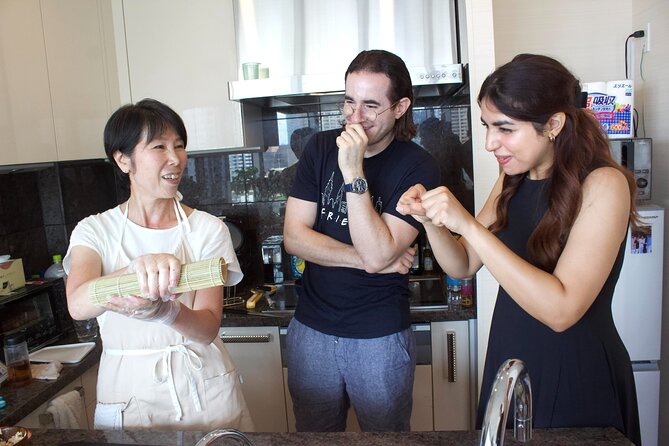
The classic class is meant to feel cosy. That is an important difference from a formal cooking school. You are likely choosing this activity because you want contact with everyday Japanese food culture, not just a polished performance.
The setting has also been praised for its pleasant house and good view. Since no exact view is described, I would treat that as a welcome feature rather than a guaranteed sightseeing stop. The focus remains the cooking, but a comfortable home and a good outlook can make a long class more enjoyable.
The teacher is described as informative, friendly, and good at creating an easy atmosphere. Those qualities matter more in a cooking class than a long lecture. You need clear guidance when working with unfamiliar dishes, but you also want enough space to enjoy yourself.
All classes are provided in English. If you need Arabic support, you can contact the provider to request a translator. That option is useful, but it should be arranged before the class rather than assumed on arrival.
Wi-Fi is available. It is a small detail, but it can help with translation, messaging, or checking onward plans. It also makes the setting more practical if you are coordinating the rest of a busy Tokyo day.
More Hands-On Workshops in Japan:
- Tokyo: Sushi Making Class in a Happi Coat near a Famous Spot
★ 4.9 · 1,377 reviews - Sushi Making Osaka Roll and Authentic Japanese Sushi Class
★ 5.0 · 1,220 reviews - Tokyo Sushi Making Class in Tsukiji with Professional Chef
★ 5.0 · 1,177 reviews - Ramen & Gyoza Cooking Class in Tokyo with Local Supermarket Visit
★ 5.0 · 823 reviews
What the $85 price includes
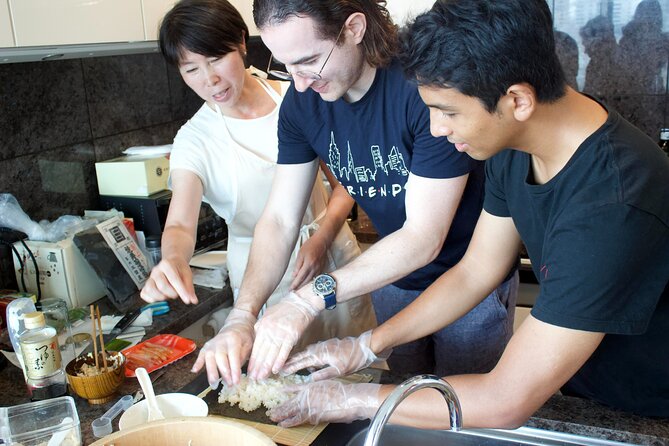
At $85 per person, this is not a bargain meal. You are paying for a hosted activity, ingredients, instruction, and lunch, not just for a plate of food. The value depends on how much you want the cooking and cultural context.
The price makes more sense if you compare it with the cost of arranging a halal-friendly Japanese meal on your own, then add the time spent searching for suitable dishes. You also receive several hours of structured activity and a chance to ask questions directly.
The included ingredients are important. Premium ingredients such as wagyu can raise the cost of a meal, and the classic menu includes it along with sushi and Japanese pizza. You will not need to shop before the class or pay a separate lunch bill.
There are two costs to watch. First, the premium class may be priced differently from the advertised $85 classic rate, so check the selected option before booking. Second, an apron is not included. Bring your own if you want to protect your clothes, or rent one for an extra charge.
This is a good value for someone who wants a food activity built around halal needs. It is less compelling if you only want a quick lunch or prefer to spend the same money on several restaurant meals across Tokyo.
Why the small group makes a difference
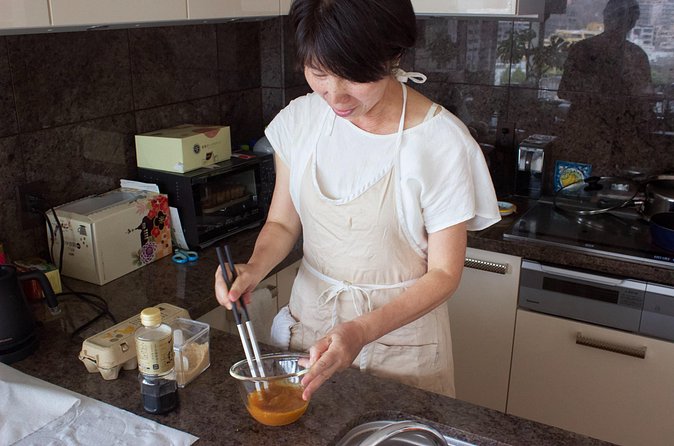
A maximum of 10 participants keeps the class from feeling like a large tour. You should have a better chance of seeing the preparation, following instructions, and speaking with the teacher.
The group size also suits people who are new to Japanese cooking. You do not need to arrive as an expert. The experience is designed for people who want to learn in a friendly environment, and the class format allows the teacher to explain as you work.
Still, small does not always mean private. If you want a one-to-one lesson, this is not described as a private class. You may share the cooking space with up to nine other people, and the amount of individual attention can vary.
I would especially recommend it for couples, friends, and solo visitors who enjoy meeting others through food. The house setting and relaxed tone should work well for people who want a social activity without the scale of a large group tour.
Practical details before you book
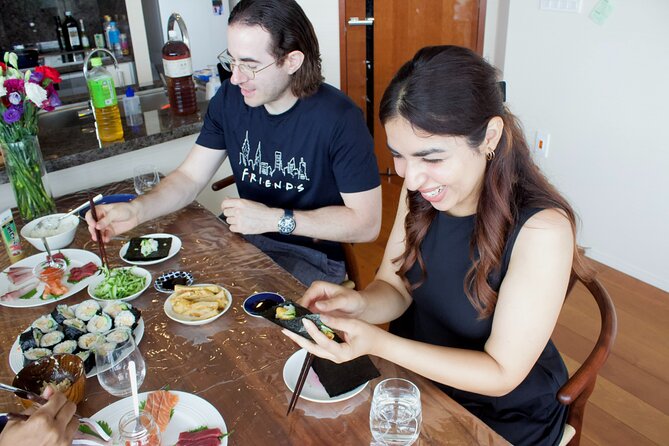
The mobile ticket makes it easy to keep the booking on your phone. You should still save the meeting details and allow enough time to reach Minato, since the starting point is not the end of your Tokyo transit planning.
The class begins at 11:30 am. That is late enough to avoid an early morning rush but early enough to leave part of the afternoon free. Because the activity ends back at the meeting point, you can plan another nearby activity afterward, but do not schedule anything with a tight connection.
Wear clothes you do not mind getting dirty. The provider advises bringing an apron or paying an extra rental fee. This is especially sensible for a menu involving sauces, raw ingredients, and steak preparation, even though the exact cooking tasks can vary.
Free cancellation is available if you cancel at least 24 hours before the local start time. Cancellations made less than 24 hours before the class are not refunded, and late changes are not accepted. That gives you flexibility while you are still planning, but you should make your final decision a day ahead.
The class is near public transportation, and the activity ends where it begins. The available details do not provide specific accessibility information, so contact the provider before booking if you have mobility or other access needs.
Who should book this class
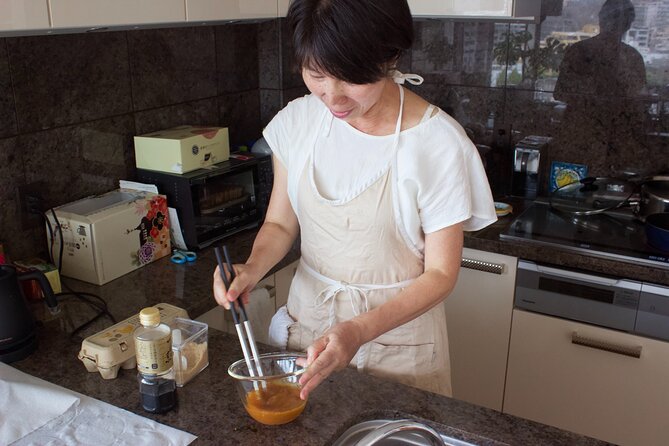
This class fits you best if halal-friendly food is a key part of your Tokyo plans and you want a meal with a learning element. It also suits anyone who prefers a home-based activity to a formal restaurant.
Choose classic if you want sushi, Japanese pizza, and wagyu steak in a relaxed setting. The home cook format should feel approachable, and the mixed menu gives you more than one style of Japanese food in a single sitting.
Choose premium if you care most about a chef-led omakase. The seasonal menu and multiple courses may offer a more special occasion feel, though you should confirm the price and menu details before paying.
I would not book it if you want a fully fixed itinerary with exact dishes and timings. The premium menu can change, and the class details do not promise a minute-by-minute schedule. It may also disappoint you if your main goal is a professional culinary qualification rather than a friendly introduction.
Should you book the halal Japanese cooking class?
Book this experience if you want to cook and eat Japanese food in a halal-friendly setting, with a small group and a choice between home-style instruction and chef-led omakase. The included lunch, ingredients, English instruction, and convenient Minato location make the $85 classic price reasonable for a three-and-a-half-hour activity.
Before booking, decide which class style fits you. Classic is the safer choice for a relaxed and varied introduction. Premium is better for a more formal meal with seasonal possibilities. Bring an apron, request an Arabic translator in advance if needed, and keep your afternoon schedule open. For many visitors, this will be a useful way to connect with Japanese food beyond the restaurant table.
FAQ
Where does the cooking class meet?
The class starts in Minato City, Tokyo, Japan. The activity ends back at the meeting point.
What time does the class start?
The class starts at 11:30 am.
How long does the experience last?
The cooking class lasts approximately 3 hours and 30 minutes.
How much does the class cost?
The listed price is $85 per person. The premium class may have different pricing, so check the option you select.
What food is included in the classic class?
The classic menu includes sushi, Japanese pizza, and wagyu steak.
What is included in the premium class?
The premium class offers omakase prepared by an experienced chef. It includes multiple courses and may feature seasonal items or specialized techniques.
Are ingredients and lunch included?
Yes. The lunch and all ingredients are included in the experience price.
Is an apron provided?
An apron is not included. You can bring your own or rent one for an extra charge.
Is Arabic translation available?
Yes. Classes are provided in English, and you can contact the provider to request an Arabic translator.
How many people can join the class?
The activity accepts a maximum of 10 participants.
Can I cancel for a full refund?
Yes, if you cancel at least 24 hours before the experience start time. Cancellations made less than 24 hours in advance are not refunded, and late changes are not accepted.
More 3-Hour Experiences in Japan
- Marrakech: 3-Hour Open-Air Moroccan Cooking Course
★ 4.9 · 74 reviews - 3h Cooking Class in Mexico City: 8 Recipes & Bottomless Drinks
★ 5.0 · 59 reviews - 3 Hour Moroccan Cooking Class in Marrakech
★ 5.0 · 41 reviews - 3-Hour Cooking Class overlooking the Blue City
★ 5.0 · 36 reviews
Just added around Japan
- TAKOYAKI Cooking Class with All-you-can-drink in Tokyo, Roppongi★ 5.0 · 5 reviews
- Traditional Home cooking Experience in Osaka, Japan★ 5.0 · 14 reviews
- Well-balanced BENTO (lunch box) Cooking Class★ 5.0 · 35 reviews
- Osaka Street Food Festival :Takoyaki&Okonomiyaki for Families★ 5.0 · 13 reviews
- Three Types of Ramen Cooking Class in Osaka★ 5.0 · 119 reviews
- Takoyaki DIY Cooking in the Heart of Osaka★ 5.0 · 7 reviews
- SUSHI Making Experience at Restaurant★ 5.0 · 8 reviews
- Sushi Making Osaka Omakase Cooking Class in Japan★ 5.0 · 4 reviews
Japanese & Sushi Cooking Classes, compared.
Sushi Making Tokyo Roll and Authentic Japanese Sushi Class
Read our review →
Tokyo: Roll and Authentic Sushi Making Class in Asakusa
Read our review →
Ramen Cooking Class at Ramen Factory in Kyoto
Read our review →
Tokyo: Sushi Making Class in a Happi Coat near a Famous Spot
Read our review →
Sushi Making Tokyo! Popular Maki Sushi & Japanese Sushi(+Recipe!)
Read our review →
Sushi Making Osaka Roll and Authentic Japanese Sushi Class
Read our review →
Tokyo Sushi Making Class in Tsukiji with Professional Chef
Read our review →
Ramen & Gyoza Cooking Class in Tokyo with Local Supermarket Visit
Read our review →Browse the lists this tour appears in