
Review · JAPANESE & SUSHI
Ramen Cooking Class at Lake Kawaguchiko (Short Course)
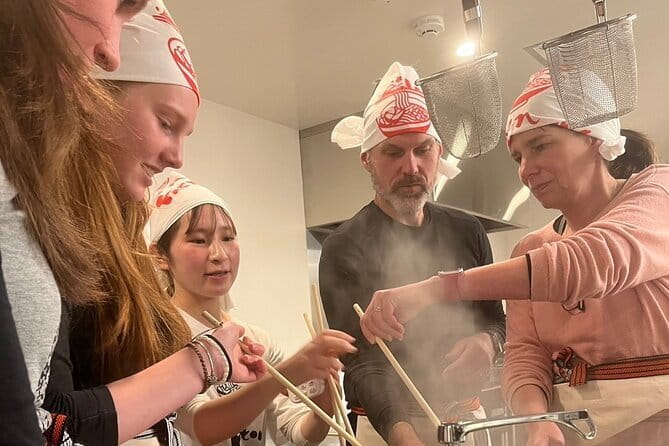
Fresh noodles, a choice of soup seasoning, and a view of Mt. Fuji make this short class more than a quick meal. You knead the dough, roll it, cut it with a noodle machine, boil it, and finish the bowl with toppings such as chasiu. I like the hands-on work and the fact that you eat what you make.
I also like the friendly, personal teaching style reported from Mae, Kimmy, and Hiro, plus the included bandana. The main drawback is the one-hour limit: this is a compact introduction, not a long cooking workshop, and drinks cost extra.
Key points to know before booking
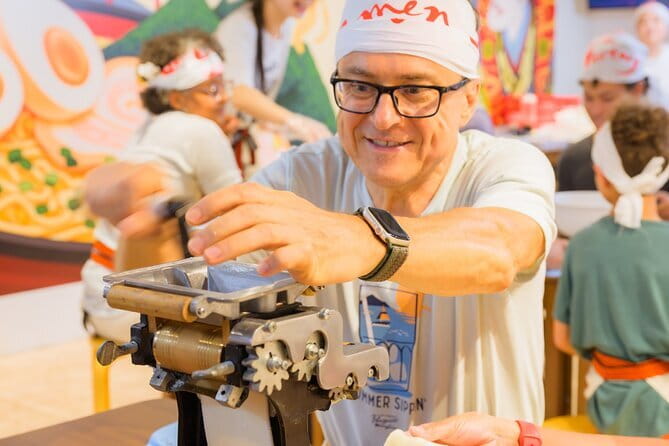
- Make the noodles from scratch: Knead, roll, and cut your dough with a noodle-making machine.
- Choose your own soup base: Pick a tare, or seasoning base, to shape the flavor of your ramen.
- Cook and eat your own bowl: You boil the noodles yourself, then add toppings including chasiu.
- Mt. Fuji adds a special backdrop: The finished meal comes with a view that makes the short class feel tied to Kawaguchiko.
- The class can feel very personal: The 5 p.m. session has had only two participants, while the maximum group size is 20.
- You leave with more than lunch: Each participant receives a bandana, and each group receives a completion certificate.
Making ramen from dough to dinner
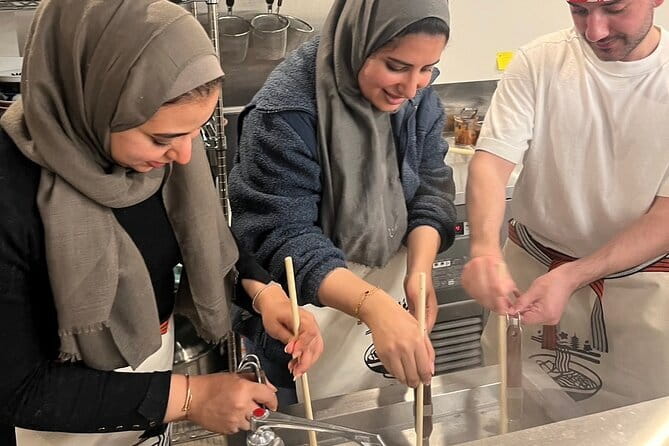
The heart of this experience is simple: you do not just watch someone prepare ramen. You handle the dough, shape the noodles, cook them, and sit down to eat the result.
That makes the class a good fit if you want a short food activity with a clear beginning and end. In about an hour, you get a taste of the work behind a familiar Japanese dish without giving up most of your day in Kawaguchiko.
The process is split into four practical stages. First comes the dough. You knead it, roll it out, and cut it with a noodle-making machine. This gives you the most hands-on part of the class, while the machine keeps the cutting stage manageable for beginners.
Next, you select your soup base. The choice of tare lets you shape the main seasoning of your bowl instead of receiving one fixed recipe. The information provided does not list the available flavors, so you should expect a choice at the class rather than plan around a particular broth.
Then you boil your noodles in a real noodle cooker. That small detail matters. You are not simply handed a finished portion after doing the fun preparation. You take part in the cooking step, too, and see your dough become the meal you will eat.
Finally, you add toppings, including chasiu. The class describes this as a chance to customize your bowl, though it does not provide a full topping list. If you have an allergy or dietary restriction, contact the provider in advance rather than waiting until you arrive.
More Sushi and Japanese Classes in Japan:
- Sushi Making Tokyo Roll and Authentic Japanese Sushi Class
★ 5.0 · 3,971 reviews - Tokyo: Roll and Authentic Sushi Making Class in Asakusa
★ 4.9 · 1,957 reviews - Ramen Cooking Class at Ramen Factory in Kyoto
★ 5.0 · 1,937 reviews
The Fuji Activity Reservation Center starting point
The meeting point is the Fuji Activity Reservation Center at 3487-15 Funatsu, Fujikawaguchiko, Minamitsuru District, Yamanashi 401-0301, Japan. The activity begins and ends there, so you do not have to arrange a separate return transfer.
The location is near public transportation, which helps if you are building a day around Lake Kawaguchiko without a private car. The booking information does not specify the nearest station or bus stop, so check your route before the day of the class and allow enough time to find the center.
Because the activity lasts only about one hour, arriving promptly matters. A short class has little spare time if you get lost or arrive late. I would plan this as a fixed appointment between other Kawaguchiko activities, not as something to squeeze in casually at the end of a busy day.
The provider is Japan food entertainment Ltd. An English-speaking instructor leads the class, and instructors named in the supplied information include Mae, Kimmy, and Hiro. Mae is specifically associated with enthusiastic, helpful one-on-one instruction, while Kimmy and Hiro are also described as friendly and supportive.
Kneading and cutting your own noodles
The first stage gives the class its strongest sense of participation. You knead the dough, roll it out, and use a noodle-making machine to cut it into strands.
That sequence is valuable because it shows the physical steps hidden behind a bowl served in a restaurant. You feel the dough change as you work with it, then see the machine turn the rolled sheet into noodles. It is an easy process to understand, but still unusual enough to make a memorable holiday activity.
I like this part for families, couples, and first-time cooks because the task is active without requiring advanced kitchen skills. You have a clear job at every stage, and the result is something you can eat soon after making it.
Still, keep your expectations realistic. The one-hour format means the instruction has to stay focused. You are learning the basic sequence rather than mastering a traditional ramen recipe or exploring several noodle styles. If you want a full cooking lesson with lengthy explanations, this short course may feel brisk.
The machine also means the class is not entirely about hand-cutting noodles. You take part in the preparation, but the equipment handles the final cutting work. For most people, that is a sensible compromise in a compact class.
Choosing a tare and building the bowl
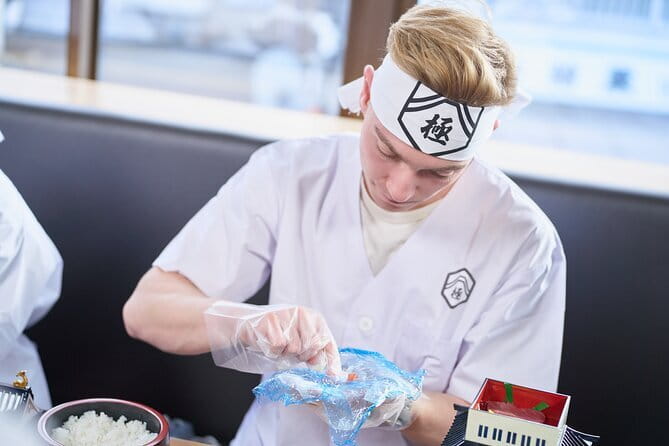
The soup base is the point where your bowl becomes more personal. You choose a tare, the seasoning that gives the broth its main character, rather than receiving exactly the same flavor as every other person.
The available information does not name the tare options, so I would treat this as a choice among the class’s set selections. Ask the instructor what each option tastes like if you are unsure. That is especially useful if you prefer mild, salty, or strongly seasoned food.
You also customize the bowl with toppings, including chasiu. This creates a second decision after the soup base and makes the final meal feel like your own creation. The experience includes the food needed for the ramen, but drinks are not included.
If you have allergies or dietary restrictions, notify the provider before the class. That instruction is important because the experience involves dough, broth seasoning, toppings, and food tasting. No specific substitute menu is promised, so advance notice is the only sensible way to find out what can be accommodated.
More Hands-On Workshops in Japan:
- Tokyo: Sushi Making Class in a Happi Coat near a Famous Spot
★ 4.9 · 1,377 reviews - Sushi Making Osaka Roll and Authentic Japanese Sushi Class
★ 5.0 · 1,220 reviews - Tokyo Sushi Making Class in Tsukiji with Professional Chef
★ 5.0 · 1,177 reviews - Ramen & Gyoza Cooking Class in Tokyo with Local Supermarket Visit
★ 5.0 · 823 reviews
Boiling, topping, and eating your ramen
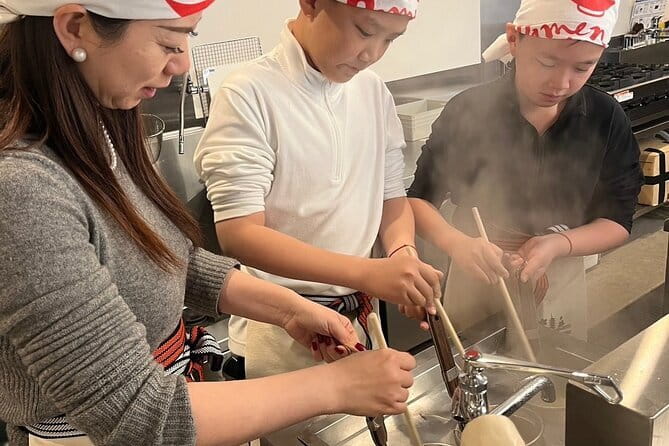
The class does not stop once the noodles are cut. You boil them in the noodle cooker and then finish the bowl with your selected toppings.
This is where the short format works in your favor. The activity moves from preparation to food quickly, so you do not spend hours waiting for a final tasting. You can see the direct payoff from the work you have just done.
The finished ramen is served with a view of Mt. Fuji, giving the meal a strong sense of place. Kawaguchiko has plenty of scenic stops, but combining the view with a bowl you prepared yourself makes this different from simply eating at a restaurant near the lake.
The view will naturally depend on conditions and timing, so I would not book this solely on the promise of a perfect Fuji sightline. The cooking class remains the main event. Treat Mt. Fuji as an added benefit, not something you can control.
The supplied information notes that the 5 p.m. session can be very small. One couple had the class to themselves and received one-on-one instruction from Mae. You cannot count on such a private session, since the maximum group size is 20, but a small booking can make it easier to ask questions and get direct help.
A certificate and bandana to take home
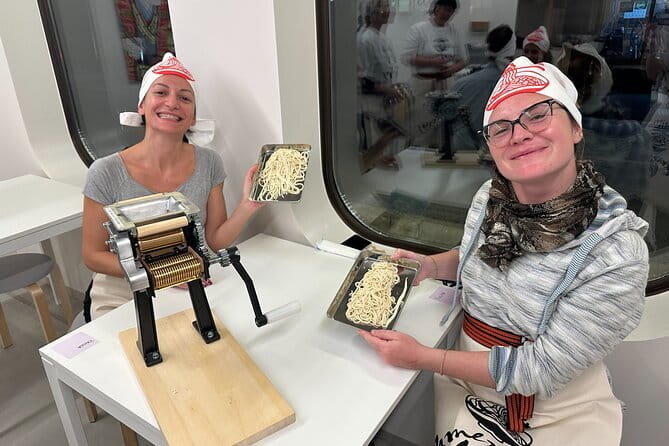
At the end, each group receives one official certificate of completion. This is a group souvenir rather than one certificate per participant, so couples or families should keep that distinction in mind.
Every participant also receives an original bandana. It is a practical keepsake, and it gives the experience a physical reminder beyond photographs. The bandana was specifically appreciated after the class, especially by people who enjoy taking home a small item connected to an activity.
The gift is not the reason to book, but it improves the value of a modestly priced experience. You get the meal, the instruction, and a souvenir without paying a separate fee for the bandana.
Is $39.14 a fair price?
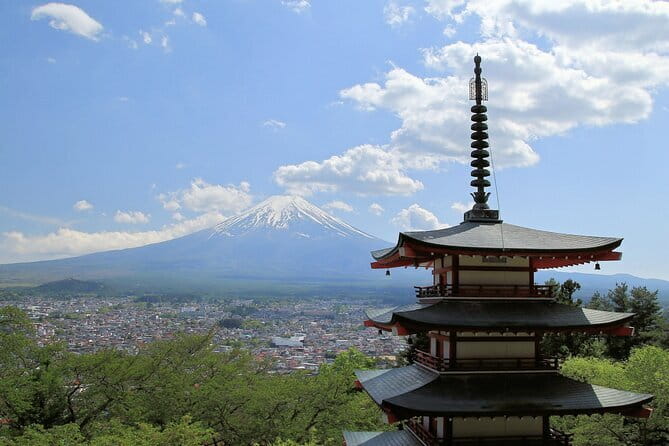
At $39.14 per person, the class sits above the price of an ordinary quick bowl of ramen. That comparison, however, misses what you are paying for.
The fee includes local taxes, food tasting, everything needed for the ramen-making activity, an English-speaking instructor, and the original bandana. You are paying for a guided food activity, not just lunch. The group certificate is included as well, though it is issued once per group.
I consider the price reasonable if you value participation and want an organized activity near Lake Kawaguchiko. You get a one-hour lesson, a made-to-order bowl prepared by you, a scenic setting, and a souvenir. For a couple or family looking to add something different to a sightseeing day, that package has useful value.
The calculation is less favorable if your only goal is to eat inexpensive ramen. You could spend less at a restaurant, and the class will not give you a long lesson in broth-making or a take-home recipe based on the information available.
The class is booked an average of 34 days in advance, which suggests you should not assume you can arrange it at the last minute. That is particularly worth noting for popular dates, small groups, or a preferred time such as the 5 p.m. session.
Who will enjoy this short course?
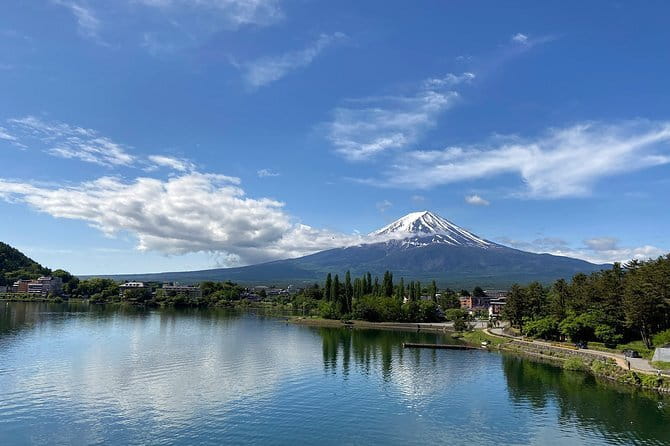
I would recommend it most strongly to:
- Couples looking for a shared activity that produces a meal
- Families who want children to take part in a simple cooking task
- First-time visitors seeking an English-language food experience
- People with only an hour to spare near Lake Kawaguchiko
- Anyone who likes souvenirs with a practical use
- Food fans who prefer making part of a dish rather than only eating it
The class may be less suitable if you want a quiet, formal meal, a long chef-led workshop, or a detailed study of ramen broth. The format is active and fairly quick. You will be handling dough, choosing ingredients, and cooking during the session.
The maximum group size is 20, so a busy departure could feel more shared and less personal. On the other hand, the documented small evening session shows that the actual group can sometimes be much smaller. If direct instruction matters to you, ask about expected group size before booking.
Timing, drinks, and cancellation details
The activity lasts approximately one hour and returns to the Fuji Activity Reservation Center. It is near public transportation, but private transportation fees are not included.
Drinks are also not included. Bring that cost into your budget, especially if you are treating the class as a meal rather than a snack.
You can cancel for a full refund if you do so at least 24 hours before the start time. Within 24 hours, no refund is available, and changes made during that period are not accepted. Cut-off times follow local time in Japan.
Confirmation is received at booking, and the experience has a mobile ticket. Those details make it easy to keep the booking on your phone, but I would still save the meeting address and allow time for the walk or ride to the center.
My booking advice
I would book this ramen class if you want a compact, hands-on food activity with a local setting and a chance to see Mt. Fuji while eating something you prepared yourself. The combination of noodle-making, soup selection, boiling, toppings, and the bandana gives you more than a standard tasting stop.
The best reason to choose it is the active format. You do real steps, and instructors such as Mae, Kimmy, and Hiro can make the process feel personal. The strongest practical tip is to reserve ahead, especially since the experience is often booked well before the day.
I would skip it if you only want the cheapest ramen in town or if you expect a long, highly technical cooking course. For most visitors with an hour to spare, though, the $39.14 price is fair for a meal, an activity, an English-speaking instructor, and a keepsake in one stop.
FAQ
How long does the ramen cooking class last?
The class lasts approximately one hour.
Where does the activity start and finish?
It starts and ends at the Fuji Activity Reservation Center, 3487-15 Funatsu, Fujikawaguchiko, Minamitsuru District, Yamanashi 401-0301, Japan.
Is an English-speaking instructor included?
Yes. An English-speaking instructor is included. Instructors named in the activity information include Mae, Kimmy, and Hiro.
What do I do during the class?
You knead the dough, roll it out, cut it with a noodle-making machine, choose a soup base, boil the noodles, and add toppings including chasiu.
Are drinks included?
No. Drinks are not included in the price.
What happens if I need to cancel?
You can receive a full refund if you cancel at least 24 hours before the experience start time. Cancellations or changes made within 24 hours are not accepted and are not refunded.
Just added around Japan
- View of Mt. Fuji is good! Sushi making experience class★ 5.0 · 6 reviews
- Fukuoka Japanese Home Cooking: Ginger Pork★ 5.0 · 3 reviews
- Sushi Cooking Class at Sushi Factory -KIWAMI- Mt.Fuji★ 5.0 · 23 reviews
- Fujisan Sushi Making Lesson★ 5.0 · 16 reviews
- Ramen Cooking Class at Ramen Factory in Mt.Fuji★ 5.0 · 101 reviews
- Japanese Cooking Class and Cultural Experience Around Tokyo★ 5.0 · 3 reviews
- Cooking Class: Make a Local Delicacy in a Japanese House★ 5.0 · 7 reviews
- Culinary Home Cooking with Grandmothers – Vegan Friendly★ 5.0 · 5 reviews
Japanese & Sushi Cooking Classes, compared.
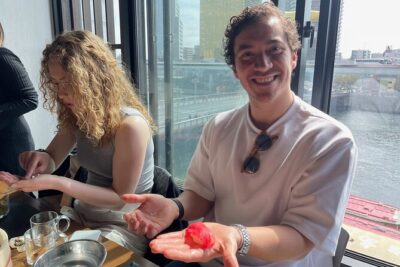
Sushi Making Tokyo Roll and Authentic Japanese Sushi Class
Read our review →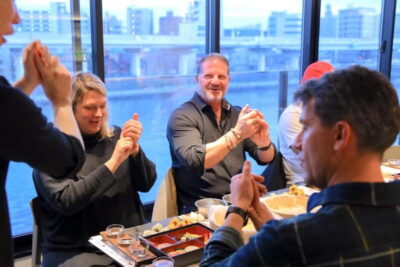
Tokyo: Roll and Authentic Sushi Making Class in Asakusa
Read our review →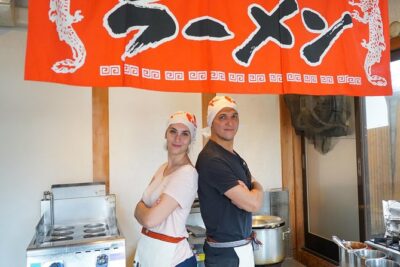
Ramen Cooking Class at Ramen Factory in Kyoto
Read our review →
Tokyo: Sushi Making Class in a Happi Coat near a Famous Spot
Read our review →
Sushi Making Tokyo! Popular Maki Sushi & Japanese Sushi(+Recipe!)
Read our review →
Sushi Making Osaka Roll and Authentic Japanese Sushi Class
Read our review →
Tokyo Sushi Making Class in Tsukiji with Professional Chef
Read our review →
Ramen & Gyoza Cooking Class in Tokyo with Local Supermarket Visit
Read our review →Browse the lists this tour appears in