
Review · JAPANESE & SUSHI
Sushi Making in a Century Old Kamakura Home
A sushi class in a century-old Kamakura home offers more than a meal. You make 10 to 12 pieces of nigiri with a chef who spent more than 20 years working in Ginza restaurants, then eat your work beside a quiet garden as the Enoden train rolls past.
I like the setting as much as the food. The preserved Japanese-Western house, colorful garden, and passing train create a rare sense of place. I also like the small group limit of 10 people, which should give the chef room to guide each person. The main drawback is that the house can be a little hard to find, and the class is not suited to anyone with food allergies.
Key points to know before booking
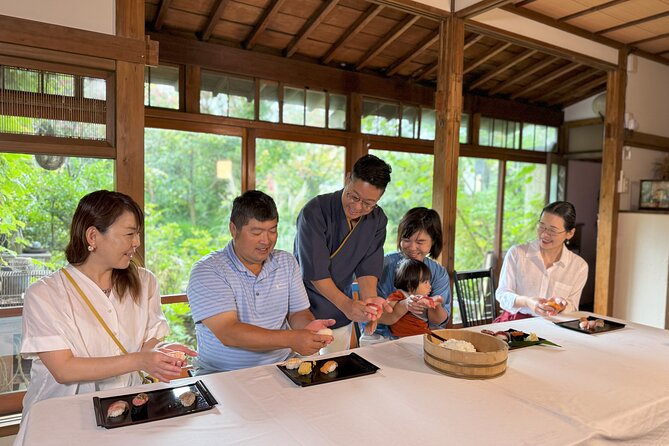
- Make 10 to 12 pieces of nigiri: Seafood may include tuna, sea bream, shrimp, squid, yellowtail, salmon roe, and other seasonal choices.
- Learn from a Ginza-trained chef: The instructor has more than 20 years of experience at prestigious sushi restaurants in Ginza.
- Eat beside the Enoden line: The train passes directly next to the garden, giving the meal an unmistakable Kamakura setting.
- Visit a rare old house: The venue is a preserved villa that blends traditional Japanese and Western design.
- Plan for a 90-minute morning class: The start time is 10:30 a.m., with the activity ending back at the meeting point.
- Take home a handmade souvenir: A complimentary canvas marked Kamakura Sushi Sake is brushed by a professional calligrapher.
A sushi lesson in a house that time forgot
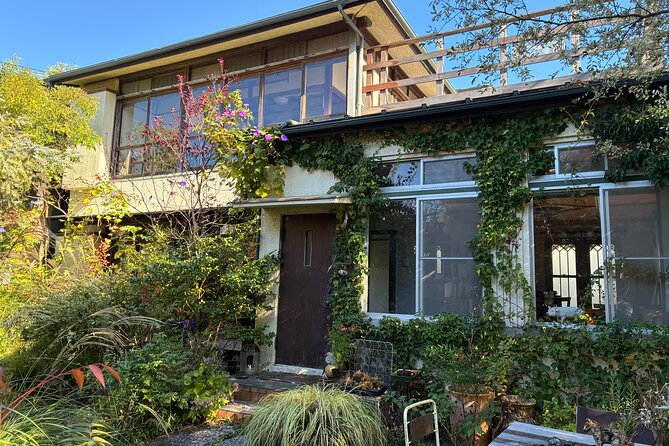
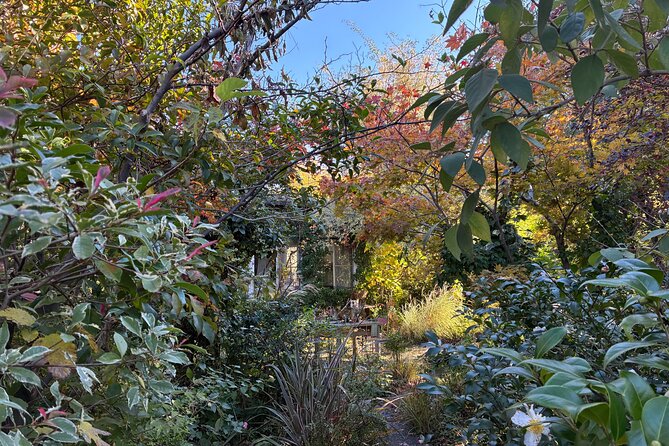
Many food classes take place in bright modern kitchens. This one begins in a much more memorable way: you walk through a garden toward an old villa built about 100 years ago.
The house was originally made as a luxurious retreat for a wealthy Tokyo family. Its design blends Japanese and Western elements, a style that was once common in Kamakura but is now rare. You are not simply using the building as a classroom. The building is part of the experience.
That matters because Kamakura has plenty of major sights, from Tsurugaoka Hachimangu to the Great Buddha of Hase. This class gives you a quieter look at the town. You sit in a room with warm natural light, look toward greenery, and hear the Enoden train moving beside the property.
I especially like the contrast. The food lesson is focused and practical, while the setting asks you to slow down. You can watch the train pass without leaving the house, then return your attention to the rice, fish, and shaping technique in front of you.
The approach may take a little attention. The house is near Kamakura Station, but it can be difficult to spot, especially if you are following a map while walking through a quiet residential area. I would allow extra time rather than arriving at 10:30 a.m. with only a minute to spare.
More Sushi and Japanese Classes in Japan:
- Sushi Making Tokyo Roll and Authentic Japanese Sushi Class
★ 5.0 · 3,971 reviews - Tokyo: Roll and Authentic Sushi Making Class in Asakusa
★ 4.9 · 1,957 reviews - Ramen Cooking Class at Ramen Factory in Kyoto
★ 5.0 · 1,937 reviews
What happens during the 90-minute class
The activity lasts about an hour and a half. The supplied details do not provide a minute-by-minute schedule, but the basic flow is clear: instruction comes first, followed by hands-on preparation and a meal of the sushi you create.
You will learn the foundations of nigiri sushi from the chef. That usually means paying attention to the relationship between the rice, the topping, and the pressure used to shape each piece. Here, the class is built around direct guidance rather than a demonstration you simply watch from the side.
The chef’s background is a major part of the value. More than 20 years in Ginza restaurants means the lesson is tied to the standards of one of Tokyo’s best-known sushi districts. You are not just assembling a casual rice snack. You are being introduced to the careful handwork behind a food that looks simple but takes practice.
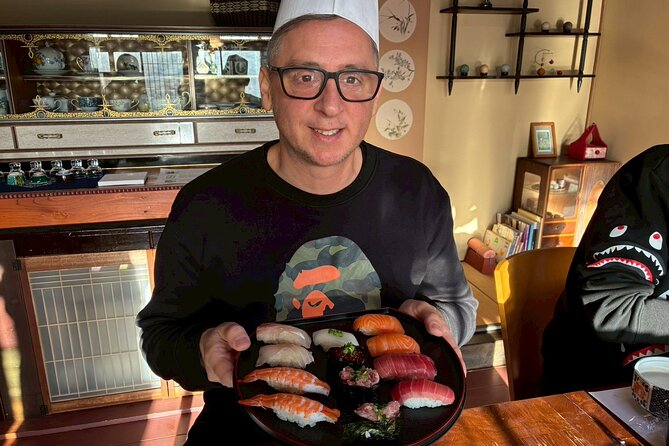
Expect to make 10 to 12 pieces of nigiri. The seafood selection changes with the seasons, but examples include:
- Tuna
- Sea bream
- Shrimp
- Squid
- Yellowtail
- Salmon roe
The ingredients are described as being of the same high quality served at high-end sushi restaurants. That is important when considering the price. A class can be good fun with ordinary ingredients, but premium seafood gives you a closer look at why sushi quality depends on freshness, texture, and careful handling.
You should also expect the pieces to vary. Seasonal selection is a plus for food lovers, but it means the exact menu is not fixed. If you are booking because you want one specific fish, this may not be the right format.
At the end, you eat what you made. That turns the lesson into a complete meal rather than a short kitchen activity followed by another restaurant stop. The included food is 10 to 12 pieces of nigiri. Coffee and tea are not included, and alcohol is extra.
Why the Enoden train changes the meal
Kamakura’s Enoden railway is one of the town’s signature sights. Its small electric trains run through streets and neighborhoods, linking Kamakura with the coast and other stops toward Enoshima.
At this house, the line passes right beside the grounds. You can sit in the traditional setting and see the train go by without dealing with a station platform or a crowded viewing spot. It is a small detail, but it gives the class a strong sense of place.
I would not book this experience solely for train photography. The view is part of the atmosphere, not a guaranteed scheduled show. Still, the combination of old wood, garden greenery, and a passing Enoden carriage is far more distinctive than a standard cooking studio.
The garden also gives you a calm pause between the busy sights of Kamakura. If you have spent the morning at Tsurugaoka Hachimangu or the Great Buddha, the change of pace should feel welcome. One of the most appealing ways to use the class is as a midmorning or lunchtime break during a day of sightseeing.
The route from Kamakura Station to the old villa
The meeting point is at 2-chōme-7-12 Yuigahama, Kamakura. The venue is described as roughly a 10-minute walk from Kamakura Station, on the way toward the Great Buddha of Hase.
That location makes the class easy to combine with other Kamakura sights. You do not need private transportation, and the area is near public transportation. The activity begins and ends at the same meeting point, so you can continue sightseeing from there after the class.
I would use the address carefully and leave a little buffer for finding the entrance. The property sits in a quiet neighborhood rather than beside a large commercial landmark. Its peaceful setting is part of the appeal, but it also means the final approach may not be obvious.
The seaside is another reason to plan time around the class. A roughly 10-minute walk from the venue brings you toward the coast, where you can see Mount Fuji beyond Enoshima on a clear day. That view has the graphic quality of an ukiyo-e woodblock print, especially when the weather cooperates.
Because the class itself requires good weather, it is wise to keep your schedule flexible. Poor conditions can lead to a change of date or a full refund. The experience also includes free cancellation up to 24 hours before the start time. Changes or cancellations inside that window are not accepted for a refund.
Same place, a different menu:
- Tokyo: Sushi Making Class in a Happi Coat near a Famous Spot
★ 4.9 · 1,377 reviews - Sushi Making Tokyo! Popular Maki Sushi & Japanese Sushi(+Recipe!)
★ 5.0 · 1,314 reviews - Sushi Making Osaka Roll and Authentic Japanese Sushi Class
★ 5.0 · 1,220 reviews - Tokyo Sushi Making Class in Tsukiji with Professional Chef
★ 5.0 · 1,177 reviews
What the price includes, and what it does not
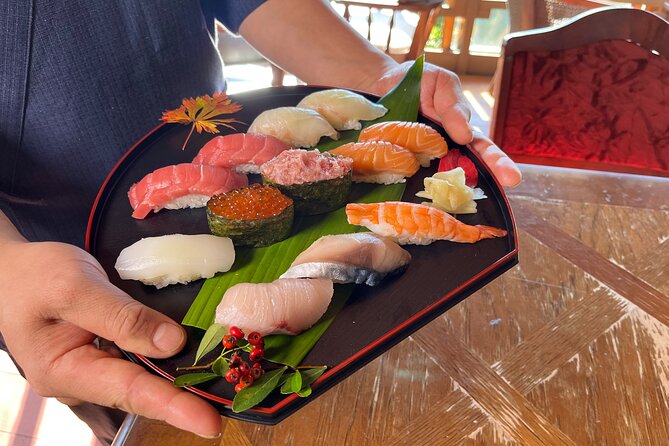
The cost is $74.93 per person. That is not the cheapest food activity in Japan, but the price needs to be judged against what you receive.
You are paying for a 90-minute lesson with a chef who trained and worked in Ginza for more than two decades. You also receive 10 to 12 pieces of nigiri made with premium seafood, use of a rare historic home, the garden setting, and a calligraphy canvas to take home.
The canvas is inscribed with Kamakura Sushi Sake by a professional calligrapher. It is a more personal souvenir than a standard branded item, especially if you enjoy Japanese lettering or want a small reminder of the day.
The price does not include transportation to the address, coffee, tea, or alcoholic drinks. There is an optional sake experience at an additional charge. If sake is part of your plan, budget for it separately rather than assuming it comes with the sushi course.
I see the best value here in the combination of instruction and setting. If you only want a filling lunch, a sushi restaurant may be simpler. If you want to learn a skill, eat quality seafood, and spend time in an old Kamakura home, the cost is easier to justify.
Who will enjoy this class most
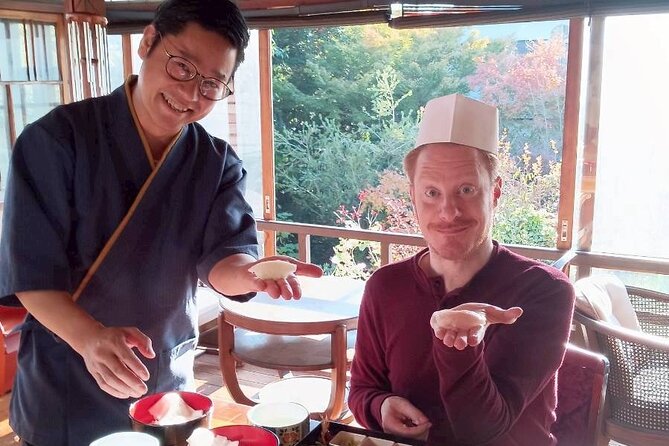
This is a good fit for you if food is one of the main reasons you visit Japan. You do not need to be an experienced cook. The class focuses on basic sushi-making technique, so first-time participants can take part.
It also suits anyone who wants a slower Kamakura experience. The old home and garden offer something different from temple grounds and major monuments. You can pair the class with a walk to the coast, a visit to the Great Buddha, or a morning at Tsurugaoka Hachimangu.
Couples and small groups should appreciate the intimate scale. The maximum is 10 people, which is small enough to preserve the character of the house and give the chef room to offer personal direction.
I would also recommend it to people who enjoy architecture. The house is worth seeing even apart from the food, since very few examples of this Japanese and Western style remain in Kamakura.
This is less suitable for anyone with food allergies. The information specifically says the experience is not recommended for people with food allergies, and the seafood selection changes by season. It is also not ideal if you need a fully private vehicle transfer, since transportation to the meeting point is not included.
Small details that improve the experience
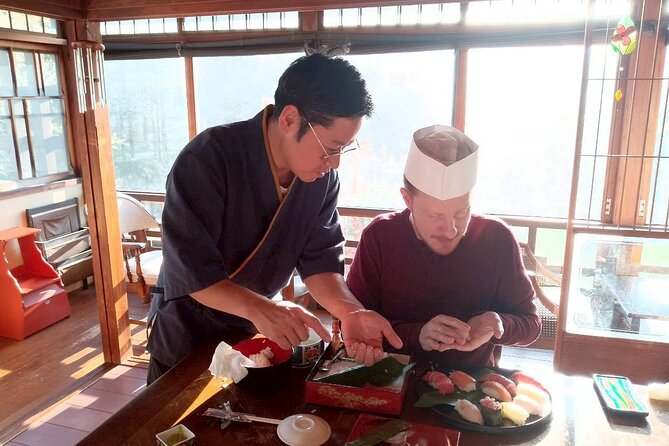
Arrive early enough to find the house without rushing. The property may be close to the station, but its quiet residential location can make the last few minutes less obvious.
Bring a phone with the mobile ticket ready. Confirmation is provided at the time of booking, and the ticket format is mobile, so you do not need a printed voucher.
Think of the class as one part of a Kamakura day rather than the whole day. The start time is 10:30 a.m., and the activity ends where it began. Afterward, you can continue toward the Great Buddha, walk toward the sea, or make your way back through Kamakura.
If you want sake, ask for the additional sake experience when planning your booking. Alcohol is not included in the listed price. Coffee and tea are also separate, so the included food should be understood as the sushi course itself.
Weather deserves attention. A sunny day makes the walk to the coast and the Mount Fuji view more rewarding, and poor weather can cause the activity to be rescheduled or canceled. Keep your next plans flexible if the forecast looks unsettled.
Should you book Sushi Making in a Century Old Kamakura Home?
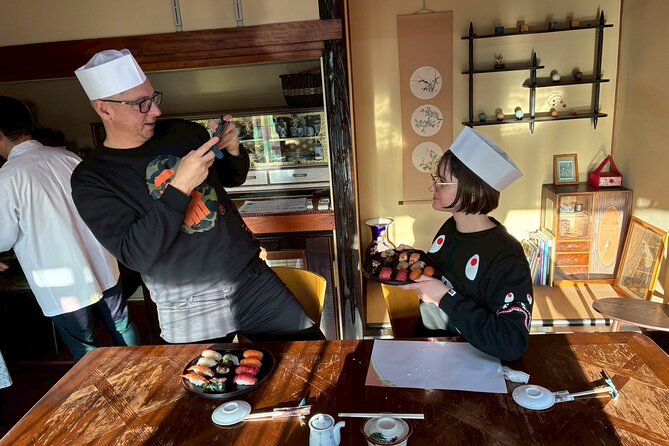
I would book this class if you want a personal food lesson in a setting you cannot reproduce at home. The chef’s Ginza background, premium seasonal seafood, small group size, and old villa give the experience real substance.
The strongest reason to choose it is the setting. Making sushi in a modern classroom would still be useful, but making it in a preserved home with an Enoden train passing beside the garden gives the morning a distinct Kamakura character.
Think twice if you have food allergies, want a fixed fish menu, or are looking for the lowest-cost way to eat sushi. You should also allow extra time to find the house and remember that drinks, transportation, and optional sake cost more.
For most food-minded visitors, the $74.93 price is fair because it combines instruction, a quality meal, a rare house, and a keepsake. If your Kamakura plans already include the major sights, this is a pleasant way to add local atmosphere and a meal you helped create.
FAQ
Where does the sushi-making experience begin?
It begins at 2-chōme-7-12 Yuigahama, Kamakura, Kanagawa 248-0014, Japan.
What time does the activity start?
The class starts at 10:30 a.m.
How long does the sushi class last?
The experience lasts approximately 1 hour and 30 minutes.
How many pieces of sushi will I make?
You will make approximately 10 to 12 pieces of nigiri sushi.
What types of seafood may be included?
The seasonal selection may include tuna, sea bream, shrimp, squid, yellowtail, and salmon roe. The exact selection varies by season.
Is transportation included?
No. Private transportation and travel expenses to the meeting point are not included. The venue is near public transportation and about a 10-minute walk from Kamakura Station.
Can I cancel for a refund?
Yes. You can cancel at least 24 hours before the start time for a full refund. Cancellations or changes made less than 24 hours before the activity are not accepted for a refund. If poor weather causes the experience to be canceled, you will be offered another date or a full refund.
Just added around Japan
- Little EDO Sushi Making workshop in Kawagoe★ 5.0 · 18 reviews
- Kanazawa: Sushi & Japanese Cooking Class at a Historic School★ 5.0 · 66 reviews
- Private Home-Style Cooking Class in Osaka with Local Mom Yoshiko★ 5.0 · 46 reviews
- Home Made Onigiri and Matcha Cooking Class in Hiroshima★ 5.0 · 11 reviews
- Private Japanese Cooking Class in Hiroshima with Machiko’s Family★ 5.0 · 35 reviews
- Make Piroshki in Hakodate and Visit Hidden Spots While Baking★ 5.0 · 3 reviews
- Ramen Cooking Class at Lake Kawaguchiko (Short Course)★ 5.0 · 42 reviews
- View of Mt. Fuji is good! Sushi making experience class★ 5.0 · 6 reviews
Japanese & Sushi Cooking Classes, compared.
Sushi Making Tokyo Roll and Authentic Japanese Sushi Class
Read our review →
Tokyo: Roll and Authentic Sushi Making Class in Asakusa
Read our review →
Ramen Cooking Class at Ramen Factory in Kyoto
Read our review →
Tokyo: Sushi Making Class in a Happi Coat near a Famous Spot
Read our review →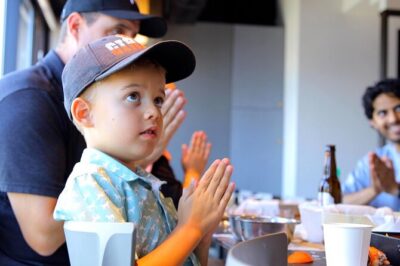
Sushi Making Tokyo! Popular Maki Sushi & Japanese Sushi(+Recipe!)
Read our review →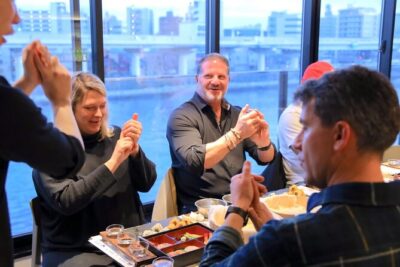
Sushi Making Osaka Roll and Authentic Japanese Sushi Class
Read our review →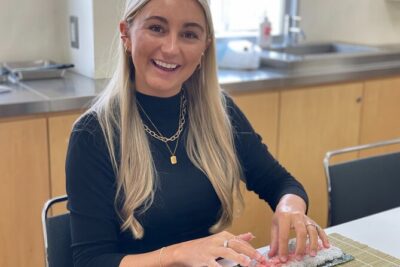
Tokyo Sushi Making Class in Tsukiji with Professional Chef
Read our review →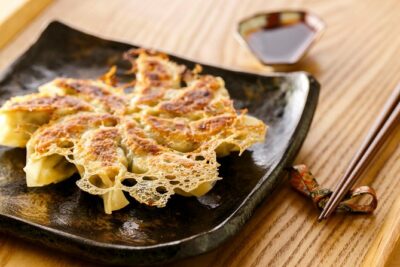
Ramen & Gyoza Cooking Class in Tokyo with Local Supermarket Visit
Read our review →Browse the lists this tour appears in