
Review · JAPANESE & SUSHI
Little EDO Sushi Making workshop in Kawagoe
Kawagoe’s Little EDO Sushi Making workshop pairs a hands-on cooking class with a look inside a 140-year-old former rice merchant’s building. An English-speaking Japanese female sushi chef shows you how to prepare sushi rice, shape nigiri, and roll maki before you eat your work.
I like the small maximum of six people, which should make it easier to see the chef’s hand movements and ask questions. I also like the setting: staircase cabinets and old ceiling beams give the class a sense of place that a modern cooking studio cannot match.
The main thing to watch is the timing. The booking information gives a duration of about 1 hour 30 minutes, while the class description also calls it a two-hour experience. Ask about the exact schedule when booking, especially if you have another Kawagoe activity planned.
Key points to know before booking
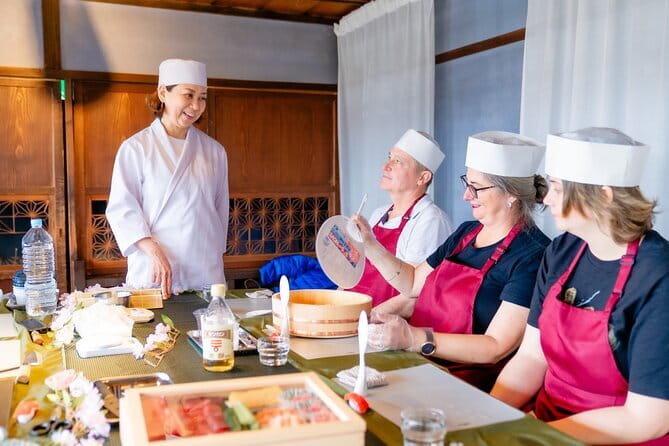
- A 140-year-old setting: The class takes place in MUSUBIYA, a former rice wholesale shop with striking staircase cabinets and timber ceiling beams.
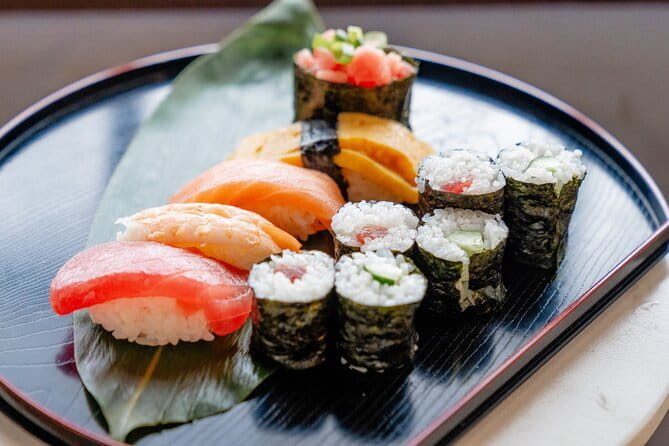
- Two sushi styles: You make traditional hand-formed nigiri and rolled maki sushi, then eat the meal included in the price.
- English instruction: An English-speaking Japanese female sushi chef teaches the techniques and explains the history of sushi.
- Small-group format: The class accepts a maximum of six people, keeping the lesson personal and practical.
- Advance menu requests: Vegan, vegetarian, gluten-free, and halal options are available if requested when you book.
- Convenient old-town location: MUSUBIYA is about a three-minute walk from Kashiya Yokocho, making it easy to pair with a visit to Kawagoe’s sweets street.
Making sushi inside an old Kawagoe rice shop
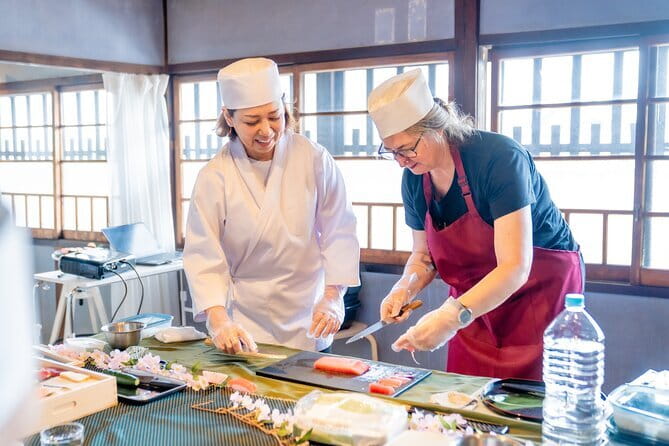
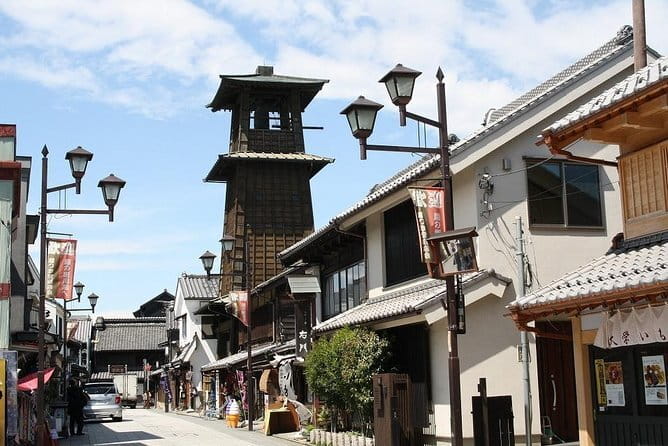
The setting is one of the strongest parts of this experience. MUSUBIYA occupies a 140-year-old building that was once used by a rice merchant. Today it is a local cafe and cooking venue, but the older details remain visible.
Look for the staircase cabinets, a traditional storage feature built into the stairs. The ceiling beams add another layer of atmosphere, giving you a sense of the building’s former working life. This is not simply a room decorated to look old. The class takes place in a structure connected to rice, the main ingredient at the heart of sushi.
You will meet at 結家, written as MUSUBIYA, at 1-6-7 Ishiharacho in Kawagoe. The address is about a three-minute walk from Kashiya Yokocho, also called Candy Alley. That makes the workshop a useful stop during a walk through Kawagoe’s old town.
The venue has stairs. If you prefer to avoid them, contact the operator before the class so alternative arrangements can be discussed. Do not wait until the day itself, since changes and special arrangements need advance notice.
More Sushi and Japanese Classes in Japan:
- Sushi Making Tokyo Roll and Authentic Japanese Sushi Class
★ 5.0 · 3,971 reviews - Tokyo: Roll and Authentic Sushi Making Class in Asakusa
★ 4.9 · 1,957 reviews - Ramen Cooking Class at Ramen Factory in Kyoto
★ 5.0 · 1,937 reviews
The chef’s lesson begins with sushi rice
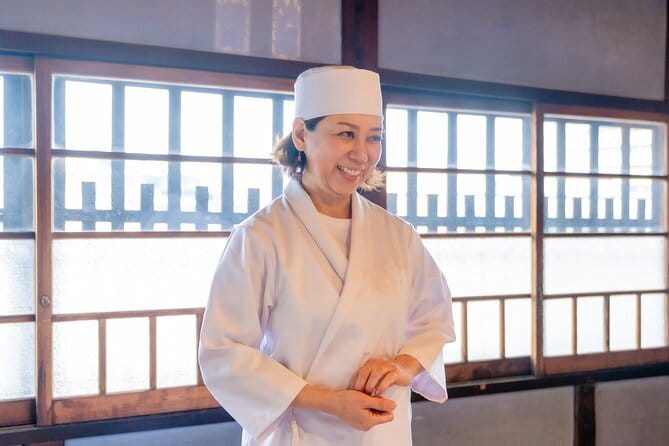
The class is led by an English-speaking Japanese female sushi chef with international experience. Her role is more than simply handing you ingredients. She demonstrates the small movements that make sushi hold together, then gives you a chance to copy them.
The rice lesson is especially useful because it is the part you can most easily repeat at home. Sushi rice needs the right texture and seasoning. If it is too wet, too dry, or packed too tightly, the finished sushi will suffer even if the toppings are good.
You will learn how to prepare sushi rice and how to handle it without crushing the grains. The class also covers how to cut neta, the fish or other topping used for sushi. The information provided does not specify every ingredient, so expect the chef to explain the day’s selection during the lesson.
This is a good format for beginners. You are not expected to arrive with knife skills or professional technique. Instead, you watch the chef’s hand movements and repeat them under guidance. The lesson is designed to show you the method, not to turn you into a sushi professional in one afternoon.
Shaping nigiri by hand
Nigiri is the classic piece many people picture when they think of sushi: a small oval of seasoned rice topped with fish or another ingredient. It looks simple, but the shape depends on light, controlled movements.
The chef explains that nigiri sushi was created in Japan about 300 years ago. That detail gives the dish useful context. Nigiri was not always an ancient ceremonial food. It developed as a practical Japanese style that could be formed and served by hand.
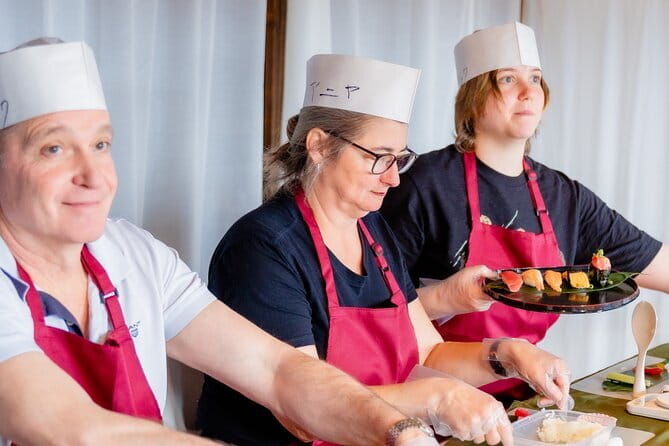
You will practice shaping the rice and placing the topping correctly. The hand motion matters. Press too firmly and the rice becomes dense. Handle it too little and the piece may fall apart. This is where the small class size helps, since a maximum of six people gives the chef room to watch your technique.
Do not expect your first piece to look exactly like the chef’s. That is part of the fun, and it also shows why trained sushi chefs make the process look easy. The class gives you a clearer sense of the skill involved while keeping the mood friendly and approachable.
A recent participant specifically valued learning how to make sushi rice, cut neta, and form nigiri. Those are the practical parts of the lesson that can stay with you after your time in Kawagoe.
Rolling maki without losing the filling
The second sushi style is maki, or roll sushi. Unlike nigiri, maki surrounds its filling with rice and seaweed. It is familiar, flexible, and often a little easier to enjoy as a first home project.
You will learn how to place the fillings, spread the rice, and roll the sushi into a firm shape. The challenge is applying enough pressure to keep the roll together without squeezing out the ingredients.
Maki also gives you a different lesson in texture and balance. The rice, seaweed, and fillings need to work together in each slice. The chef can show you how to make a roll that cuts cleanly rather than collapsing on the board.
The class may include a seasonal or special format at certain times. The supplied information mentions an Ehomaki period, suggesting that the workshop may connect some sessions with this long rolled sushi traditionally associated with a Japanese seasonal custom. Ask the chef what is planned for your date if that aspect interests you.
More Hands-On Workshops in Japan:
- Tokyo: Sushi Making Class in a Happi Coat near a Famous Spot
★ 4.9 · 1,377 reviews - Sushi Making Osaka Roll and Authentic Japanese Sushi Class
★ 5.0 · 1,220 reviews - Tokyo Sushi Making Class in Tsukiji with Professional Chef
★ 5.0 · 1,177 reviews - Ramen & Gyoza Cooking Class in Tokyo with Local Supermarket Visit
★ 5.0 · 823 reviews
Eating what you have made
Ingredients and the meal are included in the price. After the cooking portion, you can sit down and eat the nigiri and maki you prepared.
That final meal matters. A cooking class is more satisfying when you can taste the result while the techniques are still fresh in your mind. You can check the rice texture, see how well the roll held together, and compare your work with the chef’s examples.
Beverages are not included, so plan to buy drinks separately if you want one with lunch or an afternoon meal. Hotel pickup and drop-off are also not included. You make your own way to MUSUBIYA and return to the same meeting point when the class ends.
The published schedule lists Monday sessions from noon to 1:30 p.m. and from 3 to 4:30 p.m., for the operating period shown as May 9, 2025 through February 11, 2027. Because the description also refers to a two-hour class, check your confirmation for the exact end time. That small timing difference could affect a planned restaurant booking or train connection.
What the $84 price gets you

At $84.08 per person, this is not the cheapest way to eat sushi in Japan. You are paying for instruction, ingredients, the meal, an English-speaking chef, and access to a historic building in central Kawagoe.
The value is strongest if you want more than a meal. You learn a skill you can try at home, receive cultural context about nigiri, and take part in a small class rather than simply sitting at a sushi counter. The setting also adds something that a standard cooking school may not provide.
The price is less compelling if your main goal is simply to eat a large amount of sushi. This is a short workshop, not an all-you-can-eat meal, and drinks cost extra. You are paying for the activity and the teaching as much as for the food.
The class’s current record is unusually strong: a five-star rating with 18 ratings and a 100 percent recommendation rate. That does not remove the need to check the menu or timing, but it supports the idea that the core experience, the chef’s instruction, and the hands-on format are working well.
Dietary requests need to be made before class
The operator can accommodate vegan, vegetarian, gluten-free, and halal menus. You need to request a menu change when booking.
Allergy requests can also be discussed in advance, but the published information lists limits. The kitchen cannot accommodate allergies involving meat, nuts, fruits, or dairy. Read that list carefully before paying, and contact the operator if you are unsure about an ingredient.
No menu changes can be made on the day of the class. This is particularly important for vegetarian and vegan participants, since substitutions affect the ingredients prepared for the group.
If you eat fish but avoid particular items, ask in advance rather than assuming the chef can change the menu at the table. Clear planning will make the class easier for you and the small kitchen team.
How to fit the class into a Kawagoe day
The location works well with a half-day in Kawagoe. MUSUBIYA is a short walk from Kashiya Yokocho, so you can combine the workshop with the old shopping street before or after class.
The noon session leaves the afternoon available. The later session lets you explore first and then finish your visit with a meal you helped prepare. Since the class ends back at the meeting point, you will need to plan your next stop from MUSUBIYA rather than from a hotel or station pickup.
The exact duration deserves attention. The listed tour duration is approximately 1 hour 30 minutes, and the schedule shows a 90-minute block. Elsewhere, the experience is described as a two-hour class. Allow extra time around the appointment until you receive a firm end time.
The mobile ticket is convenient, since you can keep the booking on your phone. Confirmation is provided at booking. The venue is near public transportation, but hotel transportation is not part of the package.
Who will enjoy this sushi class most
I would choose this for someone who wants a short, practical food experience rather than a long formal cooking course. It should suit first-time sushi makers, couples, families, and small groups who enjoy learning by doing.
It is also a good match for anyone interested in traditional buildings. The staircase cabinets and ceiling beams are not the main lesson, but they make the hour feel tied to Kawagoe rather than interchangeable with a class in any Japanese city.
The English instruction is a major help if you do not speak Japanese. You can follow the chef’s explanation of rice, cutting, shaping, and sushi history without relying only on demonstration.
People with strict dietary needs should decide carefully. Several menu types are available, but requests must be made early, and some allergies cannot be accommodated. Anyone with limited mobility should also contact the operator because stairs lead to the venue.
I would skip it if you want a luxury sushi tasting, a long chef-led meal, or a completely open schedule. This is a structured class with a set meeting point and a short time window.
Booking, cancellation, and weather details
You can cancel for a full refund up to 24 hours before the start time. Changes or cancellations made less than 24 hours ahead are not accepted and are not refunded.
The cut-off is based on local Japanese time. The experience may also be canceled if poor weather affects operations or if the minimum number of participants is not reached. In those cases, you are offered another date or experience, or a full refund.
The class allows service animals and is near public transportation. Since the maximum is six people, booking around 19 days ahead is common. If you need a particular menu or session, booking early is sensible.
Should you book Little EDO Sushi Making?
Book it if you want to make your own nigiri and maki, learn the basics of sushi rice, and spend time inside an old Kawagoe building with an English-speaking Japanese chef. The small group, practical instruction, included meal, and strong five-star record make the $84.08 reasonable for a hands-on cultural activity.
Before booking, confirm the class length, request dietary changes, and plan around the stairs. If those points work for you, this is a well-focused way to add food, craft, and local character to a Kawagoe visit.
FAQ
Where does the sushi-making class take place?
The class takes place at MUSUBIYA, also written as 結家, at 1-6-7 Ishiharacho, Kawagoe City, Saitama, Japan.
How long does the experience last?
The listed duration is approximately 1 hour 30 minutes, and the published Monday sessions run for 90 minutes. The description also refers to a two-hour class, so confirm the exact timing when booking.
What types of sushi will I make?
You will make nigiri sushi, which is hand-formed sushi, and maki sushi, which is rolled sushi.
Is the class taught in English?
Yes. An English-speaking Japanese female sushi chef leads the class and explains the sushi-making techniques and related cultural information.
What is included in the price?
The price includes the ingredients used in the cooking class and the meal you prepare. Beverages are not included.
Can I request a vegetarian or vegan menu?
Yes. Vegan and vegetarian menus are available, along with gluten-free and halal options. You must request the menu change when booking.
Can the class accommodate allergies?
Some allergy requests can be accommodated if made in advance. The published restrictions exclude allergies involving meat, nuts, fruits, and dairy. Changes cannot be made on the day of the class.
Is the venue accessible without stairs?
The venue has stairs. If you prefer to avoid them, contact the operator in advance to discuss alternative arrangements.
What is the cancellation policy?
You can cancel at least 24 hours before the local start time for a full refund. Cancellations or changes made less than 24 hours before the experience are not accepted or refunded. If the class is canceled because of poor weather or insufficient participation, you are offered another date or a full refund.
Just added around Japan
- Kanazawa: Sushi & Japanese Cooking Class at a Historic School★ 5.0 · 66 reviews
- Sushi Making in a Century Old Kamakura Home★ 5.0 · 6 reviews
- Private Home-Style Cooking Class in Osaka with Local Mom Yoshiko★ 5.0 · 46 reviews
- Home Made Onigiri and Matcha Cooking Class in Hiroshima★ 5.0 · 11 reviews
- Private Japanese Cooking Class in Hiroshima with Machiko’s Family★ 5.0 · 35 reviews
- Make Piroshki in Hakodate and Visit Hidden Spots While Baking★ 5.0 · 3 reviews
- Ramen Cooking Class at Lake Kawaguchiko (Short Course)★ 5.0 · 42 reviews
- View of Mt. Fuji is good! Sushi making experience class★ 5.0 · 6 reviews
Japanese & Sushi Cooking Classes, compared.
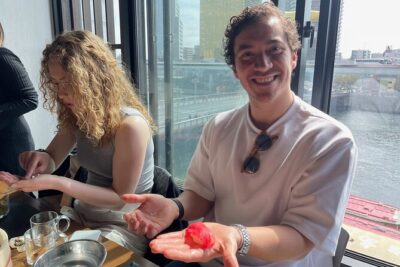
Sushi Making Tokyo Roll and Authentic Japanese Sushi Class
Read our review →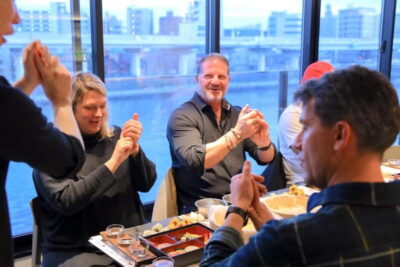
Tokyo: Roll and Authentic Sushi Making Class in Asakusa
Read our review →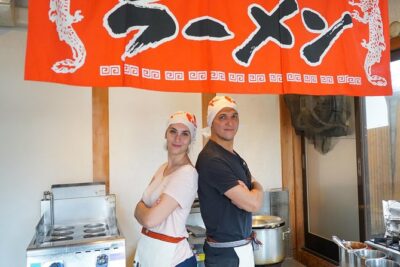
Ramen Cooking Class at Ramen Factory in Kyoto
Read our review →
Tokyo: Sushi Making Class in a Happi Coat near a Famous Spot
Read our review →
Sushi Making Tokyo! Popular Maki Sushi & Japanese Sushi(+Recipe!)
Read our review →
Sushi Making Osaka Roll and Authentic Japanese Sushi Class
Read our review →
Tokyo Sushi Making Class in Tsukiji with Professional Chef
Read our review →
Ramen & Gyoza Cooking Class in Tokyo with Local Supermarket Visit
Read our review →Browse the lists this tour appears in