
Review · KANDY
Kandy Village Cooking Class
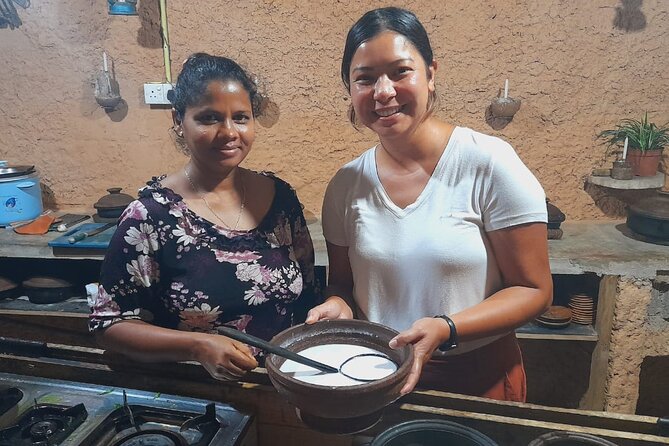
The best part of this Kandy experience happens before anyone turns on the stove. You begin at the Kandy Municipal Central Market, choosing five vegetables, learning about local spices, and picking chicken or fish for the meal. Then you head to a family home in the countryside, where Shyama and her helpers guide you through a full Sri Lankan feast.
I like the market stop because it gives you a practical way to understand Sri Lankan food, not just eat it. I also like the hands-on village kitchen, where you may help prepare eight to eleven dishes, make coconut milk from scratch, and finish with a proper sit-down meal.
The main thing to check is transport. Pickup is offered from a designated point, but the return journey may not be included. One person also reported having to arrange and pay for the way back from the village, so confirm this before you set off.
Key points at a glance
- Shop for the meal first: Choose five vegetables and either chicken or fish at Kandy’s central market.
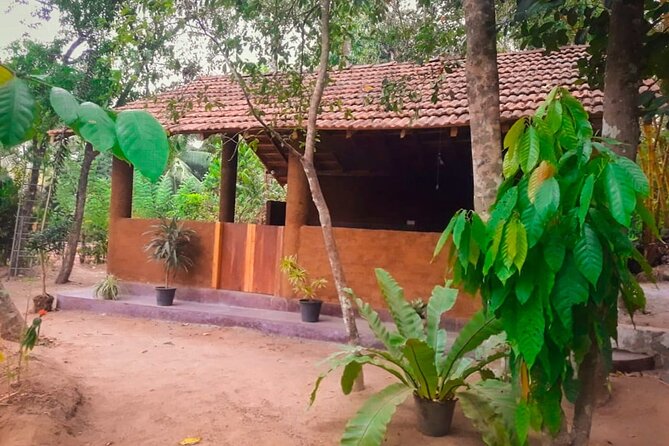
- Learn in a family setting: Cooking takes place at a traditional village home and outdoor kitchen, roughly 10 kilometers from Kandy according to the information provided.
- Expect a generous menu: Past sessions have included five curries, sambal, rice, aubergine curry, chicken curry, and caramel pancakes.
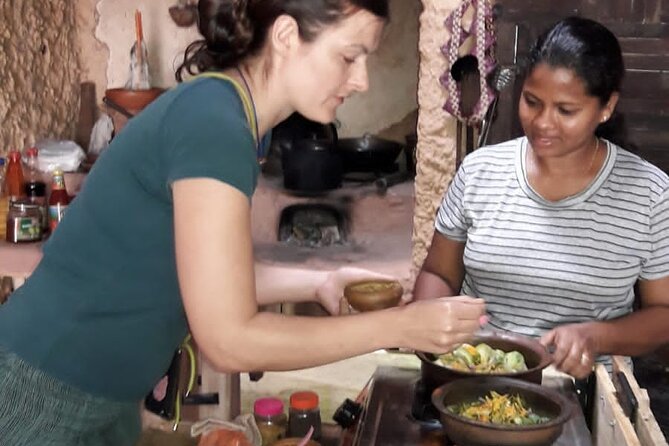
- Real participation, not a cooking demonstration: You chop, stir, season, and learn methods such as making coconut milk.
- Good for solo visitors and groups: The class accepts individuals, couples, families, and groups of up to 15.
- Check the ride home: Pickup is offered, but return transport needs to be clarified before booking.
Why the market visit makes this class worthwhile
Many cooking classes begin with ingredients already laid out on a counter. This one starts in Kandy’s central market, at 144 Central Market, Kandy 20000. That small change makes a big difference.
You walk among the produce stalls with the host and learn how vegetables, spices, and other ingredients fit into Sri Lankan cooking. You choose five vegetables from the selection available that day, then choose chicken or fish. The meal is not simply a fixed menu prepared for you. Your choices help shape what you cook.
I particularly like this part for first-time visitors to Sri Lanka. Vegetables can look unfamiliar, and spice names alone do not tell you how an ingredient tastes, feels, or behaves in a curry. At the market, you can ask questions while looking at the actual produce. It is a useful lesson in how local cooks shop: by season, freshness, availability, and what looks good that morning.
The market also gives the class a stronger link to daily life in Kandy. You are not only learning a recipe in a purpose-built kitchen. You are seeing where the food begins, then carrying those ingredients into the next part of the experience.
Allow for a lively, sensory start. The market can be busy, and you may spend time stopping at several stalls while the host explains vegetables and spices. That is part of the value, but anyone hoping to rush straight into cooking should know that the market visit is a proper section of the experience.
More Farm Cooking Classes in Sri Lanka
- Organic cooking class sigiriya (kumara & family)
★ 5.0 · 650 reviews - Organic Cooking Class sigiriya home Kitchen(Kumara & family)
★ 5.0 · 116 reviews - Cooking With Village Family
★ 5.0 · 104 reviews
Leaving Kandy for a village kitchen
After shopping, you travel from central Kandy to the village setting. The class information describes pickup from a designated point, and some bookings include hotel collection. The village is reported to be about 10 kilometers outside the city, so allow extra time for the drive and ask exactly where you will be collected.
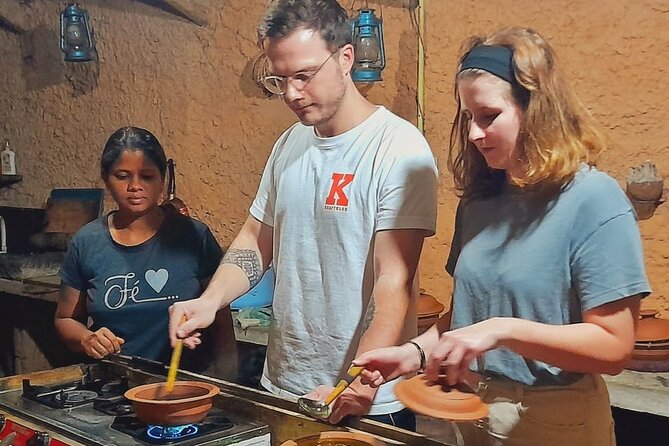
The setting is one of the strongest reasons to book this class. Cooking takes place at or near the family home, in a traditional kitchen described in several ways, including an outdoor kitchen and a traditional clay house. The surroundings are part of the lesson. You get a glimpse of how cooking works outside a modern city kitchen, with local methods and a more personal pace.
A short visit to a nearby village is also included. This is not a long sightseeing tour, but it adds context to the cooking. You see a little of local life before sitting down to prepare food, rather than spending the entire three hours inside one room.
I would not book this as a sightseeing circuit around Kandy. The details also mention Kandy City Center, Kandy Lake, Kandy View Point, Kandy Lake Club’s cultural dance show, Kandy District, and the Temple of the Sacred Tooth Relic. These are important Kandy places, but the core experience is the market and village cooking class. Treat the named city sights as area references, not as a substitute for a separate Kandy sightseeing tour.
Cooking with Shyama and the family
Shyama is identified as one of the main teachers, and the class is presented as a family-run experience. You begin with introductions and then work through the ingredients you selected at the market.
The exact number of dishes can vary. Different sessions have produced around eight, nine, or even eleven dishes. The common thread is a full spread of Sri Lankan food rather than one simple curry. You might prepare several curries, rice, sambal, vegetables, chicken or fish, and a sweet dish.
You should expect to learn more than a list of ingredients. The useful lessons include how spices are used, how vegetables are handled, how coconut milk is made, and how traditional cooking methods build flavor. One especially practical detail is the preparation of coconut milk from scratch. That is the sort of step often skipped in a quick class, yet it changes the taste and texture of Sri Lankan curries.
The class is hands-on. You are not simply watching Shyama cook while someone else handles the difficult work. You take part in preparing the dishes and can ask questions along the way. The teaching style appears suited to beginners, with recipes explained as you cook rather than delivered as a formal lecture.
The pace may feel full. Preparing many dishes in about three hours takes coordination, and you may move between several pans, bowls, and ingredients. That is a benefit if you want a broad introduction to Sri Lankan cooking. It may be less suitable if you want to master one recipe slowly or spend a long time practicing knife skills.
What you are likely to eat
The meal is the payoff, and the menu sounds substantial for a $25 experience. The dishes described across the class include multiple curries, rice, sambal, aubergine curry, chicken curry, and caramel pancakes with coconut.
The aubergine curry and sambal deserve special attention. They show how Sri Lankan cooking is not only about a main meat dish. Vegetables, coconut, spice, and condiments can carry just as much interest as chicken or fish.
The sweet finish is caramel pancakes with coconut. That is a useful touch because it rounds out the meal and gives you another recipe to take home. Several recipes are provided, so you can try to repeat the meal after returning home.
The meal is also social. You eat what you have helped prepare, usually with the family and the other people in your group. For solo visitors, this can be a friendly way to spend an afternoon or evening. For families, the format works well across ages, though younger children may need help during the longer preparation.
The food is likely to contain familiar Sri Lankan ingredients such as coconut, spices, vegetables, and curry seasonings, but dietary needs should be raised before booking. One person with celiac disease was able to avoid some ingredients, including soy sauce, mustard, papadam, and the pancakes, but there were no separate gluten-free options. That means you should not assume the entire menu can be adapted safely.
Same place, a different menu:
- Ella: Traditional Sri Lankan Cooking Class
★ 4.9 · 788 reviews - Sri Lanka Cooking Class with Granny
★ 5.0 · 587 reviews - Sea waves sri lankan cooking class
★ 5.0 · 467 reviews - Ella: Sri Lankan Cooking Class with Neranji at Homestay
★ 5.0 · 276 reviews
A strong choice for families, couples, and solo visitors
The class accepts individual bookings, couples, and groups of up to 15 people. That range matters because the experience changes with group size.
As a solo visitor, you should have a chance to join a shared group rather than needing to book a private class. The cooking gives you an easy subject for conversation, and the market provides a natural start before everyone reaches the kitchen.
Couples can treat it as a food-focused cultural outing. You shop together, cook together, and sit down to eat the result. It offers more contact with local life than a restaurant meal, while still being easy to fit into a Kandy stay.
Families also have a good reason to consider it. A group of 14, including children and grandparents, was able to take part, which suggests the host family can manage a wide age range. Still, a large group may mean less individual attention at certain moments. If personal instruction is your top priority, ask about the expected group size on your date.
Groups of up to 15 are allowed. That makes the class useful for friends or extended families, but you should expect a shared activity rather than a quiet private lesson unless that is specifically arranged.
Value at $25 per person
At $25 per person, this is priced below many private food experiences, especially when the fee includes a market visit, transport pickup from a designated point, instruction, ingredients, and a full meal. The number of dishes can also make the price look strong: you may help prepare several curries and a dessert rather than one main dish.
The real value is not simply how much food you receive. You are paying for access to a local market, guidance on choosing ingredients, a village visit, cooking instruction, and time with a family in their home setting. Those pieces would be difficult to arrange independently during a short stay in Kandy.
Transport affects the calculation. Pickup is offered, but the return trip may cost extra or require your own arrangement. If you need a taxi or tuk-tuk back to Kandy, the total cost will be higher than the advertised $25. Ask before booking so the low headline price does not catch you by surprise.
The class is about three hours, though market shopping, travel, and the meal can make the full outing take longer. Keep the rest of your schedule flexible, especially if you have a temple visit or train departure planned afterward.
Practical details before you book
The meeting point is Kandy Municipal Central Market. The activity ends back at the meeting point according to the booking details, but the transport comments make it sensible to confirm how that return works for your specific booking.
The maximum group size is 15. Confirmation is provided at booking, and service animals are allowed. The meeting point is near public transportation, which helps if you are arranging your own way into central Kandy.
You can cancel for a full refund if you do so at least 24 hours before the start time. Changes or cancellations made inside that window are not accepted for a refund, and the cut-off uses local time.
Wear clothes that are comfortable for cooking and suitable for a village home. The information does not specify an equipment list or dress code, so ask the provider if you have concerns about footwear, mobility, or particular kitchen tasks.
If you have food allergies, celiac disease, or do not eat meat, contact the provider before you arrive. The class offers a choice between chicken and fish, but the available menu and substitutions are not fully specified.
Who should book this Kandy experience?
I would choose this class if you want to understand Sri Lankan food through the people, ingredients, and cooking methods behind it. The market visit is especially useful if you are curious about vegetables and spices, while the village kitchen gives the experience a personal setting.
It suits you if you enjoy participating rather than watching. You will likely chop, prepare, stir, season, and eat several dishes. It also works well for a family group, a couple, or a solo visitor who wants a social activity.
I would hesitate if you need guaranteed return transport, strict dietary control, or a quiet, highly structured lesson. The group can reach 15 people, the menu may change with your market choices, and the return ride needs clarification.
Should you book the Kandy Village Cooking Class?
Book it if you want a generous introduction to Sri Lankan home cooking and value contact with local life more than polished presentation. The combination of market shopping, a village visit, hands-on instruction with Shyama, and a large shared meal gives you plenty for the price.
Before paying, confirm three things: pickup location, return transport, and dietary substitutions. Once those are clear, this is an easy choice for food lovers, families, and anyone who wants more from Kandy than temples and viewpoints. You leave with a full stomach, recipes to try at home, and a better sense of how Sri Lankan cooking begins at the market and comes together in the kitchen.
FAQ
Where does the Kandy Village Cooking Class start?
The activity starts at Kandy Municipal Central Market, 144 Central Market, Kandy 20000, Sri Lanka.
How long does the cooking class last?
The experience lasts approximately three hours. The market visit, travel to the village, and shared meal are part of the overall outing.
Is pickup available?
Yes. Pickup is offered from a designated point for the market visit, and some bookings include pickup from a hotel. Confirm the exact pickup details when booking.
Does the experience include return transport?
The activity information says it ends back at the meeting point, but a booking note states that some participants had to arrange and pay for their own return from the village. Confirm the return ride and any cost before booking.
What ingredients can I choose?
At the market, you choose five vegetables from the available selection. You can also choose either chicken or fish.
How many people can join the class?
The class accepts individuals, couples, and groups. The maximum group size is 15 people.
Is the meal suitable for someone with celiac disease?
The class does not list separate gluten-free options. Some ingredients were removed for a person with celiac disease, including soy sauce, mustard, papadam, and pancakes, so contact the provider before booking.
What is the cancellation policy?
You can cancel at least 24 hours before the experience for a full refund. Cancellations or changes made less than 24 hours before the start time are not accepted for a refund.
More Hands-On Workshops in Sri Lanka
- Ella : Cooking class with amazing Spice Garden Tour
★ 5.0 · 239 reviews - Sajee’s Place Cooking Class
★ 5.0 · 237 reviews - Colombo Cooking Class
★ 5.0 · 151 reviews - Market Tour and Hands-On Cooking Class Colombo
★ 5.0 · 140 reviews
Just added around Sri Lanka
- Galle: Cooking Class at a Local Home and Market Tour★ 5.0 · 47 reviews
- Vegan Cooking Class Colombo with Market Tour★ 5.0 · 9 reviews
- Private Traditional Sri Lankan Cooking Class in Kandy with Hotel Transfers★ 5.0 · 115 reviews
- Sri Lanka Cooking Class with Granny★ 5.0 · 587 reviews
- Cooking With Village Family★ 5.0 · 104 reviews
- Organic Cooking Class sigiriya home Kitchen(Kumara & family)★ 5.0 · 116 reviews
- Cooking Class Sri Lanka with Locals★ 5.0 · 101 reviews
- Market Tour and Hands-On Cooking Class Colombo★ 5.0 · 140 reviews
Farm & Countryside Cooking Classes, compared.
Half-Day Thai Cooking Class at Organic Farm in Chiang Mai
Read our review →
Cooking Class and Lunch at a Tuscan Farmhouse with Local Market Tour from Florence
Read our review →
Chiang Mai: Authentic Cooking Class with Market & Farm Visit
Read our review →
Ubud: Balinese Cooking Class at an Organic Farm
Read our review →
Ubud: Authentic Cooking Class in a Local Village
Read our review →
Chiang Mai: Cooking Class with Organic Farm at Mama Noi
Read our review →

Hands-On Cooking Class & Farmhouse Tour on the Amalfi Coast
Read our review →Browse the lists this tour appears in