
Review · JAPANESE & SUSHI
Cooking and Eating Bara Sushi A Local Dish from Okayama
Okayama’s bara sushi is not a neat little roll. It is a colorful platter of sushi rice covered with more than 10 kinds of fish, vegetables, simmered foods, and vinegared ingredients. In this hands-on cooking experience, local home cooks guide you through the dish, then you eat what you made with miso soup.
I like two things right away: you get a real look at home-style food culture, and you can adjust the ingredients to suit your taste. The small private format also feels more personal than a standard cooking class. The main drawback is the meeting information: the listed start point is in Kurashiki, while the transport notes direct you through JR Soja, so confirm the exact location before setting out.
Key points to know before booking
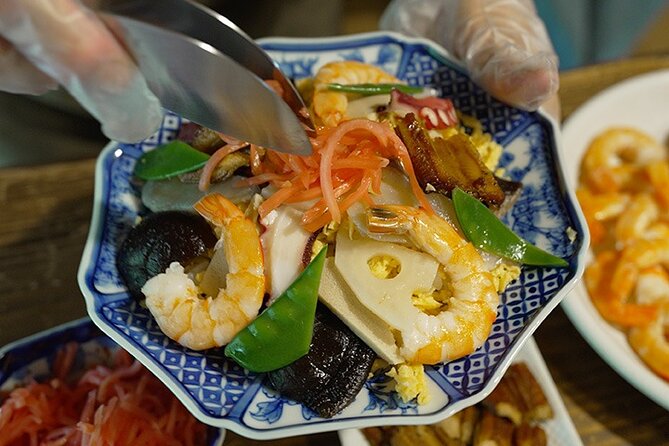
- A local Okayama specialty: Bara sushi is made with sushi rice and more than 10 prepared ingredients, rather than rolled into individual pieces.
- Local cooks lead the class: Home cooks with years of experience prepare the ingredients and show you how to assemble the dish.
- You eat the lunch you make: The meal includes your bara sushi and miso soup.
- Private format: Only your own group takes part, which gives you room to ask questions and set your own pace.
- Three and a half hours: The morning starts at 10:30 a.m. and ends back at the meeting point.
- Plan transport carefully: JR Soja is about 30 minutes from Okayama Station and 11 minutes from Kurashiki Station, followed by a walk or short taxi ride according to the provided directions.
Why bara sushi tells an Okayama story
Bara sushi is one of those dishes that teaches you more than a restaurant meal can. You do not simply receive a finished plate. You see how several small preparations come together over rice, and you learn why local ingredients matter to the dish.
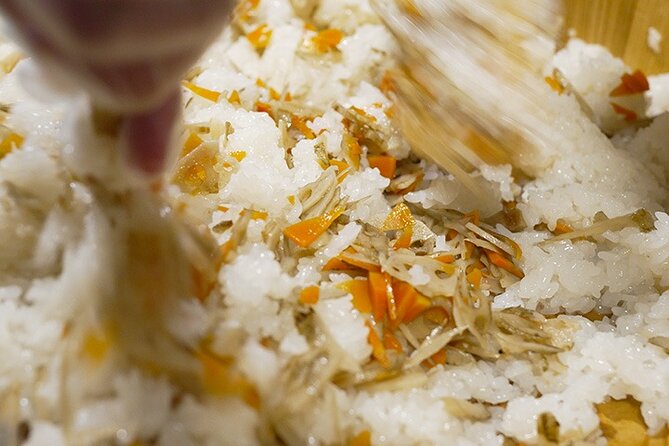
The base is sushi rice. On top go more than 10 ingredients, including regional fish and vegetables. Some are simmered, while others are pickled in vinegar. That combination gives the dish a broad range of tastes and textures, from sweet and savory to sharp, soft, and crisp.
The finished food is also designed to look generous. Rather than hiding everything inside a roll, bara sushi displays the ingredients across the top. You can see what you are about to eat, and you can choose how much of each item reaches your own portion.
That flexibility is useful if you have strong food preferences. The class says the types and amounts of ingredients are up to you, so you are not locked into a fixed recipe. At the same time, you still learn the local way of putting the dish together.
More Sushi and Japanese Classes in Japan:
- Sushi Making Tokyo Roll and Authentic Japanese Sushi Class
★ 5.0 · 3,971 reviews - Tokyo: Roll and Authentic Sushi Making Class in Asakusa
★ 4.9 · 1,957 reviews - Ramen Cooking Class at Ramen Factory in Kyoto
★ 5.0 · 1,937 reviews
Meeting local cooks in a traditional home setting
The class is led by local housewives who have made bara sushi for many years. That detail matters. You are learning from people who know the food as part of ordinary home life, not only as a dish presented for visitors.
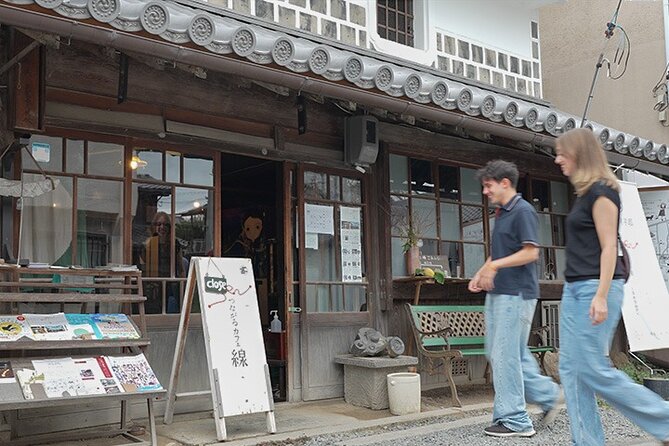
The experience takes place in a renovated historic house, giving the meal a more domestic setting than a modern cooking studio. The setting helps connect the recipe to the people who have kept it in use. One useful feature is that the ingredients are prepared in advance by the cooks, so you can focus on the food and the assembly even if you have little or no cooking experience.
Hisao Tsugita created the activity to bring more attention to bara sushi among local people and international visitors. His role gives the experience a clear purpose: this is not just a quick lunch with a recipe attached. It is an effort to keep a local dish visible and to explain why it belongs to Okayama.
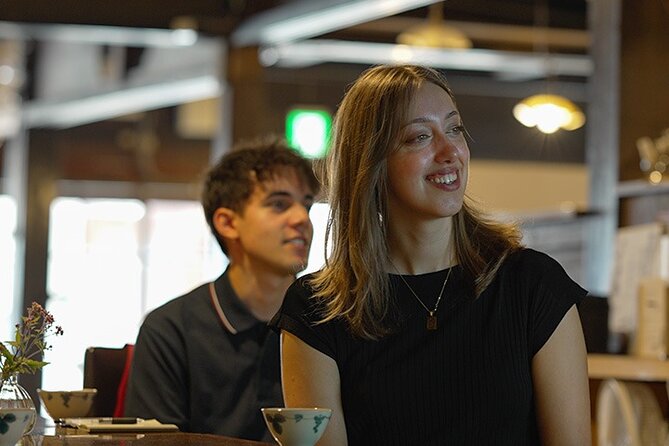
The class is also private. Only your group participates, rather than joining a large room of strangers. I like that arrangement for a food experience because it makes it easier to ask about an ingredient, request help, or take your time with the preparation.
What happens during the 10:30 a.m. class
The activity lasts about three hours and 30 minutes. It begins at 10:30 a.m., so you should plan for a late morning that continues into lunchtime.
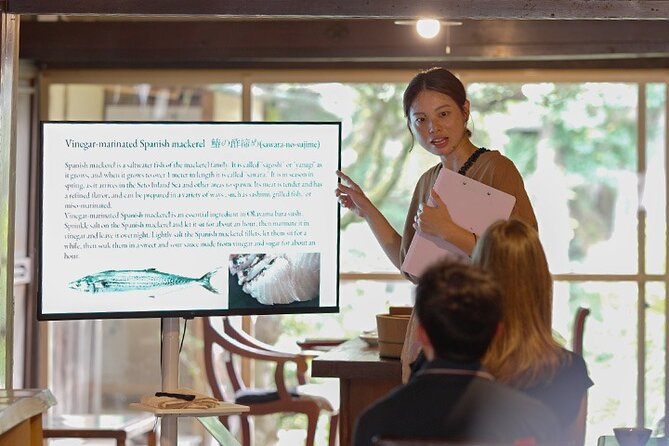
The first part introduces the history of bara sushi. This is a useful opening because the dish can look unfamiliar if you expect standard rolled sushi. You learn what makes the Okayama version different, how its ingredients are used, and how it fits into local food traditions.
Next, the prepared ingredients are brought out. The cooks guide you through the process of placing them over the sushi rice. You do not need previous cooking experience, and the preparation is arranged so that beginners can take part.
This is where the class becomes more than a demonstration. You make decisions about which ingredients to use and how much to serve. If you enjoy one item more than another, you have some control over the final result. That personal choice is a small but welcome contrast to a fixed cooking lesson where every plate must look identical.
Once the bara sushi is assembled, you sit down to eat it. Lunch includes the sushi you made and miso soup. The meal gives you a chance to taste the balance you created and compare it with the explanation you heard earlier.
The experience ends back at the meeting point. Since the cooking, conversation, and meal all happen in one visit, the three-and-a-half-hour schedule feels substantial without taking up an entire day.
The food itself: colorful, varied, and not standard sushi
If your idea of sushi is raw fish wrapped in seaweed, bara sushi may surprise you. The dish is closer to a generous rice preparation topped with many cooked, pickled, and fish-based ingredients.
That makes it a good choice if you want to explore Japanese food beyond the most familiar dishes. The use of simmered vegetables and vinegared items shows how Japanese home cooking builds flavor through preparation, not just through a single premium ingredient.
You also get a useful lesson in balance. Sushi rice provides the foundation, while the toppings bring different degrees of sweetness, salt, acidity, and texture. Because you decide the amount of each ingredient, the final bowl or plate reflects your own preferences.
I would not book this expecting a technical sushi-chef lesson. You are not being trained to slice fish or roll perfect maki. The value is in understanding a regional dish, working with prepared ingredients, and eating a traditional meal in the company of local cooks.
A few more cooking classes around Japan worth a look
- Tokyo Sushi Making Class in Tsukiji with Professional Chef
★ 5.0 · 1,177 reviews - Ramen & Gyoza Cooking Class in Tokyo with Local Supermarket Visit
★ 5.0 · 823 reviews - Tsukiji Fish Market Guided Tour and Sushi Making with Pro Chef
★ 5.0 · 775 reviews - Kyoto: Ramen Cooking Class at a Ramen Factory with Souvenir
★ 4.9 · 532 reviews
What the $42.27 price covers
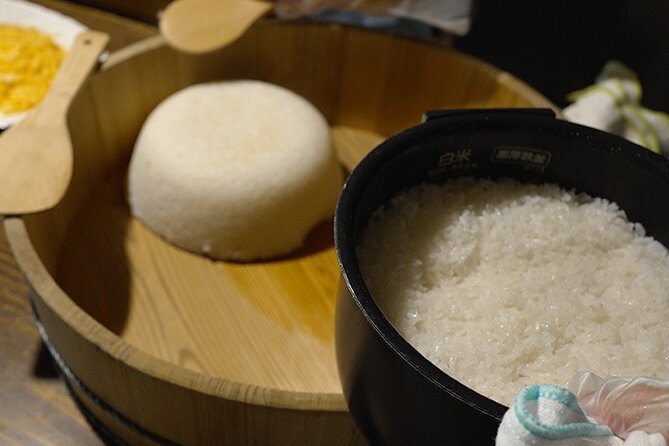
At $42.27 per person, this is priced as a three-and-a-half-hour food activity rather than a simple lunch. The cost includes the cooking instruction, prepared ingredients, your bara sushi, and miso soup.
I find the value strongest if you care about local food traditions. You are paying for time with the cooks, an explanation of the dish, the practical work of assembling it, and the finished meal. You also get a private setting, which can make the experience feel more relaxed than a large group class.
The value is less clear if you only want to eat bara sushi quickly. A restaurant meal would likely take less time and require less planning. This activity earns its price through participation and context, not speed.
The price does not include private transportation. You need to reach the meeting point yourself, and that is important because the transport information requires careful reading.
Getting there from Kurashiki or Okayama
The listed meeting point is Kurashikiekikitahirobajikayoshaseiriba Parking Lot, 13-2 Kotobukicho, Kurashiki, Okayama 710-0813, Japan. The activity starts and ends there.
The directions also explain that JR Soja is about 30 minutes from Okayama Station and about 11 minutes from Kurashiki Station. From JR Soja Station, the meeting point is described as a 25-minute walk or a five-minute taxi ride.
Because the meeting point name and the JR Soja directions do not line up neatly at a glance, I would verify the exact map pin and station route with the provider before the day of the class. That is the one practical detail I would not leave to chance. A mobile ticket is provided, and confirmation arrives at booking, but neither replaces checking the route.
The activity is near public transportation, yet you should still allow extra time. A 10:30 a.m. start leaves little room for a wrong turn, especially if you plan to walk from the station. A short taxi ride may be the simpler choice if you are carrying luggage or traveling with children.
Who will enjoy this experience most
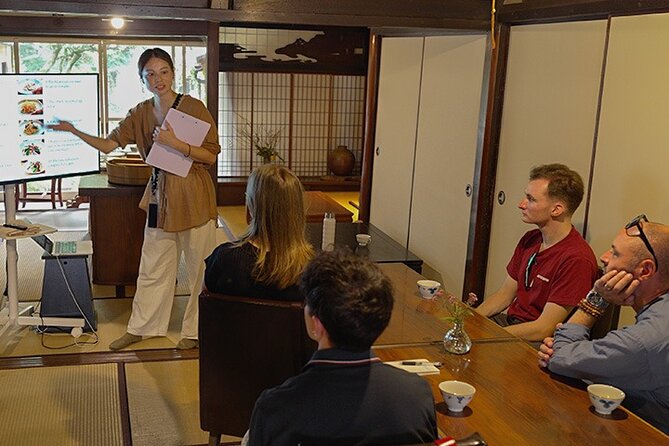
I would recommend this class to you if you enjoy regional food, small-group activities, and meals that connect directly to local life. It suits curious eaters who want to learn how a dish is made rather than simply order it from a menu.
It is also a good option for people with little cooking experience. The ingredients are prepared ahead of time, and the local cooks provide guidance. You can take part without needing specialist skills.
Families and small groups may appreciate the private format. You are not sharing the class with a large crowd, and everyone can make choices about the toppings. The activity also works well for anyone looking for a quieter alternative to the most familiar sights around Okayama and Kurashiki.
I would think twice if you want a fast, highly technical lesson or if your schedule is tightly packed. The three-and-a-half-hour duration includes history, preparation, and lunch, so this is a proper morning commitment.
What the personal touch adds
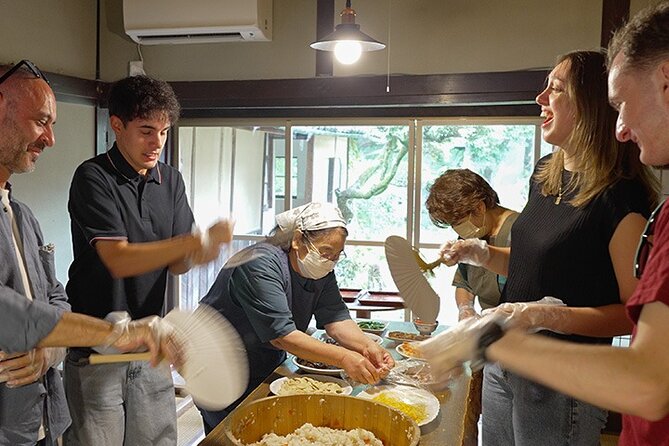
The strongest part of this experience is the contact with the people who make the dish. The cooks are not simply handing you a printed recipe. They prepare the ingredients and explain a food tradition they have practiced for years.
That approach gives the class a friendly, informal quality. You are learning through conversation and doing, with room to adjust the final dish to your taste. The experience is especially valuable if you have already seen major Japanese sights and want an activity tied to ordinary regional life.
The setting matters, too. A renovated historic house creates a more intimate backdrop for a home-cooked meal. You are not just passing through a cooking school, then leaving with a certificate. You spend time in a place that helps the food feel connected to the area.
The high praise for the atmosphere and the food is consistent with what the format promises: a friendly class, clear guidance, and a satisfying meal at the end. Still, keep your expectations sensible. The class is about cultural exchange and local cooking, not polished restaurant service.
Booking, timing, and cancellation
This is a private activity, and confirmation is provided when you book. The experience accepts mobile tickets, which is convenient if you are already moving around Japan with digital reservations.
You can cancel for a full refund up to 24 hours before the start time. Cancellations or changes made less than 24 hours before the activity are not accepted for a refund. The cut-off follows local time, so check the timing carefully if you are booking from another country.
The activity is usually booked about nine days ahead. That is a useful planning guide, especially if your trip dates are fixed, though you should still check the actual availability for your preferred morning.
Should you book the bara sushi experience?
I would book it if you want a personal introduction to Okayama food and prefer making a dish to watching a demonstration. The combination of local cooks, a historic home, flexible toppings, and lunch gives you a clear sense of how bara sushi fits into daily life.
I would skip it only if you have limited time, want a restaurant-only meal, or are uncomfortable sorting out the meeting point directions. Confirm the route from JR Soja or Kurashiki before booking, then allow plenty of time to arrive.
For a modest half-day commitment, this is a thoughtful way to eat something closely tied to Okayama. You leave with more than a full stomach: you understand how a local dish is assembled, why its ingredients are prepared in different ways, and how home cooks keep the tradition going.
FAQ
How long does the bara sushi experience last?
The activity lasts approximately three hours and 30 minutes.
What time does the experience begin?
It starts at 10:30 a.m.
Is lunch included?
Yes. You eat the bara sushi you make, served with miso soup.
Do I need cooking experience?
No. The ingredients are prepared by local housewives, and the activity is designed so people without cooking experience can take part.
Is the activity private?
Yes. Only your own group participates.
Can I cancel for a full refund?
Yes, if you cancel at least 24 hours before the local start time. Cancellations or changes made less than 24 hours before the start time are not accepted for a refund.
Just added around Japan
- Sushi – Authentic Japanese Cooking Class – the best souvenir from Kyoto!★ 5.0 · 93 reviews
- Kobe Home Cooking Ramen and Gyoza Cooking Class★ 5.0 · 5 reviews
- Little EDO Sushi Making workshop in Kawagoe★ 5.0 · 18 reviews
- Kanazawa: Sushi & Japanese Cooking Class at a Historic School★ 5.0 · 66 reviews
- Sushi Making in a Century Old Kamakura Home★ 5.0 · 6 reviews
- Private Home-Style Cooking Class in Osaka with Local Mom Yoshiko★ 5.0 · 46 reviews
- Home Made Onigiri and Matcha Cooking Class in Hiroshima★ 5.0 · 11 reviews
- Private Japanese Cooking Class in Hiroshima with Machiko’s Family★ 5.0 · 35 reviews
Japanese & Sushi Cooking Classes, compared.
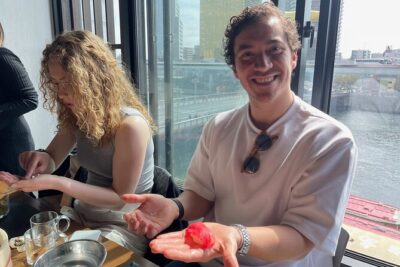
Sushi Making Tokyo Roll and Authentic Japanese Sushi Class
Read our review →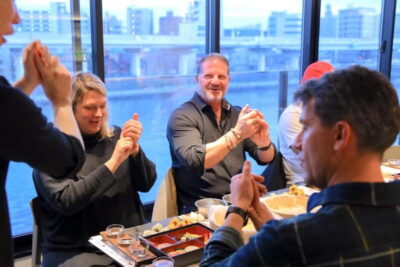
Tokyo: Roll and Authentic Sushi Making Class in Asakusa
Read our review →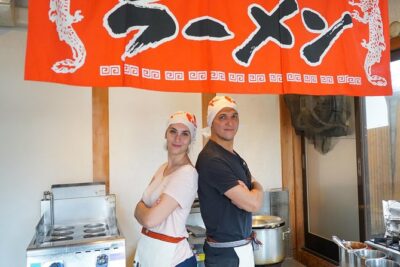
Ramen Cooking Class at Ramen Factory in Kyoto
Read our review →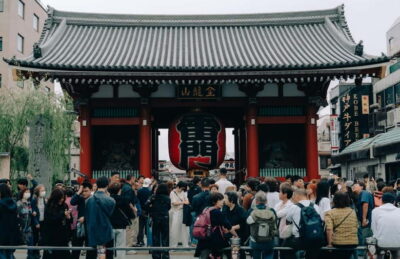
Tokyo: Sushi Making Class in a Happi Coat near a Famous Spot
Read our review →
Sushi Making Tokyo! Popular Maki Sushi & Japanese Sushi(+Recipe!)
Read our review →
Sushi Making Osaka Roll and Authentic Japanese Sushi Class
Read our review →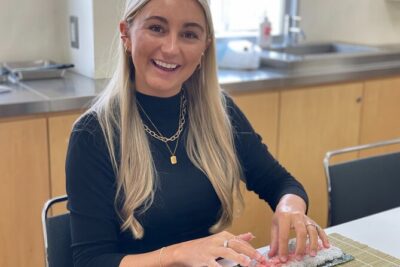
Tokyo Sushi Making Class in Tsukiji with Professional Chef
Read our review →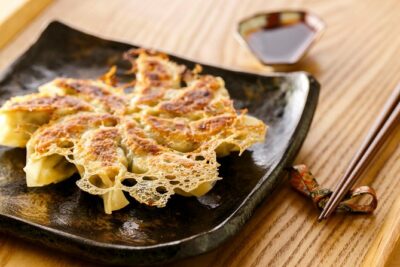
Ramen & Gyoza Cooking Class in Tokyo with Local Supermarket Visit
Read our review →Browse the lists this tour appears in