
Review · LISBON
Lisbon: Portuguese street food cooking class with Drinks
Portugal’s best food is often humble, filling, and easy to make. This two-hour cooking class puts you to work on three everyday favorites: pork bifana, caldo verde soup, and peixinhos da horta, the green-bean fritters linked to the origins of tempura. You learn the food, then sit down to eat it.
I like the small group of up to 12, which gives the chefs room to help without turning the class into a crowded demonstration. I also like the menu’s range: soup, sandwich, and fritter give you a better feel for Portuguese home cooking than a single dish would.
The main consideration is timing. Two hours passes quickly, so this is a focused class rather than a long culinary workshop. You also need to bring or buy bottled water, since it is not included.
Key points to know before booking
- Three classic dishes: Make caldo verde, bifana, and peixinhos da horta during one compact session.
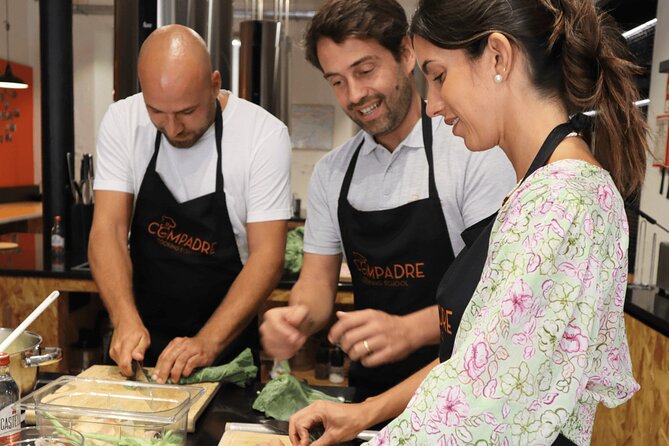
- Small-group instruction: The class accepts no more than 12 people, allowing for personal guidance.
- Local hosts: Marta and Anna are named as the cooking instructors, with English and Portuguese offered.
- Drinks included: Expect one glass of red or white wine, a taste of ginjinha, plus coffee or tea.
- Easy-to-repeat recipes: The dishes are designed for ordinary home kitchens, not restaurant equipment.
- Central practical details: Meet at R. Heliodoro Salgado 14, near public transportation, and finish there.
Why this Lisbon cooking class works so well
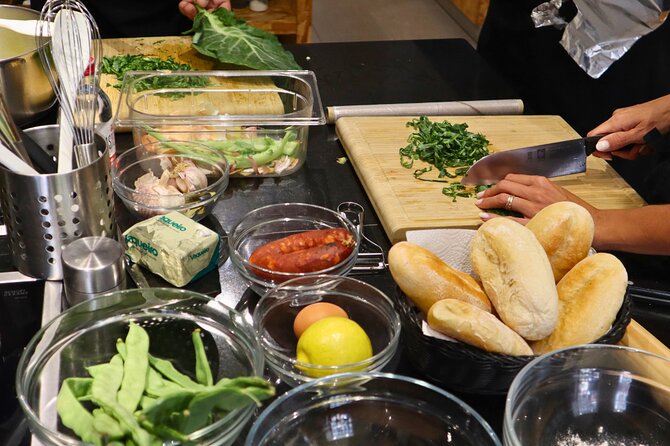
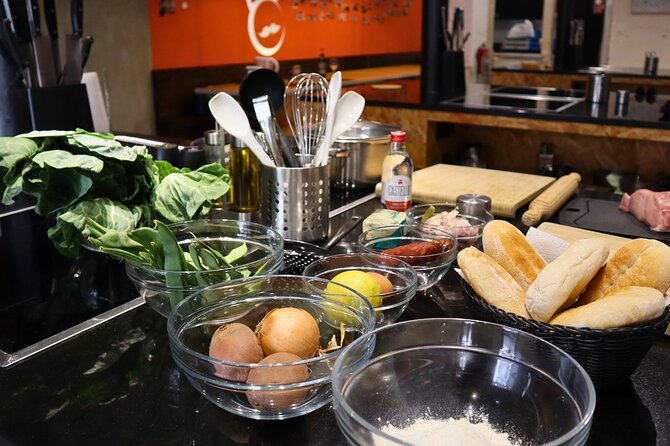
The clever part of this class is its menu. You are not spending two hours making one elaborate dish with hard-to-find ingredients. Instead, you prepare three recognizable foods that show different sides of Portuguese eating.
Caldo verde is a simple soup of potatoes and collard greens. Bifana is a pork loin sandwich, one of Portugal’s most beloved quick meals. Peixinhos da horta turns green beans into crisp fritters, and its batter is connected to the cooking tradition that inspired tempura.
That mix gives you useful range. You learn how Portuguese cooks handle a soup, a sandwich, and a fried vegetable dish. Just as important, the recipes are meant to be repeated at home, so the class has value after your Lisbon stay ends.
The format suits beginners. You do not need advanced knife skills or professional kitchen experience. The class is hands-on, which means you should expect to take part rather than sit quietly while a chef cooks in front of you.
Marta and Anna are identified as the local chefs leading the experience. The introduction covers the background of each dish and its place in daily Portuguese life. That cultural piece matters because these foods are not presented as fancy restaurant creations. They are practical, familiar dishes tied to ordinary eating.
More Food and Drink Tours in Lisbon:
- Lisbon Market and Food Tour with Cooking Class and Lunch
★ 5.0 · 117 reviews - Lisbon: Portuguese street food cooking class with Drinks
★ 4.9 · 37 reviews - Lisbon: Portuguese Cooking Class with Wine Tasting
★ 5.0 · 4 reviews
Starting at R. Heliodoro Salgado 14
The class begins at R. Heliodoro Salgado 14, 1170-374 Lisboa, and ends at the same address. The meeting point is near public transportation, which makes it more manageable than an activity that requires a long taxi ride or a difficult transfer.
Plan to arrive with enough time to find the address. The class lasts about two hours, and a late start can cut into the cooking time. Since the group can include up to 12 people, the session has the feel of a small workshop rather than a private lesson.
The booking includes a mobile ticket, and confirmation is provided at the time of booking. The advertised language is English, with Portuguese also offered. That is useful if you want explanations in English while still hearing some of the local language around the kitchen.
The setting itself is practical rather than theatrical. The point is to cook, talk, and eat. If you want a polished restaurant show, this may feel modest. If you want to learn dishes you can repeat, that is a fair trade.
The opening: food stories before the cooking begins
The class starts with a short introduction to the dishes and their cultural background. This gives you a little context before the ingredients reach the work surface.
Caldo verde is a good place to begin thinking about Portuguese comfort food. It is built from straightforward ingredients and has a sturdy, warming character. The class uses collard greens, and you learn how a few basic elements can become a dish that feels complete.
Bifana offers a different lesson. The pork loin sandwich is quick, direct, and satisfying. It belongs to the world of casual Portuguese eating, where a good sandwich can be the whole meal. Preparing it yourself helps you understand the balance between tender pork, seasoning, and bread.
Peixinhos da horta adds the most historical surprise. These green-bean fritters are often described as the dish that inspired the world-famous tempura tradition. That connection gives an otherwise simple vegetable snack a wider story, linking Portuguese cooking to food traditions beyond Portugal.
The introduction is described as short, so do not expect a full lecture on Portuguese food. That is probably right for a two-hour class. You get enough background to understand what you are making, then move on to the useful part: preparing it.
Making caldo verde, the comforting first course
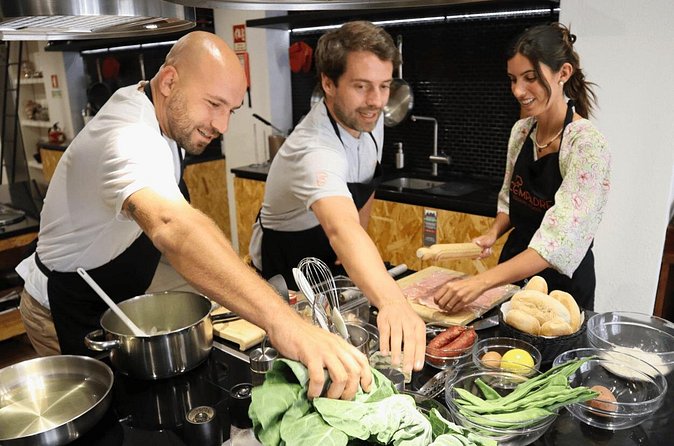
Caldo verde is listed as a starter, though it can easily feel like more than a small opening dish. The central ingredient is collard greens, supported by the other simple components of a traditional soup.
This is the kind of recipe that rewards attention to texture. You are not just tossing ingredients into a pot. You are learning how a simple soup gets its character from the way the vegetables are prepared and combined.
For a home cook, caldo verde may be the most practical recipe of the three. It does not require specialist equipment, and the ingredients are less intimidating than those used in many restaurant-style dishes. It is also a good reminder that Portuguese cooking is not all seafood and pastries.
The class presents the soup as part of everyday food culture, not as an ornament. That makes it useful for anyone who wants to cook something warming and distinctly Portuguese after returning home.
More Food Experiences in Lisbon:
- Small Group Cooking Class & Market Food Tour in Florence
★ 5.0 · 1,574 reviews - Athens: Food Market Visit and Cooking Class with Wine
★ 4.9 · 1,087 reviews - Undiscovered Charleston: Half Day Food, Wine & History Tour with Cooking Class
★ 5.0 · 948 reviews - Vietnamese Food Cooking Class in Hanoi with Market Experience
★ 5.0 · 778 reviews
Preparing the bifana sandwich
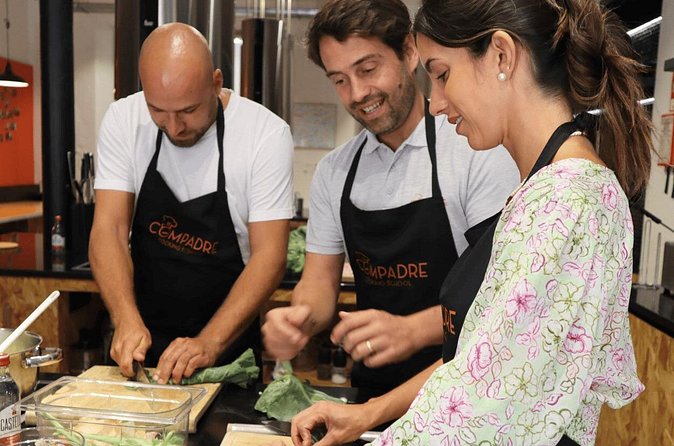
The bifana is the main dish, built around pork loin. It is a compact meal with a strong connection to Portuguese street food and casual dining.
The appeal here is its simplicity. A sandwich can look easy, but the quality depends on the preparation of the meat and the way the flavors come together. The class lets you see those steps instead of merely ordering the finished product.
This is likely to be the most immediately popular dish for many people in the group. One family described the sandwich as one of the top three sandwiches they had ever eaten, and the recipe was a highlight they wanted to make at home. That points to the bifana’s real strength: it is both local and approachable.
You should not expect a large, multi-course lunch. The meal is described as a light lunch made from the recipes prepared in class. That means the bifana and the other dishes are part of the tasting experience, not a substitute for a long restaurant meal afterward.
Still, for a two-hour activity, cooking your own main dish adds good value. You get food to eat, instruction to take home, and a clearer sense of how a classic Portuguese snack is built.
Frying peixinhos da horta and tracing tempura’s roots
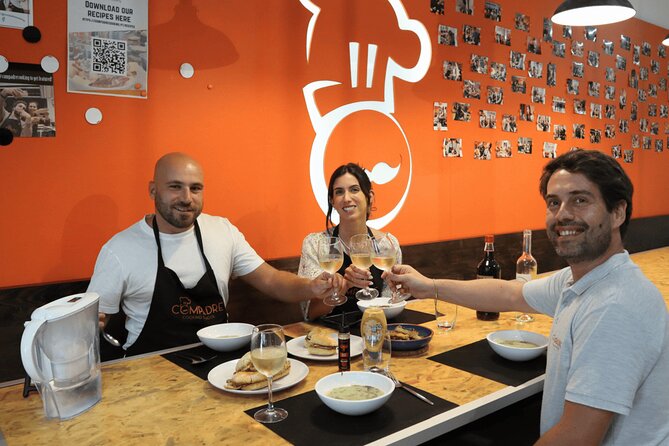
Peixinhos da horta means green-bean fritters, though the name suggests little fish from the garden. The dish turns a vegetable into a crisp snack with a playful name and a notable connection to tempura.
This is probably the most hands-on part of the menu. Fried food requires attention, and the contrast between a soft green bean and a crisp coating gives the class some variety.
It is also the dish that gives the cooking lesson its best cultural talking point. Portuguese food traditions traveled far beyond the country, and this recipe offers a clear example of how a local preparation can influence another famous style of cooking.
Because the class emphasizes recipes that are easy to recreate, the fritters should not be treated as a one-time novelty. You learn a vegetable preparation that can work as a snack, side dish, or light starter at home.
If you are cautious around hot oil, pay close attention to the chef’s instructions. The supplied details do not specify the exact kitchen setup or how much of the frying each participant handles, so the precise level of hands-on work may vary.
Eating with wine, coffee, and ginjinha
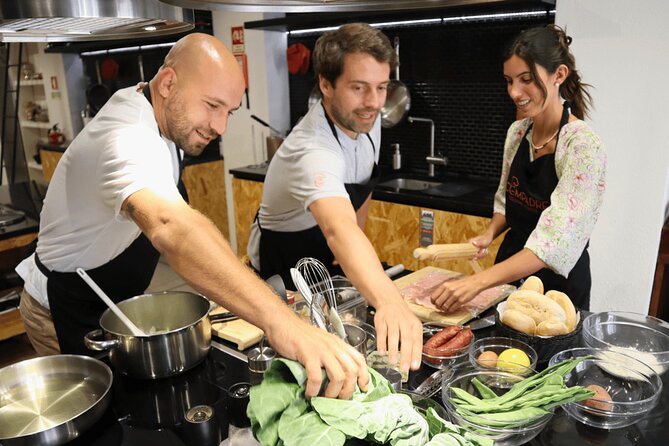
After cooking, you eat a light lunch made from the dishes prepared during the session. The included drinks help turn the class into a social meal rather than a rushed tasting.
You receive one glass of either red or white wine and a taste of ginjinha, the Portuguese cherry liqueur. Coffee and tea are also included. Soda and bottled water are not included, so plan accordingly.
The ginjinha tasting is a nice local touch. It gives you a small introduction to a Portuguese drink without making the activity centered on alcohol. If you do not drink, the coffee and tea provide alternatives, though the supplied information does not specify nonalcoholic substitutes beyond those choices.
The drink service also affects the value of the $60.21 price. You are paying not only for a meal, but for instruction, ingredients, a small-group format, wine, ginjinha, and hot drinks. For someone who would otherwise pay separately for lunch and a food activity, the cost is reasonable.
It is less compelling if you are mainly seeking a full meal or a long professional cooking course. The portion is light, and the session lasts about two hours. Think of it as a social cooking experience with lunch included, not an all-day culinary school.
Who will enjoy the two-hour format most
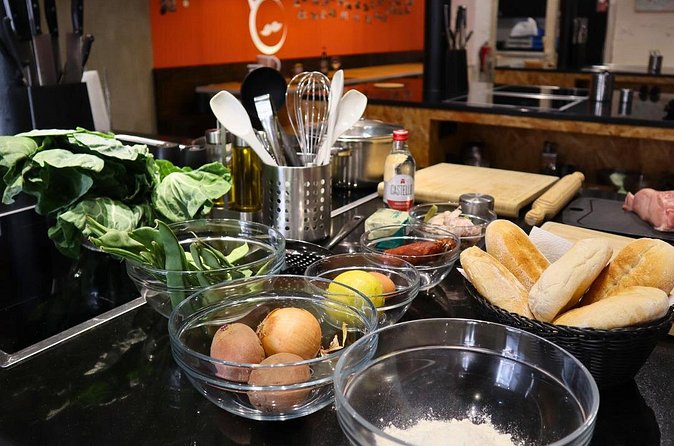
This class suits couples, solo visitors, families, and small groups. It is specifically described as appropriate for all cooking skill levels, so you do not need experience to take part.
Families with teenagers may find the hands-on structure especially useful. The recipes are recognizable, the work is varied, and the session does not demand an entire afternoon. The class also gives young cooks something concrete to remember from Lisbon beyond a restaurant meal.
It works well for a rainy day because much of the value comes from being indoors and active. The compact schedule also makes it easier to fit into a larger Lisbon plan.
Food-focused visitors will appreciate the explanations of local ingredients and culinary customs. People who prefer a private, highly technical lesson may find the group setting less tailored. With up to 12 people, you should receive guidance, but the chefs cannot focus only on you.
The class is offered in English and Portuguese. English-speaking participants should have access to the advertised instruction, while Portuguese speakers can use the additional language option.
What the price tells you about value
At $60.21 per person, this is not the cheapest way to eat lunch in Lisbon. Portuguese street food can be inexpensive when bought from a casual counter or market stall.
The comparison changes once you include the instruction. You make three dishes, learn how they fit into Portuguese daily life, eat the results, and receive wine, ginjinha, coffee, and tea. The recipes are also chosen for home use, which gives the activity value beyond the meal itself.
The small group matters. A maximum of 12 people is not the same as a private class, but it is small enough to support questions and personal guidance. That is a better setup for beginners than a large demonstration where you simply watch from the back.
I would consider the price fair for someone who wants both lunch and a cultural activity. I would be less likely to recommend it to someone who only wants a large meal or already knows these recipes well.
Booking details and practical limits
This activity is usually booked about 19 days ahead, so reserve early if your Lisbon dates are fixed. Confirmation arrives at booking, and the mobile ticket makes the entry process simple.
Free cancellation is available until 24 hours before the start time. Canceling inside that window does not qualify for a refund, and changes made then are not accepted. The cut-off follows local Lisbon time.
The class requires a minimum number of participants. If that minimum is not met and the activity is canceled, you are offered another date or experience, or a full refund.
Private transportation is not included. You need to make your own way to the meeting point, though the location is near public transportation. The tour returns to the same address, so you do not need to arrange a separate pickup at the end.
Should you book this Lisbon street food class?
Book it if you want a practical taste of Portugal that goes beyond sitting at a restaurant. The three-dish menu is well chosen, the recipes are realistic for home cooking, and the small group gives the chefs room to guide you.
I would especially recommend it for first-time visitors, families with teenagers, couples, and anyone looking for a useful rainy-day activity. The bifana is the star for sandwich fans, while the peixinhos da horta adds the most unusual story.
Skip it if you want a full, leisurely feast, a private lesson, or a highly technical course. For most people, though, the combination of cooking, local context, light lunch, and drinks makes this a sensible two-hour use of your Lisbon time.
FAQ
How long does the Portuguese street food cooking class last?
The class lasts approximately two hours.
Where does the activity begin?
It begins at R. Heliodoro Salgado 14, 1170-374 Lisboa, Portugal.
Where does the activity end?
The activity ends back at the meeting point.
What dishes will I prepare?
You will prepare caldo verde, a collard greens soup; bifana, a pork loin sandwich; and peixinhos da horta, Portuguese green-bean fritters.
Are drinks included?
Yes. The experience includes one glass of red or white wine, a taste of ginjinha, and coffee and/or tea.
Is bottled water included?
No. Bottled water is not included. Soda or pop is also not included.
What languages are offered?
The class is offered in English and Portuguese.
How many people can attend?
The class has a maximum of 12 participants.
Can I cancel for a full refund?
Yes, if you cancel at least 24 hours before the experience start time. Cancellations made less than 24 hours before the start time are not refunded.
More Hands-On Workshops in Lisbon
- Lisbon: Pastel de Nata Baking Class
★ 4.9 · 2,106 reviews - Lisbon: Traditional Portuguese Cooking Class
★ 4.9 · 592 reviews - Lisbon: 2-Hour Pastel de Nata Cooking Class
★ 4.8 · 461 reviews - Lisbon Portuguese Cooking Class with 3-Course Dinner
★ 5.0 · 445 reviews
Just added around Lisbon
- Private Portuguese Home Cooking Class in Lisbon with Defne★ 5.0 · 4 reviews
- Private Traditional Portuguese Cooking Class in Lisbon with Paula★ 5.0 · 50 reviews
- Lisbon Portuguese Cooking Class★ 5.0 · 23 reviews
- Private Portuguese Cooking Class in Lisbon with Paulo and Family★ 5.0 · 10 reviews
- Portuguese Home Cooking Class in Lisbon with Local Mom, Cristina★ 5.0 · 12 reviews
- Portuguese Vegetarian Cooking Workshop in Lisbon★ 5.0 · 13 reviews
- Portuguese ‘Petiscos’ Cooking Class★ 5.0 · 31 reviews
- Market Tour and Portuguese Cooking Class in Lisbon with Cristina★ 5.0 · 4 reviews
Cooking Classes, compared.
Half-Day Thai Cooking Class at Organic Farm in Chiang Mai
Read our review →
Florence: Pasta Cooking Class with Unlimited Wine
Read our review →
3 in 1 Cooking Class near Navona: Fettuccine, Ravioli & Tiramisu
Read our review →
Hanoi Cooking Class: Culture, Local Market & Meaning CSR Impact
Read our review →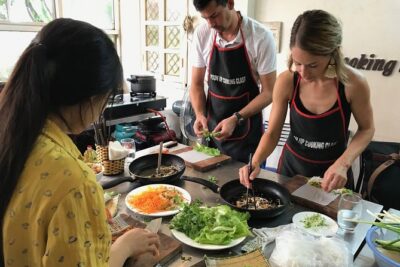
5 Traditional Dishes Hanoi Cooking Class with Market Trip
Read our review →
Cooking Class and Lunch at a Tuscan Farmhouse with Local Market Tour from Florence
Read our review →
Chiang Mai: Cooking Class, Market & Thai Herbs Garden Tour
Read our review →Browse the lists this tour appears in