
Review · INDONESIA
Anggrek Putih Lombok Cooking Class
Lombok’s best cooking lesson may begin before the stove is lit. At Anggrek Putih, you walk through the Little Eden vegetable garden, plant seeds, then use traditional tools such as a stone pestle and mortar before sitting down to eat what you made. It feels tied to the place, not like a restaurant demonstration with a few token cooking steps.
I like the garden visit and seed planting, which give the morning a hands-on link to local food. I also like the generous final meal, with dishes from Lombok, Java, and other parts of Indonesia, plus vegetarian and allergy accommodations.
The main consideration is the fixed cancellation policy. This experience is non-refundable, and bad weather can affect the schedule, so book only when your plans are firm and the forecast looks kind.
Key points to know before booking
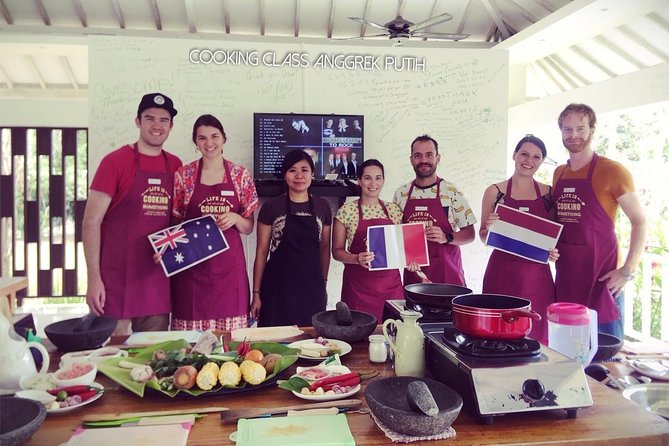
- The morning starts at 10:30 a.m. and runs for about three hours, including the garden visit, cooking, and lunch.
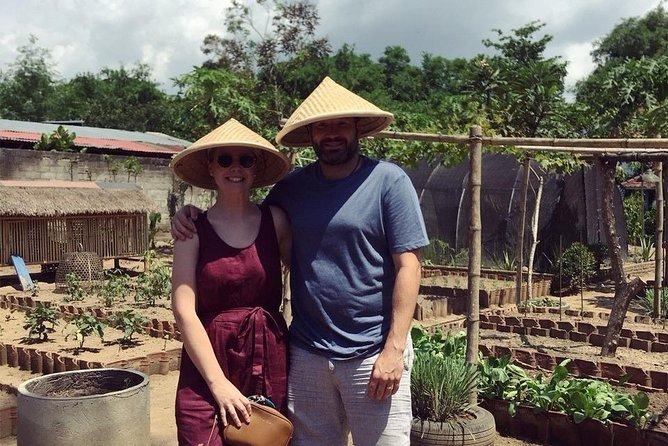
- Little Eden is part of the lesson, with a vegetable garden tour, seed planting, and time for photos.
- Traditional tools do the work, including a stone pestle and mortar rather than only modern kitchen equipment.
- The menu crosses regional lines, with Lombok and Javanese flavors, banana-leaf fish, curry, and vegetarian choices.
- The group is designed to be small, advertised for up to 10 people, though the additional tour information allows a maximum of 12.
- Hotel pickup is offered from the Mataram and Senggigi areas, a useful perk when you do not want to arrange transport separately.
From welcome drink to garden walk
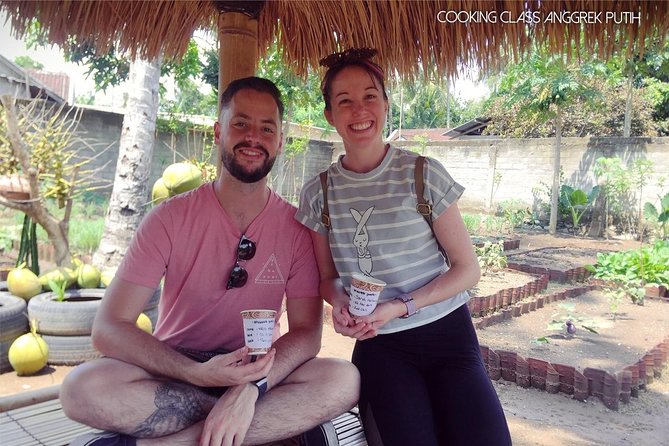
Your morning begins at the Anggrek Putih guest house, with a meet-and-greet for the group and registration. A free welcome drink helps ease everyone into the day before the practical part starts.
The first real activity is a walk through the vegetable garden known as Little Eden. This is more than a short photo stop. You get a look at the growing side of the meal, then plant seeds yourself. That small task gives the class a pleasant sense of place: food is not treated as something that simply appears on a plate.
You should allow for a slower pace here. The garden visit, planting, and photo session come before cooking, so anyone expecting three straight hours at a workbench may find the schedule more relaxed than expected. I see that as a strength for most people, especially if you want a half-day experience rather than a rushed recipe lesson.
The garden also helps families and first-time cooks connect with the class. Planting seeds is simple, but it gives children a clear activity and breaks up the morning. You do not need to know Indonesian cooking in advance. The format is built around watching, helping, and eating together.
More Hands-On Workshops in Indonesia:
- Ubud: Balinese Cooking Class at an Organic Farm
★ 5.0 · 1,786 reviews - Ubud Cooking Class Bali with Balinese Chef
★ 5.0 · 1,609 reviews - From Ubud: Authentic Cooking Class in a Local Village
★ 4.9 · 1,325 reviews
Cooking with a stone pestle and mortar
Once the garden portion is finished, the group moves into cooking. The use of traditional equipment is one of the most useful parts of the class. A stone pestle and mortar gives you a feel for how spice pastes and seasonings are made, and it adds a physical step that you would miss in a demonstration using only ready-made ingredients.
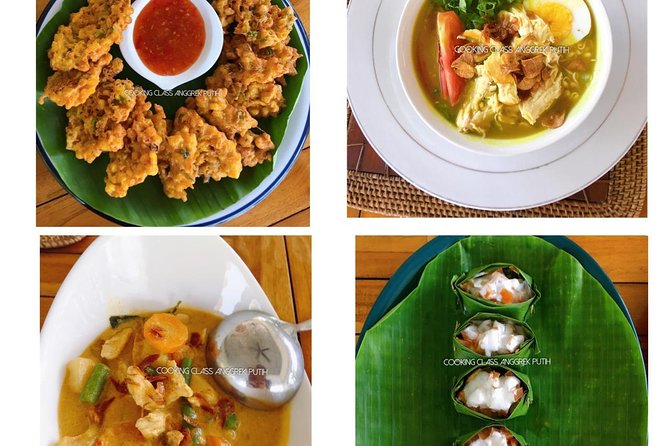
The menu covers several Indonesian regional cuisines, including dishes from Lombok and Java. You may prepare food such as fish cooked in banana leaf and curry, although the exact dishes can depend on the day and the available ingredients. That regional range makes the class more interesting than a lesson focused on one local recipe.
Banana-leaf fish is especially useful as a takeaway idea. The leaf is part of the cooking method and presentation, not just decoration. Curry, meanwhile, gives you a chance to work with the layered seasoning that makes Indonesian food so distinctive. The class does not promise a full professional cooking course, but it does give you enough contact with the ingredients and tools to understand the basic process.
You should expect to take part rather than simply watch. The class is capped at a small size, with the main description specifying up to 10 people. Another piece of tour information gives a maximum of 12, so the exact number may vary. Either way, this is intended to be a personal group setting, not a large kitchen show.
That small-group format matters. You can usually see what is happening, ask for help, and get involved without waiting behind a crowd. It also makes the lunch conversation easier, which is part of the experience rather than an afterthought.
A meal that makes the $30 price worthwhile
At $30 per person, the value comes from several pieces bundled into one morning: a garden tour, seed planting, cooking instruction, lunch, a welcome drink, and hotel pickup from selected areas. You are not paying only for a plate of food or a short recipe demonstration.
The final meal is the high point for anyone who measures a cooking class by what reaches the table. You sit down to eat the dishes prepared during the session, including regional Indonesian food and vegetarian options. One useful detail is that allergies and vegetarian needs can be accommodated, but you should raise them clearly when booking or at the start of the class.
The meal is described as a feast, so plan to arrive hungry. You are likely to spend a fair part of the last hour eating and chatting with the group. That makes the class social, though it may disappoint you if you want to leave with a neatly printed set of recipes or a formal cooking certificate. Neither is listed as part of the experience.
I also like that lunch follows the work. You get an immediate sense of how the ingredients and cooking methods come together. A dish can seem complicated when you first see a pile of herbs, spices, and other ingredients. Eating it at the end helps connect the separate steps.
Pickup from Mataram and Senggigi
Pickup is offered from hotels in the Mataram and Senggigi areas. That can add real value in Lombok, where arranging a short transfer may take more effort than expected. You should confirm that your hotel falls within the pickup area when you book, since the available information names these two zones specifically.
The listed start time is 10:30 a.m. The activity lasts about three hours, so you can expect the main program to finish around early afternoon, though exact timing can shift. This works well on a day when you want one substantial activity without giving up the entire day.
Mobile tickets are available, which keeps the arrival process simple. Confirmation is sent within 48 hours of booking, subject to availability. Since the class is popular and is booked an average of 37 days ahead, booking early makes sense if your dates are fixed.
The group-size information needs a small note of caution. The experience is presented as capped at 10 for a more personal setting, while the additional details state a maximum of 12. That is not a major difference, but if the group size matters to you, check the current number before committing.
A few more cooking classes around Indonesia worth a look
- Ubud: Cooking Class with Transfers and Optional Market Visit
★ 4.9 · 824 reviews - PRIVATE Authentic Balinese Cooking Class in Ubud at Putu’s Home
★ 5.0 · 644 reviews - Balinese Ubud cooking school (9 Dish Cooking and Market Tour)
★ 5.0 · 540 reviews - Ubud: Balinese Cooking Class and Market Tour
★ 4.8 · 531 reviews
Who will get the most from this class
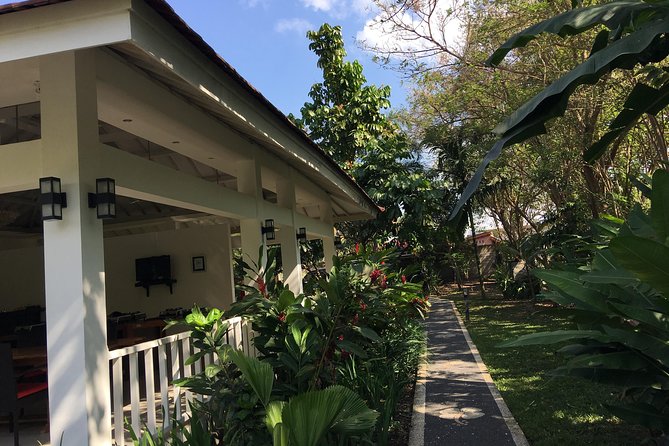
I would choose this class if you want food, local planting, and easy conversation in one outing. It suits couples, families, solo visitors, and anyone who prefers a small activity over a large organized tour.
It is also a good choice for people who want a first introduction to Indonesian food. You do not need to spend a week learning regional cooking to appreciate the difference between a banana-leaf preparation and a curry. The class gives you several reference points in one sitting.
Vegetarians have a clear reason to consider it, since vegetarian dishes can be provided. The same applies to people with food allergies, though you should communicate your needs in advance rather than assume every ingredient can be changed at the last minute.
Families may like the planting and photo session as much as the cooking. The garden adds movement to the morning, while lunch gives everyone time to settle down. Still, the experience includes food preparation with traditional tools, so parents should decide if that fits their children.
Food-focused visitors will find the class more rewarding than people who simply want a quick lunch. Much of the value is in the process: seeing the garden, planting seeds, working with a pestle and mortar, and then eating together. If you only want a list of famous Lombok sights, this is probably not the right use of your morning.
What may not suit every schedule
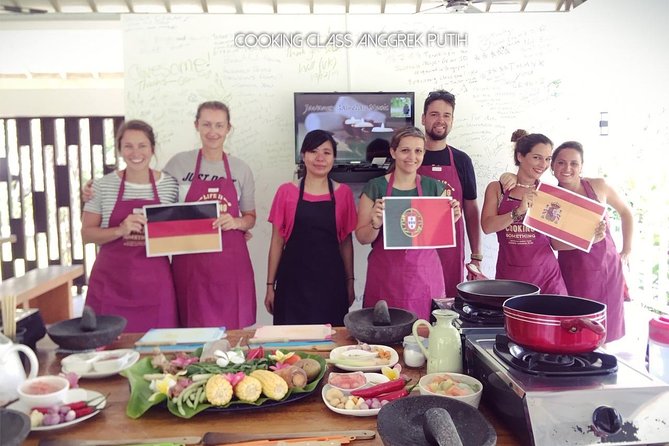
The three-hour duration is moderate, but the schedule includes several stages before lunch. The garden tour, planting, photos, cooking, and conversation all take time. If you prefer a highly concentrated lesson with nonstop instruction, the relaxed format could feel slow.
The class also depends on good weather. If poor weather forces a cancellation, you are offered another date or a full refund. That protection is helpful, but the non-refundable policy for ordinary cancellations is strict. Once you book, you cannot cancel or amend the reservation for a refund.
The exact menu is not fully set out, so you should not book expecting one specific dish unless the provider confirms it. You are promised a mix of Indonesian regional cuisine, with examples such as banana-leaf fish and curry. That is enough for most people, but less suitable if your whole decision depends on a particular recipe.
There is also no promise that every participant will have the same level of hands-on time at each step. A small group improves your odds, but the amount of personal cooking can depend on the day, group size, and kitchen setup. For most visitors, the combination of participation and shared lunch is the point.
The garden and meal are the real highlights
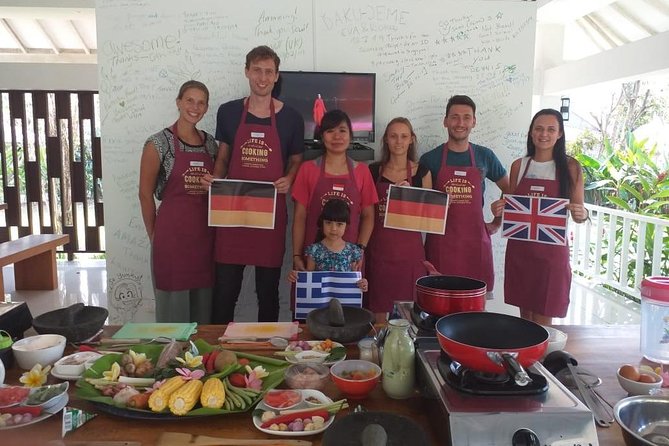
The strongest part of this experience is the way it connects the garden to the table. You do not simply hear that Indonesian food uses fresh produce. You walk through the vegetable garden, plant seeds, and then take part in a meal built around regional cooking.
The final spread is another major strength. A generous lunch can turn a basic cooking lesson into a full half-day experience, and the food is prepared by the group rather than delivered from somewhere else. Vegetarian and allergy accommodations make the meal more practical for mixed groups.
The experience also has a strong satisfaction record, with a five-out-of-five rating and a 100 percent recommendation rate based on 253 ratings. Those figures suggest consistent appeal, especially for people who enjoy the garden, the shared meal, and the relaxed group setting. They do not remove the need to check the menu, pickup area, group size, and cancellation terms before paying.
Should you book Anggrek Putih?
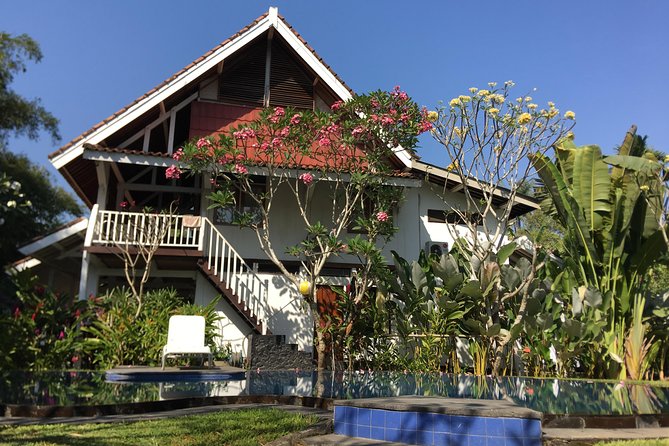
Book it if you want a warm, food-centered morning with hands-on garden activities, traditional cooking tools, and a substantial Indonesian lunch. At $30, the combination of instruction, food, welcome drink, and pickup offers solid value, particularly if you are staying in Mataram or Senggigi.
Skip it if your schedule is uncertain, you dislike fixed cancellation terms, or you want a technical cooking course with a guaranteed menu and formal recipe materials. For most visitors who want to understand Lombok through its food rather than only eat at restaurants, this is an easy experience to recommend.
FAQ
Where does the Anggrek Putih Lombok Cooking Class take place?
The experience takes place at Anggrek Putih Homestay and Cooking Class in Lombok, Indonesia.
What time does the cooking class start?
The listed start time is 10:30 a.m.
How long does the experience last?
The cooking class lasts approximately three hours.
Is hotel pickup included?
Pickup is offered from hotels in the Mataram and Senggigi areas. Confirm that your accommodation is within the stated pickup zones when booking.
What food will be prepared?
The class covers Indonesian regional cuisines, including food from Lombok and Java. Dishes can include banana-leaf fish and curry.
Are vegetarian options available?
Yes. Vegetarian options are available, and food allergies can be accommodated.
Can I cancel the booking for a refund?
No. The experience is non-refundable and cannot be changed for any reason. If poor weather causes the provider to cancel, you can choose another date or receive a full refund.
Just added around Indonesia
- Nia Balinese Cooking Class★ 5.0 · 202 reviews
- Nia Bali Seminyak Cooking Class★ 5.0 · 127 reviews
- Cooking class in the comfort of your own personal villa. Yes, I’ll come to you!★ 5.0 · 80 reviews
- Balinese Cooking class with traditional morning market visit★ 5.0 · 161 reviews
- Balinese Cooking Class at Organic Farm★ 5.0 · 51 reviews
- Small-Group Farm Tour & Balinese Cooking Class in Ubud with Kadek★ 5.0 · 16 reviews
- From Ubud: Authentic Bali Farm Cooking School & Organic Farm★ 5.0 · 122 reviews
- PRIVATE Balinese Cooking Class in Ubud with Dewa with Transfers★ 5.0 · 213 reviews
Cooking Classes, compared.
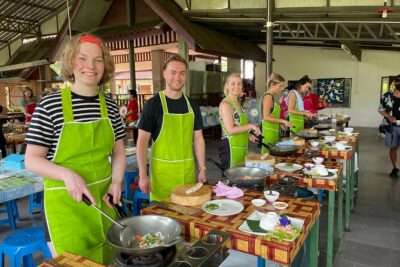
Half-Day Thai Cooking Class at Organic Farm in Chiang Mai
Read our review →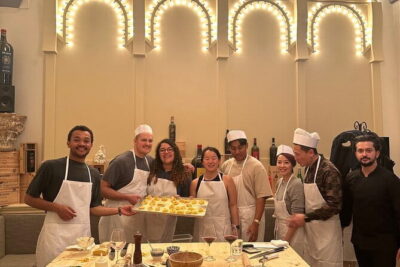
Florence: Pasta Cooking Class with Unlimited Wine
Read our review →
3 in 1 Cooking Class near Navona: Fettuccine, Ravioli & Tiramisu
Read our review →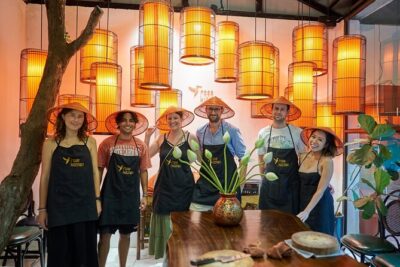
Hanoi Cooking Class: Culture, Local Market & Meaning CSR Impact
Read our review →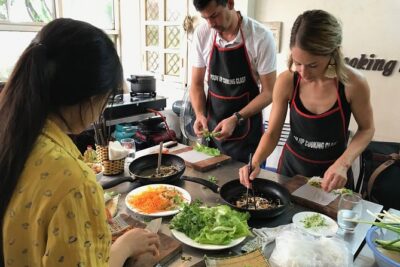
5 Traditional Dishes Hanoi Cooking Class with Market Trip
Read our review →
Cooking Class and Lunch at a Tuscan Farmhouse with Local Market Tour from Florence
Read our review →
Chiang Mai: Cooking Class, Market & Thai Herbs Garden Tour
Read our review →Browse the lists this tour appears in