Review · COOKING CLASSES
Private Kenyan Cooking Class in Nairobi with a Local
Kenyan cooking is often at its best when it is simple, filling, and tied to family life. In Grace’s Nairobi home, you’ll learn dishes such as mukimo, ugali, and pilau, hear stories about her grandmother, and sit down to eat the meal you helped prepare.
I like the private setting and the chance to cook food you can repeat at home. I also like the personal touch: Grace is warm, answers questions, and explains how pantry basics can change a dish. The main drawback is the small kitchen, so this is more demonstration than full hands-on class.
Key Points
- Grace hosts you in her own Nairobi home, giving the experience a personal, local feel.
- Mukimo, ugali, pilau, and local vegetables make up the traditional-style menu.
- The cooking portion lasts about one hour within a roughly three-hour visit.
- A small kitchen limits your hands-on time, though you can help when space allows.
- You share the finished meal together, which gives the class a social ending.
- The private format suits couples, families, and small groups who want a quieter food experience.
Cooking Kenyan Food Inside Grace’s Home
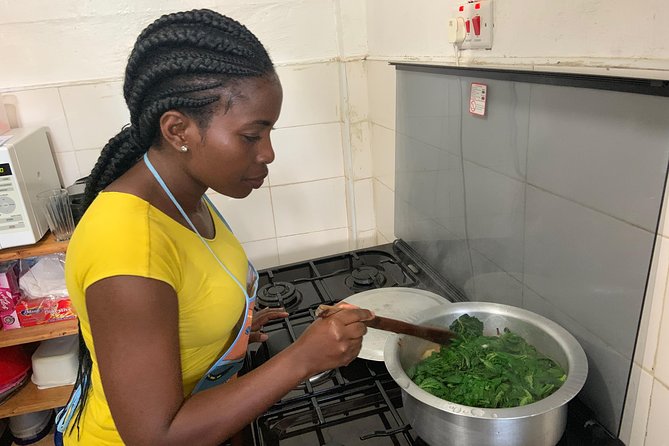
The most appealing part of this experience is the setting. You are not sitting in a restaurant kitchen designed for tourists. You are visiting a local household in Nairobi and cooking with Grace in her modestly sized kitchen.
That difference matters. A restaurant class can teach you a recipe, but a home visit gives you a better sense of how food fits into daily life. Grace talks about her grandmother, who is more than 100 years old, and the way she prepared mukimo for the family. Those stories connect the food to generations rather than treating it as a list of ingredients.
The visit lasts about three hours, with the cooking demonstration described as roughly one hour. The remaining time allows for conversation, preparation, and the shared meal. Since this is a private activity, only your group participates. You will not be folded into a large class where questions get lost.
The meeting point is in Nairobi, and the activity ends back there. The exact meeting details should be confirmed when your booking is accepted, since confirmation is sent within 48 hours and depends on availability.
More Hands-On Workshops in the world:
- Half-Day Thai Cooking Class at Organic Farm in Chiang Mai
★ 5.0 · 19,087 reviews - Florence: Pasta Cooking Class with Unlimited Wine
★ 4.9 · 10,285 reviews - 3 in 1 Cooking Class near Navona: Fettuccine, Ravioli & Tiramisu
★ 5.0 · 7,376 reviews
Mukimo, Ugali, Pilau, and Local Vegetables
The menu gives you a useful introduction to several familiar Kenyan foods.
Mukimo is mashed potatoes mixed with greens. It is hearty and practical, the sort of dish that makes sense at a family table. Grace also explains variations you can make with ordinary pantry ingredients, which is helpful if you want to recreate it after returning home.
Ugali is made by mixing corn flour with water until it becomes a firm staple. It is one of the basic foods you are likely to encounter in Kenya, and learning how it is prepared gives context to meals beyond the workshop.
Pilau is spiced rice. Compared with mukimo and ugali, it brings a different texture and flavor profile to the table. The class may focus on mukimo, ugali, or pilau, along with local vegetables, so you should not assume that every dish will receive equal cooking time.
The vegetables may be seasoned in a very straightforward way. A useful lesson from the class is that good flavor does not always require a long ingredient list. One cooking session left a strong impression because the vegetables seemed to rely mainly on salt and onions. That is a practical idea to take home: start with good basic seasoning before reaching for a complicated spice mix.
A Demonstration First, a Cooking Class Second
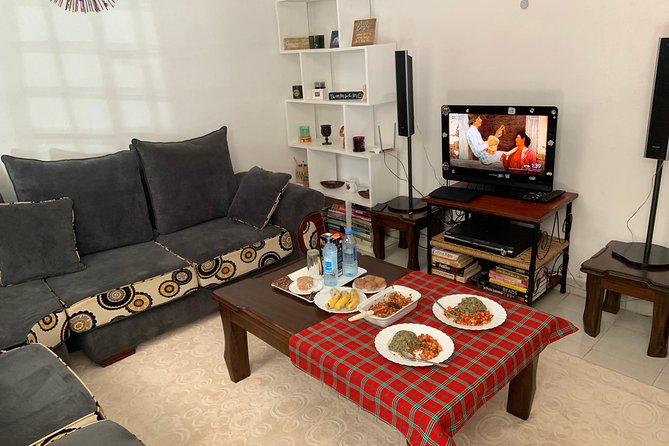
You should set your expectations carefully. The experience is described as a cooking workshop, but Grace’s kitchen is very small. Because of that, she does most of the cooking while you watch, then brings you in whenever there is room and a useful task to do.
That setup has two sides. If you want to chop, stir, and cook every dish yourself from start to finish, you may find the class limited. This is not a large teaching kitchen with separate stations, worktops, and equipment for every participant.
On the other hand, the compact room is part of what makes the visit feel like a home meal rather than a staged lesson. You see how food is made in an ordinary household kitchen, with real space limits and practical methods. You can ask questions as Grace works, and one account of the experience describes her as personable, responsive, and willing to provide hands-on help when possible.
I would think of it as a personal cooking demonstration with chances to participate. That description is more accurate than expecting a formal, fully practical class. If you value conversation, family stories, and learning the basic method, the format should work well.
The Stories Behind the Food
Food instruction is only part of the visit. Grace’s stories about her grandmother add a family link that a standard restaurant lesson cannot easily provide.
Her grandmother is more than 100 years old, and her memories of making mukimo help show how recipes are passed through households. You also learn that the dish can be adapted in different ways, depending on what ingredients are available. That is useful for home cooks because it turns mukimo from a fixed recipe into a flexible template.
The stories also help you understand why these dishes matter. Ugali, mashed potatoes with greens, rice, and vegetables are not presented as rare specialties reserved for special occasions. They are foods connected to everyday meals and family routines.
Grace’s welcoming manner is central to the visit. The experience works best if you come ready to talk, ask questions, and pay attention to small details. This is not a quick demonstration where you watch silently and leave with a printed recipe.
A few more cooking classes around the world worth a look
- PRIVATE Authentic Balinese Cooking Class in Ubud at Putu’s Home
★ 5.0 · 644 reviews - Private Market Tour & Cooking Class in Puerto Vallarta with Manu
★ 5.0 · 241 reviews - Private Cooking Class with 5 dishes of your choice
★ 5.0 · 227 reviews - Veg and Non veg : Private Cooking Class in Delhi home (7 meal)
★ 5.0 · 226 reviews
Sitting Down to Eat What You Made

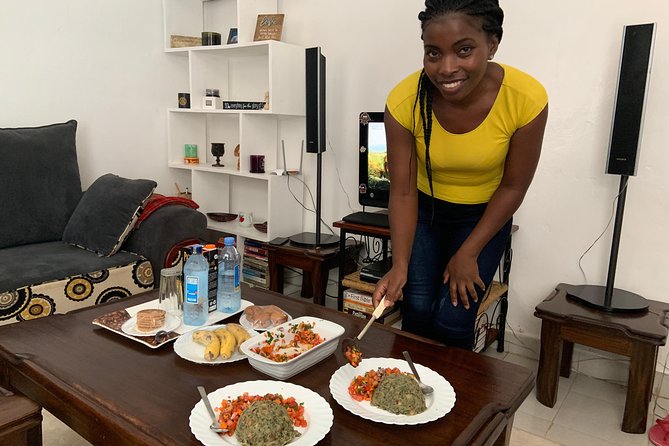
The meal at the end gives the three-hour visit a clear purpose. After watching and helping with the cooking, you sit down together and eat the food.
That shared table is valuable because it lets you taste the results while the preparation is still fresh in your mind. You can connect the texture of the ugali to the way it was mixed, or understand the appeal of mukimo after seeing how the potatoes and greens come together.
The meal also keeps the experience social. You are not simply handed a plate and sent away. You have time to continue talking with Grace and to ask follow-up questions about the dishes.
Do not expect a polished restaurant presentation. The appeal is the home setting and the connection with your host. If you want a formal tasting menu or a professional culinary studio, this will feel modest. If you want to share a home-cooked meal with a local host, that modesty is part of the point.
What $76 Means for the Value
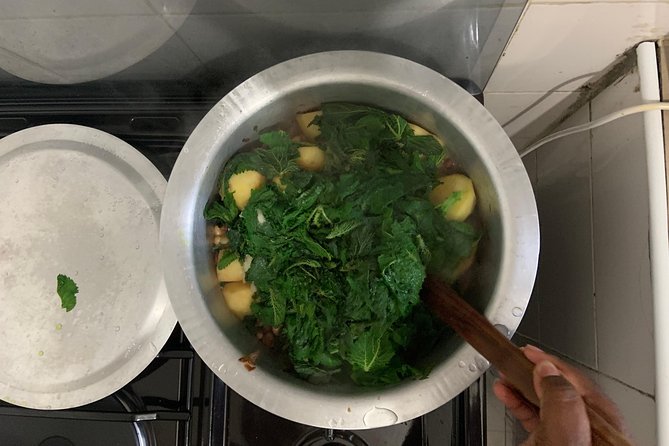
At $76 per person, this is not the cheapest way to eat in Nairobi. You could certainly find a less expensive meal. The value comes from the combination of a private visit, cooking instruction, cultural conversation, and a meal with the host.
The private format matters most for couples, families, and small groups. You can ask questions without waiting for a large class to move along, and the conversation can stay focused on your interests. Group discounts may also improve the price for larger eligible groups.
The value is less convincing if your only goal is to learn several recipes through repeated practice. Because the kitchen is small, your active cooking time may be limited. You are paying for access to a local household and a personal exchange, not just for the food itself.
I would compare it with the cost of a guided cultural activity in Nairobi rather than with the price of lunch. On that basis, the experience offers something distinct. You get an introduction to Kenyan home cooking, a private host, and a meal that you helped bring together.
Who Will Enjoy This Nairobi Food Visit
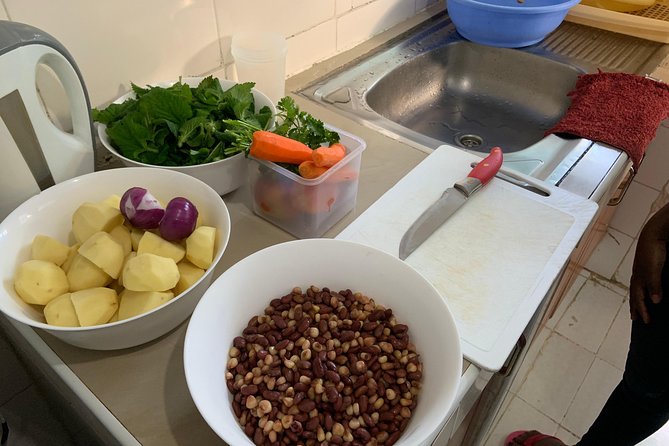
This experience suits you best if you:
- Want a local food experience rather than a restaurant meal.
- Enjoy hearing family stories along with cooking instruction.
- Prefer a private activity for your own group.
- Are happy to watch closely and help when space permits.
- Want recipes and techniques you can adapt at home.
- Like simple, filling food and practical seasoning.
Families may appreciate the private format, though the small kitchen means not everyone can work at once. Couples and small groups are likely to find the setting easier to manage. It also suits first-time visitors who want a gentle introduction to Kenyan food without committing to a full-day excursion.
It may not suit you if you need a fully equipped kitchen, individual workstations, or a rigorous chef-led lesson. The activity is also less appealing if you want to choose every dish in advance, since the menu may focus on mukimo, ugali, or pilau with vegetables rather than guaranteeing equal time for all of them.
Timing, Meeting Details, and Practical Notes

The start time is 11:00 am. That timing works well for a meal-centered visit, since you can cook during the late morning and eat afterward.
The entire experience lasts about three hours, although the cooking demonstration itself is described as about one hour. Plan for the rest of the visit to include conversation, preparation, and dining.
The activity begins and ends at the meeting point in Nairobi. Public transportation is nearby, but the available information does not specify hotel pickup or a particular neighborhood, so check the confirmed meeting instructions before setting out.
A mobile ticket is available. Service animals are allowed. The booking is private, and only your group takes part.
Free cancellation is available if you cancel at least 24 hours before the local start time. Changes or cancellations made inside that window are not accepted for a refund, so do not leave adjustments until the last day.
The Best Way to Approach the Class
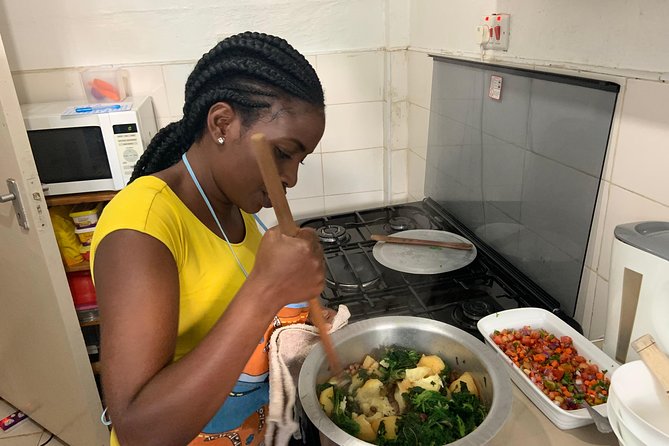
Come hungry, but also come curious. The meal is important, yet the conversation is what gives the visit its character.
Ask Grace how her family prepares mukimo, what changes when different greens are used, and how she seasons the vegetables. Ask about the texture you should aim for in ugali or the spices used in pilau. Since the kitchen is small, questions keep you involved even when you are not holding a utensil.
Take mental notes on the method rather than expecting a formal recipe packet. Pay attention to proportions, cooking times, and the order in which ingredients are combined. Grace’s explanation of pantry substitutions may be especially useful when you try the food at home.
Also, be realistic about the space. If several people are in your group, you may take turns helping. That is not a flaw to hide, but it is an important part of deciding if this experience matches your idea of a cooking class.
Should You Book This Kenyan Cooking Experience?
Book it if you want a private home visit, local conversation, and a shared Kenyan meal more than a polished chef-school lesson. Grace’s warmth, family stories, and practical approach give the experience a personal center.
Think twice if hands-on cooking is your main priority. The small kitchen means Grace does most of the work, although you can participate when possible. For many people, that trade-off will be worthwhile because the setting feels genuine and the food is tied to real household traditions.
At $76, the experience makes the most sense as a cultural activity with food at its heart. If that sounds like your kind of Nairobi morning, it is a good choice. If you want intensive kitchen practice, choose a class built around individual workstations instead.
FAQ
Where does the cooking experience take place?
The experience takes place in Nairobi, at the home of the local host, Grace. It begins and ends at the meeting point in Nairobi.
What time does the activity start?
The listed start time is 11:00 am.
How long does the experience last?
The full experience lasts approximately three hours. The cooking portion is described as an authentic demonstration lasting about one hour.
What food will I learn to prepare?
The menu may include mukimo, ugali, pilau, and local vegetables. Mukimo is mashed potatoes with greens, ugali is corn flour mixed with water, and pilau is spiced rice.
Is this a private activity?
Yes. Only your group participates.
Can I cancel for a full refund?
Yes, if you cancel at least 24 hours before the experience start time. Cancellations or changes made less than 24 hours before the start time are not eligible for a refund.
Just added around the world
- Authentic Pasta and Tiramisù cooking class at spanish steps★ 4.5 · 14 reviews
- Rome: Pasta Cooking Class, Dinner & Wine in Authentic Restaurant★ 5.0 · 38 reviews
- Rome Cooking Class★ 5.0 · 4 reviews
- Rome: Private Cooking Class with Market Shopping Tour★ 5.0 · 3 reviews
- Roma Foodie Experience: Cooking Class★ 5.0 · 16 reviews
- Pizza, Gelato & Suppli Cooking Class by Colosseum★ 5.0 · 79 reviews
- Rome: Pizza Cooking Class combined with Guided Sightseeing★ 4.5 · 6 reviews
- Rome – Tagliatelle Cooking Class with sit down Meal & Prosecco★ 4.5 · 3 reviews
Cooking Classes, compared.
Half-Day Thai Cooking Class at Organic Farm in Chiang Mai
Read our review →
Florence: Pasta Cooking Class with Unlimited Wine
Read our review →
3 in 1 Cooking Class near Navona: Fettuccine, Ravioli & Tiramisu
Read our review →
Hanoi Cooking Class: Culture, Local Market & Meaning CSR Impact
Read our review →
5 Traditional Dishes Hanoi Cooking Class with Market Trip
Read our review →
Cooking Class and Lunch at a Tuscan Farmhouse with Local Market Tour from Florence
Read our review →