
Review · SRI LANKA
Organic cooking class sigiriya (kumara & family)
The best part of this Sigiriya cooking class happens before the cooking starts. Kumara takes you through the family garden, where you learn about the vegetables, herbs, spices, and plants used in the meal. Then you move to the outdoor kitchen and help prepare a full Sri Lankan dinner from scratch.
I like the garden-to-table approach, which gives the food a clear sense of place. I also like the warm family setting, with Kumara, his wife Thanuja, and relatives guiding the work instead of putting you at a single cooking station. The main consideration is that the experience is home-based and practical, not polished like a large culinary school. Bring your own bottled water, even though bottled water is listed as included.
Key points at a glance
- Start with the family garden: Learn about homegrown vegetables, herbs, spices, and some plants used in Ayurvedic eating.
- Cook a full Sri Lankan meal: Dishes may include several curries, dhal, sambal, string hoppers, coconut roti, and dessert.
- Work over traditional fires: Prepare food in a simple outdoor kitchen with several wood fires.
- Learn the full process: You help gather ingredients, grind or prepare spices, chop vegetables, cook, and arrange the table.
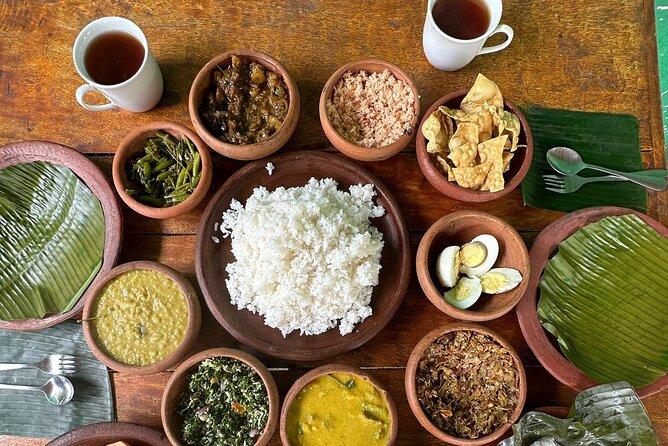
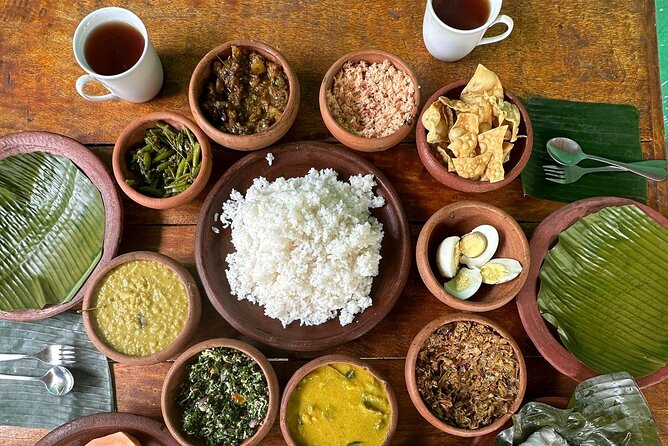
- Eat what you make: The class finishes with a shared evening meal, herbal tea, and the family’s traditional table setting.
- Plan for a flexible group: It is described as private, but group sizes can vary, so confirm the format when booking.
A garden tour before the cooking begins
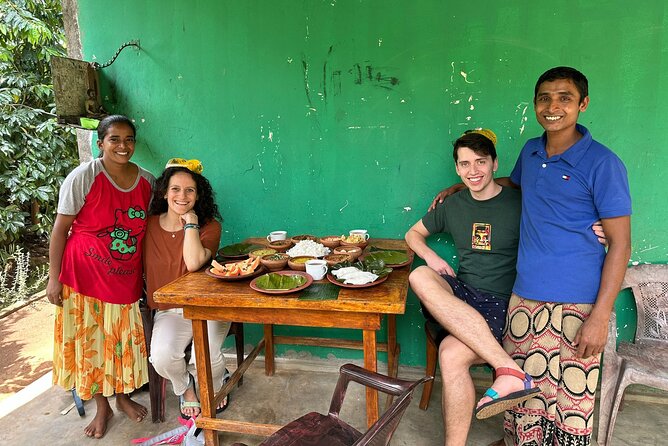
The class takes place at Organic Cooking Class Sigiriya, at 284 Kahatagahayaya, Kalapuraya, Sigiriya 21120. You meet the family there, and the activity ends back at the same point.
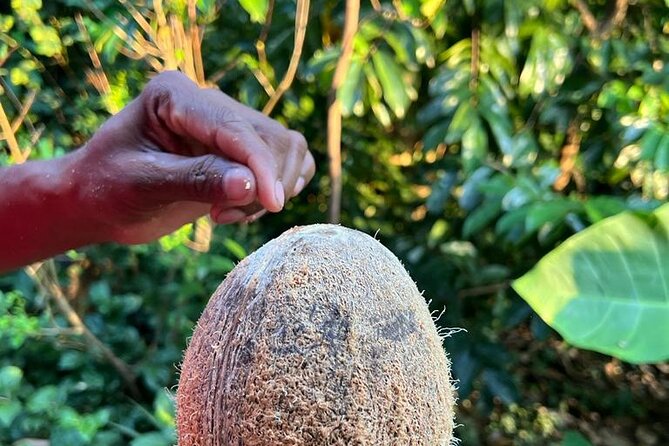
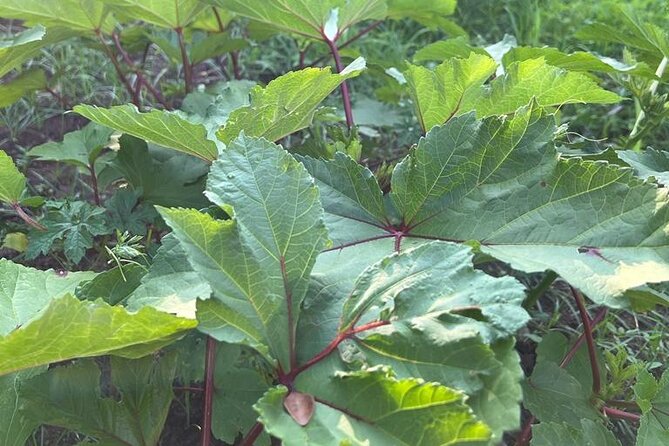
Kumara usually begins by showing you the garden. This is not filler before the main event. It explains why the food tastes different from a quick restaurant curry. You see the vegetables and herbs in the place where they are grown, then use many of them in the meal.
The garden visit also covers spices and plants connected with traditional health practices and Ayurvedic eating. You might hear how particular leaves, roots, or herbs are used in home cooking and household remedies. This makes the class useful even if you have cooked curry before, because it connects ingredients with everyday Sri Lankan life.
The organic claim is central to the experience. The family presents the vegetables and spices as garden-grown, and the class is built around using those ingredients. Availability can change with the season, so you should not expect one fixed menu every time. That flexibility is part of the home-cooking character.
More Farm Cooking Classes in Sri Lanka
- Kandy Village Cooking Class
★ 5.0 · 536 reviews - Organic Cooking Class sigiriya home Kitchen(Kumara & family)
★ 5.0 · 116 reviews - Cooking With Village Family
★ 5.0 · 104 reviews
Meeting Kumara, Thanuja, and the family
Kumara leads much of the instruction, with Thanuja and other family members helping in the kitchen. The teaching style is personal. You can ask about quantities, preparation, spice combinations, and the order in which each dish should be cooked.
Kumara also speaks good English, according to the activity details, which helps when instructions become more exact. Sri Lankan cooking can involve several pans and preparations at once, so clear guidance matters. You are not simply watching a demonstration. You take on tasks and receive tips as the meal comes together.
The family setting is one of the strongest reasons to choose this class. You see how food is prepared in a real home environment, with simple tools and a relaxed pace. The tradeoff is that the experience may feel less controlled than a professional kitchen class. If you want printed workstations, exact timings, and a fixed menu, this may feel informal. If you want a personal look at family cooking, that informality is the point.
Learning Sri Lankan spices the traditional way
Sri Lankan food depends on how spices are prepared, not just which spices are added. The class introduces the ingredients, shows you how the spices are handled, and explains how much is needed for each dish.
You may help make or prepare spice mixtures in a traditional way. The aim is to show the steps behind the flavor, rather than hand you a ready-made curry powder. This is especially useful when you return home and try to repeat the recipes. You learn that the cooking is a process of building flavor through preparation, timing, and heat.
You can also buy spices made by the family if you wish. That gives you a practical souvenir, although the supplied information does not give prices or a full list of products. Ask directly if you are interested.
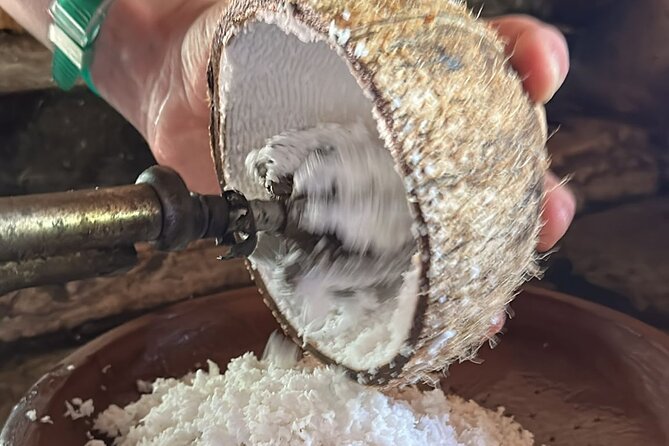
The class works particularly well for people who enjoy learning by doing. You might chop vegetables, prepare coconut, work with spices, stir curries, or help shape and cook breads. The exact tasks depend on the menu and the group.
Cooking several curries over wood fires
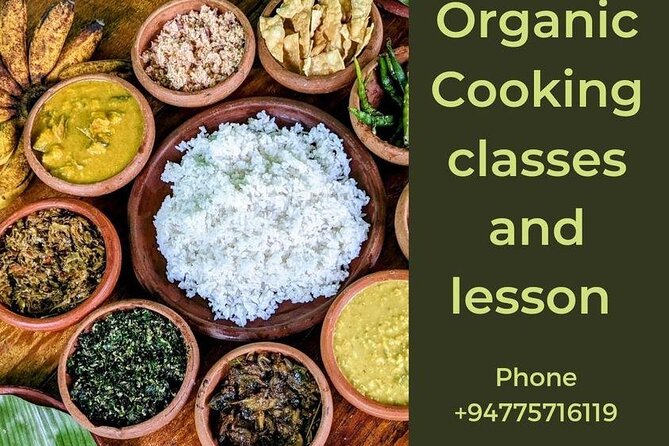
The main cooking session takes place in an outdoor kitchen. Accounts of the menu include dhal, aubergine, pumpkin, sweet potato, and other vegetable curries, along with sambal. Some groups have also prepared coconut roti, string hoppers, and a dessert.
This is usually a substantial meal rather than one recipe. You see how several dishes are coordinated so they finish together. That matters because Sri Lankan meals are built around variety. A plate may include rice or string hoppers, several curries, spicy sambal, and something sweet, with different textures and levels of heat.
The wood fires add a memorable practical detail. You are cooking over several small fires rather than using a modern stovetop. This gives the class a strong sense of place, but it also means you should be ready for smoke, heat, and a less exact cooking setup. The family guides the process, so you are not left to manage the fire alone.
The class is suitable for vegetarians and people seeking plant-based food, based on the dishes described. However, the precise menu is not guaranteed in the supplied information. If you have allergies or strict dietary needs, explain them before booking.
Same place, a different menu:
- Ella: Traditional Sri Lankan Cooking Class
★ 4.9 · 788 reviews - Sri Lanka Cooking Class with Granny
★ 5.0 · 587 reviews - Sea waves sri lankan cooking class
★ 5.0 · 467 reviews - Ella: Sri Lankan Cooking Class with Neranji at Homestay
★ 5.0 · 276 reviews
A full meal, not just a cooking demonstration
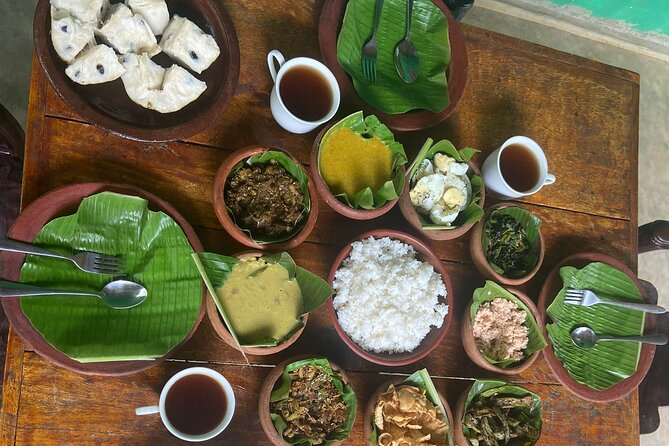
After the cooking, you sit down to eat the food you helped prepare. The family shows you how a traditional Sri Lankan table is arranged, which adds useful cultural context to the meal.
This final stage is more than a reward. It lets you compare the dishes and understand how the curries work together. A mild dhal may balance a hotter sambal. A vegetable curry may bring sweetness, while coconut-based dishes add richness. You also get to ask last questions while the recipes are still fresh in your mind.
Herbal tea is included, and the activity description lists bottled water. One important practical note: an account of the experience says only tap water and hot tea were available and recommends bringing your own bottled water. I would follow that advice, especially in Sigiriya’s heat.
The meal is shared with the family and other people in the group if the class is running as a group session. One booking format describes the experience as private, but accounts also describe groups of up to about ten people. Confirm the group arrangement before you pay if privacy matters to you.
What the $28 price gives you
At $28, this is a strong value if you want a meal, a cooking lesson, a garden visit, and time with a local family in one activity. You are not paying only for a plate of food. The price covers the instruction, ingredients, preparation, garden walk, meal, and the use of the family’s home cooking space.
The value is greatest for people who will use the recipes again. You can learn how to prepare several dishes instead of sampling one finished curry. Recipes are provided after the class in some arrangements, which makes it easier to recreate the meal later. The supplied details do not promise a printed recipe booklet, so ask how the recipes will be sent.
Compared with a short restaurant meal, the class takes about two and a half hours and gives you a much clearer sense of how Sri Lankan food is made. Compared with a formal cooking school, you get fewer professional facilities but more contact with a working family kitchen.
Transport is not clearly included in the listed price. One account says a tuk-tuk was arranged to and from the location, but you should confirm this directly rather than assume it is standard. The meeting point is in Kalapuraya, and the activity returns there.
Timing, comfort, and what to bring
The experience lasts approximately two hours and thirty minutes, though some accounts describe the full activity as closer to three hours. Allow extra time if you have another booking afterward.
Wear light clothing that you do not mind getting smoky or splashed. Closed shoes are sensible around a cooking area, especially when wood fires are being used. You may also want a hat for the garden visit and your own bottled water.
The activity requires good weather. If poor weather causes cancellation, you are offered another date or a full refund. Free cancellation is available if you cancel at least 24 hours before the start time. Changes or cancellations made inside that window are not accepted for a refund.
The class is not presented as an accessible cooking facility, and no accessibility details are supplied. If you need specific arrangements, contact the family before booking.
Who will enjoy this Sigiriya cooking class
I would choose this class if you want to understand Sri Lankan food through the people who cook it every day. It suits curious eaters, couples, families, vegetarians, and anyone who likes practical cultural experiences more than passive sightseeing.
It is also a good choice after visiting Sigiriya Rock or the nearby sights. The cooking gives you a slower evening activity and a chance to meet people in a home setting. It can be a welcome change from eating in restaurants throughout your trip.
You may want a different option if you dislike group activities, smoke, outdoor kitchens, or flexible menus. The class is hands-on, so you should expect to participate rather than sit back. It is also not the best fit if you need a guaranteed dish list or a tightly timed professional lesson.
The details that make it memorable
Several small touches add personality. A flower crown has been offered to participants at the start of the cooking session. The family also shares advice about the health uses of plants and herbs, though this should be treated as traditional household knowledge rather than medical guidance.
The simplest cooking methods are part of the appeal. You work with garden vegetables, basic tools, spice preparation, and wood fires, then sit down to a meal that can include seven or more dishes. That contrast between modest equipment and a generous final spread helps you see the care behind Sri Lankan home cooking.
The family’s warmth is another important part of the activity. Kumara and Thanuja are not simply demonstrating recipes from a distance. They work alongside you, answer questions, and help keep the cooking moving. If you enjoy conversation and shared meals, this adds real value.
Should you book Organic Cooking Class Sigiriya?
Book it if you want a personal, food-focused experience that connects a garden, a family kitchen, and a full Sri Lankan meal. The strongest features are the homegrown ingredients, the range of dishes, the hands-on work, and the chance to learn directly from Kumara and his family.
Before booking, confirm three things: the exact menu, whether the session is private or shared, and whether tuk-tuk transport and bottled water are included. Bring water anyway. With those points settled, the $28 price offers a useful and memorable way to spend an evening in Sigiriya.
FAQ
Where does the cooking class begin and end?
It begins at Organic Cooking Class Sigiriya, 284 Kahatagahayaya, Kalapuraya, Sigiriya 21120, Sri Lanka. The activity ends back at the same meeting point.
How long does the experience last?
The stated duration is approximately two hours and thirty minutes. Some descriptions indicate that the full activity can take about three hours.
What food might I learn to prepare?
Possible dishes include dhal, aubergine curry, pumpkin curry, sweet potato curry, sambal, coconut roti, string hoppers, and dessert. The exact menu may vary.
Are the ingredients organic?
The class focuses on vegetables, herbs, and spices grown in the family’s own garden. It is presented as an organic, garden-to-table cooking experience.
Is the class private?
The activity is described as a private workshop, but group arrangements can vary. Some sessions have included other participants, so confirm the format when booking.
Is water included?
The activity details list bottled water and herbal tea. Because one account advises bringing your own bottled water, it is sensible to bring some with you.
Can I cancel for a full refund?
Yes. You can cancel at least 24 hours before the experience start time for a full refund. Cancellations or changes made less than 24 hours before the start time are not accepted for a refund.
What happens if the weather is poor?
The experience requires good weather. If it is canceled because of poor weather, you are offered a different date or a full refund.
More Hands-On Workshops in Sri Lanka
- Ella : Cooking class with amazing Spice Garden Tour
★ 5.0 · 239 reviews - Sajee’s Place Cooking Class
★ 5.0 · 237 reviews - Colombo Cooking Class
★ 5.0 · 151 reviews - Market Tour and Hands-On Cooking Class Colombo
★ 5.0 · 140 reviews
Just added around Sri Lanka
- Galle: Cooking Class at a Local Home and Market Tour★ 5.0 · 47 reviews
- Vegan Cooking Class Colombo with Market Tour★ 5.0 · 9 reviews
- Private Traditional Sri Lankan Cooking Class in Kandy with Hotel Transfers★ 5.0 · 115 reviews
- Sri Lanka Cooking Class with Granny★ 5.0 · 587 reviews
- Cooking With Village Family★ 5.0 · 104 reviews
- Organic Cooking Class sigiriya home Kitchen(Kumara & family)★ 5.0 · 116 reviews
- Market Tour and Hands-On Cooking Class Colombo★ 5.0 · 140 reviews
- Colombo Cooking Experiance with Explore Market★ 4.7 · 33 reviews
Farm & Countryside Cooking Classes, compared.
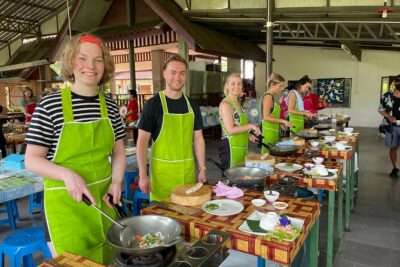
Half-Day Thai Cooking Class at Organic Farm in Chiang Mai
Read our review →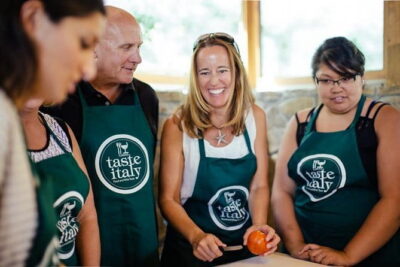
Cooking Class and Lunch at a Tuscan Farmhouse with Local Market Tour from Florence
Read our review →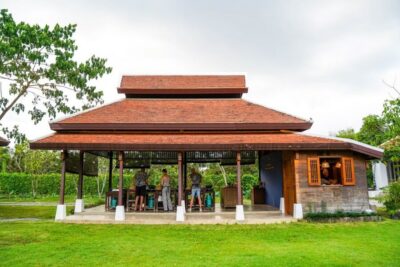
Chiang Mai: Authentic Cooking Class with Market & Farm Visit
Read our review →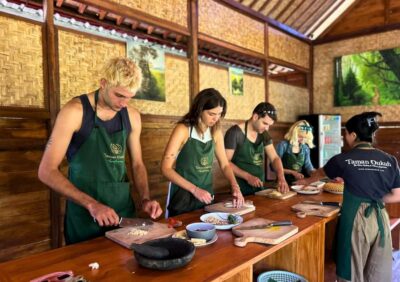
Ubud: Balinese Cooking Class at an Organic Farm
Read our review →
Ubud: Authentic Cooking Class in a Local Village
Read our review →
Chiang Mai: Cooking Class with Organic Farm at Mama Noi
Read our review →

Hands-On Cooking Class & Farmhouse Tour on the Amalfi Coast
Read our review →Browse the lists this tour appears in