Review · SINGAPORE
Local Cuisine Cooking Class in Singapore
The best part of this Singapore cooking class is that you do not just watch a chef work. You handle the ingredients, learn how herbs and spices shape Southeast Asian food, and cook a full set of dishes at your own station. I especially like the small groups of three or four and the fact that the class ends with a sit-down meal, not a rushed taste at the counter.
I also like the menu range. One day might bring Thai satay, pandan cupcakes, and nasi goreng. Another could focus on butter chicken and naan, Chinese dumplings, Peranakan food, or gluten-free cooking. The tradeoff is that menus change daily, so you need to be comfortable with some uncertainty unless you arrange a private class for a specific menu.
Key points to know before booking
- Cook at your own station: Groups of three or four work hands-on instead of standing behind a demonstration.
- Expect a changing menu: The weekly menu is sent by text or WhatsApp within 24 hours of booking.
- A full three-hour experience: Instruction, cooking, and a relaxed meal are all included in the time.
- Strong chef-led teaching: Payel and the Commune Kitchen team are praised for clear instruction and skill with spices.
- Wide range of cuisines: Classes may cover Thai, Indian, Chinese, Peranakan, satay, dumplings, or gluten-free dishes.
- Central Singapore meeting point: Commune Kitchen is at 182 Cecil Street in Frasers Tower, near public transportation.
Cooking Southeast Asia at Commune Kitchen
Commune Kitchen offers a useful way to meet Singapore through food rather than sightseeing alone. You spend roughly three hours learning how several ingredients work together, then sit down to eat the meal you helped prepare.
The class takes place at Commune Kitchen, at 182 Cecil St, #02-10/11, Frasers Tower, Singapore 069547. The location is near public transportation, which makes it a practical choice if you are staying in central Singapore or already visiting the downtown area.
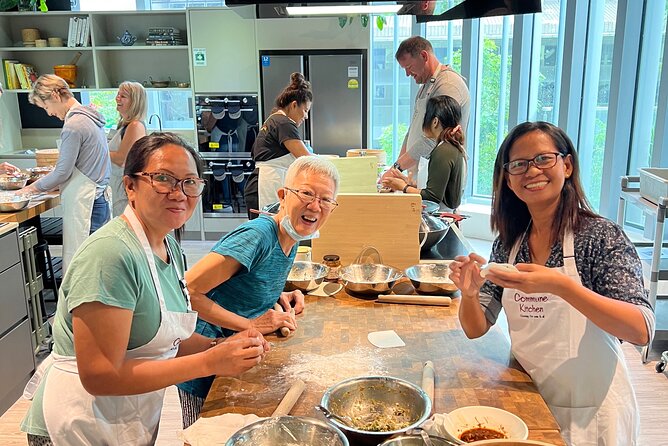
This is a hands-on cooking class, not a chef demonstration with a few token tasks. You work at your own cooking station and take part in the preparation. That matters because Southeast Asian cooking often depends on small judgments: how much spice to use, how to balance salty and sweet flavors, and when an ingredient is ready.
The class can accommodate up to 18 people, but the working format is more intimate. Groups of three or four share a station, which gives you a chance to ask questions and take part without waiting through a long line of classmates.
More Hands-On Workshops in the world:
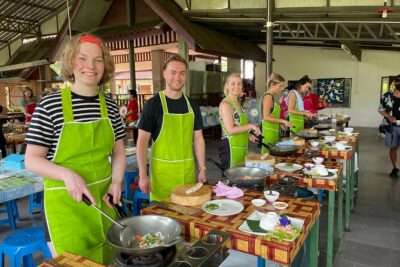
- Half-Day Thai Cooking Class at Organic Farm in Chiang Mai
★ 5.0 · 19,087 reviews - Florence: Pasta Cooking Class with Unlimited Wine
★ 4.9 · 10,285 reviews - 3 in 1 Cooking Class near Navona: Fettuccine, Ravioli & Tiramisu
★ 5.0 · 7,376 reviews
Your three-hour class, from spices to supper
The experience begins with an introduction to the herbs, spices, and basic methods used in Southeast Asian cooking. This part gives you the building blocks rather than treating each dish as an isolated recipe.
You might learn how a particular spice changes a sauce, how aromatics create the base of a dish, or how several flavors are brought into balance. The exact lesson depends on the menu for your date, so the class has some variety from one day to the next.
From there, the work becomes practical. You cook several dishes that are designed to go together as a meal. This is a smart format for home cooks because you are not learning one impressive dish with no idea what to serve beside it. You are learning a set of recipes that can be repeated as a complete meal.
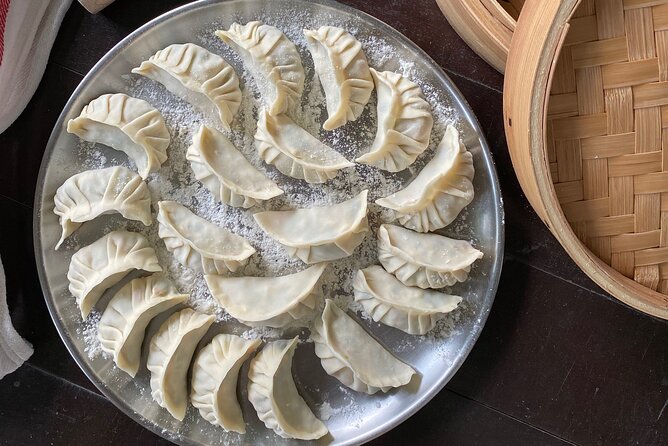
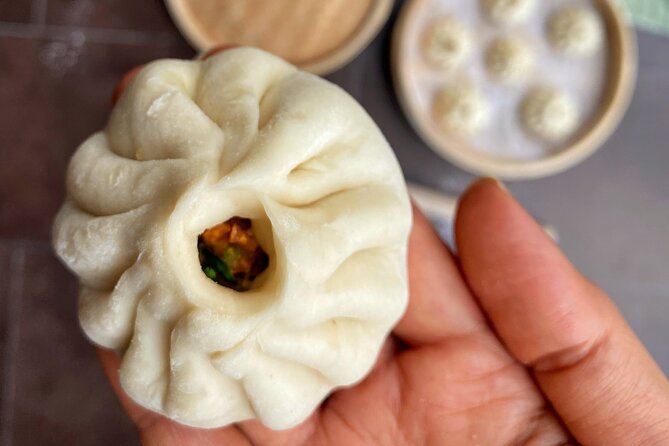
The available themes are broad. A Chinese class may focus on dumplings or xiao long bao. A Thai menu could include satay and pandan cupcakes, while an Indian class may cover butter chicken and naan from scratch. Peranakan and gluten-free menus are also part of the program.
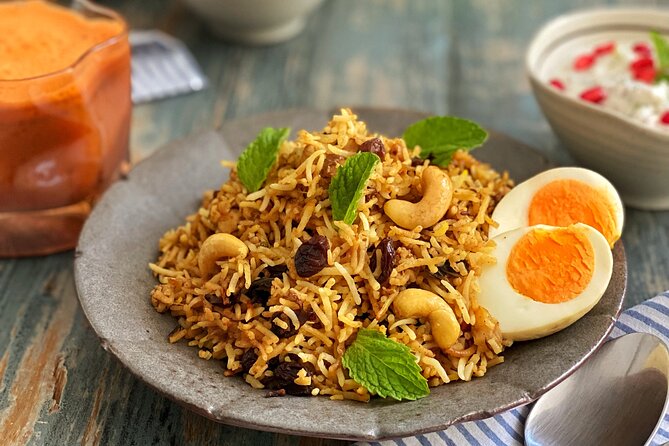
The published examples show how much the class can change. One menu combined Thai satays, pandan cupcakes, and nasi goreng. Another focused on butter chicken and naan. These dishes call for different skills, so the menu can shape the character of the entire class.
After the cooking, you sit down and eat together. I like this final step because it gives the class a proper finish. You can see how the separate dishes work as a meal, compare results with the people at your table, and enjoy the food without needing to rush off immediately.
Why the small cooking stations matter
A cooking class can be disappointing when you spend most of the time watching someone else chop, stir, and plate. Commune Kitchen avoids that problem by giving you a station and keeping the working groups small.
A group of three or four is large enough for conversation but small enough for practical participation. You will still share tasks, but you should have a clearer role than in a large demonstration class. If you want close guidance on a spice mix, dough, or cooking method, the format makes that question easier to ask.
The overall maximum is 18 people. That is not a private class, and the room may feel social rather than quiet. Still, the smaller station setup keeps the actual cooking more personal than the headcount alone suggests.
This arrangement suits people who enjoy learning by doing. It is also a good fit for couples, siblings, or friends who want an activity with a meal built in. You do not need to spend the session taking notes from the sidelines. You are there to make the food.
The chefs and the teaching style
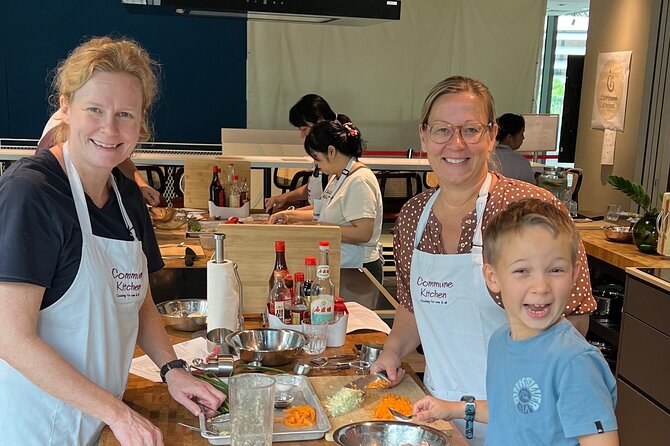
The strongest praise centers on the instructors. Payal and the Commune Kitchen team are described as professional and kind, with particular care given to clear instruction.
Payel is singled out for strong knowledge of spices and for teaching butter chicken and naan from scratch. That is useful in a dish such as butter chicken, where the result depends on more than following a list of ingredients. The order of cooking and the balance of seasoning both matter.
You should expect guidance through the basics rather than an advanced professional kitchen course. The aim is to help you understand the food well enough to recreate it at home. That makes the class more useful after your trip, especially if you are interested in Southeast Asian or Indian cooking but do not know where to begin.
The social tone is also part of the appeal. The class ends with the group eating together in a relaxed setting. I would choose this over a formal, silent lesson if you want to meet people while cooking, though it may feel less appealing if you prefer a private or highly structured session.
A few more cooking classes around the world worth a look
- Florence: Pasta & Tiramisu Cooking Class with Unlimited Wine
★ 4.9 · 6,708 reviews - Florence: Pasta Cooking Class with Unlimited Wine
★ 5.0 · 6,413 reviews - Hanoi Cooking Class: Culture, Local Market & Meaning CSR Impact
★ 5.0 · 5,147 reviews - 5 Traditional Dishes Hanoi Cooking Class with Market Trip
★ 5.0 · 4,890 reviews
The menu question: flexibility or uncertainty
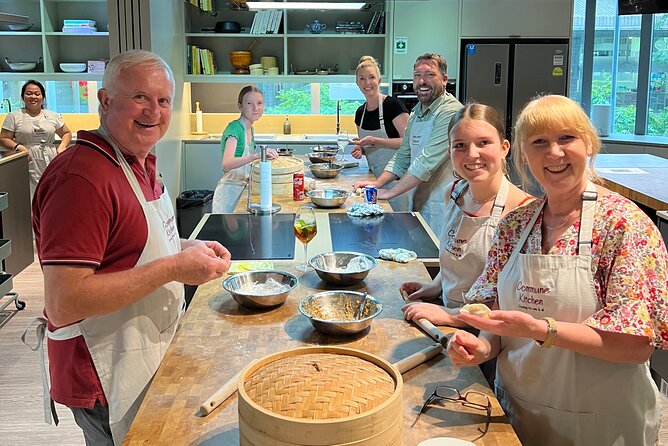
The menu changes daily, and you will receive the weekly menu by text or WhatsApp within 24 hours of booking. This is an important detail. You can book the class without knowing every dish far in advance, but you should check the message before deciding if the menu suits you.
The changing menu is a plus if you like surprises and want exposure to different cuisines. It also means repeat visits can feel different. You might get a chance to learn dumplings on one occasion and Indian dishes on another.
The downside is simple: you cannot assume that a particular dish will be served on your date. If you have your heart set on xiao long bao, satay, Peranakan food, or a gluten-free menu, ask about the weekly offering as soon as the menu arrives.
If you want a specific menu, the supplied information recommends arranging a private cooking class directly with Commune Kitchen. That option should appeal to families, serious food fans, or anyone planning the class around dietary needs or one favorite cuisine.
What the price includes in practical terms
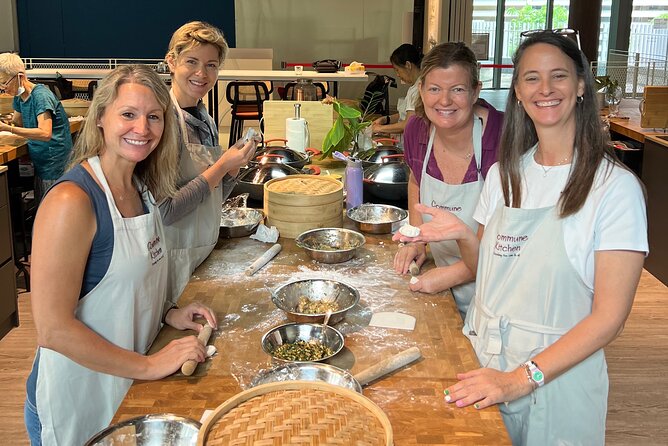
The price is $142.40 per person. That is not a bargain activity in the usual Singapore sightseeing sense, so the value depends on how much you want from the class.
You are paying for about three hours of instruction, hands-on use of a cooking station, several recipes, chef guidance, and the meal you prepare. The value is stronger if you will actually cook the dishes again at home. It is weaker if you mainly want a quick sample of local food.
I see the price as reasonable for a small-group, food-focused activity with an included meal, especially when compared with a standard restaurant outing that lasts less time and teaches you nothing. Still, it is a choice for people who enjoy participation. If you only want to eat Singaporean food, a hawker centre will cost much less and offer a wider range of dishes.
The class also gives you something hard to get from a restaurant menu: context. You learn what goes into the food and how the parts fit together. That can make later meals in Singapore easier to understand, even if you never recreate the recipes.
Choosing among Thai, Indian, Chinese, and Peranakan themes
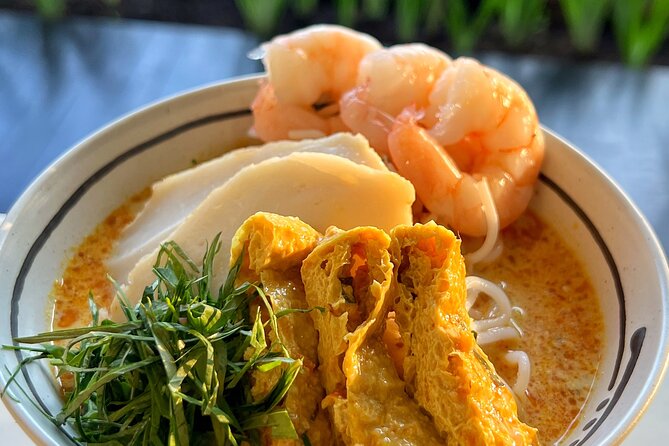
The class is a good introduction to several food traditions, but the menu determines what you will actually learn. Thai dishes such as satay, pandan cupcakes, and nasi goreng offer a broad meal with savory and sweet elements.
The Indian class featuring butter chicken and naan from scratch may appeal most if you want a focused lesson with familiar dishes that still require real technique. Making both components gives you a better understanding of the meal than ordering them at a restaurant.
Chinese dumplings and xiao long bao bring a different kind of work, with more attention to shaping and filling. Peranakan food offers another route into Singapore’s food culture, while the gluten-free option can make the class more useful for people who need that menu.
Because the menu is not fixed, I would not book this as a guaranteed way to learn one specific cuisine unless you confirm the date’s offering. Book it for the cooking format first, then choose the menu if the weekly selection works for you.
Who will get the most from this class
I would recommend this experience to you if you enjoy food, want a break from regular sightseeing, and like bringing home practical skills. It suits first-time cooks because the chefs cover the basics, but experienced home cooks may also enjoy learning new spice combinations and regional dishes.
It is especially useful for:
- Couples or siblings looking for a shared activity
- Home cooks who want recipes they can repeat
- People curious about Thai, Indian, Chinese, or Peranakan food
- Anyone seeking a social class rather than a private lesson
- Diners who want to understand a meal by preparing it
You may want to skip it if you dislike group activities, need a guaranteed dish, or would rather spend three hours exploring Singapore’s food stalls. The maximum of 18 people means this is not a quiet one-on-one lesson, even though your working group is smaller.
The class also requires a minimum number of participants. If that minimum is not met, the activity may be canceled and you will be offered another date or experience, or a full refund.
Location, timing, and booking details
The meeting point is Commune Kitchen in Frasers Tower, at 182 Cecil Street, unit #02-10/11. It is near public transportation, so you should be able to reach it without arranging a special transfer.
The activity lasts approximately three hours. Allow enough time to get to the building and find the correct unit, since the cooking session itself is not a quick stop.
Your confirmation arrives at the time of booking, and the ticket is mobile, which keeps the arrival process simple. The weekly menu comes later by text or WhatsApp, within 24 hours of booking. Keep an eye on those messages, since the menu is the key detail you will want to confirm.
The cancellation rule is strict. The experience is non-refundable and cannot be changed for any reason after booking. The exceptions are cancellations caused by poor weather or failure to meet the minimum number of participants. In those cases, you are offered another date or a full refund.
The weather clause may seem unusual for an indoor cooking class, but it is part of the stated policy. I would avoid booking this on a date when your plans need to remain highly flexible.
Is the Local Cuisine Cooking Class worth booking?
I would book this class if you want to do more than eat in Singapore. The combination of a small working group, chef instruction, changing menus, and a sit-down meal gives you a useful three-hour experience with something to remember after the trip.
The best reasons to choose it are the hands-on format and the quality of the teaching. Payel and the Commune Kitchen team appear to put real care into explaining spices and methods, and the examples of butter chicken, naan, satay, pandan cupcakes, and nasi goreng show that the class can cover substantial dishes rather than simple snacks.
I would hesitate only if you need a fixed menu or want the lowest-cost way to sample local food. Check the weekly menu before you commit, especially if you need gluten-free food or want a particular cuisine. If the menu suits you, the $142.40 price buys more than lunch: it buys instruction, participation, and recipes you can use at home.
FAQ
Where does the cooking class take place?
The class meets at Commune Kitchen, 182 Cecil St, #02-10/11, Frasers Tower, Singapore 069547.
How long does the experience last?
The cooking class lasts approximately three hours, including the cooking lesson and the sit-down meal.
How many people can join?
The activity has a maximum of 18 participants. Cooking takes place in small groups of three or four people at each station.
What cuisines might be included?
Menus may include Chinese dumplings, xiao long bao, satay, Peranakan food, Indian dishes, Thai food, or gluten-free options.
Is the menu the same every day?
No. Menus change daily, so the food prepared depends on the date you book.
How will I find out the menu?
Commune Kitchen will contact you about the weekly menu by text or WhatsApp within 24 hours of booking.
Can I request a specific menu?
If you want a specific menu, the information provided recommends booking a private cooking class directly with Commune Kitchen.
Will I cook the food myself?
Yes. The class is fully hands-on, and you cook at your own station with guidance from the chefs.
Is a meal included?
Yes. After cooking, you sit down with the group and eat the food you prepared.
Is the booking refundable?
No. The experience is non-refundable and cannot be changed for any reason. If the class is canceled because of poor weather or because the minimum number of participants is not met, you are offered another date or a full refund.
Just added around the world
- A Coruña: Local Market Shopping and Cooking Workshop★ 5.0 · 16 reviews
- Vegan/Vegetarian Ramen and Gyoza by Bentoya cooking★ 5.0 · 59 reviews
- Traditional Zanzibar Cooking Class including Spice Tour★ 4.5 · 14 reviews
- Verona: Pasta and Tiramisu Cooking Class with Fine Wine★ 4.8 · 633 reviews
- Tbilisi: Cooking Class with a Local Family★ 5.0 · 104 reviews
- Thessaloniki: Cooking & Dining Experience with Greek Family★ 4.9 · 85 reviews
- NGO Lifted Strong – Traditional Tanzanian Cooking Class★ 5.0 · 39 reviews
- 5 Hours Private Cooking Classes in Langadas Thessalonikis★ 5.0 · 14 reviews
Cooking Classes, compared.
Half-Day Thai Cooking Class at Organic Farm in Chiang Mai
Read our review →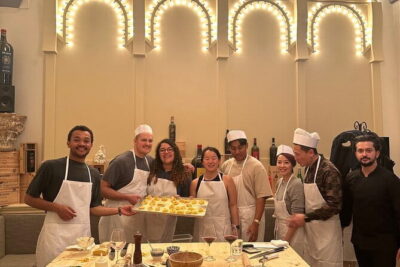
Florence: Pasta Cooking Class with Unlimited Wine
Read our review →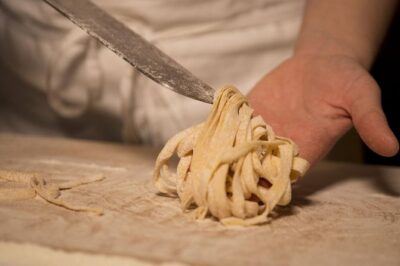
3 in 1 Cooking Class near Navona: Fettuccine, Ravioli & Tiramisu
Read our review →
Hanoi Cooking Class: Culture, Local Market & Meaning CSR Impact
Read our review →
5 Traditional Dishes Hanoi Cooking Class with Market Trip
Read our review →
Cooking Class and Lunch at a Tuscan Farmhouse with Local Market Tour from Florence
Read our review →