
Review · INDONESIA
From Ubud: Authentic Cooking Class in a Local Village
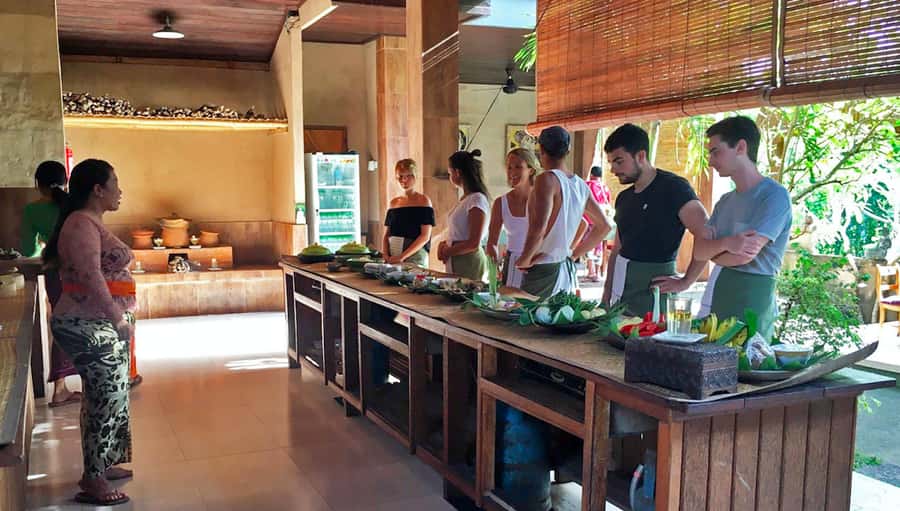
The best part of this experience is that you do not simply watch a chef prepare Balinese food. You visit a local market, enter a family compound in Laplapan, and spend the morning chopping, pounding, mixing, and cooking your own meal. The host, Puspa, brings plenty of humor and warmth, while guides such as Wayan help connect the food to daily life in Bali.
I like the market visit, where you learn about unfamiliar herbs, spices, fruits, and vegetables before using them in the kitchen. I also like the family-home setting, which feels more personal than a class held in a hotel or restaurant. The main thing to consider is timing: the morning class includes the market, while the shorter afternoon class does not.
Key points to know before booking
- Morning is the best choice for the full experience: It includes the fresh market and rice plantation stops before cooking.
- You prepare a full feast: Expect three starters, four main dishes, and an authentic dessert, followed by lunch.
- The class is genuinely hands-on: You chop, pound, mix, season, and cook rather than simply watch demonstrations.
- Puspa is a memorable host: Her humor and friendly style help turn a lesson into a social occasion.
- Dietary needs can be handled: Meat and vegetarian options are available, and several participants with allergies had dishes adapted.
- Ubud pickup is included: Transport from outside Ubud may be possible for an added fee.
Why this cooking class feels different from a restaurant meal
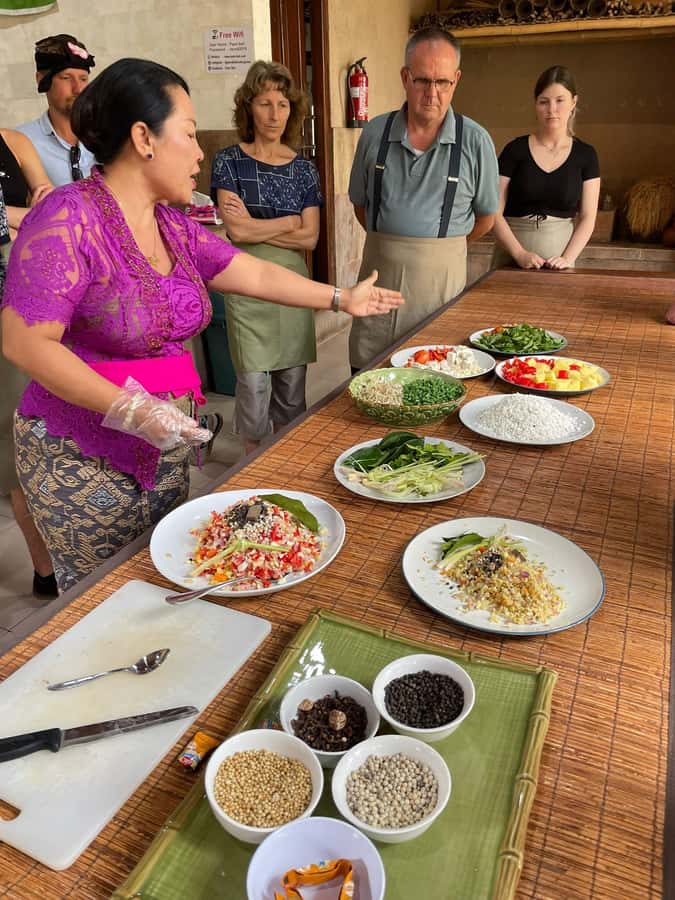
A restaurant can introduce you to Balinese flavors, but it rarely shows you how those flavors are built. Here, you work with fresh ingredients and learn the small techniques that make Balinese food taste the way it does.
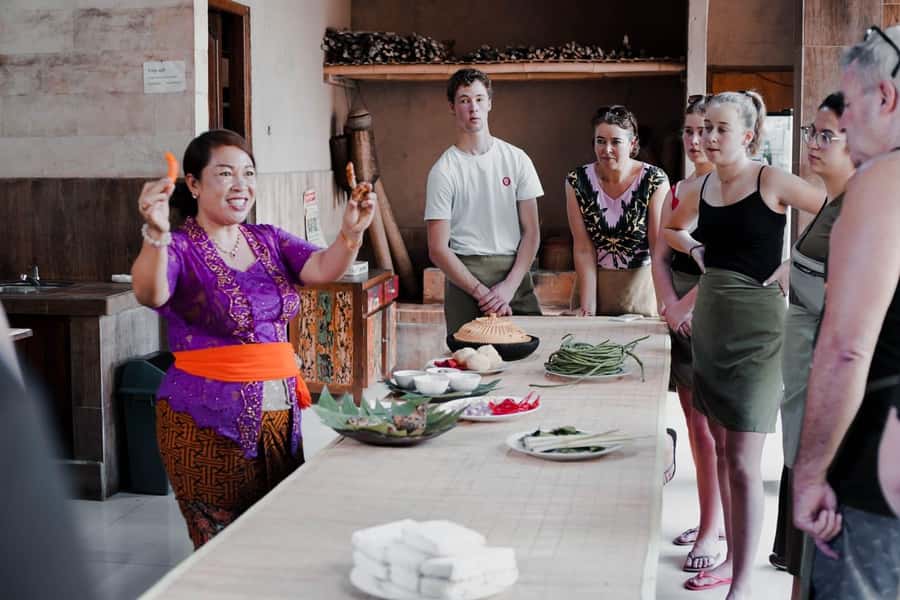
The class takes place in the traditional village of Laplapan, outside the busy center of Ubud. You are welcomed into a local family setting, with a traditional compound and family temple adding a cultural layer to the cooking. Some groups have been allowed to see the temple and take photographs, though the focus remains on the class and the meal.
That setting matters. You get a look at an everyday home environment rather than a polished cooking studio designed only for tourists. The kitchen and dining area are described as clean and attractive, but the atmosphere remains informal. You are there to cook, laugh, and eat together.
Puspa, also referred to as Mama Pushpa or Mama Paon, is central to the experience. Her style is lively and personal. She explains the methods clearly, keeps the group moving, and uses humor to make unfamiliar tasks feel simple. The other instructors assist at the workstations, so you are not left waiting while one person handles everything.
More Farm Cooking Classes in Indonesia
- Ubud: Balinese Cooking Class at an Organic Farm
★ 5.0 · 1,786 reviews - Balinese Farm Cooking Class by Pemulan Bali
★ 5.0 · 410 reviews - From Ubud: Authentic Bali Farm Cooking School & Organic Farm
★ 5.0 · 122 reviews
The morning market gives the dishes a proper beginning
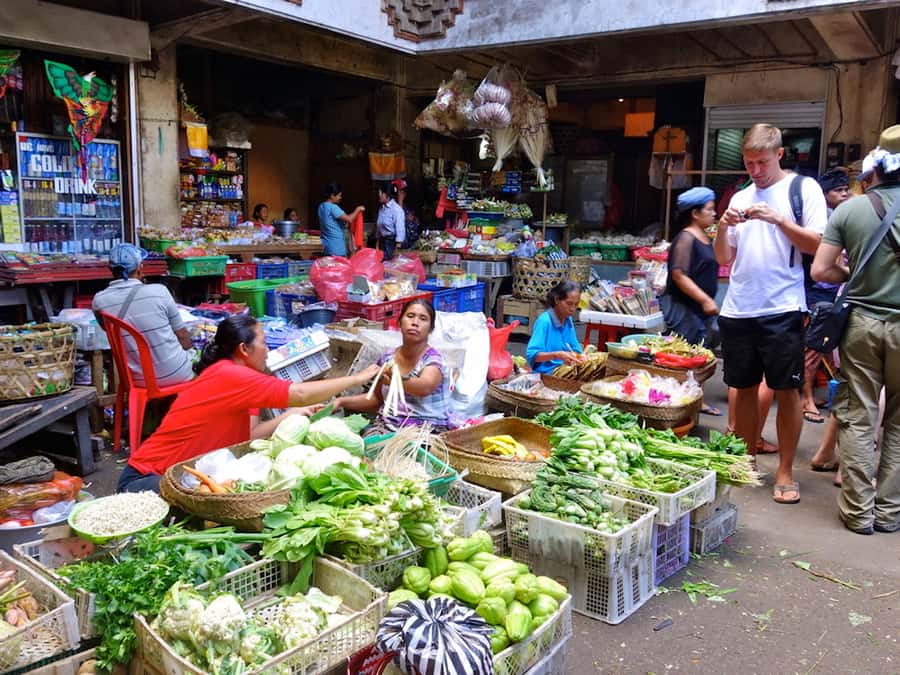
If you can choose between the two sessions, I would pick the morning class. It begins with a visit to a local fresh-food market, where your guide explains the produce and ingredients used in Balinese cooking.
This is not just a shopping stop. You see the raw materials before they arrive on your plate, and you learn how local cooks use herbs, spices, vegetables, meat, and fruit. Depending on the day, you may have the chance to taste local fruit. You can also buy spices or tea from the stalls if you find something you want to take home.
The market is most useful for anyone who has eaten Balinese food but cannot identify the ingredients. Your guide can connect what you see to what you will prepare later. That makes the cooking lesson easier to follow, since the food no longer feels like a list of unfamiliar names.
There is one practical limitation. The market visit is included only with the morning class. The afternoon option is shorter and goes directly toward the cooking portion, so it may suit you if you have limited time or prefer a later start, but it is not the full cultural outing.
A rice plantation stop adds context to the meal
The route also includes a visit to a rice plantation. Rice is a basic part of Balinese food and daily life, so this stop helps explain the importance of the crop beyond the plate.
You learn how rice is cultivated and prepared, while taking in views of the surrounding countryside. It is a quieter part of the outing, and a useful pause between the market and the cooking class.
Do not expect a long farm tour or a technical agriculture lesson. The information provided describes a short visit for scenery and context. Its value is in showing you where a central food staple comes from before you sit down to a meal built around local ingredients.
Transport time and the exact order of stops can affect the total duration. The experience is listed as lasting from 210 minutes to four hours, depending on the selected session and schedule.
Laplapan welcomes you with tea, coffee, and a family compound
On arrival in Laplapan, you are welcomed with Balinese tea or coffee before the work begins. This small pause gives you time to meet the instructors and other cooks.
The setting is one of the strongest parts of the day. You cook in a beautiful family home with a traditional compound, rather than in a large commercial classroom. The family temple adds an important reminder that this is a working home and cultural space, not only a cooking venue.
The group can include up to 15 participants. That is small enough for a social class, though it is not a private lesson. Some sessions may be much smaller, while others can reach the stated limit. If you want constant individual attention, a large group could feel busy. In practice, the instructors divide tasks and rotate participation so everyone gets a turn.
This works particularly well for couples, families, and solo visitors who enjoy meeting people over food. Several families have brought teenagers, and the activity is suitable for children according to the supplied information. The class is active, but it is not presented as physically demanding.
Same place, a different menu:
- Ubud Cooking Class Bali with Balinese Chef
★ 5.0 · 1,609 reviews - Ubud: Cooking Class with Transfers and Optional Market Visit
★ 4.9 · 824 reviews - PRIVATE Authentic Balinese Cooking Class in Ubud at Putu’s Home
★ 5.0 · 644 reviews - Balinese Ubud cooking school (9 Dish Cooking and Market Tour)
★ 5.0 · 540 reviews
What you actually cook during the lesson
The class includes three starters, four main courses, and one dessert. Other descriptions of the same menu refer to seven dishes in total, so you should expect a substantial meal rather than a single recipe.
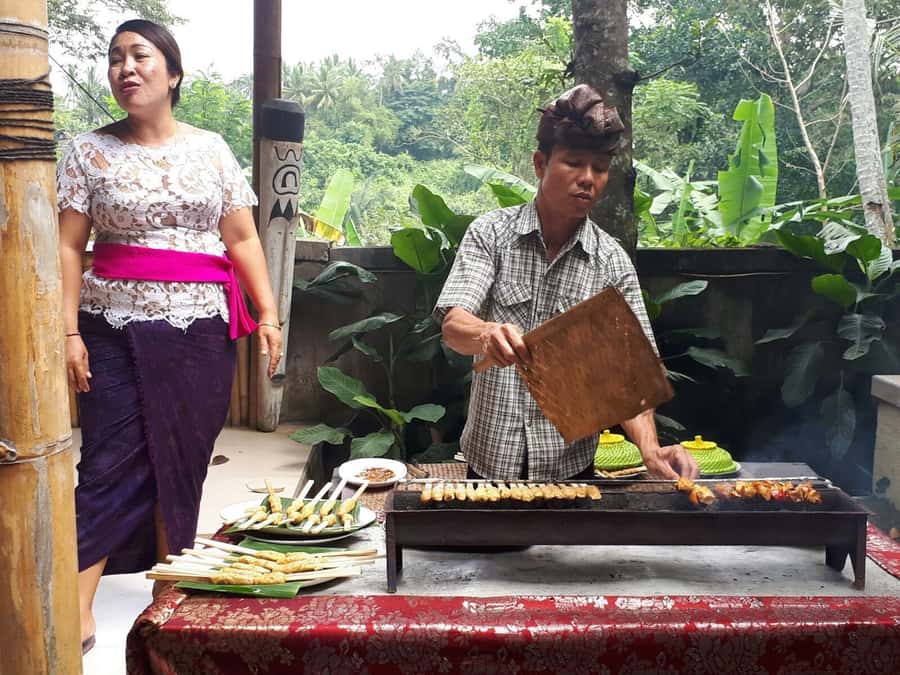
The work is spread among the group. You may chop vegetables, pound spice mixtures, combine ingredients, prepare skewers, or help cook a dish over heat. The instructors explain each stage and keep the tasks moving between participants.
That hands-on structure is important. You are not expected to have advanced cooking skills, and the dishes are explained in a way that beginners can follow. At the same time, you learn more than a quick demonstration because you handle the ingredients yourself.
Pounding spices is likely to be one of the more memorable techniques. Balinese cooking often depends on freshly prepared spice mixtures, and working them by hand helps you understand why the food has such strong aroma and depth. The supplied information does not specify every dish on the menu, so do not book this expecting a fixed list of named recipes.
You can choose between meat and vegetarian dishes. Several people with dietary needs, including allergies to garlic, onion, capsicum, and gluten, had recipes adapted for them. The kitchen prepared separate versions in some cases. If you have an allergy or strict dietary requirement, state it clearly when booking and again when you arrive.
The meal is the reward, not an afterthought
Once the cooking is finished, everyone sits down and eats together. You are served the dishes you helped prepare, including the dessert, so lunch becomes a shared meal rather than a quick tasting.
There is plenty of food. The menu gives you a broad look at Balinese cooking, from starters and main dishes to a sweet finish. You can compare how different ingredients and spice mixtures work across the meal.
The shared table is also where the social side of the class comes together. You have spent the morning working in pairs or small groups, and now you can talk about the results. That makes this a good choice if you want a cultural activity that is friendly without requiring a separate group tour.
The food is described as simple but delicious, which is a useful expectation to set. This is not a fine-dining presentation or a chef competition. The appeal is fresh ingredients, clear methods, generous portions, and the satisfaction of eating food you helped make.
Recipes, a certificate, and value for the price
At $35 per person, the experience offers good value if you use the included parts. Hotel pickup and drop-off in Ubud, the market tour for morning participants, tea or coffee, all ingredients, the cooking lesson, lunch, and a certificate are included.
The recipe booklet may be the most useful item after the meal. You receive recipes and notes to take home, with suggestions for alternative ingredients when certain products are hard to find outside Bali. That gives the class lasting value instead of leaving you with photographs and a full stomach only.
Seven dishes, transport, food, and several cultural stops would make this a reasonable price even before counting the instruction. The value is strongest for the morning class, since you receive the market visit and rice plantation stop as well as the lesson.
Pickup is free from hotels in the Ubud area. Pickup from another part of Bali may be available for an additional fee, but confirm that before booking. Transport is generally rated highly, although one participant had a driver arrive early and call before the agreed pickup time. Give yourself time to be ready, but also check the pickup details carefully.
Free cancellation is available up to 24 hours before the activity, and you can reserve now and pay later. The live instruction is in English.
Who will enjoy this most
I would recommend this class to you if food is one of your main ways of understanding a place. You will get more from it if you enjoy asking questions, working with your hands, and sharing a table with people you have just met.
It is also a strong rainy-day option. Much of the experience takes place under cover, and the cooking provides a useful focus when the weather is not ideal. The market and plantation stops are still weather dependent in practical terms, so bring suitable clothing for a changeable morning.
Families can enjoy it because the tasks are varied and the finished meal is immediate. Couples may like the relaxed social setting, while solo visitors can join a small group without needing to arrange a private class.
I would think twice if you want a quiet, private food lesson or a highly technical chef course. A group of up to 15 can be lively, and the teaching is aimed at ordinary home cooks rather than professional training. The class also takes most of a half day, so it is not an activity to squeeze between several tightly timed Ubud attractions.
Morning or afternoon: which session should you choose?
Choose the morning session if you want the fullest itinerary. You visit the market, learn about local ingredients, stop at the rice plantation, and then continue to the village for the cooking class and lunch.
Choose the afternoon session if your schedule makes a morning start difficult. It is shorter because the market visit is left out, but you still receive the cooking lesson, meal, ingredients, and recipes.
For most people, the morning option is the better use of the $35 price. The market makes the class more meaningful, and it gives you a chance to buy spices or tea. The afternoon option makes sense when you have already visited a market, have a morning tour planned, or simply want to focus on cooking.
Should you book Paon Bali Cooking Class?
Yes, if you want a practical cultural experience rather than a quick sightseeing stop. The combination of a local market, rice-growing context, family compound, friendly instruction, and shared feast gives you a fuller picture of Balinese food.
Book the morning class if possible, especially if this is your first visit to Bali. Tell the team about allergies or dietary needs in advance, and confirm pickup if your hotel is outside Ubud.
Skip it only if you dislike group activities, cannot spare three to four hours, or want advanced culinary training. For everyone else, this is a well-priced way to leave Ubud with a full meal, a few cooking skills, and recipes you can use at home.
FAQ
How long does the Balinese cooking experience last?
The activity lasts from 210 minutes to four hours, depending on the session and schedule.
Is hotel pickup included?
Yes. Pickup and drop-off are included for hotels in the Ubud area. Pickup from other areas may be available for an added fee if requested when booking.
Does the afternoon class include the market visit?
No. The afternoon class is shorter and does not include the fresh market tour. Choose the morning class if the market is important to you.
What language is the class conducted in?
The live tour guide and cooking instruction are in English.
How many people can join the class?
It is a small-group activity with up to 15 participants.
Are vegetarian dishes available?
Yes. You can choose between meat and vegetarian dishes.
Are allergies and dietary requirements accommodated?
Several dishes have been adapted for allergies and dietary requirements, including garlic, onion, capsicum, and gluten concerns. State your needs clearly when booking and when you arrive.
What is included in the price?
The $35 price includes Ubud hotel pickup and drop-off, the morning market tour, Balinese tea and coffee, the cooking lesson, ingredients, lunch, and a certificate. Recipes and notes are also supplied to take home.
More Hands-On Workshops in Indonesia
- Ubud: Balinese Cooking Class and Market Tour
★ 4.8 · 531 reviews - Seminyak: Balinese Cooking Class & Market Tour
★ 4.9 · 458 reviews - Learn to cook Indonesian food at Gili Cooking Classes Trawangan
★ 5.0 · 352 reviews - Balinese Cooking Class in Seminyak
★ 5.0 · 281 reviews
Just added around Indonesia
- Nia Balinese Cooking Class★ 5.0 · 202 reviews
- Nia Bali Seminyak Cooking Class★ 5.0 · 127 reviews
- Cooking class in the comfort of your own personal villa. Yes, I’ll come to you!★ 5.0 · 80 reviews
- Balinese Cooking class with traditional morning market visit★ 5.0 · 161 reviews
- Small-Group Farm Tour & Balinese Cooking Class in Ubud with Kadek★ 5.0 · 16 reviews
- Balinese Cooking Class at Organic Farm★ 5.0 · 51 reviews
- From Ubud: Authentic Bali Farm Cooking School & Organic Farm★ 5.0 · 122 reviews
- PRIVATE Balinese Cooking Class in Ubud with Dewa with Transfers★ 5.0 · 213 reviews
Farm & Countryside Cooking Classes, compared.
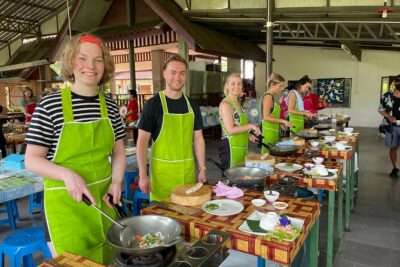
Half-Day Thai Cooking Class at Organic Farm in Chiang Mai
Read our review →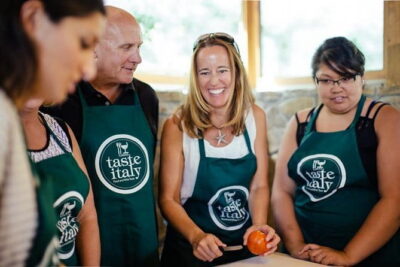
Cooking Class and Lunch at a Tuscan Farmhouse with Local Market Tour from Florence
Read our review →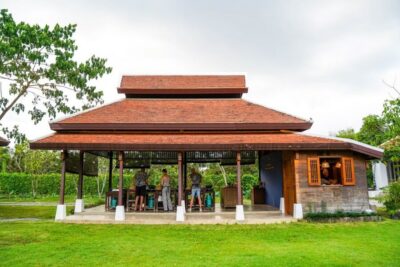
Chiang Mai: Authentic Cooking Class with Market & Farm Visit
Read our review →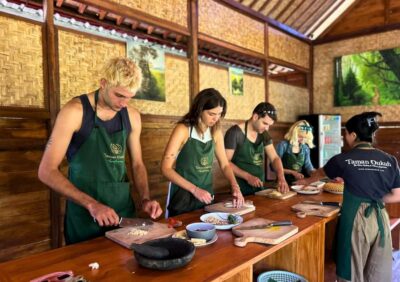
Ubud: Balinese Cooking Class at an Organic Farm
Read our review →
Chiang Mai: Cooking Class with Organic Farm at Mama Noi
Read our review →

Hands-On Cooking Class & Farmhouse Tour on the Amalfi Coast
Read our review →
Chiang Mai: HALF-DAY COOKING COURSE at a Thai Cooking Farm
Read our review →Browse the lists this tour appears in