
Review · COOKING CLASSES
Authentic Lebanese Cooking Lesson and Meal with Tania’s Family in Beirut
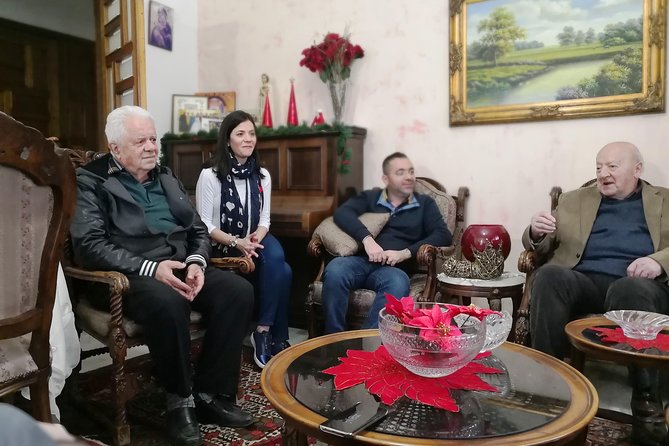
The heart of this Beirut experience is not a restaurant kitchen or a staged demonstration. It is Tania’s family home, where you cook beside her mother, a lifelong home chef, and her father, a retired butcher who grows fruit and vegetables outside the city. You learn five Lebanese dishes, then sit down to eat what you helped make.
I especially like the family setting and the chance to talk about Lebanese food beyond the usual menu descriptions. I also like that Tania brings professional food knowledge as an agronomist and food safety specialist, while her parents supply the family recipes and practical cooking wisdom. The main consideration is simple: this is a three-hour home visit, not a quick tasting, so you should enjoy conversation and hands-on kitchen work.
Key points to know
- Five Lebanese dishes: You take part in preparing several traditional foods, including hummus, baba ghanoush, eggplant salad, stuffed zucchini, and kibbeh.
- Tania hosts with her parents: Her mother leads from a lifetime of home cooking, while her father brings a butcher’s eye for meat and a gardener’s connection to fresh produce.
- A private experience: Only your own group participates, making it easier to ask questions and set the pace.
- Fresh garden ingredients: Much of the family’s produce comes from their local garden and is described as fresh and organic.
- Food and culture together: The meal comes with conversation about family life, Lebanese traditions, food businesses, gardening, and cooking.
- Arak is included: You receive non-alcoholic drinks and one or two glasses of local alcohol, with vegetarian needs and other dietary requests accepted when arranged in advance.
Entering a Lebanese family kitchen in Forn El Chebbak
The experience begins at 11:00 a.m. in Forn El Chebbak, an area of Beirut. You meet Tania at the stated meeting point and return there at the end. Hotel pickup and drop-off are not included, so you need to arrange your own way to and from the home.
Once inside, the tone is personal rather than formal. Tania’s parents take part in hosting, and the family welcomes you with coffee before the cooking begins. That small detail matters. It gives you time to settle in, meet the people behind the food, and start talking before anyone asks you to chop, stuff, or stir.
Tania’s background adds another layer. She is an agronomist and food safety specialist, and she is also interested in music and travel. You can ask her about ingredients, kitchen practice, farming, or the business side of food. Her parents bring a different kind of authority: her mother has spent a lifetime cooking traditional family meals, and her father is a former butcher who takes meat seriously.
That mix makes the class useful for different reasons. You are not getting only a professional explanation or only a family story. You get both. Tania can discuss food in a structured way, while her mother can show you how family recipes are actually prepared at home.
More Cooking Classes with Lunch in the world:
- New Orleans Demonstration Cooking Class with Meal
★ 5.0 · 3,000 reviews - New Orleans Hands-On Cooking Class with Meal
★ 5.0 · 1,183 reviews - Palermo: Pizza and Gelato Cooking Class with Dinner and Wine
★ 4.9 · 951 reviews
Preparing five dishes, from hummus to kibbeh
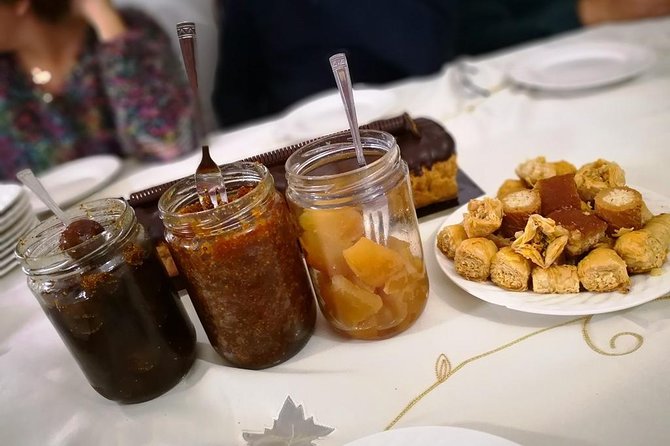
The exact order of the cooking is not specified, and a private home class may adjust its pace to suit the group. The important point is that you work on five authentic Lebanese dishes rather than watching one recipe from a distance.
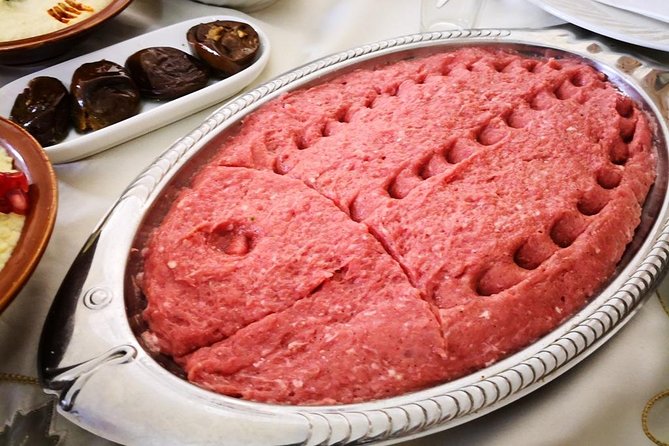
The foods associated with this experience include hummus, baba ghanoush, eggplant salad, stuffed zucchini, and kibbeh. One session also included kibbeh naye, a raw kibbeh preparation. That dish is a good example of why you should share dietary questions and cooking preferences when booking. If you have concerns about raw meat, allergies, or ingredients, say so in advance.
Hummus and eggplant dishes offer a useful introduction to the balance common in Lebanese cooking. You learn how simple ingredients can be shaped by texture, seasoning, and preparation. Baba ghanoush and eggplant salad also give you a chance to compare two dishes built around a similar vegetable but treated in different ways.
Stuffed zucchini brings a more hands-on task. It is the sort of food that links kitchen technique with family habit, since the method often depends on how ingredients are handled as much as on a written recipe. You are not simply handed a plate and told its name. You take part in the work that turns ordinary produce into a shared meal.
Kibbeh offers a meat-focused contrast. Tania’s father, a former butcher, is especially involved with meat, so this is one area where his experience becomes part of the lesson. If you enjoy understanding how a dish fits into local food culture, this is likely to be one of the most interesting parts of the class.
The cooking also gives you an easy way to ask questions. You can talk about Lebanese family meals, ingredient choices, gardening, food safety, and the ways recipes pass from one generation to the next. The setting is small enough that the conversation can move naturally between the kitchen and the table.
Tania’s mother brings the family recipes
Tania’s mother is the central link to the home-cooking side of the experience. She has prepared traditional meals for her family throughout her life, and her role is not limited to greeting you or helping with cleanup. She shares practical tips for making Lebanese dishes taste authentic and delicious.
That distinction is important. A restaurant chef may explain a dish in terms of a finished plate. A home cook often explains the small choices that make the dish part of daily life. You may learn not only what goes into a recipe, but how a Lebanese family thinks about preparing, sharing, and serving it.
The family atmosphere is also a major reason to choose this activity over a standard food tour. A food tour can show you several places in Beirut. This class gives you a look at how cooking and eating work inside one household. You hear family stories, talk about more than food, and spend time with people who enjoy gardening, preparing meals, and eating together.
I would allow the conversation to take its own course. The experience is designed around sharing, not racing through a checklist. One account of the evening describes cooking kibbeh and kibbeh naye while talking with Tania and her family. That gives you a sense of the social side of the class: the food is the anchor, but the exchange is just as important.
From the garden to the table
Tania’s father grows fruit and vegetables in a garden on the outskirts of Beirut. Much of the family’s produce comes from that garden, and it is described as local, fresh, and organic. You should not expect a full farm visit, since the activity takes place at the family home, but the garden helps explain where the household’s food comes from.
This detail adds value to the lesson. Lebanese cooking is often discussed through its famous dishes, but ingredients and sourcing matter just as much. Talking with a family that grows some of its own produce gives you a more grounded view of the cuisine.
The garden connection also makes the meal feel less like a packaged food presentation. You are learning from people who cook with ingredients connected to their own household routines. Tania’s father’s background as a butcher adds a similar connection on the meat side.
If you care about food production, ask Tania about the garden and her work in agriculture. If you are interested in food safety, her professional background gives you a natural subject for conversation. Those topics are not separate from the meal. They help you understand the choices behind it.
More Hands-On Workshops in the world:
- Half-Day Thai Cooking Class at Organic Farm in Chiang Mai
★ 5.0 · 19,087 reviews - Florence: Pasta Cooking Class with Unlimited Wine
★ 4.9 · 10,285 reviews - 3 in 1 Cooking Class near Navona: Fettuccine, Ravioli & Tiramisu
★ 5.0 · 7,376 reviews - Florence: Pasta & Tiramisu Cooking Class with Unlimited Wine
★ 4.9 · 6,708 reviews
Sitting down for the home-cooked meal
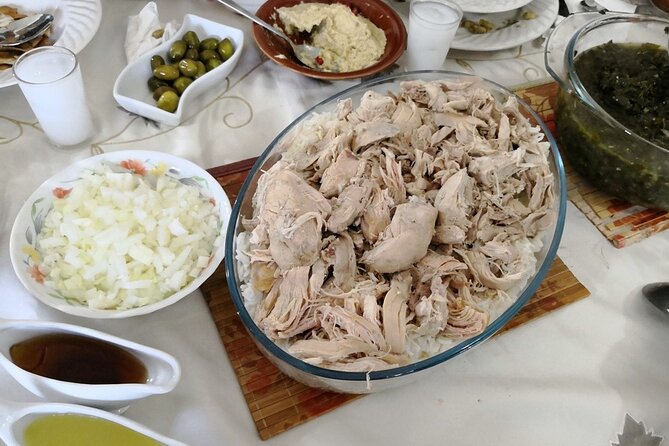
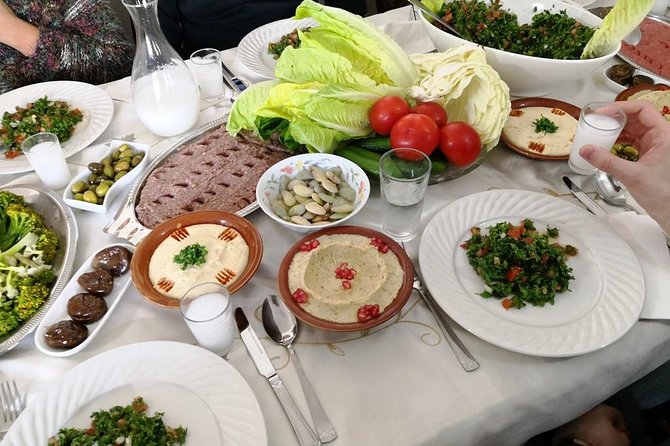
After the cooking, you eat together at the home. The meal is included, along with soft drinks and one or two glasses of local alcohol. Arak, Lebanon’s anise-flavored spirit, is the natural pairing for a meal like this, but you can choose non-alcoholic drinks if you prefer.
The meal is the payoff, but it is not the only point. Because you helped prepare the food, you have a clearer sense of the work behind each dish. Hummus, stuffed zucchini, eggplant preparations, and kibbeh become more than items on a menu. You know something about how they were made and who taught you.
The pace should suit anyone who likes a long meal with conversation. You are not being pushed out after a fixed seating time. The family participates in the meal, which keeps the experience social and informal.
One practical note: the advertised price is $100 per person. That is more than you might spend on a simple Lebanese lunch, but the comparison is not quite fair. The fee covers a private cooking lesson, a home-cooked meal, drinks, alcohol, taxes, service charges, and gratuities. You are also paying for a small-group cultural exchange that would be difficult to arrange independently.
The value is strongest if you want personal contact and active participation. If you only want to eat Lebanese food cheaply, a restaurant is the better choice. If you want to cook, ask questions, meet a family, and understand how dishes fit into household life, the price is more reasonable.
Who will enjoy this Beirut cooking class
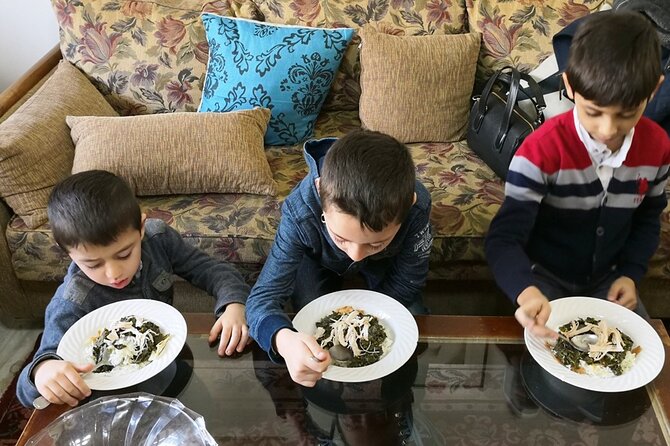
This activity is a good fit for couples, families, and small groups who like food and conversation. The private format means only your group participates, so you do not have to match the rhythm or interests of strangers.
It also suits people who want more than a sightseeing stop. Beirut can be approached through museums, neighborhoods, restaurants, and historical sites. This experience offers a different angle: you spend time in a home, learn about food from three family members, and see how cooking links to gardening, work, and tradition.
Vegetarians can take part if they request the vegetarian option in advance. You should also provide allergy information, dietary restrictions, and cooking preferences when booking. The same advice applies if you do not want to handle or eat a particular ingredient.
I would be more cautious about booking this if you dislike group conversation, hands-on preparation, or eating in a private home. The class is not built around a polished cooking-school setup. Its appeal comes from the family setting, which also means the experience may feel more personal and less tightly scripted.
Timing, access, and what to arrange before you go
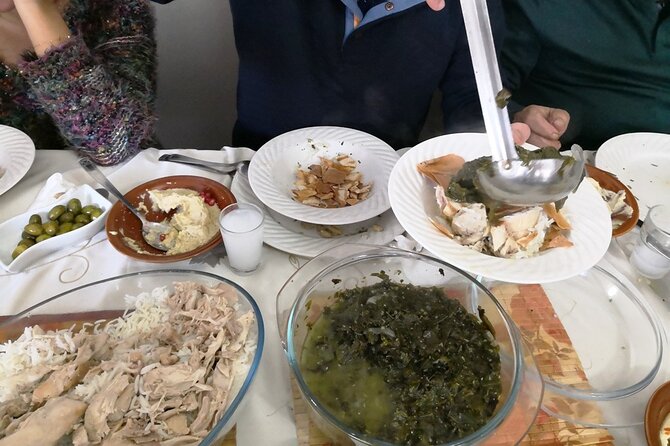
The activity lasts about three hours and starts at 11:00 a.m. Since it ends back at the meeting point, plan for your own transportation to and from Forn El Chebbak. Hotel pickup and drop-off are not part of the package.
Confirmation is provided when you book. Service animals are allowed. The experience is private and personalized, which makes it easier to discuss food needs before the day begins.
Book at least several days ahead if you can. The average booking point is about 14 days before the experience, so arranging it early is sensible, especially if you need the vegetarian option or have allergies.
The cancellation rule is also worth noting without making it the center of your planning. You receive a full refund if you cancel at least two full days before the local start time. Cancellations or changes made inside that window are not accepted for a refund.
My call on Tania’s Lebanese cooking experience
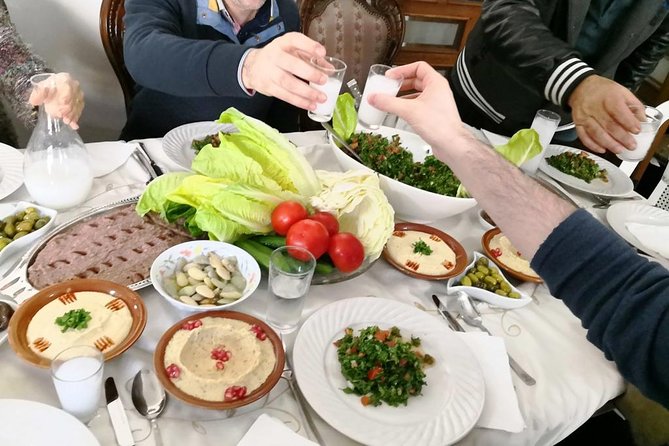
I recommend this experience if you want Beirut through food, family, and conversation rather than through a quick restaurant meal. The strongest reasons to book are the private home setting, Tania’s mix of professional food knowledge, her mother’s family recipes, and her father’s connection to meat and home-grown produce.
The class is especially appealing if you want to cook several dishes and then eat them with the people who taught you. It is less suitable if you want a short activity, a formal culinary school, or a bargain lunch.
For the right person, $100 buys more than five recipes. It buys time at a Lebanese family table, with a chance to ask questions, share a drink, and see how food connects to everyday life in Beirut.
FAQ
Where does the cooking experience begin?
It begins in Forn El Chebbak, Lebanon, at 11:00 a.m. The activity ends back at the same meeting point.
How long does the experience last?
The cooking lesson and meal last approximately three hours.
Is this a private activity?
Yes. Only your own group participates, making the experience private and personalized.
What food will I learn to prepare?
You will learn to prepare five authentic Lebanese dishes. Foods associated with the class include hummus, baba ghanoush, eggplant salad, stuffed zucchini, and kibbeh.
Are vegetarian meals and dietary requests possible?
A vegetarian option is available. You should advise the provider about allergies, dietary restrictions, or cooking preferences when booking.
What drinks are included?
The experience includes non-alcoholic beverages and one or two glasses of local alcohol, including arak. Taxes, fees, handling charges, and gratuities are also included.
Just added around the world
- Bermudian Cooking Class” and Walking Shared Tour★ 4.5 · 4 reviews
- Authentic Italian Cooking Class with Lake Views in Varenna★ 4.0 · 4 reviews
- Cesarine: Home Cooking Class & Meal with a Local in Varenna★ 4.5 · 46 reviews
- Varenna Walking Tour and Cooking Class★ 5.0 · 3 reviews
- Private cooking class at a Cesarina’s home with tasting in Bergamo★ 5.0 · 5 reviews
- Cooking class & Vibrant Market by Scooter/Tuktuk (Half-Day)★ 5.0 · 55 reviews
- cooking lesson★ 5.0 · 7 reviews
- Traditional Serbian Cooking Class in Belgrade with Locals★ 5.0 · 5 reviews
Cooking Classes with Lunch or Dinner, compared.
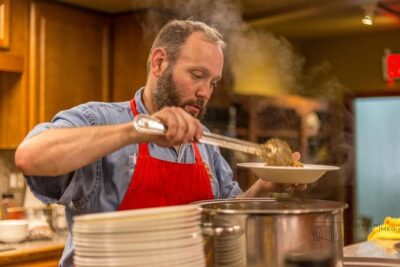
New Orleans Demonstration Cooking Class with Meal
Read our review →
Pasta Making & Wine Tasting with Dinner in Frascati from Rome
Read our review →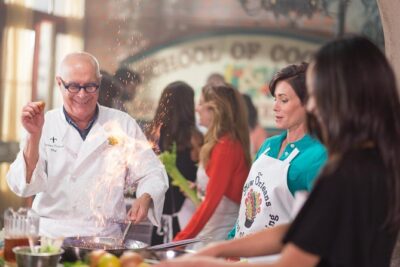
New Orleans Hands-On Cooking Class with Meal
Read our review →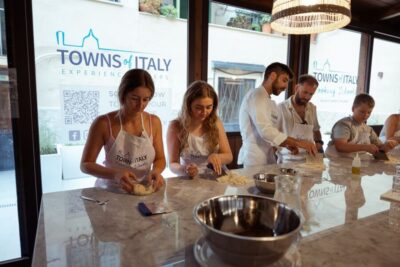
Palermo: Pizza and Gelato Cooking Class with Dinner and Wine
Read our review →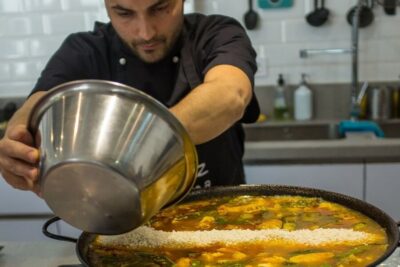
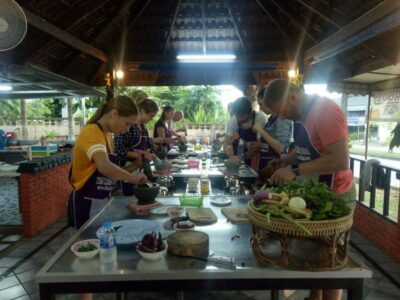
Krabi: Cooking Class at Thai Charm Cooking School with Meal
Read our review →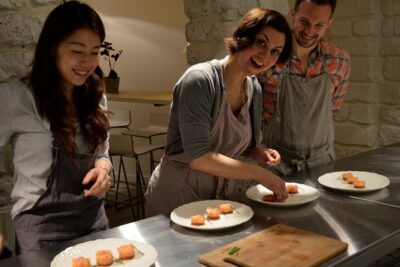
Paris Evening Cooking Class French Dinner and Market Visit Option
Read our review →
Hanoi: 5 Local Dishes Cooking Class with Meal & Market Visit
Read our review →Browse the lists this tour appears in