Review · COOKING CLASSES
Buenos Aires: Empanadas and Alfajores Guided Cooking Class
Walking into a real Argentine home to make dinner is the heart of this Buenos Aires experience. You learn empanadas, alfajores, and mate around a family table rather than in a polished cooking school, with hosts such as Thomas and Sophia explaining both the food and the customs behind it.
I like the small group of eight, which gives you room to work with your hands and ask questions. I also like that you eat what you prepare, including savory empanadas and plenty of dulce de leche alfajores. The main consideration is that the class can feel a little crowded at points, and some people at the ends of the table may not see every demonstration clearly.
Key points
- Three Argentine staples in one evening: Make empanadas, alfajores, and traditional mate.
- A real San Telmo home: The class takes place at Paseo Colón 1355, not in a large commercial kitchen.
- Hands-on instruction: Prepare dough and fillings, then practice the folded repulgue seal yourself.
- Meat and vegetarian options: The class includes a classic meat filling, with vegetarian alternatives available.
- A generous shared meal: You eat the food you make, with water and mate included. Wine is available to buy.
- Good for families and mixed skill levels: Teenagers, children, first-time cooks, and experienced home cooks can all take part.
Cooking Argentine food in a real home
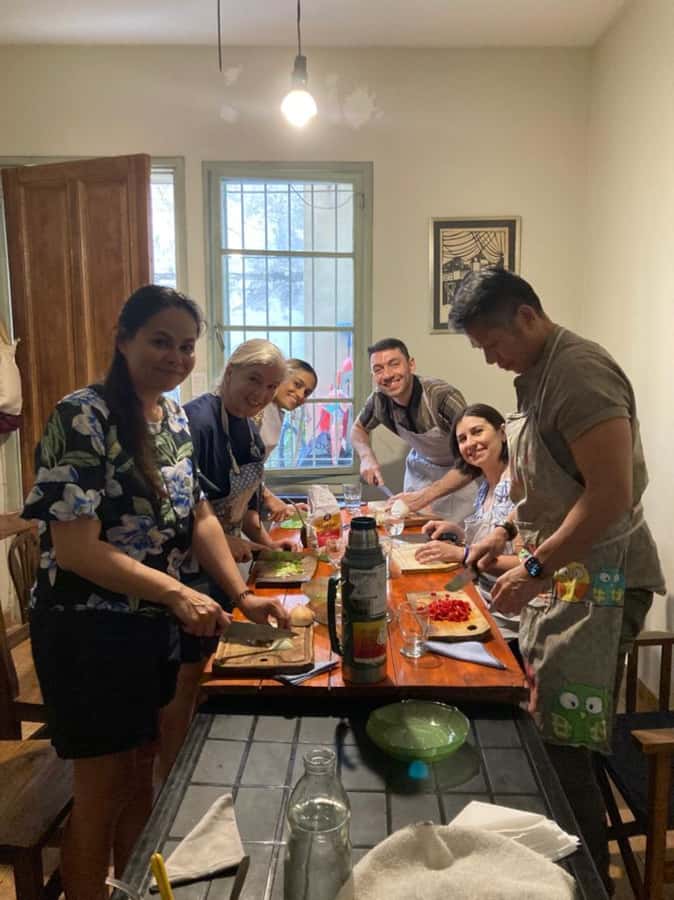
This three-hour class gives you a taste of Argentine food culture without asking you to sit quietly while someone else cooks. You work with the ingredients, shape the dough, fill the empanadas, make the cookie shells, and then sit down to eat.
That setting matters. Empanadas are everyday food in Argentina. They can be baked or fried, filled with meat, ham and cheese, or vegetables, and eaten at almost any time of day. Making them in a home gives the dish a more useful context than simply ordering one from a bakery. You learn how the food fits into ordinary life.
The hosts also bring in stories about Buenos Aires and Argentina. Sophia, who works as a guide, has shared practical information about the city and local customs during the class. Thomas is another host who has led the workshop in English, with a relaxed teaching style and a good sense of humor. Different sessions may have different hosts, but the atmosphere is built around conversation rather than formal instruction.
You should expect an informal evening, not a professional kitchen competition. You do not need to arrive with advanced cooking skills. The point is to learn the method, try the folds, and enjoy the meal even if your first empanada looks a little less tidy than the chef’s.
More Hands-On Workshops in the world:
- Half-Day Thai Cooking Class at Organic Farm in Chiang Mai
★ 5.0 · 19,087 reviews - Florence: Pasta Cooking Class with Unlimited Wine
★ 4.9 · 10,285 reviews - 3 in 1 Cooking Class near Navona: Fettuccine, Ravioli & Tiramisu
★ 5.0 · 7,376 reviews
Arriving at Paseo Colón 1355 in San Telmo
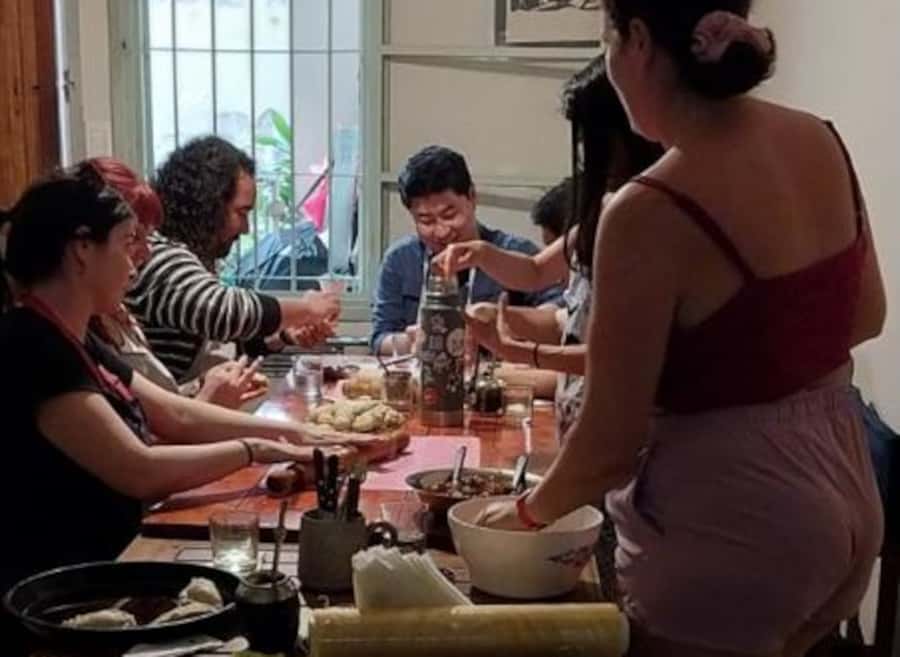
The meeting point is Paseo Colón 1355 in San Telmo. Go to the address at your scheduled start time and ring the bell. The class is wheelchair accessible, though you should still make sure the booking details fit your particular needs.
Because the workshop takes place in a home, the first few minutes have a personal feel. You are not being ushered into a large room with dozens of people. The group is limited to eight, and the hosts welcome you into the household before the cooking begins.
That small size is one of the best reasons to book this class. You have a better chance to handle the ingredients yourself, and the hosts can keep an eye on your dough and folding technique. It also makes conversation easier. People arrive as strangers from different countries, then spend the evening chopping, shaping, tasting, and talking together.
There is one practical tradeoff. A home kitchen or dining room has limited space. If you sit at the end of the table, you may need to lean forward or move closer when a technique is being shown. I would choose a seat where your hands and the demonstration surface are easy to see.
Preparing the empanada dough and fillings
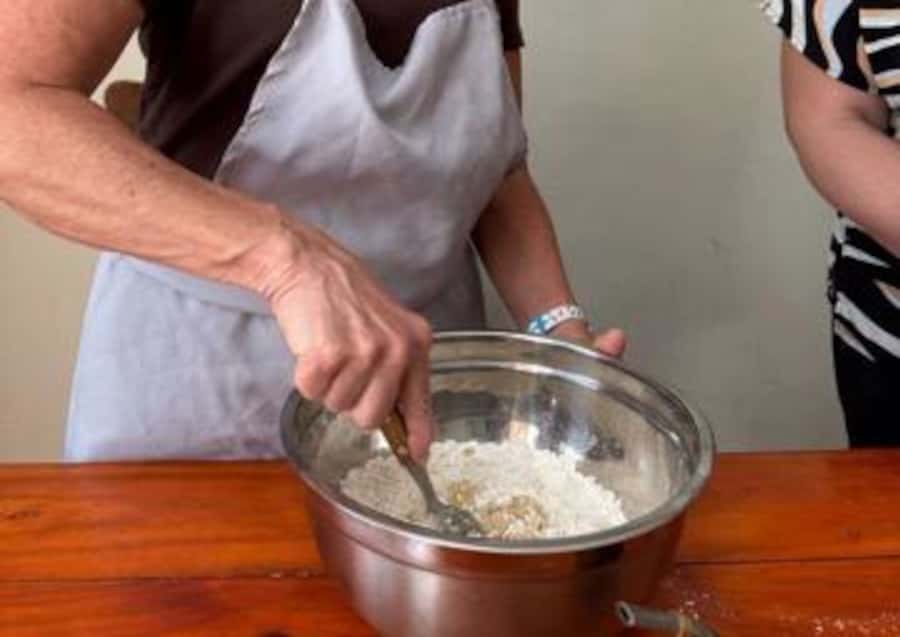
The empanada portion is the main event. You learn how to prepare the dough and fillings, then assemble the pastries from scratch. The class covers a traditional meat filling and vegetarian alternatives, so this is not only for people who want a meat-heavy dinner.
The hosts explain how the dough should feel and how much filling to use. That balance is important. Too little filling makes a disappointing empanada. Too much makes it difficult to close, and the filling may escape during cooking.
You then practice the repulgue, the twisted or folded edge used to seal Argentine empanadas. This is one of the most enjoyable parts because it turns a simple pastry into a small piece of craft. The first few folds may be uneven, but the technique becomes easier once you see how to pinch and turn the dough.
The class gives you more than a list of ingredients. You learn the sequence: prepare the dough, work with the fillings, portion the mixture, close the pastry, and cook it. That makes the lesson useful when you return home and want to repeat it.
One limitation is variety. The class may prepare the same meat filling more than once rather than offering several different savory choices. If you are hoping to compare beef, cheese, and vegetable empanadas in the same sitting, ask about the filling selection before booking. Vegetarian alternatives are available, but the exact mix can vary.
Drinking mate the Argentine way
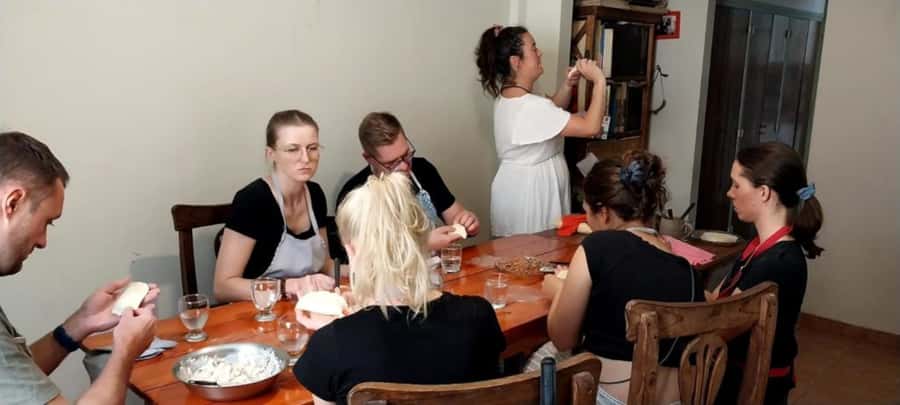
While you work, you learn how to prepare mate, the herbal drink closely tied to daily life in Argentina. Mate is made with yerba mate and served in a traditional vessel, usually shared in a social setting.
The value here is not simply tasting a new drink. The hosts explain the method and the custom around preparing and drinking it. You get to see how mate fits into conversation and hospitality, which makes it a useful cultural lesson between cooking steps.
Mate has a strong, herbal taste that may be unfamiliar at first. That is part of the fun, but do not book this class expecting a sweet tea. The experience is about the ritual as much as the flavor.
Mate also helps keep the evening social while the dough and fillings are being prepared. You have time to talk with the hosts and the other people at the table, and the class often becomes as much a shared meal with new acquaintances as a cooking lesson.
A few more cooking classes around the world worth a look
- Tsukiji Fish Market Guided Tour and Sushi Making with Pro Chef
★ 5.0 · 775 reviews - Budapest Cooking Class & Market Tour with Local Guide & Wines
★ 5.0 · 553 reviews - Bergen: Guided Fishing Tour with Outdoor Cooking
★ 4.8 · 96 reviews - 2 Hour Florence Pizza and Gelato Small Group Guided Cooking Class
★ 5.0 · 54 reviews
Making cornstarch alfajores with dulce de leche
After the empanadas, you turn to alfajores. These Argentine pastries come in many forms, but this class focuses on cornstarch cookies joined with a creamy dulce de leche filling.
The dough is prepared, shaped into cookie rounds, and baked before the filling is added. The texture is different from the empanada dough, so you get a second useful lesson in handling pastry. Alfajores are delicate, soft, and sweet, with dulce de leche providing the essential creamy center.
This part works especially well for families and younger cooks. The cookies offer a clear payoff, and children or teenagers can take part in shaping and assembling them. Several families have found the class suitable for teenagers and children, including a 14-year-old who enjoyed making the food by hand.
You will have a lot to eat by the end. The empanadas are the savory course, and the alfajores serve as dessert. Some people have even had extra empanadas left over to take away, depending on how much the group prepares and eats.
Sitting down to eat what you made
The meal is included in the $37 price, along with ingredients, mate, and water. Wine is not included, but it can be purchased separately.
For Buenos Aires, that is a fair price for a three-hour small group class that includes both instruction and dinner. You are not paying only for a recipe demonstration. You are paying for food, a host-led cultural activity, access to a real home, and a social evening with a maximum of eight participants.
The meal is informal. You may eat from shared plates or simple serving arrangements rather than a restaurant-style table setting. One participant would have preferred small plates instead of napkins, so do not expect formal dining equipment. That is a minor point, but worth knowing if you prefer a polished restaurant service.
The food itself is the reward for the work. You have shaped the dough and sealed the empanadas, so the final meal feels more satisfying than simply ordering the same dishes. The hosts also keep the tone relaxed. You are encouraged to try, not to produce identical pastries.
How clear is the teaching?
Most of the instruction is practical and easy to follow, especially for people who have never made empanadas. The hosts explain each stage and demonstrate the important movements, including the repulgue.
Still, this is an informal home workshop rather than a formal culinary course. A few people have found that some instructions could be clearer, especially if they were not experienced cooks. The demonstration can also be harder to see from the far end of the table.
I would recommend telling the host early if you need a step repeated. Do not wait until everyone has moved on. Ask to see the fold again, watch closely when the filling is portioned, and confirm how much of each ingredient you should use.
Recipes are generally shared afterward, but the handoff has not always been completely straightforward. In some cases, participants needed to ask for the recipes or follow the host on Instagram first. Before you leave, confirm that you have the recipes or know exactly how they will be sent. That small check could save you from trying to recreate the dough from memory.
The social side of the evening
The strongest part of the experience may be the way the class brings people together. A group of eight is large enough for lively conversation but small enough that you can learn everyone’s name.
Some sessions include people from several countries, families with teenagers, couples, and solo visitors. Cooking gives you an easy reason to talk. You can compare folding attempts, ask about someone’s trip, and share the table without the awkwardness of a formal group tour.
The hosts play a major role. Thomas, Sophia, Maria, and other family members have hosted different sessions, with one person leading the cooking, another helping with the table, and others keeping the evening moving. The tone is warm and personal, with room for questions about Argentine customs, Buenos Aires, and food.
If you prefer to keep to yourself, this may feel more social than a standard restaurant meal. If you enjoy meeting people, it is a strong choice. The activity works best when you are willing to join the conversation and take part rather than simply watch.
Who should book this class?
I would choose this experience if you want an evening activity with real participation. It is a good fit for:
- First-time visitors who want food and cultural context together
- Couples looking for something beyond a restaurant dinner
- Families with children or teenagers who enjoy hands-on activities
- Solo visitors who want an easy way to meet people
- Vegetarians who want a meat-free empanada option
- Home cooks who want recipes they can try after the trip
It may be less suitable if you want a highly technical cooking lesson, a broad selection of several empanada fillings, or a formal plated meal. The class teaches useful methods, but it is not designed as professional chef training.
The language options are English and Portuguese. That is important for following the dough and folding instructions, and the hosts have been able to explain the cultural details in English during the class.
Timing, flexibility, and practical details
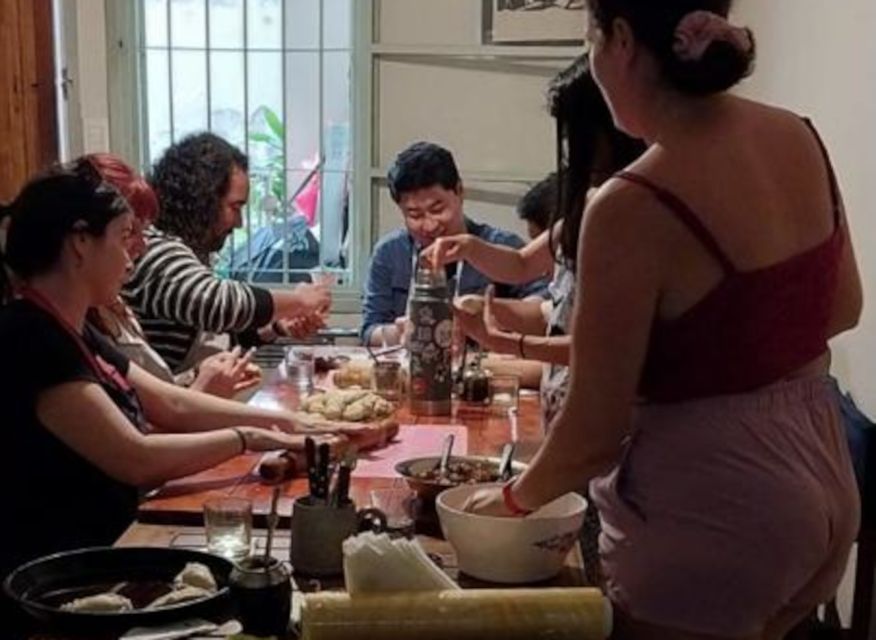
The activity lasts three hours, so allow a full evening around it. Check the available starting times when you book because the schedule can vary.
You can cancel up to 24 hours in advance for a full refund, and the reserve-now, pay-later option keeps your plans flexible. Those terms are useful in Buenos Aires, where dinner plans and day trips can shift as you move around the city.
Bring an appetite. Ingredients, mate, water, and the meal are included, and the food portion is generous. Wine costs extra, so buy it separately if you want it with dinner.
The class is wheelchair accessible. Since it takes place in a home with a small group, it is still sensible to share any access needs when booking so the hosts can prepare the space appropriately.
My verdict: a warm, useful Buenos Aires food experience
You should book this class if you want to cook Argentine dishes in a personal setting and eat a substantial meal afterward. The best features are the small group, the real home, the hands-on empanada folding, and the chance to learn mate as a social custom rather than just sample it as a drink.
Go in expecting an informal workshop, not a perfectly staged culinary show. The instructions may need an occasional repeat, the table can make some demonstrations hard to see, and the filling selection may be narrower than you expect. Ask for a good viewing spot and confirm how you will receive the recipes.
At $37 for three hours, dinner, ingredients, mate, and direct help from the hosts, I consider it strong value. It is especially worthwhile early in your Buenos Aires stay, when the advice about food and local customs can help shape the rest of your visit.
FAQ
Where does the Buenos Aires cooking class meet?
Meet at Paseo Colón 1355 in San Telmo at the scheduled starting time. Ring the bell when you arrive.
How long does the cooking class last?
The activity lasts three hours.
What foods will I make?
You will make Argentine empanadas with savory fillings and alfajores made with cornstarch and dulce de leche. You will also learn how to prepare traditional mate.
Is a meal included?
Yes. The ingredients, mate, water, and the meal are included in the price.
Is wine included?
No. Wine is available for purchase separately.
Are vegetarian fillings available?
Yes. Vegetarian alternatives are available alongside a classic meat filling.
What languages are offered?
The class is offered in English and Portuguese.
How many people are in the group?
The group is limited to eight participants.
Can I cancel the booking?
Yes. You can cancel up to 24 hours in advance for a full refund. You can also reserve now and pay later.
Just added around the world
- Cooking, Farming and Waterfall In Vietnam Countryside★ 3.0 · 6 reviews
- Busan Tailored Korean cooking class (Vegan OK)with market tour★ 5.0 · 66 reviews
- Korean cooking class in Haeundae, Busan★ 5.0 · 92 reviews
- Private Argentine Cooking Class and Tango Lesson in Buenos Aires★ 5.0 · 37 reviews
- Hungarian Home Cooking Class with Chef Marti★ 5.0 · 30 reviews
- Cooking Class with dinner/lunch in Ulcinj Montenegro★ 5.0 · 8 reviews
- BA: Empanadas and Alfajores Cooking Experience in Palermo★ 5.0 · 112 reviews
- Budapest Market Tour & Home Cooking Class with local Chef & Guide★ 5.0 · 23 reviews
Cooking Classes, compared.
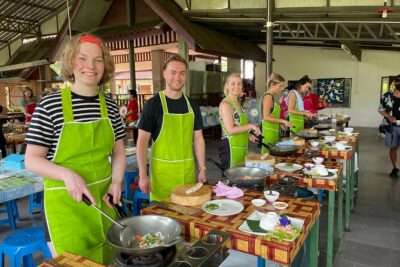
Half-Day Thai Cooking Class at Organic Farm in Chiang Mai
Read our review →
Florence: Pasta Cooking Class with Unlimited Wine
Read our review →
3 in 1 Cooking Class near Navona: Fettuccine, Ravioli & Tiramisu
Read our review →
Hanoi Cooking Class: Culture, Local Market & Meaning CSR Impact
Read our review →
5 Traditional Dishes Hanoi Cooking Class with Market Trip
Read our review →
Cooking Class and Lunch at a Tuscan Farmhouse with Local Market Tour from Florence
Read our review →