
Review · ROME
Much More Than Just a Cooking Class in Rome
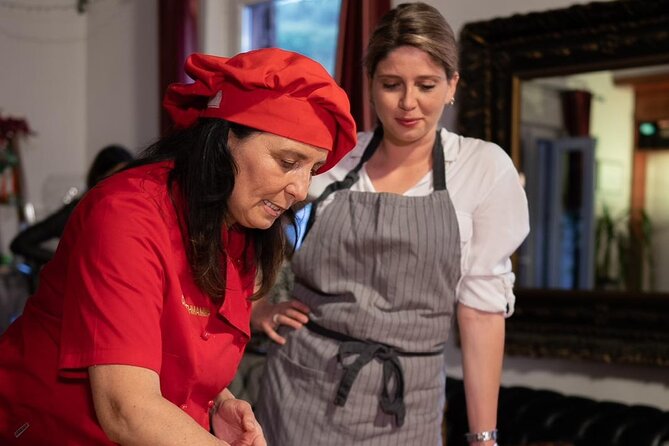
The best part of this Rome experience is that the cooking happens in a Roman family home, not a polished culinary studio. You arrive to wine, bruschette, stories, and a friendly welcome, then work through tiramisu, fresh pasta, and two sauces before eating what you made.
I like the small 12-person limit, which keeps the class social without turning it into an assembly line. I also like the simple, old-fashioned recipes, including cavatelli with four-cheese sauce, tagliatelle with amatriciana, and tiramisu made from a grandmother’s recipe. The main consideration is that children under 12 are not allowed, and the home setting may feel more informal than a professional cooking school.
Key points to know before booking
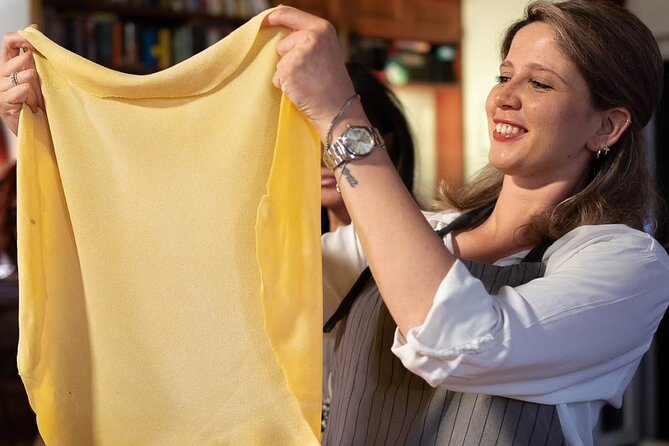
- Cook in a real Roman home: The setting gives the class a personal, local feel, with family stories and everyday kitchen tools.
- Make three parts of a Roman meal: You prepare bruschette, two kinds of pasta with two sauces, and tiramisu.
- Choose lunch or dinner: Sessions are offered at 10 a.m. and 6 p.m., lasting about three and a half hours.
- Expect wine with the meal: Alcoholic drinks are included for people aged 18 and older.
- Small group, lively atmosphere: The class is limited to 12 people and includes conversation, humor, and shared dining.
- Ask about dietary needs: Vegetarian and gluten-free options are offered, but you should raise your needs when booking.
A Roman cooking class held behind a family door
Many cooking classes in Rome take place in restaurants, schools, or rented commercial kitchens. This one takes a different route. You meet the family at Piazzale Aurelio and enter their home, where the welcome begins with wine, bruschette, and conversation.
That setting matters. You see the kind of kitchen tools used at home, rather than watching a chef perform in a staged demonstration space. The class is built around family recipes and stories about Roman food customs, so the meal becomes a window into home cooking, not just a lesson in technique.
The hosts are described as a funny Roman family, and the atmosphere is meant to be relaxed and social. A small dog lives in the home, an important detail if you are uncomfortable around pets. The experience also includes plenty of conversation and laughs, so you should expect an evening centered as much on company as on cooking.
The informal setting has a tradeoff. You may not get the polished structure or commercial equipment of a formal culinary school. If you want a precise, chef-led master class, this may feel casual. If you want to sit at a family table and learn recipes that are actually made at home, the arrangement makes good sense.
More Hands-On Workshops in Rome:
- 3 in 1 Cooking Class near Navona: Fettuccine, Ravioli & Tiramisu
★ 5.0 · 7,376 reviews - Rome: Pasta Making Class with Wine, Limoncello, and Dessert
★ 4.9 · 3,177 reviews - Rome Cooking Class: Make Pasta and 3 Spritz Cocktails
★ 5.0 · 2,937 reviews
Starting with bruschette, wine, and Roman stories
The class begins with a typical bruschette welcome. Bruschetta is a modest dish, but it sets the right tone for this kind of meal: bread, simple toppings, and good ingredients rather than complicated restaurant decoration.
Wine is served from the start, and alcoholic drinks are included with the experience for adults aged 18 and older. You can settle in, meet the other people in your group, and hear about Roman culinary customs before handling the main dishes.
This opening portion also helps explain the class’s social character. You are not simply moving from station to station with little contact. You are sharing food and conversation with the hosts and a maximum of 11 other participants.
If you book the 10 a.m. session, the meal is lunch. The 6 p.m. session becomes dinner. The activity lasts about three hours and 30 minutes, so plan for a substantial part of your day or evening. You should not schedule a major attraction immediately afterward.
Making tiramisu first
The first hands-on dish is tiramisu, prepared from the family’s traditional recipe. Starting with dessert is practical. Tiramisu needs time to rest, so preparing it early allows the flavors and texture to develop while you work on the pasta.
You will make what is described as a grandmother’s recipe, and that family connection gives the dessert more character than a generic recipe-card lesson. The method is presented as simple and easy to reproduce at home. That is useful for you as a participant because tiramisu is one of the dishes most people can realistically make again after returning home.
The class does not treat dessert as a quick afterthought. It is one of the three main cooking projects, and the final meal includes the tiramisu you prepared. If you have tasted disappointing tiramisu in restaurants, this may be one of the more rewarding parts of the class. The recipe focuses on straightforward preparation and flavor rather than showy decoration.
The main limitation is that the available information does not specify every ingredient or technique. You should expect to learn the family’s method, but not necessarily leave with a printed technical manual or a professional pastry lesson.
Rolling and shaping fresh pasta from scratch
The pasta portion is the heart of the class. You prepare pasta from scratch using eggs and water, then work with two shapes: cavatelli and tagliatelle.
Cavatelli is paired with a four-cheese sauce. The shape has a firm, handmade quality, and making it gives you a chance to understand how fresh pasta differs from dried pasta. Tagliatelle is served with amatriciana sauce, one of Rome’s most familiar pasta combinations.
The value here is practical. You are not only eating pasta in Rome, you are learning the basic process behind it. The class covers mixing, shaping, and cooking two forms of pasta, giving you more range than a lesson focused on a single dish.
The descriptions of the recipes emphasize simple methods and strong flavor. That is encouraging for home cooks. You do not need to recreate a restaurant kitchen to try these dishes later. At the same time, making pasta by hand takes time and attention. If you prefer to watch rather than participate, this class may feel active and somewhat hands-on.
The two sauces also make the lesson more useful. Four-cheese sauce shows how a rich, creamy preparation works, while amatriciana introduces a classic Roman sauce with a sharper, more savory profile. Together, they give you two different directions for serving fresh pasta.
Vegetarian and gluten-free options are available. You should mention your needs before the class so the hosts can prepare properly. The supplied information confirms the options, but does not give the exact substitutions or recipes.
A few more cooking classes around Rome worth a look
- Rome: 3-in-1 Fettuccine, Ravioli, and Tiramisu Cooking Class
★ 4.9 · 2,704 reviews - Rome: Fettuccine Pasta Cooking Class in Rome’s City Center
★ 4.8 · 2,414 reviews - Fettuccine & Tiramisù: Cooking Class with Wine & Limoncello
★ 4.9 · 2,103 reviews - Pasta Cooking Class Near the Colosseum with 3 Spritz Cocktails
★ 5.0 · 1,686 reviews
Eating the meal you prepared
After the cooking, you sit down to eat the finished dishes with complimentary wine. This is not a quick tasting at the kitchen counter. Dinner or lunch is included, and the meal brings together the bruschette, two pasta dishes, and tiramisu.
I like this format because the food has a clear purpose. You see the ingredients, help prepare the dishes, and then eat them in the same home. The meal also gives you time to talk with the family and the rest of the group.
The wine adds to the Roman dining experience, but keep the alcohol rule in mind. Drinks are included only for people 18 and older. The information does not specify nonalcoholic drink choices, so ask the provider if that matters to you.
The atmosphere is meant to be humorous and warm. Previous comments describe hosts with good energy, clear explanations, and a class that feels fun rather than rigid. One especially useful point is that the recipes are considered simple enough to repeat at home. That is a better souvenir than a complicated dish you will never make again.
What the small group changes
The maximum group size is 12 people. That is small enough to keep the class personal, while still large enough to create a shared meal and social atmosphere.
A group of this size usually means you can take part in the preparation rather than simply watch. It also gives you a better chance to ask questions about pasta, sauces, and Roman customs. The class is designed around entertainment and conversation, so the people around you will shape part of the evening.
The small format is also useful for private occasions. The hosts can accommodate larger groups for team-building activities and private events if you contact them. That option is not the same as the standard public class, so larger parties should arrange details directly before booking.
The tradeoff is that the experience may not suit someone seeking solitude. You are sharing a home and a meal with other participants. It works best if you enjoy talking, laughing, and eating at a communal table.
Price, timing, and practical value
The listed price is $108.02 per person. For about three and a half hours, that includes instruction, the full meal, alcoholic beverages for adults, and the chance to cook several dishes rather than just taste one.
I consider the value strongest if you treat this as both a meal and an activity. A restaurant dinner alone would not give you the hands-on preparation, family setting, or cooking lesson. A standard class might teach pasta, but not necessarily include a full welcome, two pasta dishes, dessert, and wine.
The value is less clear if you mainly want a cheap meal. This is not designed as a budget dining option. You are paying for time, participation, instruction, and the personal setting.
The class is booked an average of 80 days ahead, so popular dates may disappear well before your trip. You should reserve early, especially if you need a particular lunch or dinner time. Confirmation is provided at booking, and free cancellation is available if you cancel at least 24 hours before the start time.
The meeting point is Piazzale Aurelio, 6, in Rome. The location is near public transportation, but private transportation is not included. The activity ends back at the meeting point. Allow extra time to reach the address, since this is a home-based experience and you should not arrive rushed or late.
Who will enjoy this most
I would choose this class if you want food to be part of your introduction to Rome. It suits couples, friends, solo participants who enjoy group activities, and small private groups looking for an evening with more personality than a restaurant meal.
It is especially useful for people who want recipes they can repeat at home. The menu is familiar enough to be approachable, but the handmade pasta adds a real skill component. You also get two sauces, so the lesson has more variety than a single-pasta workshop.
This is a good fit for adults and older teenagers who enjoy social settings. Children under 12 are not permitted in this class. A separate family cooking class is available, but you need to contact the provider about it.
I would be more cautious about booking if you have serious allergies, strict dietary requirements, or mobility concerns that need specific arrangements. Vegetarian and gluten-free options are offered, but the available information does not explain the kitchen setup or exact substitutions. Ask before you commit.
Should you book Cook with Mamma?
Book it if you want a personal Roman food experience built around a real home, family recipes, wine, and a shared meal. The strongest reasons are the small group, the chance to make two pasta dishes from scratch, and the tiramisu recipe passed down through the family.
Skip it if you want a formal cooking school, a quiet meal, or a short demonstration with little participation. Also check the child policy and dietary arrangements before booking.
For most adults who enjoy food, conversation, and a relaxed evening, this is a well-rounded use of three and a half hours in Rome. You leave with a meal in your stomach, a few recipes to try at home, and a better sense of how Roman cooking works in an ordinary family kitchen.
FAQ
Where does the cooking class begin?
The class begins at Piazzale Aurelio, 6, 00152 Roma RM, Italy.
Where does the activity end?
The activity ends back at the meeting point.
How long does the experience last?
The experience lasts approximately three hours and 30 minutes.
What start times are available?
The class is offered at 10 a.m. and 6 p.m.
Is lunch or dinner included?
Yes. The 10 a.m. session includes lunch, while the 6 p.m. session includes dinner.
What food will I prepare?
You will prepare bruschette, cavatelli with four-cheese sauce, tagliatelle with amatriciana sauce, and tiramisu.
Are drinks included?
Alcoholic beverages are included for people aged 18 and older.
Are vegetarian and gluten-free options available?
Yes. Vegetarian and gluten-free options are offered.
Can children under 12 attend?
No. Children under 12 are not allowed in this class. A separate family cooking class is available by contacting the provider.
How many people can join the class?
The experience has a maximum of 12 participants.
Is transportation included?
No. Private transportation is not included, though the meeting point is near public transportation.
Can I cancel for a full refund?
Yes, if you cancel at least 24 hours before the experience start time. Cancellations made less than 24 hours in advance are not refunded.
Just added around Rome
- Rome Trastevere: Tiramisù & Gelato Class with Savoiardo Baking★ 5.0 · 14 reviews
- Authentic Pasta and Tiramisù cooking class at spanish steps★ 4.5 · 14 reviews
- Rome: Pasta Cooking Class, Dinner & Wine in Authentic Restaurant★ 5.0 · 38 reviews
- Rome For Kids: Small Group Pizza Making Class★ 4.5 · 49 reviews
- Rome Cooking Class★ 5.0 · 4 reviews
- Rome: Private Cooking Class with Market Shopping Tour★ 5.0 · 3 reviews
- Devour Rome Wine & Pizza Making Class in Trastevere Neighborhood★ 5.0 · 75 reviews
- Roma Foodie Experience: Cooking Class★ 5.0 · 16 reviews
Cooking Classes, compared.
Half-Day Thai Cooking Class at Organic Farm in Chiang Mai
Read our review →
Florence: Pasta Cooking Class with Unlimited Wine
Read our review →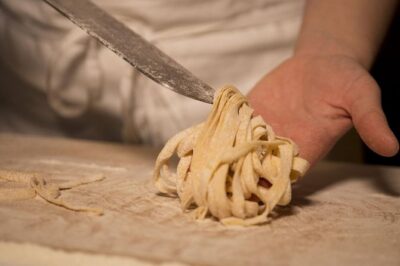
3 in 1 Cooking Class near Navona: Fettuccine, Ravioli & Tiramisu
Read our review →
Hanoi Cooking Class: Culture, Local Market & Meaning CSR Impact
Read our review →
5 Traditional Dishes Hanoi Cooking Class with Market Trip
Read our review →
Cooking Class and Lunch at a Tuscan Farmhouse with Local Market Tour from Florence
Read our review →
Chiang Mai: Cooking Class, Market & Thai Herbs Garden Tour
Read our review →Browse the lists this tour appears in