
Review · SINGAPORE
Singapore: Market-to-Table Experience and Cooking Class
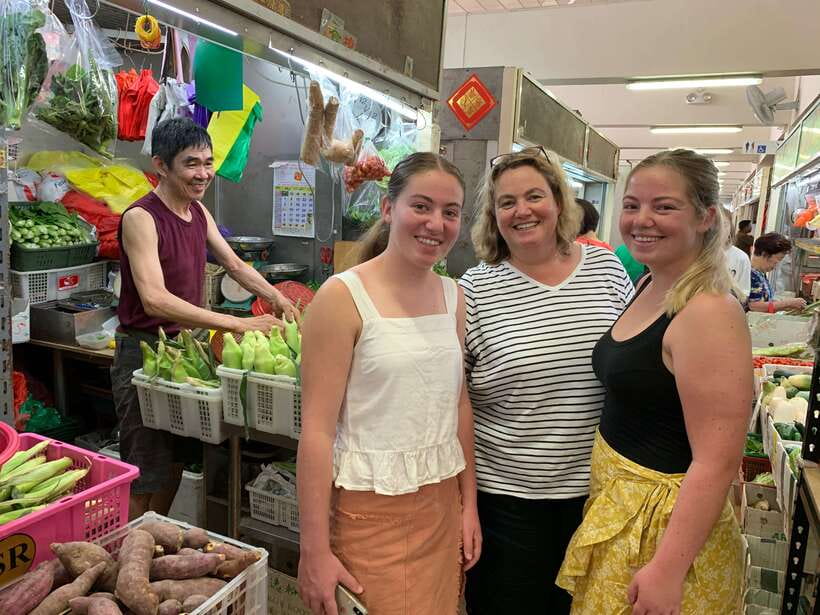
Singapore’s food culture comes into focus at the wet market, where a guide explains local ingredients, shopping habits, and the mix of Chinese, Malay, and other influences behind the city’s cooking. You then sit down for a local coffeeshop breakfast before returning to the kitchen.
I like the useful mix of market, meal, and cooking class, and I like that guides such as Denise, Collin, Vivian, and Angel are both licensed tour guides and trained chefs. The main consideration is time: some sessions spend enough time at the market that the cooking portion can feel slightly rushed.
Key points
- Wet market visit: See where local ingredients are bought and learn how they fit into Singaporean cooking.
- Coffeeshop breakfast: Enjoy an iconic local breakfast before beginning the hands-on class.
- Changing menus: Tuesday, Thursday, and Saturday feature Hokkien Mee, vegetarian spring rolls, and Ondeh Ondeh. Wednesday, Friday, and Sunday feature chicken rice, Ngoh Hiang, and Kueh Dadar.
- Practical instruction: Prepare three dishes from scratch with all ingredients and equipment supplied.
- Small-group feel: Some sessions are intimate, making it easy to ask questions and follow the cooking.
- Good for mixed ages: The class is designed as a friendly, social food experience, not a serious chef exam.
A food class that starts before you reach the kitchen
This experience earns its price by giving you more than a cooking lesson. The first part takes you into a local wet market, then to a coffeeshop for breakfast, before the class begins. That order matters. You see ingredients in their everyday setting before learning how they are used.
Your meeting point is at the junction of Northern Bridge Road and Jalan Sultan Road. Look for the Let’s Go Tour Singapore sign. From there, a licensed guide and chef lead the walking portion and explain the local area, food customs, and ingredients.
I like this setup because it gives the cooking class a sense of place. You are not simply handed premeasured ingredients in a studio. You first get a look at the food culture that shaped the recipes.
The whole activity lasts three hours, though one session took around three and a half hours including the meal. That is useful to know if you have a flight, timed attraction, or other fixed booking afterward. I would leave a little breathing room rather than treating the three-hour estimate as an exact finish time.
More Market Tour Cooking Classes in the world:
- Hanoi Cooking Class: Culture, Local Market & Meaning CSR Impact
★ 5.0 · 5,147 reviews - 5 Traditional Dishes Hanoi Cooking Class with Market Trip
★ 5.0 · 4,890 reviews - Cooking Class and Lunch at a Tuscan Farmhouse with Local Market Tour from Florence
★ 5.0 · 4,831 reviews
The wet market puts ingredients in context
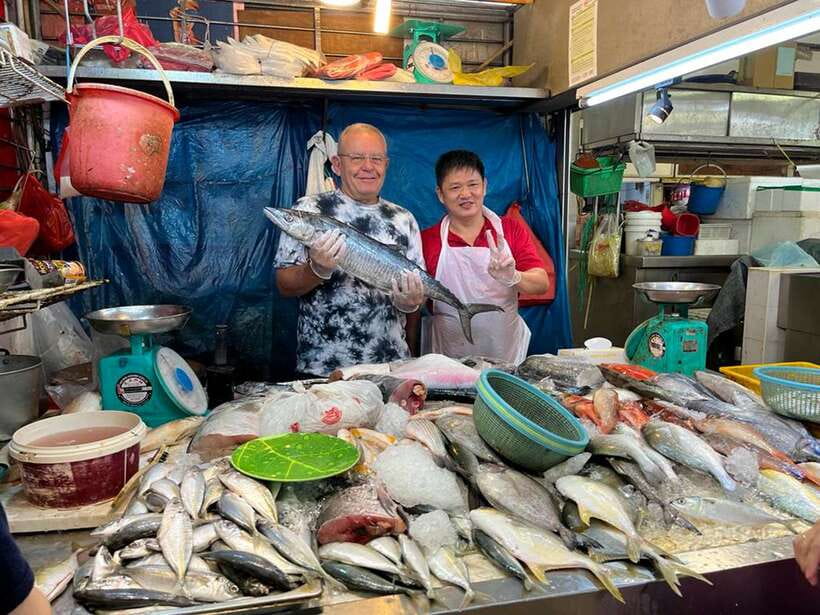
The market visit is the most distinctive part of the morning. A wet market is a working place, not a staged food display. Your guide explains local goods and how residents use them, while you see a more ordinary side of Singapore away from the polished shopping districts.
The value here is practical. Singaporean food names can be familiar from restaurant menus, but the ingredients and techniques may not be. A guide who also cooks can connect the market visit to the dishes you prepare later.
Collin has been praised for making the market tour informative and entertaining, while Vivian has led visitors around the neighborhood and explained local culture. Denise has also guided the market visit before teaching the class. The exact guide depends on the day, but the format remains the same: walk, learn, ask questions, and then cook.
The market section can take a meaningful share of the morning. One session felt that a little less market time would have allowed more time at the stove. I see that as the central trade-off. If you mainly want a cooking lesson, the market may feel long. If you want a better sense of local food life, it is one of the best reasons to book.
Wear comfortable shoes and expect the activity to continue in rain or shine. The tour does not stop simply because the weather turns wet.
A local coffeeshop breakfast starts the meal
After the market, you enjoy an iconic Singapore breakfast at a local coffeeshop. The supplied details do not specify the exact breakfast dish, so you should treat this as a local food stop rather than expect a particular item.
This break gives the morning a pleasant rhythm. You have already seen ingredients and heard stories, then you get to taste something before trying to cook. It also adds value to the $109 price, since the experience is not limited to the class itself.
The coffeeshop visit is also a chance to see how everyday meals fit into Singaporean life. The experience focuses on the city’s multi-racial food culture, and the guide uses the meal and neighborhood to explain those connections.
If you have a large breakfast planned elsewhere, keep that in mind. You will also cook and eat several dishes later, so this is a food-heavy morning.
Cooking Menu A: Hokkien Mee, spring rolls, and Ondeh Ondeh
On Tuesdays, Thursdays, and Saturdays, the class prepares Hokkien Mee, vegetarian spring rolls, and Ondeh Ondeh.
Hokkien Mee, also called Singapore noodles in the supplied description, gives you a chance to work with one of the city’s familiar noodle dishes. The exact preparation steps are taught during the session, so the class is useful if you want to take home a method rather than only a list of ingredients.
Vegetarian spring rolls add a lighter, hands-on item to the menu. They also make the menu more suitable for people who want a meat-free dish included in the meal. Be sure to note that this does not mean the whole menu is vegetarian.
Ondeh Ondeh provides the sweet finish. These small treats are associated with pandan and palm sugar, and preparing them gives the class a dessert component rather than ending with savory food.
This menu suits you if you want variety and like the idea of preparing noodles, a snack, and a sweet. It is also the better choice if your schedule allows you to select among the available class days.
More Shopping Trips in the world:
- Chiang Mai: Cooking Class, Market & Thai Herbs Garden Tour
★ 4.9 · 4,824 reviews - Chiang Mai: Authentic Cooking Class with Market & Farm Visit
★ 4.9 · 4,546 reviews - Barcelona: Paella Cooking Experience & Boqueria Market Tour
★ 4.8 · 3,661 reviews - Cooking Class Hoi An:Local Market, Basket Boat, Fishing & Cooking
★ 5.0 · 3,660 reviews
Cooking Menu B: chicken rice, Ngoh Hiang, and Kueh Dadar
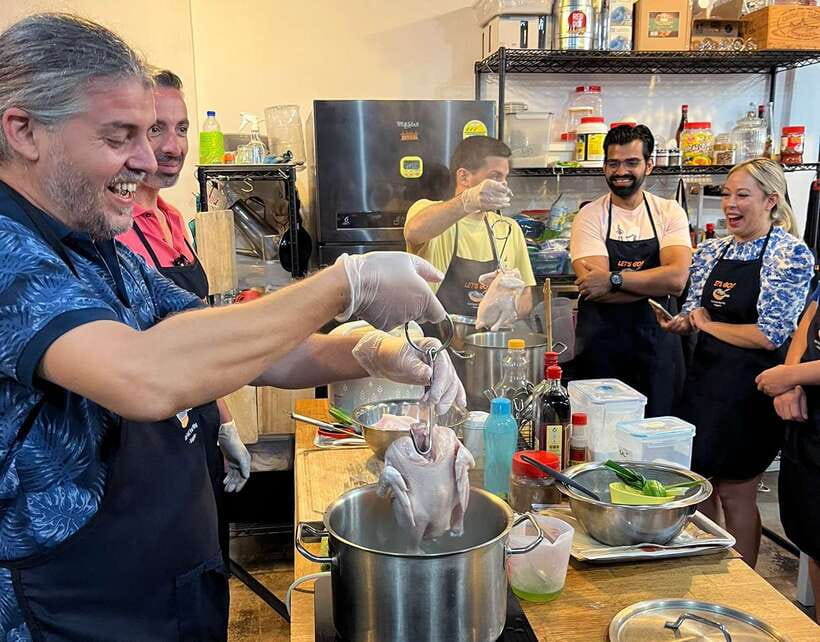
On Wednesdays, Fridays, and Sundays, the menu changes to traditional chicken rice, Ngoh Hiang, and Kueh Dadar.
Chicken rice is one of Singapore’s best-known local dishes, and learning to prepare it gives you a useful introduction to a familiar national favorite. One participant described leaving with the ability to make Hainanese chicken and rice, which suggests this dish is a major reason to choose Menu B.
Ngoh Hiang is a five-spice minced meat roll. The combination of minced meat and spice makes it different from the chicken rice, so the menu gives you two savory preparations with distinct textures and flavors.
Kueh Dadar finishes the meal with a pandan crepe rolled around palm sugar-sweetened shaved coconut. It is a good example of how local sweets often combine fragrant leaves, coconut, and palm sugar.
Menu B is the stronger choice if chicken rice is high on your Singapore food list. It also gives you three dishes that cover a full meal, from main course to sweet.
What the teaching is like in practice
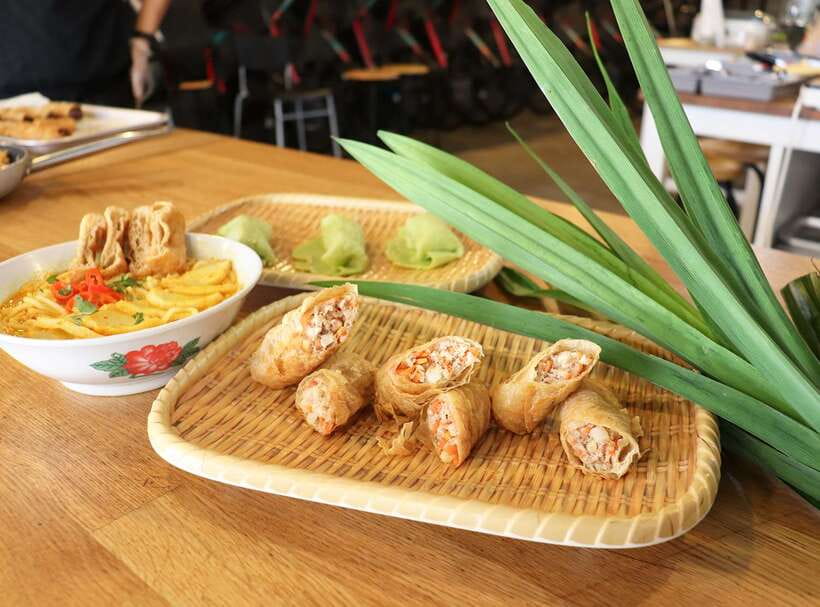
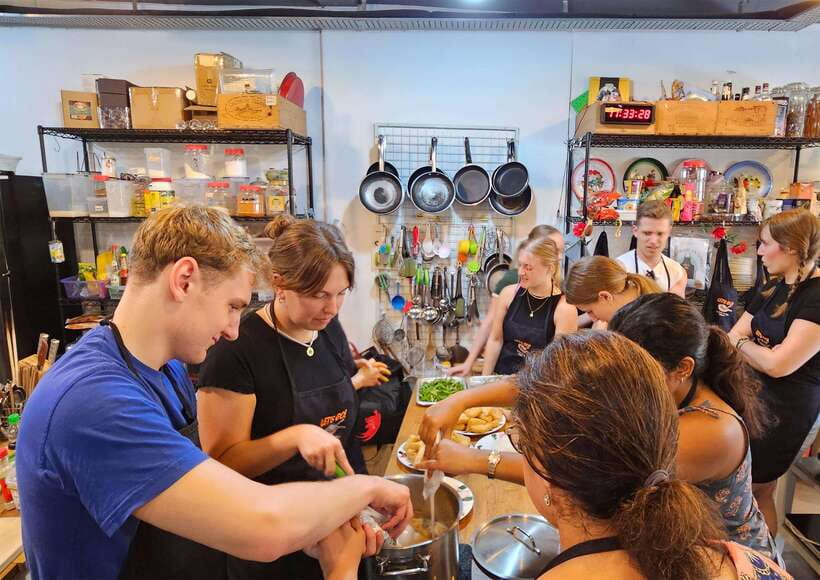
The cooking is hands-on, with all ingredients and equipment included. You are not expected to bring cooking supplies. The chefs are trained and experienced, and the instruction is available in English and Chinese.
The teaching style appears friendly and easy to follow rather than formal or intimidating. Angel has been noted for explaining techniques clearly, and Collin has taken photos while participants cooked. Denise, Vivian, and other guides combine local stories with cooking instruction.
That combination is important. A chef can show you what to do, but a guide can explain why the food matters in Singapore. You get both sides here.
The experience works well for beginners because it is described as suitable for all ages and centers on a shared, social meal. At the same time, experienced home cooks may find the market explanations and local techniques more useful than basic kitchen instruction.
Because the class prepares three dishes, timing matters. One session took a little over two hours for cooking and about three and a half hours altogether with the meal. You should expect a steady pace. There may not be unlimited time for repeating every step or experimenting with substitutions.
The group size can shape your morning
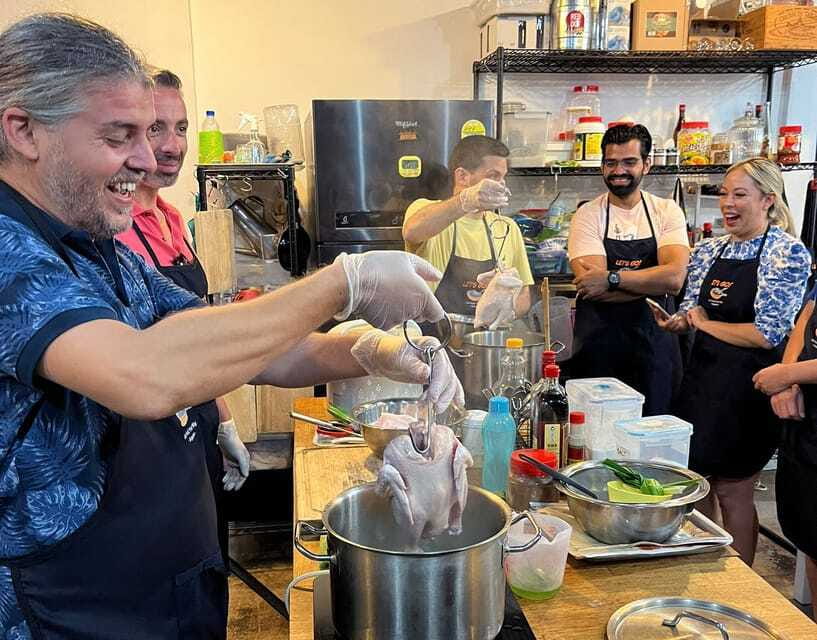
At least one session had only three participants, including a local couple and an international visitor. That kind of small group makes it easier to hear the guide, ask questions, and receive help during preparation.
Group size can vary, so I would not book on the assumption that every date will be private or nearly private. Still, the experience is built around direct instruction, and the available feedback points to a personal style rather than a large demonstration where you only watch.
The small-group format also helps with the market walk. You can stay close to the guide and ask about unfamiliar products without holding up a large crowd.
For families, this can be a fun way to give children a structured food activity. For couples or solo visitors, it offers an easy social setting. The class is also suitable for people who want a cultural activity that does not rely on museums or long sightseeing walks.
Is $109 a fair price?
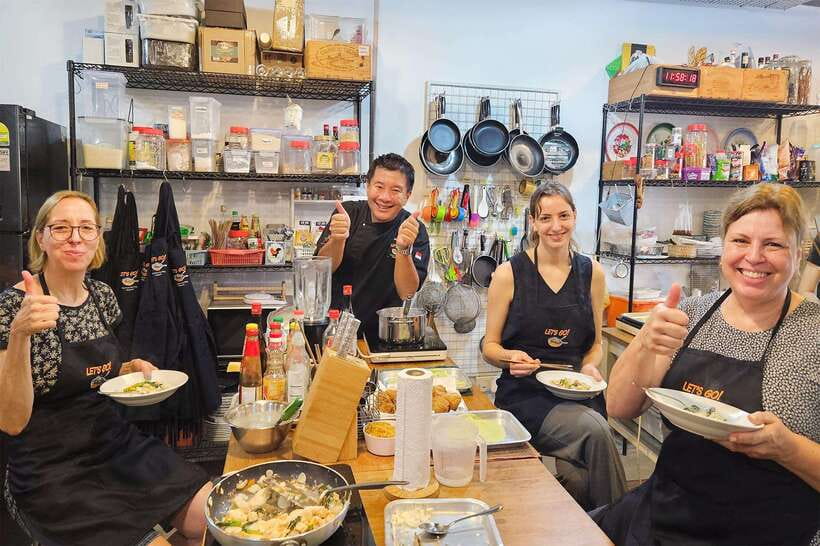
At $109 per person, this is not the cheapest way to eat in Singapore. You could visit a coffeeshop and eat at a hawker center for far less.
The comparison changes when you count what is included: a guided market visit, breakfast, all cooking ingredients, kitchen equipment, instruction from a chef, and the meal you prepare. You are paying for access, teaching, and context as much as for food.
I think the price is fair if you value participation. You leave with a better sense of ingredients and techniques, plus the memory of seeing a local market with a guide. It is less compelling if you only want to sample Singaporean dishes or if you are looking for a quick, inexpensive meal.
The best value comes when you use the class as a way to understand the food you will encounter elsewhere in the city. Afterward, menus and market products should feel less mysterious.
Dietary needs and wheelchair access
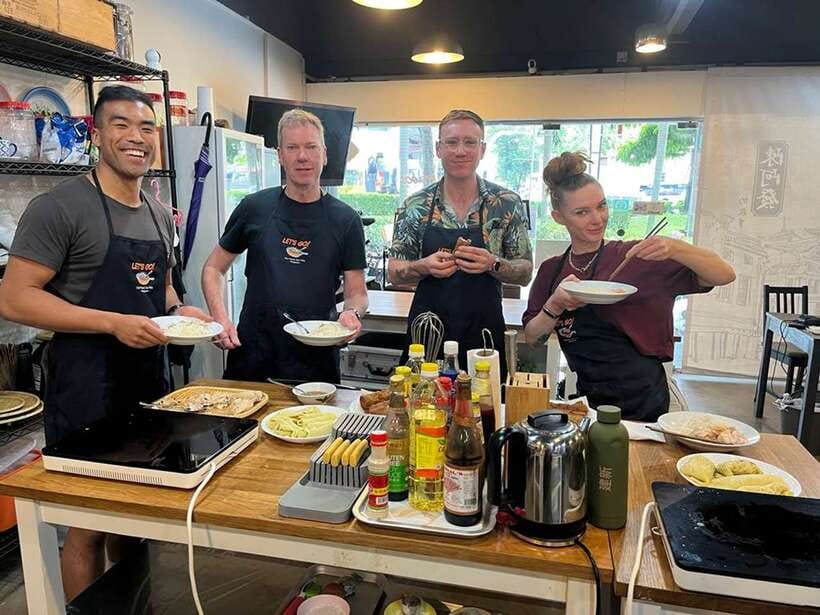
You are asked to mention dietary concerns when booking. That is important because the menus include meat, seafood-related ingredients may be present depending on preparation, and recipes are set by day. Do not wait until the cooking begins to explain an allergy or restriction.
The activity is wheelchair accessible, but you must remark when booking if wheelchair access is needed. No wheelchair rental service is provided.
The tour runs in all weather. Bring suitable clothing and shoes for a market walk, and allow enough time to move between the meeting point, market, coffeeshop, and cooking studio.
Cancellation is free up to 24 hours before the activity for a full refund. You can also reserve now and pay later, which helps if your Singapore schedule is still changing.
Who should book this Singapore food experience?
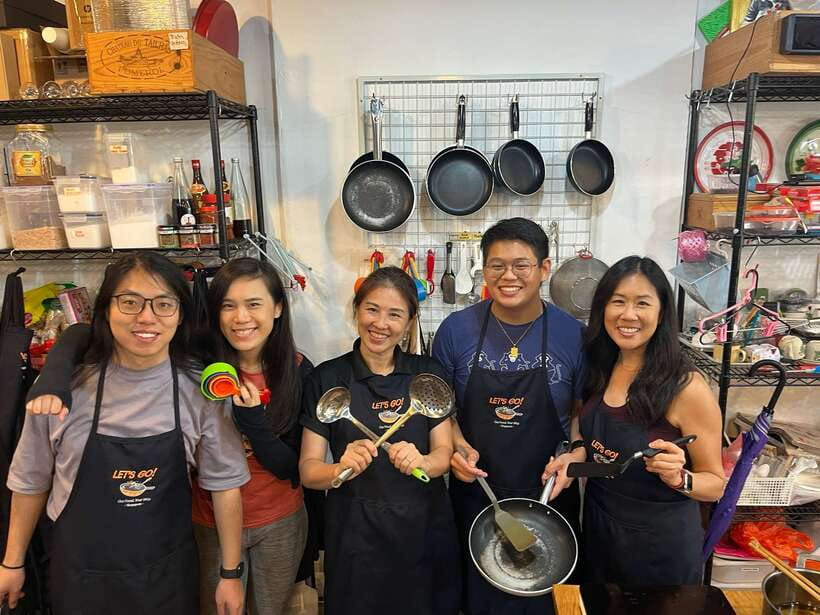
I would recommend it most strongly to first-time visitors who want local food explained by someone who cooks it. It is also a good fit for families, couples, solo visitors, and anyone who prefers doing something active over sitting through a standard food tasting.
Choose your day carefully. Menu A gives you Hokkien Mee, vegetarian spring rolls, and Ondeh Ondeh. Menu B gives you chicken rice, Ngoh Hiang, and Kueh Dadar. The menu may matter more than the exact start time.
I would hesitate only if you want a long, leisurely cooking workshop with extensive time for every technique. The market is an important part of the experience, and some mornings may feel tightly scheduled once the class begins.
Should you book it?
Book this experience if you want a three-hour introduction to Singaporean food culture that includes real neighborhood context, not only a recipe demonstration. The market visit, coffeeshop breakfast, and cooking class work well together, and the guides add stories that make the dishes easier to understand.
Choose the date based on the menu you want, mention dietary or access needs in advance, and keep your schedule flexible by at least half an hour. If that sounds like your kind of morning, $109 buys a useful mix of food, instruction, and local perspective.
FAQ
Where does the experience meet?
Meet at the junction of Northern Bridge Road and Jalan Sultan Road. Look for the Let’s Go Tour Singapore sign.
How long does the activity last?
The stated duration is three hours. One session took about three and a half hours including the time to eat, so allow some extra time.
What languages are available?
The activity is offered in English and Chinese.
What happens during the market visit?
You visit a local wet market with a licensed guide and chef. The guide explains local ingredients, daily life, and Singapore’s food culture.
Is breakfast included?
Yes. The experience includes an iconic Singapore breakfast at a local coffeeshop after the market visit.
What is included in the cooking class?
All ingredients and equipment needed for the cooking experience are included. Bottled water is also provided.
Which dishes are prepared on Tuesdays, Thursdays, and Saturdays?
Menu A includes Hokkien Mee, also called Singapore noodles, vegetarian spring rolls, and Ondeh Ondeh.
Which dishes are prepared on Wednesdays, Fridays, and Sundays?
Menu B includes traditional chicken rice, Ngoh Hiang, and Kueh Dadar.
Is the activity wheelchair accessible?
Yes, the activity is wheelchair accessible. You should mention the need for wheelchair access when booking, and wheelchair rental is not provided.
More Hands-On Workshops in the world
- Half-Day Thai Cooking Class at Organic Farm in Chiang Mai
★ 5.0 · 19,087 reviews - Florence: Pasta Cooking Class with Unlimited Wine
★ 4.9 · 10,285 reviews - 3 in 1 Cooking Class near Navona: Fettuccine, Ravioli & Tiramisu
★ 5.0 · 7,376 reviews - Florence: Pasta & Tiramisu Cooking Class with Unlimited Wine
★ 4.9 · 6,708 reviews
Just added around the world
- Sorrento: Hands-on Cooking Class★ 4.7 · 43 reviews
- Positano: Pasta & Tiramisu Cooking Class at a Local’s Home★ 4.6 · 45 reviews
- Slovenia: Belokranjska Pogača Cooking Class★ 5.0 · 4 reviews
- Small Group Cozy Cooking Class in a Typical Milanese Home★ 4.8 · 27 reviews
- Siracusa: Pasta & Tiramisu Cooking Class at a Local’s Home★ 4.7 · 9 reviews
- Skiathos: Dog Shelter Visit, Hike & Cooking Class with Lunch★ 4.7 · 40 reviews
- Singaporean Cooking Class With A Professional Chef★ 4.1 · 5 reviews
- Siena: Small-group Cooking Class in a Chianti Farm★ 4.9 · 21 reviews
Cooking Classes with a Market Tour, compared.
Hanoi Cooking Class: Culture, Local Market & Meaning CSR Impact
Read our review →
5 Traditional Dishes Hanoi Cooking Class with Market Trip
Read our review →
Cooking Class and Lunch at a Tuscan Farmhouse with Local Market Tour from Florence
Read our review →
Chiang Mai: Cooking Class, Market & Thai Herbs Garden Tour
Read our review →
Chiang Mai: Authentic Cooking Class with Market & Farm Visit
Read our review →
Barcelona: Paella Cooking Experience & Boqueria Market Tour
Read our review →
Cooking Class Hoi An:Local Market, Basket Boat, Fishing & Cooking
Read our review →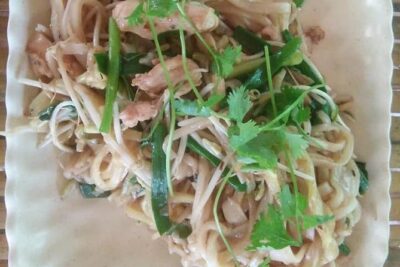
Hoi An Cooking Class(Market,BasketBoat Crabfishing&Cooking Class)
Read our review →Browse the lists this tour appears in