Review · TBILISI
Small-Group Khinkali and Khachapuri Cooking Class in Tbilisi
Khinkali and khachapuri are two of Georgia’s great food pleasures, and this class lets you handle the dough, fold dumplings, spread cheese, and then sit down to eat the results. I like the small-group idea and the central Tbilisi setting, which make this an easy way to meet people and take a break from sightseeing. I also like that wine, Georgian tomatoes, farm cheese, and a full meal are included for $27.50.
The chefs, including Vladimir, Artem, and Seva, are described as warm, patient, and funny. They explain the folding tricks and add stories about Tbilisi, Georgian feasts, and local toasts. The main thing to know is that this is held in a restaurant dining area, not the kitchen, and the amount of hands-on cooking can vary. Group sizes have also exceeded the advertised limit of six during busy periods.
Key points before you book
- Two famous Georgian dishes: Make khinkali dumplings and Imeretian cheese khachapuri.
- A meal is included: Expect your cooked food with wine, salad, and a cheese plate.
- Central meeting point: The class starts and ends at St. Bunny31 on Griboedov Street.
- Friendly chef-led teaching: Vladimir, Artem, and Seva are among the instructors praised for clear, patient guidance.
- Restaurant-table format: You learn and prepare food in the dining room, while hot cooking takes place behind the scenes.
- Check the group size: The advertised maximum is six, but some sessions have had nine, ten, thirteen, or more people.
What you actually cook in two hours
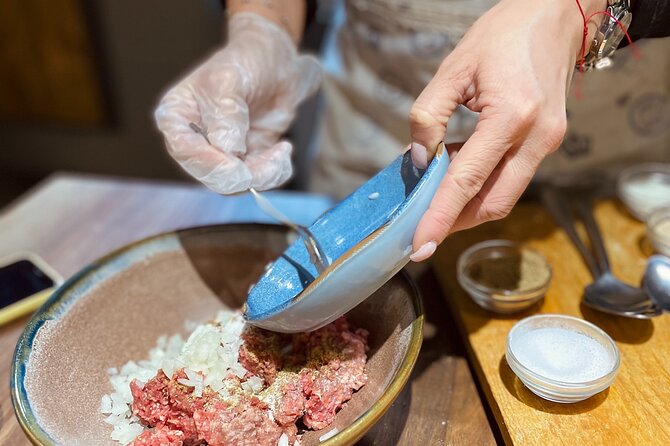
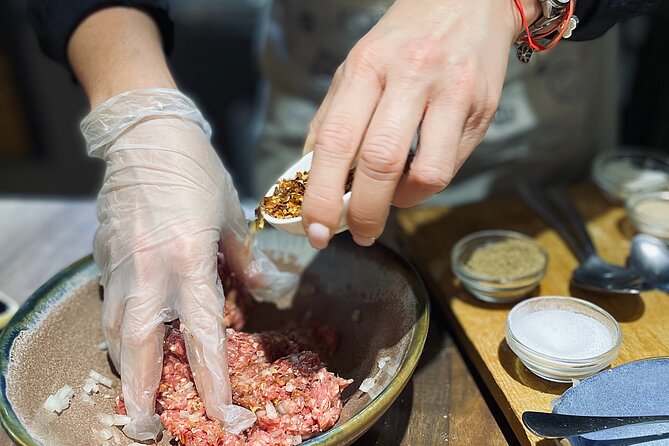
The class focuses on two dishes that define Georgian comfort food. Khinkali are soup-filled dumplings, usually made with seasoned meat, though cheese and mushroom fillings are also listed. Khachapuri is cheese-filled bread, and this session uses the Imeretian style rather than the boat-shaped Adjarian version often seen in photographs.
The class begins with an explanation of the dough and fillings. You prepare the khachapuri mixture, work with the dough, spread in the cheese, and shape the bread for baking. The chef then demonstrates how to form khinkali, including the traditional gathered top. This folding step is one of the most useful parts of the class, since it is simple to watch but surprisingly easy to fumble the first time.
The exact division of labor is worth understanding. The official outline says you independently prepare the khachapuri dough and filling, while the chef explains the khinkali dough and filling. Some sessions have used dough that was already prepared, with participants concentrating on the filling and the pleating. You may take turns with certain tasks rather than make every part of both dishes from start to finish.
Hot cooking is handled by the restaurant staff. That means you do not boil each dumpling or bake each khachapuri yourself. Once the food is ready, it comes back to the table for lunch or dinner. If you want a fully hands-on kitchen workshop, this may feel limited. If you mainly want to learn the shaping methods, taste the food, and avoid a long technical cooking session, the format works well.
More Hands-On Workshops in the world:
- Half-Day Thai Cooking Class at Organic Farm in Chiang Mai
★ 5.0 · 19,087 reviews - Florence: Pasta Cooking Class with Unlimited Wine
★ 4.9 · 10,285 reviews - 3 in 1 Cooking Class near Navona: Fettuccine, Ravioli & Tiramisu
★ 5.0 · 7,376 reviews
Khinkali folding is the class’s best trick
Khinkali look modest on the plate, but their shape has a purpose. The pinched top holds the filling and broth inside, and you need a firm seal without tearing the dough. The chef demonstrates the motion, then you practice making the dumpling shape yourself.
This is where the class feels most like a shared activity rather than a restaurant meal. Everyone has dough in front of them, and the table becomes a row of uneven little parcels. Your first khinkali may look more like a wrinkled purse than a Georgian dumpling. That is part of the fun, and the chef’s stories and jokes help keep the mood relaxed.
The filling can be veal, cheese, or mushrooms, according to the menu. The class is therefore useful for different tastes, though the exact option available may depend on the session. Ask the instructor at the start if you have a preference.
Imeretian khachapuri keeps things simple
Imeretian khachapuri is round, cheese-filled bread. It is less showy than the boat-shaped version topped with an egg, but it is an excellent choice for a short workshop because you can focus on dough, filling, and sealing without too many extra steps.
You prepare the cheese filling, place it into the dough, close the bread, and spread it into shape. The chef brings it to readiness in the restaurant kitchen. The finished bread arrives warm and filling, which is one reason you should not plan a large meal immediately afterward.
This dish also gives the class a good balance. Khinkali require careful folding and portioning, while khachapuri feels more like bread making. You get two different techniques and two different ways to enjoy Georgian cheese and dough.
Wine, tomatoes, and cheese turn the lesson into lunch
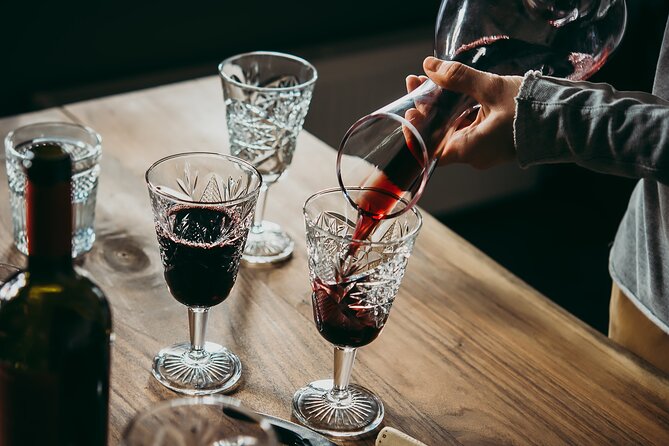
The class includes Georgian wine, a vegetable salad made with Georgian tomatoes, a plate of farm cheeses, and the dishes you prepare. That matters at this price. You are not paying $27.50 simply to watch a demonstration, then hunting for lunch elsewhere.
The shared food also gives the class a social rhythm. There are pauses while dough rests, fillings are prepared, or the restaurant cooks the food. Wine and conversation help fill those gaps, especially if you come alone. Several people have enjoyed meeting others at the table, while one session felt too slow because staff were bringing items out in stages.
The wine offering deserves a small note. Red wine has been served in at least one session, with no choice between red and white. If you cannot drink red wine, ask about the current arrangement before booking or at the start of class. The food is the main event, but the drink is part of the advertised welcome.
A few more cooking classes around the world worth a look
- Florence: Pasta & Tiramisu Cooking Class with Unlimited Wine
★ 4.9 · 6,708 reviews - Florence: Pasta Cooking Class with Unlimited Wine
★ 5.0 · 6,413 reviews - Hanoi Cooking Class: Culture, Local Market & Meaning CSR Impact
★ 5.0 · 5,147 reviews - 5 Traditional Dishes Hanoi Cooking Class with Market Trip
★ 5.0 · 4,890 reviews
A friendly chef makes the difference
The strongest part of this experience is the instructor. Vladimir has been praised for making the evening feel easy and social. Artem has been described as friendly and good at adding historical details. Seva, also written as Sewa, is noted for his patience, humor, and stories about Georgian feasts and toasting customs.
The teaching style is practical rather than formal. You get step-by-step directions, then a chance to copy the technique. The language offered is English, and the instruction has generally been easy to follow. Expect simple explanations at the table, not a culinary lecture or a professional kitchen demonstration.
The stories add value when the cooking pauses. Georgian food is closely tied to hospitality, shared meals, and long toasts, so learning about that culture while eating makes the dishes more meaningful. Still, the amount of food history can depend on the chef and the pace of the group. If cultural background is your main reason for booking, tell the instructor you would like to hear more.
The restaurant setting is practical, but not intimate
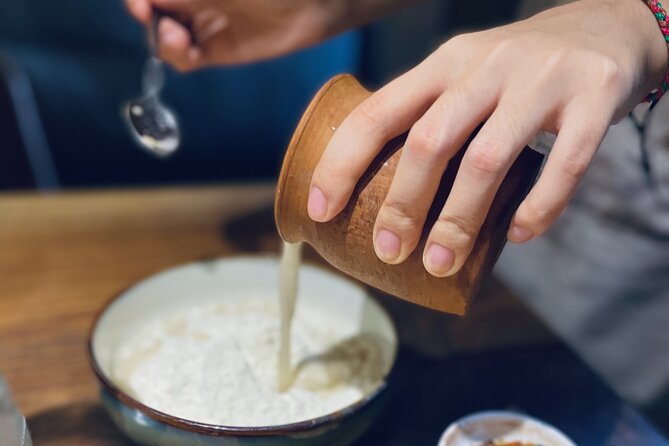
The class takes place in the restaurant hall at St. Bunny31 on Griboedov Street. This central location is convenient, and the setting lets you eat in a proper dining room after preparing the food. It is also easier for a restaurant to serve several small groups than to bring visitors into a working kitchen.
The trade-off is atmosphere. You are not cooking in a Georgian family home, and you do not watch every part of the hot preparation. You sit around a restaurant table, with the chef moving between tasks and staff bringing ingredients or finished dishes.
That arrangement has caused uneven sessions. Some groups have had a smooth two-hour class. Others waited for supplies, started about 25 minutes late, or watched one chef handle multiple groups at once. One class lasted about three hours including the meal. The instructor may be excellent while the organization around him feels less polished.
Group size can change the whole experience
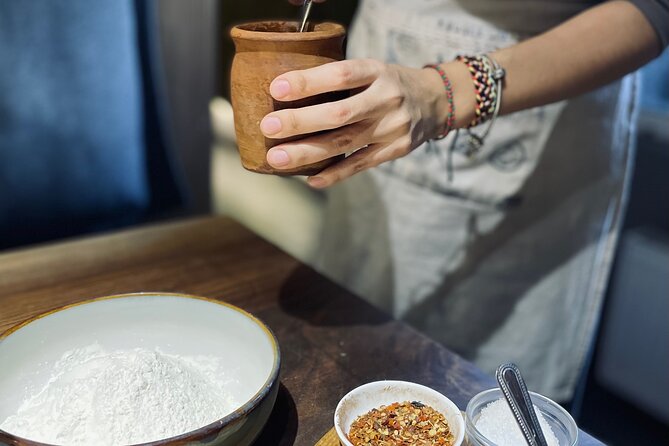
The advertised limit is six people, which would be ideal for this kind of table-based activity. A group that small gives you more chances to fold dumplings, ask questions, and work directly with the chef.
Busy dates have not always matched that promise. Sessions have included nine or ten people, and one report described around thirteen participants. Another described a much larger group. During high season, the provider has accepted more people than the stated maximum. That is the biggest practical risk when booking.
A larger group does not automatically mean a bad class. It can make the social side livelier, and you may meet more people. But it also means more waiting and fewer chances to complete each cooking step yourself. If the small-group promise is central to your decision, contact the provider before booking and confirm the expected size for your date.
Outdoor seating and hot weather have also been an issue in at least one session. Tbilisi can be very warm, and a crowded outdoor table without enough air movement is not a pleasant place to handle dough for two hours. Ask where your class will be held if you are visiting in the hottest part of summer.
Is $27.50 good value?
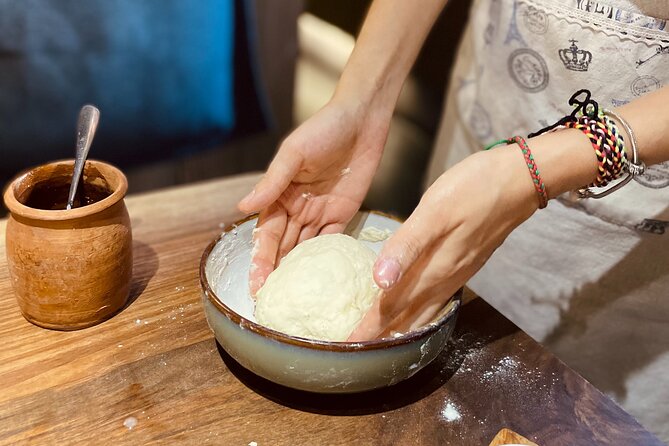
At $27.50 per person, this is one of the easier food activities to justify. You receive instruction, wine, salad, cheese, and enough khinkali and khachapuri for a full meal. You also leave with techniques you can repeat at home, and recipes have been provided at the end of some sessions.
The value is strongest if you want a social lunch or dinner with a little cooking attached. You avoid the cost of a separate restaurant meal, and you get a friendly introduction to two dishes that can seem tricky when ordered from a menu.
The value is weaker if you expect a professional cooking-school format. You may not make the khinkali dough, cook the dumplings, or bake the khachapuri yourself. With a larger group, you may only handle one part of the preparation. At this price, that is a reasonable compromise, but it should be clear before you arrive.
Who will enjoy this Tbilisi food class
I would recommend it to first-time visitors who want an easy introduction to Georgian cuisine. It is also a good choice for solo visitors, since the shared table and included wine make conversation natural. Couples and friends can enjoy it together, though you should expect a group setting rather than a private lesson.
Families can also make it work. A session has suited two adults with children aged two and eight, and the food provides a full meal. Very young children may not take part in every step, especially while waiting for cooking, but the activity can still work as a family outing.
This class is less suitable for anyone seeking a quiet, highly organized workshop with individual attention. It is also not the best fit if you want to learn the full process from raw dough through boiling and baking. For that, look for a class held in a working kitchen or a private home.
The activity is near public transportation, and service animals are allowed. Confirmation is provided at booking. You can cancel for a full refund up to 24 hours before the start time, but changes or cancellations inside that window are not refunded.
My practical tips for booking
Book ahead if you want a particular date. The experience is often reserved about eleven days in advance, and popular meal times can fill during the high season.
Ask two questions before you commit: how many people are expected, and which cooking steps will be hands-on that day. Those answers will tell you more than the basic two-hour description.
Arrive ready to eat, but do not schedule a tight activity immediately afterward. The class is meant to end back at the meeting point, yet some sessions have run late because of delays or a longer shared meal.
If you have dietary restrictions, ask about the filling options before you arrive. The listed choices include veal, cheese, and mushrooms, but the included salad, cheese, and wine are shared parts of the meal.
Should you book it?
Book this class if you want to shape khinkali, prepare Imeretian khachapuri, drink Georgian wine, and eat a generous meal in central Tbilisi for a modest price. The best sessions pair you with a warm chef such as Vladimir, Artem, or Seva, and turn a few hours into a relaxed introduction to Georgian food and table customs.
Think twice if the advertised six-person limit is essential, or if you want to cook every part of each dish in a kitchen. Group size and organization can vary, and some of the hot work is done behind the scenes. With realistic expectations, this is a tasty, social activity and a useful first step into Georgia’s food culture.
FAQ
Where does the cooking class start and finish?
It starts at St. Bunny31 on Griboedov Street in Tbilisi, Georgia. The activity ends back at the same meeting point.
How long does the class last?
The stated duration is about two hours. Some sessions have taken longer, including one that lasted about three hours with dining time.
What dishes do you make?
You make khinkali and Imeretian khachapuri. Khinkali may use veal, cheese, or mushrooms, while the khachapuri is a Georgian cheese dish.
Is the class held in a kitchen?
No. The workshop takes place in the restaurant hall at a table. The restaurant staff handle the hot cooking in the kitchen.
What is included with the food?
The experience includes Georgian wine, a vegetable salad, a plate of farm cheeses, and the khinkali and khachapuri prepared during the class.
Can I cancel for a full refund?
Yes. You can cancel at least 24 hours before the local start time for a full refund. Cancellations or changes made less than 24 hours before the start are not refunded.
Just added around the world
- Cooking, Farming and Waterfall In Vietnam Countryside★ 3.0 · 6 reviews
- Busan Tailored Korean cooking class (Vegan OK)with market tour★ 5.0 · 66 reviews
- Korean cooking class in Haeundae, Busan★ 5.0 · 92 reviews
- Private Argentine Cooking Class and Tango Lesson in Buenos Aires★ 5.0 · 37 reviews
- Hungarian Home Cooking Class with Chef Marti★ 5.0 · 30 reviews
- Cooking Class with dinner/lunch in Ulcinj Montenegro★ 5.0 · 8 reviews
- BA: Empanadas and Alfajores Cooking Experience in Palermo★ 5.0 · 112 reviews
- Budapest Market Tour & Home Cooking Class with local Chef & Guide★ 5.0 · 23 reviews
Cooking Classes, compared.
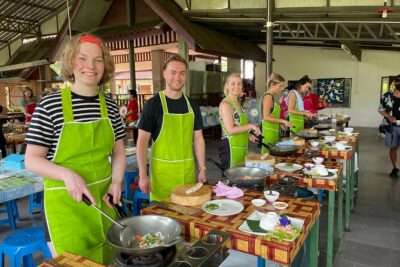
Half-Day Thai Cooking Class at Organic Farm in Chiang Mai
Read our review →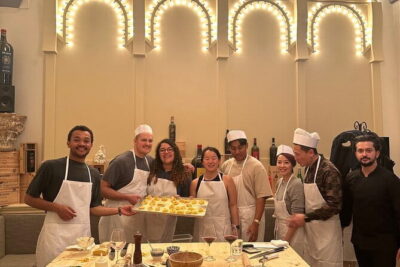
Florence: Pasta Cooking Class with Unlimited Wine
Read our review →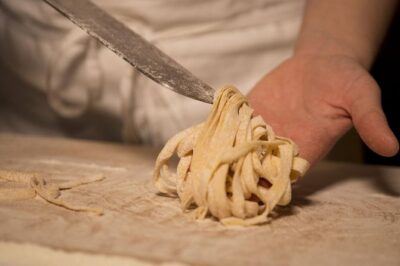
3 in 1 Cooking Class near Navona: Fettuccine, Ravioli & Tiramisu
Read our review →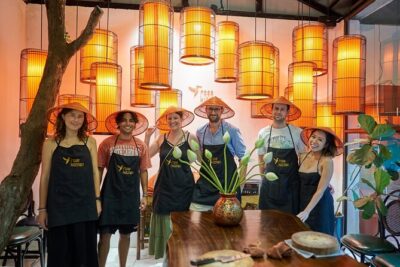
Hanoi Cooking Class: Culture, Local Market & Meaning CSR Impact
Read our review →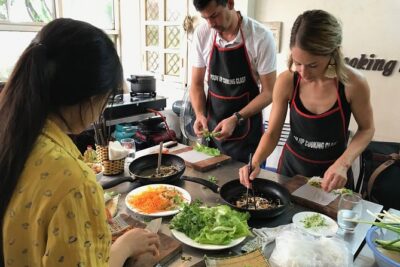
5 Traditional Dishes Hanoi Cooking Class with Market Trip
Read our review →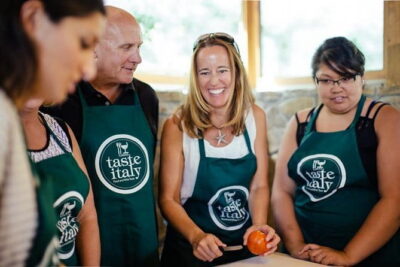
Cooking Class and Lunch at a Tuscan Farmhouse with Local Market Tour from Florence
Read our review →