
Review · CROATIA
Traditional Cooking Class in Dubrovnik Countryside
The heart of this experience is not a polished cooking studio. It is a family farm outside Dubrovnik, where you may gather vegetables, collect eggs, knead bread, meet farm animals, and sit down to a meal made with ingredients from the property. The garden-to-table setting gives the food a real sense of place.
I like the relaxed family welcome, especially the homemade liqueurs, wine, cured meats, and stories shared by hosts such as Nikolina. I also like the private pickup, which takes the guesswork out of reaching the countryside. The main consideration is simple: this is part cooking class and part family visit, so you may spend less time learning precise techniques than you would in a formal culinary school.
Key points at a glance
- Garden ingredients: Pick seasonal vegetables, herbs, and sometimes eggs for the meal.
- Family setting: Meet a multigenerational household connected to the farm for generations.
- Local table: Expect cured meats, cheese, soup, a meat or fish dish, vegetables, dessert, wine, and homemade liqueurs.
- Small group: Bookings require at least two people, with a maximum of eight per booking and up to ten participants overall.
- Easy transport: Round-trip pickup and drop-off by private car or minivan are included.
- Important distinction: The experience includes hands-on preparation, but the amount of instruction can vary.
A farm kitchen instead of a city cooking studio
Dubrovnik is famous for stone lanes, sea views, and restaurant terraces. This outing gives you a different side of the region. You leave the city for a countryside home where farming, cooking, preserving food, and family life are all tied together.
The property described by the hosts includes vineyards, olive trees, fruit trees, a vegetable garden, chickens, and farm animals. The family also produces wine, olive oil, pickled vegetables, marmalade, liqueurs, prosciutto, and sausages. That matters because you are not simply handed a basket of ingredients. You get a look at how food is grown, gathered, preserved, and served.
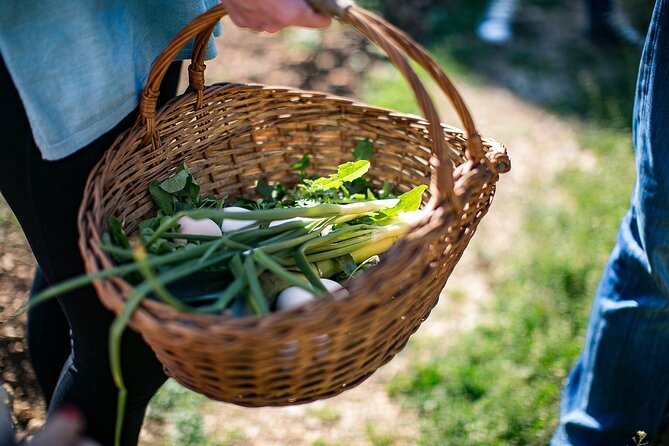
I especially like the way the meal connects to the property. You might pick tomatoes, carrots, eggplant, potatoes, cucumbers, mint, basil, or other seasonal produce. You may also gather eggs from the chickens. The exact work depends on the season and the day’s conditions, so do not expect the same tasks every time.
The family’s home is part of the experience. Details shared about the old stone house, family work, village life, and the rebuilding of the property after the Yugoslav Wars give the visit a personal frame. You are not just learning a recipe. You are hearing how one family has kept its household and farm going across generations.
More Farm Cooking Classes in the world:
- Half-Day Thai Cooking Class at Organic Farm in Chiang Mai
★ 5.0 · 19,087 reviews - Cooking Class and Lunch at a Tuscan Farmhouse with Local Market Tour from Florence
★ 5.0 · 4,831 reviews - Chiang Mai: Authentic Cooking Class with Market & Farm Visit
★ 4.9 · 4,546 reviews
What the five-hour visit can look like
The advertised duration is about five hours. That gives the day a generous pace, though the balance between cooking, eating, conversation, and farm activities can shift.
Pickup is offered from your hotel or private accommodation in Dubrovnik and nearby areas. Oliver is identified as one of the people who may handle the transfer. The private car or minivan is a useful part of the package, since you can enjoy wine and homemade liqueurs without arranging your own drive back.
On arrival, you may be welcomed with a small drink such as rose grappa, carob liqueur, or another homemade cordial. Homemade snacks, bread, cured meats, and sweets may follow. This early tasting sets the tone: the visit is social and generous, not a tightly timed demonstration.
A walk around the property can include the gardens, stone farm buildings, smokehouse, animals, and kitchen areas. You might see chickens, goats, sheep, pigs, horses, a donkey, rabbits, or young animals, depending on what is kept at the farm at the time. Some participants have even milked a goat. These activities are optional in spirit, but they help you understand the rural setting.
Gathering ingredients from the garden
The garden is one of the best parts for anyone who likes to see where a meal begins. Instead of hearing a general talk about local produce, you may help choose what goes into your lunch or dinner.
The ingredients can include fresh vegetables, herbs, potatoes, and eggs. A wet day may change the plan, and sometimes vegetables are prepared indoors rather than picked outside. That is worth knowing if the outdoor farm element is especially important to you.
This part is also a good fit for families and curious eaters who want something beyond restaurant dining. You can ask about how the family grows, stores, smokes, or preserves food. The emphasis is on ordinary local practice rather than chef tricks.
Still, you should not expect a full lesson in farming. The garden walk supports the meal and the family story. It is not a separate agricultural workshop.
Bread, soup, pasta, and traditional sweets
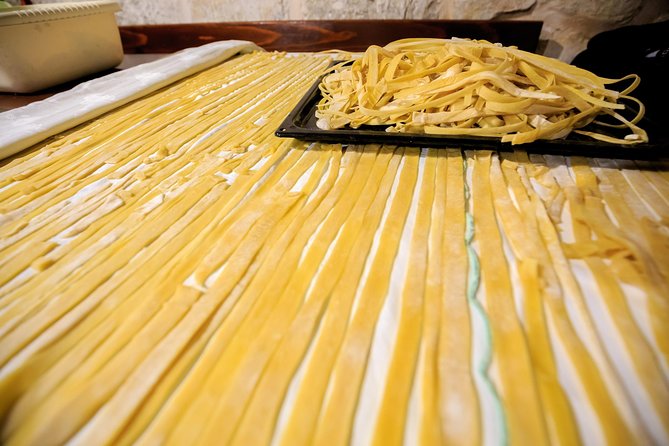
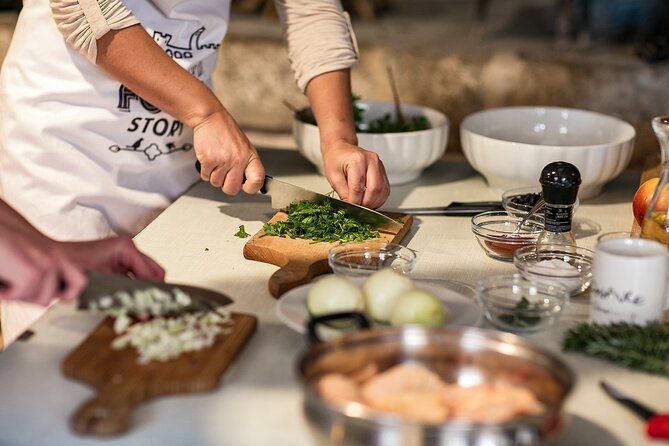
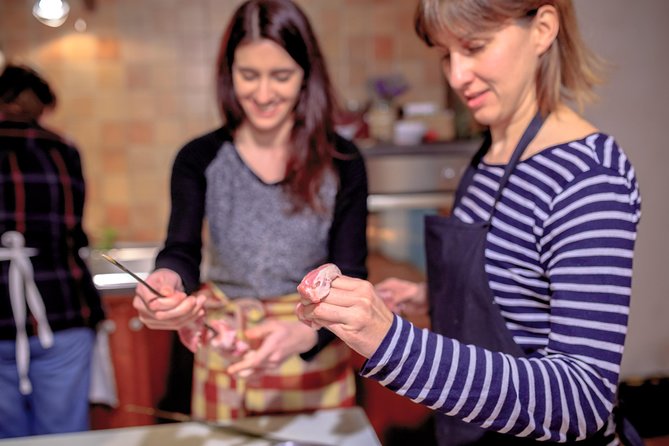
The cooking itself can include several small jobs. You may clean and chop vegetables, knead yeast bread, prepare pasta, make soup, assemble a savory dish, or help with dessert. Some accounts describe making multiple types of bread, lentil soup, chicken soup with semolina dumplings, quiche, fresh pasta, and cookies similar to funnel cakes.
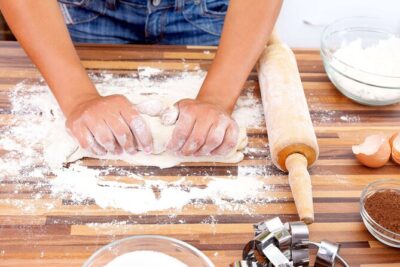
The bread is a particularly appealing activity. It may be made in an old-fashioned way with flour, yeast, sugar, salt, water, and your hands rather than a machine. It gives you something practical to do and makes the finished meal feel personal.
Soup is another common teaching point. Fresh vegetables from the garden may become a simple vegetable or lentil soup. The method is generally home cooking, not a technical master class. You are likely to learn how the family makes the dish, but not necessarily receive exact professional measurements.
That difference is important. Some people want to chop, knead, taste, and eat while talking with a local family. Others want a structured class with printed recipes, precise quantities, knife instruction, and a chef explaining every stage. This experience is much closer to the first type.
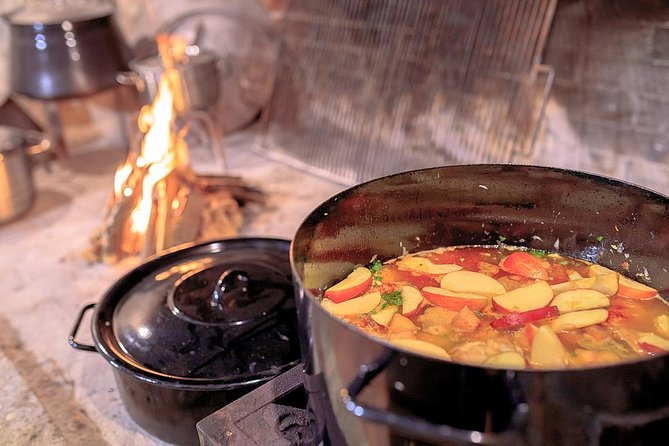
The main meat or fish dish may be prepared partly before your arrival or cooked by the family while you work on other parts of the meal. You might see pork, veal, chicken, or fish, along with potatoes and seasonal vegetables. Open-fire cooking under a metal pot has also been part of the experience.
More Hands-On Workshops in the world:
- Florence: Pasta Cooking Class with Unlimited Wine
★ 4.9 · 10,285 reviews - 3 in 1 Cooking Class near Navona: Fettuccine, Ravioli & Tiramisu
★ 5.0 · 7,376 reviews - Florence: Pasta & Tiramisu Cooking Class with Unlimited Wine
★ 4.9 · 6,708 reviews - Florence: Pasta Cooking Class with Unlimited Wine
★ 5.0 · 6,413 reviews
The four-course meal and homemade drinks
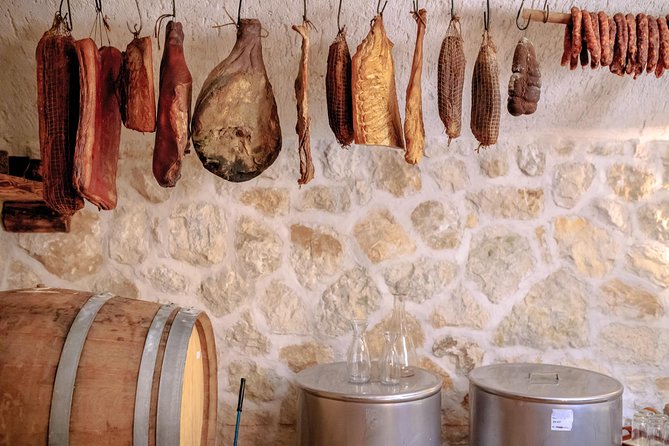
The advertised meal is four courses, though some accounts describe five courses or several tasting plates. A typical spread can include:
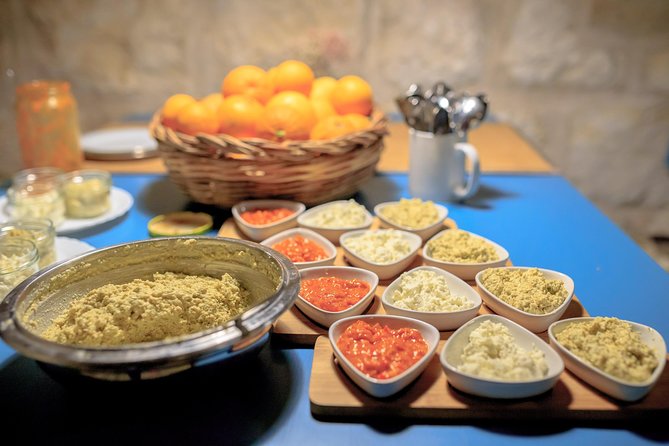
- Cured meats, local sausages, cheeses, pickles, tapenade, and homemade bread
- Vegetable or lentil soup
- A local meat or fish dish with seasonal vegetables
- A traditional cake, cookies, or another local dessert
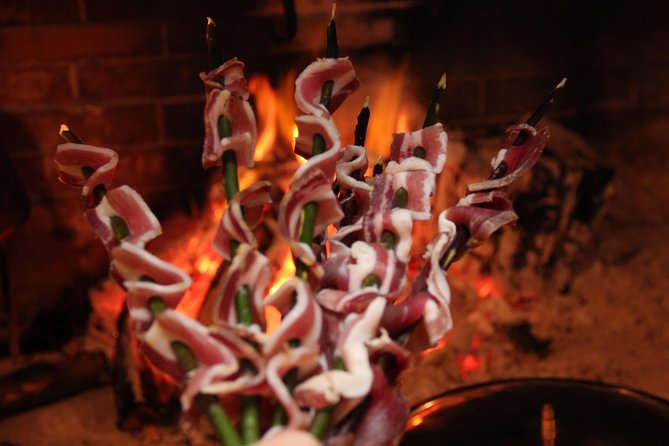
The first course is often the most immediately impressive. Prosciutto, sausages, cheeses, pickled vegetables, olive oil, and spreads make a generous introduction to Dalmatian pantry food. The meats may come from the family’s own production, and the cheese may be sourced from a local farm.
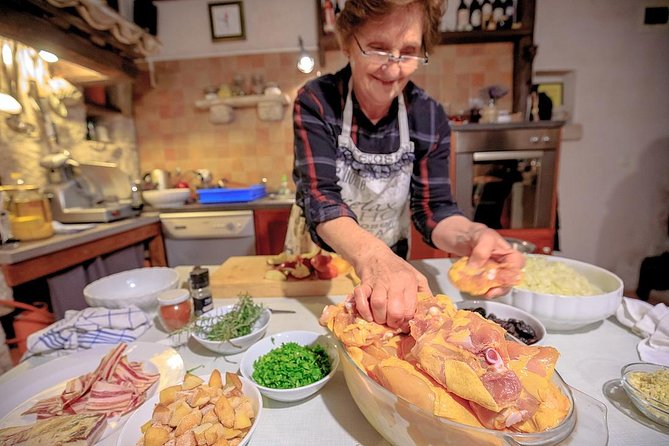
The soup brings the meal back to simple ingredients. The main course can be a chicken stew with pasta, roasted or slow-cooked meat, potatoes, vegetables, or a special fish dish. Pescatarian needs have been accommodated before, but you should state your requirements when booking rather than hoping for a last-minute change.
Dessert may be a local cake prepared for family occasions, homemade cookies, or a simple sweet made during the visit. The finish is often accompanied by coffee, tea, liqueurs, or more wine.
Homemade red and white wine is included, as are homemade liqueurs. You may taste carob liqueur, rose grappa, or other spirits made by the family. These drinks add pleasure, but they also make the included pickup especially valuable.
The family story is part of the meal
The hosts share more than food. You may hear about the family tree, farming traditions, the village, the old stone home, and the effects of the Yugoslav Wars on the area. Family photographs and stories about rebuilding give the meal an emotional layer that a standard restaurant cannot provide.
This is also why the pace can feel loose. A host may stop to explain a wine, show a smokehouse, introduce a family member, or tell you how a dish is made. Conversation is not filler here. It is one of the main ways the experience connects food to local life.
I would not choose this outing if you want to keep your hands busy every minute. Some parts may involve sitting at the table, talking with the family, or listening to local history. A few people have found that the cooking portion felt too brief and that the food was basic. That criticism is fair, especially at the current price.
At the same time, the simpler dishes are part of the point. You are not being trained to plate a restaurant tasting menu. You are seeing how a family makes bread, soup, stew, vegetables, and sweets for a shared table.
How much value do you get for $290.36?
At $290.36 per person, this is an expensive half-day outing. The price makes the most sense for two people or a small group that values private transport, a long meal, local drinks, and personal contact with a family.
You are paying for several pieces at once: pickup and drop-off, a five-hour visit, ingredients, kitchen equipment, a full meal, wine and liqueurs, and a small-group format. The farm setting and family access are also part of the value, though they are harder to price than a cooking lesson.
If your main goal is to learn a large number of recipes, the value is weaker. Some participants have left without recipes or with incomplete instructions, and some found the techniques too simple. You should ask ahead about recipe handouts if taking recipes home matters to you.
If your goal is to enjoy a relaxed countryside day with food, drinks, animals, stories, and a substantial meal, the price is easier to justify. It also replaces the cost and hassle of arranging a separate countryside transfer.
The published booking pattern suggests reserving well ahead, with the experience commonly booked about 59 days before the date. That is useful advice for summer trips, when Dubrovnik is busy and small-group spaces can fill.
Group size, dietary needs, and timing
The activity requires at least two people per booking. A booking can include up to eight people, while the overall activity limit is listed as ten. That is still much more personal than a large coach excursion, but the feel can change depending on the group.
You may be paired with other couples or families. This can work well if you enjoy a communal meal and meeting new people. Solo visitors should note the two-person booking minimum, but the family-style setting can still feel welcoming once you arrive.
Vegetarian food is available if requested at booking. Specific dietary needs should also be disclosed at that point. Do not assume that gluten-free guests will receive the same bread and dessert activities unless the arrangements are confirmed in advance. The food may be delicious, but accommodation can require planning.
The start time and exact pickup point depend on your accommodation and the local schedule. The departure point is generally the closest practical location to your hotel or private lodging in Dubrovnik and surrounding areas. Confirm the pickup details before the day, especially if your lodging sits in a pedestrian zone or a narrow street.
Who should book this Dubrovnik cooking experience?
I would recommend it to you if you want:
- A countryside break from Dubrovnik’s city center
- A family-run food experience rather than a restaurant meal
- Fresh produce, homemade wine, cured meats, and local sweets
- A generous lunch or dinner with plenty of conversation
- A small group and included private transport
- A look at rural Croatian life, family traditions, and food preservation
I would be more cautious if you want a formal class with a fixed lesson plan. You may not receive printed recipes, exact measurements, or a full explanation of every cooking stage. The meal can also be large, and the wine and liqueurs are served generously, so plan a quiet evening afterward.
The experience suits couples, families, food-focused visitors, and anyone who likes cultural contact through a shared table. It is less suited to someone who wants a short, highly technical class or a tightly controlled schedule.
Should you book it?
Book this experience if you want the family, farm, and meal as much as the cooking. The strongest parts are the welcome from hosts such as Nikolina, the garden-to-table work, the old family setting, the homemade wine and liqueurs, and the chance to sit down with food connected to the place.
Skip it if your definition of a cooking class requires detailed recipes, advanced technique, and constant hands-on instruction. At $290.36 per person, that distinction matters.
For the right visitor, this is a memorable change of pace from Dubrovnik’s stone streets. You come for the meal, but you may remember the garden, the animals, the family stories, and the feeling of being welcomed into a working Croatian home.
FAQ
How long does the cooking experience last?
The experience lasts approximately five hours.
Where does the activity take place?
It takes place in the countryside outside Dubrovnik, at a family home and farm associated with Dubrovnik Food Story.
Is hotel pickup included?
Yes. Pickup and drop-off from your Dubrovnik hotel or private accommodation are provided by private car or minivan.
Is transportation included in the price?
Yes. Round-trip transfer is included, along with the cooking class, meal, ingredients, equipment, coffee or tea, wine, and homemade liqueurs.
How many people can join?
A booking requires at least two people. The stated booking maximum is eight people, and the overall activity maximum is ten participants.
Is the activity offered in English?
Yes. The experience is offered in English.
What food is included?
The planned meal includes a charcuterie board, homemade vegetable soup, a local meat or fish dish with seasonal vegetables, and a traditional local cake. The exact dishes can vary.
Are drinks included?
Yes. Coffee or tea, homemade liqueurs, and homemade red and white table wine are included.
Can vegetarian participants join?
Yes. A vegetarian option is available, but you should request it when booking.
Can I cancel for a full refund?
Yes. You can cancel at least 24 hours before the experience start time for a full refund. Cancellations or changes made less than 24 hours before the start time are not accepted for a refund.
Just added around the world
- Cooking, Farming and Waterfall In Vietnam Countryside★ 3.0 · 6 reviews
- Busan Tailored Korean cooking class (Vegan OK)with market tour★ 5.0 · 66 reviews
- Korean cooking class in Haeundae, Busan★ 5.0 · 92 reviews
- Private Argentine Cooking Class and Tango Lesson in Buenos Aires★ 5.0 · 37 reviews
- Hungarian Home Cooking Class with Chef Marti★ 5.0 · 30 reviews
- Cooking Class with dinner/lunch in Ulcinj Montenegro★ 5.0 · 8 reviews
- BA: Empanadas and Alfajores Cooking Experience in Palermo★ 5.0 · 112 reviews
- Budapest Market Tour & Home Cooking Class with local Chef & Guide★ 5.0 · 23 reviews
Farm & Countryside Cooking Classes, compared.
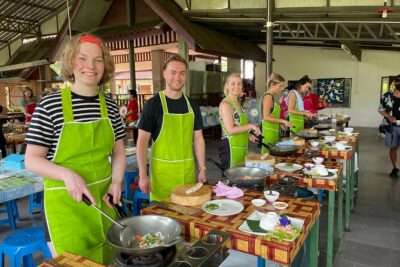
Half-Day Thai Cooking Class at Organic Farm in Chiang Mai
Read our review →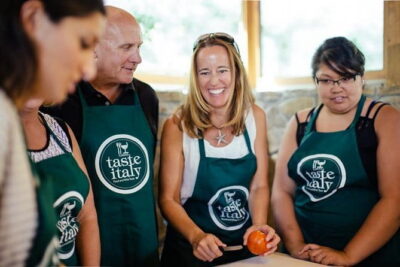
Cooking Class and Lunch at a Tuscan Farmhouse with Local Market Tour from Florence
Read our review →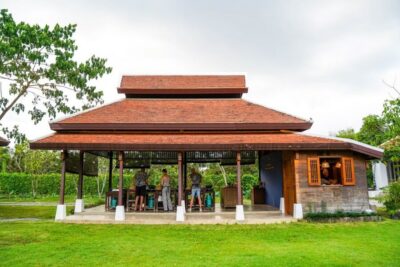
Chiang Mai: Authentic Cooking Class with Market & Farm Visit
Read our review →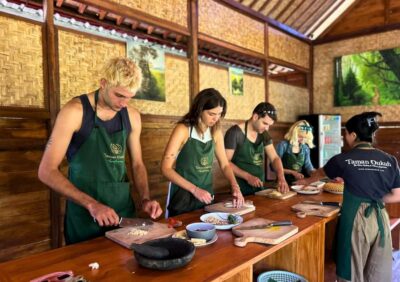
Ubud: Balinese Cooking Class at an Organic Farm
Read our review →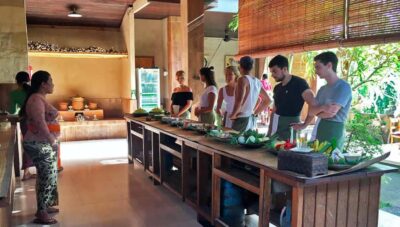
Ubud: Authentic Cooking Class in a Local Village
Read our review →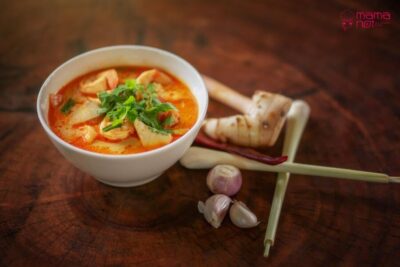
Chiang Mai: Cooking Class with Organic Farm at Mama Noi
Read our review →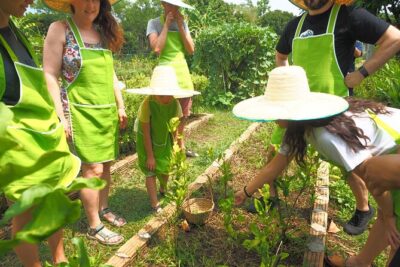
Hands-On Cooking Class & Farmhouse Tour on the Amalfi Coast
Read our review →Browse the lists this tour appears in