
Review · ROME
Walking tour in the Heart of Rome and a Cooking Class in a Very Small Group
Rome gives you two good reasons to get out of bed: its ancient streets and its food. This four-hour experience links both, beginning with a guided walk from Piazza Barberini and ending with a small-group cooking class near the Pantheon. You will see major sights, then make pasta from scratch rather than simply ordering it.
I like the maximum group size of eight, which should make questions and hands-on kitchen time easier. I also like the cooking menu’s local character: artichokes, gnocchi, and ciabelline, a crunchy cookie flavored with licorice. The main drawback is pace. Several famous sights receive only five to fifteen minutes, so this is an introduction, not a full tour of Rome’s historic center.
Key points to know before booking
- Two Rome essentials in one afternoon: A central walking tour leads into a practical cooking class.
- Small group, capped at eight: You should get more direct attention than on a large city tour.
- Guides Sara and Nina are named hosts: Nina also translates during the kitchen session when needed.
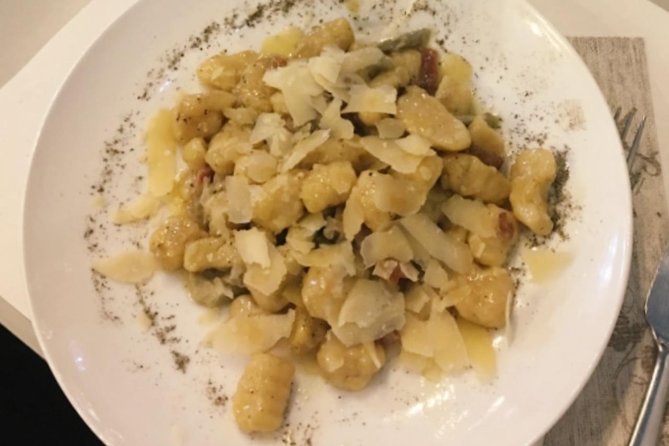
- The cooking has real hands-on detail: Past sessions included artichokes, rolled gnocchi, and ciabelline cookies.
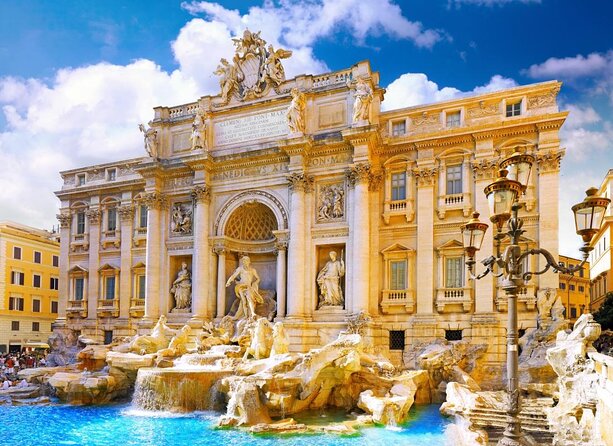
- The route covers major landmarks: Expect the Spanish Steps, Trevi Fountain, Pantheon, and Piazza Navona.
- The $142.98 price buys a full experience: You receive the walk, instruction, meal, and recipes, but not an in-depth visit inside every monument.
Why this Rome combination works
Many Rome tours force you to choose between sightseeing and food. This one makes a sensible compromise. You spend the first half moving through the historic center, with a guide explaining what you are seeing. Then you sit down in a local restaurant and work with food yourself.
That change of pace matters. Rome’s center can become a blur of fountains, churches, columns, and crowded squares. A cooking lesson gives the afternoon a clear second act. Instead of ending after a few photographs, you leave with recipes and a meal you helped prepare.
The small group is one of the strongest practical features. With a limit of eight people, the guide can keep the walking commentary personal, and the kitchen should have less waiting than a large class. You still need to accept that this is a shared activity, not a private tour.
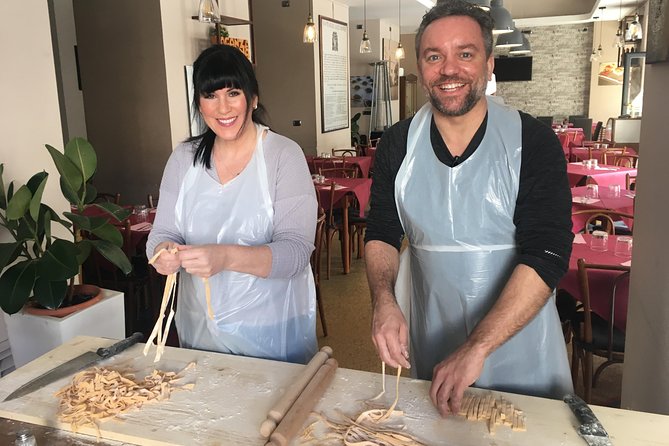
The guides named for the experience include Sara and Nina. Nina is described as especially patient and gracious, and she also translates during the cooking session with Chef Paula. That is useful because cooking instructions move quickly, especially when you are handling dough, vegetables, or several steps at once.
More Hands-On Workshops in Rome:
- 3 in 1 Cooking Class near Navona: Fettuccine, Ravioli & Tiramisu
★ 5.0 · 7,376 reviews - Rome: Pasta Making Class with Wine, Limoncello, and Dessert
★ 4.9 · 3,177 reviews - Rome Cooking Class: Make Pasta and 3 Spritz Cocktails
★ 5.0 · 2,937 reviews
Starting at Piazza Barberini
The meeting point is Piazza Barberini, a central location with easy access to public transportation. The opening presentation lasts about fifteen minutes and gives you a basic orientation to the square and its surroundings.
Piazza Barberini is a useful starting point because it puts you close to several of Rome’s major central sights without beginning at the most congested point around Trevi Fountain. You have a chance to get your bearings before the route heads toward the Spanish Steps.
Do not expect a long architectural lecture here. This opening is short and functional. It sets the scene, introduces the guide, and gets the group moving.
The Spanish Steps and their surroundings
The walk continues to the Spanish Steps, with about fifteen minutes devoted to the square, the staircase, and nearby sights. The guide covers the site’s history and curiosities, so you get context instead of only a quick photo stop.
The Spanish Steps are best understood as part of a larger Roman setting. The staircase links the lower square with the higher area around Trinità dei Monti, and the surrounding streets are part of one of the city’s most famous central zones.
Fifteen minutes is enough for an explanation and a look around, but not for a slow visit to every corner. If you want carefully composed photographs, you may need to work quickly. The advantage is that the tour does not let one stop swallow the whole afternoon.
Trevi Fountain, aqueduct remains, and coin tossing
On the way to the Trevi Fountain, the route passes ruins connected with an ancient aqueduct. That small detail helps connect the fountain to Rome’s long relationship with water, rather than treating it as an isolated photo backdrop.
The stop at the fountain is listed at only five minutes for the formal portion, followed by time to wander, take photographs, and toss coins. That distinction matters. The guide’s explanation is brief, but you are given a little space to enjoy the site on your own.
Trevi Fountain is one of Rome’s busiest sights, so a short stop can be a blessing as well as a limitation. You will see one of the city’s most famous monuments, but you should not expect a quiet, detailed visit. Keep your belongings close and stay aware of the group’s meeting instructions.
More Walking Tours in Rome:
- Private Walking Tour of Rome and a Cooking Class
★ 5.0 · 5 reviews - Walking Tour and Cooking Class on Naxos with Local Market Visit
★ 5.0 · 126 reviews - Tokyo: Tsukiji Market Walking Tour & Sushi Cooking Class
★ 4.6 · 122 reviews - Portofino Boat and Walking Tour with Pesto Cooking & Lunch
★ 5.0 · 121 reviews
Piazza di Pietra and Hadrian’s Temple
Piazza di Pietra receives about five minutes. The guide explains the square and the remains of Hadrian’s Temple, whose surviving columns give the small piazza a powerful sense of Rome’s layered past.
This is the kind of stop that is easy to miss when you walk Rome alone. The columns sit among modern streets and buildings, and without a guide you might pass them without understanding what you are looking at.
The tradeoff is clear: the stop is short. Think of it as a sharp lesson in the street, not a museum visit or a long archaeological talk.
Santa Maria sopra Minerva and Bernini’s elephant
The route then reaches Chiesa di Santa Maria sopra Minerva, where the guide explains Bernini’s elephant and the square. The elephant sculpture is one of Rome’s more curious public works, with an ancient Egyptian obelisk carried on its back.
This stop gives the walk some variety. You are not only moving from one grand tourist sight to the next. You also get a look at the way sculpture, religion, ancient material, and Baroque design meet in Rome’s public spaces.
Again, the listed time is about five minutes. If the church is open and you want to explore inside, check with the guide before separating from the group. The scheduled experience focuses on explanation of the square and sculpture, not a long church visit.
The Pantheon and the road toward Piazza Navona
The Pantheon receives about fifteen minutes of explanation. The guide covers the building’s historical importance and its influence on Renaissance masters, giving you a reason to look beyond the famous opening in the dome.
This is one of the most valuable parts of the walking section because the Pantheon rewards context. Its scale, engineering, and later use are easier to understand when someone points out what you should notice.
The timing still keeps the visit brisk. The tour is designed to show you the Pantheon as part of a larger route, not to replace a dedicated Pantheon tour. If you have never seen it before, you may want to return later for a slower look.
The walk continues toward Piazza Navona, one of Rome’s most attractive squares. The guide provides a historical explanation, and the walking portion ends close to the piazza before the group moves on to the restaurant for cooking.
The route covers a lot of central Rome in a short period. Wear comfortable shoes and expect time on uneven city streets. The tour is not described as strenuous, and most people can take part, but the schedule favors steady movement rather than lingering at every stop.
From Roman sightseeing to Chef Paula’s kitchen
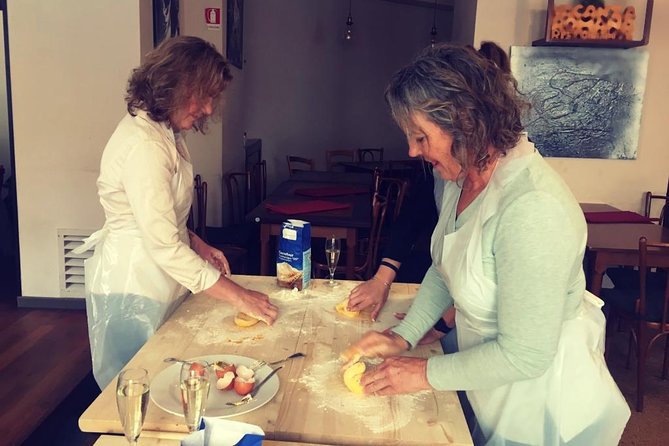
The most distinctive part of the experience begins when the group leaves the monuments and starts making food. The cooking class takes place in a local restaurant, and the meal includes an appetizer, a pasta dish, and dessert.
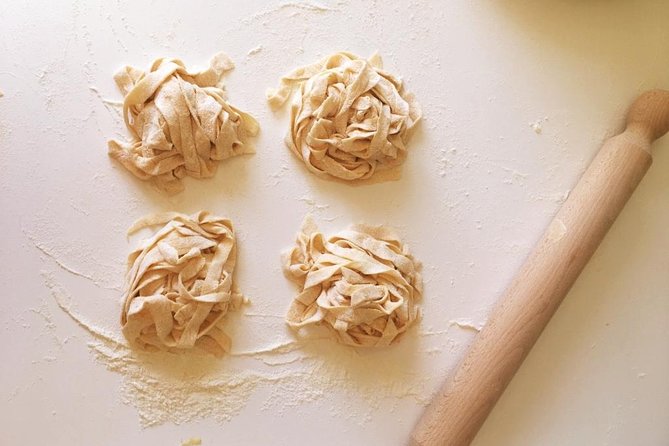
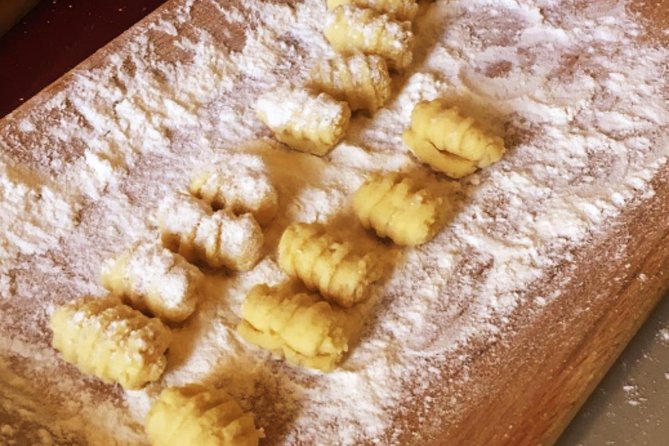
The class is not simply a demonstration. You make your own pasta from scratch, with instruction on mixing and rolling gnocchi among the featured activities. A past menu also included preparing artichokes and making ciabelline, a crunchy cookie with a licorice flavor.
That menu is worth noting because it offers more than the usual generic pasta lesson. Artichokes bring a distinctly Roman touch, while gnocchi lets you work with a different texture and technique. The ciabelline gives the class a sweet finish and a recipe that is easy to remember as unusual.
Chef Paula leads the kitchen portion, with Nina translating during at least one session. The names of the instructors matter here because a cooking class depends heavily on teaching style. You want clear instructions, patience, and enough help to keep the dough moving. The small group should help, but the experience still works best if you are willing to participate rather than watch.
The meal is part of the value. You are not paying only for a lesson and then finding your own dinner. The food you prepare becomes the centerpiece of the experience, along with an appetizer and dessert.
What the $142.98 price includes
At $142.98 per person, this is not a budget walking tour. It makes more sense when you count the parts: roughly four hours, a guided visit to several major central sights, a cooking class, a meal, and recipes for the dishes you prepare.
I would compare it with the cost of booking a separate Rome walking tour and a separate pasta class. The combined format saves you from arranging two activities and gives the afternoon a stronger flow. You also get a group capped at eight, which is important for a hands-on lesson.
The value is weaker if your main goal is detailed monument study. Several stops are only five minutes long, and even the Pantheon and Spanish Steps receive limited time. You are paying for range and variety, not exhaustive sightseeing.
The recipes improve the long-term value. A meal disappears quickly, but written instructions let you repeat parts of the experience at home. The artichoke, gnocchi, and ciabelline details also make this more memorable than a class limited to basic pasta shapes.
Who will get the most from this experience
This tour suits a first or second visit to Rome when you want a quick introduction to the historic center and a food activity in the same booking. It is also useful if you have only a few days and want to cover several famous sights without spending a full day on one museum or monument.
Families may appreciate the change from walking to cooking. One strong account describes the experience as enjoyable for an entire family, with Nina providing an informative and patient lead. The hands-on work gives younger participants something active to do, though the tour’s suitability still depends on each person’s comfort with walking and kitchen tasks.
Food-focused visitors will like the chance to prepare Roman-style dishes and receive recipes. History lovers should see it as a sampler. You will get useful explanations, but not the depth offered by a dedicated archaeological or Pantheon tour.
The experience is offered in English. Most people can participate, and the route is near public transportation. Still, ask yourself how you handle four hours that combine walking, standing, and cooking. The schedule is compact, and the group needs to stay together between stops.
Timing, meeting point, and cancellation details
The tour starts at Piazza Barberini and lasts about four hours. The stated ending point is Piazza della Rotonda, close to the Pantheon, while the walking portion ends near Piazza Navona before the restaurant session. That means you should allow time for the cooking class and not make a tight appointment immediately afterward.
The activity is booked an average of 41 days ahead, which suggests planning early if your Rome dates are fixed. Confirmation is normally issued at booking. If you book within twelve hours of departure, confirmation comes as soon as possible and depends on availability.
Free cancellation is available when you cancel at least 24 hours before the start time. Changes or cancellations inside that window are not refunded. The experience also requires a minimum number of participants, so a provider cancellation for that reason results in another date or experience, or a full refund.
Should you book this Rome walking and cooking tour?
Book it if you want a compact Rome sampler with famous squares, useful historical background, and a real cooking session in one afternoon. The group limit, named guides, and practical recipes make the experience feel more personal than a large sightseeing package.
Skip it if your priority is spending serious time inside the Pantheon, studying ancient sites, or taking unhurried photographs at every stop. The walking route moves quickly.
For most people with limited time, the combination is the point. You see the Spanish Steps, Trevi Fountain, Pantheon, and Piazza Navona, then trade city streets for a kitchen and make food with your own hands. At this price, that mix is worthwhile if you value both Rome’s monuments and its table.
FAQ
How long does the experience last?
The experience lasts approximately four hours.
Where does the tour begin?
It begins at Piazza Barberini in Rome.
Where does the experience end?
The stated end point is Piazza della Rotonda, close to the Pantheon. The walking section ends near Piazza Navona before the cooking class.
What sights are included in the walking tour?
The route includes Piazza Barberini, the Spanish Steps, Trevi Fountain, Piazza di Pietra, Santa Maria sopra Minerva, the Pantheon, and Piazza Navona.
Is the cooking class hands-on?
Yes. You make fresh pasta from scratch and take part in preparing the dishes.
What food may be prepared during the class?
The experience includes an appetizer, a pasta dish, and dessert. The cooking activities have included artichokes, gnocchi, and ciabelline cookies.
Who leads the cooking class?
Chef Paula leads the cooking session. Nina has provided translation during the class.
How large is the group?
The group has a maximum of eight participants.
Is the tour offered in English?
Yes. The experience is offered in English.
What is the cancellation policy?
You can cancel at least 24 hours before the start time for a full refund. Cancellations or changes made less than 24 hours before the start time are not refunded.
Just added around Rome
- Rome Trastevere: Tiramisù & Gelato Class with Savoiardo Baking★ 5.0 · 14 reviews
- Authentic Pasta and Tiramisù cooking class at spanish steps★ 4.5 · 14 reviews
- Rome For Kids: Small Group Pizza Making Class★ 4.5 · 49 reviews
- Rome: Pasta Cooking Class, Dinner & Wine in Authentic Restaurant★ 5.0 · 38 reviews
- Rome Cooking Class★ 5.0 · 4 reviews
- Rome: Private Cooking Class with Market Shopping Tour★ 5.0 · 3 reviews
- Devour Rome Wine & Pizza Making Class in Trastevere Neighborhood★ 5.0 · 75 reviews
- Roma Foodie Experience: Cooking Class★ 5.0 · 16 reviews
Cooking Classes, compared.
Half-Day Thai Cooking Class at Organic Farm in Chiang Mai
Read our review →
Florence: Pasta Cooking Class with Unlimited Wine
Read our review →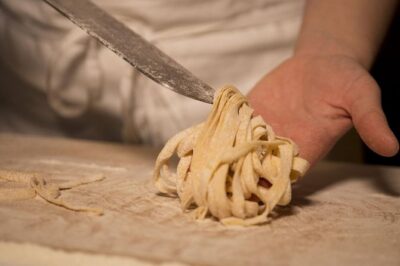
3 in 1 Cooking Class near Navona: Fettuccine, Ravioli & Tiramisu
Read our review →
Hanoi Cooking Class: Culture, Local Market & Meaning CSR Impact
Read our review →
5 Traditional Dishes Hanoi Cooking Class with Market Trip
Read our review →
Cooking Class and Lunch at a Tuscan Farmhouse with Local Market Tour from Florence
Read our review →
Chiang Mai: Cooking Class, Market & Thai Herbs Garden Tour
Read our review →Browse the lists this tour appears in