Review · UBUD
Jambangan bali cooking class with morning market tour
The best part of this experience is that the cooking starts before you reach the kitchen. You visit a morning market, choose herbs, spices, vegetables, and meat, then walk through rice fields and a village before cooking in a Balinese family home. I like the market-to-table format and the chance to see ordinary village life rather than only a restaurant kitchen.
I also like that Putu and his family make the class personal. You may see coconut oil processing, learn about daily offerings, and receive recipes and a certificate to take home. The main consideration is the early start and warm outdoor conditions, plus an extra transport charge if your hotel is outside the Ubud pickup area.
Key points to know
- Market shopping comes first: The morning class includes a visit to choose fresh ingredients with your cooking team.
- Putu and his family host you: The class takes place at a Balinese home in Kelabang Moding village.
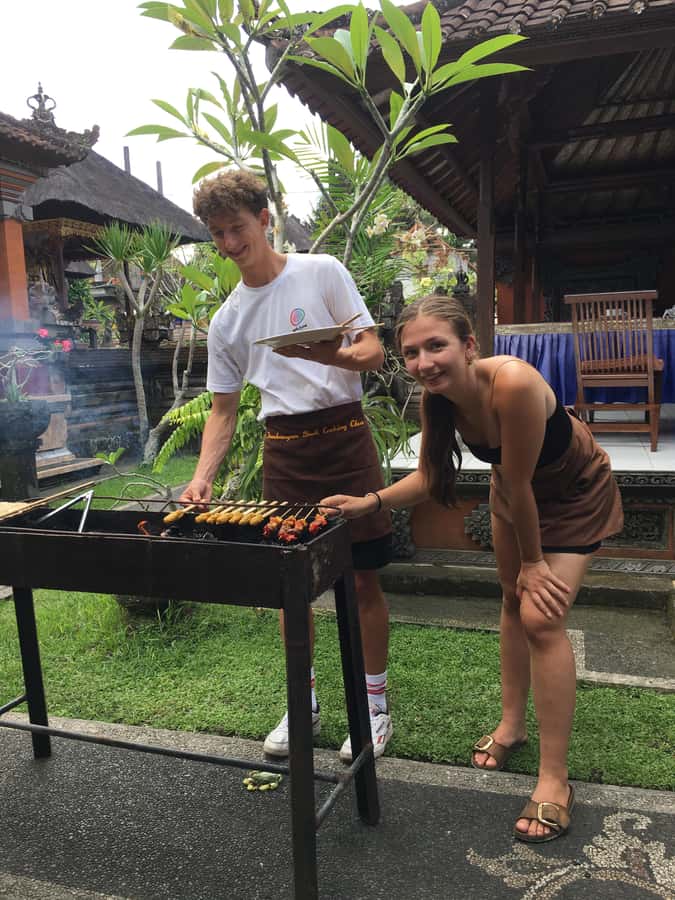
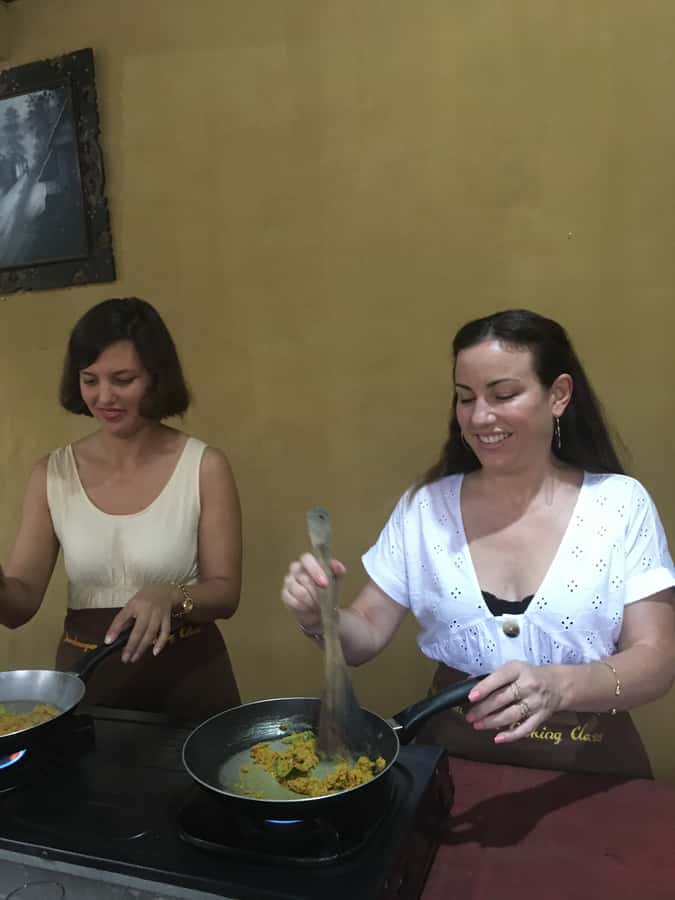
- Cooking is genuinely hands-on: You prepare the recipes yourself, then eat the finished meal.
- The village visit adds context: Expect rice fields, a village temple, a school, farmers at work, and traditional household life.
- You get useful takeaways: Recipes and a certificate are included, so the class continues after Bali.
- The price is modest: At $27 per person for 270 minutes, this offers a lot of activity for the money, though transport outside Ubud costs extra.
A morning that begins at the market
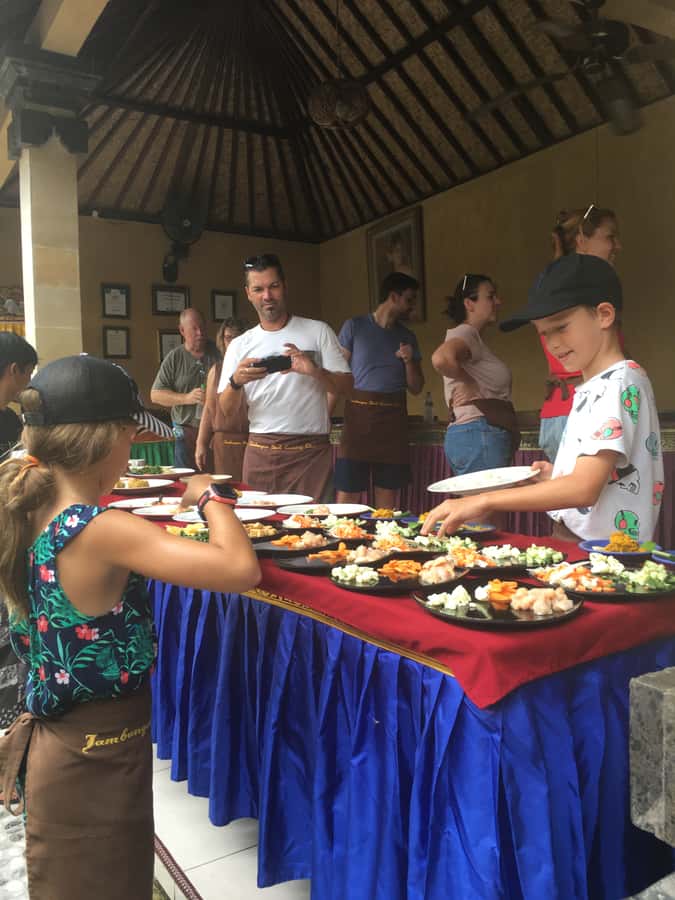
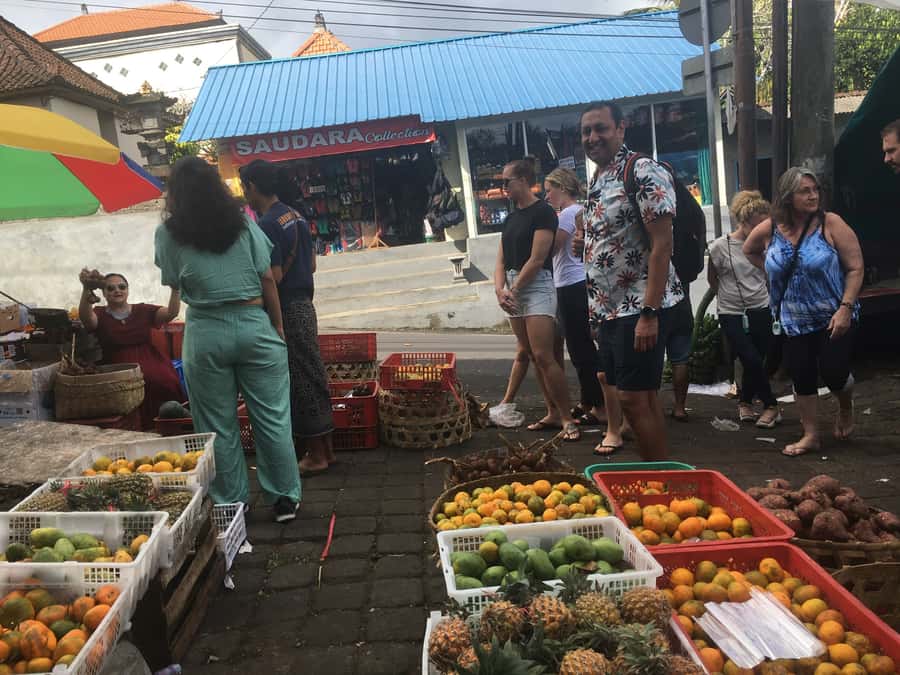
The day begins early, which is a good thing here. A morning market is at its best before the heat builds, and the ingredients are part of the lesson. You can select fresh herbs and spices, crisp vegetables, and cuts of meat before heading back to the village kitchen.
That small act of choosing food matters. Instead of seeing ingredients only after they have been chopped and arranged, you get a clearer sense of how Balinese cooking begins. You can look, smell, compare, and ask questions in English as you shop.
The market visit is included with the morning class, not every possible class time. If seeing the market is one of your main reasons for booking, check that you have selected the morning option and confirm the start time when you reserve.
Bring a camera if you enjoy food photography or local scenes. Bring cash as well, since it is listed among the useful things to have with you. You should also wear clothing suited to warm conditions and walking, although the activity information does not specify a dress code.
More Market Tour Cooking Classes in Indonesia
- Ubud: Cooking Class with Transfers and Optional Market Visit
★ 4.9 · 824 reviews - Balinese Ubud cooking school (9 Dish Cooking and Market Tour)
★ 5.0 · 540 reviews - Ubud: Balinese Cooking Class and Market Tour
★ 4.8 · 531 reviews
Rice fields and the daily rhythm of Kelabang Moding
After the market, the experience continues around Kelabang Moding village. You can see rice fields and watch rice farmers carrying out their daily work. There is also an opportunity to speak with local farmers, giving you a better view of the work behind one of Bali’s most important foods.
This part is not a long sightseeing tour with a list of monuments. Its value is quieter. You are seeing how food, farming, religion, and village life fit together before sitting down to cook.
The route also includes a look at village temples and a school. Those stops help place the cooking class in a real neighborhood rather than treating Balinese food as an isolated craft. You are not simply learning a recipe. You are seeing some of the setting in which that food is prepared and shared.
The outdoor portion does mean you should plan for heat. One participant specifically appreciated being supplied with plenty of water, so staying hydrated should not be difficult during the class, but you will still want practical footwear and sun protection.
Entering a Balinese family home
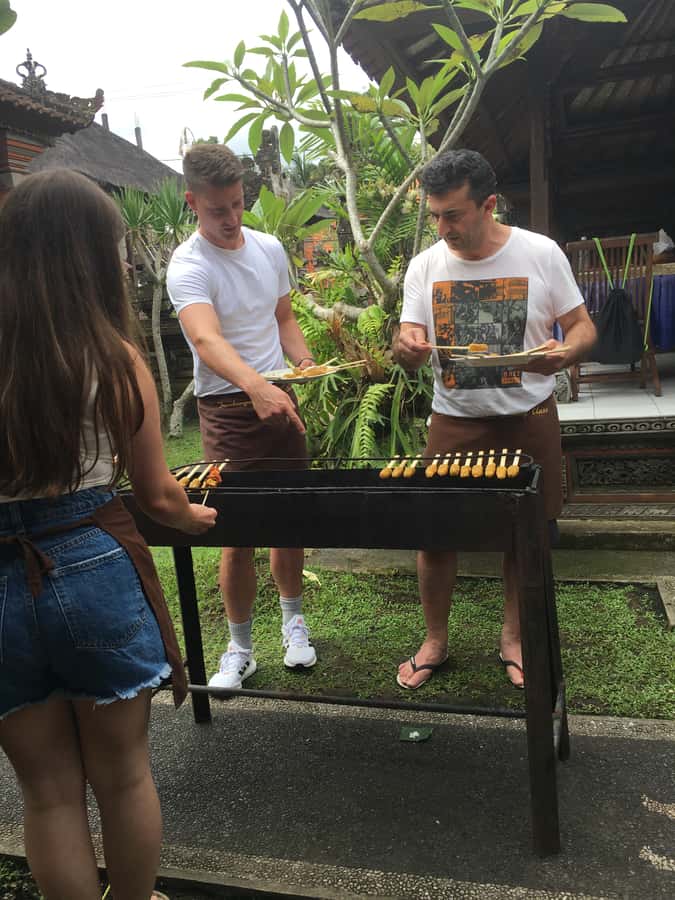
The cooking takes place at a Balinese home, where you are welcomed by Putu and his family. This is one of the more distinctive parts of the experience. A cooking school in a commercial building can teach technique, but a home setting gives you a glimpse of family life and household traditions.
You may see the layout of a traditional Balinese home and hear about how the family uses the space. The activity also includes a look at coconut oil processing, an unusual detail that adds another layer to the food lesson.
The home setting has a practical upside: the meal feels connected to the place where you have been welcomed. You are not just preparing food for a demonstration. You are cooking in a setting tied to the host family’s daily life.
The tradeoff is that a home class may feel less polished than a large professional culinary school. That is not necessarily a flaw. If you want a formal studio, printed workstations, and a restaurant-style teaching setup, this may feel simple. If you prefer a small-group setting and personal contact, the simplicity is part of the appeal.
Making a daily offering
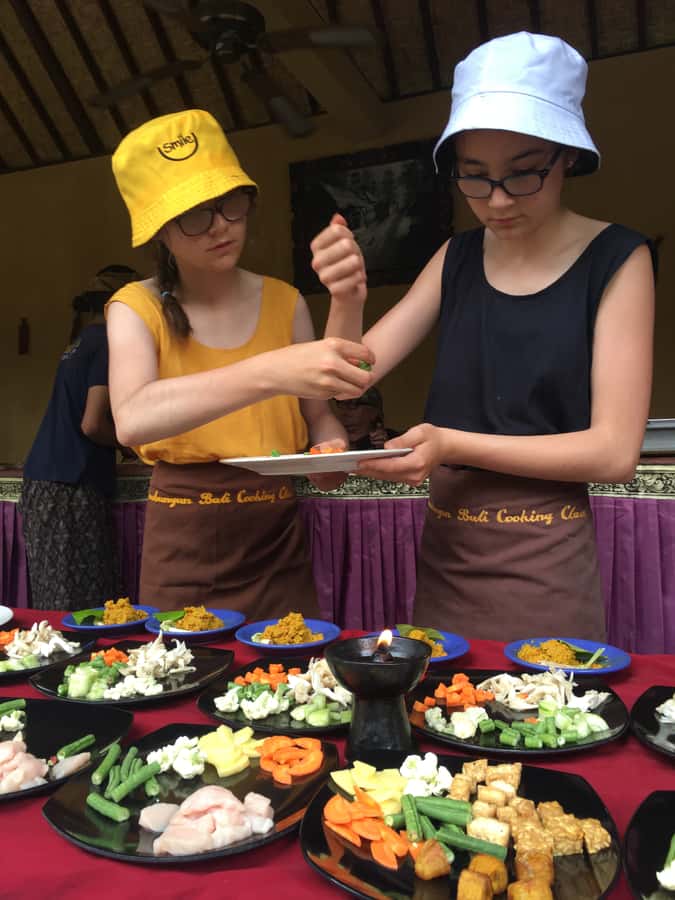
The cultural portion includes making a daily offering. This is a useful addition because it shows that Balinese life includes more than food and scenery. Religious practice is part of the household routine, and the activity lets you take part in a small, guided tradition.
You should approach this respectfully and listen carefully to the instructions. The experience is designed as an interactive introduction, not as a substitute for a religious education course. Still, this brief activity can help you understand why small offerings appear in many parts of Bali.
Along with the offering, you will hear about Balinese culture and family life from English-speaking Balinese chefs. The language arrangement is straightforward: instruction is in English, and the teachers are described as fully conversant with Balinese cuisine and culture.
More Market Tour Cooking Classes in Ubud
- Balinese Cooking class with traditional morning market visit
★ 5.0 · 161 reviews - Balinese cooking class/Go shopping at the market, cook, eat
★ 5.0 · 12 reviews
Cooking the recipes yourself
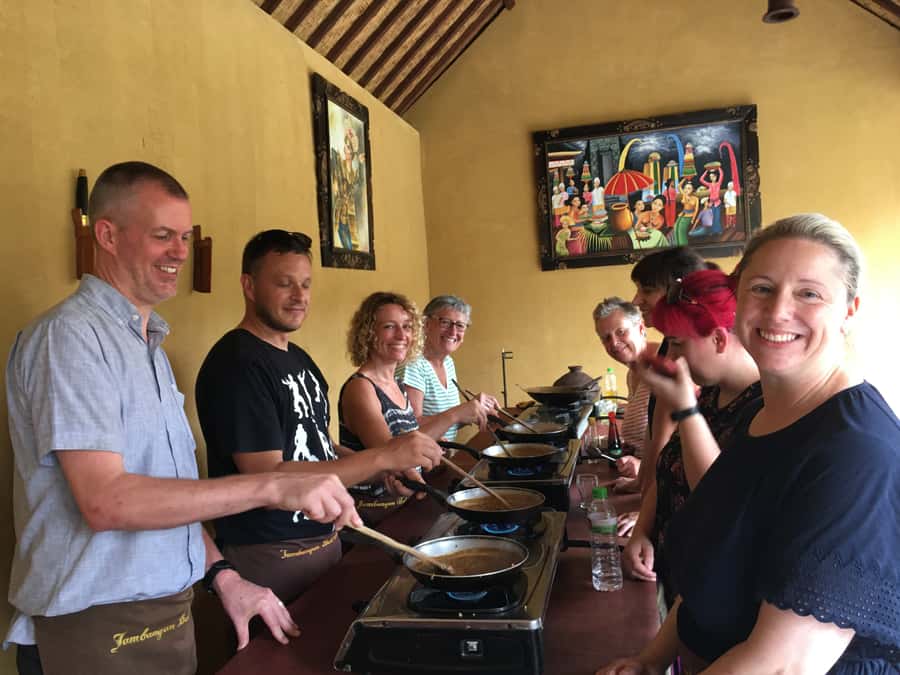
The central lesson is hands-on. The recipes are made by you, with guidance from the cooking team. That makes the class more useful than a demonstration where you watch someone else do all the work.
You can expect to handle the ingredients selected during the morning market visit and follow traditional Balinese techniques. The supplied information does not name the exact dishes, so you should not book expecting a particular recipe. Instead, think of this as a chance to learn the methods and flavors chosen for the day.
That uncertainty can be a small drawback for serious food planners. If you have allergies, dietary restrictions, or a strong preference for vegetarian or meat dishes, ask before booking. The activity specifically mentions meat among the market ingredients, but it does not state what substitutions are available.
The class runs for 270 minutes, or four and a half hours. That gives enough time for the market, village sights, home visit, cultural activities, cooking, and meal without reducing everything to a rushed demonstration. It is a substantial half-day, so avoid scheduling another demanding activity immediately afterward.
Eating the food you prepare
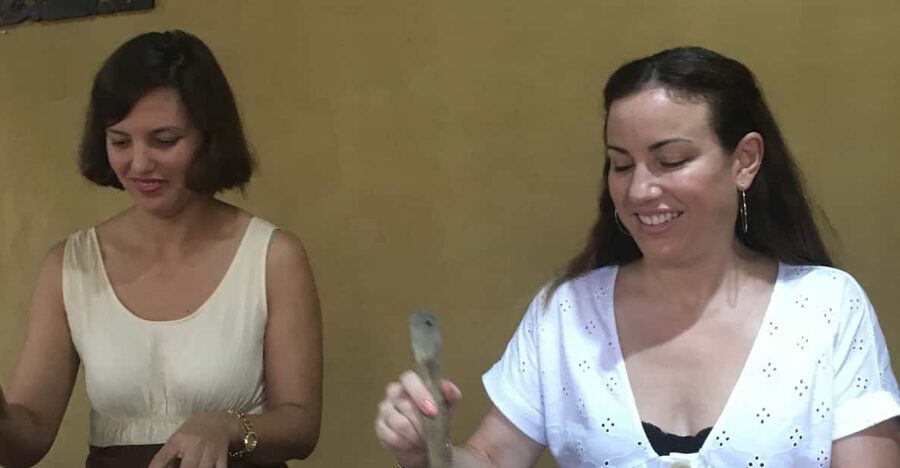
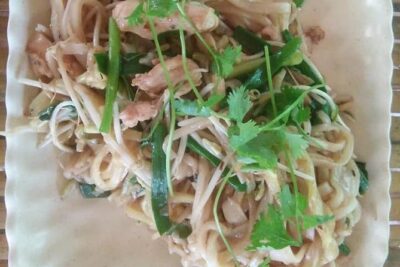
Once the cooking is finished, you eat the meal you have made. Lunch and dinner are served in the hosts’ warung and garden, giving you a relaxed place to enjoy the results.
This is where the class earns its keep. You get to taste the food while the process is still fresh in your mind. When you later try the recipes at home, you will have a clearer memory of the ingredients and techniques because you prepared and ate them on the same day.
The meal is included as part of the cooking experience. Beer is not included, and the activity specifically warns that expensive items are not covered. That wording is not very precise, so I would treat alcoholic drinks and any personal purchases as extra and carry some cash.
The food receives especially strong praise, along with the warmth of the hosts. That combination is important. A cooking class needs more than tasty results. You also want patient instruction and a setting where you feel comfortable asking questions. The small-group format helps with that, though the exact maximum group size is not provided.
What makes the $27 price worthwhile
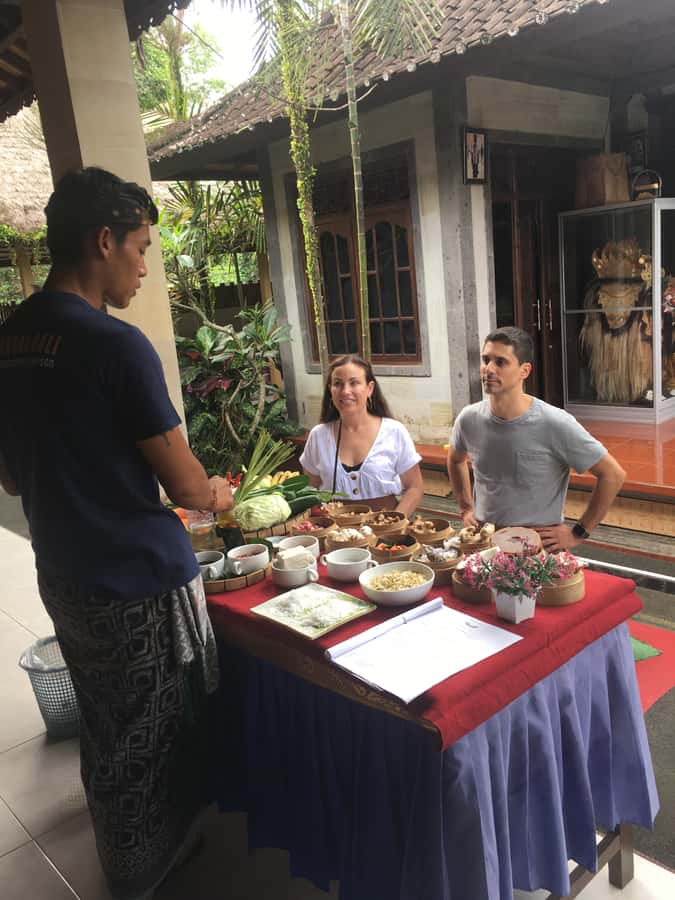
At $27 per person, this is a strong-value half-day for visitors staying in or near Ubud. You are paying for far more than a cooking demonstration: hotel pickup and drop-off in the Ubud area, a market visit, rice fields, a village walk, a home visit, cultural activities, cooking instruction, a meal, recipes, and a certificate.
The value is strongest if you want several kinds of experience in one morning. You get food, local contact, a little walking, and a look at rural life without arranging each part separately.
The price is less simple if you are staying outside Ubud. Transport beyond the Ubud area can cost extra, depending on your hotel location. Ask about the supplement before you commit, since an inexpensive class can become less of a bargain after a long transfer.
Pickup is included for Ubud-area hotels. Wait in the hotel lobby 10 minutes before the scheduled time. The driver will look for your name. That small step matters in Bali, where hotel entrances and pickup points can be busy or spread out.
Transport receives a 95 percent perfect score from the available rating information, which supports the idea that the pickup system generally works well. Still, give yourself a little time in the lobby rather than arriving at the last second.
Who will enjoy this class most
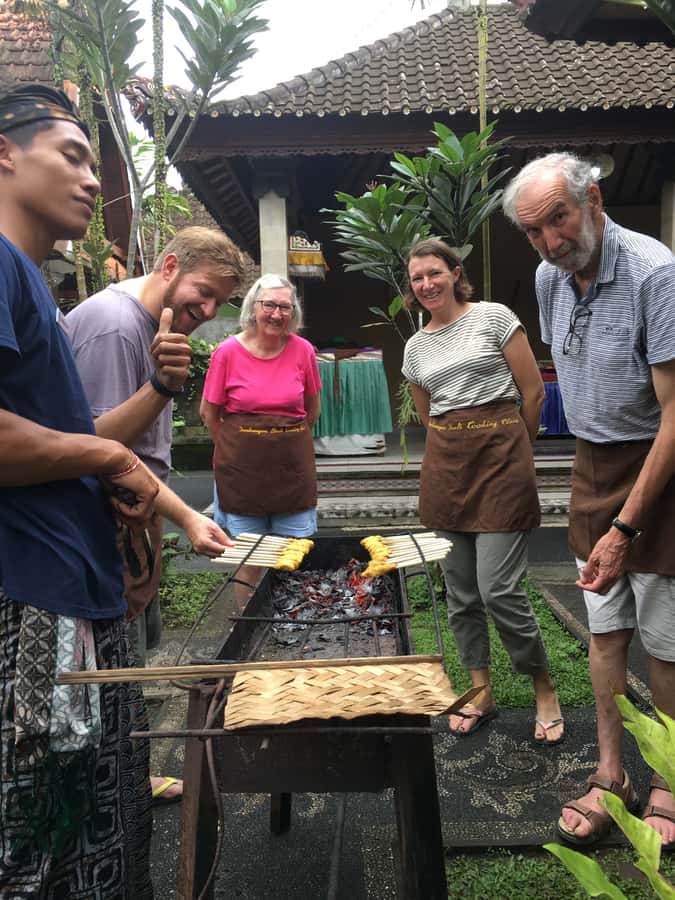
I would recommend this to you if food is one of your main ways of understanding a place. It suits curious first-time visitors to Bali, couples, families, and small groups who want more contact with local life than a restaurant meal provides.
It is also a good choice if you prefer participation over watching. You will shop, walk, make an offering, prepare food, and eat it. The class gives you several ways to take part, so it should not feel like four and a half hours of sitting at a counter.
The experience is conducted in English, making it practical for English-speaking visitors. It is also listed as wheelchair accessible, though the activity includes a market, rice fields, a village area, and a traditional home. If you use a wheelchair, ask the provider for current details about surfaces, steps, and access between stops before booking.
You should think twice if you dislike early starts, outdoor heat, or informal home settings. This is not a quick indoor cooking lesson. It is a morning outing with walking and cultural activities before the meal.
The activity is listed as unsuitable for people with altitude sickness and for people over 95 years old. Bali’s Ubud area is not a high-altitude destination in the usual sense, but those restrictions are part of the booking information and should be taken seriously.
Useful planning notes before you book
Free cancellation is available up to 24 hours before the activity for a full refund. You can also reserve now and pay later, which helps if your Bali schedule is still changing.
The pickup area is limited to Ubud for the included service. If your hotel lies elsewhere, check the added transport cost and the exact pickup arrangement. Keep your phone available and wait in the lobby 10 minutes early.
Bring a camera and cash. Water is provided during the activity, but carrying personal sun protection is sensible for the market and rice-field sections. Comfortable walking shoes are more useful than dress shoes, especially if the ground is uneven.
The exact menu is not provided, so contact the provider before booking if you need a specific diet or ingredient plan. The class is held at a Balinese home, and that should guide your expectations: come ready for a personal, practical experience rather than a polished cooking studio.
Should you book the Jambangan Bali cooking class?
Book it if you want a small-group, home-based cooking experience that includes more than recipes. The market, rice fields, village temple, school, coconut oil processing, daily offering, and family setting give the class a wider purpose. You leave with food in your stomach, recipes in your bag, and a better sense of how cooking fits into Balinese life.
At $27, the combination is hard to fault for value, especially with Ubud pickup included. The main reasons to hesitate are the early start, heat, possible extra transport costs, and the lack of a stated menu. For most food-focused visitors staying in Ubud, I would make this a strong candidate for one of your Bali mornings.
FAQ
How long does the Jambangan Bali cooking class last?
The activity lasts 270 minutes, which is four and a half hours.
Is hotel pickup included?
Free pickup and drop-off are included for hotels in the Ubud area. Transport outside Ubud may cost extra depending on your hotel location.
What time does the class start?
This is a morning class, but the exact starting time varies. Check availability when booking.
Is the market tour included?
The market tour is included with the morning class. You visit the market to choose herbs, spices, vegetables, and meat.
What language is the class taught in?
The class is conducted in English by Balinese chefs.
What will I see besides the cooking lesson?
The activity includes a morning market, rice fields, local farmers, village temples, a school, a Balinese home, coconut oil processing, and making a daily offering.
Do I eat the food I prepare?
Yes. You eat the recipes you make for the meal in the hosts’ warung and garden.
What should I bring?
Bring a camera and cash. You should also be ready for outdoor walking and warm conditions.
More Hands-On Workshops in Ubud
- Ubud Cooking Class Bali with Balinese Chef
★ 5.0 · 1,609 reviews - PRIVATE Authentic Balinese Cooking Class in Ubud at Putu’s Home
★ 5.0 · 644 reviews - Balinese Farm Cooking Class by Pemulan Bali
★ 5.0 · 410 reviews - Balinese Authentic Cooking Class in Ubud
★ 5.0 · 239 reviews
More Shopping Trips in Ubud
- Hanoi Cooking Class: Culture, Local Market & Meaning CSR Impact
★ 5.0 · 5,147 reviews - 5 Traditional Dishes Hanoi Cooking Class with Market Trip
★ 5.0 · 4,890 reviews - Cooking Class and Lunch at a Tuscan Farmhouse with Local Market Tour from Florence
★ 5.0 · 4,831 reviews - Chiang Mai: Cooking Class, Market & Thai Herbs Garden Tour
★ 4.9 · 4,824 reviews
Just added around Ubud
- Balinese cooking class/Go shopping at the market, cook, eat★ 5.0 · 12 reviews
- Ubud: Balinese Cooking Class with Hotel Transfers★ 4.8 · 17 reviews
- Balinese Cooking class with traditional morning market visit★ 5.0 · 161 reviews
- Balinese Cooking Class at Organic Farm★ 5.0 · 51 reviews
- Small-Group Farm Tour & Balinese Cooking Class in Ubud with Kadek★ 5.0 · 16 reviews
- From Ubud: Authentic Bali Farm Cooking School & Organic Farm★ 5.0 · 122 reviews
- PRIVATE Balinese Cooking Class in Ubud with Dewa with Transfers★ 5.0 · 213 reviews
- Balinese Authentic Cooking Class in Ubud★ 5.0 · 239 reviews
Cooking Classes with a Market Tour, compared.
Hanoi Cooking Class: Culture, Local Market & Meaning CSR Impact
Read our review →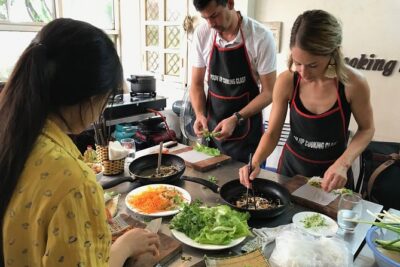
5 Traditional Dishes Hanoi Cooking Class with Market Trip
Read our review →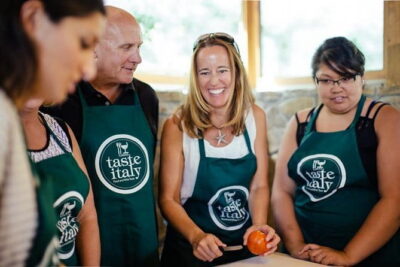
Cooking Class and Lunch at a Tuscan Farmhouse with Local Market Tour from Florence
Read our review →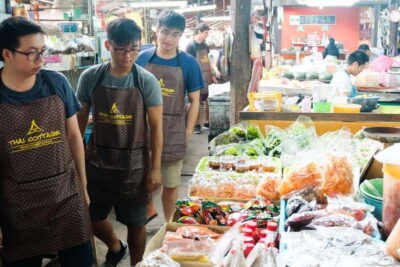
Chiang Mai: Cooking Class, Market & Thai Herbs Garden Tour
Read our review →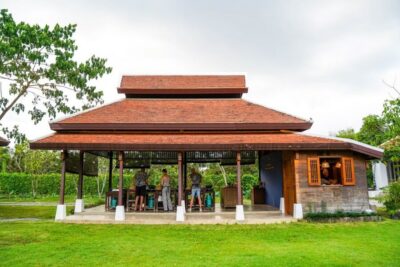
Chiang Mai: Authentic Cooking Class with Market & Farm Visit
Read our review →
Barcelona: Paella Cooking Experience & Boqueria Market Tour
Read our review →
Cooking Class Hoi An:Local Market, Basket Boat, Fishing & Cooking
Read our review →