
Review · COOKING CLASSES
Market Tour and Traditional Kenyan Cooking Class in Nairobi
The best part of this Nairobi experience happens before the cooking begins. You meet at K Mall Komarock, visit a local market for fresh supplies, then carry those ingredients into a Kenyan home kitchen. The market stop gives the meal a real local setting, while the home visit shows you how everyday food is prepared.
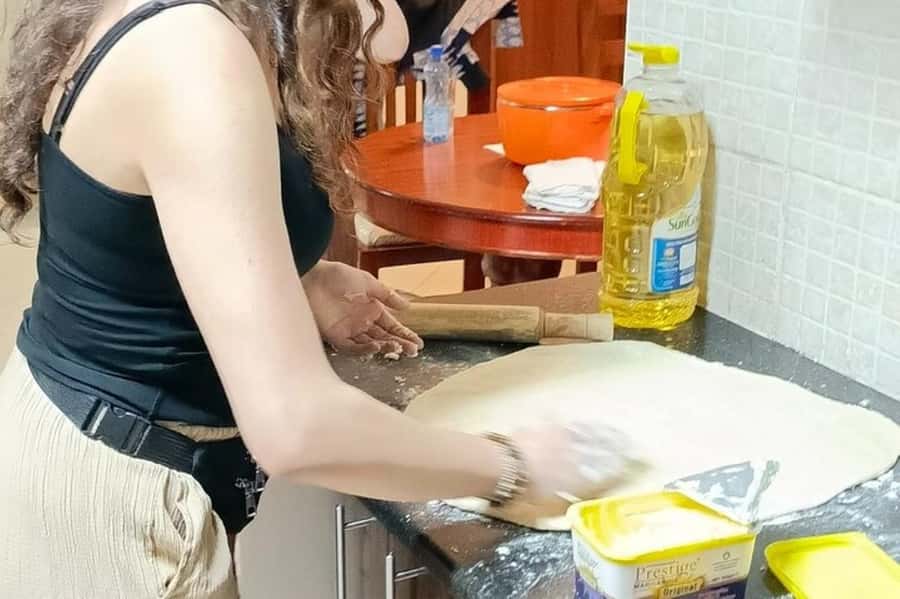
I like the private format and the chance to help make chapati, ugali, pilau, or curry rather than simply watching a demonstration. I also like that Evaline Mbugua, known as Mary Evelyn in some arrangements, gives personal guidance in English or Swahili. The main consideration is space: the kitchen is small, so the host does most of the cooking and your hands-on time may be limited.
Key points at a glance
- K Mall Komarock meeting point: You meet at the parking lot before heading to the local market.
- Fresh market shopping: You help source the ingredients used for the meal.
- Private four-hour format: Your party receives a more personal session than a large cooking class.
- Kenyan and Indian influences: The menu can include ugali, chapati, pilau, and curries.
- Small home kitchen: You can help prepare food, but the host handles much of the cooking because of limited space.
- Food and drinks included: The price covers the meal, fruit, soda, water, and transport to and from the market.
From K Mall Komarock to the local market
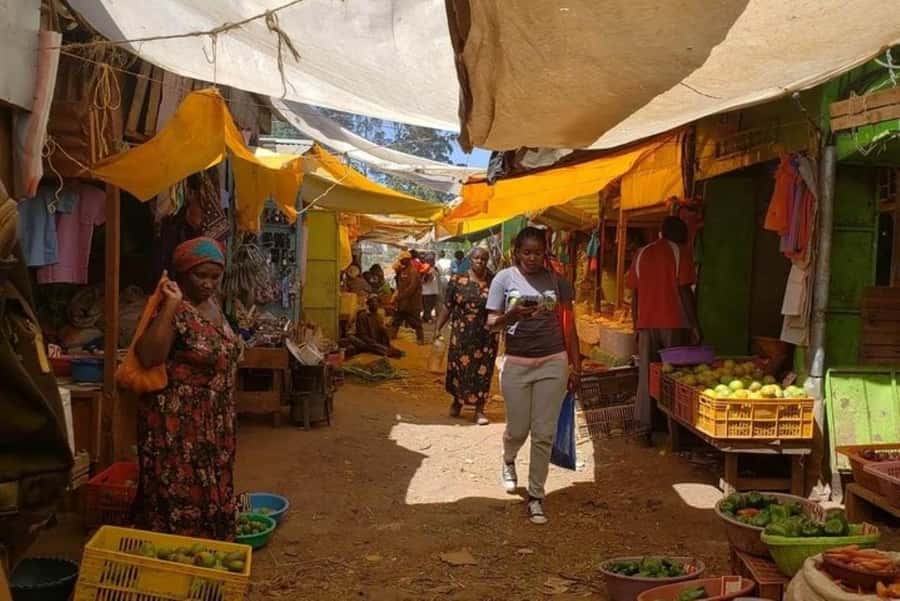
Your meeting point is the K Mall Komarock parking lot. From there, the experience moves to a local market, where you help buy the food for the cooking session.
This is more useful than a quick photo stop. You see the ingredients as everyday goods, not as items already measured and waiting on a counter. The market gives you a first look at food shopping in Nairobi and helps explain what later appears in the meal.
The description identifies the supplies as fresh and organic. Exact products can vary, so I would not expect a fixed shopping list. You may find ingredients suited to ugali, chapati, pilau, or a curry, depending on the meal planned for your session.
The market visit also gives you a chance to ask questions about Kenyan cooking. If you are curious about how a dish begins, this is the point to ask. A private group makes that easier than standing behind several other people in a busy class.
Transport to and from the market is included. Uber fees are not included, so plan for your own Uber costs if you use that service to reach or leave the meeting point. The information provided does not specify transport from the market to the host’s home, so it is sensible to confirm that detail when booking.
More Market Tour Cooking Classes in the world:
- Hanoi Cooking Class: Culture, Local Market & Meaning CSR Impact
★ 5.0 · 5,147 reviews - 5 Traditional Dishes Hanoi Cooking Class with Market Trip
★ 5.0 · 4,890 reviews - Cooking Class and Lunch at a Tuscan Farmhouse with Local Market Tour from Florence
★ 5.0 · 4,831 reviews
A private kitchen lesson with Evaline Mbugua
After shopping, you go to the host’s home and begin preparing the meal from scratch. Evaline Mbugua leads the session, with English and Swahili available.
The format is intimate. This is a private experience for your party, not a large class with strangers. That matters if you want to ask direct questions, set the pace around your group, or spend more time talking about food and daily life.
The cooking is presented as a lesson, but it is not a fully hands-on professional kitchen class. The host’s kitchen is small, and she does most of the cooking because of the limited space. You still help with preparation and cooking, but you should arrive expecting a guided home meal rather than a station where every person cooks a separate dish.
That arrangement has a good side. You can watch closely as the host manages the meal in the way she normally would at home. It also has a clear limitation: if you want to spend all four hours chopping, stirring, and cooking independently, this may feel less active than expected.
Ugali, chapati, pilau, and curry
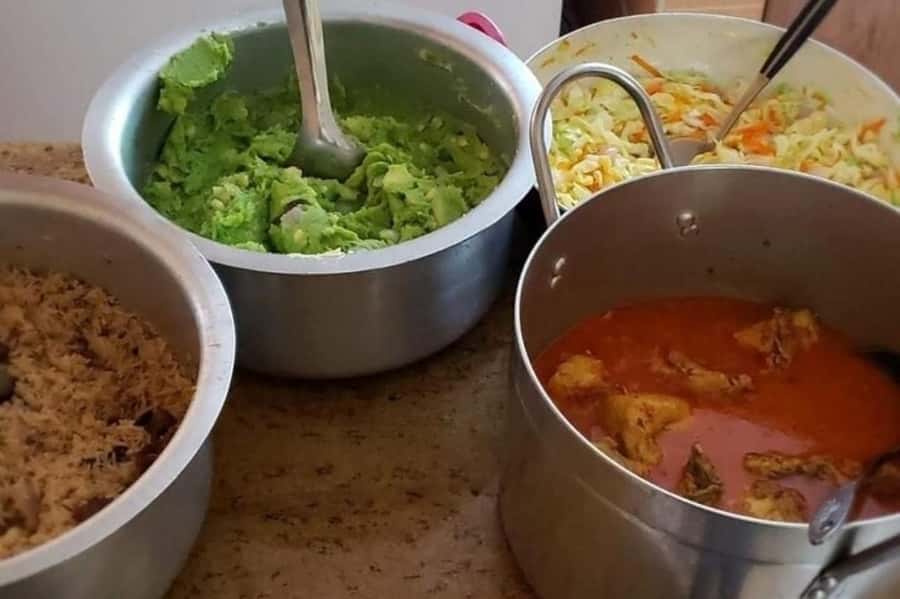
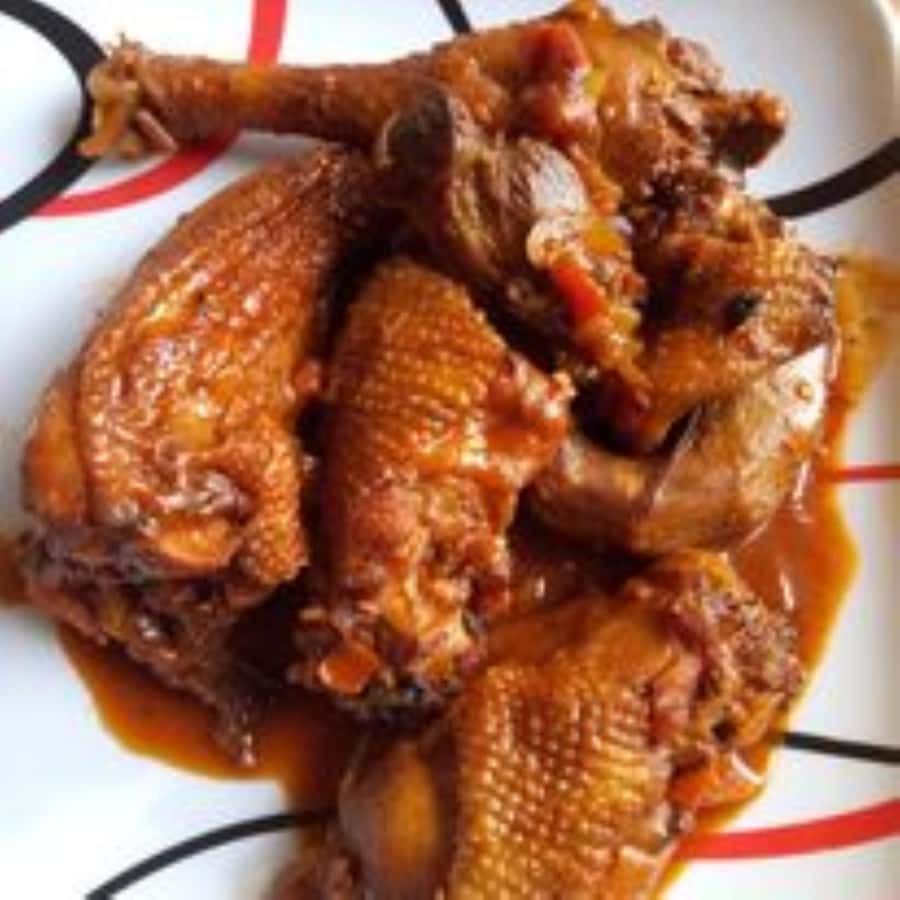
The meal combines Kenyan home cooking with Indian influences. Possible dishes include ugali, chapati, pilau, and curries.
Ugali is a firm cornmeal dish and an important part of many Kenyan meals. Here, you get to see how it is prepared rather than meeting it only as a finished side dish. Chapati brings a different technique, with the focus on preparing a soft, flat bread. The host can show you how the dough is handled and how the bread is made.
Pilau and curry add the Indian-influenced side of the menu. The information does not promise every dish at every session, so ask what your group will prepare if you have a particular food in mind.
I like this mix because it gives you more than one idea of Kenyan food. You see a staple made from cornmeal, a popular flatbread, a seasoned rice dish, and curry-style cooking. The meal is not presented as a restaurant tasting menu. It is closer to a home table, where several familiar dishes share the same meal.
Food, fruit, soda, and water are included. That makes the $55 price easier to assess, since you are paying for the market visit, instruction, ingredients, the prepared meal, and drinks rather than only for a cooking demonstration.
What the small kitchen means for your experience
The most important practical detail is the limited kitchen space. One account of the experience describes the host preparing very good food in a very small kitchen, while the visitors helped with the cooking. That paints a useful picture: the setting is personal and genuine, but it is not designed like a cooking school.
You may sit or work close to the host while she prepares the food. One description even recalls preparing food together on the sofa and talking about personal life. That suggests the social side can be as important as the recipes.
I would treat this as a conversation-led food experience. You will learn through watching, helping where there is room, and asking questions. The host may take over tasks that need more counter space or heat. That is not a flaw if your aim is to see home cooking in practice. It is a drawback if your main goal is technical training.
The small kitchen also keeps the session grounded. You are not being shown a polished restaurant production line. You are seeing how a host works with the space and tools available at home. For many people, that is the most memorable part.
More Shopping Trips in the world:
- Chiang Mai: Cooking Class, Market & Thai Herbs Garden Tour
★ 4.9 · 4,824 reviews - Chiang Mai: Authentic Cooking Class with Market & Farm Visit
★ 4.9 · 4,546 reviews - Barcelona: Paella Cooking Experience & Boqueria Market Tour
★ 4.8 · 3,661 reviews - Cooking Class Hoi An:Local Market, Basket Boat, Fishing & Cooking
★ 5.0 · 3,660 reviews
The value of four hours and $55
At $55 per person, this is priced above a simple meal and below many private food experiences. The value depends on how much you want from the full package.
You receive a four-hour experience with a market visit, ingredients, food, drinks, transport to and from the market, and private instruction. You also get access to a host’s home and a chance to talk about Kenyan culture through food. If you value personal contact and a local setting, the price is reasonable.
The value is weaker for someone who wants a long, highly technical cooking course. Because the kitchen is small, the host does most of the cooking. You are paying for the combination of market context, home hospitality, food, and instruction, not for four hours of individual use of a cooking station.
The private format helps justify the cost. A large class might offer more equipment and more room to cook, but it would not give your party the same direct setting. For couples, families, or a small group that wants a quiet cultural activity, the price can make sense.
The session lasts four hours, though starting times depend on availability. That is long enough for the market visit, preparation, cooking, eating, and conversation without turning the activity into an all-day commitment.
A closer look at the cultural side
The food is the entry point, but the wider subject is daily life in Kenya. A market shows you how ingredients are bought. A home shows you how those ingredients become a shared meal. The guide’s explanations connect the two.
You can ask about the dishes as they are prepared and learn how Kenyan and Indian influences meet in the menu. The experience does not promise a formal lecture on food history, so expect information to come through conversation and demonstration.
That informal style is a strength for me. A guide can explain why a certain dish matters while working, instead of separating culture from the meal. You may also have time to talk about yourselves. The personal exchange is part of what makes this different from eating at a restaurant.
The activity has received a high overall rating of 4.8 from six ratings, with especially strong praise for the authentic market visit, the kindness of Mary Evelyn, the cultural learning, and the food. Those points match the design of the experience: you are not only shown a finished plate, you follow it from market to home kitchen to table.
Who will enjoy this experience most
I would recommend this for you if you want a personal introduction to Nairobi food and do not need a formal cooking school setup. It suits people who enjoy conversation, local markets, and learning by watching and helping.
It is also a good choice for:
- Couples looking for a private cultural activity
- Families who want a food-based experience
- Small groups interested in Kenyan and Indian-influenced dishes
- Home cooks who want ideas for ugali, chapati, pilau, or curry
- First-time visitors who want contact with ordinary food shopping and home cooking
I would be more cautious if you need a fully accessible, equipment-heavy kitchen class. The supplied information does not give accessibility details, kitchen dimensions, or a fixed menu. It also does not promise that every listed dish will be prepared at every session.
If you have food allergies, dietary restrictions, or a dish you particularly want to make, ask before booking. The information confirms the general types of food, but it does not state that substitutions are available.
Booking details worth checking
The experience is offered as a private group with a live guide in English or Swahili. You can reserve and pay later, which keeps the booking flexible.
Free cancellation is available up to 24 hours before the activity for a full refund. Starting times vary, so check availability for the date you want.
Use K Mall Komarock parking lot as the meeting point. Uber fees are excluded. Since the description clearly includes transport to and from the market but is less specific about every transfer after that, confirm the route from the market to the host’s home and back before the day begins.
I would also confirm the likely menu and how much hands-on work your group can expect. Those two questions will tell you if the session fits your idea of a cooking class.
Should you book this Nairobi cooking class?
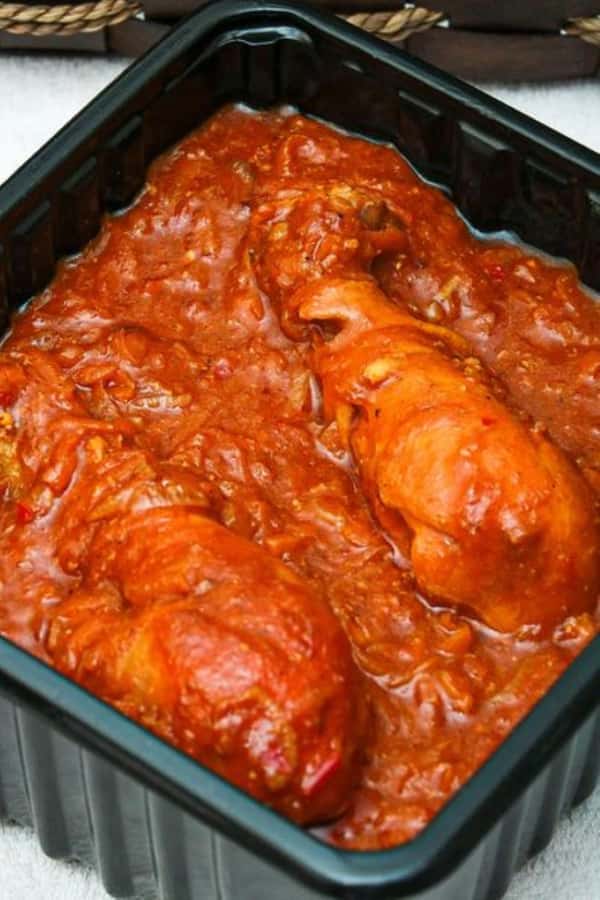
Book it if you want food to open a door into ordinary Nairobi life. The market visit, private home setting, and personal guidance from Evaline Mbugua are the strongest reasons to choose it. You will eat the results, but the real value is seeing how the meal takes shape.
Skip it if you want a spacious kitchen, fixed professional recipes, or constant individual cooking time. The small home kitchen means the host handles much of the work.
For a first taste of Kenyan home cooking, I would choose this over a standard restaurant meal. You get the market, the ingredients, the cooking, and the conversation in one four-hour session. Just arrive ready to help where space allows, not expecting to run the kitchen yourself.
FAQ
Where does the experience begin?
You meet at the K Mall Komarock parking lot before proceeding to the local market.
How long does the experience last?
The activity lasts four hours.
How much does it cost?
The price is $55 per person.
Is this a private activity?
Yes. The experience is offered as a private group for your party.
Which languages are available?
The live guide can provide the experience in English or Swahili.
What food might be prepared?
The meal may include Kenyan and Indian-influenced dishes such as ugali, chapati, pilau, and curries.
Is food included in the price?
Yes. Food, fruit, soda, and water are included.
Is transport included?
Transport to and from the market is included. Uber fees are not included.
Can I cancel for a full refund?
Yes. You can cancel up to 24 hours in advance for a full refund.
More Hands-On Workshops in the world
- Half-Day Thai Cooking Class at Organic Farm in Chiang Mai
★ 5.0 · 19,087 reviews - Florence: Pasta Cooking Class with Unlimited Wine
★ 4.9 · 10,285 reviews - 3 in 1 Cooking Class near Navona: Fettuccine, Ravioli & Tiramisu
★ 5.0 · 7,376 reviews - Florence: Pasta & Tiramisu Cooking Class with Unlimited Wine
★ 4.9 · 6,708 reviews
Just added around the world
- Matera: Pasta Cooking Class Old Farmer Style in Sassi Cellar★ 5.0 · 87 reviews
- Master Washoku: 5 Core Techniques for Authentic Cooking★ 4.7 · 7 reviews
- Marrakesh: Private Cooking Class & Local Market Shopping★ 4.7 · 15 reviews
- Marrakech: Moroccan Cooking Class for vegetarians and vegan★ 4.9 · 156 reviews
- Valencia: Traditional Paella Cooking Class and Dinner★ 4.8 · 53 reviews
- Marrakech: Moroccan Cooking Class with Amazing Local Chef!★ 4.9 · 100 reviews
- Marrakech: Moroccan Cooking Class with Local Chef★ 4.6 · 87 reviews
- Marrakech: Cooking Class and Market Visit★ 4.4 · 5 reviews
Cooking Classes with a Market Tour, compared.
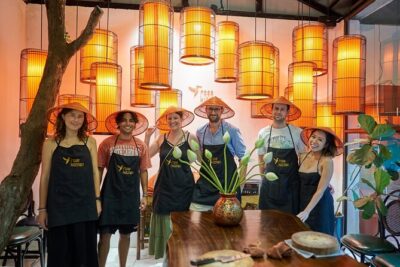
Hanoi Cooking Class: Culture, Local Market & Meaning CSR Impact
Read our review →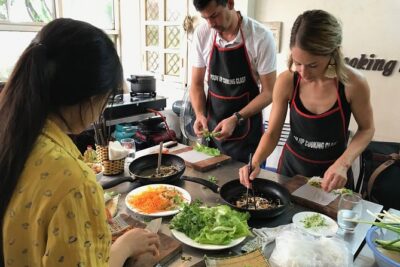
5 Traditional Dishes Hanoi Cooking Class with Market Trip
Read our review →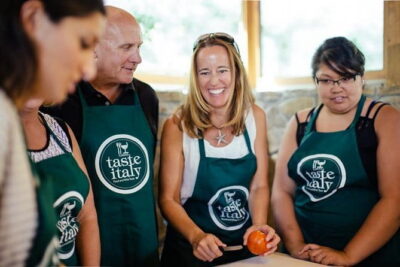
Cooking Class and Lunch at a Tuscan Farmhouse with Local Market Tour from Florence
Read our review →
Chiang Mai: Cooking Class, Market & Thai Herbs Garden Tour
Read our review →
Chiang Mai: Authentic Cooking Class with Market & Farm Visit
Read our review →
Barcelona: Paella Cooking Experience & Boqueria Market Tour
Read our review →
Cooking Class Hoi An:Local Market, Basket Boat, Fishing & Cooking
Read our review →
Hoi An Cooking Class(Market,BasketBoat Crabfishing&Cooking Class)
Read our review →Browse the lists this tour appears in