
Review · OSAKA
Master Washoku: 5 Core Techniques for Authentic Cooking
Osaka is famous for its food, but this class takes you past sushi-shop basics. In three hours, you learn five useful washoku techniques, including grilling, simmering, marinating, and pickling, with chef Yuki in a comfortable apartment near central Osaka. You cook, eat, and learn why soy sauce, mirin, sake, and vinegar work so well together.
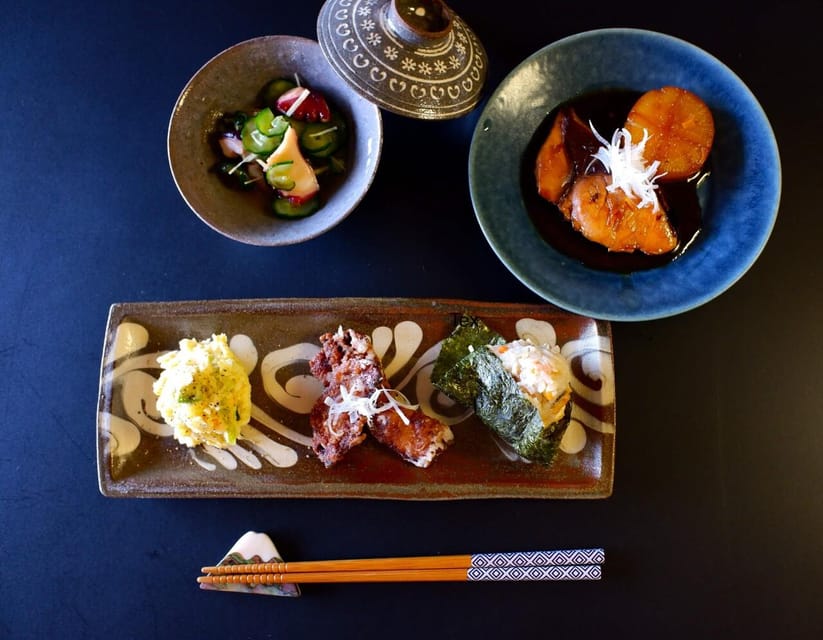
I like the small four-person limit, which gives Yuki time to offer individual tips. I also like the menu: it moves from a sharp octopus and cucumber salad to crispy fish, tender yellowtail, and handmade onigiri. The main thing to consider is that transportation is not included, and the exact meeting point can vary by booking option.
- Five dishes, five useful techniques: Learn methods you can repeat at home, not just one showpiece recipe.
- Chef Yuki’s practical teaching: Yuki brings 4.5 years of experience at a Michelin Bib Gourmand izakaya.
- Optional sake comparison: Taste two chilled sakes and one warm sake to notice how temperature changes flavor.
- Tiny class size: With no more than four participants, the lesson can stay relaxed and personal.
- A home-style setting: The class takes place in an apartment near central Osaka, rather than a large cooking school.
- A full three-hour meal: You prepare the dishes and then have time to enjoy what you made.
Five Japanese techniques in one Osaka kitchen
This is not a class built around a single famous dish. The strength of the menu is its range. Over three hours, you work through several of the methods that give Japanese home cooking and izakaya food its character.
You will use familiar Japanese ingredients such as soy sauce, mirin, and sake, but the goal is not simply to memorize a recipe. Yuki shows you how these ingredients help create balance. You get salty, sweet, sour, spicy, savory, crisp, and tender elements in one meal.
The class is led in English and Japanese. It is limited to four participants, so you should have a better chance to ask questions than in a large public cooking studio. Aprons, equipment, ingredients, water, tea, and digital photos are included.
Starting with wasabi potato salad
The first dish, wasabi garlic potato salad, takes a familiar comfort food in a more distinctly Japanese direction. Garlic gives it a savory base, while wasabi adds heat that rises quickly and clears just as quickly.
This is a useful opening dish because it shows how a small amount of a strong ingredient can change a recipe. You learn to control the wasabi rather than simply pile it in. That makes the dish practical for home cooks who want to add Japanese flavor without hunting for rare ingredients.
The dish is also a good reminder that Japanese cooking is not limited to delicate or restrained flavors. Izakaya menus often include bold snacks meant to pair with drinks, and this potato salad fits that role.
More Sushi and Japanese Classes in Osaka:
- Sushi Making Osaka Roll and Authentic Japanese Sushi Class
★ 5.0 · 1,220 reviews - Osaka Sushi Making Experience
★ 5.0 · 400 reviews - Osaka: Ramen and Gyoza Cooking Class in Dotonbori
★ 5.0 · 378 reviews
Balancing vinegar in the octopus and cucumber salad
The octopus and cucumber vinegar salad brings a different lesson. Here, the main task is balance. Vinegar can be sharp, cucumber is cool and crisp, and octopus has a firm texture and mild seafood flavor.
You learn how to make a refreshing side dish that can wake up the rest of the meal. One participant especially praised this salad, calling it the highlight of the cooking. That makes sense: it is the kind of dish that looks simple but depends on getting the seasoning and texture right.
The salad also gives you a useful contrast with the richer dishes that follow. If you enjoy Japanese food for its clean flavors, this may be the most appealing part of the menu.
Preparing crispy fish tatsuta-age
Next comes fish tatsuta-age with scallion sauce. Tatsuta-age is a Japanese style of marinated and fried food. The fish takes on flavor before cooking, then develops a crisp outside.
This section brings the class closer to familiar izakaya food. You are not simply frying fish. You are learning how a marinade affects the final taste and how a sauce with scallions adds freshness after cooking.
The dish is described as an ideal sake partner, and it is easy to see why. The crisp coating and savory marinade call for something to sip alongside them. If you choose the sake option, this is likely one of the best moments to compare food and drink together.
A possible drawback is that the menu includes seafood in several dishes. If you have allergies or strong food restrictions, tell Yuki in advance. Adjustments are possible as much as the chef can manage, but they should not be assumed.
Simmering yellowtail and daikon
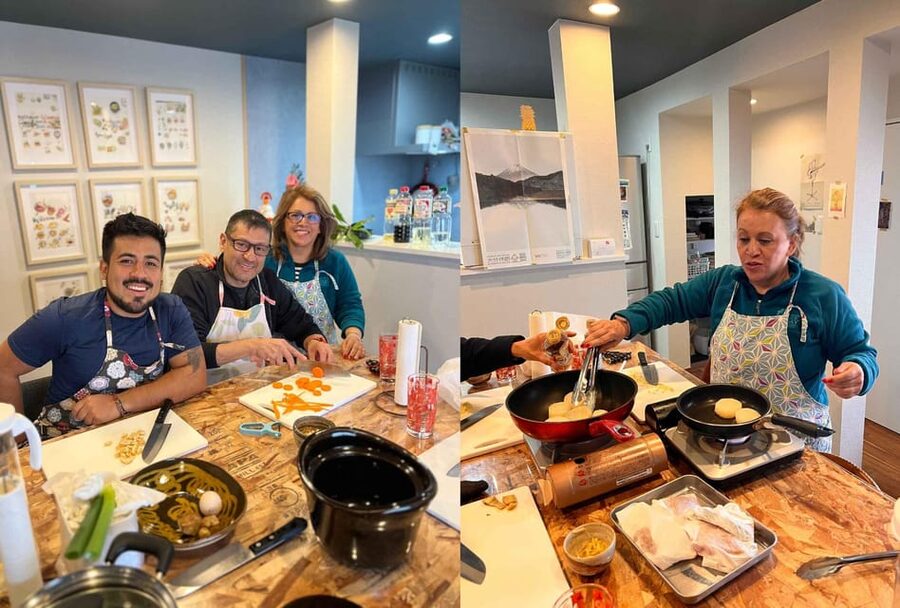
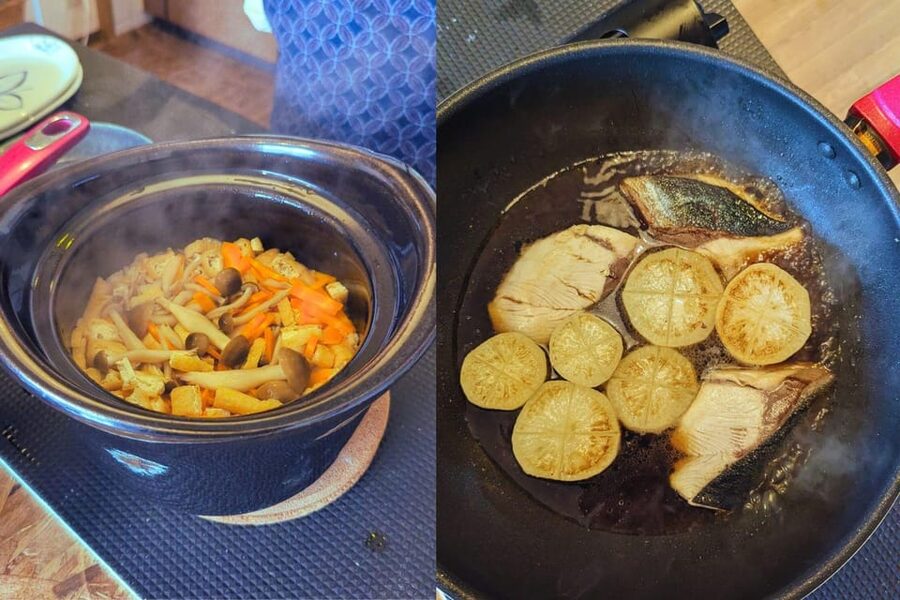
The simmered yellowtail with daikon is the most traditional-feeling course on the menu. This dish depends on patience and seasoning rather than crunch or heat. The goal is tender fish and daikon that has taken on the flavor of the cooking liquid.
For you, this is a chance to see how simmering turns a few basic ingredients into something comforting. Japanese home cooking often relies on this kind of preparation: a flavorful broth, carefully handled ingredients, and enough time for the flavors to meet.
The dish also helps explain why soy sauce, mirin, and sake are such useful pantry staples. Used together, they can create a savory-sweet base without requiring a long list of ingredients.
This will not feel like a fast snack class. Some of the pleasure comes from learning a method that rewards attention. If you want only quick knife skills and instant results, the simmered course may feel slower. If you want food you can recreate for a family meal, it is one of the more valuable lessons.
A few more cooking classes around Osaka worth a look
- Osaka Cooking Class: Okonomiyaki &Japanese cuisines experience
★ 5.0 · 261 reviews - Ramen and Gyoza Cooking Class in Osaka
★ 5.0 · 202 reviews - Osaka Sake Tasting with Takoyaki Cooking
★ 5.0 · 156 reviews - Osaka: Cooking Class Ramen & Gyoza Course in Nanba
★ 4.9 · 86 reviews
Shaping mixed-rice onigiri
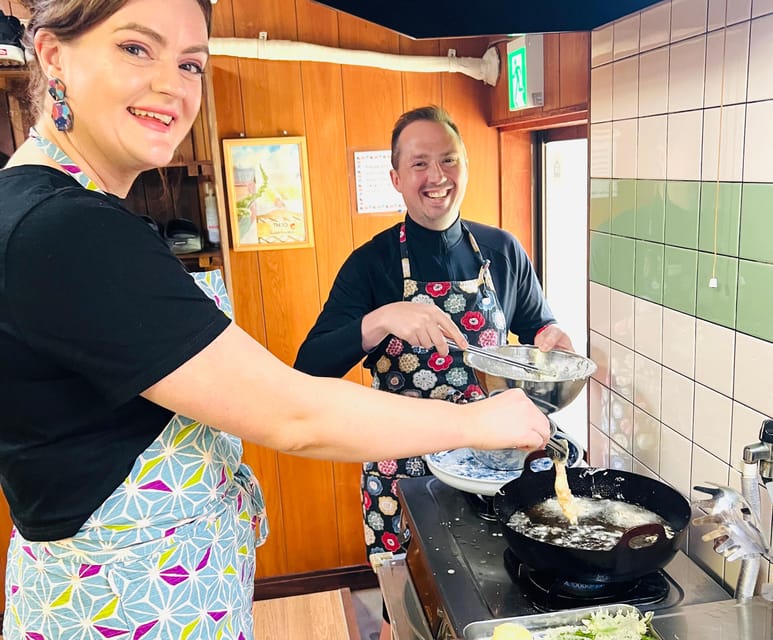
The final dish is mixed-rice onigiri. Rather than making plain rice balls, you season mixed rice and shape it by hand.
Onigiri is one of Japan’s most useful everyday foods. It can be a snack, a packed lunch, or the final savory bite of a meal. The lesson is not only about flavor. It is also about handling rice and forming a shape that holds together without becoming dense.
Finishing with onigiri gives the class a comforting close. After the more technical fish and simmered dishes, you get to make something direct and hands-on. You should leave with a recipe that feels approachable, even if you are new to Japanese cooking.
The optional sake tasting: three styles, two temperatures
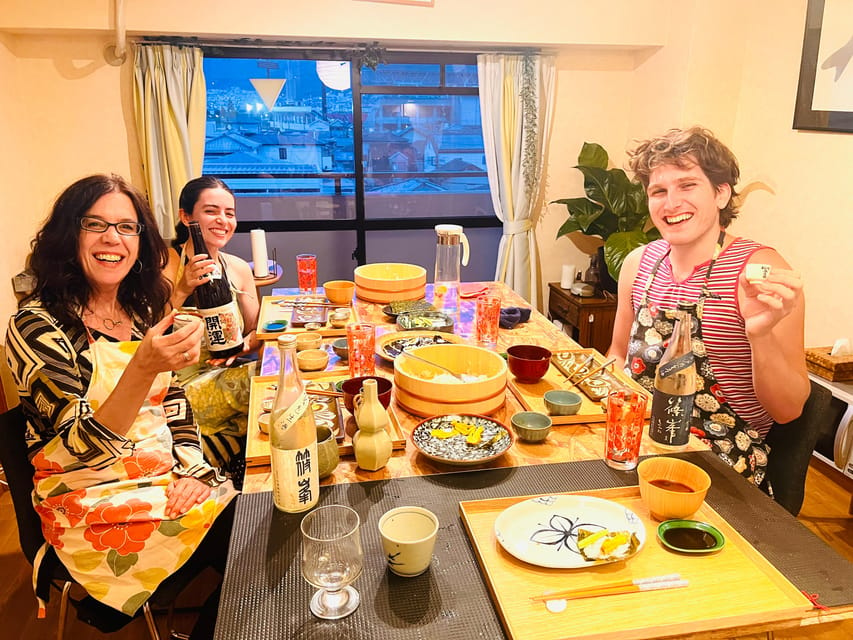
The sake tasting is an optional part of the experience. It includes three types: a chilled junmai, a chilled junmai ginjo from the same brand, and one warm sake.
This is a smart format for learning because the comparison is clear. Tasting a junmai and junmai ginjo from the same producer lets you focus on the difference between the styles rather than sorting through unrelated bottles. The warm sake then shows how temperature can change the way a drink smells and tastes.
You do not need to be a sake expert to get something from this. The point is to notice what changes when the drink is chilled or warmed, and to see how sake works with salty, crispy, and simmered foods.
The tasting also affects the value of the class. If you are interested in Japanese drinks, the optional addition gives the three-hour session more depth. If you do not drink alcohol, or mainly want cooking instruction, you can focus on the food and techniques instead.
Learning from Yuki in a four-person class
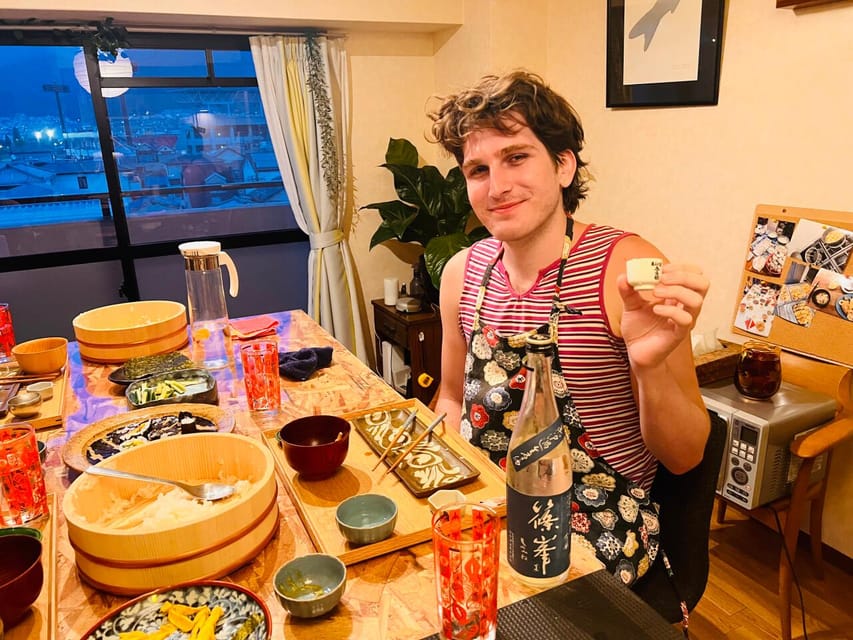
Yuki is the chef and instructor. The class description draws on 4.5 years of experience cooking at a Michelin Bib Gourmand izakaya in Osaka, which is useful context. Bib Gourmand recognition is associated with good food at a reasonable price, and an izakaya background fits this menu well: the dishes are flavorful, shareable, and made for relaxed eating.
The teaching style appears to be informal and attentive. One participant described the class as relaxed, with plenty of tips and tricks. Another found the recipes simple and easy to follow. That combination matters. You want enough explanation to understand the technique, but not so much theory that the cooking stops being fun.
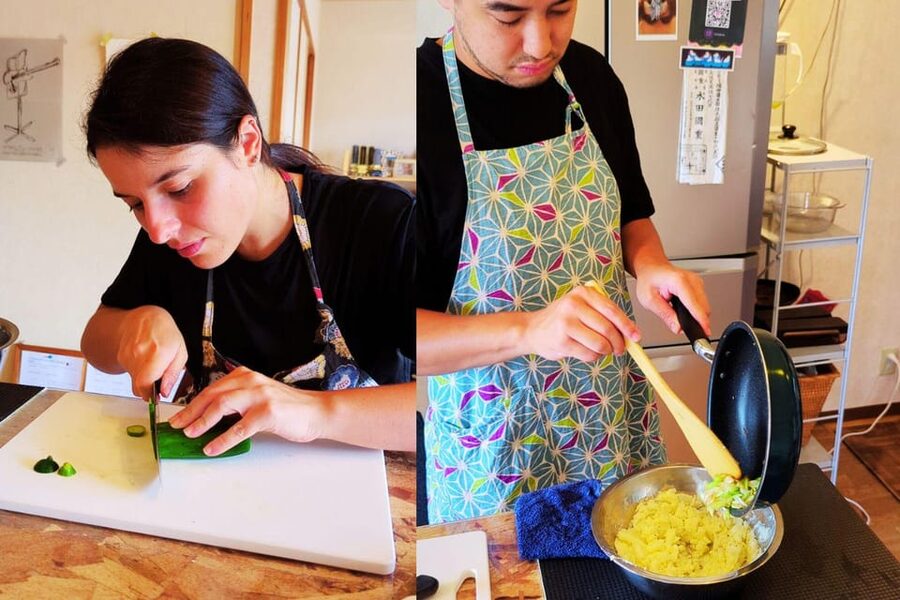
The apartment setting adds a home-style feel. You are not in a large commercial kitchen with a crowd of people working at separate stations. With a maximum of four participants, Yuki can watch how you handle each task and respond to questions.
There is a tradeoff. A private apartment class may not feel as polished or spacious as a professional culinary school. The exact setup can also depend on the meeting option you book. Still, if you value personal attention and a local cooking environment, the setting is a strong part of the experience.
What the three hours feel like
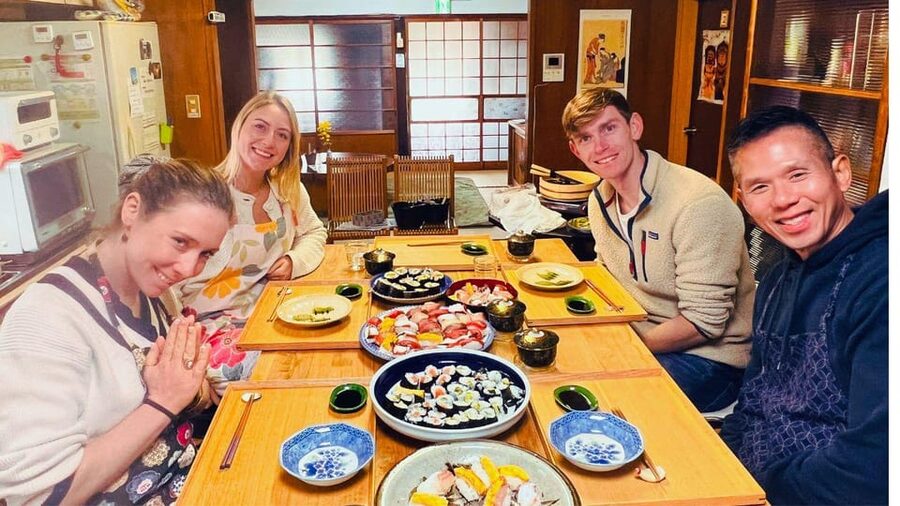
The class is long enough to cover real methods without taking an entire day from your Osaka plans. You can expect to move through preparation, cooking, tasting, and discussion rather than rushing from one demonstration to the next.
The food is not served as a restaurant tasting menu. You are involved in making it, so the pace depends partly on the group and on the work required for each dish. That is good news if you want to learn, but it means you should not book it as a quick meal between tightly timed sightseeing stops.
The menu also gives the session a natural rhythm:
- Begin with potato salad and vinegar salad, where seasoning and balance matter.
- Work on the marinated and fried fish, which adds crisp texture.
- Prepare the simmered yellowtail and daikon, focusing on tenderness and flavor.
- Finish with mixed rice and onigiri shaping.
- Add the three-sake tasting if you select that option.
Water and tea are provided, along with aprons and the needed cooking equipment. Digital photos are included, giving you a record of the class without requiring you to stop and photograph every step.
Is $109 a fair price?
At $109 per person, this is not a bargain meal. You are paying for a three-hour lesson, all ingredients and equipment, chef instruction, a small group of up to four, and the chance to eat five dishes you helped prepare.
The price makes more sense if you compare it with a standard restaurant meal plus a separate activity. You are getting food, instruction, cultural context, and a hands-on experience in one booking. The optional sake tasting can make the package more appealing for anyone who wants to understand Japanese drinks as well as food.
Value depends on your goal. If you only want to eat Japanese dishes, a restaurant will cost less and require less time. If you want skills you can take home, the class offers more lasting value. The recipes are described as simple and easy to follow, which is important. You are not paying for an impressive dish that you will never make again.
Transportation is not included, so allow time and money to reach the venue. The meeting point may vary by option, and you should confirm the details before setting your Osaka schedule.
Who should book this cooking class?
I would recommend this class to a curious eater who wants more than a sushi-making photo opportunity. The menu covers several styles of Japanese cooking and includes dishes you may not encounter as often in tourist-focused food activities.
It is also a good fit for first-time cooks. The recipes are approachable, and Yuki’s attentive teaching style should help you keep up. Experienced home cooks can still get value from the seasoning ideas, simmering method, and sake comparison.
Families and groups of friends may enjoy the relaxed format, but the class is capped at four participants. For a larger party, you would need to check what options are available.
This is less suitable if you dislike seafood, want a strictly vegetarian menu, or cannot allow time for a full three-hour session. Tell Yuki about allergies before booking, since changes can be made only as much as possible.
Booking details worth knowing
The class is held in Honshu, in or near central Osaka, at a comfortable apartment setting. English and Japanese are spoken. The provider is yuki Japanese cooking class.
You can cancel up to 24 hours before the activity for a full refund. A reserve-now, pay-later option is available, which helps if your Osaka schedule is still shifting.
The overall rating is 4.7 from seven ratings, with especially strong praise for Yuki’s friendly, attentive approach, the easy-to-follow recipes, and the quality of the finished food. The cucumber and octopus salad, in particular, has earned special attention, so keep an eye on that dish when the meal reaches the table.
Should you book Master Washoku?
Book it if you want to learn how Japanese flavor is built, not just sample a few famous foods. The four-person limit, home-style setting, five-dish menu, and optional sake tasting create a useful balance of instruction and enjoyment.
Skip it if you want a short demonstration, a low-cost meal, or a menu without seafood. For everyone else, $109 is a reasonable price for a focused Osaka food experience that gives you techniques to use after Japan, especially if you choose the sake comparison and make time to ask Yuki questions.
FAQ
Where does the cooking class take place?
The class takes place in an apartment near central Osaka, in Honshu, Japan. The meeting point may vary depending on the option you book.
How long does the experience last?
The cooking class lasts three hours.
How many people can join?
The class is limited to four participants, making it a small-group experience.
Which languages does the instructor speak?
The instructor speaks English and Japanese.
Who teaches the class?
Chef Yuki teaches the class. Yuki has 4.5 years of experience as a chef at a Michelin Bib Gourmand izakaya in Osaka.
What dishes will I prepare?
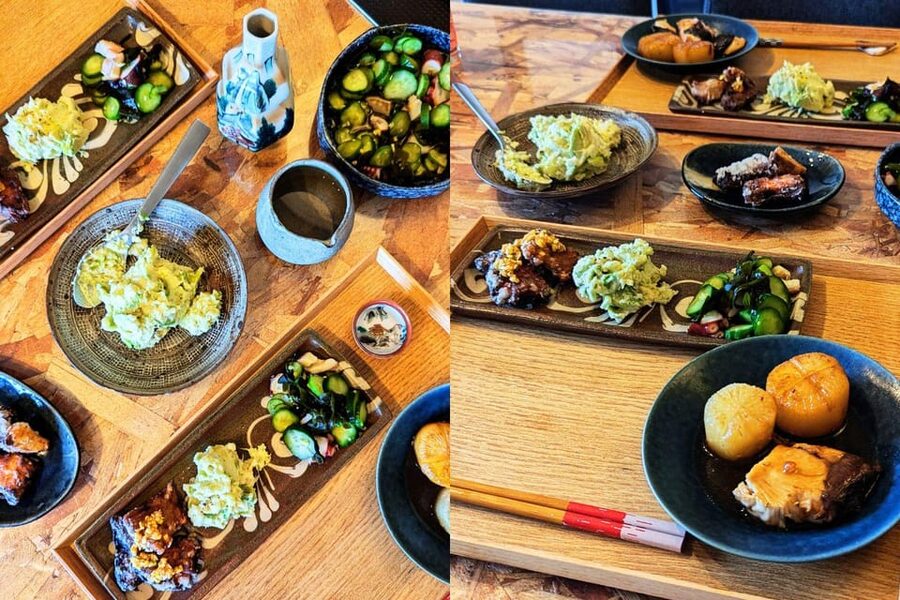
You will prepare wasabi garlic potato salad, octopus and cucumber vinegar salad, fish tatsuta-age with scallion sauce, simmered yellowtail with daikon, and mixed-rice onigiri.
Is the sake tasting included?
The sake tasting is optional. The tasting includes two chilled sakes, one junmai and one junmai ginjo from the same brand, plus one warm sake.
Are ingredients and cooking equipment provided?
Yes. The experience includes the cooking ingredients, equipment, aprons, water, and tea.
Can food allergies be accommodated?
You should tell Yuki about food allergies in advance. The chef will adjust preferences as much as possible.
Is transportation to the venue included?
No. Transportation to the venue is not included. The meeting point can vary by the option selected.
Can I cancel the booking?
You can cancel up to 24 hours in advance for a full refund. A reserve-now, pay-later option is also available.
Just added around Osaka
- Okonomiyaki&Takoyaki for Families:Osaka Street Food Festival★ 5.0 · 4 reviews
- Osaka: Sushi Making in Spacious Studio (SAME-DAY OK!)★ 5.0 · 75 reviews
- Osaka: Sushi Making Class and Dotonbori Food Tour★ 4.7 · 3 reviews
- Osaka Sake Tasting with Takoyaki Cooking★ 5.0 · 156 reviews
- Osaka Okonomiyaki Cooking Experience for Families & Groups★ 4.9 · 8 reviews
- Osaka: Sashiko Japanese Craftsmanship Workshop★ 5.0 · 31 reviews
- Osaka: Okonomiyaki Cooking Class with Beer or Soft Drink★ 4.9 · 9 reviews
- Osaka Dotonbori: Sushi Making Experience★ 4.9 · 122 reviews
Japanese & Sushi Cooking Classes, compared.
Sushi Making Tokyo Roll and Authentic Japanese Sushi Class
Read our review →
Tokyo: Roll and Authentic Sushi Making Class in Asakusa
Read our review →
Ramen Cooking Class at Ramen Factory in Kyoto
Read our review →
Tokyo: Sushi Making Class in a Happi Coat near a Famous Spot
Read our review →
Sushi Making Tokyo! Popular Maki Sushi & Japanese Sushi(+Recipe!)
Read our review →
Sushi Making Osaka Roll and Authentic Japanese Sushi Class
Read our review →
Tokyo Sushi Making Class in Tsukiji with Professional Chef
Read our review →
Ramen & Gyoza Cooking Class in Tokyo with Local Supermarket Visit
Read our review →Browse the lists this tour appears in