
Review · NEW ORLEANS
New Orleans: Hands-on Cajun Roux Cooking Class
The best part of this New Orleans cooking class is the hands-on roux work. You do not simply watch a chef stir a pot. You chop the Cajun Holy Trinity, learn how dark and light roux behave, and sit down to eat gumbo, shrimp etouffee, and bananas foster that you helped prepare.
I like the small group size, capped at 10, and the relaxed teaching style. I also like that the class connects each dish to Cajun and Creole food traditions instead of treating the recipes as a set of steps. The main consideration is the $157 price, which is fair for a three-hour meal, drinks, instruction, and a small group, but high if you only want a quick demonstration.
Key points at a glance
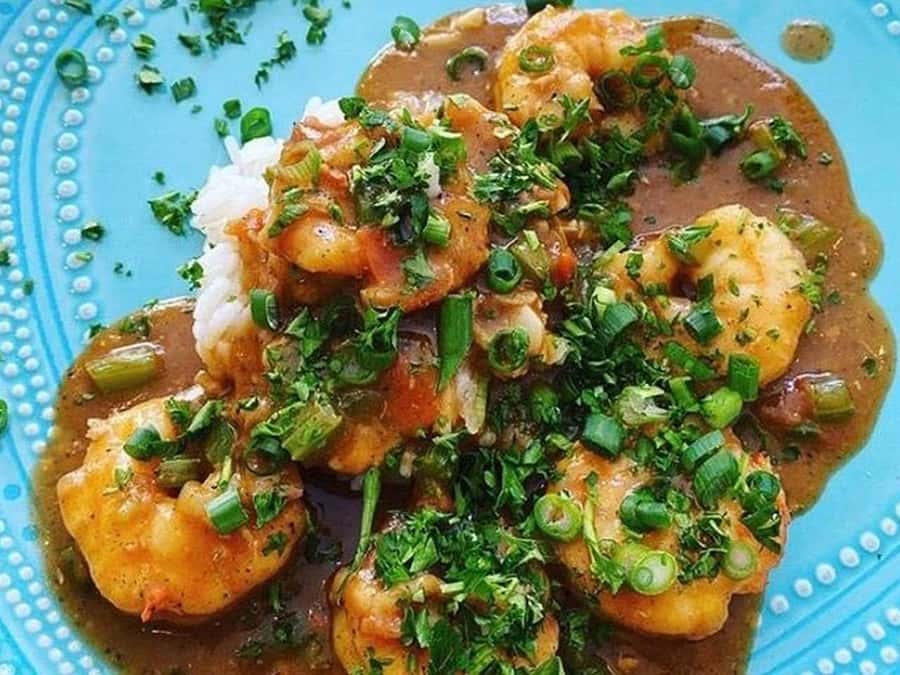
- Three classic dishes: Prepare chicken and andouille sausage gumbo, shrimp etouffee, and bananas foster.
- Roux is the lesson: Learn why gumbo uses a dark roux and etouffee uses a lighter one.
- Small French Quarter class: The group is limited to 10 people, so you get a more active role at the counter.
- Friendly teaching style: Chefs including Raymond, Mark, and Jason have led sessions, with music, jokes, stories, and clear cooking instruction.
- Drinks are included: Wine, beer, sodas, and bottled water are available during the class.
- Practical for home cooks: You leave with techniques and recipes you can use in your own kitchen.
Why the roux makes this class different
Many New Orleans food tours let you taste gumbo or etouffee. This one asks you to understand the base that gives each dish its body and flavor. That base is roux, a cooked mixture of fat and flour that changes as it darkens.
You start with the Cajun Holy Trinity, the familiar combination of onion, bell pepper, and celery. Chopping these vegetables is not busywork. It gives you a basic feel for the balance behind many Cajun dishes, and it gets everyone working before the cooking becomes more technical.
Next comes mise en place, the French kitchen habit of having every ingredient prepared and ready before you start cooking. That matters with roux. Once the flour and fat begin to brown, you need to watch them closely and have the next ingredients within reach.
The class teaches two roux styles. The gumbo begins with a dark roux, which brings a deeper, toastier flavor. The shrimp etouffee uses a lighter roux, giving the sauce a different color and character. You get to compare the two rather than hearing a quick explanation and moving on.
That is the real value here. You are not only memorizing recipes. You are learning how color, heat, timing, and seasoning shape the final dish.
More Hands-On Workshops in the USA:
- New Orleans Demonstration Cooking Class with Meal
★ 5.0 · 3,000 reviews - New Orleans Hands-On Cooking Class with Meal
★ 5.0 · 1,183 reviews - Undiscovered Charleston: Half Day Food, Wine & History Tour with Cooking Class
★ 5.0 · 948 reviews
Making chicken and andouille gumbo
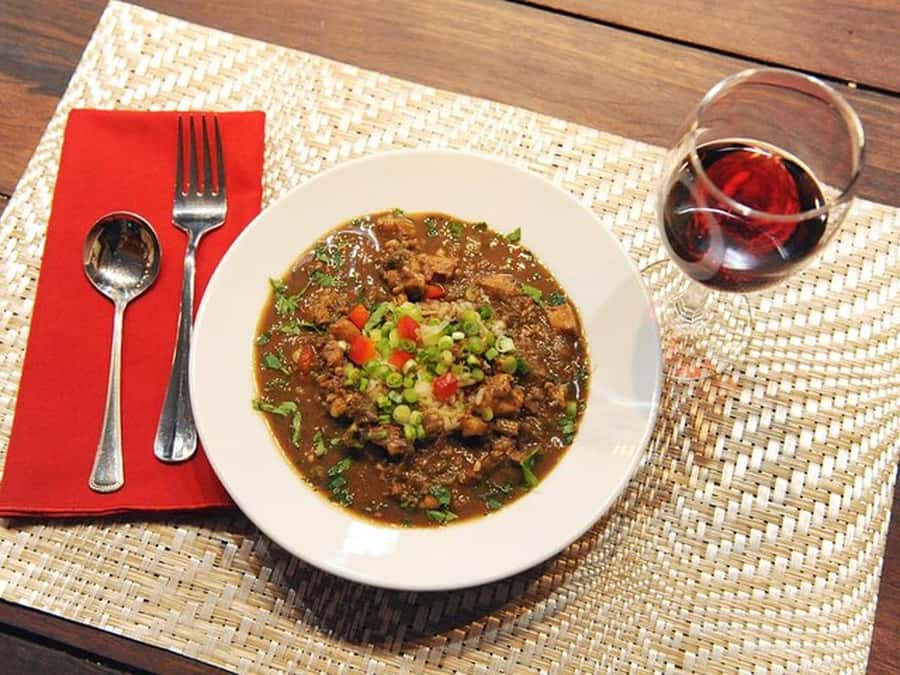
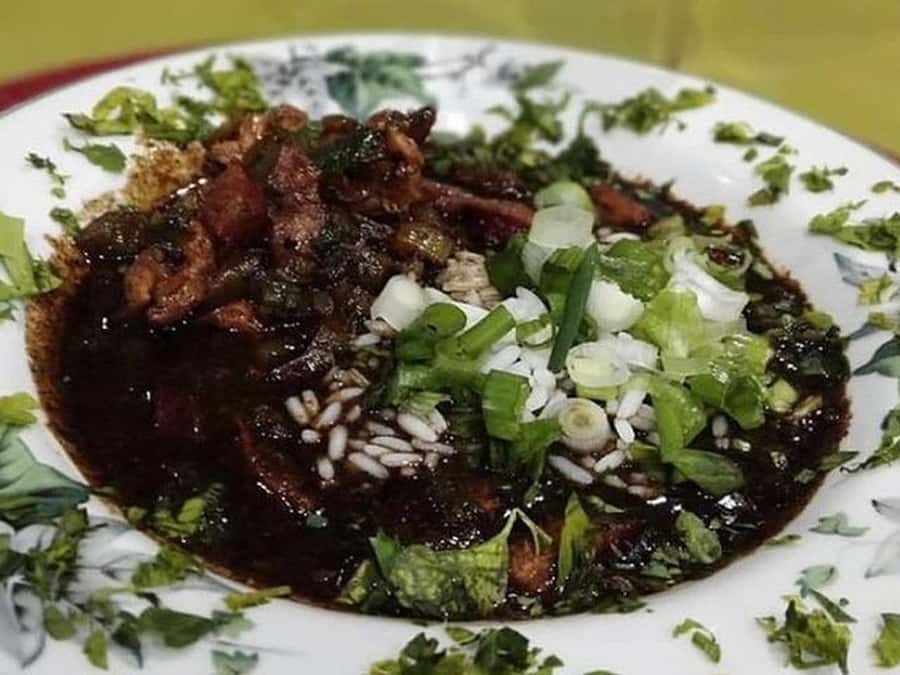
Gumbo is the main event, and the dark roux is where patience matters most. You will work toward the deep brown base that gives the dish its familiar flavor. The class focuses on professional techniques and seasoning, so you can see how a few basic ingredients become a full meal.
Chicken and andouille sausage bring two different kinds of flavor to the pot. The chicken makes the dish filling, while andouille adds a smoky sausage note. Together with the vegetables and roux, they create the hearty bowl most people hope to find when they come to New Orleans.
You should expect to participate rather than stand back. The class is designed around cutting, prepping, stirring, and assembling the food. If you enjoy cooking, this is much more satisfying than a chef preparing everything while you take notes.
The dark roux also gives the class a useful bit of drama. It requires attention, and the instructor explains what you are looking for as it cooks. One session led by Chef Raymond was paired with music and a relaxed, friendly mood, which makes the work feel less like a technical exam and more like cooking with a group of friends.
Still, gumbo is not a rushed dish. The class lasts three hours, but that time includes three recipes, instruction, eating, and drinks. You will get a clear introduction rather than a full professional cooking course.
Comparing the light roux in shrimp etouffee
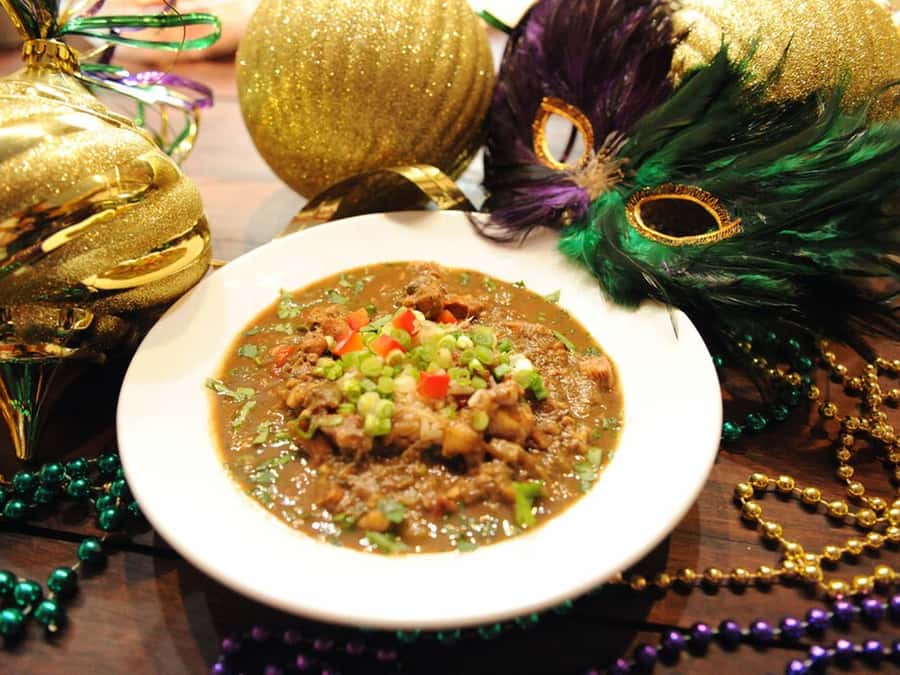
After gumbo, you move to shrimp etouffee and learn how a light roux changes the dish. Etouffee is built around a thick, seasoned sauce, and the shrimp give it a lighter seafood character than the chicken and sausage gumbo.
The contrast between the two roux styles is one of the most useful parts of the class. You can see that Cajun and Creole cooking is not one big category with one standard flavor. Small changes in the base produce different sauces and textures.
The class also gives you a chance to work with seafood without turning the lesson into a complicated restaurant exercise. You follow the instructor’s method, add the seasonings, and plate the finished dish as part of the meal.
Chef Jason has been praised for keeping everyone involved and explaining the history behind Creole and Cajun cooking. That matters in a small group. A good cooking class should help you understand what you are doing, not just tell you which ingredient goes in next.
Chef Mark has also led sessions, with a careful and easy-to-follow approach. Since the instructor can vary, the personality of your class may change, but the planned dishes and cooking focus remain the same.
Ending with bananas foster
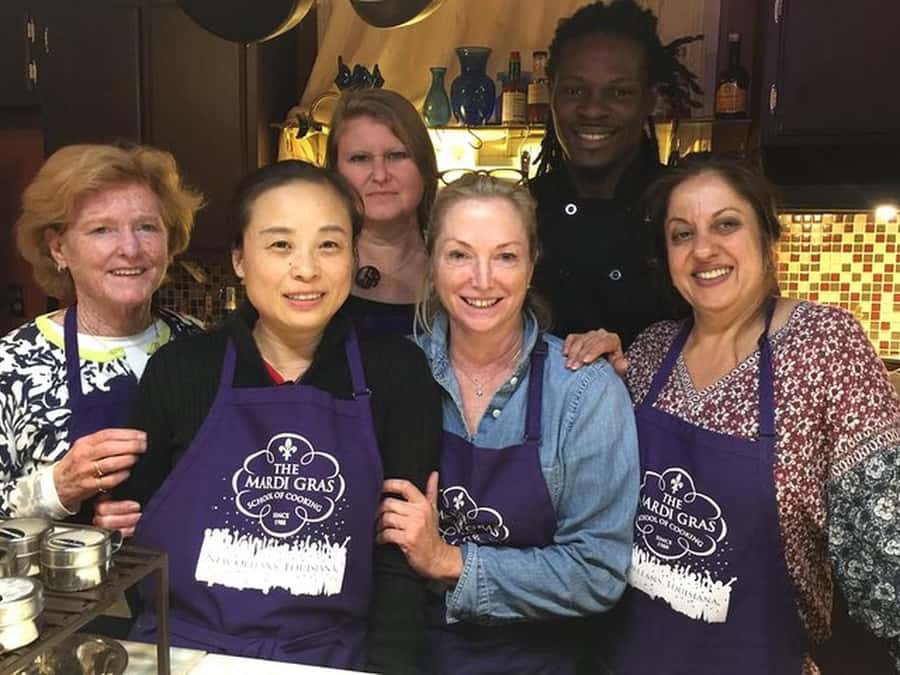
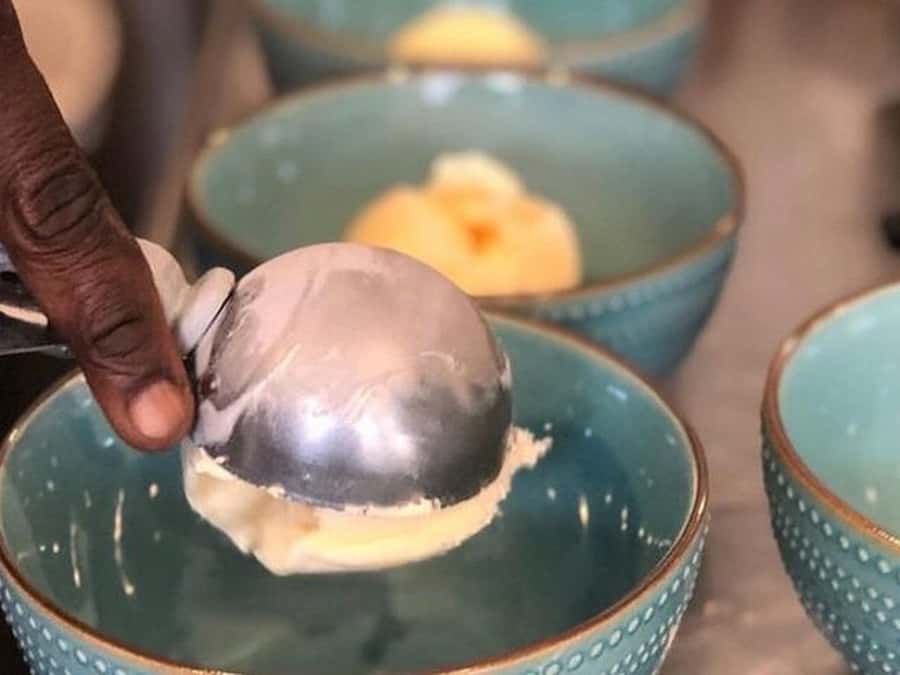
Bananas foster comes at the end, and it gives the class a welcome change of pace after the savory dishes. You learn a simple method designed to be repeated at home, with the goal of making a dessert that feels special without requiring advanced pastry skills.
This is a smart finish to the meal. Gumbo and etouffee teach longer savory preparations, while bananas foster shows how a few ingredients and good timing can create a warm dessert. It also gives you something you can make for friends without spending all day in the kitchen.
The dessert is prepared after the main food has been plated and served. That means you are not trying to cook every course at once. You can focus on the meal first, then finish with the sweet course.
If you are booking this class as a way to collect recipes, bananas foster may be the easiest one to put into regular use. The roux techniques take practice, while the dessert offers a straightforward way to impress people at home.
A few more cooking classes around the USA worth a look
- New Orleans: Cajun and Creole Cooking Class
★ 4.9 · 730 reviews - Hands-on Cajun Roux Cooking Class in New Orleans
★ 5.0 · 356 reviews - Atlanta: Historic Market Food Tour and Biscuit Cooking Class
★ 4.9 · 25 reviews - New Orleans: Cooking Class & Cocktail Walking Tour
★ 4.7 · 16 reviews
A social class with drinks and a shared meal
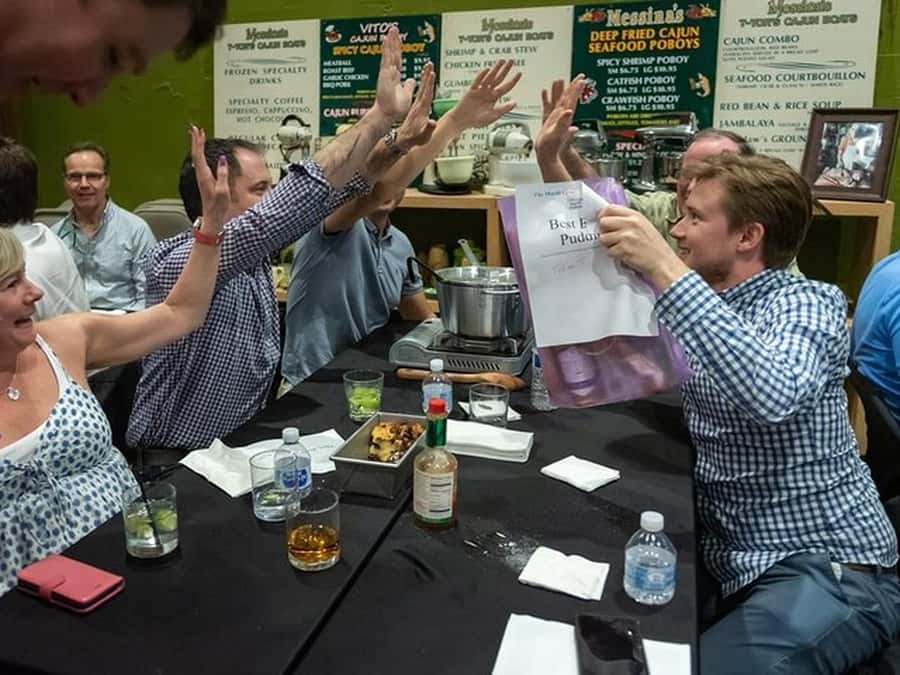
The class includes lunch or dinner, depending on the starting time, along with wine, beer, sodas, and bottled water. You are not paying for instruction and then buying a separate meal afterward. The food you prepare is the meal.
The first glass of wine comes after the Holy Trinity has been chopped, before the roux work begins. That pause helps set the tone. This is not a silent kitchen lesson where you are expected to work without speaking.
Music, jokes, and stories are part of the teaching style described by people who took sessions with Chefs Raymond, Mark, and Jason. Chef Raymond, in particular, brings an energetic approach that can make the class feel informal and welcoming. You should still expect real instruction, but you do not need to arrive with professional kitchen skills.
The limit of 10 participants is important. A larger demonstration class can leave you watching from the back. Here, the small group format gives you a better chance to take part in the chopping, roux preparation, seasoning, and plating.
That format may not suit someone who wants a quiet, private lesson. You will be cooking alongside other people and sharing the room, food, and conversation. For couples, friends, and solo visitors who enjoy meeting people over a meal, the group setting is part of the appeal.
What $157 buys you
At $157 per person, this is a premium activity, but the price includes several parts of a full evening. You get three hours of instruction, a complete meal, alcoholic and nonalcoholic drinks, and a small group capped at 10.
The strongest value comes from participation. If you only want to eat gumbo, you can find less expensive meals in New Orleans. If you want to understand how the dishes are built and leave with techniques for your own kitchen, the calculation looks better.
You also avoid paying for a separate lunch or dinner during the class. Wine, beer, sodas, and water are included, so the listed price covers more than the cooking lesson itself.
I would consider it good value for someone who enjoys food experiences and wants more than a tasting. It is less attractive for a budget-focused visitor, someone who already makes roux often, or anyone who prefers a short activity with no scheduled meal.
The three-hour length is part of the cost. You need enough time for the two roux preparations, three finished dishes, drinks, and the meal. This is not an activity to squeeze between two tightly timed attractions in the French Quarter.
Who should book this French Quarter class
You should consider booking if you like to learn by doing. The class is especially suited to home cooks who want a practical introduction to Cajun and Creole food without needing advanced skills before arriving.
It also works well for a couple or group of friends looking for a shared activity. Everyone has a chance to participate, and the food gives you an easy topic of conversation. Solo visitors can also fit in comfortably, since the group is small and the class has a social tone.
Families need to read the age rule carefully. Children over 10 may book, but they must be willing to participate and genuinely like cooking. Children under 10 are not suitable for this activity.
The class is wheelchair accessible, and the meeting point is Suite 101 on the ground level. Transportation to the venue is not included, so you need to make your own way to the French Quarter.
Instruction is in English. If you need a class in another language, this is not the right choice.
A few practical things to know before you arrive
Wear something that lets you work comfortably and be prepared to cook rather than simply observe. The class provides aprons, and the format includes chopping, stirring, prepping, and plating.
Arrive ready to eat. You will prepare a substantial meal, and the class includes gumbo, shrimp etouffee, and dessert. The food is the center of the experience, not a small sample at the end.
Keep your schedule flexible around the three-hour duration. The exact start time can vary, so check availability when booking. A cooking class can run at a natural pace, especially when people are learning roux for the first time.
The activity allows free cancellation up to 24 hours in advance for a full refund, and you can reserve now and pay later. Those policies are useful if your New Orleans plans are still shifting, but they do not replace checking the final booking terms for your selected date.
Should you book it?
Book this class if you want a meal you helped create, a close look at roux, and a friendly French Quarter activity that lasts three hours. The small group, included drinks, and three-course cooking plan make the $157 price easier to justify for food-focused visitors.
Skip it if your priority is the lowest-cost meal, a quick cooking demonstration, or a private experience. For everyone else, this is a practical way to take a piece of New Orleans home with you, especially if gumbo, etouffee, and bananas foster are dishes you have always wanted to make yourself.
FAQ
Where does the cooking class take place?
The class takes place in New Orleans’ French Quarter. The meeting point is Suite 101 on the ground level.
How long does the class last?
The activity lasts three hours. Starting times vary, so you should check availability for your chosen date.
What dishes will I prepare?
You will prepare chicken and andouille sausage gumbo, shrimp etouffee, and bananas foster.
Are drinks included?
Yes. The class includes wine, beer, sodas, and bottled water.
What is the minimum age?
Children over 10 may book if they are willing to participate and enjoy cooking. Children under 10 are not suitable for the class.
Is the class wheelchair accessible?
Yes. The activity is wheelchair accessible.
Just added around the USA
- Thai Cooking Class in Fullerton, California★ 5.0 · 3 reviews
- San Francisco: Dumpling Cooking Class & 3-Course Dinner★ 5.0 · 10 reviews
- New Orleans: Cooking Class & Cocktail Walking Tour★ 4.7 · 16 reviews
- New Orleans: Food Walking Tour & Cooking Class Experience★ 5.0 · 8 reviews
- New Orleans: Traditions Cooking Class★ 5.0 · 9 reviews
- Atlanta: Historic Market Food Tour and Biscuit Cooking Class★ 4.9 · 25 reviews
- Chinese Dumplings Cooking Class in NYC – Fun & Delicious!★ 5.0 · 4 reviews
- Hands-on Cajun Roux Cooking Class in New Orleans★ 5.0 · 356 reviews
Cooking Classes, compared.
Half-Day Thai Cooking Class at Organic Farm in Chiang Mai
Read our review →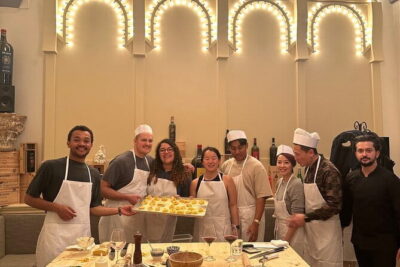
Florence: Pasta Cooking Class with Unlimited Wine
Read our review →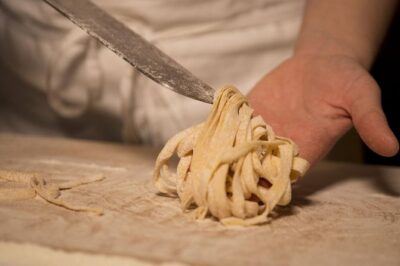
3 in 1 Cooking Class near Navona: Fettuccine, Ravioli & Tiramisu
Read our review →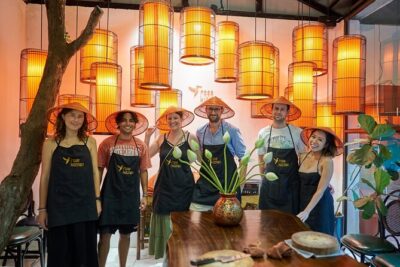
Hanoi Cooking Class: Culture, Local Market & Meaning CSR Impact
Read our review →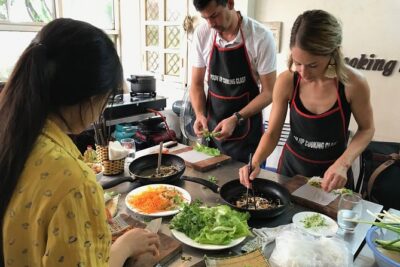
5 Traditional Dishes Hanoi Cooking Class with Market Trip
Read our review →
Cooking Class and Lunch at a Tuscan Farmhouse with Local Market Tour from Florence
Read our review →
Chiang Mai: Cooking Class, Market & Thai Herbs Garden Tour
Read our review →Browse the lists this tour appears in