
Review · NEW ORLEANS
New Orleans: Traditions Cooking Class
New Orleans barbecue shrimp is not the backyard grill dish you may expect. Here, it is a saucy, boldly seasoned local specialty, served alongside chicken and andouille jambalaya, then followed by chocolate bread pudding with brandy mocha sauce. The three-hour class turns a meal into a practical lesson in Louisiana cooking.
I like the small class size, capped at 10, because you should get more chances to ask questions and work with the recipes. I also like the warm teaching style associated with chefs such as Raymond and Erika, plus the fact that your wine, beer, sodas, and water are included.
The main thing to consider is the price: at $157 per person, this is a serious food activity, not a quick demonstration. Children under 10 cannot attend, and you must arrange your own way to Suite 101 on the ground level.
Key points at a glance
- Three classic dishes: Make New Orleans-style barbecue shrimp, chicken and andouille sausage jambalaya, and chocolate bread pudding with brandy mocha sauce.
- Small, hands-on format: The class is limited to 10 participants, giving you a more personal setting than a large cooking show.
- Practical instruction: Learn seasoning, cooking methods, and ways to correct common mistakes at home.
- Local food context: Your chefs explain how Cajun and Creole cooking traditions shaped the dishes.
- A complete meal: Eat what you prepare, with wine, beer, sodas, and water included.
- Easy planning: The class lasts three hours, is taught in English, and allows free cancellation up to 24 hours before it begins.
Three Louisiana dishes in one sitting
The Traditions Cooking Class gives you a tidy introduction to several flavors associated with New Orleans. You are not choosing one recipe and watching someone else handle the rest. The class covers a starter-style seafood dish, a substantial rice dish, and a sweet finish.
That mix matters. It lets you compare different cooking jobs in one session: building a seasoned sauce, handling meat and rice, and making a dessert with a rich topping. I find that more useful than a class built around three versions of the same technique.
The menu is fixed:
- New Orleans-style barbecue shrimp
- Chicken and andouille sausage jambalaya
- Chocolate bread pudding with brandy mocha sauce
You also eat the finished food during the class. Since lunch or dinner is included, you can plan this as a full meal rather than an extra snack between sightseeing stops.
More Hands-On Workshops in the USA:
- New Orleans Demonstration Cooking Class with Meal
★ 5.0 · 3,000 reviews - New Orleans Hands-On Cooking Class with Meal
★ 5.0 · 1,183 reviews - Undiscovered Charleston: Half Day Food, Wine & History Tour with Cooking Class
★ 5.0 · 948 reviews
Getting started at Suite 101
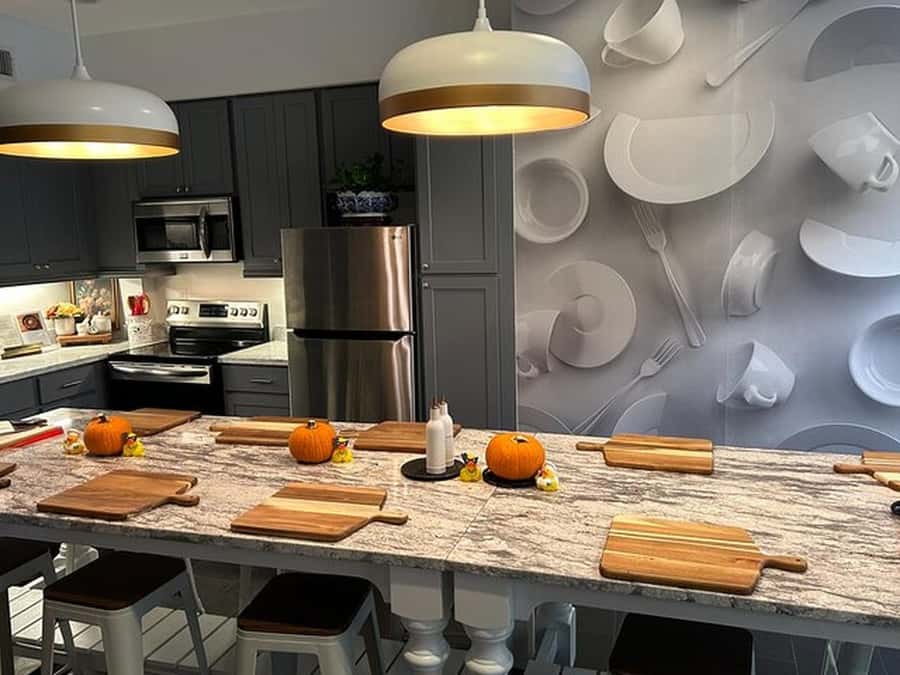
The meeting point is Suite 101 on the ground level. The supplied information does not give a street address, so check the booking confirmation carefully before setting out. Transportation to and from the venue is not included, and personal expenses are separate.
Once inside, you meet the other members of the class in a relaxed setting. The group limit of 10 is one of the most useful details here. A cooking lesson can become frustrating when you are standing behind a crowd, trying to see one cutting board or hear one explanation. This format should make it easier to follow the work and speak up.
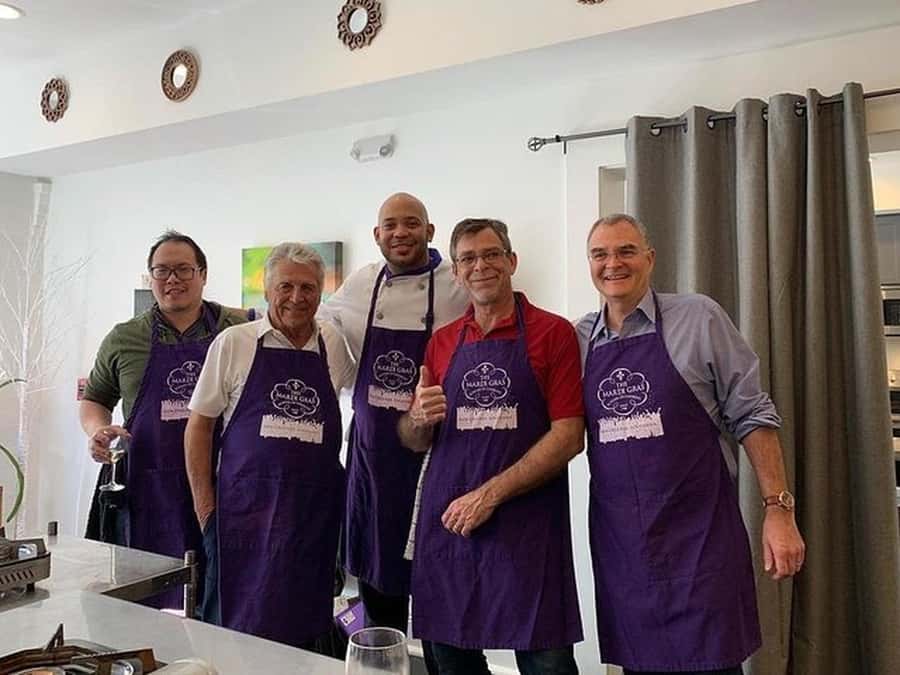
You will put on an apron before the cooking begins. The tone is social rather than formal, so this works well for couples, friends, solo food lovers, and small groups who want a shared activity that produces dinner.
The class is in English. It is wheelchair accessible, with the meeting point on the ground level, though you should still confirm any personal access needs when booking.
Learning the New Orleans flavor base
The first useful lesson is not a single recipe. It is how Cajun and Creole cooking gets its character from seasoning, timing, and technique.
The chefs explain the difference between cooking styles and the background of the dishes as you work. Erika is specifically praised for explaining Cajun and Creole food traditions, different cooking approaches, and the reasons behind the recipes. Raymond is also singled out for clear, step-by-step instruction and years of kitchen experience.
That kind of guidance can be more valuable than simply receiving a recipe card. You learn what to look for as food cooks, how seasoning changes a dish, and how to handle mistakes. One useful theme from the class feedback is that the instructors explain how to fix common problems, which is exactly the sort of advice that helps once you are back in your own kitchen.
Do not expect a quiet lecture. The teaching style is described as warm, funny, and social. One instructor is known as Coach, while Raymond and Erika are named among the chefs who have led the class. The exact chef may depend on the date of your booking.
Making New Orleans-style barbecue shrimp
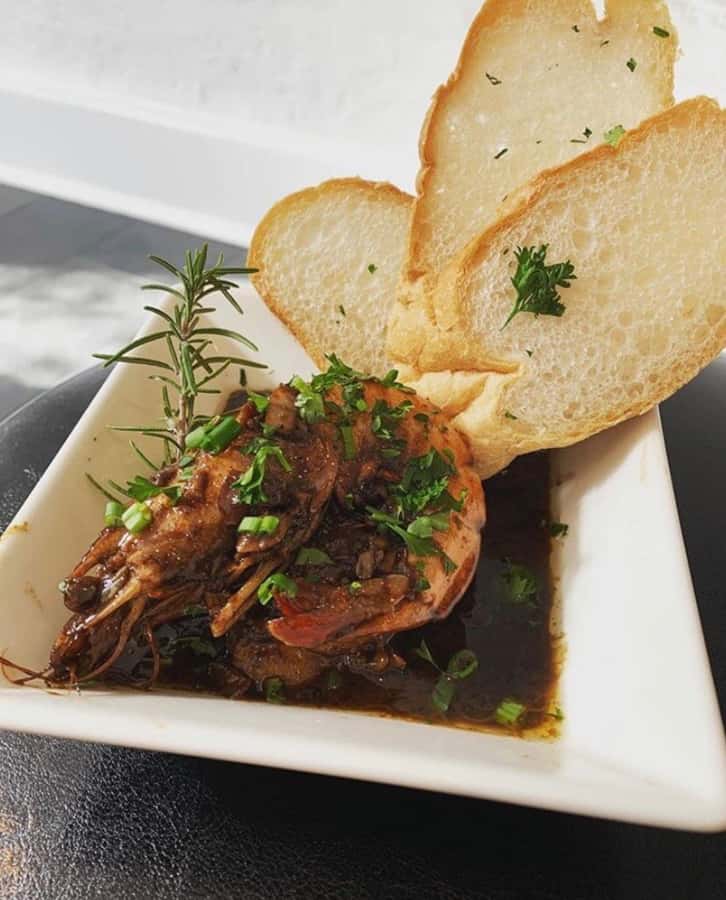
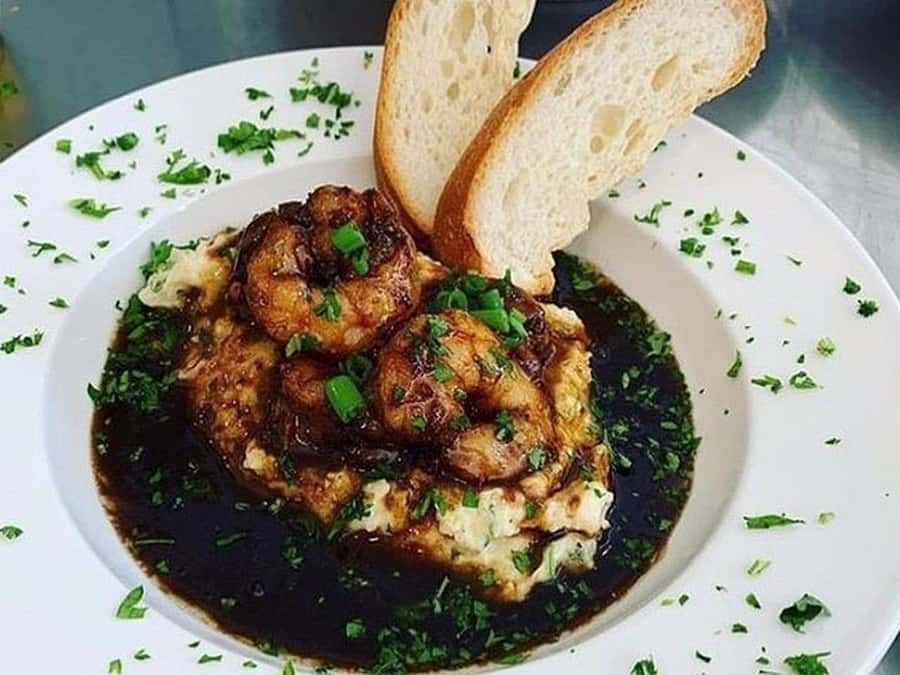
The barbecue shrimp is likely to be the dish that surprises you most. Despite its name, the New Orleans version is known for its sauce and seasoning rather than the familiar grilled format many people associate with barbecue.
You learn how the ingredients come together into a dish with a strong Louisiana identity. The class description calls out the recipe as a signature preparation, and the instruction focuses on technique as well as flavor. That makes it a good chance to learn how a local dish gets its personality from more than just a list of ingredients.
I would pay close attention during this part if you enjoy cooking seafood at home. Sauces can change quickly, and the chef’s explanation of timing and seasoning is likely to be more useful than simply copying measurements. The class is designed to teach professional methods in a setting where you can ask questions as the work happens.
The recipe also gives the meal a lighter counterpoint to the jambalaya. You get seafood, rice, sausage, chicken, and dessert rather than a plate built around only one heavy dish.
A few more cooking classes around the USA worth a look
- New Orleans: Cajun and Creole Cooking Class
★ 4.9 · 730 reviews - Hands-on Cajun Roux Cooking Class in New Orleans
★ 5.0 · 356 reviews - Atlanta: Historic Market Food Tour and Biscuit Cooking Class
★ 4.9 · 25 reviews - New Orleans: Cooking Class & Cocktail Walking Tour
★ 4.7 · 16 reviews
Building chicken and andouille jambalaya
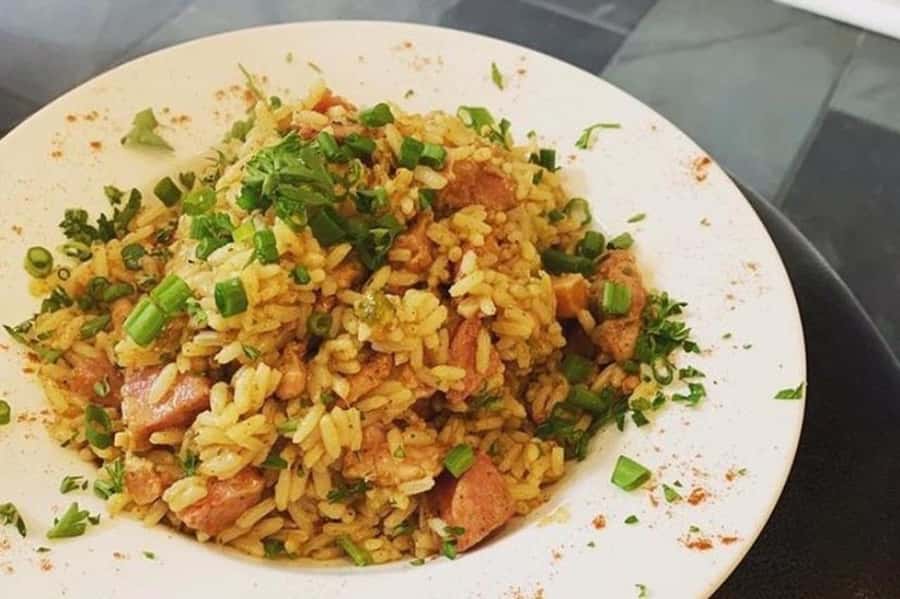
Jambalaya is the main event for many people. Chicken and andouille sausage give the dish its hearty base, while the rice carries the seasoning through every bite.
Here, the value is in learning how to manage several ingredients at once. Rice dishes reward attention. Too much liquid, too little time, or careless stirring can change the texture. A chef who explains the process step by step can help you understand what the finished dish should look and feel like, not just what the recipe says.
The class uses classic Cajun and Creole meats, with andouille bringing a smoky, seasoned character. You get a direct lesson in how a filling communal dish is put together, then sit down to eat it with the group.
This is also where the social side of the class makes sense. Jambalaya is the kind of food meant for sharing, and the included meal lets you enjoy the result while the cooking is still fresh in your mind. I like that the class does not separate the lesson from the reward. You cook, taste, talk, and eat in the same three-hour experience.
Finishing with chocolate bread pudding
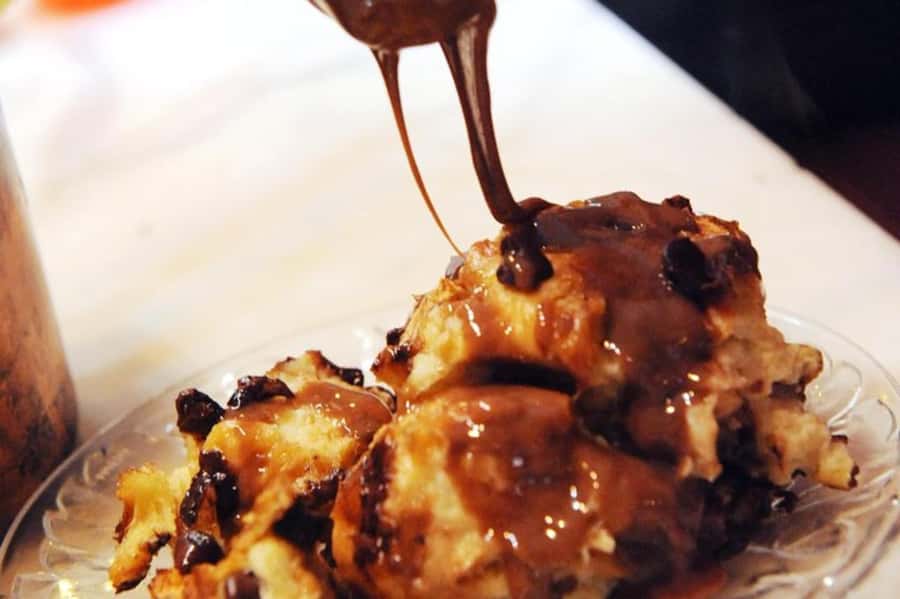
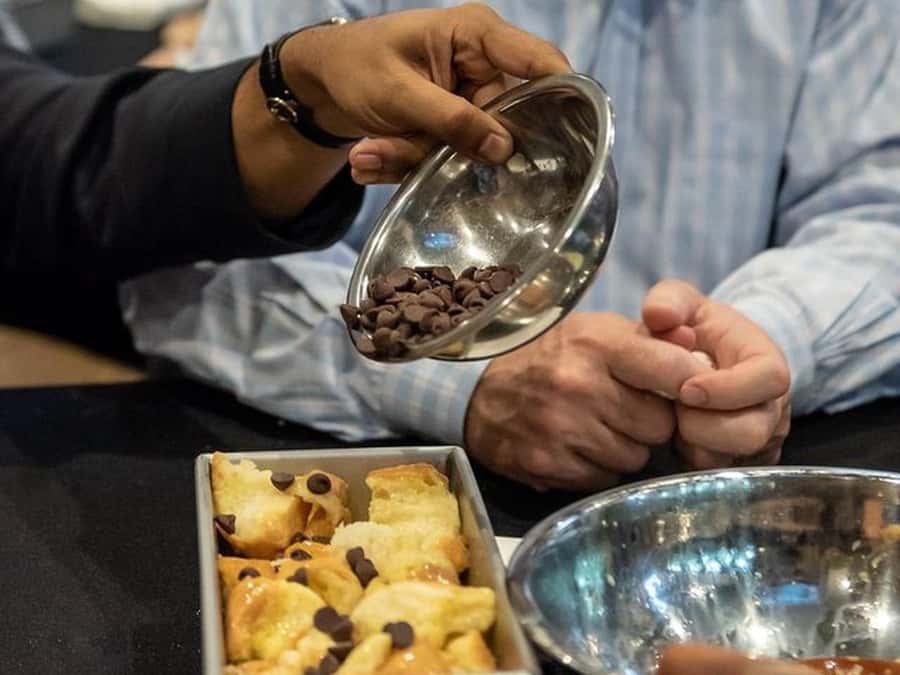
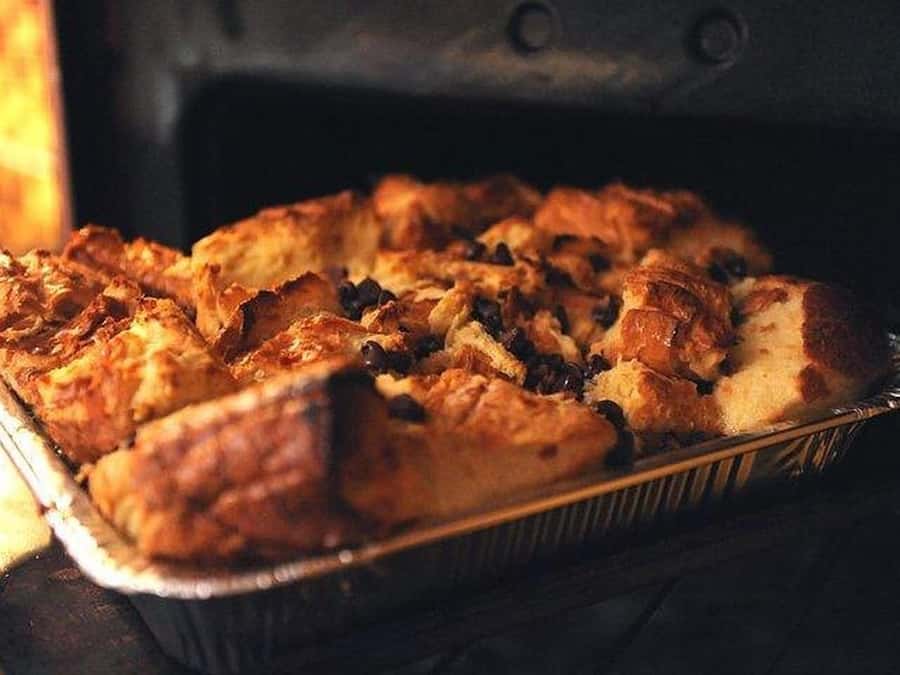
Dessert keeps the menu from ending on a savory note. The class prepares chocolate bread pudding with a brandy mocha sauce, a distinctly indulgent finish.
Bread pudding is a useful choice for a cooking lesson because it shows how a familiar ingredient can become a proper dessert with the right texture and sauce. The chocolate and mocha flavors make it feel more special than a plain version, while the brandy adds a clear New Orleans touch.
The dessert also gives the group a calmer final stage after the more active work of the shrimp and jambalaya. You can enjoy the completed meal and think through the techniques you want to repeat at home.
Alcohol is part of the class offering, but the meal also includes sodas and water. That gives you choices during the cooking and eating portions. Wine and beer are included, though gratuity and personal expenses are not.
What the $157 price covers
At $157 per person, this class costs more than a standard restaurant meal. The price makes more sense when you count the three-hour instruction, the three-course meal, the small group, and the included drinks.
You are paying for more than food on a plate. The chefs teach professional techniques, explain seasoning, give background on the dishes, and guide you through preparation. You also leave with methods you can use at home, not just a pleasant dinner memory.
Still, this is not the right pick if you want the cheapest way to sample jambalaya. You can eat Louisiana food for less elsewhere, and the class price does not include transportation or gratuity. I would book it when you value participation and instruction as much as the meal itself.
The strong fit is a food-focused itinerary with room for a three-hour activity. If you have only a short time in New Orleans and want one meal, this may feel expensive. If you want a structured cultural activity and like learning by doing, the cost is easier to justify.
Who will enjoy this cooking class most
I would recommend this experience to adults and older children who enjoy food, conversation, and practical lessons. The minimum age is 10, so families with younger children will need another plan.
It also suits people who have already tried Louisiana food and want to understand it better. Instead of simply ordering jambalaya, you learn how the dish is assembled and why the seasoning matters.
The class works for first-time cooks, too. The instruction is step by step, and the chefs are described as patient, entertaining, and willing to answer questions. You do not need to arrive as an expert.
Solo participants may find the small group helpful because the class begins with introductions and shared cooking. Couples and friends get a built-in meal and activity without needing to plan separate restaurant reservations.
People who prefer to watch rather than participate should think twice. This is a hands-on class, and its value depends on your willingness to cook, ask questions, and follow instructions.
Planning the three-hour schedule
The exact starting times vary, so check availability before you commit the rest of your day. A three-hour block is long enough to require some planning, especially if you have a museum visit, tour, or dinner reservation afterward.
I would avoid placing a tight appointment immediately after class. Cooking times can be hard to predict, and the meal is part of the experience rather than an afterthought. Give yourself breathing room before the next activity.
You can book with payment later, which helps if your New Orleans schedule is still changing. Free cancellation is available up to 24 hours in advance for a full refund. Those terms are useful for a trip with uncertain plans, but check the booking conditions at the time you reserve.
The class is offered in English only. If you need instruction in another language, this is not the right choice based on the available information.
What the teaching style adds
The strongest part of the experience is likely the people leading it. Raymond is described as an excellent instructor who combines expertise with a fun classroom manner. Erika is noted for teaching the food background clearly and answering questions. Coach is described as warm, funny, and full of local charm.
That matters because cooking classes can go one of two ways. A chef can rush through a recipe and leave you with a plate but little understanding, or the chef can make the process clear enough for you to repeat at home. This class is built around the second approach.
The class feedback also points to simple recipes and practical tips. I would use the opportunity to ask about substitutions, seasoning levels, and the mistakes home cooks often make. Those questions are where a live class earns its price.
The social mood is another plus. You eat together after cooking, which gives the experience a dinner-party feel rather than a sterile classroom tone.
A balanced look at the drawbacks
The fixed menu is convenient, but it gives you little control if you dislike shrimp, andouille, chocolate, or brandy-flavored sauce. The available information does not promise substitutions, so ask before booking if you have dietary restrictions.
The price may also be beyond the budget of someone who only wants a taste of local food. You are paying for instruction and atmosphere, not just ingredients.
The class lasts three hours, which is a benefit for serious food lovers but a drawback for anyone trying to pack many activities into one day. The meal includes alcoholic drinks, but nonalcoholic choices are available too.
Finally, you must handle your own transportation and gratuity. These are small planning points, but they affect the final cost. I would budget for them before deciding that $157 is your full expense.
Should you book the Traditions Cooking Class?
Book it if you want to do more than eat New Orleans food. The class gives you three local dishes, direct instruction, a small group, and a complete meal with drinks. The most useful payoff is the chance to recreate the flavors at home and understand the methods behind them.
I would especially choose it for a food-centered day, a couple’s activity, or a small group looking for something social and hands-on. Raymond, Erika, or Coach may bring a different personality to the lesson, but the shared pattern is clear: friendly teaching, practical advice, and plenty of local flavor.
Skip it if you need a low-cost meal, dislike the set menu, or cannot spare three hours. For everyone else, $157 buys a substantial cooking lesson and dinner in one package, with the added benefit of leaving New Orleans with skills rather than just another restaurant receipt.
FAQ
How long does the Traditions Cooking Class last?
The class lasts three hours, including the cooking instruction and the meal.
What dishes will I prepare?
You will prepare New Orleans-style barbecue shrimp, chicken and andouille sausage jambalaya, and chocolate bread pudding with a brandy mocha sauce.
Are drinks included?
Yes. Wine, beer, sodas, and water are included with the class and meal.
Where does the class meet?
The meeting point is Suite 101 on the ground level.
Is the cooking class wheelchair accessible?
Yes, the activity is listed as wheelchair accessible.
Can children attend?
Children under 10 are not permitted to attend.
What is the cancellation policy?
You can cancel up to 24 hours in advance for a full refund. You can also reserve now and pay later.
Just added around the USA
- Thai Cooking Class in Fullerton, California★ 5.0 · 3 reviews
- San Francisco: Dumpling Cooking Class & 3-Course Dinner★ 5.0 · 10 reviews
- New Orleans: Cooking Class & Cocktail Walking Tour★ 4.7 · 16 reviews
- New Orleans: Food Walking Tour & Cooking Class Experience★ 5.0 · 8 reviews
- New Orleans: Hands-on Cajun Roux Cooking Class★ 4.9 · 7 reviews
- Atlanta: Historic Market Food Tour and Biscuit Cooking Class★ 4.9 · 25 reviews
- Chinese Dumplings Cooking Class in NYC – Fun & Delicious!★ 5.0 · 4 reviews
- Hands-on Cajun Roux Cooking Class in New Orleans★ 5.0 · 356 reviews
Cooking Classes, compared.
Half-Day Thai Cooking Class at Organic Farm in Chiang Mai
Read our review →
Florence: Pasta Cooking Class with Unlimited Wine
Read our review →
3 in 1 Cooking Class near Navona: Fettuccine, Ravioli & Tiramisu
Read our review →
Hanoi Cooking Class: Culture, Local Market & Meaning CSR Impact
Read our review →
5 Traditional Dishes Hanoi Cooking Class with Market Trip
Read our review →
Cooking Class and Lunch at a Tuscan Farmhouse with Local Market Tour from Florence
Read our review →
Chiang Mai: Cooking Class, Market & Thai Herbs Garden Tour
Read our review →Browse the lists this tour appears in