
Review · KOREAN
Seoul: Premium Korean Feast Cooking Class
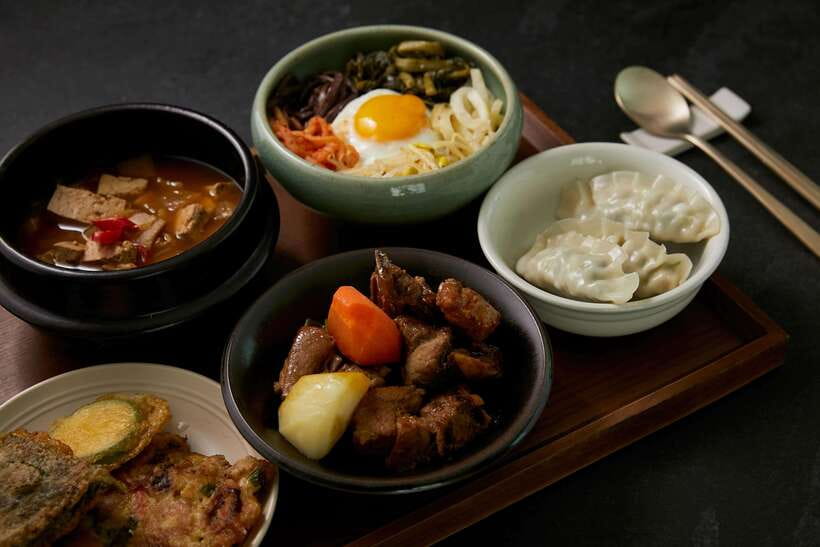
The best part of this 2.5-hour experience is that Korean food becomes more than something you order at a restaurant. At Zanchi Cooking Studio, you learn the customs behind the meal, make feast dishes with a chef, and then sit down to eat them with traditional Korean drinks. Yena’s warm teaching style helps keep the cooking approachable, even if your kitchen skills are basic.
I like the graceful setting, where tea, sweets, traditional tableware, and dining etiquette set the tone before cooking begins. I also like the small group limit of eight, which gives you room to follow the chef without feeling lost in a crowd. The main consideration is the price: at $128 per person, this is a special occasion class rather than a quick budget activity.
Key points at a glance
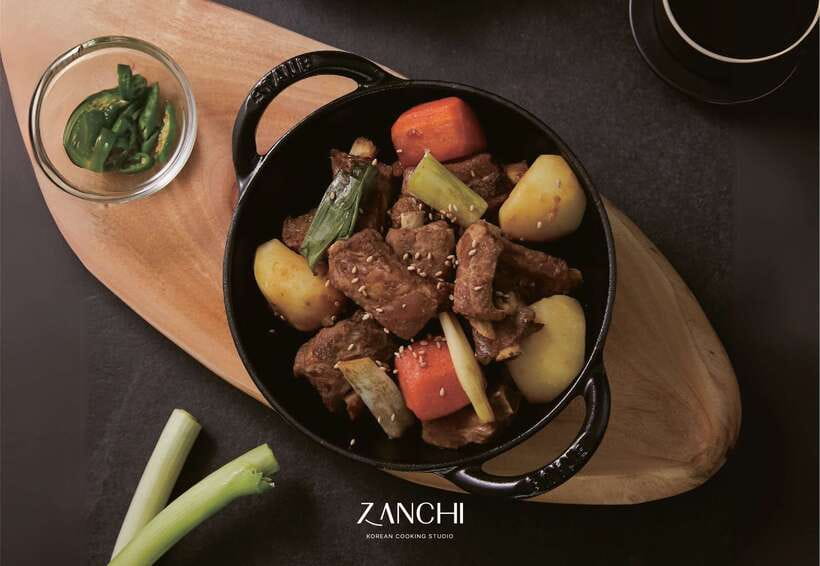
- Tea begins the experience: Start with traditional Korean tea and sweets before entering the kitchen.
- Royal feast inspiration: Learn dishes and techniques linked to Korea’s traditional feast culture.
- Small English-speaking group: A maximum of eight participants makes personal instruction easier.
- Seasonal, premium ingredients: The studio focuses on fresh local ingredients and uses little plastic.
- A meal you help create: Eat the finished dishes with traditional Korean side dishes and liquor.
- Useful take-home keepsake: Your recipe book and photo or video service extend the experience beyond the class.
A Korean feast begins with tea, etiquette, and a quiet welcome
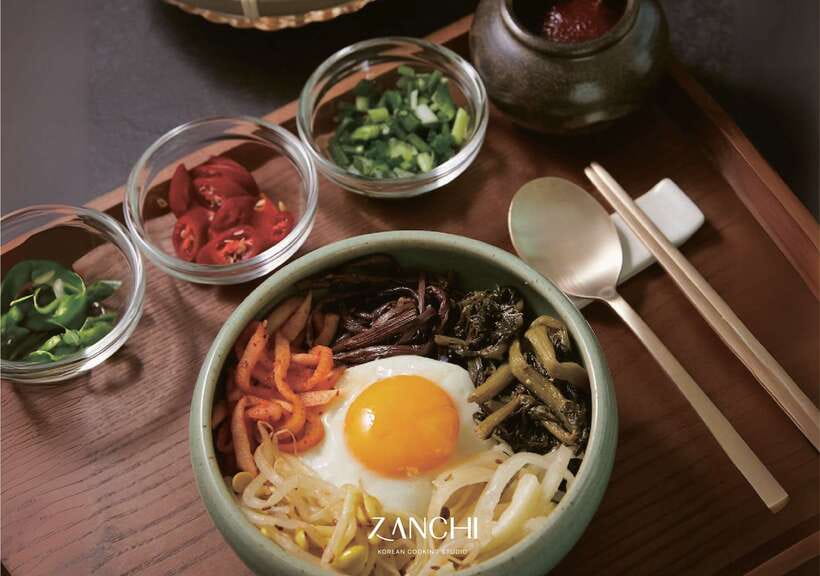
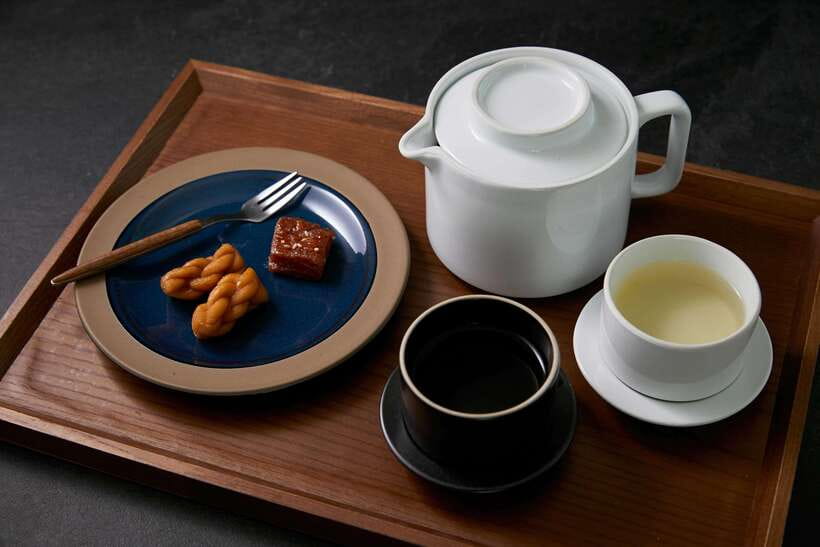
This experience starts in the dining room, not at the stove. You sit down for traditional tea and Korean sweets in a space designed around Korean cultural details. That first pause matters because it gives you time to settle in and learn what the meal means before you begin chopping, mixing, or cooking.
The opening also covers Korean dining etiquette and stories from the country’s food traditions. You will not simply be handed a recipe and told to copy it. The class connects the food with the way it is served, shared, and enjoyed.
I especially like this order. Many cooking classes rush straight to the ingredients, but here the tea and snack create a sense of occasion. You get a little cultural context first, then move into the practical work with a clearer idea of why the meal is arranged as it is.
The studio opened in November and places clear emphasis on presentation, traditional tableware, seasonal ingredients, and limited plastic use. The space has been described as especially attractive, with an authentic Korean design that makes the opening tea feel like part of the lesson rather than a filler before cooking.
More Korean Cooking Classes in Seoul:
- Local Home Korean Cooking Class & Market Adventure in Seoul
★ 5.0 · 1,024 reviews - Master Korean traditional cooking with a Kimchi chef
★ 5.0 · 385 reviews - Seoul: Korean Cooking Class at a Local Home and Market Tour
★ 5.0 · 348 reviews
Cooking royal-inspired dishes with Yena
After tea, you move into the kitchen and cook alongside a professional chef. Yena is the named instructor associated with the class, and her teaching style is warm and friendly. That matters in a cooking lesson because a relaxed instructor can make unfamiliar techniques easier to try.
The dishes are inspired by royal cuisine and traditional Korean feast tables. The exact menu can depend on seasonal ingredients, so you should think of this as a lesson in Korean feast cooking rather than a guarantee of one fixed list of dishes.
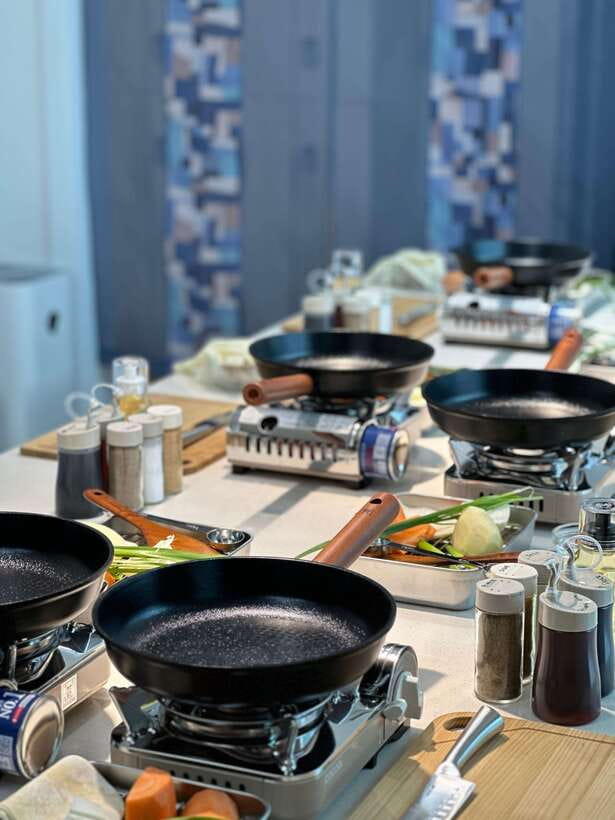
You receive all ingredients and equipment at the studio. That keeps the class practical and simple. You do not need to pack cooking tools, and you can focus on the techniques instead of worrying about shopping or preparation before arrival.
The class is designed for hands-on participation. You work with the chef to prepare the dishes, learning the methods behind Korean cooking as you go. The small group size, limited to eight people, is one of the strongest practical features. You have a better chance to see what is happening, ask for help, and keep pace with the class.
I would choose this format over a large demonstration if you want to remember what you learned. Watching a chef prepare food can be entertaining, but doing the work yourself gives you a better chance of repeating the dishes at home.
Still, you should allow for a little uncertainty. Since the ingredients are seasonal, the menu may not match a particular Korean dish you already have in mind. The advantage is freshness and variety. The tradeoff is less control over the exact final menu.
Why the seasonal ingredients and tableware matter
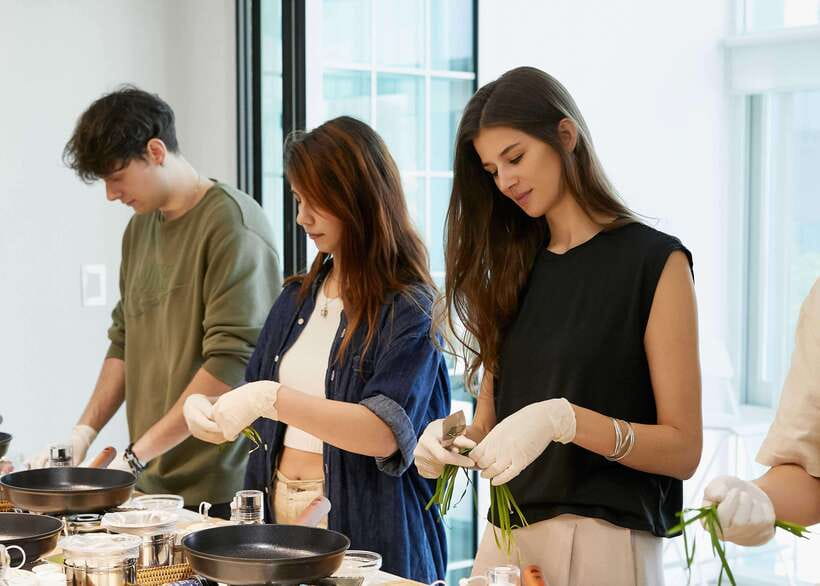
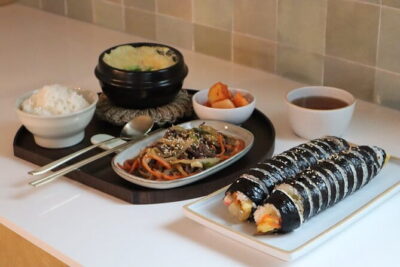
Food classes often focus only on flavor. This one also pays attention to the setting in which Korean food is served. Traditional tableware helps show how a feast is presented, and the studio’s limited use of plastic supports a more thoughtful approach to the meal.
The emphasis on fresh local ingredients is useful for two reasons. First, the food should reflect what is available in Korea at the time of your visit. Second, you learn how ingredients are treated in a feast setting, where appearance and balance matter along with taste.
Premium-quality ingredients also help explain the price. At $128, you are paying for more than a recipe sheet and a plate of food. Your fee includes the chef-led lesson, ingredients, equipment, welcome tea and sweets, the meal, side dishes, a traditional Korean drink, water, a recipe book, and photo and video service.
That does not make the class inexpensive. It does make the cost easier to understand. If you only want a casual meal, a restaurant will cost less. If you want a polished cultural activity with instruction and a meal included, the package is more reasonable.
Sitting down to eat what you prepared
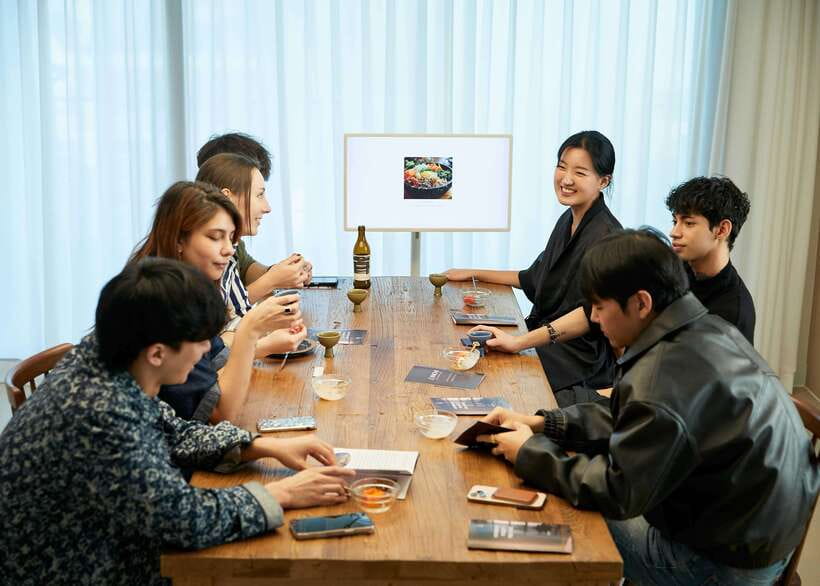
The cooking leads to a shared meal in the dining area. You eat the dishes you helped prepare along with traditional Korean side dishes and a paired Korean drink. This final stage gives the class a natural ending and lets you judge the food with some pride, since you had a hand in making it.
The drink pairing is an important part of the meal. It gives you a way to experience traditional Korean liquor in the setting where it belongs, rather than treating it as a separate tasting. The class also makes room for cultural conversation, so the meal is not simply a quick bite before you leave.
I like the contrast between the careful opening tea and the relaxed final meal. You begin by listening and observing, then work with your hands, and finally share food around the table. That sequence gives the experience a clear rhythm.
The class includes water as well as the traditional drink. Still, if you do not drink alcohol, you should confirm how the beverage portion will work before booking, since the supplied details do not specify a nonalcoholic alternative.
More Hands-On Workshops in Seoul:
- Seoul: Taste of Korea, Authentic Home Style Cooking Class
★ 4.9 · 166 reviews - Korean Cooking Class with Grocery Shopping at Seoul Local Market
★ 5.0 · 107 reviews - Seoul: Royal Seoul Cooking Class in a 100-Year-Old Hanok
★ 5.0 · 96 reviews - Seoul: Kimchi Dishes Cooking Class with Wine Pairing
★ 4.7 · 38 reviews
What the reviews reveal about the experience
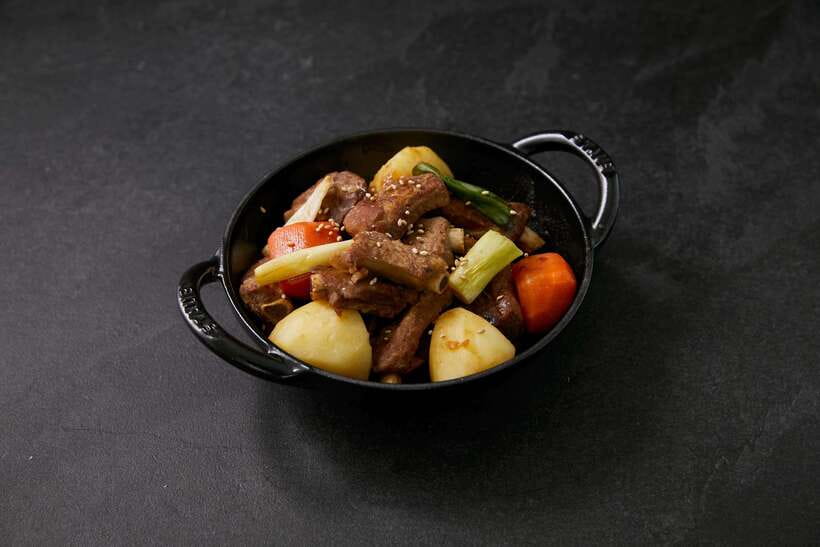
The strongest praise centers on three things: the food, the setting, and Yena’s manner as an instructor. Those points line up with the structure of the class itself.
The food receives repeated approval, with every listed rating giving the experience five stars. That does not guarantee that every menu will suit every palate, especially since seasonal dishes can vary. It does suggest that the meal is treated as a central part of the experience rather than an afterthought.
The space also receives strong attention. The Korean design and beautiful dining room help make the class feel special from the moment you arrive. If you care about presentation, tableware, and photographs as much as the cooking itself, this setting should add real value.
Yena is another clear strength. She is described as friendly and approachable, which is exactly what I would want from an instructor teaching traditional dishes to an international group. A class can have excellent ingredients and still feel difficult if the teacher is rushed or distant. Here, the available feedback points to a more comfortable learning atmosphere.
The recipe book is a small but useful extra. You can take it home and try to repeat the meal later. It will not replace the hands-on lesson, but it gives you something concrete to use after your trip.
Because only three ratings are provided, I would keep the praise in proportion. The response is very positive, but the sample is small. You can reasonably expect a polished and friendly class, but no short set of ratings can promise a perfect fit for every person.
The $128 price and who gets the most value
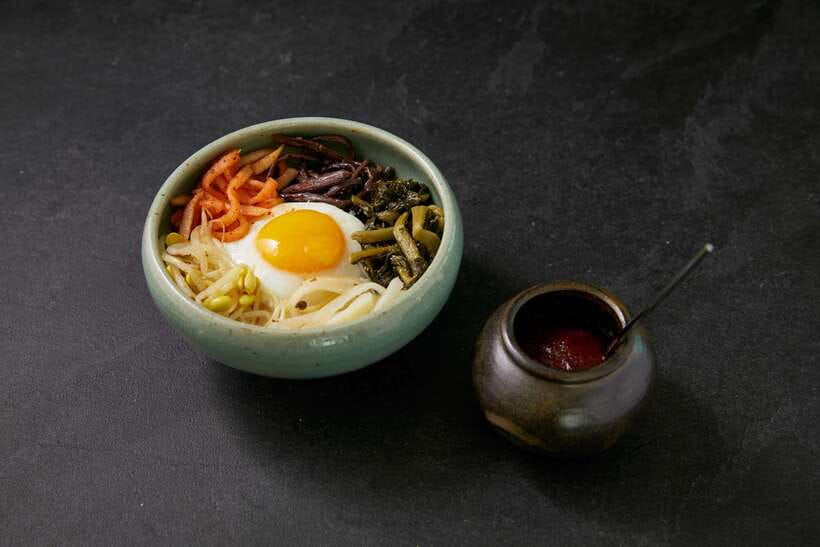
At $128 per person, this is best viewed as a full cultural activity with food, not simply a cooking lesson. The cost covers 2.5 hours, a professional chef, all equipment and ingredients, tea and sweets, a shared meal, side dishes, a traditional drink, water, a recipe book, and photo or video service.
I think the price makes the most sense for people who want several parts of Korean culture in one sitting. You get dining etiquette, tea, cooking, tableware, conversation, and a traditional meal. That is more substantial than a quick class focused only on one recipe.
The value is also helped by the small group. With no more than eight participants, you are not paying for a crowded demonstration where the chef does all the work at the front. You have a better chance to participate and ask questions.
On the other hand, you may not see the same value if your main goal is to learn one inexpensive everyday dish. The royal-feast focus, premium ingredients, and formal setting make this more of a special experience. Budget-conscious visitors may prefer a less costly food activity, if one fits their plans.
The class is taught in English, which removes a major barrier for many international visitors. It is also wheelchair accessible. Hotel pickup and drop-off are not included, so you need to arrange your own way to the studio in Gyeonggi Province.
Timing, arrival, and the small details that matter
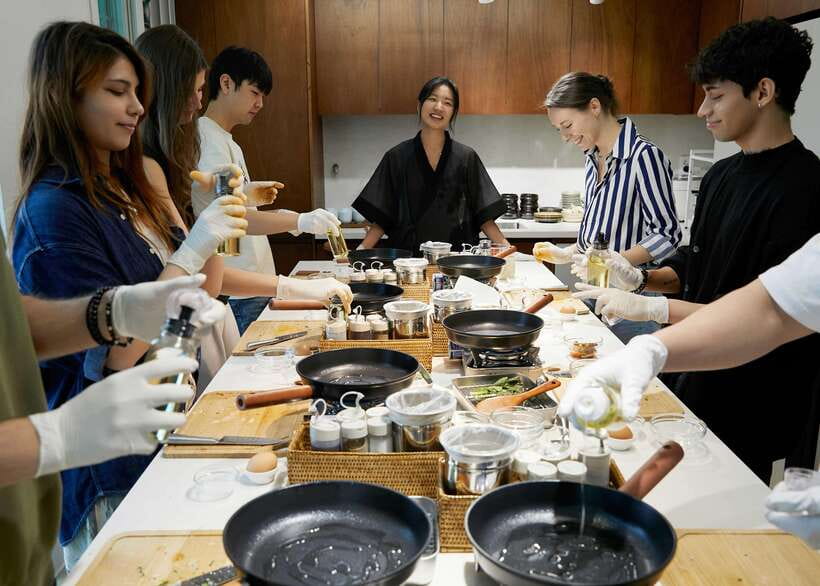
The activity lasts 2.5 hours, with starting times shown according to availability. Arrive five minutes early. That is not much extra time, but it matters because the experience begins with tea and cultural instruction, and a late arrival could interrupt the opening.
No cooking equipment is required from you. Everything needed for the class is provided. You may still want to wear something comfortable for kitchen work, but the supplied information does not specify a dress code, apron policy, or particular footwear requirement.
The class is open to a small group of up to eight people. That number is large enough for conversation but small enough for the instructor to keep an eye on the work. If you prefer quiet, private cooking instruction, remember that this is a shared activity rather than a private class.
You can cancel up to 24 hours in advance for a full refund. The reserve-now-and-pay-later option also gives you some flexibility while your plans are still taking shape. Those policies are useful in a trip with changing schedules, though you should still check the available start time before committing.
Who should book this Korean cooking class?
I would recommend it to you if you want food and culture together, not just a meal. It fits visitors who enjoy learning the meaning behind a dish, trying traditional techniques, and sitting down afterward to share what they made.
It also suits couples, friends, and solo visitors who like small-group activities. A solo participant can join a class without needing to arrange a private booking, while a couple or small group gets a shared project with a clear beginning and end.
Food-focused visitors will get the most from the attention to ingredients, tableware, side dishes, and drink pairing. The experience also works well for people who enjoy photography, since the space, meal, and included photo or video service give you plenty to remember.
I would be more cautious if you dislike group classes, have a strict food plan, or want a guaranteed menu. The available details do not list specific dishes, dietary accommodations, or ingredient substitutions. You may want to ask before booking if allergies or dietary restrictions are important to you.
Should you book Zanchi Cooking Studio?
Book this class if you want a polished introduction to Korean feast culture and are comfortable paying for the full experience. The strongest reasons are the eight-person limit, English instruction, the tea and etiquette lesson, Yena’s approachable teaching, and the chance to eat a meal you helped prepare.
Skip it if you only want the cheapest way to taste Korean food or if you need a fixed menu confirmed in advance. At $128, the class asks you to value the setting, instruction, traditional drink, recipe book, and cultural conversation along with the food.
For the right visitor, this is a memorable half-day-style activity without taking up a full day. Arrive early, expect seasonal dishes, and treat it as a shared cultural meal rather than a simple recipe class.
FAQ
How long does the Korean cooking class last?
The experience lasts 2.5 hours. Starting times depend on availability.
Where does the class take place?
The class takes place at Zanchi Cooking Studio in Gyeonggi Province, South Korea.
How much does the experience cost?
The listed price is $128 per person.
Is the class taught in English?
Yes. English is the stated language for the experience and instruction.
How many people are in the group?
The class is limited to eight participants.
What is included in the price?
The price includes the cooking class with a professional chef, ingredients, equipment, seasonal ingredients, welcome tea and snacks, the meal, traditional side dishes, a Korean traditional drink, water, photo and video service, and a recipe book.
Is the studio wheelchair accessible?
Yes. The activity is listed as wheelchair accessible.
Can I cancel or pay later?
You can cancel up to 24 hours in advance for a full refund. The reserve-now-and-pay-later option lets you book without paying immediately.
Just added around Seoul
- Seoul: Korean Cooking Class with Local Grocery Shopping★ 5.0 · 13 reviews
- Seoul: Korean Kimchi Cooking Class in the Heart of the City★ 5.0 · 3 reviews
- Seoul: Kimchi Dishes Cooking Class with Wine Pairing★ 4.7 · 38 reviews
- (Seoul) Korean Cooking Class with a Professional Chef★ 5.0 · 14 reviews
- Seoul: Taste of Korea, Authentic Home Style Cooking Class★ 4.9 · 166 reviews
- Seoul: Cooking Class and Tour with Michelin-Trained Chef★ 5.0 · 11 reviews
- Seoul: Authentic Korean Cooking Class and Market Tour★ 5.0 · 6 reviews
- Seoul: Royal Seoul Cooking Class in a 100-Year-Old Hanok★ 5.0 · 96 reviews
Korean Cooking Classes, compared.
Local Home Korean Cooking Class & Market Adventure in Seoul
Read our review →
Master Korean traditional cooking with a Kimchi chef
Read our review →
Seoul: Korean Cooking Class at a Local Home and Market Tour
Read our review →
Cook 3 Authentic Korean Dishes with Local Market Tour
Read our review →
Korean Cooking Class with Grocery Shopping at Seoul Local Market
Read our review →
Busan: Small-Group Traditional Korean Food Cooking Class
Read our review →Browse the lists this tour appears in