
Review · KOREAN
Seoul: Korean Cooking Class with Local Grocery Shopping
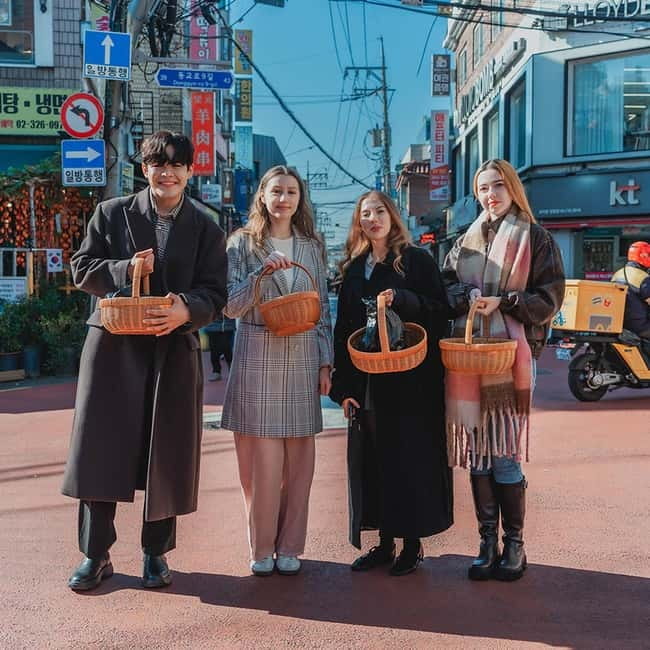
Mangwon Market is the star here. Instead of touring Seoul’s famous, tourist-heavy Gwangjang Market, you shop where local residents buy everyday food, then carry those ingredients into a nearby kitchen. It is a smart way to connect Korean food with daily life.
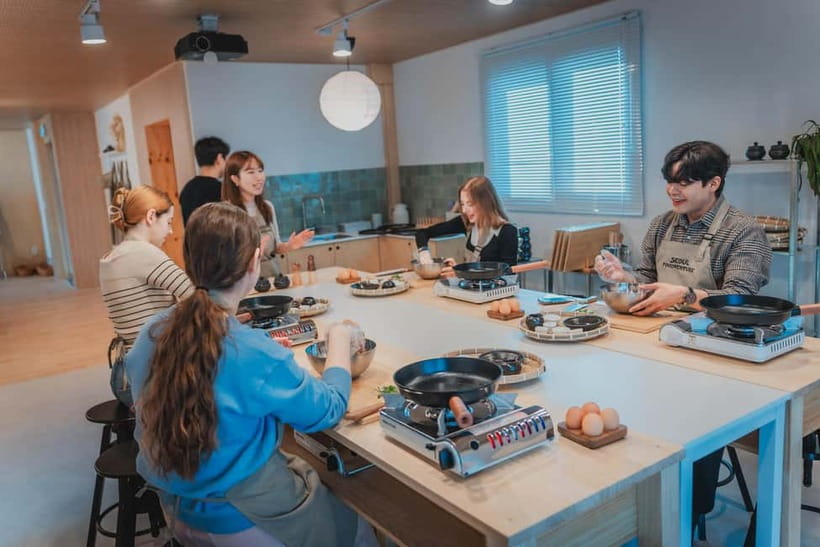
I like the small group of eight and the warm, easy teaching style of Phoebe and Rachel. I also like that you make three useful dishes, including fluffy steamed egg and picnic-ready kimbap, rather than watching someone else cook.
The main thing to check is timing: the market visit is available only with morning classes. Afternoon or evening participants still get the cooking session, meal, drinks, and recipes, but not the market walk.
Key points to know before booking
- Mangwon Market comes first on morning sessions: Shop for cooking ingredients in a local neighborhood market with a more everyday feel than Gwangjang.
- Three Korean staples are on the menu: You prepare marinated beef bulgogi, soft gyeran-jjim, and rolled kimbap.
- Phoebe and Rachel lead in English: Instructions are designed for complete beginners as well as confident home cooks.
- You eat what you make: The class includes a Korean-style meal, drinks, and ingredients, not just a demonstration.
- The small group matters: With no more than eight people, you have room to cook and ask questions.
- Leftover kimbap can become a Han River picnic: Bring it along with a mat and enjoy a simple local-style meal outdoors.
Why Mangwon Market makes this more than a cooking lesson
Many Seoul food activities begin and end in a classroom. This one starts with the shopping. That small change gives you a better sense of how a Korean home meal comes together.
Mangwon Market is close to Mangwon Station and known as a place where local residents shop regularly. You will visit favorite stores in the market and choose the ingredients used later in class. The experience does not treat the market as a stage set for tourists. It places you in an ordinary food-shopping routine, which is often where the most useful cultural details appear.
I like this approach because ingredients stop being abstract items on a recipe sheet. You see what you are buying before you cook it. The market visit also adds a little unpredictability and discovery. One participant especially enjoyed finding a rice drink there and continued ordering it during the rest of the Seoul trip. You might find a new snack, drink, or ingredient to seek out later.
Wear comfortable shoes. The market tour involves walking, and the shopping portion gives the morning session a more active start than a class held entirely indoors. The market visit is not offered with every start time, so check that you select a morning class if it matters to you.
More Korean Cooking Classes in Seoul:
- Local Home Korean Cooking Class & Market Adventure in Seoul
★ 5.0 · 1,024 reviews - Master Korean traditional cooking with a Kimchi chef
★ 5.0 · 385 reviews - Seoul: Korean Cooking Class at a Local Home and Market Tour
★ 5.0 · 348 reviews
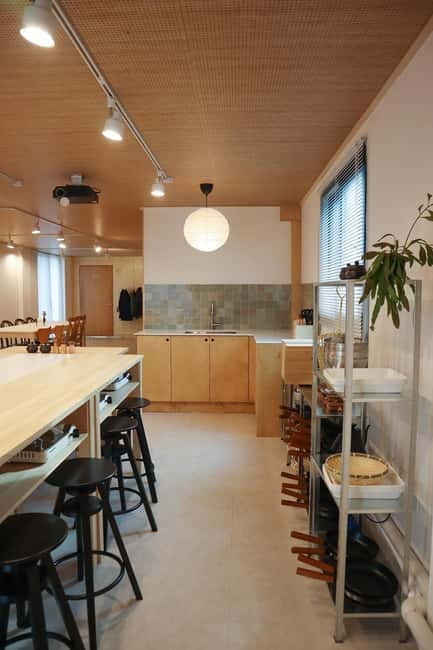
Finding the studio near Mangwon Station
The cooking studio is at 4th floor, 8, World Cup-ro 13-gil, Mapo-gu, Seoul. It is just steps from Mangwon Station Exit 2 and close to Mangwon Market. You can search Seoul Foodventure on Google or Naver to locate the meeting point.
The location also puts you a short distance from Hongdae, making this easy to pair with other plans in western Seoul. The experience lasts 150 minutes, so allow time before or after if you want to explore the neighborhood at an unhurried pace.
You meet at the studio rather than at the market. For a morning class, the group then heads out to shop. The exact rhythm can vary with the market and the class, but the structure is clear: meet, shop, cook, and eat.
The studio is wheelchair accessible, which is useful information for many visitors. The market walk still means you should consider your own comfort with moving through a busy shopping area and walking between stops.
Shopping for ingredients like a local household
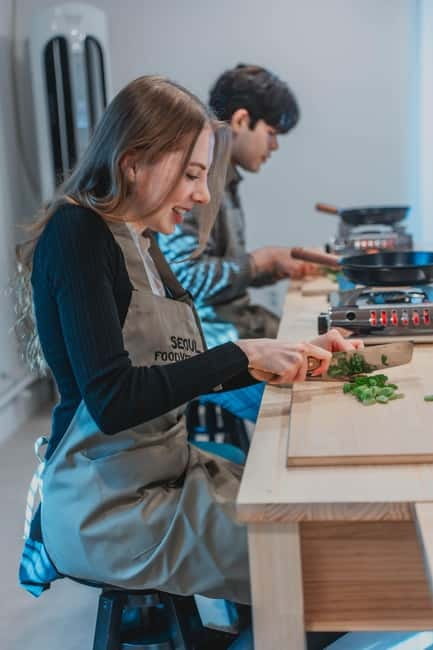
The market portion gives you a look at Korean food shopping without turning it into a formal sightseeing stop. You visit the stores the instructors favor and pick out fresh ingredients for the cooking session.
That matters because Korean cooking depends on balance and preparation. Bulgogi, steamed egg, and kimbap each use familiar ingredients in different ways. Seeing those ingredients in a market helps you understand that these dishes are not restaurant curiosities. They are practical foods made for home meals, quick snacks, and picnics.
I would pay attention to the small choices during this section. Ask about ingredients you do not recognize, the rice drink mentioned by one participant, and how the items fit into the recipes. Since the class is taught in English, you can ask questions directly rather than trying to follow instructions through gestures alone.
Do not expect a long market history lecture. The value is in the shopping itself and in the connection between the market and your meal. If you prefer a food tour built around many tastings, this is a different type of experience. You shop for a specific meal and then prepare it.
Bulgogi: a friendly first dish for new cooks
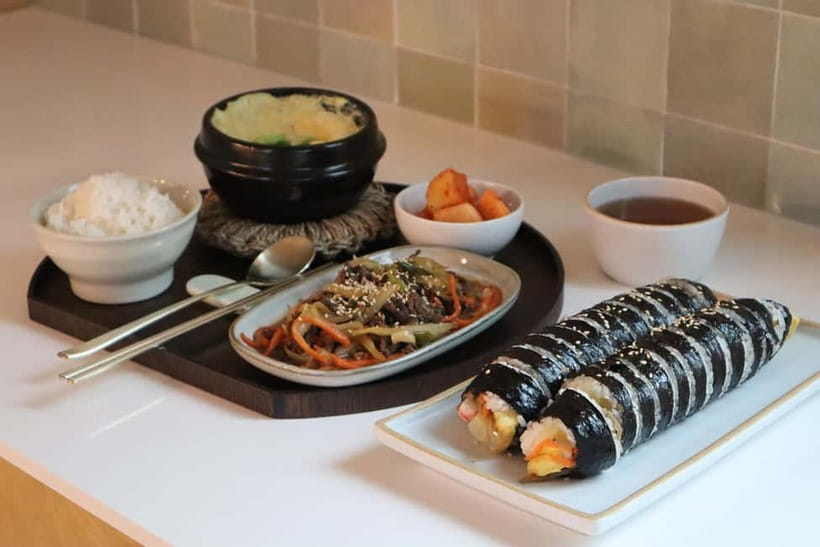
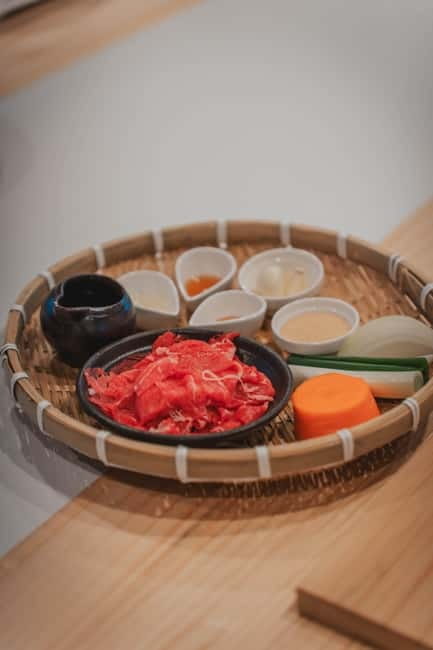
Bulgogi is marinated beef and one of the easiest Korean dishes for a beginner to understand. You work with a familiar main ingredient, season it, and cook it as part of the shared meal.
The class presents bulgogi as a home-cooked favorite, not simply a restaurant order. That framing is useful. You leave with a better sense of how a popular Korean dish fits into an everyday meal, and the recipe booklet gives you a way to repeat it at home.
If you have cooked very little, bulgogi is a comfortable place to start. If you already cook often, the value comes from picking up Korean preparation tips and seeing how the instructors organize the dish. One of the strongest features of the class is its clear guidance. The lesson is built so that everyone cooks, rather than watching Phoebe or Rachel do all the work.
The meal includes the ingredients, so you do not need to shop separately or bring cooking supplies. You also eat the food during the session, which lets you see how the dishes work together on the plate.
More Shopping Trips in Seoul:
- Cook 3 Authentic Korean Dishes with Local Market Tour
★ 5.0 · 231 reviews - Korean Cooking Class with Grocery Shopping at Seoul Local Market
★ 5.0 · 107 reviews - Seoul: Authentic Korean Cooking Class and Market Tour
★ 5.0 · 6 reviews - Hanoi Cooking Class: Culture, Local Market & Meaning CSR Impact
★ 5.0 · 5,147 reviews
Gyeran-jjim brings soft comfort to the meal
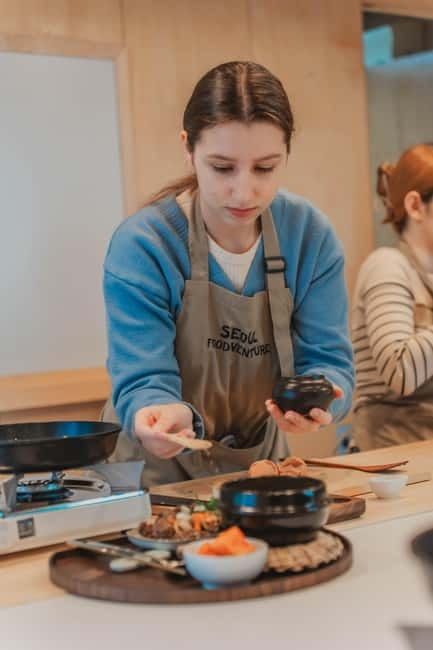
Gyeran-jjim is Korean steamed egg. It is light, soft, and comforting, and it gives the class a useful contrast to the savory beef.
This dish may be the most interesting choice for visitors who know Korean food mainly through grilled meat or fried snacks. It shows a quieter side of home cooking. The texture is central, so the instructions matter. A good class should help you understand not only what goes into the dish, but also how to produce its fluffy result.
I like that the class includes gyeran-jjim as part of the Korean-style meal with bulgogi. The pairing makes sense: one dish is hearty and strongly seasoned, while the egg is gentle and soft. You are not simply collecting three unrelated recipes. You are learning a small meal that belongs together.
The description does not promise that you will master every Korean cooking technique in one session, and you should not expect that. What you do get is a focused introduction to three dishes you can understand and try again.
Rolling kimbap, then planning the picnic
Kimbap is the hands-on, slightly playful part of the class. You roll the ingredients into seaweed and rice, producing the Korean picnic snack many visitors recognize from food stalls and convenience stores.
Kimbap rewards careful assembly more than advanced cooking skill. The class is suitable for people who have never stepped into a kitchen, so the instructors guide you through the process. You may find the rolling less tidy than the examples at first. That is part of the fun, and the finished pieces are still ready to eat.
This is also where the class connects naturally to the Han River. You can take any leftover kimbap, spread out a mat, and enjoy it in the sun near the river, following a familiar Korean picnic habit. The river outing is not described as part of the guided 150-minute class, so treat it as an optional plan after the cooking session rather than a scheduled tour stop.
I would choose this experience on a day when you have time to continue the food theme. The kimbap travels well, and the suggested picnic gives you a simple way to extend the class beyond the studio.
How the small group changes the experience
The class is limited to eight participants. That number is large enough for a social meal but small enough for direct help at the counter or cooking station.
The group size matters most during kimbap rolling and while preparing the steamed egg. Beginners may need quick corrections, and confident cooks may want to ask about technique or ingredients. With eight people, you are more likely to get a useful answer before the dish is finished.
The atmosphere also sounds friendly and relaxed. Phoebe and Rachel are the instructors, and the class is conducted in English. Their role is not just to demonstrate. You take part in preparing the meal, which makes the session more rewarding than a cooking show.
The class works well for solo visitors, couples, families, and friends who want a shared activity. It may be less suitable if you want a quiet, private lesson, since the small group still means cooking with other people.
What the $89 price includes
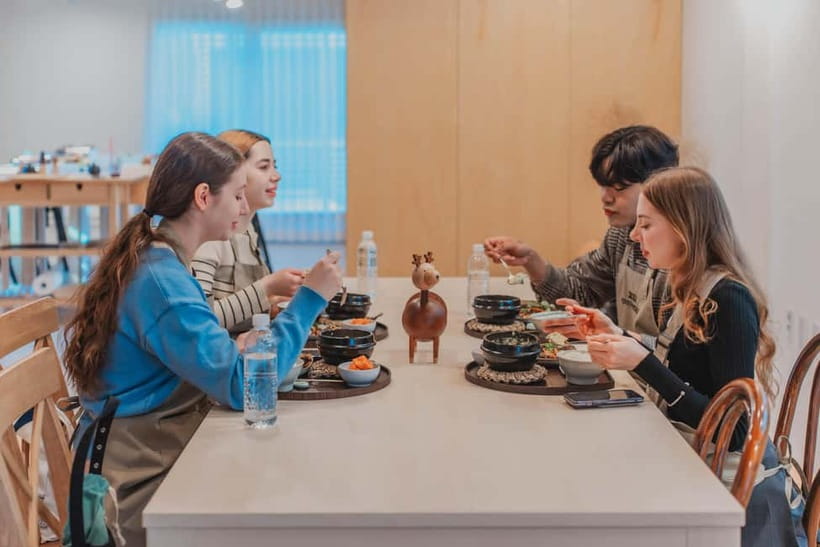
At $89 per person, this is not the cheapest way to eat Korean food in Seoul. You can buy bulgogi, egg dishes, or kimbap for less at ordinary restaurants and markets. The price is paying for more than lunch or dinner.
You receive the market tour on morning sessions, all cooking ingredients, the 150-minute class, the meal, drinks, and a recipe booklet. You also get instruction from Phoebe and Rachel and the chance to prepare the dishes yourself.
I think the value is strongest for visitors who want a practical memory they can take home. A restaurant gives you a finished dish. This class gives you three recipes, shopping context, and enough guided practice to try the food again.
The value is weaker if you mainly want to eat or if your schedule does not allow the morning market visit. It is also not a full survey of Korean cuisine. The menu focuses on three dishes, so book it for a focused home-cooking lesson, not for a broad food tour.
Who will get the most from this class
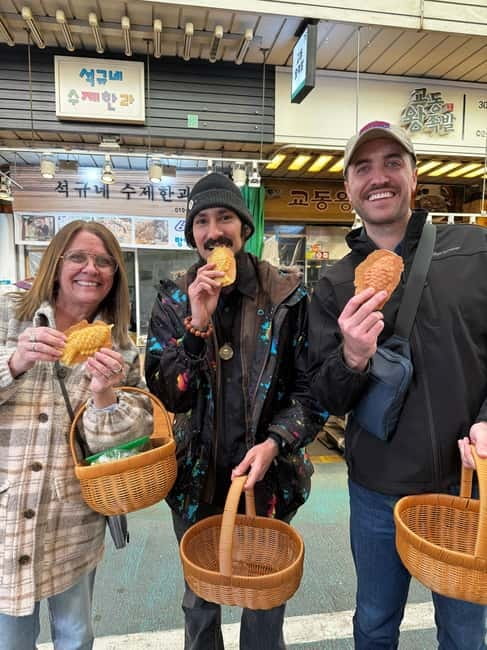
This experience suits you if you want to:
- Learn Korean recipes in a clear English-language class
- See a local market rather than only a major sightseeing market
- Cook your own meal instead of watching a chef demonstrate
- Meet a small group of other food-minded visitors
- Take home recipes that you can try again
- Add a Han River picnic to your Seoul plans
It is particularly good for beginners because the class does not assume kitchen experience. At the same time, people who already cook can use the session to learn Korean ingredients, preparation habits, and simple ways to build a home meal.
Families should consider the 150-minute length and the market walking. The activity is wheelchair accessible, but you should still share any mobility needs with the provider in advance.
Please tell the provider about dietary restrictions or allergies before the class. The menu is set around bulgogi, gyeran-jjim, and kimbap, so advance notice is important. The available information does not promise menu substitutions, so ask before booking if you need significant changes.
Practical planning for your Seoul day
Choose a morning start if the Mangwon Market visit is a priority. Meet at the studio near Mangwon Station Exit 2, and use Seoul Foodventure as the search term on Google or Naver.
Keep your shoes comfortable and leave enough energy for walking before the cooking begins. The studio is close to the market, but the market section still involves moving between shopping stops.
The class is offered in English. It includes drinks and a recipe booklet, so you can focus on the food rather than taking constant notes. The provider also allows free cancellation up to 24 hours before the activity for a full refund, and you can reserve now and pay later, which helps if your Seoul schedule is still shifting.
Should you book Seoul Foodventure?
I would book this if you want a hands-on introduction to Korean home cooking with a local market at the front of the experience. The combination of shopping, cooking, and eating gives the 150 minutes a clear purpose, and the small group makes it easier to get help.
Book the morning session if Mangwon Market is important to you. If you only care about cooking, an afternoon or evening class can still work, but you will miss the market connection that gives this activity its strongest cultural angle.
At $89, this is best for people who value instruction and context, not just a cheap meal. You leave with bulgogi, gyeran-jjim, kimbap, recipes, and the option of a Han River picnic. For a beginner-friendly food experience with a local neighborhood feel, that is a fair package.
FAQ
Where does the Korean cooking class meet?
The class meets at the Seoul Foodventure studio at 4th floor, 8, World Cup-ro 13-gil, Mapo-gu, Seoul, Korea. The studio is near Mangwon Station Exit 2 and Mangwon Market.
How long does the activity last?
The experience lasts 150 minutes.
Is the Mangwon Market tour included with every class?
No. The market tour is available only for morning classes.
Which dishes will I prepare?
You will prepare bulgogi, gyeran-jjim, and kimbap. Bulgogi is marinated beef, gyeran-jjim is steamed egg, and kimbap is a Korean rice-and-seaweed roll.
Is the class suitable for beginners?
Yes. The class is designed for all skill levels, including people with no cooking experience.
Is the class taught in English?
Yes. The instructor language is English, and the group is limited to eight participants.
More Hands-On Workshops in Seoul
- Seoul: Taste of Korea, Authentic Home Style Cooking Class
★ 4.9 · 166 reviews - Seoul: Royal Seoul Cooking Class in a 100-Year-Old Hanok
★ 5.0 · 96 reviews - Seoul: Kimchi Dishes Cooking Class with Wine Pairing
★ 4.7 · 38 reviews - Seoul: Temple Vegan Cooking Class & Oriental Medicine Tour
★ 4.6 · 32 reviews
Just added around Seoul
- Seoul: Premium Korean Feast Cooking Class★ 5.0 · 3 reviews
- Seoul: Korean Kimchi Cooking Class in the Heart of the City★ 5.0 · 3 reviews
- Seoul: Kimchi Dishes Cooking Class with Wine Pairing★ 4.7 · 38 reviews
- (Seoul) Korean Cooking Class with a Professional Chef★ 5.0 · 14 reviews
- Seoul: Taste of Korea, Authentic Home Style Cooking Class★ 4.9 · 166 reviews
- Seoul: Cooking Class and Tour with Michelin-Trained Chef★ 5.0 · 11 reviews
- Seoul: Authentic Korean Cooking Class and Market Tour★ 5.0 · 6 reviews
- Seoul: Royal Seoul Cooking Class in a 100-Year-Old Hanok★ 5.0 · 96 reviews
Korean Cooking Classes, compared.
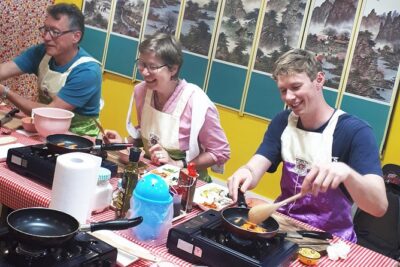
Local Home Korean Cooking Class & Market Adventure in Seoul
Read our review →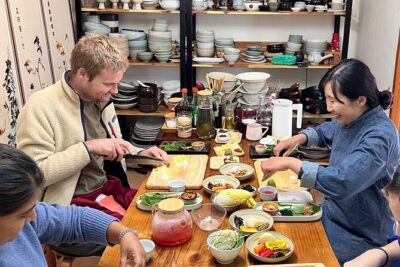
Master Korean traditional cooking with a Kimchi chef
Read our review →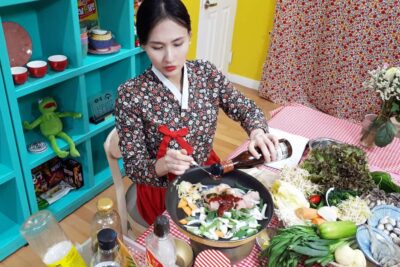
Seoul: Korean Cooking Class at a Local Home and Market Tour
Read our review →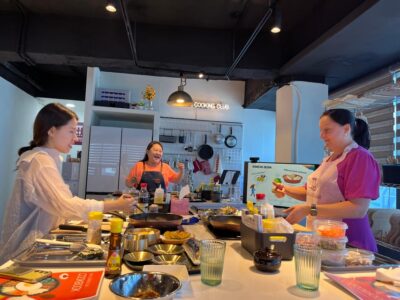
Cook 3 Authentic Korean Dishes with Local Market Tour
Read our review →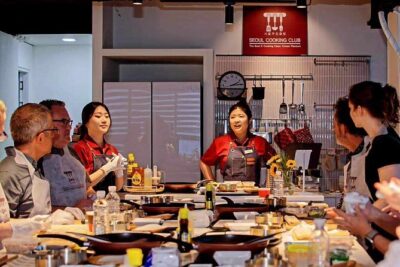
Korean Cooking Class with Grocery Shopping at Seoul Local Market
Read our review →
Busan: Small-Group Traditional Korean Food Cooking Class
Read our review →Browse the lists this tour appears in