
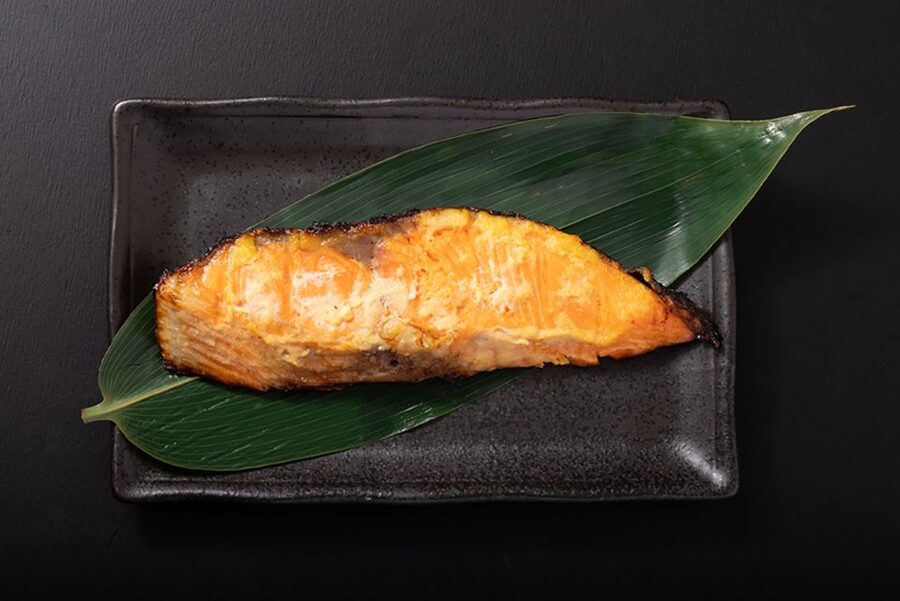
Review · TOKYO
Tokyo: Japanese Home-style Cooking Class with Meal
Japanese home cooking is the real draw here. You make dashi, miso-marinated fish, rolled omelet, rice balls, and soup, then sit down to eat what you prepared. I like the focus on family-style recipes and the chance to learn how seasoning, nutrition, and presentation fit together.
I also like the useful, manageable menu. The dishes are familiar enough to recreate at home, and the 150-minute schedule leaves time for both cooking and eating. The main caution is that the teaching standard may vary. One class with Nao and Erika earned high praise for patience and clear help, while another participant found the instruction somewhat basic, with dull knives and recipe-checking during the lesson.
Key points before you book
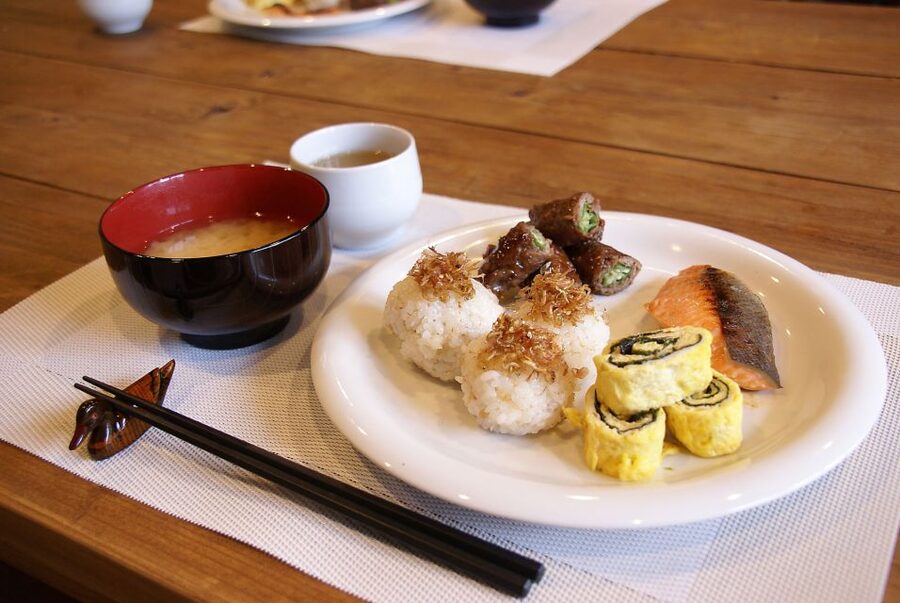
- Five home-style dishes: Prepare dashi, saikyo-yaki fish, dashimaki tamago, rice balls, and miso soup.
- A meal at the end: The cooking is followed by 30 minutes of tasting, so you eat the food you make.
- English instruction: The class is offered in English, with Nao and Erika named as instructors in one session.
- Three possible Tokyo areas: Studios are near Shinjuku, Chiyoda, or Minato wards, with the exact address sent three days before the date.
- A practical menu: The recipes are designed to be simple enough to try again in your own kitchen.
- A few limits: The class is not suitable for vegans, children under 3, or people with back problems.
What you cook in 150 minutes
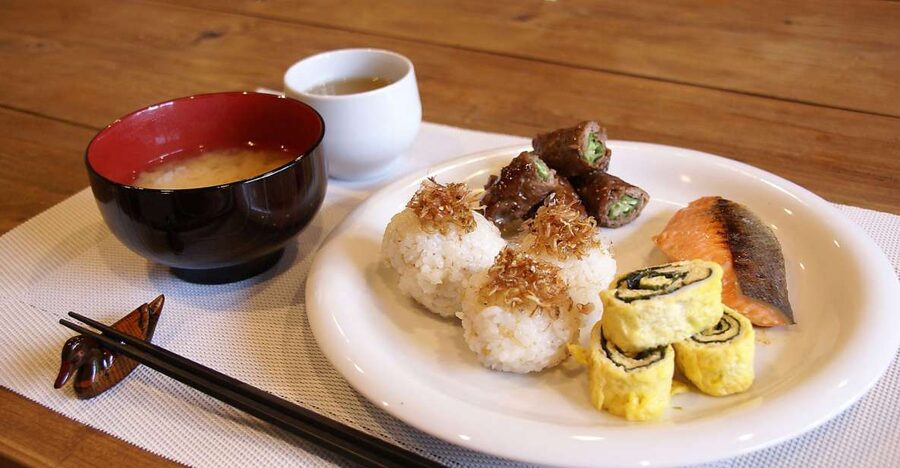
This class is built around the rhythm of a Japanese home meal rather than one showy dish. You work with several small components, learn how they fit together, and finish with a proper sit-down meal.
The listed schedule runs from 11:00 to 1:00 for cooking, followed by tasting from 1:00 to 1:30. That makes the total time 150 minutes. You should set aside the full two and a half hours, even though the cooking portion itself is described as about an hour and a half in the menu details.
The meal includes:
- Japanese dashi stock
- Grilled fish in saikyo-yaki style
- Dashimaki tamago, a rolled Japanese omelet
- A rice ball
- Japanese miso soup
- Drinks
The menu gives you a useful snapshot of Japanese cooking basics. Dashi provides the savory base for many Japanese dishes. Saikyo-yaki shows how miso can season and protect fish during cooking. Dashimaki tamago teaches a technique that looks simple until you try to roll the egg neatly.
You also get rice and miso soup, two staples that help turn separate cooking tasks into a complete meal. This is more useful than spending the whole class on one complicated specialty. You leave with a sense of how a Japanese lunch can balance rice, soup, protein, and seasoning.
More Sushi and Japanese Classes in Tokyo:
- Sushi Making Tokyo Roll and Authentic Japanese Sushi Class
★ 5.0 · 3,971 reviews - Tokyo: Roll and Authentic Sushi Making Class in Asakusa
★ 4.9 · 1,957 reviews - Tokyo: Sushi Making Class in a Happi Coat near a Famous Spot
★ 4.9 · 1,377 reviews
Dashi, miso, fish, and the Japanese omelet
The dashi portion is important because it gives context to the rest of the menu. Rather than treating Japanese flavor as a mystery, the class introduces the stock used in familiar soups and other dishes. You learn how a mild base can carry seasoning without making the food heavy.
The saikyo-yaki fish is another strong choice for a first class. The fish is prepared in a sweet white miso style and grilled. It gives you a clear example of how Japanese cooking can use a small amount of marinade to create a dish with a lot of flavor.
Dashimaki tamago may be the most hands-on part of the meal. This rolled omelet is a classic home dish, but the neat layers require timing and care. The class gives you a chance to work on technique instead of simply watching an instructor finish the dish.
Rice balls add an easy, practical item to the menu. They are familiar, portable, and less demanding than the omelet or fish. Miso soup rounds out the meal and gives you another reason to pay attention to the dashi.
I appreciate this mix because it avoids making the class too narrow. You are not just learning a recipe. You are practicing a stock, a marinade, a cooked egg, rice preparation, and soup. That is a good range for a short class.
What the teaching may be like
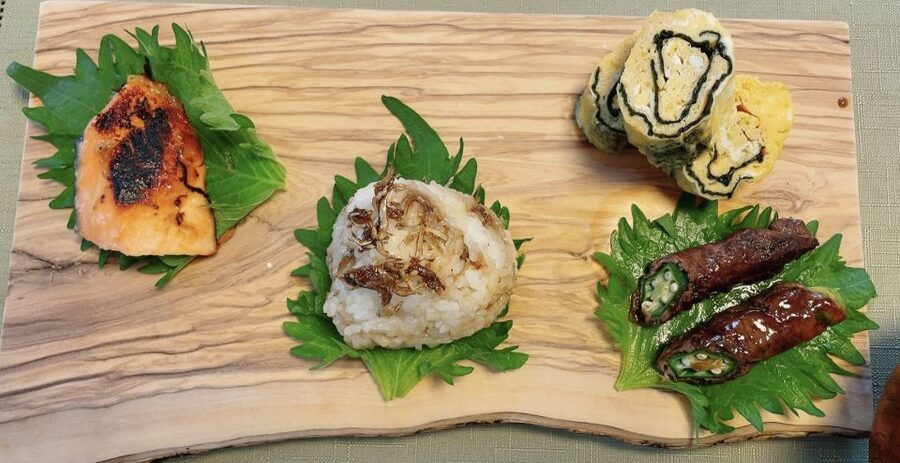
The activity is conducted in English, which makes it suitable for visitors who want explanations as they work. You are not simply handed a finished plate. The format is hands-on, with an instructor guiding you through the recipes and discussing nutritional balance, seasoning, and presentation.
One class was led by Nao and Erika, who helped participants follow recipes that were simple enough to recreate at home. That is the best version of this experience: clear instruction, patience at the work surface, and practical help when the omelet or fish does not go exactly as planned.
You should also keep your expectations realistic. This is a small cooking lesson, not a professional culinary workshop. One participant felt the instruction was amateur in places and noted dull knives, recipe-checking, and limited advice on variations. That criticism matters if you already cook often or want restaurant-level technique.
For a beginner, though, basic instruction can be enough. You are likely paying for access to a local cooking setting, ingredients, an English-speaking guide, and a meal, not for advanced knife training. If you want detailed explanations of substitutions, regional differences, or several ways to alter each dish, ask about that during the class rather than assuming it will be covered.
The instructor quality appears to be the biggest variable. The activity description presents an experienced cooking instructor, but the available feedback is mixed on how polished the teaching feels. I would book this for a friendly introduction to home cooking, not as a serious skills course.
Eating the meal you prepared
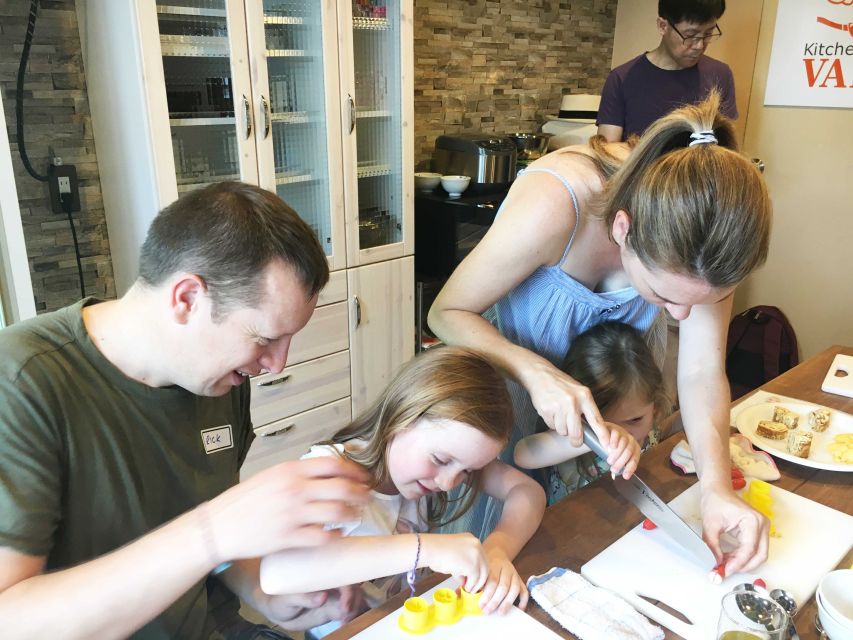
The tasting period lasts from 1:00 to 1:30. This is not an afterthought. Sitting down with the finished food gives you time to notice how the dishes work together and to ask questions while the recipes are still fresh in your mind.
The meal also helps you judge the balance the instructor has been discussing. Dashi and miso bring savory depth, the saikyo-yaki fish adds a sweet and salty note, and rice provides a plain base. The omelet brings a soft texture and gentle flavor. You can see how a Japanese meal avoids relying on one large, heavy dish.
Drinks are included, along with all ingredients and the prepared meal. That makes the cost easier to understand. At $90 per person, this is not a bargain meal, especially if you measure the price against the amount of food alone. The value comes from combining instruction, a local setting, ingredients, and a meal in one booking.
I would compare it with the price of other Tokyo food activities before booking. If you only want to eat Japanese food, a restaurant will cost less. If you want to learn a few recipes and take part in preparing lunch, the price is more defensible.
More Cooking Classes with Lunch in Tokyo:
- New Orleans Demonstration Cooking Class with Meal
★ 5.0 · 3,000 reviews - Pasta Making & Wine Tasting with Dinner in Frascati from Rome
★ 5.0 · 1,326 reviews - New Orleans Hands-On Cooking Class with Meal
★ 5.0 · 1,183 reviews - Palermo: Pizza and Gelato Cooking Class with Dinner and Wine
★ 4.9 · 951 reviews
The Tokyo location needs careful planning
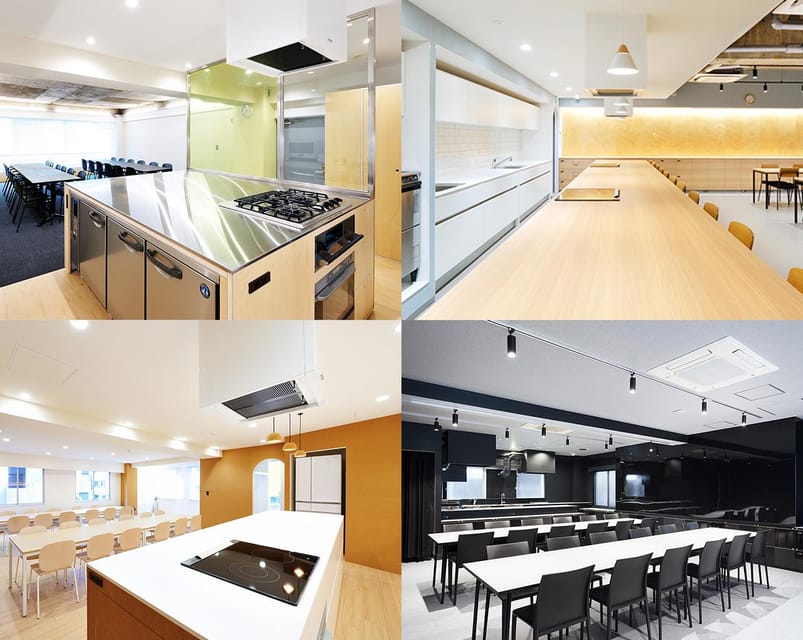
The cooking studios are near Shinjuku, Chiyoda, and Minato wards. These are broad areas, not one clearly stated meeting point, so do not rely on the map pin shown during the booking process.
The exact studio address is provided three days before your reservation date. You need to go directly to the designated cooking studio, since hotel pickup and drop-off are not included. Build a little extra time into your plans once you receive the address, especially if you are unfamiliar with Tokyo’s train system.
This location setup can be either a plus or a nuisance. A studio near one of these central wards may fit neatly into a day of sightseeing, but you cannot finalize your route until the address arrives. Keep the period around the class reasonably open.
The start time listed is 11:00, with tasting finished around 1:30. That works well as a late breakfast or early lunch activity. It may not suit you if you want a slow morning or have a fixed midday reservation elsewhere.
Who will get the most from this class
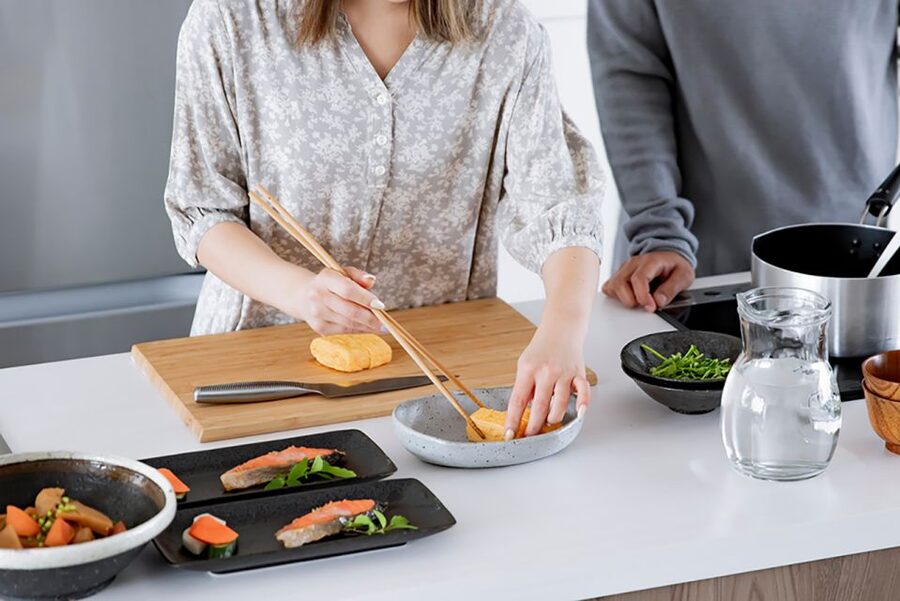
This class is a good match for first-time visitors who want more than a restaurant meal. You get a direct look at ordinary Japanese food, not just dishes prepared behind a counter. The recipes are also approachable enough to repeat at home.
It suits couples, friends, and solo visitors who enjoy active food experiences. The cooking tasks give you something to do, and the final meal gives the session a clear finish. You do not need to be a skilled cook to take part.
Families should note the age restriction. Children under 3 are not suitable for the activity. The class is also not suitable for vegans, since the menu includes fish, egg, and dashi-related ingredients. The information does not list a vegetarian adaptation, so ask before booking if you have dietary needs beyond vegan cooking.
People with back problems should also avoid this experience. Cooking usually means standing, working at a counter, and moving between preparation tasks. The activity specifically states that it is not suitable for people with back problems.
If you already cook Japanese food often, the class may feel too basic. The recipes are straightforward, and one participant felt they could have made the dishes from the recipes alone. You may still enjoy the setting and meal, but you should not expect advanced professional instruction.
What to bring and how to prepare
You do not need to buy ingredients separately. The class includes the cooking lesson, ingredients, meal, and drinks. Smoking indoors is not allowed.
Your most useful preparation is to think about what you want to learn. If you are interested in dashi, ask how it is used beyond miso soup. If the omelet catches your attention, ask about rolling technique and how to adjust the texture. If you want to repeat the fish at home, ask about the role of the miso marinade.
Do not assume every class will include a long discussion of variations. The available feedback suggests that some instruction may stick closely to the recipe. A few focused questions can help you get more from the 90-minute cooking block.
It is also worth remembering the difference between home cooking and restaurant cooking. The appeal here is the chance to make food that feels practical and repeatable. You are not being trained to run a sushi bar or prepare a complex kaiseki menu.
Price, flexibility, and cancellation
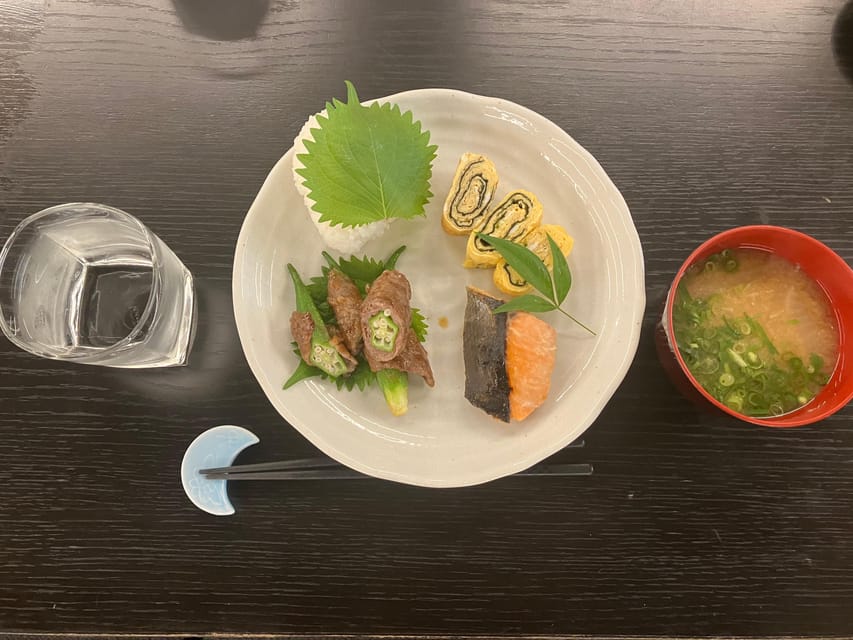
The listed price is $90 per person. Ingredients, drinks, the cooking session, and the meal are included. Hotel transfers are not included, so you handle your own route to the studio.
For flexibility, you can reserve now and pay later. You can also cancel up to 24 hours in advance for a full refund. That is useful when you are arranging a Tokyo schedule around train trips, weather, or other timed activities.
The price makes the most sense if you value participation. Think of it as a cooking lesson with lunch, not lunch with a little entertainment. If you want to return home able to make dashi, miso soup, rice balls, fish, and rolled omelet, the package offers a fair range of skills in a short session.
The small number of published ratings means I would avoid making a strong claim about complete consistency. The overall score is 4.5 from three ratings, with two top marks and one middle rating. That pattern suggests a generally pleasant experience, but it also confirms that the teaching style may not suit everyone.
Should you book Patia’s Japanese Cooking Class?
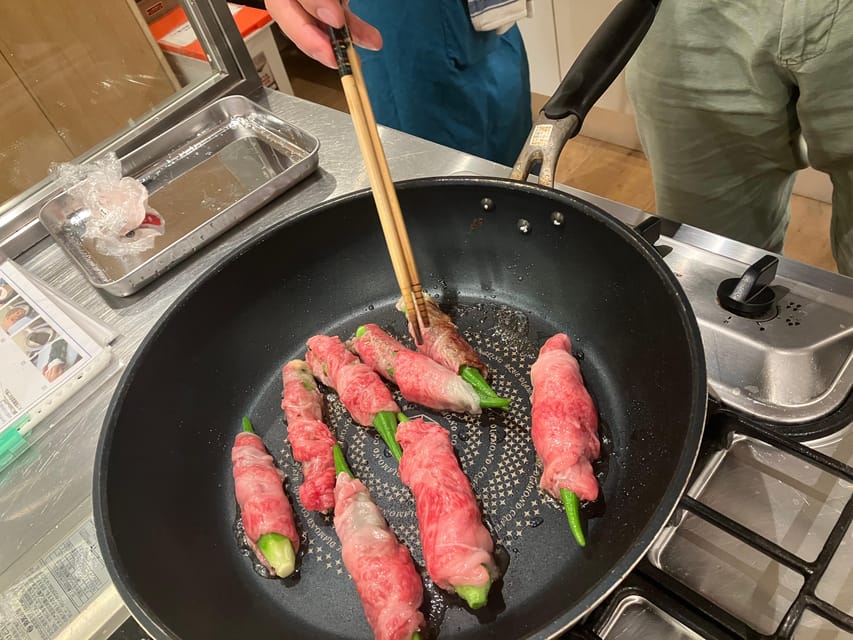
Book it if you want a friendly, English-language introduction to Japanese home food and you like the idea of eating your own work. The menu is well chosen for beginners, the cooking time is manageable, and the meal covers several basic parts of a Japanese table.
I would be more cautious if you are an advanced home cook, need vegan food, have back problems, or want polished culinary instruction. The class may follow the printed recipes closely, and the equipment or teaching can vary.
For most curious food lovers, the best reason to book is the practical menu. Dashi, saikyo-yaki fish, dashimaki tamago, rice balls, and miso soup give you more to take home than a single restaurant dish. Just arrive with modest expectations and a few questions ready.
FAQ
How long does the Japanese cooking class last?
The full activity lasts 150 minutes. Cooking is scheduled from 11:00 to 13:00, followed by tasting from 13:00 to 13:30.
What dishes will I prepare?
The menu includes Japanese dashi stock, grilled fish in saikyo-yaki style, dashimaki tamago, a rice ball, and Japanese miso soup.
Is a meal included?
Yes. You eat the dishes prepared during the class, and drinks are included as well.
Is the class taught in English?
Yes. English is the listed activity language.
Where does the cooking class take place?
The studios are located near Shinjuku, Chiyoda, and Minato wards. The exact studio address is sent three days before the reservation date.
Is hotel pickup included?
No. You must make your own way to the designated cooking studio.
Can I cancel for a refund?
Yes. You can cancel up to 24 hours before the activity for a full refund.
Can I reserve now and pay later?
Yes. The activity offers a reserve now and pay later option.
Is the class suitable for vegans and young children?
The class is not suitable for vegans or children under 3. It is also not suitable for people with back problems.
More Hands-On Workshops in Tokyo
- Tokyo Sushi Making Class in Tsukiji with Professional Chef
★ 5.0 · 1,177 reviews - Ramen & Gyoza Cooking Class in Tokyo with Local Supermarket Visit
★ 5.0 · 823 reviews - Tokyo: Tsukiji Fish Market Sushi Making Class with Pro Chef
★ 4.9 · 506 reviews - Tokyo: Sushi Making Class
★ 4.9 · 390 reviews
Just added around Tokyo
- Tokyo: Tsukiji Market Walking Tour & Sushi Cooking Class★ 4.6 · 122 reviews
- Tokyo: Sushi Cooking Class with Sake Tasting★ 4.8 · 55 reviews
- Sushi-Making Experience★ 4.7 · 4 reviews
- Tokyo: Tsukiji Market Guided Tour & Sushi-Making Experience★ 4.4 · 11 reviews
- Tokyo: Sushi and Ramen Cooking Class with Sake Pairing Set★ 5.0 · 81 reviews
- Tokyo: Learnt to cook Bento, Oyakodon and More!★ 5.0 · 5 reviews
- Tokyo: Real Ramen & Dumpling Cooking with Master Chef★ 5.0 · 10 reviews
- Tokyo: Kawaii Bento Cooking Class – Cute Character Lunchbox★ 4.9 · 55 reviews
Japanese & Sushi Cooking Classes, compared.
Sushi Making Tokyo Roll and Authentic Japanese Sushi Class
Read our review →
Tokyo: Roll and Authentic Sushi Making Class in Asakusa
Read our review →
Ramen Cooking Class at Ramen Factory in Kyoto
Read our review →
Tokyo: Sushi Making Class in a Happi Coat near a Famous Spot
Read our review →
Sushi Making Tokyo! Popular Maki Sushi & Japanese Sushi(+Recipe!)
Read our review →
Sushi Making Osaka Roll and Authentic Japanese Sushi Class
Read our review →
Tokyo Sushi Making Class in Tsukiji with Professional Chef
Read our review →
Ramen & Gyoza Cooking Class in Tokyo with Local Supermarket Visit
Read our review →Browse the lists this tour appears in