
Review · TOKYO
Tokyo: Easy Ramen Cooking Experience in Kabukicho, Shinjuku
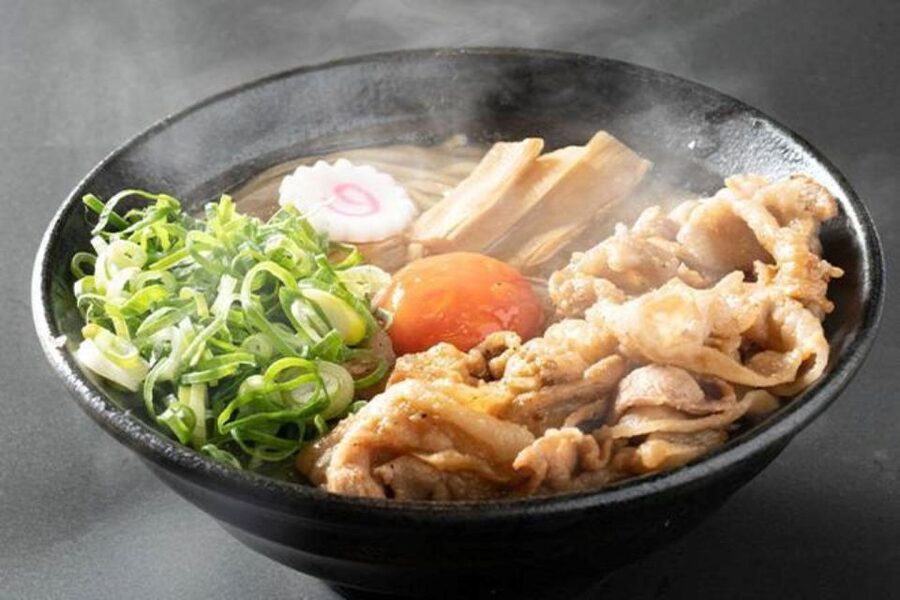
Ramen is one of Tokyo’s best food lessons because it looks simple in the bowl but has a surprisingly long story behind it. In this one-hour Shinjuku class, you learn the basic process, cook the noodles, choose your soup, add toppings, and eat the result in Kabukicho.
I like two things here: the class is easy for complete beginners, and the meal is part of the price. Guides such as Tak, Mikhail, Hinata, and Chihiro are praised for clear instructions and friendly conversation, with some also offering Tokyo tips.
The main catch is that this is a shortened ramen workshop, not a full noodle-and-broth course. The soup is prepared ahead, and the recipe is secret, so you will assemble and cook key parts rather than make every element from raw ingredients.
Key points to know before booking
- The full ramen process is shortened to one hour: You learn how the dish works, then prepare the practical parts in class.
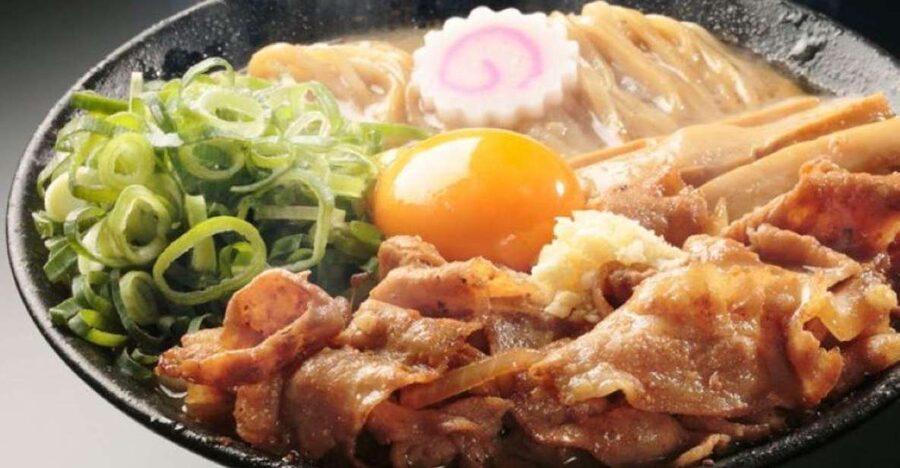
- You make your own bowl: Choose the soup, boil the noodles, and add meat, vegetables, eggs, and other toppings.
- The group can be very small: Some sessions have only one to four people, with a maximum of about six mentioned in the experience details.
- The setting is Shinjuku Ale in Kabukicho: The class is upstairs, near the Godzilla statue, with no elevator.
- The meal is included in the $29 price: Bottled drinks, extra food, and optional additions cost more.
- Dietary limits matter: The soup contains pork, chicken, and beef, and the class is not suitable for vegans, vegetarians, or people with gluten intolerance.
What happens inside Shinjuku Ale
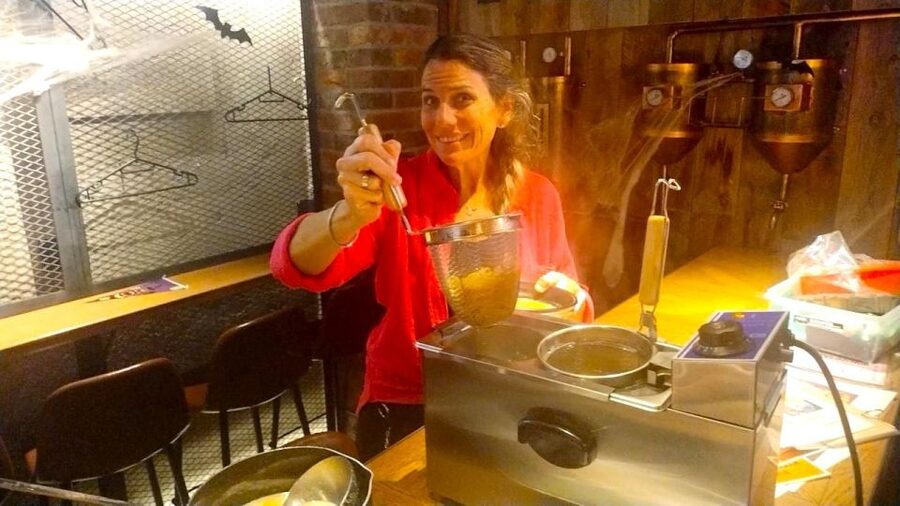
You meet at Shinjuku Ale, a small bar and food venue in Kabukicho. The class takes place on the second floor, so you need to use the stairs. The location is close to the Godzilla statue and makes a handy stop while exploring central Shinjuku.
Finding the building is the part that may test your patience. Shinjuku Station is a large, confusing web of platforms and exits, and one participant arrived late after leaving early because of the station layout. I would give yourself extra time, then use the supplied map link or Google Plus Code rather than relying on a quick station search.
When you arrive, tell the staff that you are making a trial reservation. That instruction is easy to miss, but it helps the team identify you at the venue.
Inside, expect a casual upstairs bar rather than a polished cooking school. The atmosphere has character, with decorative objects and unusual drinks on the bar. That informal setting suits the short class. You are here to cook, chat, and eat, not sit through a formal culinary lecture.
The class can feel almost private when numbers are low. One session had a single participant, while another had four people. A group of up to six keeps the demonstration easy to follow and gives you a chance to ask questions without fighting for the instructor’s attention.
More Sushi and Japanese Classes in Tokyo:
- Sushi Making Tokyo Roll and Authentic Japanese Sushi Class
★ 5.0 · 3,971 reviews - Tokyo: Roll and Authentic Sushi Making Class in Asakusa
★ 4.9 · 1,957 reviews - Tokyo: Sushi Making Class in a Happi Coat near a Famous Spot
★ 4.9 · 1,377 reviews
The ramen story comes before the cooking
The first part explains what ramen is and why the bowl depends on several separate elements. You hear about the noodles, soup, meat, eggs, vegetables, and seasonings that come together in one dish.
This introduction is useful because it changes the way you look at a bowl of ramen. The soup is not simply a thin stew poured over noodles. It has a base, seasoning, and preparation time, while the noodles need their own timing and texture.
The instructors also explain that proper ramen takes far longer than an hour. The listing describes the noodle and soup work as taking several days, while one class explanation referred to a process of about 14 hours. The precise timing depends on the recipe, but the practical point is clear: this is a compressed lesson.
That honesty is important. You do not make the stock from bones and raw ingredients, then wait for it to develop. Instead, you learn the structure of the dish and handle the parts that can be prepared during a short session.
The teaching style appears to vary slightly with the guide, but the core method remains simple. Mikhail has been praised for explaining useful techniques and tips, while Hinata carefully explained the difference between the full process and the shortened class. Tak has helped younger participants and made the session feel relaxed.
Some guides speak strong English. Other staff members may use a translation machine, so the communication level can depend on who leads your class. The instructions are designed to be easy to follow, and the hands-on steps are straightforward.
Boiling noodles and building your bowl
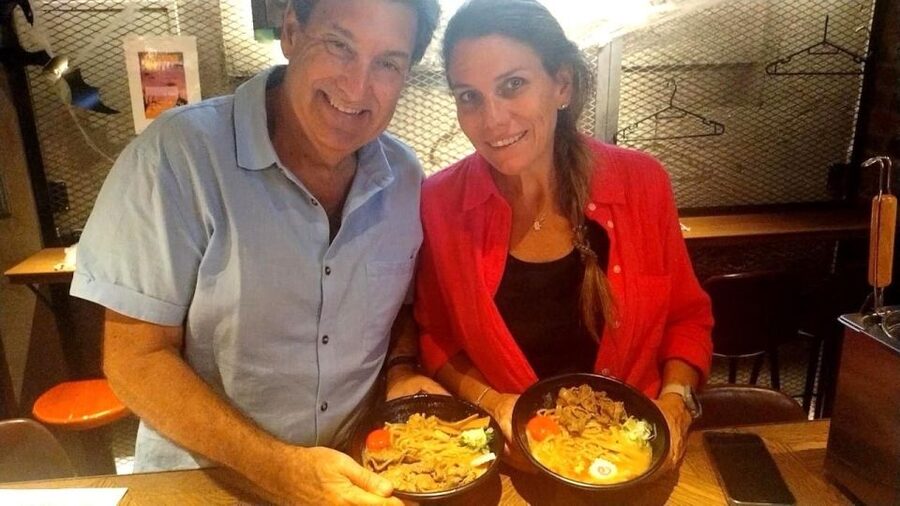
Once the explanation ends, the class moves to the part most people are waiting for: making the ramen.
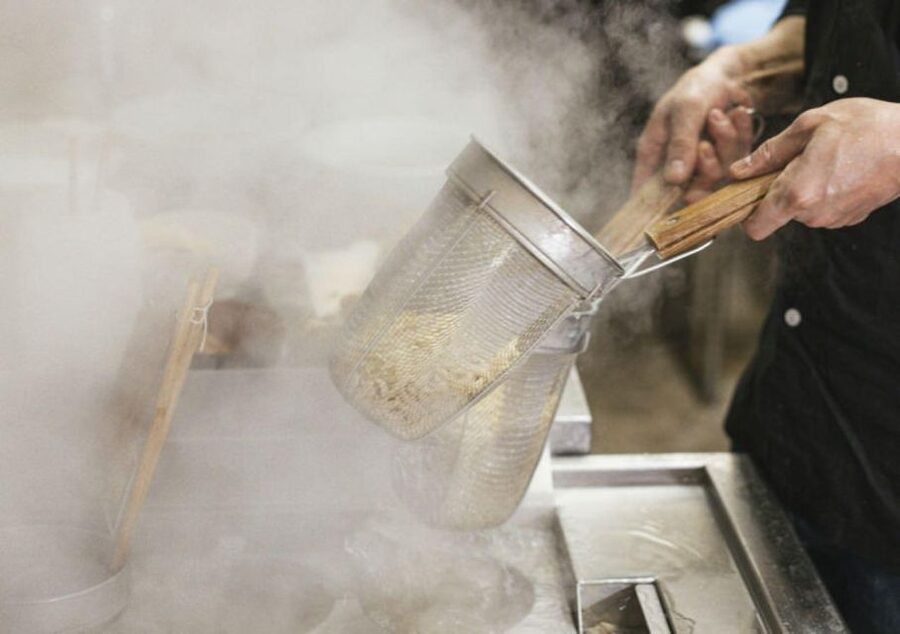
You choose your soup, then boil the noodles. This sounds basic, but timing matters. Ramen noodles can change texture quickly, and the class gives you a practical sense of how the cooking stage affects the finished bowl.
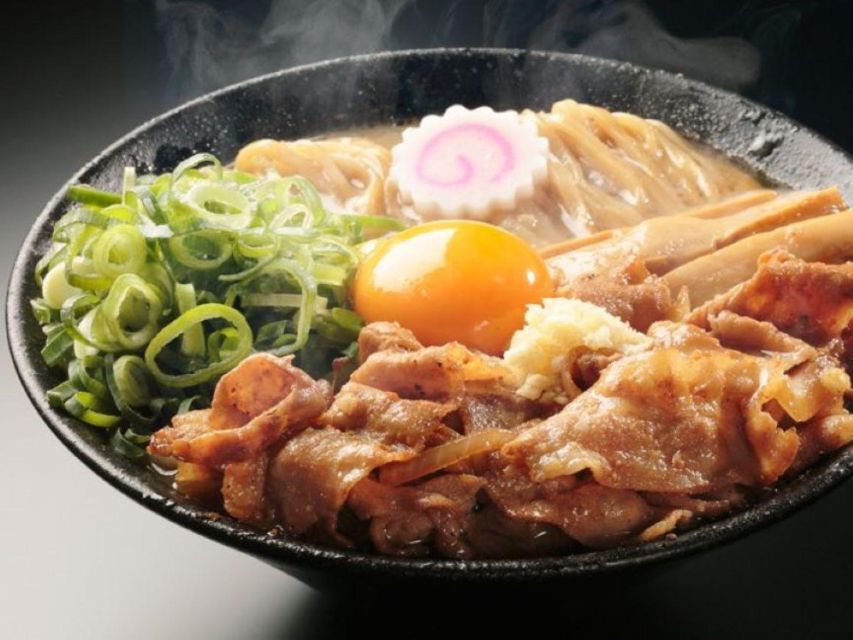
You then add the ingredients to your bowl. The exact selection can vary, but the experience includes the kind of components associated with a full ramen meal, such as pork, vegetables, and broth. You can assemble the bowl according to your taste, and one participant particularly enjoyed choosing a spicy version.
This is where the class earns its price. You are not simply watching a chef prepare lunch. You handle the cooking and make choices that affect the final bowl. Even if you have little kitchen experience, the process is paced for beginners.
A parent and guardian can also make this a useful family activity for older children. A 10-year-old successfully took part with help from the guide, but children under four are not accepted. Anyone under 20 must be accompanied by a parent or guardian, and alcohol is not allowed for people under 20 under Japanese law.
The cooking itself is not physically demanding, but you should expect to stand and work in an upstairs venue. The no-elevator access is worth noting if stairs are a concern.
Eating the ramen you prepared
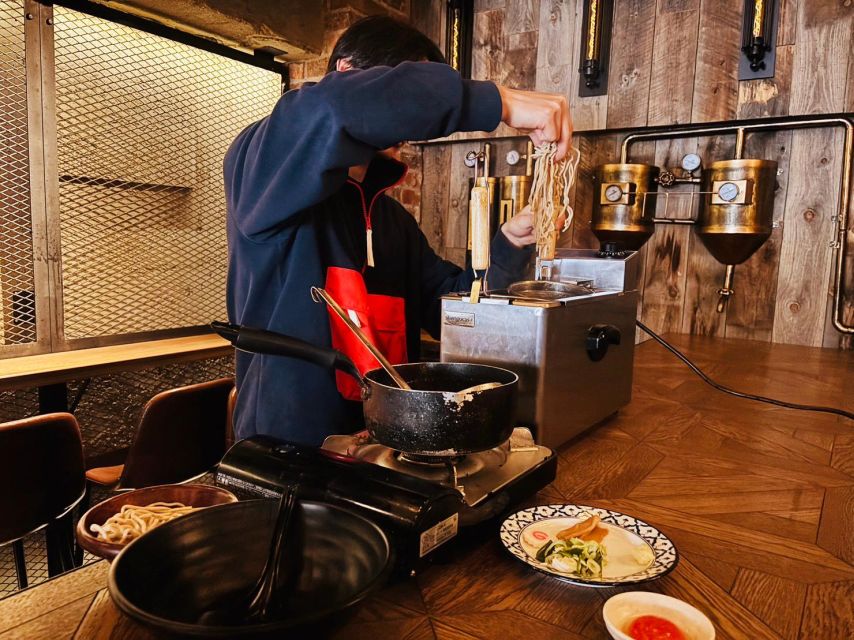
After the final toppings go in, you sit down and eat your ramen. The class ends when you finish the meal, so the full hour includes both the instruction and the eating time.
The bowl is filling, which makes this more than a quick demonstration before dinner. The basic price includes the ramen meal, and that helps the $29 cost make sense in an expensive city such as Tokyo. You receive a food activity and lunch or a light dinner in one booking.
The soup receives especially strong praise, though one person found the pork stock too salty. That is a useful warning for anyone sensitive to salt. The base contains pork, chicken, and beef, and the exact recipe is kept secret, so the staff cannot provide a full ingredient list.
Because of that, you should not book this class if you need strict control over ingredients. It is not suitable for vegans, vegetarians, or people with gluten intolerance. The soup also rules it out for anyone avoiding meat from several animals.
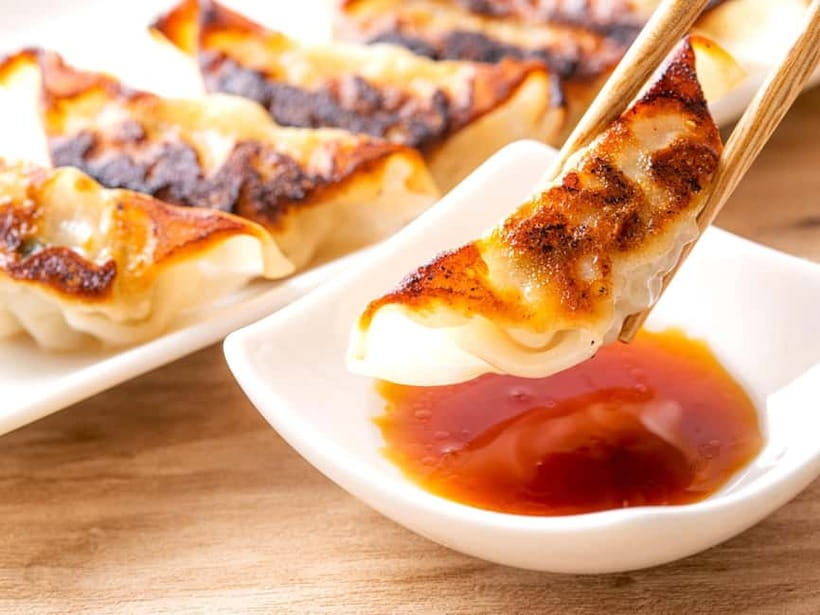
The class may offer extra options, such as gyoza and an alcoholic drink, but these are not part of the standard package. One booking included five gyozas per person and a choice of drinks, while another person wished the extra costs had been explained more clearly. If you are watching your budget, confirm the price of additions before ordering.
Some sessions may also include photographs, with a professional photo option available for purchase. Treat that as an extra, not a core part of the experience.
A few more cooking classes around Tokyo worth a look
- Tokyo Sushi Making Class in Tsukiji with Professional Chef
★ 5.0 · 1,177 reviews - Ramen & Gyoza Cooking Class in Tokyo with Local Supermarket Visit
★ 5.0 · 823 reviews - Tsukiji Fish Market Guided Tour and Sushi Making with Pro Chef
★ 5.0 · 775 reviews - Tokyo: Tsukiji Fish Market Sushi Making Class with Pro Chef
★ 4.9 · 506 reviews
How the guides shape the experience
The strongest part of this class is the human touch. You can ask questions while cooking, and the guides often talk about Japanese food and places to visit in Tokyo.
Tak is known for being warm and helpful, including support for younger cooks. Mikhail has been praised for his clear technique tips and enthusiasm for ramen. Hinata has a careful teaching style and explains what the shortened recipe leaves out. Nina has been described as friendly and engaging, while Chihiro led a polished session for a guest who wanted more background on the dish.
That does not mean every class will have the same guide or the same English level. Staff may use a translation device, and the session will feel different depending on group size. Still, the format gives you a better chance to speak with the instructor than a large tour would.
I also like the way the conversation can move beyond ramen. Guides may suggest other Japanese foods to try or recommend places around Tokyo. You should not book this only for sightseeing advice, but it is a pleasant bonus while your noodles cook.
Why Kabukicho makes a good setting

Kabukicho gives the activity a strong sense of place. You are not being taken out to a distant cooking studio. You make and eat ramen in the middle of Shinjuku, close to neon streets, bars, restaurants, and the famous Godzilla statue.
The venue itself is not a grand traditional kitchen. It is a quirky upstairs bar, which gives the class a relaxed local-business feel. That may appeal to you if you prefer a casual food stop over a staged cultural presentation.
The location is also easy to combine with other plans. You might schedule the class before exploring the Shinjuku streets, or use it as a midday break before visiting the Godzilla area. Because the session lasts about an hour, it does not consume half a day.
The tradeoff is that central Shinjuku can be confusing and crowded, especially around the station. Do not cut your arrival time close. Once you find the building, the upstairs venue is simple, but getting to the right exit can take longer than expected.
Is $29 good value?
At $29 per person, this is a fair price for a short cooking activity that includes a full bowl of ramen. You pay for instruction, ingredients, and the meal, rather than paying admission for a demonstration and then buying lunch elsewhere.
The value is strongest if you want an activity with a clear result. By the end, you have learned the basic structure of ramen and made something you can eat immediately. The class is also reasonably priced for couples, families with older children, and solo participants who want a social food experience.
It is less valuable if you expect to learn a complete ramen recipe that you can reproduce at home from raw ingredients. The soup is made in advance, the recipe is secret, and the noodle and stock process is condensed. For a serious cooking student, this may feel more like guided assembly with instruction than a full culinary course.
Optional food and drink can raise the final bill. Ask before adding gyozas, alcohol, or photographs. The basic booking includes the ramen meal and nothing more.
Free cancellation is available up to 24 hours before the activity, and you can reserve now and pay later. Those terms are useful if your Shinjuku schedule is still moving around, though late changes remain subject to the stated cancellation policy.
Who should take this ramen class?
I would recommend it to first-time Tokyo visitors who want an easy food activity in a central location. It also suits anyone who loves ramen but has never learned how the soup, noodles, and toppings work together.
Families with children over four can enjoy it, provided anyone under 20 has a parent or guardian with them. The cooking is simple enough for beginners, and the guides can help younger participants with the steps.
Solo visitors may find the small groups especially appealing. A one-person or four-person class leaves plenty of room for conversation, and the meal gives you an easy shared topic even if you arrive not knowing anyone.
You should skip it if you are vegan, vegetarian, gluten-free, or avoiding pork, chicken, or beef. You should also choose another activity if stairs are difficult, since the class is on the second floor with no elevator.
Should you book it?
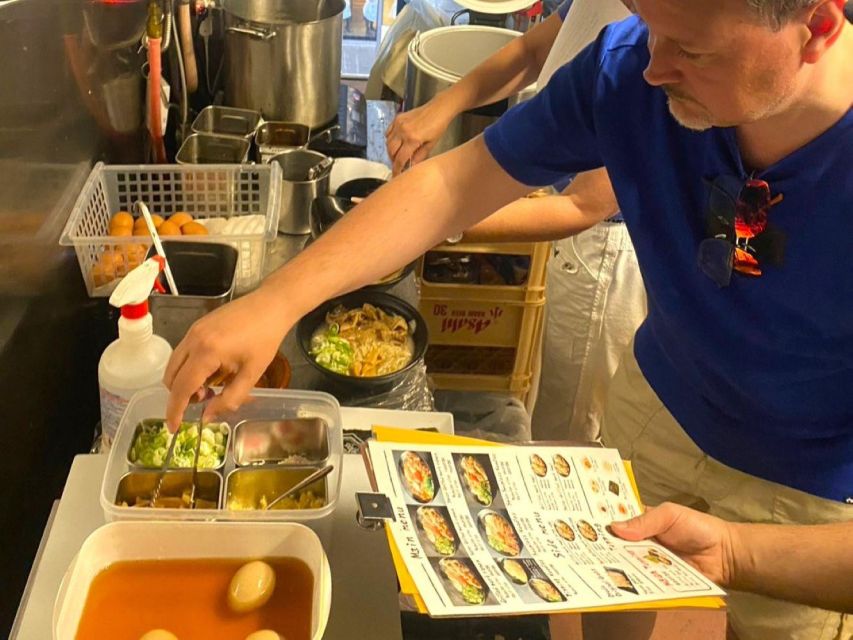
Book this ramen class if you want a short, hands-on food experience with a meal at the end. The friendly guides, small groups, central Kabukicho location, and ability to customize your bowl make it a good use of an hour in Shinjuku.
Go in with the right expectations. You will not make the soup and noodles entirely from scratch, and the stock may taste salty to some people. But you will learn why ramen takes time, cook the noodles, build your own bowl, and leave with a better sense of how one of Japan’s most familiar foods comes together.
FAQ
How long does the Tokyo ramen cooking experience last?
The activity lasts about one hour, including the explanation, cooking, and eating.
Where does the ramen class take place?
It takes place at Shinjuku Ale in Kabukicho, Shinjuku. The meeting point is on the second floor, near the Godzilla statue.
Is the ramen meal included?
Yes. The ramen cooking experience and the meal are included. Bottled drinks, additional food, and additional drinks are not included.
Does the class make ramen soup and noodles completely from scratch?
No. The full soup and noodle process takes much longer, so the class uses a shortened recipe. The soup is prepared ahead of time, while you choose the soup, boil the noodles, and add the ingredients.
Can vegetarians, vegans, or people with gluten intolerance join?
No. The experience is not suitable for vegans, vegetarians, or people with gluten intolerance. The soup contains pork, chicken, and beef, and the recipe is secret.
Are children allowed to participate?
Children under four are not accepted. Participants under 20 must be accompanied by a parent or guardian, and alcohol is prohibited for anyone under 20.
Just added around Tokyo
- Ramen Making from Scratch with Tokyo Mom(Vegan Option Available)★ 5.0 · 39 reviews
- Shibuya Tokyo: Sushi Making Class (Vegan/Vegetarian/Halal)★ 4.7 · 29 reviews
- Ramen & Dumpling Cooking in Tokyo with Chef/Vegan possible★ 5.0 · 107 reviews
- Tokyo Haneda: Bento & Ramen Gyoza Cooking Class in a Local home★ 5.0 · 9 reviews
- Hands-on Japanese Cooking in a Shinjuku Home Kitchen with Satoru★ 5.0 · 19 reviews
- Private Home Cooking in Yanaka – Local Flavors in a Warm Setting★ 5.0 · 173 reviews
- Japanese Home Cooking Class & Walk in Todoroki Temple Tokyo★ 5.0 · 88 reviews
- Sushi-Making Experience at ’Activity Maison Kissako’★ 5.0 · 197 reviews
Japanese & Sushi Cooking Classes, compared.
Sushi Making Tokyo Roll and Authentic Japanese Sushi Class
Read our review →
Tokyo: Roll and Authentic Sushi Making Class in Asakusa
Read our review →
Ramen Cooking Class at Ramen Factory in Kyoto
Read our review →
Tokyo: Sushi Making Class in a Happi Coat near a Famous Spot
Read our review →
Sushi Making Tokyo! Popular Maki Sushi & Japanese Sushi(+Recipe!)
Read our review →
Sushi Making Osaka Roll and Authentic Japanese Sushi Class
Read our review →
Tokyo Sushi Making Class in Tsukiji with Professional Chef
Read our review →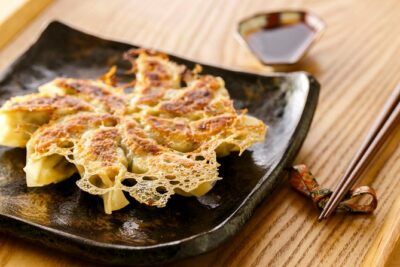
Ramen & Gyoza Cooking Class in Tokyo with Local Supermarket Visit
Read our review →Browse the lists this tour appears in