
Review · TOKYO
Tokyo: Roll and Authentic Sushi Making Class in Asakusa
Making sushi in Asakusa is a hands-on way to meet Japanese food culture without needing kitchen skills. You learn the story behind sushi, then prepare both maki rolls and nigiri, with instructors such as Hitomi, Moe, Ken, and Jun keeping the class lively and easy to follow. I especially like the short quiz and the chance to eat what you make.
I also like the location, just three minutes from Asakusa Station and close to Sensoji Temple and Tokyo Skytree. The main consideration is pace: the advertised session is 100 minutes, but some participants found the class moved quickly and wished for another half-hour. Advance notice matters if you need a special menu.
Key points to know before booking
- Two classic sushi styles: Make rolled maki sushi and hand-formed nigiri sushi.
- A friendly English-language class: Staff explain each step clearly and help solo participants, couples, and families.
- A short sushi history quiz: You learn where sushi came from before handling the ingredients.
- A useful Asakusa location: The meeting point is three minutes from Asakusa Station, near Sensoji Temple.
- Fresh ingredients and a full meal: You eat the sushi you prepare, with enough food for many people to feel comfortably full.
- Special diets can be arranged: Vegan, vegetarian, gluten-free, halal, and allergy-friendly options are available when requested during booking.
Why this Asakusa class works so well
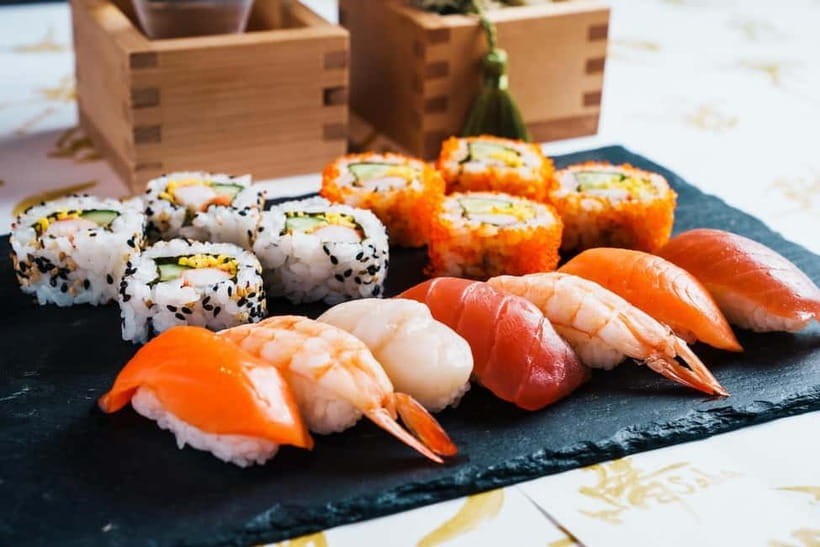
Sushi is easy to eat and surprisingly tricky to make. A good roll depends on rice, pressure, filling, and timing. Nigiri looks simple, but shaping the rice and placing the topping neatly takes a bit of practice. That small gap between appearance and technique gives this class its charm.
I like that the activity does not treat sushi as just a meal. You get a short introduction to its history through an interactive quiz, then put the lesson to work with your own hands. The format gives you something to remember from Tokyo beyond another restaurant visit.
The staff use English, and the tone is light rather than formal. Names that appear in the teaching team include Hitomi, Moe, Ken, Jun, Kaori, Ryouko, Hide, Kazu, and Kenshin. Staffing can vary, but the important point is that you have instructors nearby to demonstrate, correct, and encourage you.
That support matters for first-timers. You do not need prior cooking experience, and the class is designed for people who may never have shaped sushi before. If your first roll looks a little crooked, that is part of the fun, not a problem to hide.
More Sushi and Japanese Classes in Tokyo:
- Sushi Making Tokyo Roll and Authentic Japanese Sushi Class
★ 5.0 · 3,971 reviews - Tokyo: Sushi Making Class in a Happi Coat near a Famous Spot
★ 4.9 · 1,377 reviews - Sushi Making Tokyo! Popular Maki Sushi & Japanese Sushi(+Recipe!)
★ 5.0 · 1,314 reviews
Starting near Sensoji Temple
The meeting point is about three minutes from Asakusa Station, in one of Tokyo’s best areas for a first visit. Sensoji Temple is nearby, and Tokyo Skytree is also close enough to include in the same part of your day.
I would plan the class alongside your Asakusa sightseeing rather than treating it as an isolated appointment. You can visit Sensoji, walk through the surrounding streets, and then stop for the class. Afterward, you will already be in position for more sightseeing, shopping, or a view toward Tokyo Skytree.
The location is especially useful for families. It avoids a long trip across Tokyo for a short activity, and the class gives children and teenagers something active to do. Several families with young children enjoyed the format, and the instructions are simple enough for beginners to follow.
The class is listed as wheelchair accessible. Hotel pickup and drop-off are not included, so you make your own way to Asakusa Station and the meeting point.
The sushi quiz gives the class a good start
The first teaching section covers sushi history in an interactive, lighthearted way. Rather than beginning with a long lecture, the instructors use a quiz to get you involved.
This is a smart choice. Sushi has changed over time, and the food on a modern Tokyo menu is not simply one unbroken tradition. A short quiz gives you useful context without asking you to sit still through a history lesson.
You also get an introduction to the ingredients and the difference between the two sushi styles you will make. Maki is rolled sushi, usually wrapped in nori. Nigiri is the compact piece of seasoned rice topped with fish or another selected ingredient.
The explanation helps you understand why the techniques differ. With maki, you are working with a sheet, a filling, and an even roll. With nigiri, the focus is on shaping the rice and placing the topping with care.
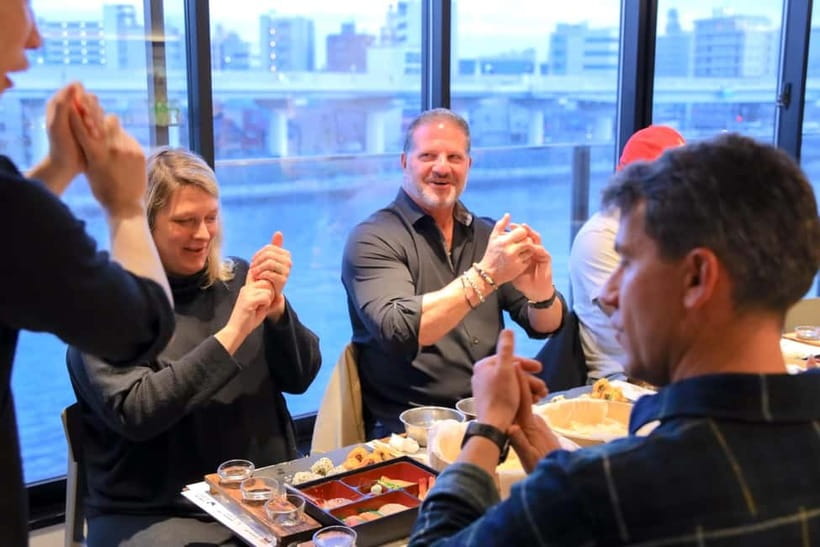
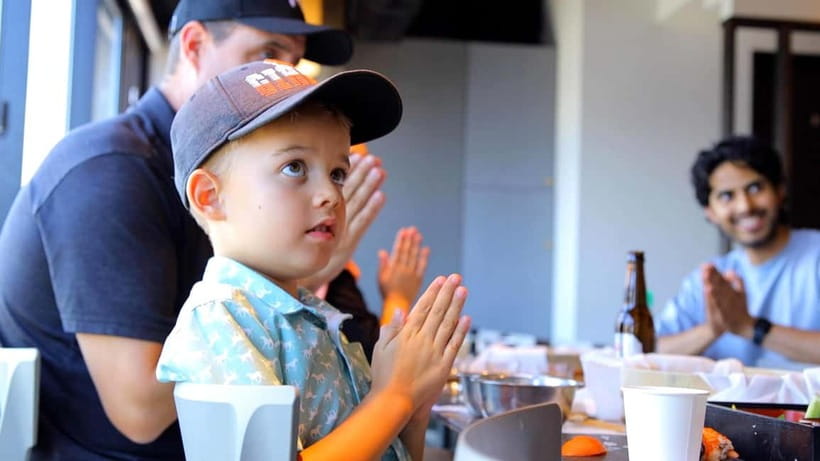
The teaching style is energetic. The instructors use humor, demonstrations, and physical examples, and they keep the group involved with encouragement and occasional applause. If you prefer a quiet, traditional cooking lesson, the cheerful group style may feel a little tourist-focused. If you want an easygoing activity where nobody worries about mistakes, it works well.
Rolling maki sushi without making a mess
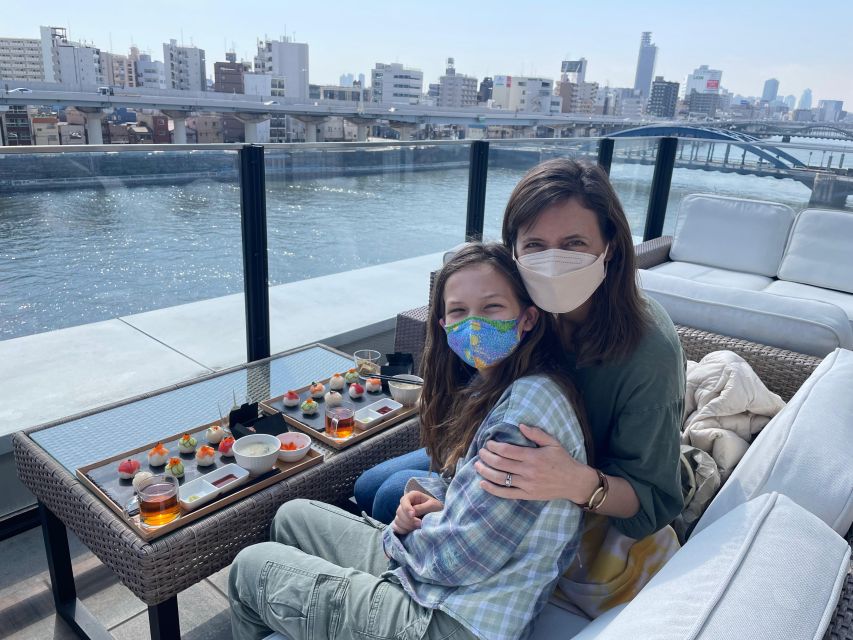
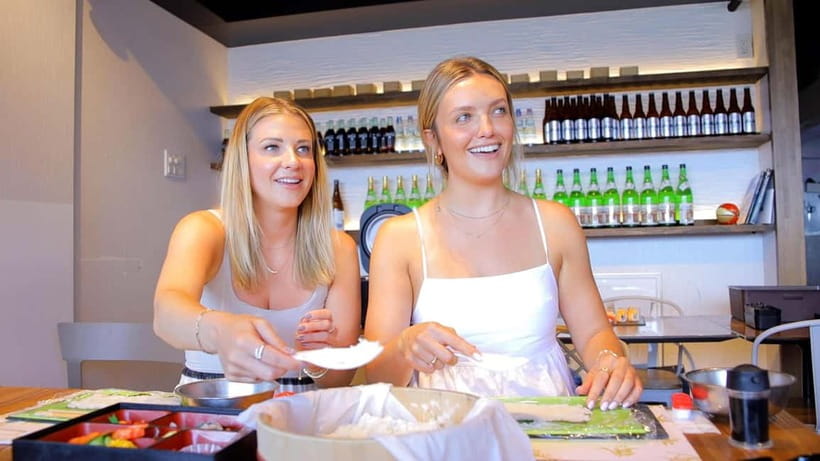
The maki section is likely the easiest place to feel like you are learning a real skill. You work through the steps with an instructor showing the process, then make your own rolls.
The important lesson is control. Too much rice makes the roll bulky. Too much filling makes it difficult to close. Too little pressure leaves a loose roll that falls apart when you cut it. The staff help you find the right balance.
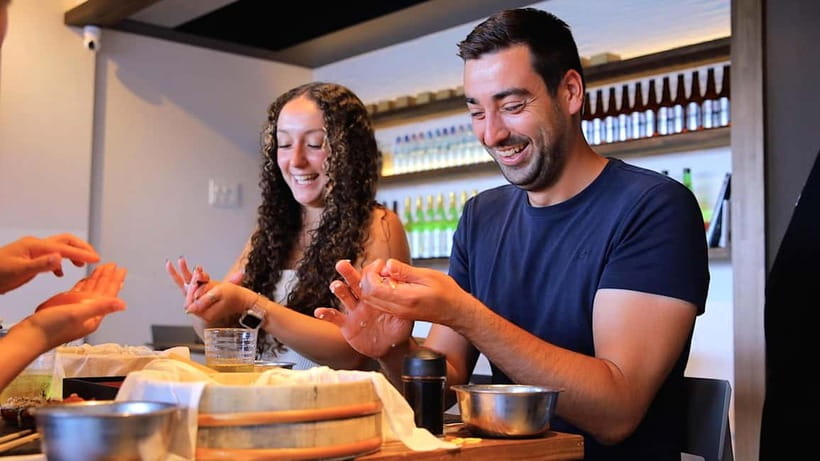
This is also where the class gets social. You can compare shapes with the people beside you, laugh at the early attempts, and try again with better pressure. Solo participants are included rather than left to work alone, and couples or families can help one another.
The ingredients are described as fresh and high quality, and that affects the final meal. Even a simple roll tastes better when the rice is prepared properly and the fillings are in good condition. You are not just practicing with empty rice and paper. You make food worth eating at the end.
The class provides the ingredients and equipment needed for the activity. You do not need to bring cooking supplies or prepare anything in advance.
More Hands-On Workshops in Tokyo:
- Tokyo Sushi Making Class in Tsukiji with Professional Chef
★ 5.0 · 1,177 reviews - Ramen & Gyoza Cooking Class in Tokyo with Local Supermarket Visit
★ 5.0 · 823 reviews - Tokyo: Tsukiji Fish Market Sushi Making Class with Pro Chef
★ 4.9 · 506 reviews - Tokyo: Sushi Making Class
★ 4.9 · 390 reviews
Forming nigiri, the small piece that takes practice
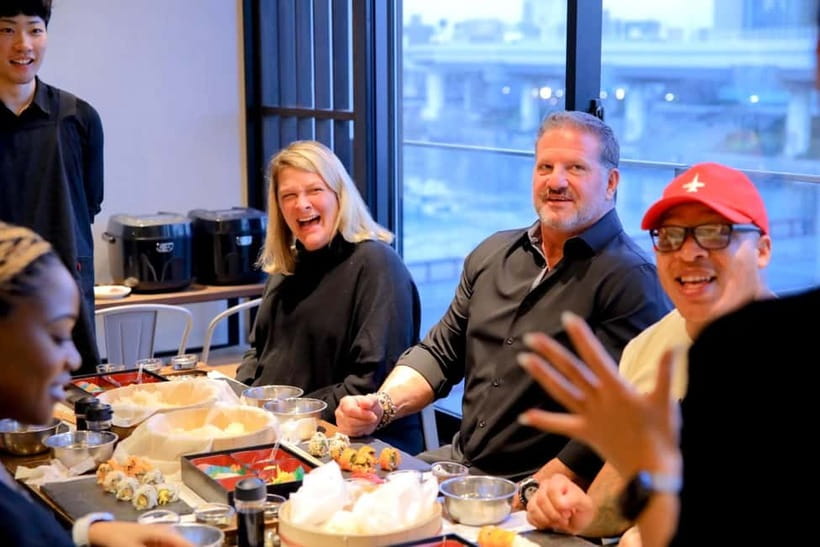
Nigiri is the more delicate part of the lesson. It looks like a small piece of fish resting on rice, but the shape and pressure need to be right. You learn how to form the rice and place the topping so the piece holds together.
This is where I would pay close attention to the instructor’s hands. The motion is quick and controlled, and it can be hard to copy at first. The staff demonstrate clearly and give tips as you work, which keeps the technique from feeling mysterious.
Several people found that sushi making was harder than it looked. That is useful to know before you arrive. You should expect a fun introduction, not professional chef training. By the end, you will have made your own maki and nigiri, but they may not look exactly like the pieces in a sushi restaurant.
The reward is eating your work. The group sits down with the sushi made during the class, and many people find this the best part. You can see the result of the lesson and taste how the rice, nori, and toppings come together.
Some sessions also offer sake flights and beer for an additional drink experience, as noted by participants. The supplied details do not specify the cost or availability at every session, so ask on arrival if that matters to you.
How much food you get for $58
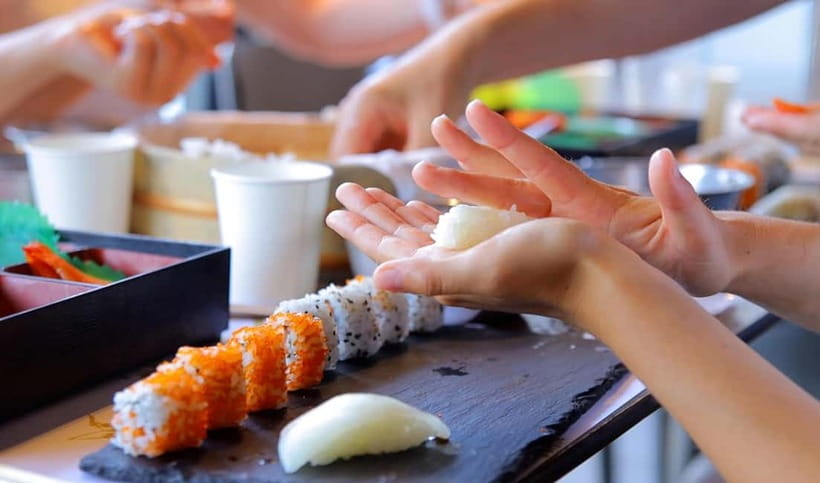
The price is $58 per person. That is not the cheapest meal in Tokyo, but this is more than a meal. You are paying for an English-language lesson, ingredients, an instructor, and a prepared sushi experience in central Asakusa.
The value is strongest if you want an activity as well as lunch or an early dinner. You learn a technique, hear about sushi culture, meet other people, and eat what you make. If you only want the most inexpensive sushi in Tokyo, a casual restaurant will cost less.
The food quantity seems generous for most people. Several families and couples felt comfortably full, and one large family said there was plenty of sushi for everyone. One person wanted more rice, so very hungry diners may not find the portion huge.
The class can also be a good value for families because everyone has something to do. Children can take part instead of waiting at a restaurant table, and the finished food gives them a reason to stay engaged.
The activity has a 4.9 rating from 1,957 reviews, which points to strong consistency. The most praised qualities are the friendly instructors, clear teaching, fresh ingredients, and relaxed atmosphere. I would still keep the pace in mind, especially if you want a slow, highly detailed cooking lesson.
Timing and the question of pace
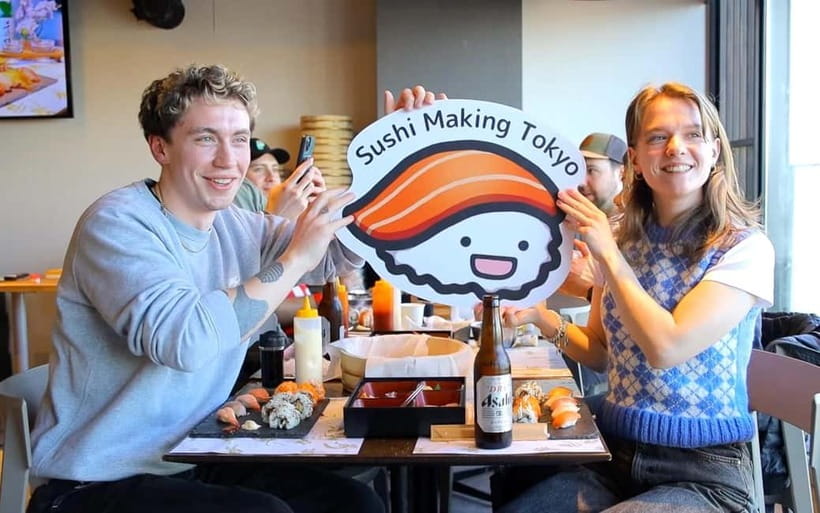
The stated duration is 100 minutes. That is enough time for the introduction, both sushi styles, and the meal, but it is not a long workshop.
Some people described the activity as lasting about 80 minutes, while others experienced something closer to two hours. The difference may reflect the pace of a particular group, but you should allow extra time around the booking rather than scheduling a tight connection afterward.
An early session may be a good choice if you want more individual attention. One person who attended an earlier time found the group smaller and the instruction nearly private. Group size can change, so this is not a guarantee, but quieter time slots may feel more personal.
If you like a quick, well-organized activity, 100 minutes is a useful length. You get a complete experience without giving up half a day. If you want repeated practice, detailed knife work, or a long cultural talk, you may find the lesson too short.
The class can feel slightly rushed when everyone is making both maki and nigiri. The staff keep things moving so the group finishes together, and that helps the schedule. The tradeoff is less time for experimenting or repeating a technique.
Special diets and advance planning
The class can provide vegan, vegetarian, gluten-free, halal, and allergy-friendly menu changes. Meat, nuts, fruit, and dairy are not used in the standard menu information provided for this experience.
You must contact the operator when making the reservation if you need a changed menu. Same-day requests cannot be handled, and the kitchen does not accept individual ingredient specifications.
That last point matters if your allergy is very specific. You should explain your needs in advance and confirm that the offered menu is suitable. Do not wait until you arrive and expect the staff to rebuild the meal on the spot.
Vegetarian participants have been accommodated successfully, and the class can still include the same basic maki and nigiri-making process. Ask for the exact ingredient plan before booking if you need to know precisely what will be served.
Who will enjoy this most
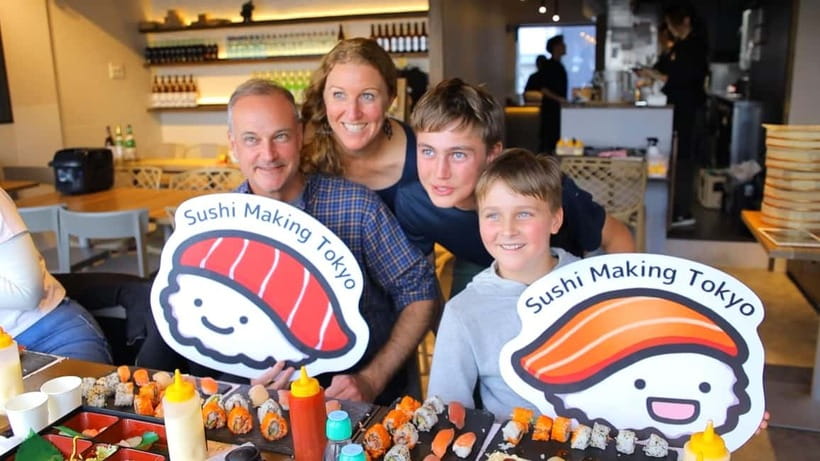
I would recommend this class to first-time visitors who want a cultural activity with food at the center. It suits couples, families, solo participants, and groups of friends.
It is particularly good for:
- Families with children and teenagers: The activity is active, social, and hands-on.
- Solo visitors: English-speaking staff help you join the group, and the shared format makes it easy to meet people.
- Sushi beginners: No cooking experience is required.
- Food-focused visitors: You learn how sushi is made, then eat the result.
- Asakusa sightseers: The location fits neatly around Sensoji Temple and nearby attractions.
I would be less enthusiastic if you already make sushi regularly and want advanced instruction. The class is aimed at beginners, and the teaching is designed to be accessible rather than technical.
I would also think twice if you dislike group energy. The instructors are funny, enthusiastic, and encouraging, with a fair amount of interaction. That creates a warm atmosphere, but it is not a silent chef’s workshop.
Practical tips for a smoother visit
Book your dietary request at the same time as the class. The operator cannot respond to menu changes on the day, and the available options are set rather than customized ingredient by ingredient.
Plan to arrive in Asakusa with enough time to find the meeting point. It is close to the station, but the area has many streets, temple entrances, and people moving in different directions.
Wear something comfortable for a hands-on food activity. The supplied information does not specify a dress code, but you will be working with rice and ingredients, so practical clothing is sensible.
If you are choosing between starting times, an earlier slot may offer a calmer group. If you are combining the class with Sensoji Temple, leave time for sightseeing before or after rather than trying to squeeze both into a few minutes.
For a fuller afternoon, pair the class with Sensoji and a walk toward Tokyo Skytree. That gives you a food activity, a major cultural site, and one of Tokyo’s best-known modern landmarks in the same district.
Cancellation and booking flexibility
You can cancel up to 24 hours in advance for a full refund. The reserve-now, pay-later option lets you hold a place without paying immediately, which is useful when your Tokyo schedule is still changing.
The class is offered with English instruction, and the activity is wheelchair accessible. Hotel transportation is not included, so you travel to the Asakusa meeting point independently.
Should you book this sushi class?
I would book it if you want a friendly, practical introduction to sushi and already plan to visit Asakusa. The combination of maki, nigiri, sushi history, fresh ingredients, and a meal you make yourself gives the $58 price real value.
The strongest reason to choose it is the teaching team. Instructors such as Hitomi, Moe, Ken, and Jun make the class approachable for people who have never handled sushi rice before. The class also works well for solo participants and families, which is not always true of cooking activities.
Go in expecting a lively beginner lesson, not a quiet culinary seminar. The 100-minute schedule can feel brisk, and the group style may include more applause and humor than some people want. For most first-time visitors, that energy is exactly what turns a simple cooking class into a memorable part of an Asakusa day.
FAQ
How long is the sushi-making class?
The stated duration is 100 minutes. The exact pace can vary, so allow extra time around the activity.
What types of sushi will I make?
You will make two types: maki sushi, which is rolled sushi, and nigiri sushi, which is hand-formed rice topped with an ingredient.
Is the class taught in English?
Yes. The instructors provide English-language teaching and guidance throughout the activity.
Do I need previous cooking experience?
No. The class is designed for beginners, and the instructors demonstrate each step and help you as you work.
Can I request a special diet?
Yes. Vegan, vegetarian, gluten-free, halal, and allergy-friendly menu options are available. You must contact the operator when making the reservation, since same-day changes are not accepted.
Where does the class meet?
The meeting point is about three minutes from Asakusa Station, close to Sensoji Temple and Tokyo Skytree. Hotel pickup and drop-off are not included.
Just added around Tokyo
- Ramen Making from Scratch with Tokyo Mom(Vegan Option Available)★ 5.0 · 39 reviews
- Shibuya Tokyo: Sushi Making Class (Vegan/Vegetarian/Halal)★ 4.7 · 29 reviews
- Ramen & Dumpling Cooking in Tokyo with Chef/Vegan possible★ 5.0 · 107 reviews
- Hands-on Japanese Cooking in a Shinjuku Home Kitchen with Satoru★ 5.0 · 19 reviews
- Tokyo Haneda: Bento & Ramen Gyoza Cooking Class in a Local home★ 5.0 · 9 reviews
- Japanese Home Cooking Class & Walk in Todoroki Temple Tokyo★ 5.0 · 88 reviews
- Private Home Cooking in Yanaka – Local Flavors in a Warm Setting★ 5.0 · 173 reviews
- Sushi-Making Experience at ’Activity Maison Kissako’★ 5.0 · 197 reviews
Japanese & Sushi Cooking Classes, compared.
Sushi Making Tokyo Roll and Authentic Japanese Sushi Class
Read our review →
Ramen Cooking Class at Ramen Factory in Kyoto
Read our review →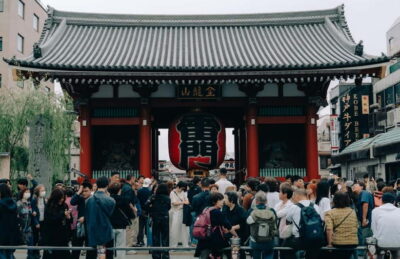
Tokyo: Sushi Making Class in a Happi Coat near a Famous Spot
Read our review →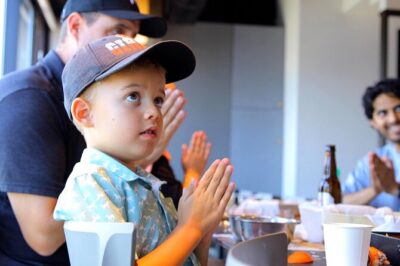
Sushi Making Tokyo! Popular Maki Sushi & Japanese Sushi(+Recipe!)
Read our review →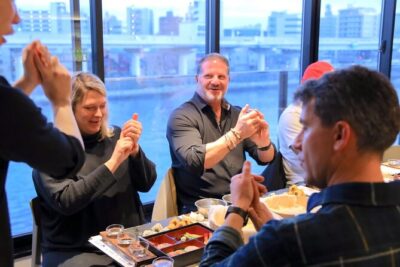
Sushi Making Osaka Roll and Authentic Japanese Sushi Class
Read our review →
Tokyo Sushi Making Class in Tsukiji with Professional Chef
Read our review →
Ramen & Gyoza Cooking Class in Tokyo with Local Supermarket Visit
Read our review →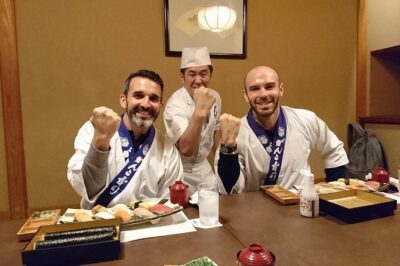
Tsukiji Fish Market Guided Tour and Sushi Making with Pro Chef
Read our review →Browse the lists this tour appears in