
Review · TOKYO
Tokyo: Sushi Making Class
Tokyo’s three-hour sushi class is more than a quick roll-and-eat workshop. You work through several Japanese dishes, from dashi and miso soup to tamagoyaki, then prepare enough sushi for a very filling meal. The class is taught in English, with a maximum of nine people, so you get real help at the counter instead of watching from the back of a crowd.
I like the range of sushi styles and the patient, step-by-step teaching. I also like that you learn proper sushi rice, a skill that matters more at home than fancy knife work. The main consideration is that the fish arrives pre-sliced, so this is not a lesson in breaking down raw fish.
Key points
- Four sushi styles in one class: Make nigiri, inari, hosomaki, and California rolls.
- More than sushi: Prepare miso soup and Japanese rolled egg, or tamagoyaki.
- Small group setting: The class is limited to nine participants, with plenty of instructor support.
- English-friendly instruction: Japanese teachers explain cooking methods, ingredients, culture, and useful language details.
- A proper meal at the end: Eat the sushi and soup you have prepared, with wasabi and pickled ginger.
- Good for dietary needs: Substitutions can be arranged for allergies, gluten-free diets, vegetarian preferences, and religious restrictions if you give notice when booking.
A sushi class with enough food to replace dinner
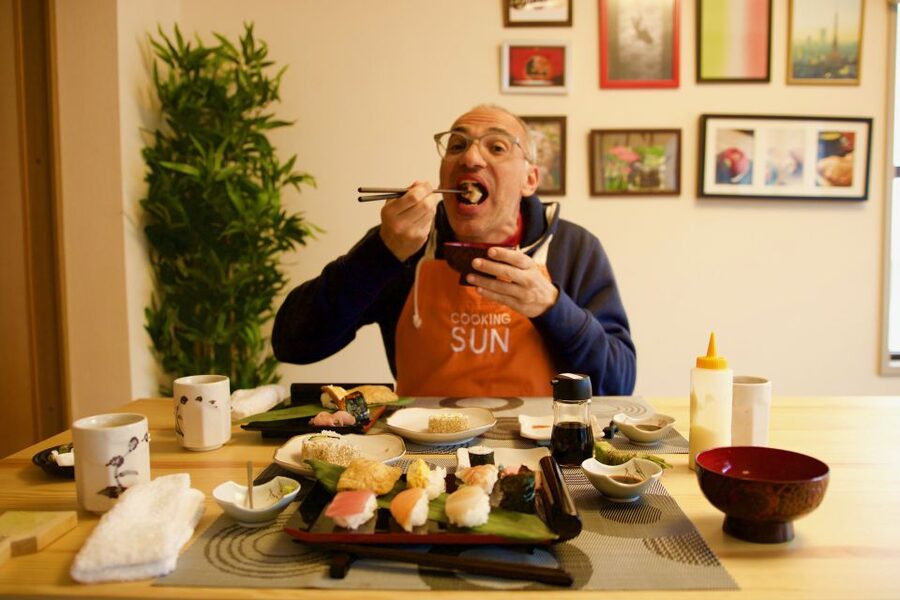
The best feature here is the amount you actually do. You are not handed a preassembled plate and asked to decorate it. You prepare rice and toppings, shape nigiri, fill sweet tofu pouches, roll maki, and sit down to eat the results.
The menu gives you a useful introduction to different sushi textures and techniques. Nigiri teaches hand pressure and proportion. Hosomaki teaches you how to spread rice and control a narrow roll. California rolls are more forgiving, while inari gives you a completely different combination of sweet tofu and seasoned rice.
The class also includes miso soup and tamagoyaki. That matters because Japanese home cooking is not just about raw fish. You get a wider look at the flavors that support a Japanese meal, including dashi, traditional seasonings, and miso.
Several participants have found the portion generous enough to skip dinner. Plan accordingly. This is not a tiny tasting session, and you may leave with a full stomach and a stack of recipes for another attempt at home.
More Sushi and Japanese Classes in Tokyo:
- Sushi Making Tokyo Roll and Authentic Japanese Sushi Class
★ 5.0 · 3,971 reviews - Tokyo: Roll and Authentic Sushi Making Class in Asakusa
★ 4.9 · 1,957 reviews - Tokyo: Sushi Making Class in a Happi Coat near a Famous Spot
★ 4.9 · 1,377 reviews
Finding Cooking Sun Tokyo in residential Shinjuku
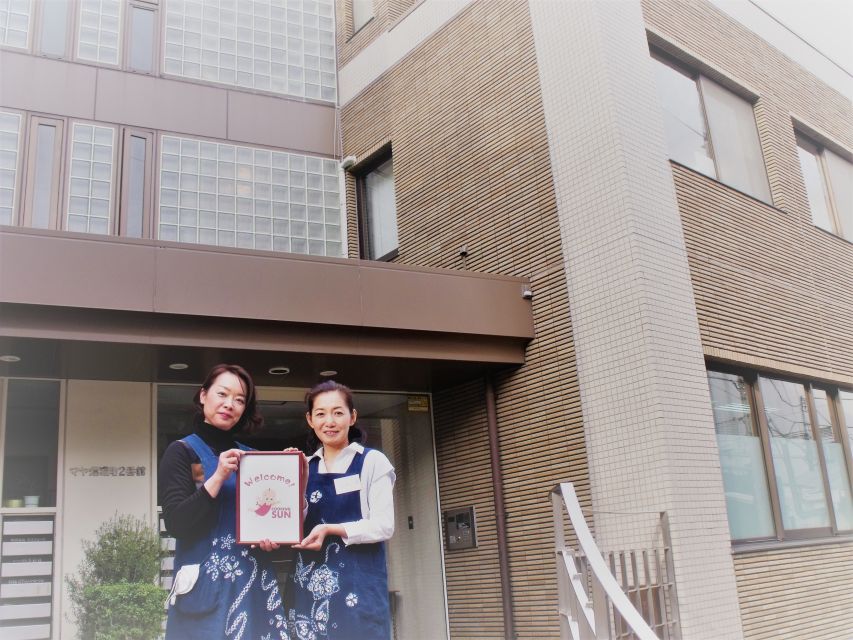
The studio is at Shinanomachi 18-39 in Shinjuku-ku, in a quiet residential area. It is on the second floor of a beige residential building, and the entrance has two doors. Use the door on the right, then press 314 on the intercom.
This is the sort of arrival detail you should read before leaving your hotel. The studio can be tricky to spot, especially if you are relying on a weak phone signal or arriving after a long day of sightseeing. If you have Wi-Fi, search Google Maps for Cooking Sun Tokyo. Without Wi-Fi, prepare the route in advance and check the detailed directions before setting out.
The residential setting is part of the appeal. You are not entering a glossy restaurant designed for tourists. At the same time, it means your driver should not wait outside the building or stop in the neighborhood. A privately arranged vehicle can drop you off, but any waiting should happen at a nearby coin-operated parking lot.
The opening lesson: dashi, seasonings, and Japanese food basics
The session begins with an introduction to Japanese ingredients and basic flavors. You learn about dashi, the soup stock that forms the base of many dishes, along with traditional seasonings and miso.
This opening is useful because it gives context to the food you will prepare later. Instead of treating miso soup as a side dish that simply appears with sushi, you see how stock and seasoning create a balanced bowl. The instructors also weave in details about Japanese cooking traditions, culture, and sometimes language.
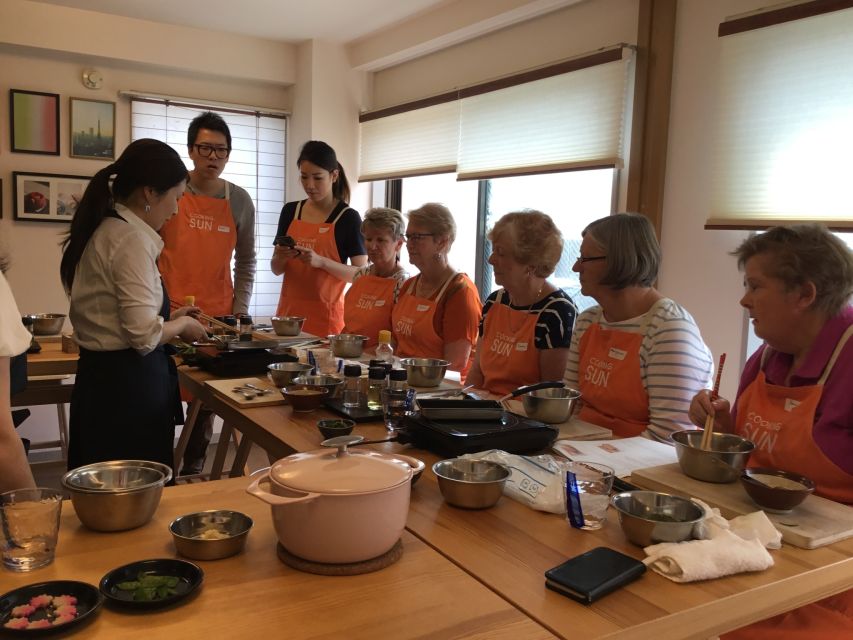
English is the working language, and the teachers explain each stage clearly. The teaching style is practical rather than formal. You watch a demonstration, try the technique yourself, and receive help when your hands or rice seem unsure what to do.
The small group size makes a difference here. With no more than nine people, instructors can check your work and answer questions. Several sessions have had fewer people, which can make the experience feel close to a private lesson. Do not count on a tiny group every time, but the cap keeps the class manageable.
Tamagoyaki: the deceptively tricky Japanese omelet
Next comes tamagoyaki, the rolled Japanese omelet. It looks simple, but the cooking and rolling require coordination. You build the omelet in layers and aim for a soft, neat result rather than a flat scrambled egg.
This is a good part of the class for beginners because the instructors break the process into small actions. You do not need cooking experience, and you receive direct help if the roll starts to go off course.
The lesson also adds variety. You are not spending three hours on one type of sushi, and you get to see how a familiar ingredient changes when prepared in a Japanese style. If you cook often, you may still pick up useful details, especially in handling heat, seasoning, and presentation.
More Hands-On Workshops in Tokyo:
- Tokyo Sushi Making Class in Tsukiji with Professional Chef
★ 5.0 · 1,177 reviews - Ramen & Gyoza Cooking Class in Tokyo with Local Supermarket Visit
★ 5.0 · 823 reviews - Tokyo: Tsukiji Fish Market Sushi Making Class with Pro Chef
★ 4.9 · 506 reviews - Tokyo Tsukiji Fish Market Tour and Sushi Making Lesson
★ 5.0 · 390 reviews
Preparing rice, shrimp, and sushi toppings
Sushi rice is the backbone of the class. The instructors show you how to prepare it properly, then explain how it works with the toppings. This is one of the most valuable skills to take home because good sushi depends on rice texture, seasoning, and temperature as much as on the fish.
The ingredients are prepared for you to work with, including toppings such as shrimp. Fish is pre-sliced, so you are not learning how to cut raw fish or prepare a whole fillet. That keeps the activity focused and beginner-friendly, but it also sets a clear limit on what the class teaches.
You will handle the rice and assemble the food yourself. That is more useful for home cooking than a short demonstration, since you can feel how much rice belongs in a roll and how firmly to press a piece of nigiri.
If you have an allergy, celiac disease, vegetarian preference, religious restriction, or another dietary need, tell the provider when booking. Ingredient substitutions are available, and the teaching team has accommodated special diets carefully. Do not wait until you arrive, since the class needs advance notice.
Making four kinds of sushi by hand
The main cooking section covers four distinct forms.
Nigiri is hand-pressed sushi, usually a small mound of seasoned rice topped with fish or another ingredient. The challenge is to shape the rice without crushing it. You learn how light the touch should be and how to make pieces that hold together.
Inari uses a sweet tofu pouch filled with sushi rice. It is less dependent on perfect rolling technique, making it a friendly option if you are still finding your hands. The sweet pouch also shows how broad the idea of sushi can be.
Hosomaki is the thin roll. You spread rice over the seaweed, arrange the filling, and roll it with enough pressure to hold the shape. Too much rice makes the roll bulky, while too little leaves gaps. This is where the demonstration and hands-on practice work well together.
California rolls offer another style of rolling and presentation. They are familiar to many people outside Japan, but making one yourself gives you a better sense of the construction and the balance between rice, filling, and seaweed.
The instructors demonstrate before asking you to try. You are encouraged to make your own sushi ideas once you understand the basics, using the local ingredients provided. That creative element is worthwhile, but beginners should first follow the standard method. Sushi rewards control more than improvisation.
Eating the meal you made
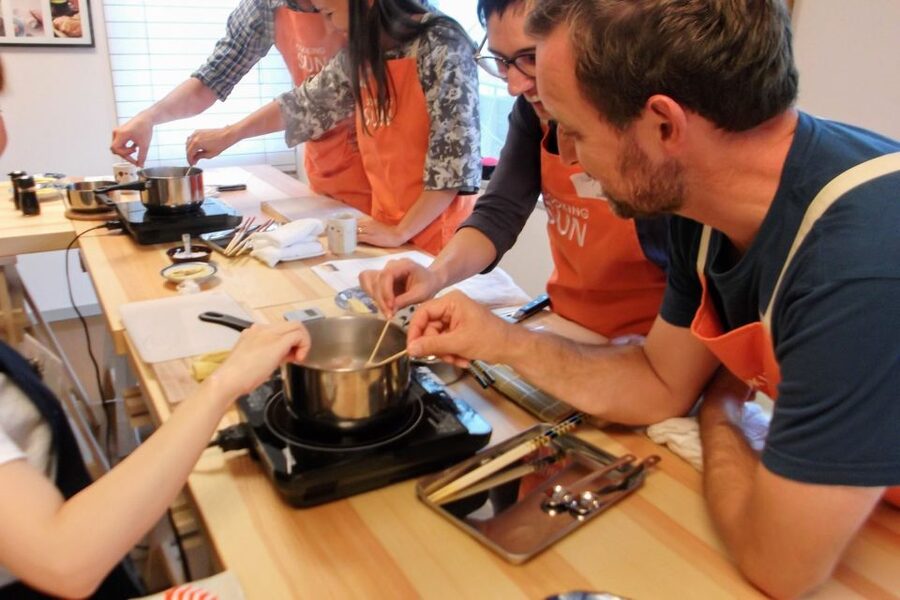
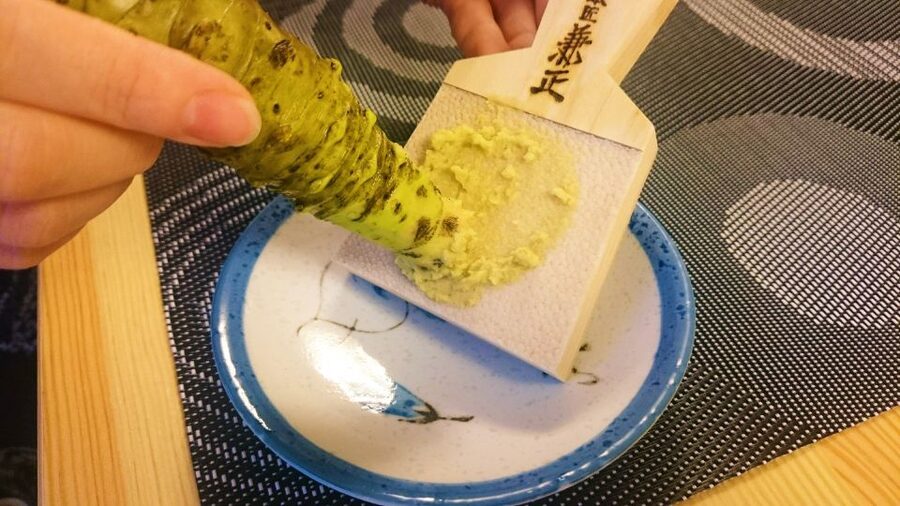
At the end, you sit down with your handmade sushi and miso soup. Fresh wasabi and pickled ginger are served on the side, giving you the usual accompaniments for the meal.
This shared meal is a strong finish because you can compare the different forms you made and see which techniques worked best. It also turns the class into a complete afternoon activity rather than a cooking lesson followed by a small sample.
Do not expect tea or sake to be part of the standard experience. One participant specifically wished for a drink after the meal, so bring that expectation down to earth. The included food is the focus, and there is enough of it to serve as lunch or dinner for many people.
The food is meant to be eaten in the studio, not packed as a takeaway meal. The recipes, however, are yours to take home. That gives the class value after you leave Tokyo, especially if you buy sushi rice and a bamboo mat later and want to repeat the lesson.
What the instructors do well
The teaching team receives especially strong praise for clear explanations, patience, and a warm manner. Instructors named in individual sessions have included Mika, Aya, Koyotama, Miki, Yuko, and Yuki, though your teachers may be different.
The strongest part of the instruction is the balance between demonstration and practice. You see the correct method first, then try it while the technique is fresh. If your roll breaks or your rice mound looks uneven, an instructor can show you how to adjust it.
The class also includes cultural and historical information without turning into a lecture. You may learn about the origins of a dish, the role of ingredients, and useful Japanese food terms as you cook. That extra context helps you recognize what you are eating in restaurants later.
English ability is strong enough for detailed instruction. This matters when the subject is rice texture, food safety, or allergy substitutions. The class is also patient with children. A seven-year-old sushi fan and a family with a toddler both found the pace workable, though young children will still need supervision around utensils and food preparation.
Price, group size, and the real value
At $67 per person, this is not the cheapest way to eat sushi in Tokyo. You can buy sushi for less, particularly at a casual restaurant or supermarket. The price makes more sense when you count the three-hour lesson, the many ingredients, the meal, the instructor time, the apron and towel rental, the utensils, and the recipes.
You are also paying for access to a small class rather than a large demonstration. A cheaper workshop may last about 90 minutes and include more people, while this session gives you time to prepare several dishes and ask questions.
I consider the value good for couples, families, and solo visitors who want an activity with a clear result. It is less suitable if you only want to eat excellent sushi or if you already have advanced sushi preparation skills. Experienced home cooks can still learn from the rice and seasoning work, but the class is aimed at beginners and improvers, not professional chefs.
The price is also easier to justify because the class fills much of an afternoon. It works well on a rainy day or as a break from temples, museums, and shopping. You leave with a meal inside you and recipes that may save money on future restaurant visits if you use them.
Who should book this class
I would recommend it to first-time sushi makers, families with older children, couples, and solo visitors who enjoy meeting people through food. The friendly group format gives you conversation without requiring a formal social event.
It also suits anyone who wants more than a tourist photo. You spend time in a local residential neighborhood, cook with Japanese instructors, learn how common ingredients work, and share a meal made by the group.
People with dietary restrictions can also consider it, provided they disclose those needs at booking. The class has handled gluten-free and celiac requirements, allergies, vegetarian preferences, and religious restrictions through substitutions.
I would think twice if you want to learn raw fish preparation. The fish is pre-sliced, and the class does not cover filleting or knife work on raw fish. I would also skip it if your schedule is so tight that a three-hour appointment feels like a burden. The lesson starts at set times, and the studio is not the sort of place you should rush into at the last minute.
Cancellation is free up to 24 hours before the activity, and you can reserve now and pay later. Those terms help if your Tokyo plans are still moving around, but the practical task remains the same: allow extra time to find the building.
Final call: book it if you want to make, not just eat
Book this class if you want a hands-on Japanese food experience with clear English instruction, a small group, several sushi styles, and enough food for a full meal. The combination of sushi, tamagoyaki, miso soup, cultural notes, and take-home recipes gives you more substance than a short roll-making demonstration.
Skip it if your main goal is cutting fish, tasting high-end sushi, or keeping your afternoon completely open. For everyone else, especially families and curious beginners, this is a practical and enjoyable way to spend three hours in Tokyo. Come hungry, read the arrival directions, and tell the instructors about dietary needs before you go.
FAQ
How long does the Tokyo sushi class last?
The class lasts three hours. Starting times vary, so check availability when booking.
How much does the sushi-making class cost?
The listed price is $67 per person.
Is the class taught in English?
Yes. The instructors teach in English and provide step-by-step guidance throughout the cooking session.
What types of sushi will I make?
You will learn to make nigiri, inari, thin rolls called hosomaki, and California rolls.
Does the class include other Japanese dishes?
Yes. The session includes an introduction to dashi and traditional seasonings, miso soup, and Japanese rolled egg called tamagoyaki.
Is raw fish cutting included?
No. The fish used in the class is pre-sliced, and the session does not teach how to cut raw fish.
Are ingredients and cooking equipment included?
Yes. Ingredients and utensils are included, along with towel and apron rental. Recipes are also provided.
Can the class accommodate dietary restrictions?
Yes. Ingredient substitutions can be arranged for allergies, gluten-free diets, religious dietary restrictions, vegetarian preferences, and other dietary needs. Tell the provider when booking.
Where is the studio located?
The studio is at Shinanomori 18-39, Shinjuku-ku, Tokyo, in a beige residential building on the second floor. Use the right-hand entrance door and press 314 on the intercom.
Just added around Tokyo
- Ramen Making from Scratch with Tokyo Mom(Vegan Option Available)★ 5.0 · 39 reviews
- Shibuya Tokyo: Sushi Making Class (Vegan/Vegetarian/Halal)★ 4.7 · 29 reviews
- Ramen & Dumpling Cooking in Tokyo with Chef/Vegan possible★ 5.0 · 107 reviews
- Tokyo Haneda: Bento & Ramen Gyoza Cooking Class in a Local home★ 5.0 · 9 reviews
- Hands-on Japanese Cooking in a Shinjuku Home Kitchen with Satoru★ 5.0 · 19 reviews
- Private Home Cooking in Yanaka – Local Flavors in a Warm Setting★ 5.0 · 173 reviews
- Japanese Home Cooking Class & Walk in Todoroki Temple Tokyo★ 5.0 · 88 reviews
- Sushi-Making Experience at ’Activity Maison Kissako’★ 5.0 · 197 reviews
Japanese & Sushi Cooking Classes, compared.
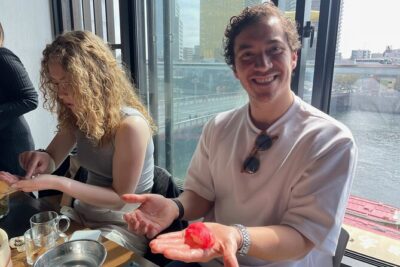
Sushi Making Tokyo Roll and Authentic Japanese Sushi Class
Read our review →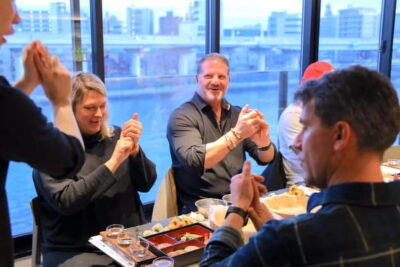
Tokyo: Roll and Authentic Sushi Making Class in Asakusa
Read our review →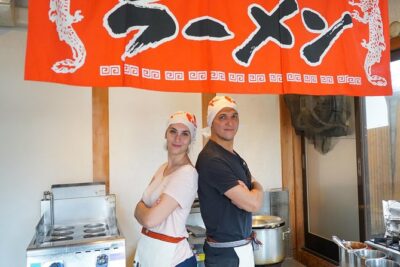
Ramen Cooking Class at Ramen Factory in Kyoto
Read our review →
Tokyo: Sushi Making Class in a Happi Coat near a Famous Spot
Read our review →
Sushi Making Tokyo! Popular Maki Sushi & Japanese Sushi(+Recipe!)
Read our review →
Sushi Making Osaka Roll and Authentic Japanese Sushi Class
Read our review →
Tokyo Sushi Making Class in Tsukiji with Professional Chef
Read our review →
Ramen & Gyoza Cooking Class in Tokyo with Local Supermarket Visit
Read our review →Browse the lists this tour appears in