
Review · TOKYO
Sushi-Making Experience
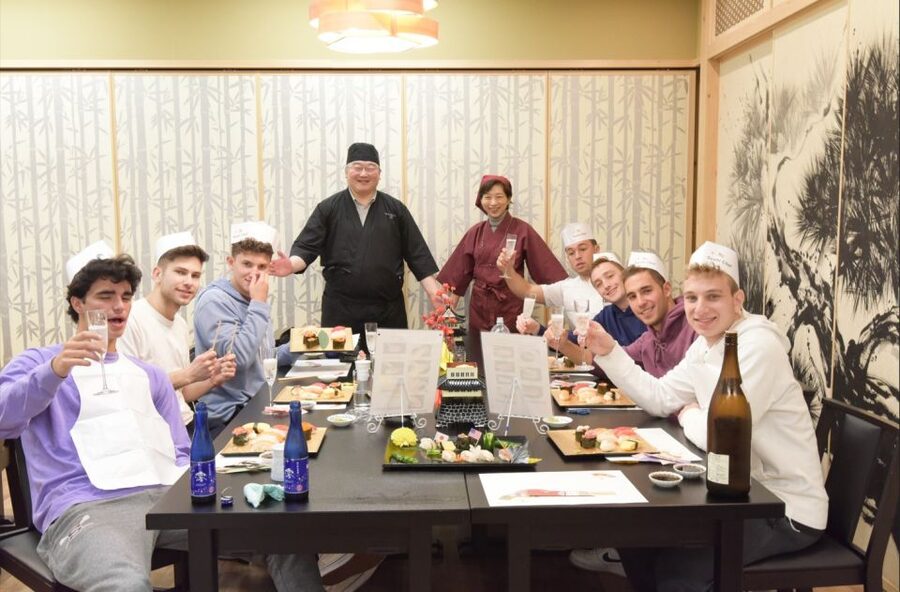
The best part of this Tokyo workshop is that you do not just watch a chef work. You make three styles of sushi yourself: nigiri zushi, gunkan maki, and hosomaki zushi, then sit down and eat the results. It is a tidy, hands-on way to connect food with Japanese customs.
I like the small group of up to 10 people, since the instructor can help with shaping rice and rolling seaweed. I also like the two take-home sushi kits. They turn a two-hour activity into something you can practise again after returning home.
The main drawback is the price: $106 per person is a serious sum for a two-hour class. You are paying for instruction, ingredients, a meal, and the kits, not simply lunch. If you want a quick meal or a polished chef demonstration, this is not the right choice.
Key points at a glance
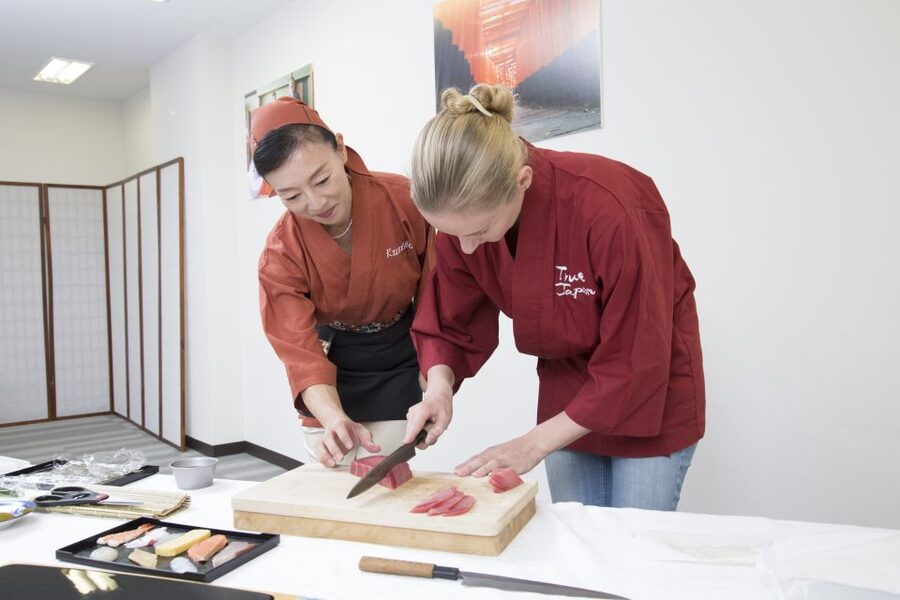
- Three sushi techniques: Make nigiri, gunkan maki, and hosomaki rather than learning only one basic roll.
- A meal you prepare yourself: Sit down with the finished sushi and try traditional condiments and dining customs.
- Two kits to take home: Keep practising the techniques after your time in Tokyo.
- English instruction: The workshop is conducted in English by a nationally accredited sushi instructor.
- Small class size: Up to 10 participants allows room for explanations and individual help.
- Useful Tokyo setting: The meeting point is opposite Tokyo Tower, making it easy to identify.
Making sushi opposite Tokyo Tower
Your meeting point is the main entrance of the Kikai Shinko Kaikan building on the first floor. The building is directly opposite Tokyo Tower, a helpful landmark in a city where a vague street address can leave you circling the block.
If you cannot find the instructor at the entrance, go to True Japan Tour in Room B109 on the basement level. This backup location is worth noting before you arrive, especially if you are carrying bags or working around a tight sightseeing schedule.
The workshop lasts two hours. That is long enough for a proper lesson and meal, but short enough to fit beside other Tokyo plans. You will need to check the available starting times when booking, since the exact schedule is not fixed in the details provided.
The class is limited to 10 participants. That size matters here. Sushi making involves small movements, careful shaping, and timing, so a crowded room would make it harder to see a demonstration or ask for help. A group of up to 10 should give you a reasonable chance to receive guidance without turning the class into one-to-one instruction.
The instructor speaks English, and the class is led by a nationally accredited sushi instructor. That does not mean you are signing up for professional culinary training. It does mean the workshop has a qualified teacher guiding the process rather than leaving you to copy a quick demonstration from the back of a room.
More Sushi and Japanese Classes in Tokyo:
- Sushi Making Tokyo Roll and Authentic Japanese Sushi Class
★ 5.0 · 3,971 reviews - Tokyo: Roll and Authentic Sushi Making Class in Asakusa
★ 4.9 · 1,957 reviews - Tokyo: Sushi Making Class in a Happi Coat near a Famous Spot
★ 4.9 · 1,377 reviews
A short introduction to sushi culture
The class begins with an overview of sushi in Japanese culture. This gives the food some context before you start handling the ingredients.
The cultural part is useful because sushi is not only about assembling rice and toppings. The workshop also introduces Japanese dining etiquette, so you learn how the finished food fits into a meal. That adds value for anyone who wants more than a cooking souvenir.
Expect the introduction to be brief rather than an academic lecture. The main focus is practical: learn the basics, prepare the food, and understand how to eat it properly. If you are hoping for a long history lesson about regional sushi styles, this two-hour format is probably too short.
Still, the balance is sensible. You get enough background to understand the activity, then spend most of your time doing something with your hands.
The three styles you will learn
The workshop teaches three different forms of sushi. Each one uses a different technique, which makes the class more useful than a simple roll-making session.
Nigiri zushi is the familiar hand-formed style with sushi rice shaped beneath a topping. The challenge is creating a neat portion that holds together without becoming dense. You will practise the basic hand movements under the instructor’s direction.
Gunkan maki is shaped like a small vessel, with rice wrapped in seaweed so the topping can sit above it. It teaches a different approach to forming and containing the sushi. This style also gives you a chance to see how small changes in shape affect the finished piece.
Hosomaki zushi is a thin rolled sushi. You will work with seaweed, rice, and fillings, then use a rolling technique to create a compact cylinder. Rolling looks easy when an experienced chef does it quickly. Beginners often find that even pressure and tidy portions take practice.
Learning all three means the lesson has variety. You are not repeating one motion for two hours. You move from hand-shaped sushi to a seaweed-wrapped form and then to a narrow roll, with each style requiring a slightly different kind of control.
The instructor first gives a demonstration, then helps you practise the basic methods. The class is designed for participation, so do not expect every piece to look perfect on the first attempt. The point is to understand the method well enough to repeat it.
From preparation to your own sushi meal
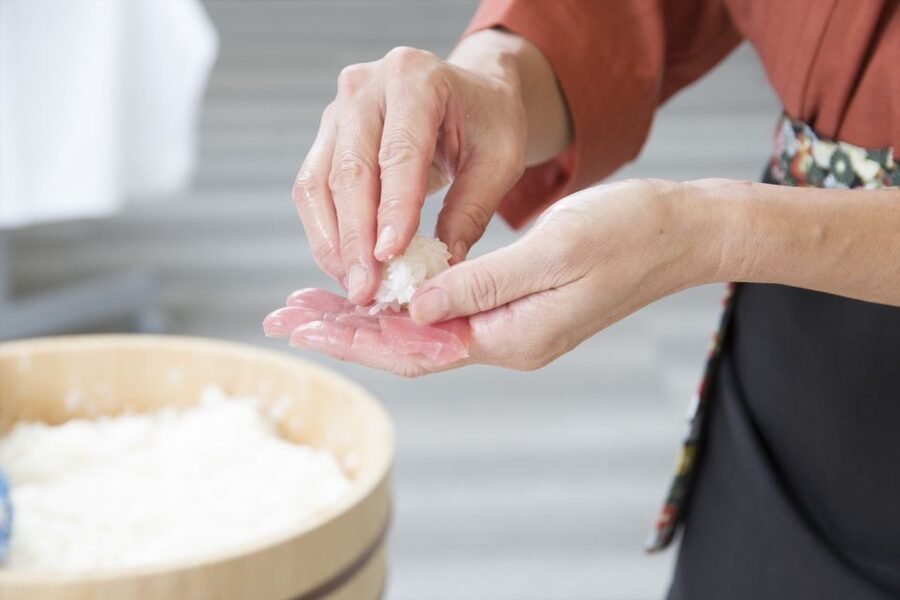
After the introduction, you get the ingredients ready. The supplied information does not list every ingredient or topping, so you should not expect a fixed menu description before arrival. What is clear is that the ingredients for the workshop are included, as is a meal made from the sushi you prepare.
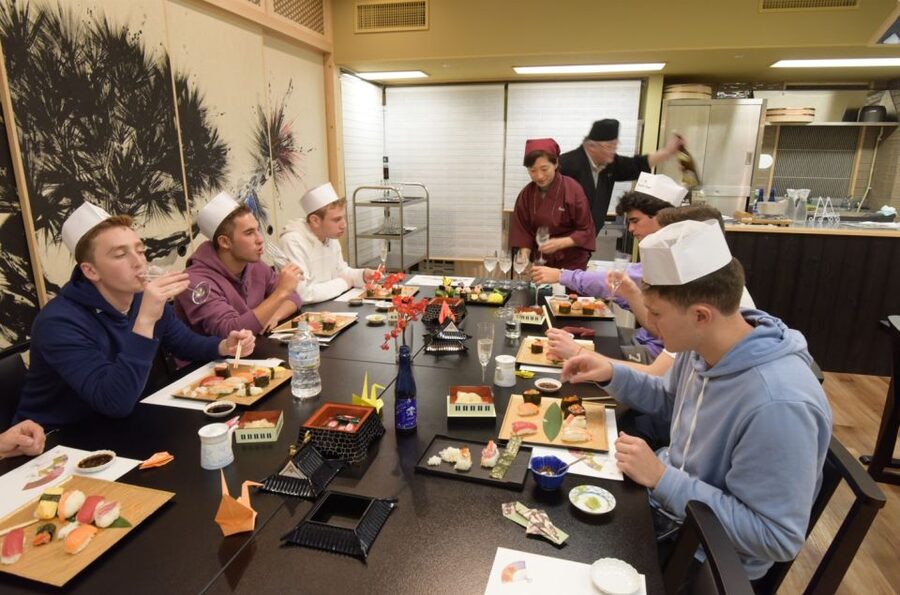
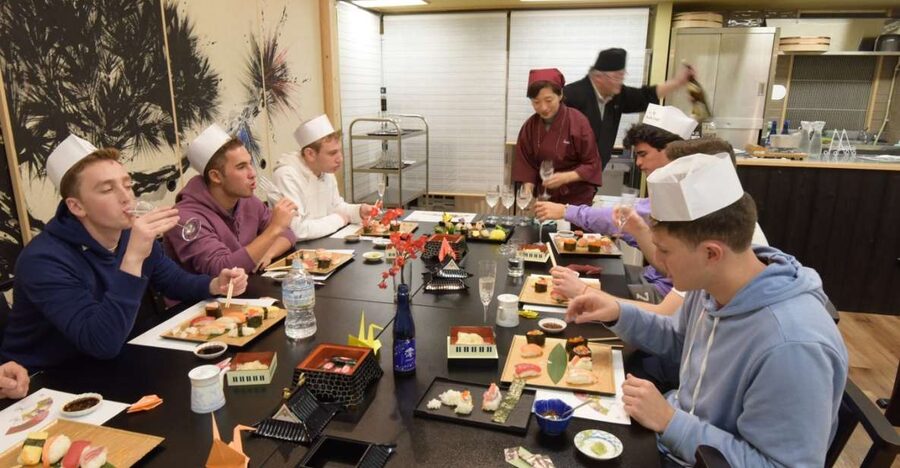
This is where the experience earns some of its appeal. You are not making a decorative sample and then moving on. You finish the sushi, sit at the table, and eat it. Your meal is the end product of the work you have just learned.
The food may not look exactly like a chef’s sushi. That is part of the fun, and it also helps you understand how much care goes into professional presentation. The workshop promises photo-worthy sushi, but the practical value is in learning the movements and proportions rather than producing restaurant-perfect pieces.
You will also try different flavors with sauces and condiments traditionally paired with sushi. This gives you a chance to compare tastes instead of treating every piece the same way. The class does not specify each sauce, so anyone with strict dietary needs should ask the provider for current ingredient details before booking.
The meal is a useful part of the $106 price. If the class included only instruction and a few practice pieces, the cost would be harder to justify. Here, you receive the ingredients, eat the finished food, and take home two kits. It is still not a budget activity, but it gives you several things beyond the two-hour seat time.
Same place, a different menu:
- Sushi Making Tokyo! Popular Maki Sushi & Japanese Sushi(+Recipe!)
★ 5.0 · 1,314 reviews - Tokyo Sushi Making Class in Tsukiji with Professional Chef
★ 5.0 · 1,177 reviews - Ramen & Gyoza Cooking Class in Tokyo with Local Supermarket Visit
★ 5.0 · 823 reviews - Tsukiji Fish Market Guided Tour and Sushi Making with Pro Chef
★ 5.0 · 775 reviews
Why the etiquette lesson matters
Many cooking classes stop once the food is ready. This one continues to the table, where you learn Japanese dining etiquette while eating the sushi.
That can include how the food is handled, how condiments are used, and how the meal is approached as a shared cultural practice. The supplied details do not spell out every rule, so you should not book this expecting a full etiquette course. Think of it as a practical introduction connected to the meal in front of you.
I find this useful for first-time visitors to Japan. Food customs can feel mysterious when you are trying to follow them in a restaurant. A teacher can explain the basics in a relaxed setting, before you face a busy dining room and have to guess what to do.
It also keeps the experience from becoming a simple craft project. You learn how the sushi is made and how it is traditionally enjoyed. That combination gives the class a stronger connection to Japanese culture than a cooking lesson focused only on technique.
Two take-home kits add lasting value
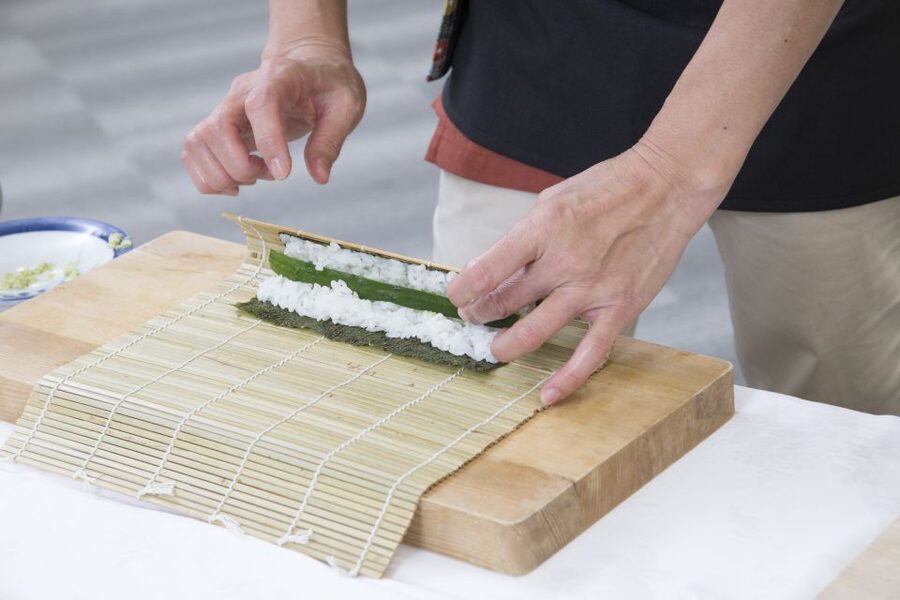
Each participant receives two sushi-making kits. The details do not specify the exact tools in each kit, so you should treat them as practice equipment rather than a full professional setup.
These kits are one of the strongest reasons to consider the workshop. A meal disappears quickly. A technique can be repeated, especially when you return home and want to show friends or family what you learned.
The kits also make the class more accessible to beginners. You do not need to remember every movement from the demonstration or buy equipment immediately after the lesson. You can use the provided tools to practise the three styles again.
Do keep your expectations realistic. Making sushi at home will still require suitable ingredients, time, and a clean workspace. The kits do not turn you into a sushi chef, but they give you a practical starting point and a reminder of the techniques taught in Tokyo.
Is $106 per person good value?
At $106, this is not a cheap way to eat sushi. If your main goal is a filling lunch, a restaurant will likely make more sense. You are paying a premium for instruction, participation, cultural context, and equipment to take home.
The value improves if you want a structured activity. The price includes:
- A two-hour workshop
- An English-speaking, nationally accredited instructor
- All workshop ingredients
- The sushi meal
- Two sushi-making kits
- Instruction in three sushi styles
- Guidance on Japanese dining etiquette
A small class also supports the price. With a maximum of 10 participants, the experience should feel more personal than a large demonstration. One verified booking described the class as good and small, with instructors who explained and assisted well. That practical detail matters more than broad promises: you want a teacher who can correct your technique when your rice is too loose or your roll is not holding together.
There are only four published ratings, with an overall score of 4.7 out of 5. One United States participant gave a top rating and described the class simply as great. Another participant from Australia gave four out of five and specifically praised the explanations and assistance. The sample is small, so I would not treat the score as a scientific measure, but the available feedback points toward clear instruction and helpful support.
For a family, couple, or solo visitor who likes food activities, the price can be reasonable. For a person who already makes sushi at home, the beginner-level instruction may not justify the cost.
Who will enjoy this workshop most?
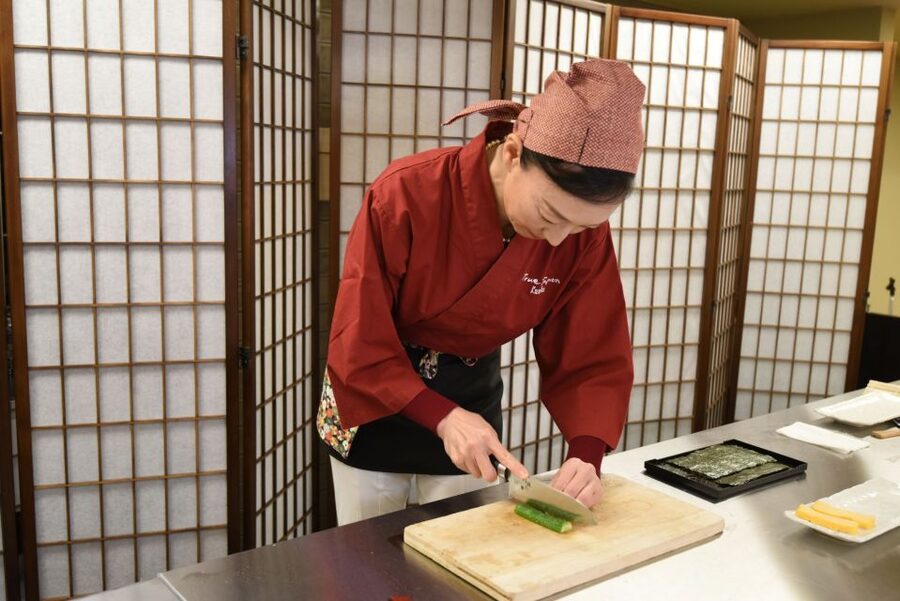
This experience suits first-time sushi makers who want to do the work themselves. You will get the most from it if you enjoy learning by hand, asking questions, and accepting that your first pieces may look a little uneven.
It is also a good fit for people who want a cultural activity with a clear result. You learn about sushi, make several styles, eat the meal, and leave with kits. There is a beginning, middle, and end, which makes it easy to fit into a short Tokyo visit.
The English format helps if you do not speak Japanese. The instructor can explain the techniques and etiquette directly, and the group size should leave room for questions.
The workshop is wheelchair accessible, which is important information for anyone planning around mobility needs. Hotel pickup and drop-off are not included, so you must make your own way to the Kikai Shinko Kaikan building.
This is less suitable for someone searching for an advanced culinary course, a long chef-led meal, or a low-cost lunch. It is also not the best choice if you need a fully specified menu in advance, since the available details do not list every ingredient or sauce.
Practical booking advice for your Tokyo day
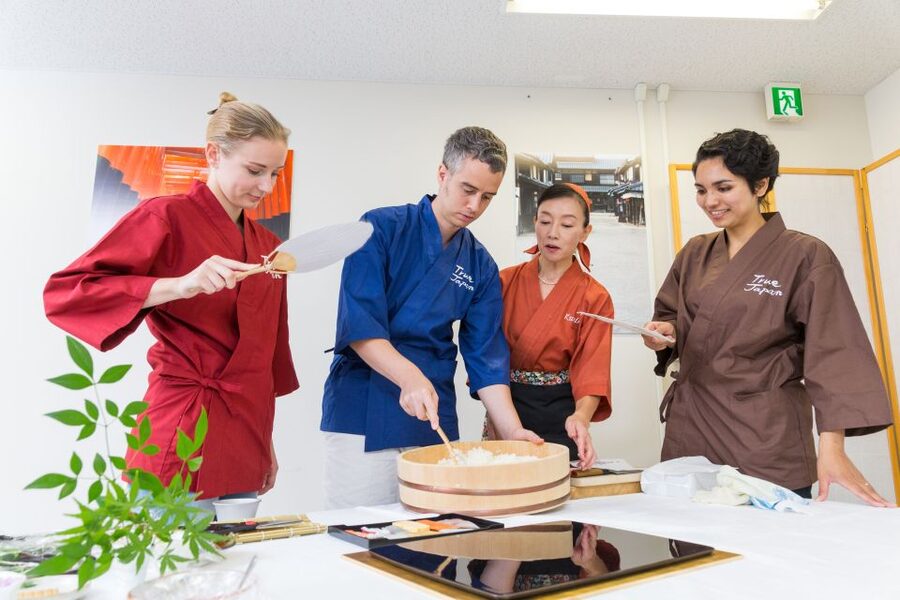
Plan around the two-hour duration, and allow enough time to reach the building opposite Tokyo Tower. The meeting point is clear, but the basement backup location is worth saving in your phone: True Japan Tour, Room B109.
The activity offers free cancellation up to 24 hours before the start for a full refund. You can also reserve now and pay later, which helps if your Tokyo schedule is still shifting.
The class is offered in English, with no other language listed. It is wheelchair accessible, but you should still contact the provider if you need specific arrangements beyond general accessibility.
Because the class has a maximum of 10 people, book ahead if the timing matters to you. The small group is part of the experience’s value, and a full session may not offer the same flexibility as a larger activity.
Should you book the sushi workshop?
Book it if you want to make your own food, learn three basic sushi techniques, and take home tools for another attempt. The small group, English instruction, included meal, and etiquette lesson give the activity more substance than a quick food demonstration.
Skip it if $106 feels too high for a two-hour activity or if you mainly want to eat excellent sushi without doing the preparation. You should also check ingredient details beforehand if you have dietary restrictions.
For most first-time sushi makers, this is a focused and practical Tokyo experience. It gives you something to do, something to eat, and something to continue practising after you leave Japan.
FAQ
Where does the sushi-making workshop meet?
Meet the instructor at the main entrance of the Kikai Shinko Kaikan building on the first floor. The building is directly opposite Tokyo Tower.
What should I do if I cannot find the instructor?
Go to True Japan Tour in Room B109 on the basement level of the same building.
How long does the sushi class last?
The workshop lasts two hours. Starting times vary, so check availability when booking.
Which types of sushi will I learn to make?
You will learn three styles: nigiri zushi, gunkan maki, and hosomaki zushi.
Is the sushi meal included in the price?
Yes. The workshop includes the ingredients and a meal made from the sushi you prepare.
Is the workshop available in English and suitable for wheelchair users?
Yes. The instructor teaches in English, and the activity is wheelchair accessible.
Just added around Tokyo
- Tokyo: Tsukiji Market Walking Tour & Sushi Cooking Class★ 4.6 · 122 reviews
- Tokyo: Sushi Cooking Class with Sake Tasting★ 4.8 · 55 reviews
- Tokyo: Tsukiji Market Guided Tour & Sushi-Making Experience★ 4.4 · 11 reviews
- Tokyo: Sushi and Ramen Cooking Class with Sake Pairing Set★ 5.0 · 81 reviews
- Tokyo: Learnt to cook Bento, Oyakodon and More!★ 5.0 · 5 reviews
- Tokyo: Real Ramen & Dumpling Cooking with Master Chef★ 5.0 · 10 reviews
- Tokyo: Kawaii Bento Cooking Class – Cute Character Lunchbox★ 4.9 · 55 reviews
- Tokyo: Night Cooking Class: 5 Home-Cooked Japanese Dishes★ 4.9 · 13 reviews
Japanese & Sushi Cooking Classes, compared.
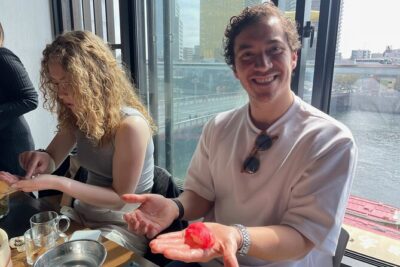
Sushi Making Tokyo Roll and Authentic Japanese Sushi Class
Read our review →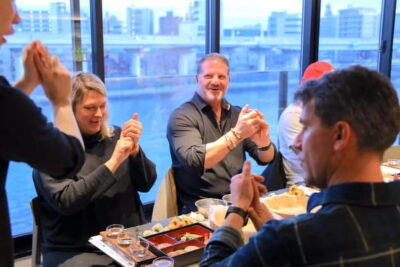
Tokyo: Roll and Authentic Sushi Making Class in Asakusa
Read our review →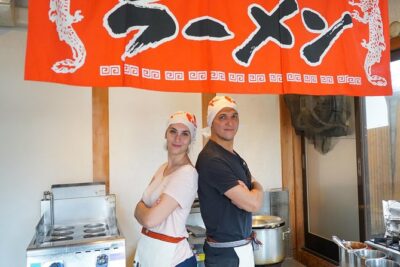
Ramen Cooking Class at Ramen Factory in Kyoto
Read our review →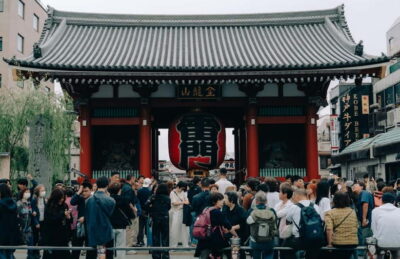
Tokyo: Sushi Making Class in a Happi Coat near a Famous Spot
Read our review →
Sushi Making Tokyo! Popular Maki Sushi & Japanese Sushi(+Recipe!)
Read our review →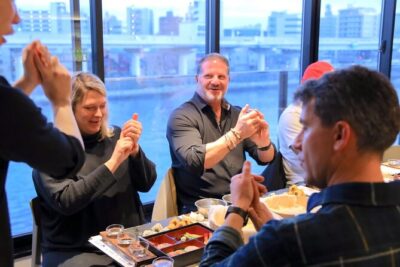
Sushi Making Osaka Roll and Authentic Japanese Sushi Class
Read our review →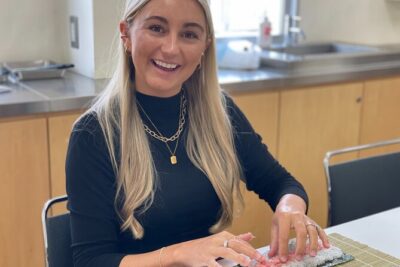
Tokyo Sushi Making Class in Tsukiji with Professional Chef
Read our review →
Ramen & Gyoza Cooking Class in Tokyo with Local Supermarket Visit
Read our review →Browse the lists this tour appears in