
Review · COLOMBO
Vegan Cooking Class Colombo with Market Tour
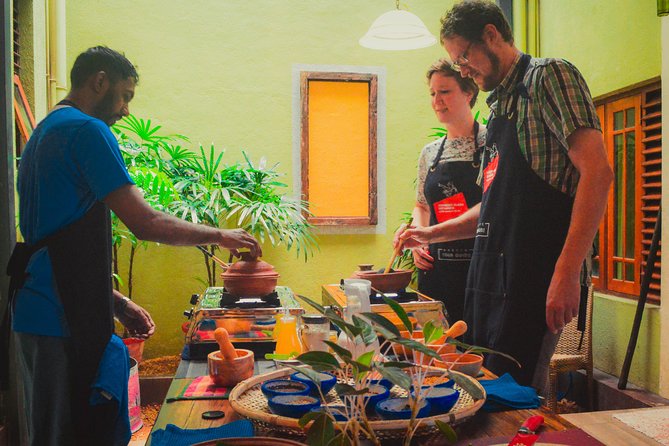
The best part of this Colombo experience happens before you reach the stove: you visit a local market with your chef and learn how Sri Lankans judge vegetables, spices, and leafy greens. Then you cook a full meal from scratch in clay pots at a quiet villa near Diyawanna Lake. The market lesson gives the cooking real context, while the private format lets you ask questions without fighting for space.
I like two things in particular. First, you get your hands on nearly every stage, from sauces and spice pastes to rice, curries, salads, and dessert. Second, the menu can be shaped around your tastes, and the chef and helper explain the techniques rather than simply handing you a finished plate. The main point to check is the vegan menu wording: chicken curry appears among the listed choices, so state your dietary needs clearly when you book.
Key points at a glance
- A market visit comes first: Learn how to select produce, spices, and leafy greens with local guidance.
- Clay pots change the lesson: Slow cooking in seasoned pottery shows how Sri Lankan food develops its texture and flavor.
- The class is private: Only your group takes part, with room for questions and hands-on work.
- You choose parts of the menu: Pick one rice, one mallum, and several traditional curries and accompaniments.
- The setting is outside central Colombo: The villa is about 9 kilometers from the city center, near Parliament and Diyawanna Lake.
- Allow five hours: The scheduled hours are 9:30 AM to 3:30 PM, Monday through Sunday, with the exact activity lasting about five hours.
Why the market visit matters in Colombo
Sri Lankan cooking depends on produce that can look ordinary until you know what to do with it. A market visit helps you see the difference between simply buying vegetables and choosing the right ones for a curry, mallum, or sambol.
You will walk through a local market with guidance from the cooking team. This is useful if you do not speak Sinhala or Tamil, since the chef can explain what you are seeing and help with the practical side of buying ingredients.
The market is described as having a feel similar to a European eco shop, though the comparison only goes so far. The important point is freshness. Sri Lankan home cooks often build a meal around what is available that day, and the class uses this visit to show you how produce, spices, and other ingredients fit together.
Pay attention to the leafy greens. Mallum is not just a side salad in the Western sense. It is a finely prepared leafy dish, and the choice of green changes its taste and texture. You may choose gotukola, mugunuanna, gova, kankun, or aguna kola mallum, depending on availability and your preference.
This first part also gives you a better feel for daily life in Colombo than a cooking demonstration alone. You see the ingredients before they are washed, chopped, seasoned, and transformed. That connection is one of the strongest reasons to choose this experience.
More Market Tour Cooking Classes in Sri Lanka
- Market Tour and Hands-On Cooking Class Colombo
★ 5.0 · 140 reviews - Galle: Cooking Class at a Local Home and Market Tour
★ 5.0 · 47 reviews - Colombo Cooking Experiance with Explore Market
★ 4.7 · 33 reviews
Arriving at the villa near Diyawanna Lake
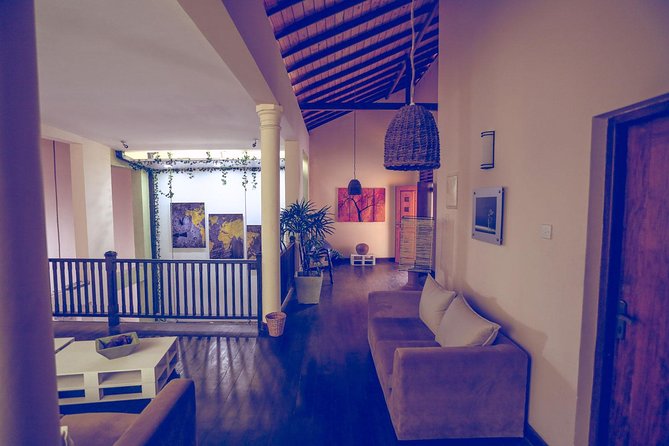
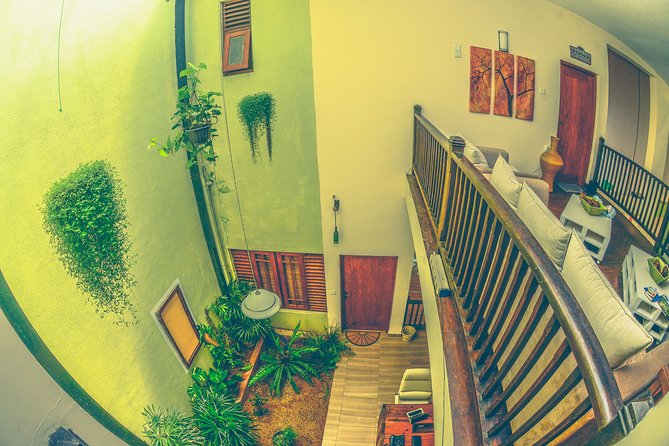
The class takes place at a private villa in the Sri Jayawardenepura Kotte area, about 9 kilometers from central Colombo. It is within walking distance of the Sri Lankan Parliament, the Immigration Office, and Diyawanna Lake.
This location is a clear change from central Colombo. The setting is described as part of the capital’s green belt, with less traffic noise and the chance to hear birds. You begin with freshly made fruit juice or a herbal drink, then have time to refresh yourself before heading to the market.
The wording around the accommodation needs a little care. The experience information says you can check into a room, spend the night, and receive free breakfast. It also says the activity ends back at the meeting point. If the room and breakfast matter to your plans, confirm exactly what is included before paying, rather than assuming the $80 cooking-class price covers a separate overnight stay.
Transport also needs checking. Pickup is advertised in the general tour details, but the inclusions say hotel pickup and hotel drop-off are not included. The stated meeting point is Travel Footprint in Kollupitiya, Colombo, and the activity ends there. Traffic can make transfer times longer, especially around Colombo, so ask for a clear pickup arrangement.
Cooking with clay pots
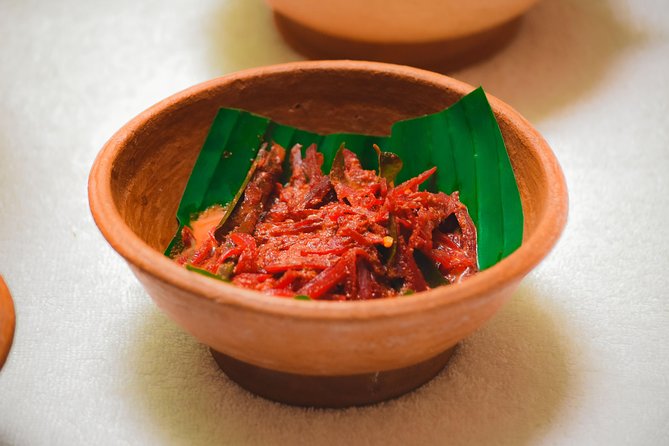
The clay-pot session is the most distinctive cooking feature. Clay pottery has been used in Sri Lanka for generations, and a properly made, seasoned pot is suited to slow cooking.
The porous walls hold moisture and help keep food from drying out. That matters for curries, where you want tender vegetables and a sauce that has had time to take on the flavor of coconut, spices, and aromatics.
You will not just hear that clay pots are traditional. The value comes from using one while preparing the food. You can see how the vessel behaves, how heat affects the curry, and why some Sri Lankan dishes are cooked slowly rather than rushed in a metal pan.
The claims about antibacterial properties and longer preservation are presented as part of the cooking explanation, but you should not treat this class as food-safety instruction. Follow the chef’s handling advice and enjoy the pottery for what it offers: a traditional cooking method and a different way to understand Sri Lankan food.
Cooking in clay also adds a practical lesson for home use. If you want to recreate the dishes later, you will need to consider the pot, heat level, and cooking time, not just the ingredient list. That makes the class more useful than a demonstration where you only watch someone else work.
What you can cook in five hours
The menu is broad for a half-day class. You choose one rice preparation, several curries, one leafy mallum, papadum, and dessert.
For rice, the choices are white rice, yellow rice, or brown rice. Yellow rice gives you a more seasoned result, while white rice provides a simple base for the curries. Brown rice suits you if you want a nuttier grain and a heavier texture.
The listed traditional curries include:
- Sri Lankan dhal curry
- Coconut sambol
- Potato curry
- Fried mushroom
- Sri Lankan chicken curry
Here is the important catch: a class promoted as vegan includes chicken curry in its menu choices. That may be an accidental carryover from a broader Sri Lankan cooking menu, but you should not leave it to chance. Tell the provider that you need a fully vegan meal and ask what replaces the chicken option.
Dhal curry and potato curry are natural choices for a vegan plate. Fried mushroom can add a firmer texture, while coconut sambol brings freshness, heat, and a sharp contrast to the softer curries. You may be able to shape the final meal around these dishes, but confirm the exact menu before arrival.
The mallum choice gives the plate a fresh green element. Gotukola, mugunuanna, gova, kankun, and aguna kola each offer a different taste and texture. Availability may vary, so treat the selection as a guide rather than a guarantee of every green listed.
Papadum is included as an enhancer, adding crunch beside the softer rice and curries. Dessert is buffalo curd with honey or tropical fruit, along with tea or coffee. Honey is not vegan, so ask for fruit or another suitable option if you avoid all animal products.
Same place, a different menu:
- Ella: Traditional Sri Lankan Cooking Class
★ 4.9 · 788 reviews - Organic cooking class sigiriya (kumara & family)
★ 5.0 · 650 reviews - Sri Lanka Cooking Class with Granny
★ 5.0 · 587 reviews - Kandy Village Cooking Class
★ 5.0 · 536 reviews
A genuinely hands-on class
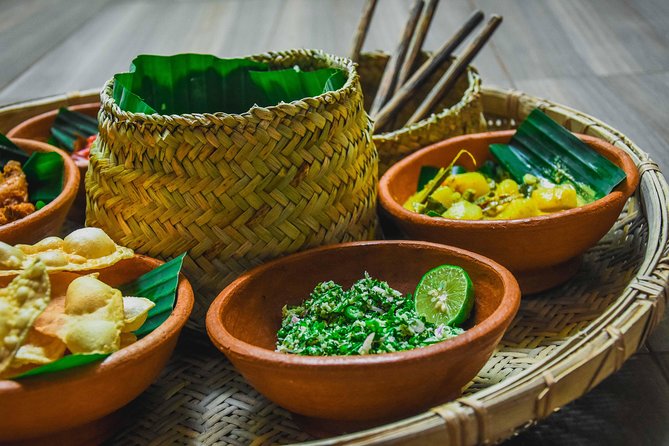
The class is designed for participation, not simply watching a chef cook. You should expect to help prepare sauces, pastes, fillings, and other components from scratch.
That matters because Sri Lankan flavor often comes from the order and treatment of ingredients. You learn how a spice blend is built, how coconut fits into a curry, and how a leafy dish is prepared. These are the details that are hard to pick up from a recipe copied from the internet.
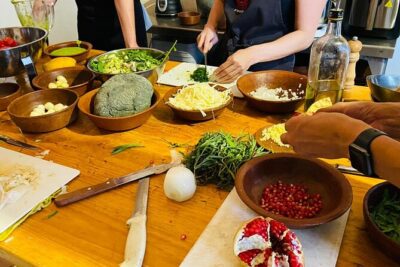
The private format is another advantage. Only your group participates, so you can ask the chef to slow down, repeat a technique, or explain a spice. A small group also gives you more time at the cutting board and stove.
The chef and helper are available to answer questions and share recipes and tips. The teaching style is described as easy to follow, which should help if you are new to Sri Lankan cooking. Still, hands-on classes can move quickly when several dishes are being prepared at once. Tell the chef early if you want extra help with chopping, spice mixtures, or timing.
The experience works well for a birthday or family occasion. A family group can divide the work, and children who are old enough to participate may enjoy making one course themselves. The private setup makes this more practical than a large public class.
Food, drinks, and what the price covers
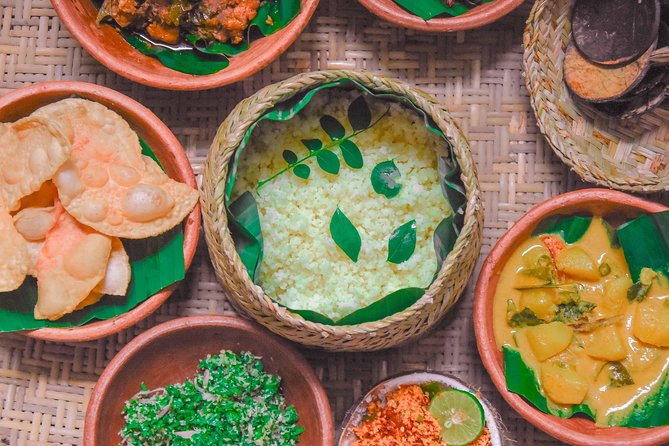
At $80 per person, this is not the cheapest way to eat in Colombo. It is better judged as a private half-day activity that combines a market visit, instruction, ingredients, a meal, refreshments, and a cultural lesson.
You receive bottled water, light refreshments, coffee or tea, local taxes, and the professional guide. The meal includes the dishes you prepare, with dessert and tropical fruit listed among the choices.
Beer is not included. The food information also contains a broad note saying food and drinks are excluded unless specified, so clarify the final menu and drink package before booking. A local beer may be available for tasting, but you should expect to pay for alcoholic drinks separately.
The value is strongest if you want to learn techniques you can use at home. If your main goal is a cheap meal, the price will feel high. If you want private teaching, market access, a quiet setting, and a meal you help create, the cost is easier to justify.
The class is often reserved about 30 days ahead, so it is sensible to plan it early if your Colombo schedule is tight. The advertised hours are 9:30 AM to 3:30 PM, Monday through Sunday, though the activity itself is approximately five hours.
Who should book this experience
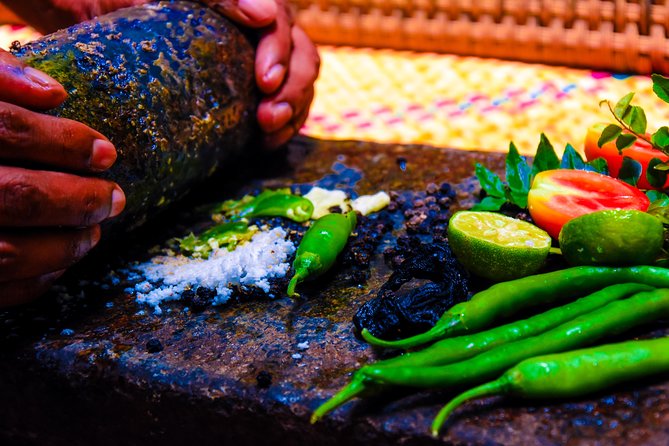
I would recommend it to you if food is a main reason for visiting Sri Lanka and you want more than a restaurant meal. It is also a good fit for a couple, family, or small private group that prefers direct instruction.
Vegetarians can be accommodated if you give notice. Vegans should be especially specific because of the chicken, honey, and buffalo curd appearing in the menu information. Ask for a completely plant-based menu, including the dessert and any tasting drinks.
The class suits people who enjoy practical activities. You will get more from it if you want to chop, stir, season, and ask questions. If you prefer a short demonstration followed by a long lunch, this may feel too involved.
The villa setting may appeal to you after several days in central Colombo. It is quieter and greener, but the distance from the city center means you need to allow time for transport. Cruise passengers should provide the ship name, docking time, disembarkation time, and re-boarding time when booking.
Dress smart casual. Since market walking and kitchen work are involved, comfortable clothing is more useful than anything formal.
Booking details and cancellation
Confirmation is provided at booking. You can cancel up to 24 hours before the start time for a full refund. Changes or cancellations made within 24 hours are not accepted for a refund.
The class requires good weather, likely because the market visit is part of the experience. If poor weather forces cancellation, you are offered another date or a full refund.
The experience is private, and it runs with your group only. That gives you control over questions and menu preferences, but it also makes accurate booking details more important. Confirm the meeting point, hotel transport, room arrangements, and vegan substitutions before the day begins.
Should you book the Colombo vegan cooking class?
Book it if you want to understand Sri Lankan food by seeing the ingredients, preparing them, and eating the finished meal. The market visit, clay-pot cooking, private instruction, and choice of curries give the experience more substance than a standard cooking demonstration.
I would pause only if you need a strictly vegan menu and have not received written confirmation of the substitutions. The listed chicken curry, honey, and buffalo curd create a real question, not a minor detail. Once that is resolved, this is a strong choice for a food-focused half-day in Colombo, especially for a private group that values practical skills over a quick tasting.
FAQ
How long does the cooking class last?
The experience lasts approximately five hours. The listed operating hours are 9:30 AM to 3:30 PM, Monday through Sunday.
Where does the experience start and end?
The stated meeting point is Travel Footprint in Kollupitiya, Colombo. The activity ends back at the meeting point.
Is hotel pickup included?
The information is inconsistent. Pickup is offered in the general details, but hotel pickup and hotel drop-off are listed as not included. Confirm the arrangement before booking.
Is the cooking class private?
Yes. Only your group participates in the activity.
Is the class suitable for vegans?
It is marketed as vegan, but the listed menu includes chicken curry, honey, and buffalo curd. Tell the provider your requirements at booking and confirm that every dish and dessert will be fully plant-based.
Is a vegetarian option available?
Yes. A vegetarian option is available, but you should request it when booking.
What dishes can I learn to prepare?
Choices include white, yellow, or brown rice; dhal curry; coconut sambol; potato curry; fried mushroom; chicken curry; one mallum; papadum; and dessert options including buffalo curd with honey or tropical fruits.
Are drinks included?
Bottled water, light refreshments, coffee, and tea are included. Alcoholic drinks, including beer, are not included.
What should I wear?
The stated dress code is smart casual.
What happens if bad weather cancels the experience?
You will be offered a different date or a full refund if the experience is canceled because of poor weather.
More Food Experiences in Sri Lanka
- Small Group Cooking Class & Market Food Tour in Florence
★ 5.0 · 1,574 reviews - Athens: Food Market Visit and Cooking Class with Wine
★ 4.9 · 1,087 reviews - Undiscovered Charleston: Half Day Food, Wine & History Tour with Cooking Class
★ 5.0 · 948 reviews - Vietnamese Food Cooking Class in Hanoi with Market Experience
★ 5.0 · 778 reviews
More Vegan Cooking Classes in Sri Lanka
- Oaxacan Vegetarian Cooking Class
★ 5.0 · 235 reviews - Hoi An: Vegetarian Cooking Class w Local Family and transfer
★ 4.9 · 145 reviews - Jaipur Market Tour & Vegetarian Rajasthani Home Cooking Class
★ 5.0 · 113 reviews - Ramen & Dumpling Cooking in Tokyo with Chef/Vegan possible
★ 5.0 · 107 reviews
Just added around Sri Lanka
- Galle: Cooking Class at a Local Home and Market Tour★ 5.0 · 47 reviews
- Private Traditional Sri Lankan Cooking Class in Kandy with Hotel Transfers★ 5.0 · 115 reviews
- Sri Lanka Cooking Class with Granny★ 5.0 · 587 reviews
- Cooking With Village Family★ 5.0 · 104 reviews
- Organic Cooking Class sigiriya home Kitchen(Kumara & family)★ 5.0 · 116 reviews
- Colombo Cooking Experiance with Explore Market★ 4.7 · 33 reviews
- Colombo Cooking Class★ 5.0 · 151 reviews
- Cooking Class Sri Lanka with Locals★ 5.0 · 101 reviews
Vegan & Vegetarian Cooking Classes, compared.
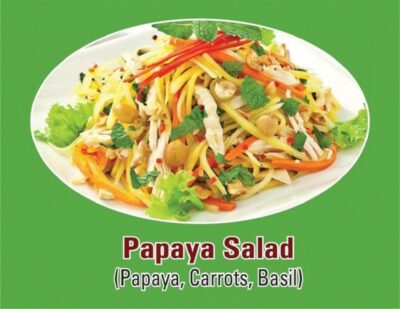
Hoi An: Vegetarian Cooking Class w Local Family and transfer
Read our review →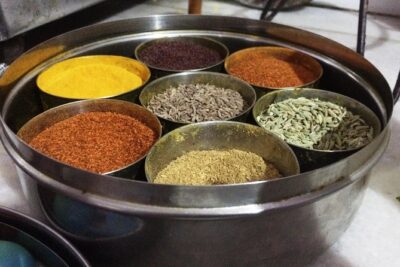
Jaipur Market Tour & Vegetarian Rajasthani Home Cooking Class
Read our review →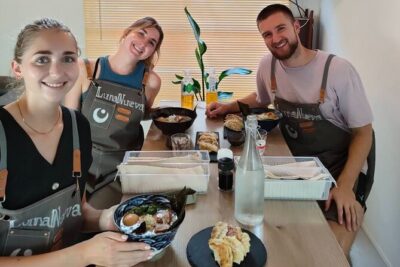
Ramen & Dumpling Cooking in Tokyo with Chef/Vegan possible
Read our review →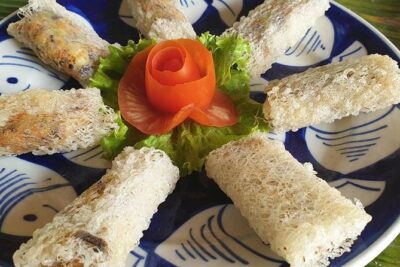
Hoi An/Da Nang: Vegetarian Cooking Class & Basket Boat Ride
Read our review →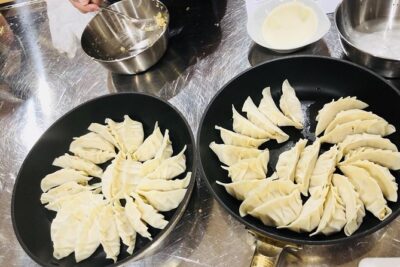
Vegan/Vegetarian Ramen and Gyoza by Bentoya cooking
Read our review →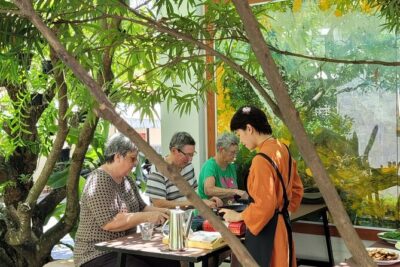
Hue’s Vegetarian Cooking Class in Ancient Garden
Read our review →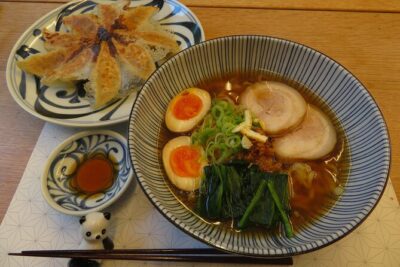
Ramen Making from Scratch with Tokyo Mom(Vegan Option Available)
Read our review →Browse the lists this tour appears in