Review · CAPE TOWN
Cape Town: Bo-Kapp Walking Tour and Malay Cooking Class
Bo-Kaap’s painted houses are the eye-catching part, but the best reason to book this experience is what happens behind them. You walk the neighborhood with a local guide, then enter a Bo-Kaap home to prepare Cape Malay food with Faldela and her team. The cooking is hands-on, not a demonstration where you simply watch.
I especially like the spice lesson and the chance to make roti from scratch. The guides also bring the area’s people, mosques, shops, and old buildings into the story. The main consideration is space: the home cooking area is small, so not everyone can work at the counter at once. You may spend part of the class watching, talking, or sharing tasks.
Key points at a glance
- A local view of Bo-Kaap: Walk with guides such as Faldela, Gadija, or Ilyas and hear about the neighborhood’s Muslim Cape Malay community, old buildings, and traditions.
- A real cooking session: Fold samosas, fry chili bites, make chicken curry, roll roti, and prepare sambal, rather than simply sitting down to eat.
- The spice-shop stop: Learn how different spices are used and hear about their claimed health benefits from a guide who knows the subject well.
- A full home-cooked meal: Sit down to eat curry, roti, salsa salad, samosas, and koesisters with cardamom tea.
- Recipes to take home: The recipes are sent by email, giving you a fair chance of making the dishes again.
- A compact half-day plan: Four hours is enough to see Bo-Kaap and eat well without taking over your whole day in Cape Town.
Why this Bo-Kaap experience is more than a photo stop
Bo-Kaap is famous for its rows of brightly painted homes, but walking through it alone can leave you with little sense of what you are seeing. This tour gives the colors some meaning. You learn about the local Muslim community, the area’s customs, the architecture, and the role of food in family and cultural life.
The walking portion also helps you slow down. Instead of stopping for a quick photograph and moving on, you have time to look at older buildings, hear about the first mosque in South Africa, and visit local businesses. The exact route can vary with the guide and the group, but the focus is on the community rather than a checklist of photo points.
Guides named in the experience include Faldela, Gadija, and Ilyas. Faldela is especially involved in the cooking portion and is known for an informal, funny teaching style. Gadija has led both the historical walk and cooking class, while Ilyas has guided visitors through the neighborhood. You may not have the same guide for every departure, but the local connection is central to the experience.
This matters because Bo-Kaap is not a museum set apart from daily life. People live here, run shops here, greet one another in the street, and maintain long family ties to the area. A local guide can explain details you would likely miss on your own.
More Hands-On Workshops in the world:
- Half-Day Thai Cooking Class at Organic Farm in Chiang Mai
★ 5.0 · 19,087 reviews - Florence: Pasta Cooking Class with Unlimited Wine
★ 4.9 · 10,285 reviews - 3 in 1 Cooking Class near Navona: Fettuccine, Ravioli & Tiramisu
★ 5.0 · 7,376 reviews
Walking through the colorful streets
The tour begins at a purple house with flower pots on top, which serves as the meeting point. From there, expect a walk along Bo-Kaap’s cobblestone streets and past some of its oldest buildings.
The houses are the obvious attraction, but the guide adds the useful layer. You learn why the neighborhood matters to Cape Malay culture and how Islam shapes local traditions. The tour also includes information about the first and oldest mosque in South Africa, along with a visit to the cultural museum or discussion of it.
One practical point is worth noting: the museum entrance fee is listed as included, but the precise timing of the museum visit may depend on the day’s route. One participant did not visit it and suggested allowing separate time if it is important to you. Ask your guide at the start if the museum is part of that day’s walk.
The tour may also include local art, souvenir shops, and meetings with shopkeepers or artists. This is a welcome change from simply walking past closed doors. You get a chance to see how local people make and sell things, though the number of shops visited can vary.
Wear comfortable shoes. The walk is not described as strenuous, but cobblestones and time on your feet make sensible footwear a good idea. The four-hour schedule includes both walking and cooking, so you will want to arrive ready for an active afternoon.
The spice shop is a small but useful stop
The spice-shop visit is one of the more distinctive parts of the walk. Cape Malay cooking depends on careful combinations of spice, and the guide explains what different spices do, how they are used, and the health benefits often associated with them.
This is not just a quick shopping pause. The spice talk can become one of the most informative parts of the day, especially if you like to cook. Have your phone ready if your guide gives a long explanation, since there is a lot to remember. You may also want to ask which spices are essential for the dishes you will make later.
Keep a sensible distinction in mind: health claims about spices are part of traditional food knowledge and everyday cooking advice, not a substitute for medical guidance. The value here is practical. You learn how flavor is built, how a dish gets its warmth, and why the same spice can be used in more than one way.
Cooking samosas, chili bites, curry, and roti
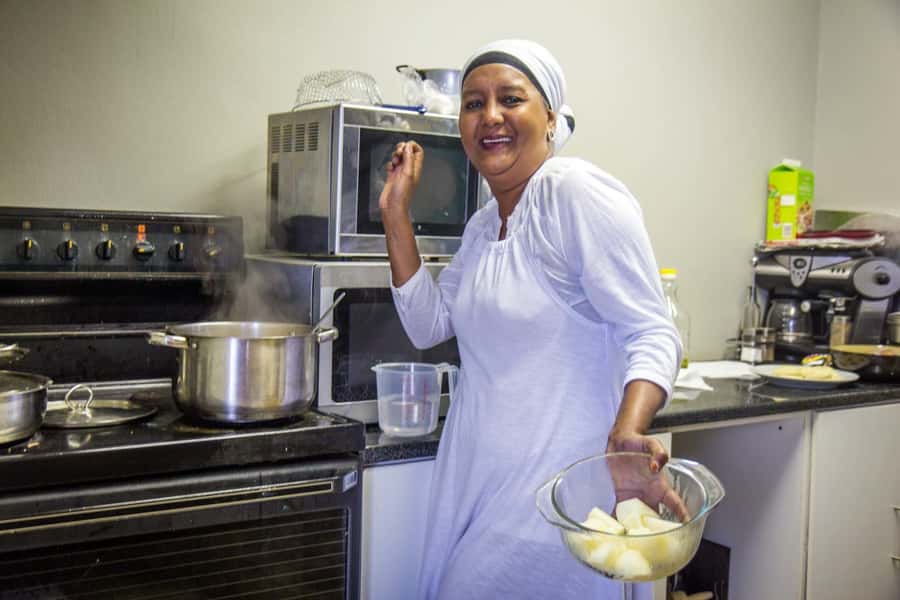
After the walk, you return to the host’s home and begin preparing the meal. The menu can include samosas, chili bites, chicken curry, roti, sambal or salsa salad, and koesisters for dessert.
The first task is folding samosas. This is a small skill, but one that feels satisfying because it produces something you can recognize immediately. The class is designed to involve you, even if you are not confident in the kitchen. Faldela’s teaching style is lively and relaxed, and the aim is participation rather than perfect technique.
The curry is prepared as the main dish. You learn how spices are combined and how the dish is built from the beginning. The food is described as plentiful, so this is not a token tasting. You sit down afterward to eat a proper meal.
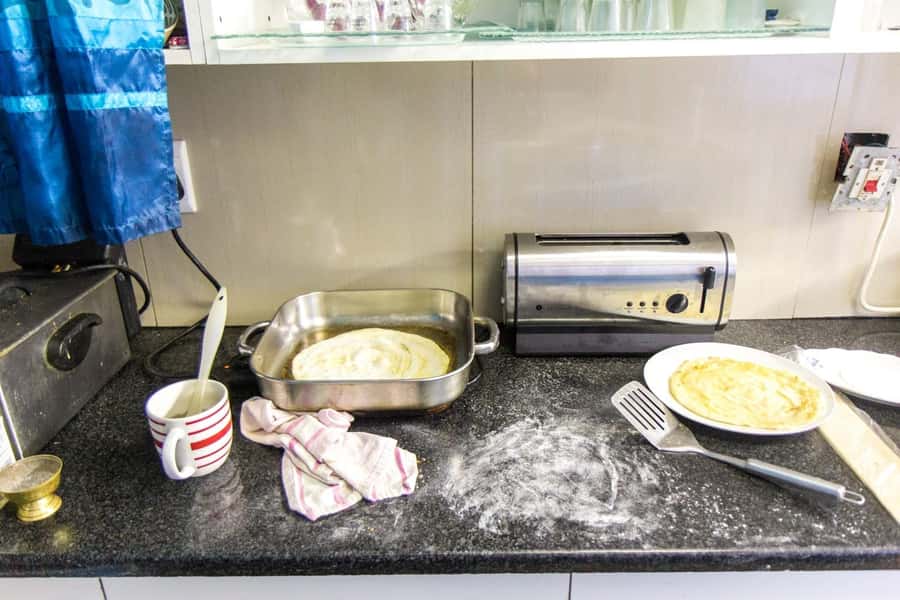
Making roti is likely to be the most useful and challenging part. You work with dough, learn the folding method, and see how the layers are formed. Several people specifically found the roti technique worth taking home. It is also the task most likely to require close attention, so watch carefully when the guide demonstrates the trick.
The cooking space is small. One person noted that only one or two people could work in the area at the same time. That does not ruin the class, but it changes the rhythm. In a larger group, you may rotate between preparing ingredients, watching the guide, chatting, and setting up the meal. If your priority is constant hands-on work, this is worth knowing before you book.
Dietary needs have been handled well for some participants, but the provided information does not spell out every possible dietary option. Tell the operator about your needs before booking and confirm what can be changed. Do not assume every dish can be adapted.
More Walking Tours in the world:
- Japanese Home Cooking Class & Walk in Todoroki Temple Tokyo
★ 5.0 · 88 reviews - Spice Knight (Cooking Class -> Meal -> Local Market walk)
★ 5.0 · 59 reviews - Lucca Walking Tour & Traditional Cooking Class with Wine
★ 5.0 · 21 reviews
Sitting down to a Cape Malay meal
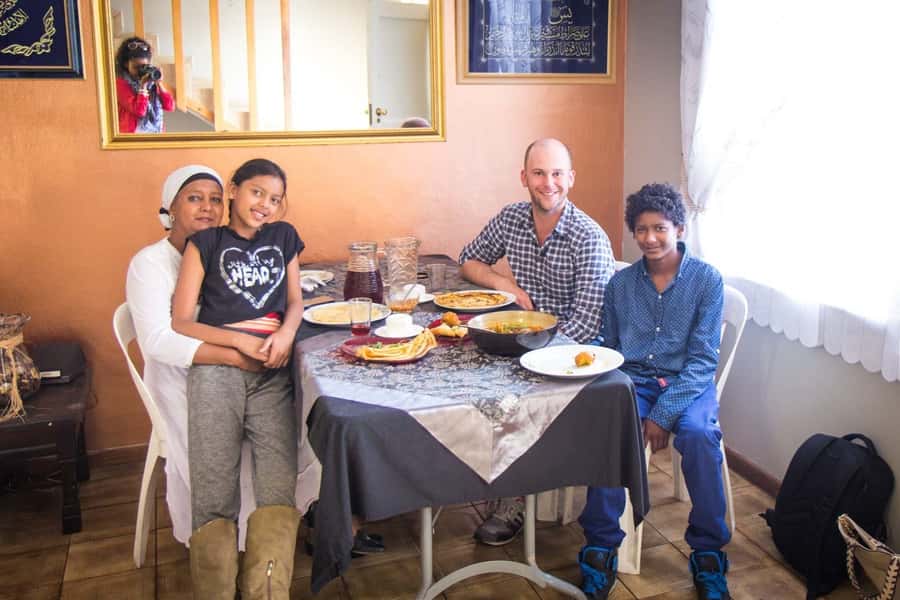
The meal is the natural payoff, and it is also part of the cultural exchange. You sit with your host and fellow participants, eat what you helped prepare, and talk about the food and the neighborhood.
Expect a hearty spread rather than a formal restaurant presentation. Chicken curry and roti form the center, with samosas and sambal or salsa salad alongside them. Koesisters, described here as spicy, savory donuts, are served with cardamom tea.
The food is filling enough that you should not plan a major meal immediately afterward. Water is included. Alcohol is not included, and this is not presented as a drinking experience. The focus is food, conversation, and the chance to share a table in a local home.
This meal also gives the walking tour a purpose. You have heard about Cape Malay traditions, spices, and community life, then you taste some of those ideas directly. You are not just looking at a neighborhood from the outside.
What makes the guides important
The strongest part of this experience is the people leading it. Faldela is described as warm, funny, energetic, and deeply connected to Bo-Kaap. Many local people know her, and greetings along the street help you see her place in the community.
Gadija has also been praised for combining history with an easy, friendly cooking lesson. Ilyas has guided the walking part with a calm local perspective. The exact personality of your day will depend on who leads it, but the format allows plenty of questions and conversation.
The guides do not treat the neighborhood as a backdrop. They explain its past, point out buildings, introduce local businesses, and connect the food to the people who live there. That personal link is the reason I would choose this over a quick self-guided walk followed by an unrelated cooking class.
There is one note of balance. The community has strong political views, and you may encounter discussion or writing about current issues, including support for Palestinians. One participant felt that this became too direct for a cooking class. If you prefer a strictly food-focused activity, know that local identity and current concerns can be part of the conversation.
Price, timing, and overall value
At $68 per person for four hours, this is a reasonable price if you value both a guided cultural walk and a substantial meal. You are paying for a local guide, museum entrance, instruction, ingredients, water, and several hours of contact with a host rather than for a short photo tour.
The value is strongest when you take part fully. If you only want to see colorful houses, a shorter walk will cost you less time and may suit you better. If you want to understand Bo-Kaap and learn dishes you can try at home, the combined format makes more sense.
The recipes are sent by email, which adds lasting value. Samosas and roti are practical skills to repeat, and the curry gives you a useful starting point for Cape Malay cooking. The class is also suitable for people who are not serious cooks. The result is built into the teaching, and the food is prepared in enough quantity to make the meal feel generous.
The activity lasts four hours, with starting times subject to availability. It is led in English. Free cancellation is available up to 24 hours in advance, and you can reserve now and pay later. Those flexible terms help if your Cape Town schedule is still changing.
Who should book this experience
I would choose this for a first visit to Cape Town if you want a cultural activity that includes food. It suits couples, families with older children, solo visitors, and people who enjoy meeting others around a table.
It is also a good choice if you have already seen the main city sights and want something more personal. The walking route is short enough to pair with other Cape Town plans, though the four-hour duration means you should not squeeze in a tightly timed attraction immediately afterward.
You do not need advanced cooking skills. You do need to be comfortable sharing a small kitchen and taking turns. If you dislike group cooking, have limited mobility on cobblestones, or want a polished restaurant meal rather than a home setting, this may not be your best match.
For photographers, the colorful houses are a bonus, but bring curiosity as well as a camera. The tour works best when you listen, ask questions, and take part in the meal rather than treating Bo-Kaap as a backdrop.
Should you book the Bo-Kaap cooking class?
Book it if you want the neighborhood explained by someone connected to it, not just photographed. The combination of old mosques, local shops, spice knowledge, hands-on cooking, and a shared meal gives you a fuller afternoon than a simple street walk.
I would be most likely to recommend it to anyone who wants to carry a piece of Cape Town home. You leave with recipes, new cooking techniques, and a better sense of why Bo-Kaap matters. Just arrive in comfortable shoes, expect a compact kitchen, and confirm the museum timing and dietary arrangements before you go.
FAQ
How long does the Bo-Kaap walking tour and cooking class last?
The experience lasts four hours, including the cultural walk, spice-shop visit, cooking class, and shared meal.
What language is the tour conducted in?
The tour and cooking class are conducted in English.
Where is the meeting point?
Meet your host at a purple house with flower pots on top.
What food do you prepare?
The menu includes samosas, chicken curry, roti flatbread, sambal or salsa salad, and koesisters. Some sessions also include chili bites.
Do I eat the food I prepare?
Yes. You sit down after the cooking session to enjoy the meal, including the curry, roti, side dishes, and traditional dessert with cardamom tea.
Are recipes provided after the class?
Yes. The recipes for the dishes prepared during the class are sent by email.
Is the museum entrance included?
The museum entrance fee is listed as included. The exact museum visit can depend on the day’s route, so confirm the timing with your guide.
What should I bring?
Bring comfortable shoes for the cobblestone walk and time on your feet. Water is included, and alcohol is not.
Just added around the world
- A Coruña: Local Market Shopping and Cooking Workshop★ 5.0 · 16 reviews
- Vegan/Vegetarian Ramen and Gyoza by Bentoya cooking★ 5.0 · 59 reviews
- Traditional Zanzibar Cooking Class including Spice Tour★ 4.5 · 14 reviews
- Verona: Pasta and Tiramisu Cooking Class with Fine Wine★ 4.8 · 633 reviews
- Hoi An/Da Nang: Vegetarian Cooking Class & Basket Boat Ride★ 4.8 · 90 reviews
- Hoi An : Vegetarian Cooking Class W Optional Coconut Village★ 4.9 · 28 reviews
- Hoi An Vegan Cooking School with Local Chef and Basket Boat★ 4.8 · 31 reviews
- Tbilisi: Cooking Class with a Local Family★ 5.0 · 104 reviews
Cooking Classes, compared.
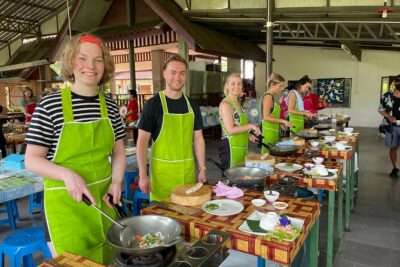
Half-Day Thai Cooking Class at Organic Farm in Chiang Mai
Read our review →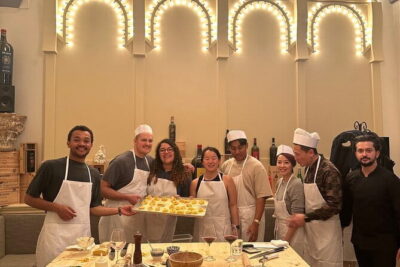
Florence: Pasta Cooking Class with Unlimited Wine
Read our review →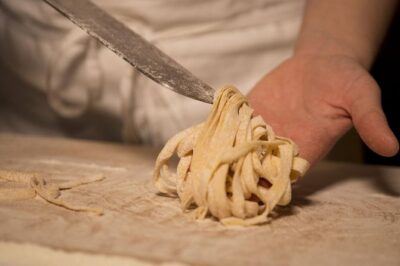
3 in 1 Cooking Class near Navona: Fettuccine, Ravioli & Tiramisu
Read our review →
Hanoi Cooking Class: Culture, Local Market & Meaning CSR Impact
Read our review →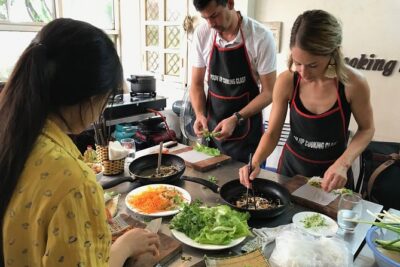
5 Traditional Dishes Hanoi Cooking Class with Market Trip
Read our review →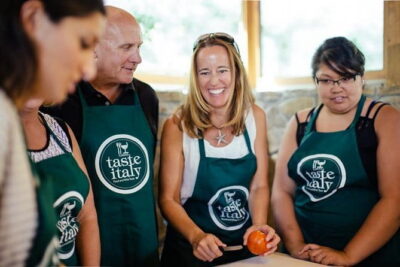
Cooking Class and Lunch at a Tuscan Farmhouse with Local Market Tour from Florence
Read our review →